

MINI 3 Door Review

 Share
Share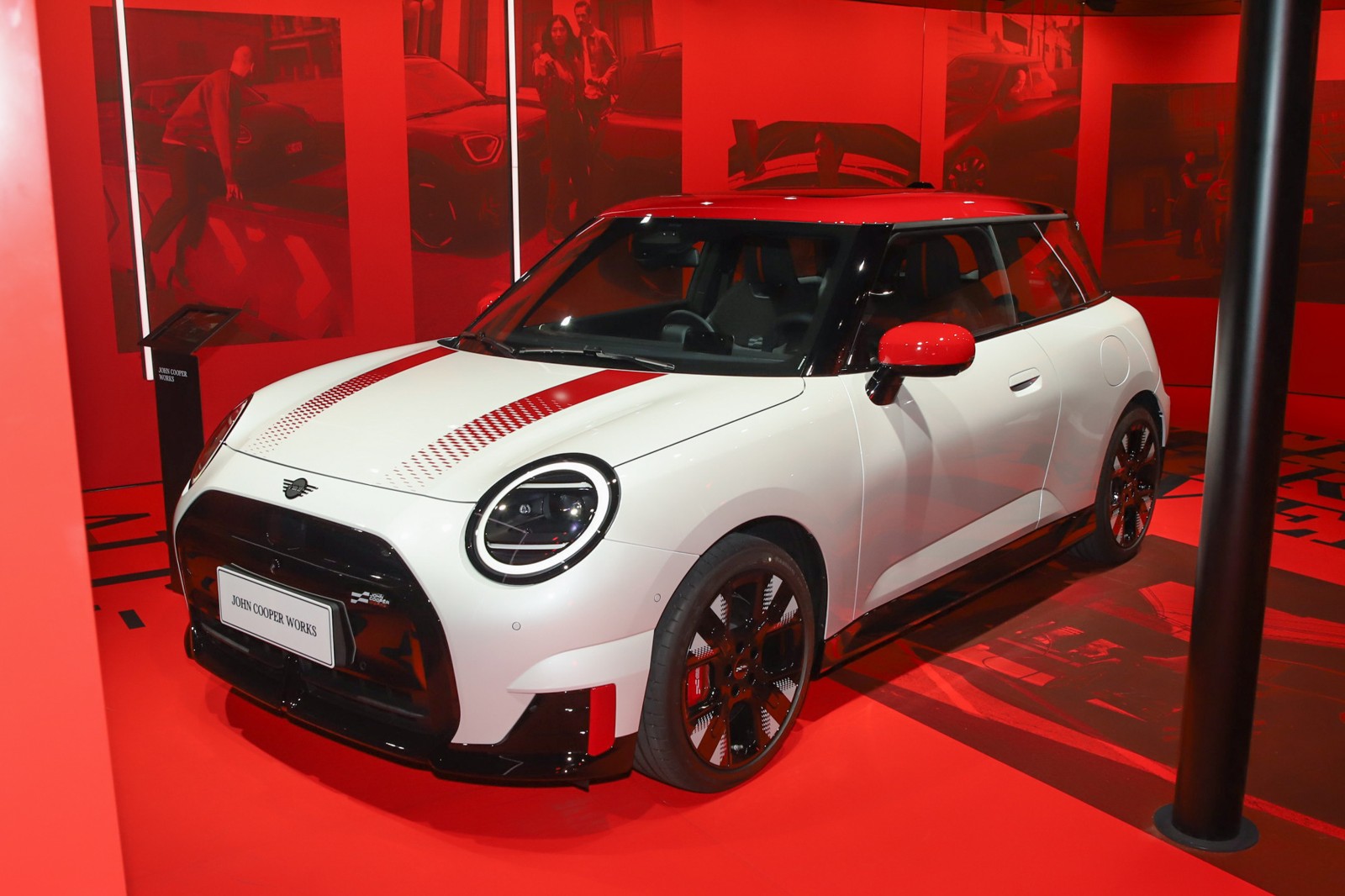
 Segment
 Body Type
 Motor Output(kW)
 Motor Torque(Nm)
 EV Range(km)
 Battery Capacity(kWh)
The B-segment pure electric small car market has become increasingly competitive in recent years. Consumers not only value range and practicality but also have a growing demand for driving pleasure. The arrival of the 2025 MINI 3 Door John Cooper Works Electric (referred to as JCW Electric) hits this pain point perfectly — it retains the iconic driving dynamics of MINI, achieves more direct acceleration with pure electric power, and is priced nearly RM 10,000 lower than the petrol version of the same series. In this test drive, we mainly verify: Does the electric drive dilute the sporty attributes of the JCW? Can the official range of 371 km meet daily commuting needs? And does it have enough competitiveness among pure electric small cars at the same price point?
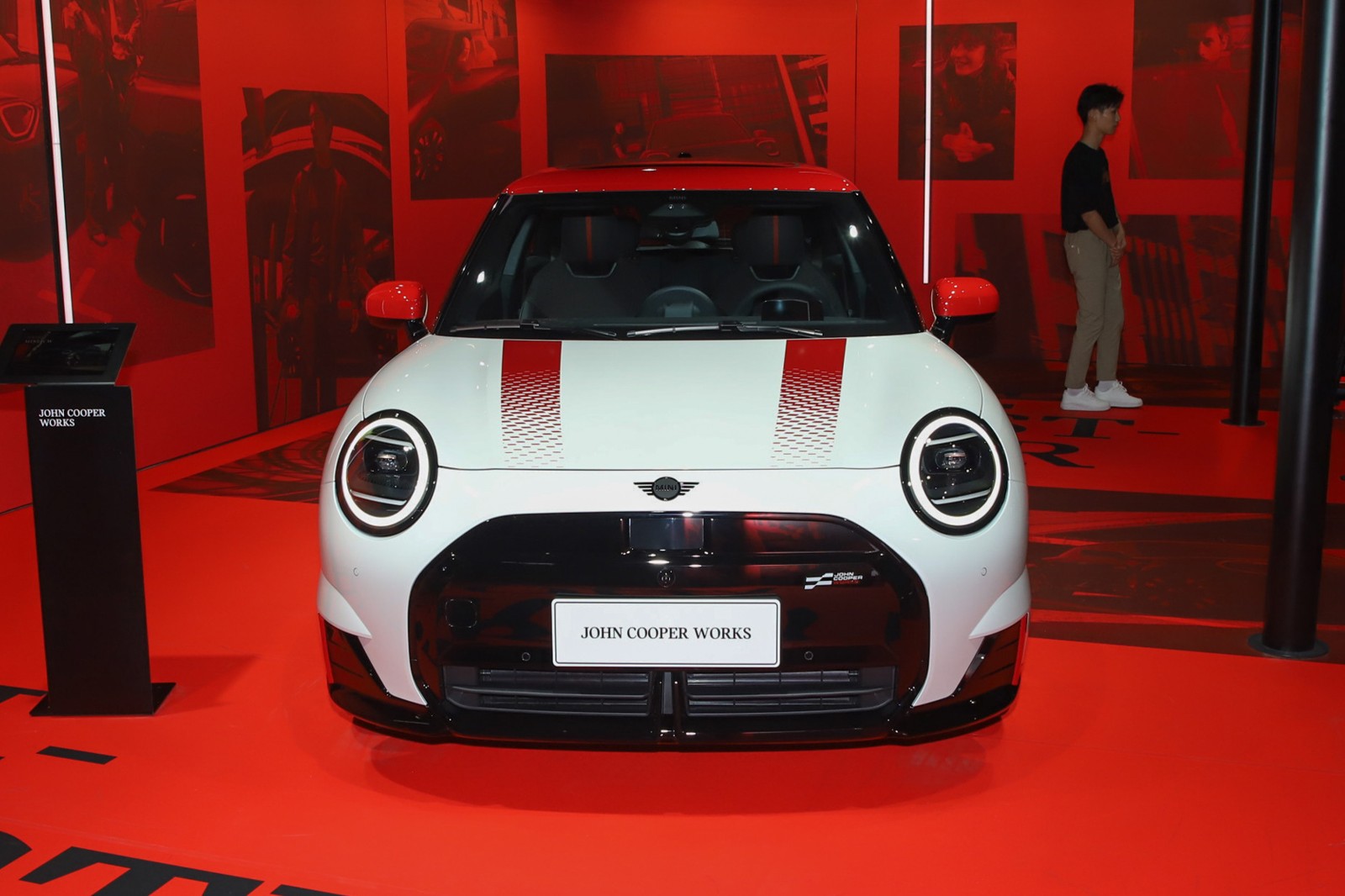
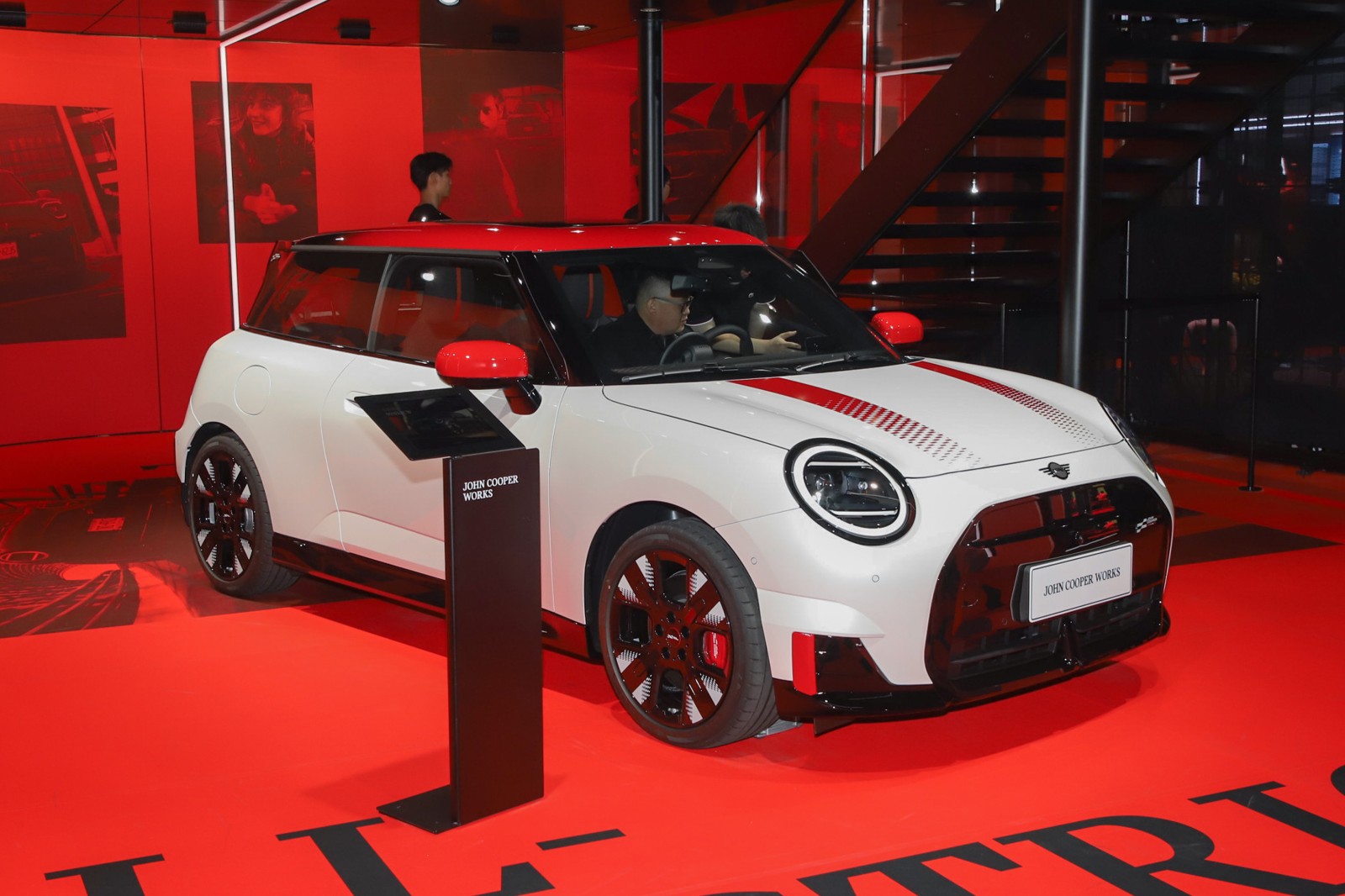
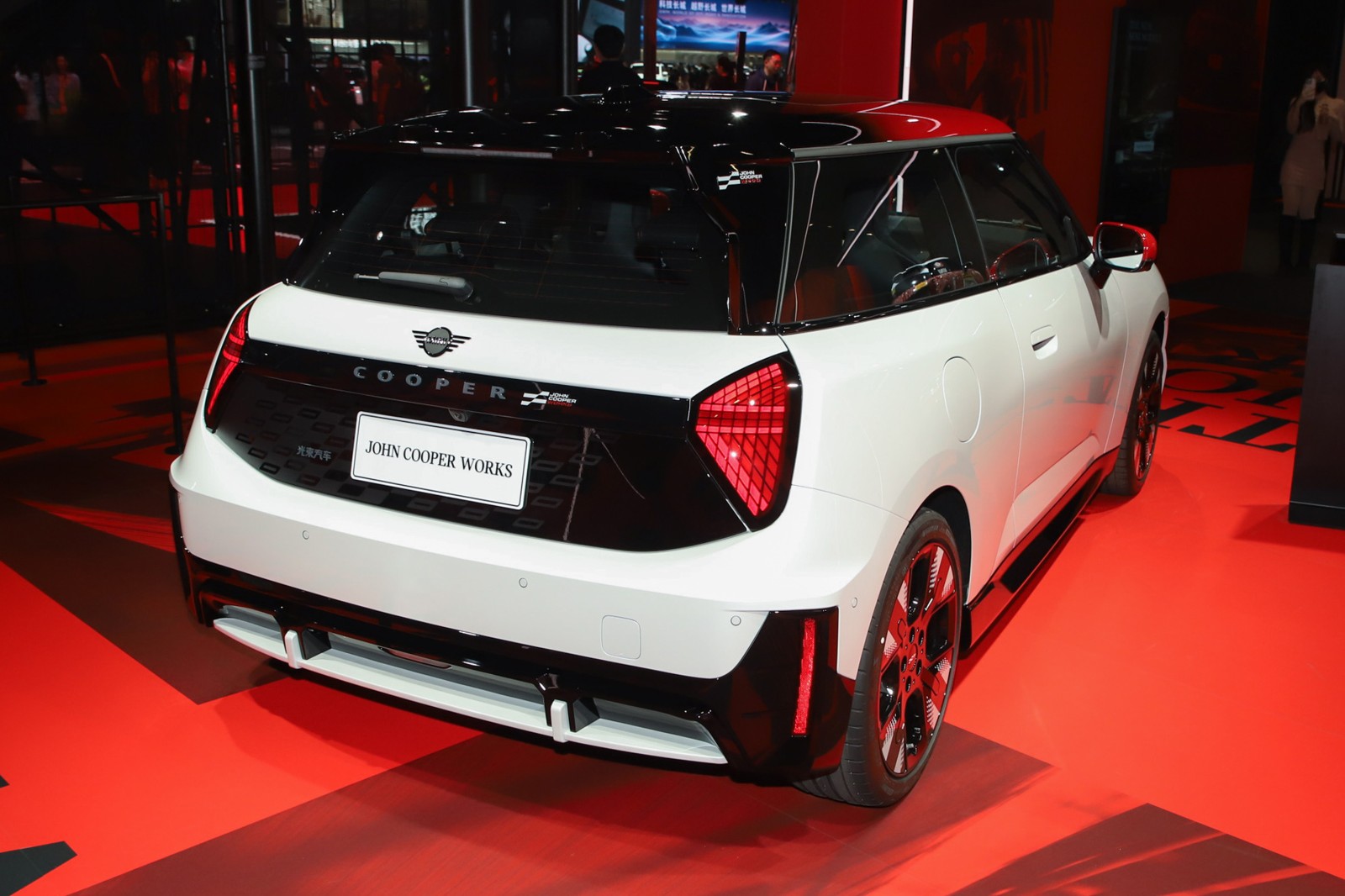
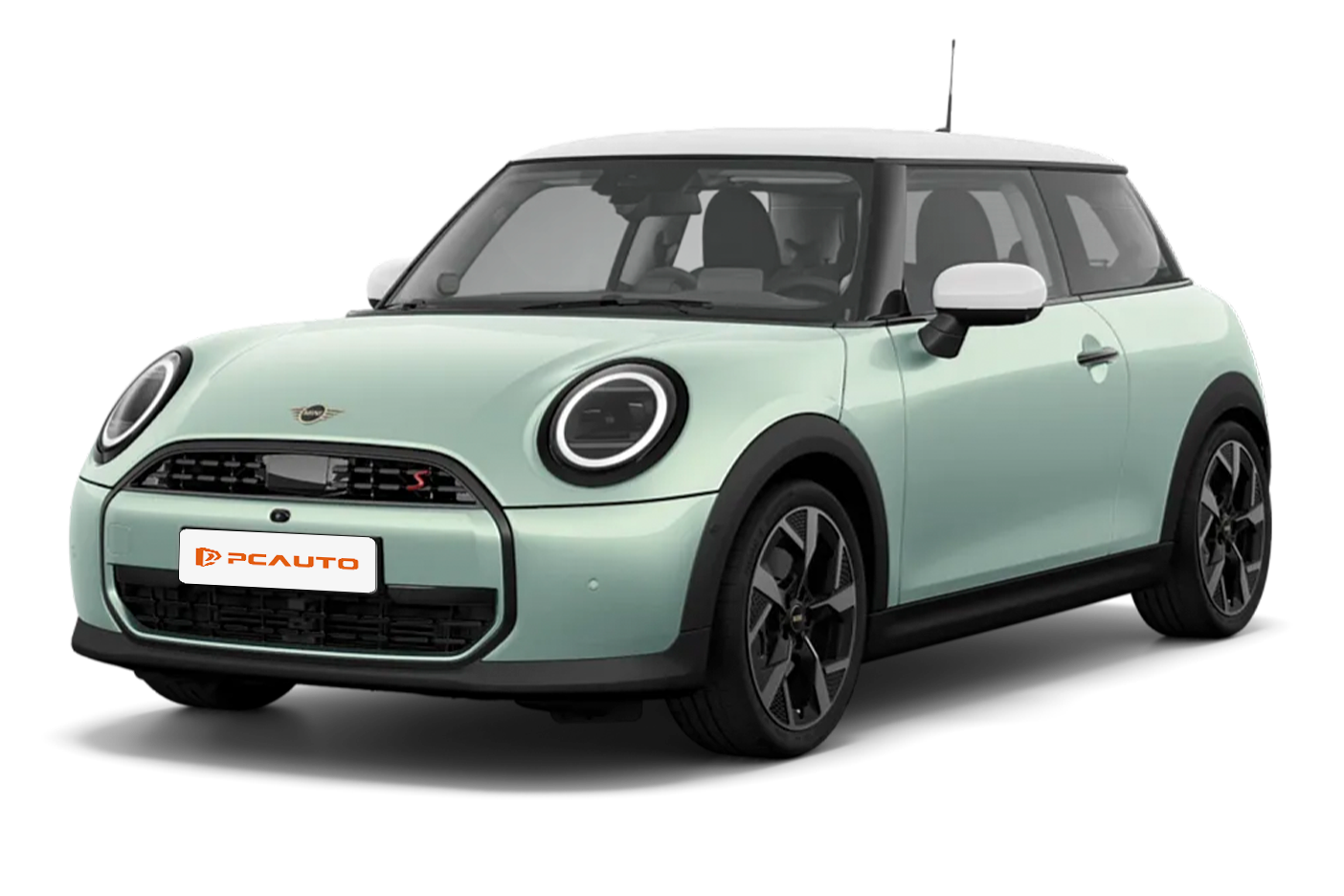
At first glance, the JCW Electric’s classic three-door hatchback design makes it instantly recognizable as a MINI. The front end continues to feature the iconic round LED headlights, combined with a blacked-out front grille, with the JCW badge in the center of the grille clearly marking its performance identity. The side profile is compact and streamlined, with a length of 3858mm paired with 205/40 R18 low-profile tires, creating a strong ground-hugging feel; the roofline gently slopes downward from the A-pillar, maintaining the posture of a sporty small car. The rear features LED taillights in a ring design, offering high recognition when lit, while the black diffuser decoration below the rear bumper further enhances the performance atmosphere. Overall, the design blends classic elements with details that highlight the combination of electrification and sportiness, attracting plenty of attention on the road.
Opening the door reveals an interior that combines retro and technological elements. The most prominent feature on the dashboard is the round MINI OLED display, which has a clear and smooth interface that supports touch operations, allowing quick access to commonly used functions like navigation and media. The multifunction steering wheel has controls for the driver assistance system on the left and for media and phone settings on the right, with buttons that provide satisfying feedback. A standard HUD (Head-Up Display) shows speed, navigation guidance, and other information, reducing the need to frequently look down at the screen while driving. In terms of materials, the seats are wrapped in leather, with the front seats featuring electric adjustment. The padding is thick and offers good support, ensuring comfort even during long drives. As for features, keyless entry, automatic air conditioning, and rear air vents are all included, providing sufficient convenience for daily use. In terms of storage space, the front door panels can hold two bottles of water, the central armrest box has a small capacity but fits a phone and smaller items, and the rear seats can be folded 60:40, expanding the trunk capacity from 210L for some occasional larger items.
The car measures 3858mm×1756mm×1460mm, with a wheelbase of 2526mm, which is within the mainstream range for B-segment small cars. The front seating space is generous; for a passenger 175cm tall, there is still a fist worth of headroom after adjusting the seat, and the legroom is comfortable and spacious. The rear seating space is relatively compact; for a passenger of the same height, their legs will touch the backrest of the front seats, with three fingers’ worth of headroom left. It is suitable for short trips or children. The standard trunk capacity is 210L, which can fit two carry-on suitcases, making it sufficient for daily commutes or short weekend trips. When the rear seats are folded down, it can accommodate larger luggage, improving practicality. Additionally, the rear seats are equipped with ISO FIX child seat anchors, making it convenient for families with children.
JCW Electric is equipped with a front-mounted permanent magnet synchronous motor, with a maximum power of 190kW (258PS) and a maximum torque of 350N·m, capable of accelerating from 0 to 100km/h in 5.9 seconds according to official data. During actual driving, the power response at the start is very direct, and you can feel an obvious sense of push-back with just a light tap on the accelerator. It provides great confidence when overtaking or changing lanes on urban roads. When switching to sport mode, the power output becomes more aggressive, the accelerator pedal sensitivity increases, and the exhilaration of acceleration improves further. Despite being a front-wheel-drive layout, the power distribution is balanced, and there is no obvious front-wheel slip during sudden acceleration. In eco mode, the power output becomes softer, making it suitable for daily commuting and effectively reducing power consumption.
In terms of handling, the steering wheel is precise with minimal dead zones, clearly relaying road feedback when turned. It instills confidence during cornering. The suspension consists of a front MacPherson independent suspension and a rear multi-link independent suspension tuned for sportiness. When driving over speed bumps or bumpy roads, most minor vibrations are filtered out while retaining some road feel, without being overly rigid. During high-speed cornering, body roll is well controlled, the suspension provides sufficient support, and the overall posture remains stable. The braking system performs linearly, with a moderate pedal force; adequate braking power is provided in the initial stage, and abrupt braking does not result in noticeable nosedive of the body.
Range and charging performance meet expectations. In our mixed road condition tests, consisting of 30% highways, 60% urban roads, and 10% rural routes, with the air conditioning always on, the final range achievement rate was about 85%—of the official 371 km range, it actually achieved approximately 315 km, which fully meets the requirements for a week’s commute. Power consumption was about 16.2 kWh per 100 km, slightly higher than the official figure of 15.6 kWh, mainly due to the high proportion of highway driving. For charging, in fast charging mode, it can be charged from 10% to 80% in 30 minutes, which is very convenient for daily external charging; slow charging takes 5.25 hours and is suitable for nighttime home recharging.
In terms of ride comfort, the noise control is commendable. When driving in urban areas, tire and wind noise are not particularly noticeable; at highway speeds of up to 120 km/h, slight wind noise increases, but it does not affect in-car conversations. As previously mentioned, the seats feature excellent support and wrapping. Energy recovery has several adjustable levels—the highest level provides noticeable deceleration upon releasing the accelerator, approximating a single-pedal mode, which is ideal for congested urban roads; the lowest level feels closer to fuel vehicle coasting, making it easy to adapt to.
Overall, the core strengths of the 2025 MINI 3 Door JCW Electric are quite outstanding: first, the exhilaration of pure electric acceleration, with a 5.9-second 0-100 km/h performance that stands out among similarly priced compact electric cars; second, it retains the iconic MINI driving fun, with precise steering and a sporty suspension tuning that makes driving enjoyable; third, it comes well-equipped with features like a HUD, 360-degree panoramic camera, Harman Kardon audio system, etc., offering better value compared to the petrol JCW of the same series. Compared with the 2024 MINI 3 Door Cooper SE in the same class, the JCW Electric offers stronger performance, faster acceleration, and similar configurations, but it is about 250,000 MYR more expensive, making it suitable for consumers with higher performance requirements. On the other hand, when compared to other brands’ B-segment electric compacts, its brand identity and driving enjoyment are unique advantages.
This car is suitable for two types of people: one is young people who pursue driving pleasure, they love the classic design of MINI and want the smoothness and acceleration of pure electric driving; the other is families who mainly use it for daily commuting and occasional short trips on weekends. Its range is sufficient, and its practicality meets the needs. If you want a pure electric small car that is both individual and high-performing, the JCW Electric is worth considering.
Overall, the 2025 MINI 3 Door JCW Electric successfully combines MINI's sporty DNA with electrification, retaining driving pleasure while satisfying the practicality and convenience of daily use. In the pure electric small car market, it is a choice that combines individuality, performance, and practicality, suitable for consumers who value driving experience and brand identity.
MINI 3 Door Car Compare
MINI 3 Door Loan Calculator
More MINI Reviews
Cars With Similar Price And Features

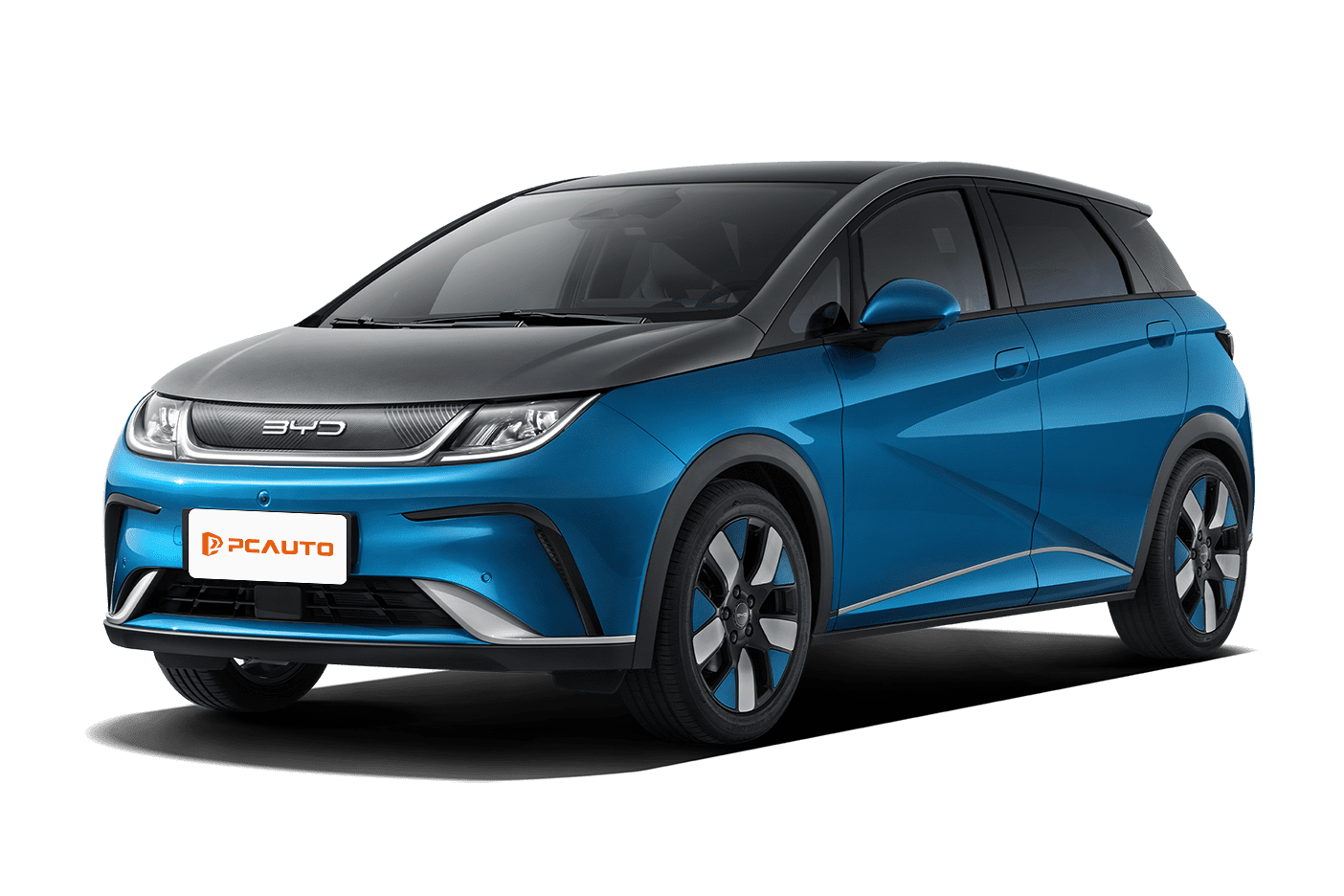
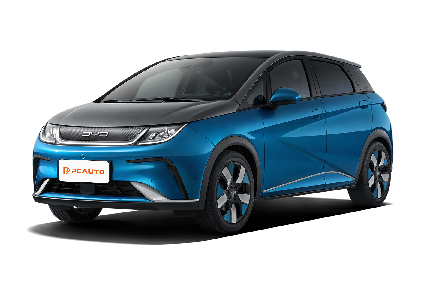
2023 BYD Dolphin Dynamic Standard, as a high-value B-class electric entry-level model, features a 410km range, L2 assisted driving, and a rotatable central control screen, balancing practicality and intelligence, suitable for family commuting.
7
Rank in Hatchback
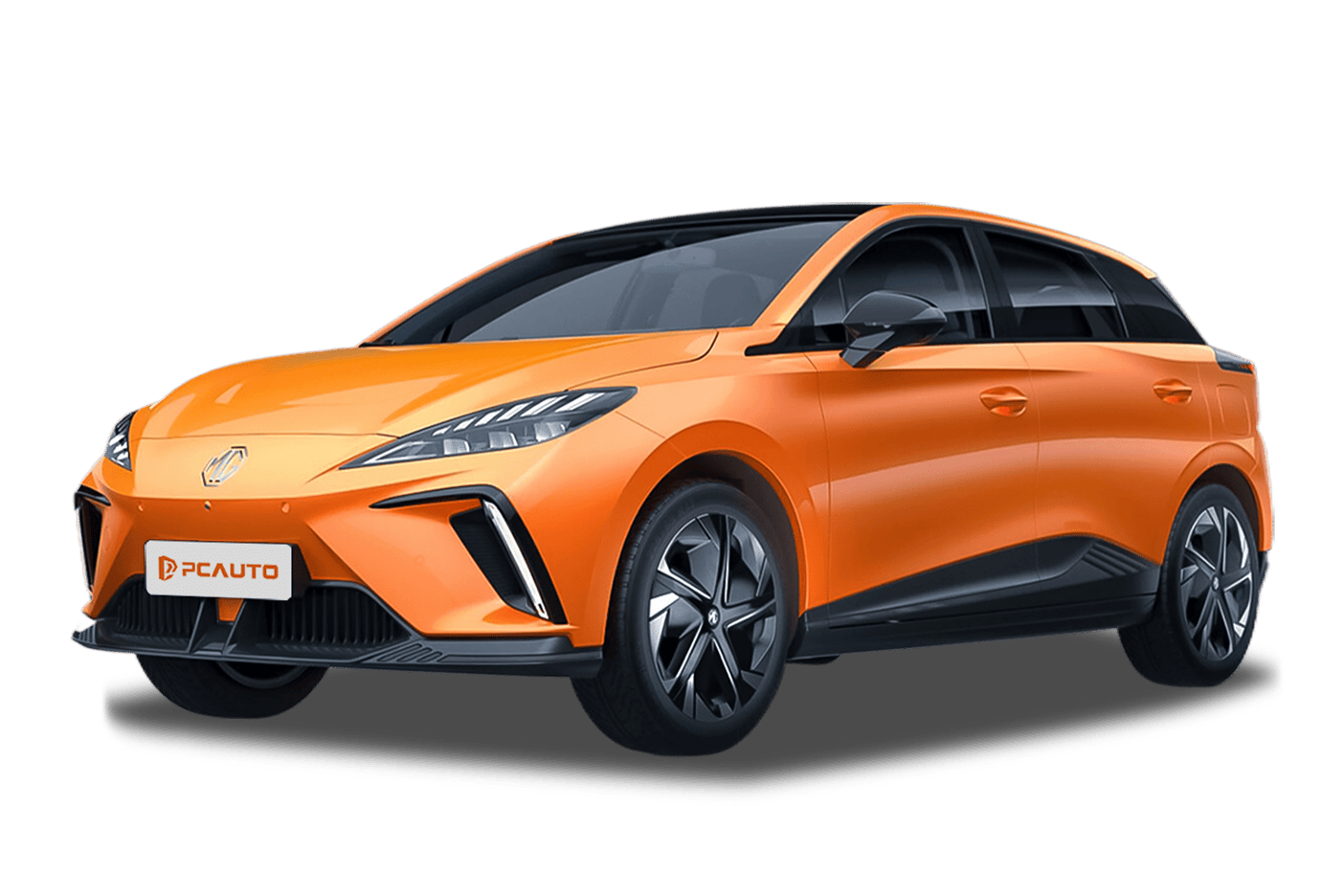
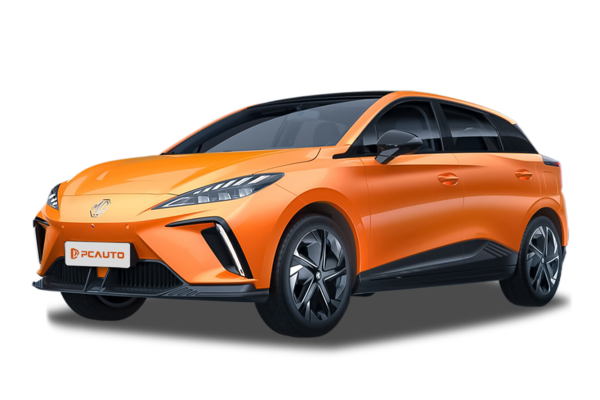
2024 MG4 Standard is a high-value pure electric hatchback, featuring a long wheelbase with spacious interior, comprehensive basic configurations, and rear-wheel-drive driving characteristics, designed to meet the core needs of family commuting.
11
Rank in Hatchback
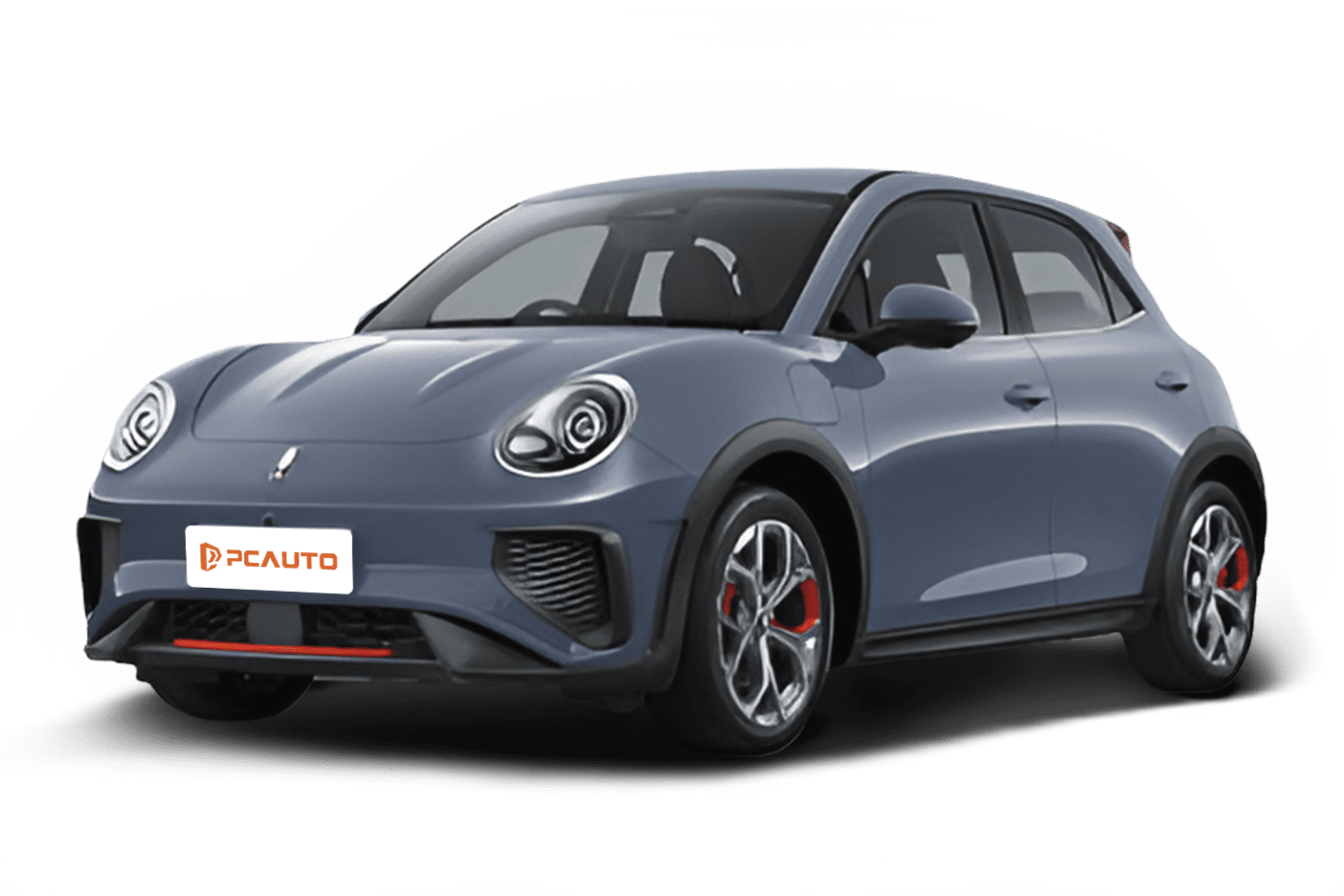
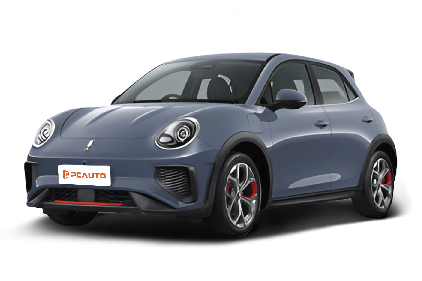
2025 ORA Good Cat Ultra features a retro design for distinctiveness, paired with a 480km range, rich intelligent safety configurations, and practical space, making it a cost-effective B-class electric commuting choice.

2023 Renault Zoe R110 is a B-segment pure electric vehicle, offering class-leading safety features, a comfortable driving experience, and a range of 395km, meeting daily commuting and weekend travel needs.