

Nissan Leaf 2014 Review

 Share
Share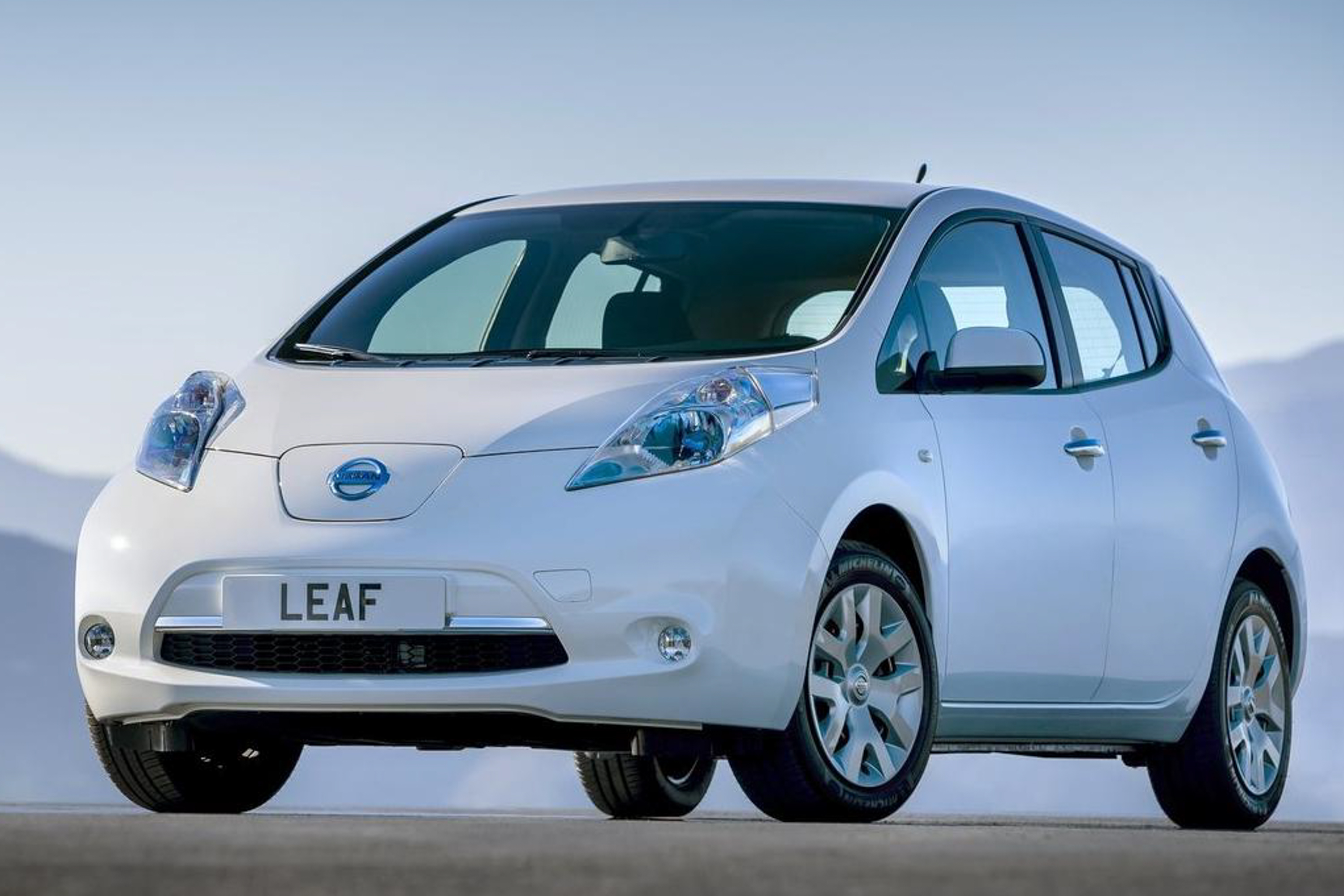
 Body Type
 Segment
 Motor Output(kW)
 Motor Torque(Nm)
 EV Range(km)
 Battery Capacity(kWh)
In recent years, although the electric vehicle market in Malaysia has not yet fully exploded, many families and urban commuters have started to pay attention to the practicality of pure electric models. The compact pure electric hatchback segment is gradually attracting attention as well. As a representative of early pure electric models, the 2014 Nissan Leaf Public's core selling points include mature pure electric driving technology, urban flexibility due to its compact body, and relatively outstanding driving range performance at the time. This test drive mainly focuses on daily urban commuting and short-distance family travel scenarios to assess the actual practical value of this car in the current market environment.
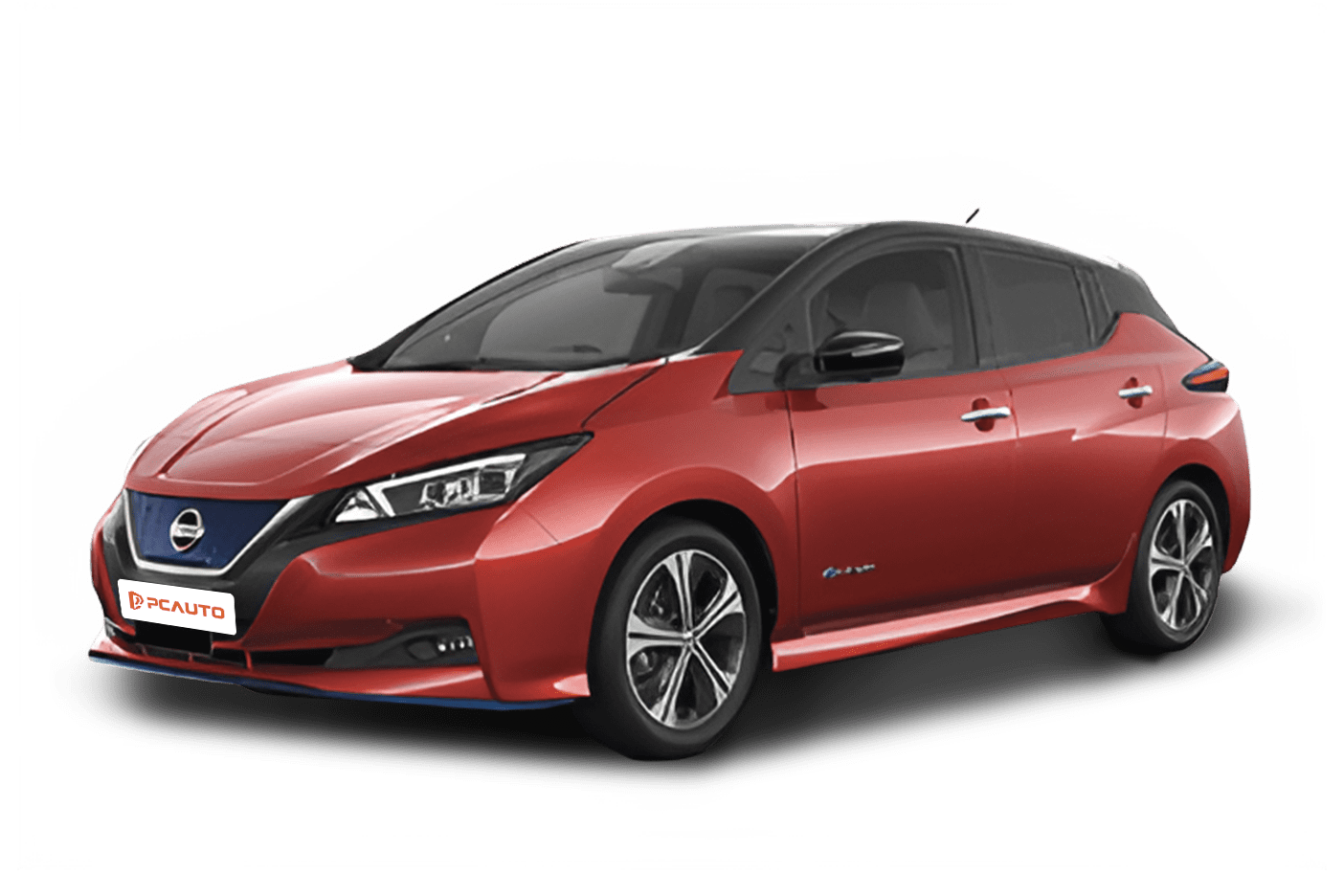
From the appearance perspective, the 2014 Leaf Public adopts a typical early electric vehicle design style, with smooth and rounded overall lines, and no traditional internal combustion engine grille. The front face features a blue trim panel connecting the two headlights, providing high recognition. The side profile has simple lines, with a concave design at the lower part of the doors adding a sense of layering. The 16-inch alloy wheels have a modest design, aligning with its family-use positioning. At the rear, vertically arranged taillights extend to the sides of the body, while a small spoiler on the trunk lid improves aerodynamic performance. The overall design leans toward practicality, without excessive decorative elements.
Inside the car, the interior features a dark color scheme, and the center console layout is simple and clear, with most physical buttons concentrated below the central control screen, making the operation logic straightforward. The steering wheel adopts a three-spoke design, with volume adjustment and call-answer buttons on the left side, providing decent practicality. The center console is equipped with a 7-inch touch screen that supports Bluetooth connectivity and navigation functions, but the screen resolution and response speed are significantly inferior compared to current models. The seats are wrapped in fabric materials; the front seats support manual adjustment but lack lumbar support, making long drives likely to cause fatigue. Rear seat space is moderate, with about two fists of legroom and one fist of headroom for a 175cm tall passenger, meeting the needs of short-distance rides. In terms of storage space, the door pockets can hold two bottles of water, the center armrest box has a small capacity, and the trunk has a standard capacity of 370L, which can be expanded to 770L by folding down the rear seats. This is sufficient for daily shopping or carrying luggage for short trips.
In terms of power, the 2014 Leaf Public is equipped with a front-mounted electric motor, providing a maximum power of 80kW and a maximum torque of 280N·m, paired with a single-speed transmission, and it is a front-wheel-drive vehicle. During daily driving, the vehicle exhibits smooth and quick acceleration, with responsive 0-60km/h performance, making it suitable for following vehicles and overtaking in congested urban traffic. When switched to sport mode, power output becomes more direct, but acceleration capability diminishes at high speeds (above 100km/h). The chassis features a combination of front MacPherson independent suspension and rear torsion beam non-independent suspension. The suspension tuning is comfort-oriented, able to filter out most minor road bumps. However, passing over speed bumps or uneven roads leads to noticeable bumps at the rear. The steering wheel is lightly weighted, and while the directional precision is average, it is suitable for urban driving. However, it lacks a sense of heaviness during high-speed driving.
Regarding driving range and energy consumption, the vehicle is equipped with a 24kWh lithium battery pack, with an official NEDC range of 199km. During this test drive, under urban road conditions (air conditioning set to 24°C), the car traveled 100km with an actual range attainment rate of approximately 85%, and an energy consumption of around 15kWh/100km. On highways (average speed of 100km/h), it traveled 100km with a range attainment rate of about 70%, and energy consumption increased to 18kWh/100km. In terms of charging, using a household 220V power outlet to charge from 0% to 100% takes about 12 hours. Charging with a 6.6kW AC charging station takes about 4 hours to fully charge. However, it does not support DC fast charging, so its charging convenience is average.
In terms of driving comfort, the vehicle's motor noise and tire noise are well-controlled at speeds below 60km/h; however, when the speed exceeds 80km/h, wind noise and tire noise increase significantly, affecting in-car conversations. The seat wrapping is average, and long-distance driving can easily cause lower back discomfort. The rear seats lack a central headrest and air conditioning vents, which impacts the comfort of rear passengers.
Overall, as an early pure electric model, the 2014 Nissan Leaf Public's core advantages lie in its mature electric drive system, city-friendly compact body, and relatively practical range performance for its time. Compared to electric vehicles of the same era, the Leaf Public has advantages in reliability and maintenance convenience. However, when faced with modern models, it lags behind in terms of smart features, range, and charging speed. This car is more suitable for budget-conscious users primarily focused on urban commuting and short family trips, especially those with a fixed parking space and the ability to install a home charging station.
In conclusion, the 2014 Nissan Leaf Public is a practical early electric vehicle. While it falls short in configuration and range compared to modern cars, its mature technology and low running costs still give it some market value. For consumers who prioritize practicality and reliability, this car remains a worthwhile choice.
Nissan Leaf Car Compare
More Nissan Reviews
Cars With Similar Price And Features

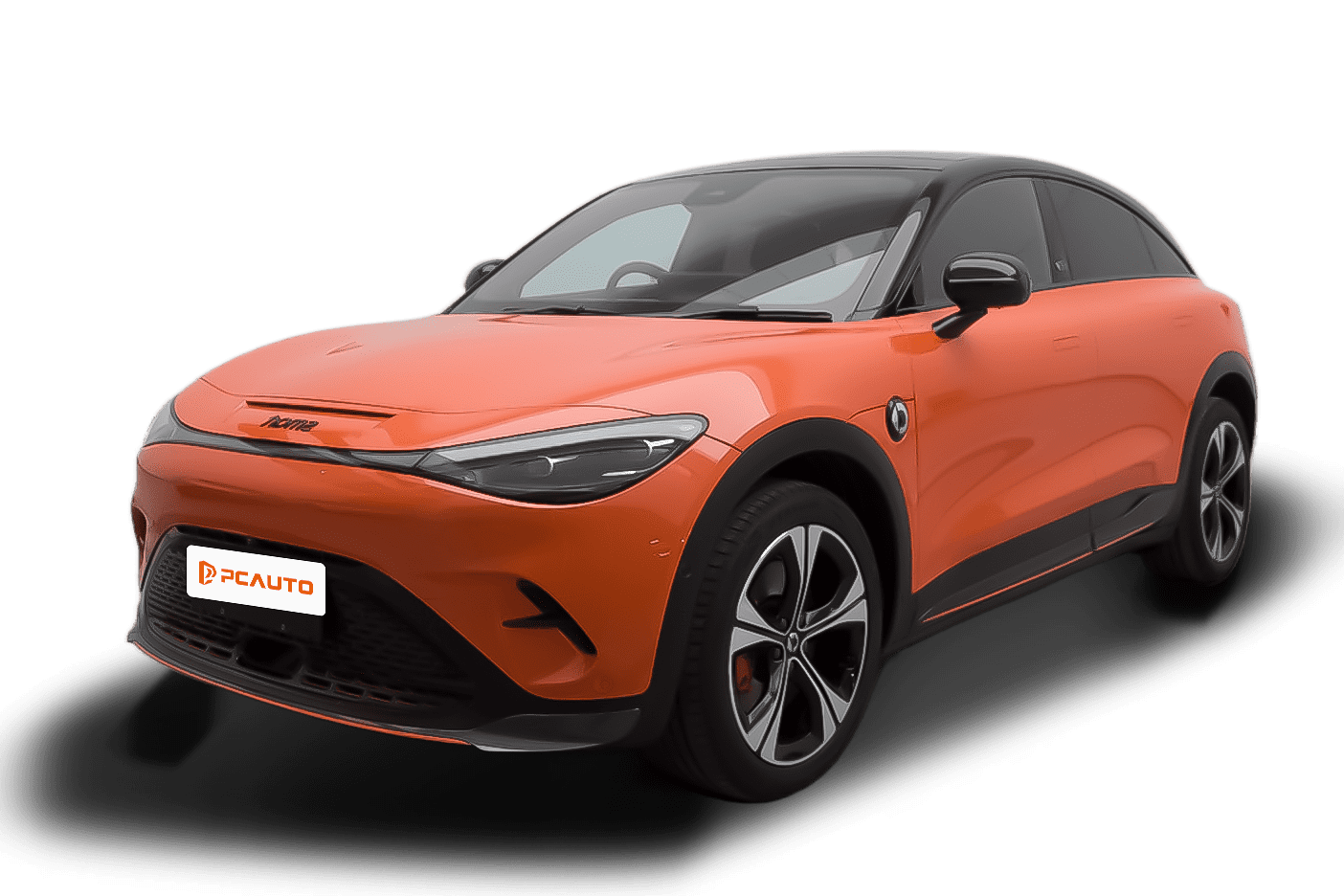
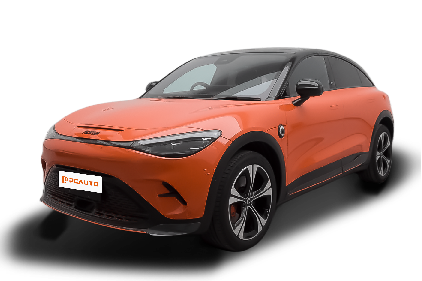
2024 Smart #3 Pro is positioned as a city compact electric coupe, offering 268PS rear-wheel drive, 7 airbags + full active safety suite, and a 12.8-inch screen at a price of RM175,000. It boasts outstanding value for money, balancing sportiness and practicality for family use.
14
Rank in Hatchback
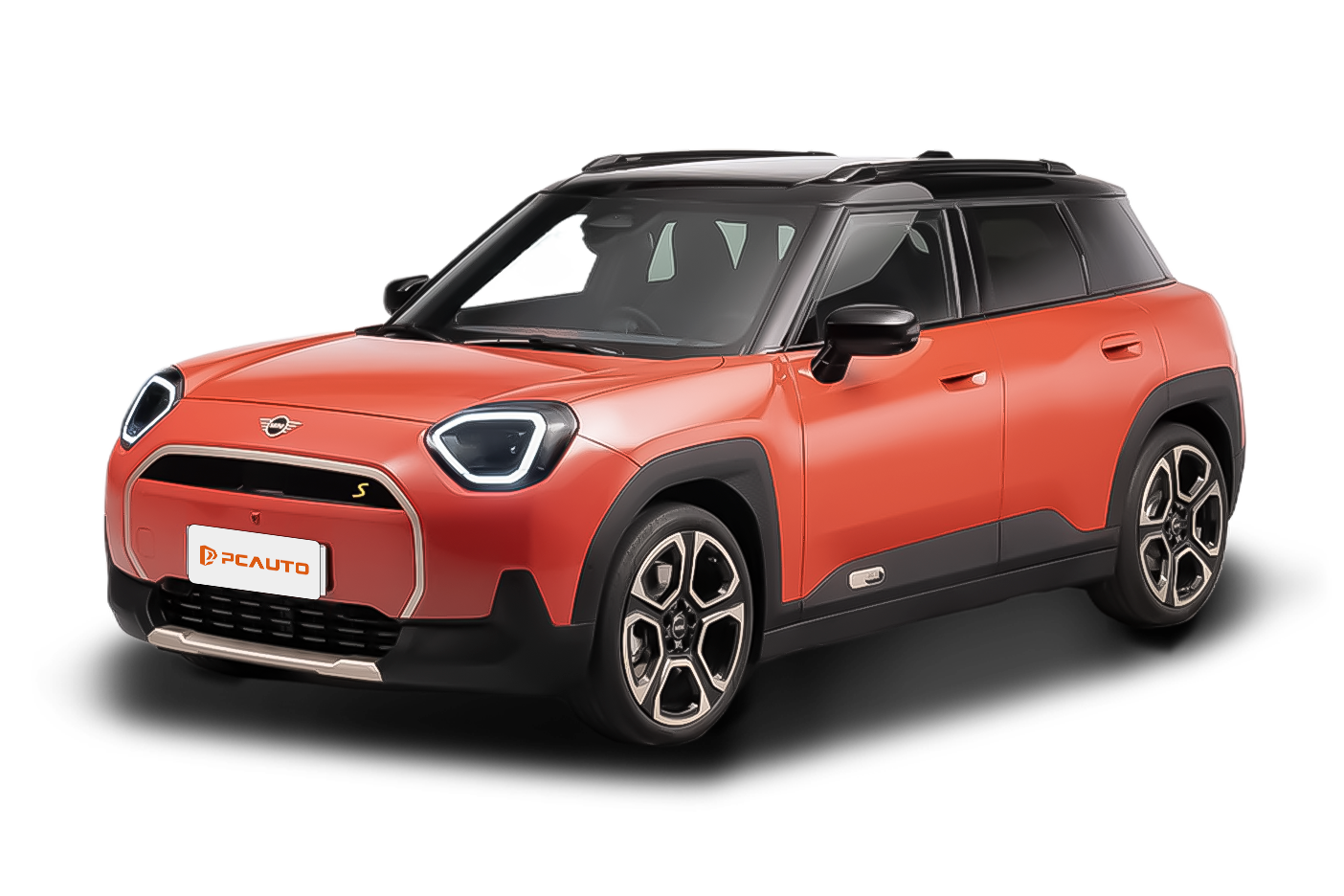
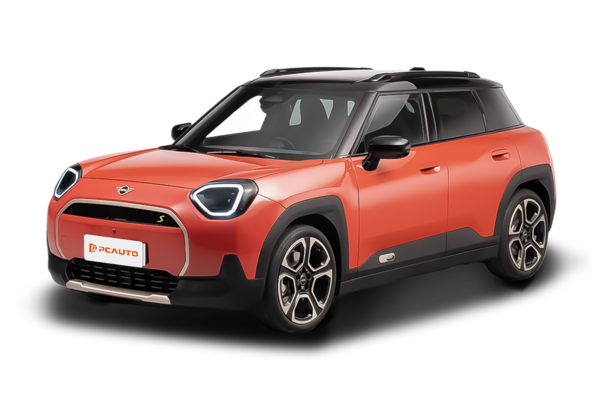
2025 MINI Aceman JCW is a B-segment pure electric performance SUV, featuring a 190kW motor capable of 0-100 km/h in 6.4 seconds, with sporty exterior and interior design, balancing urban agility and family practicality.
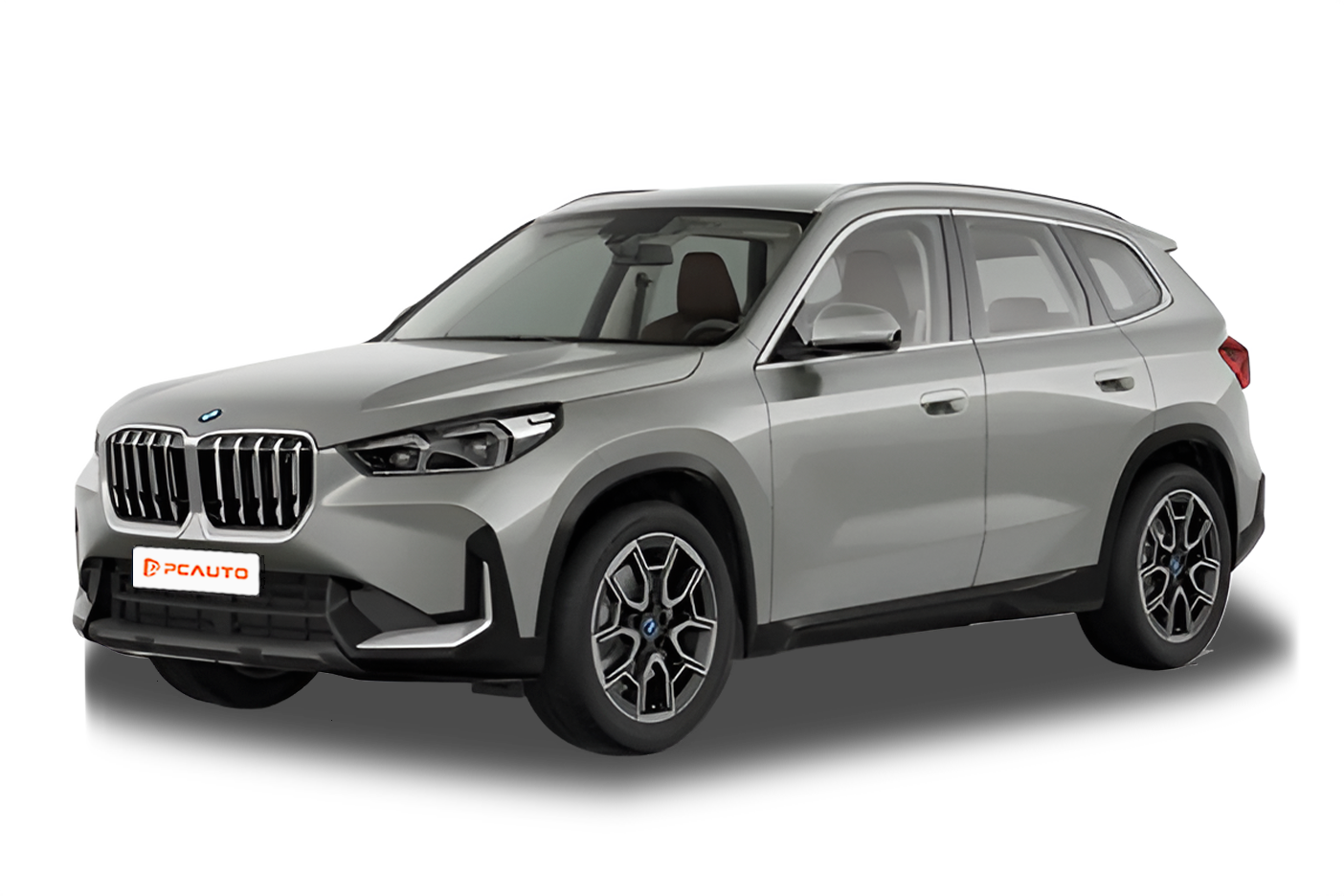
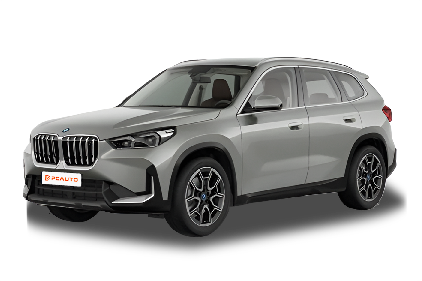
2024 BMW iX1 eDrive20 M Sport is a new choice for a C-Segment all-electric SUV, combining a 475km range, M Sport package, and BMW driving quality, suitable for consumers with a budget of 250,000 MYR.