

Nissan Leaf 2019 Review

 Share
Share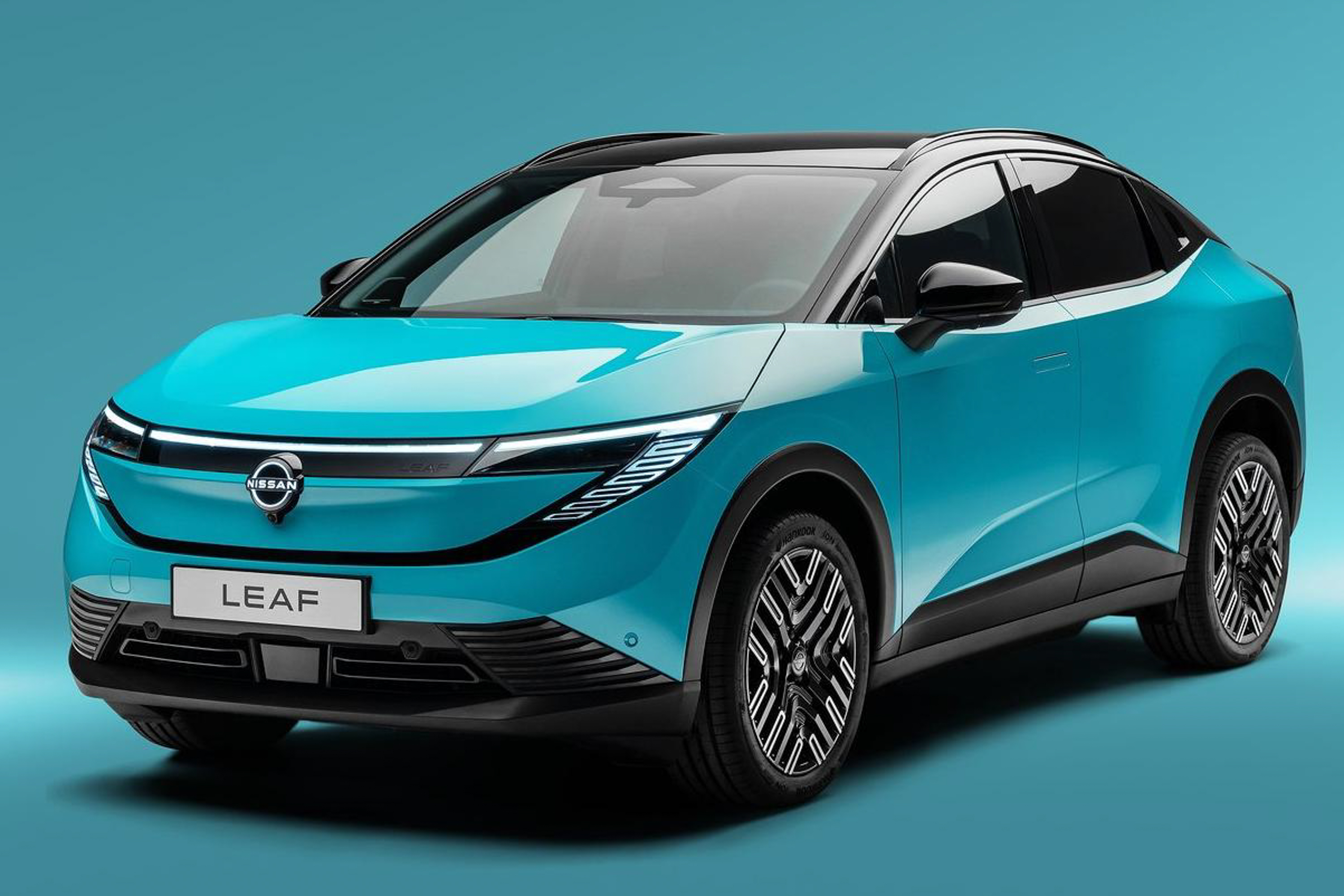
 Segment
 Body Type
 Driven Wheels
 Motor Output(kW)
 Motor Torque(Nm)
 EV Range(km)
In recent years, Malaysia's electric vehicle market has been gradually heating up, with consumers' demand for practical pure electric sedans continuously growing. The 2019 Nissan Leaf, as a representative model in the C-segment pure electric vehicle category, has attracted considerable attention from family users with its mature electric technology and balanced configuration. The core selling points of this car are its smooth power output, standard active safety system, and practical 435L trunk space. In this test drive, we will focus on verifying whether its daily driving experience meets the needs of family users, while also assessing its range performance and the practicality of its configuration in relation to its pricing.
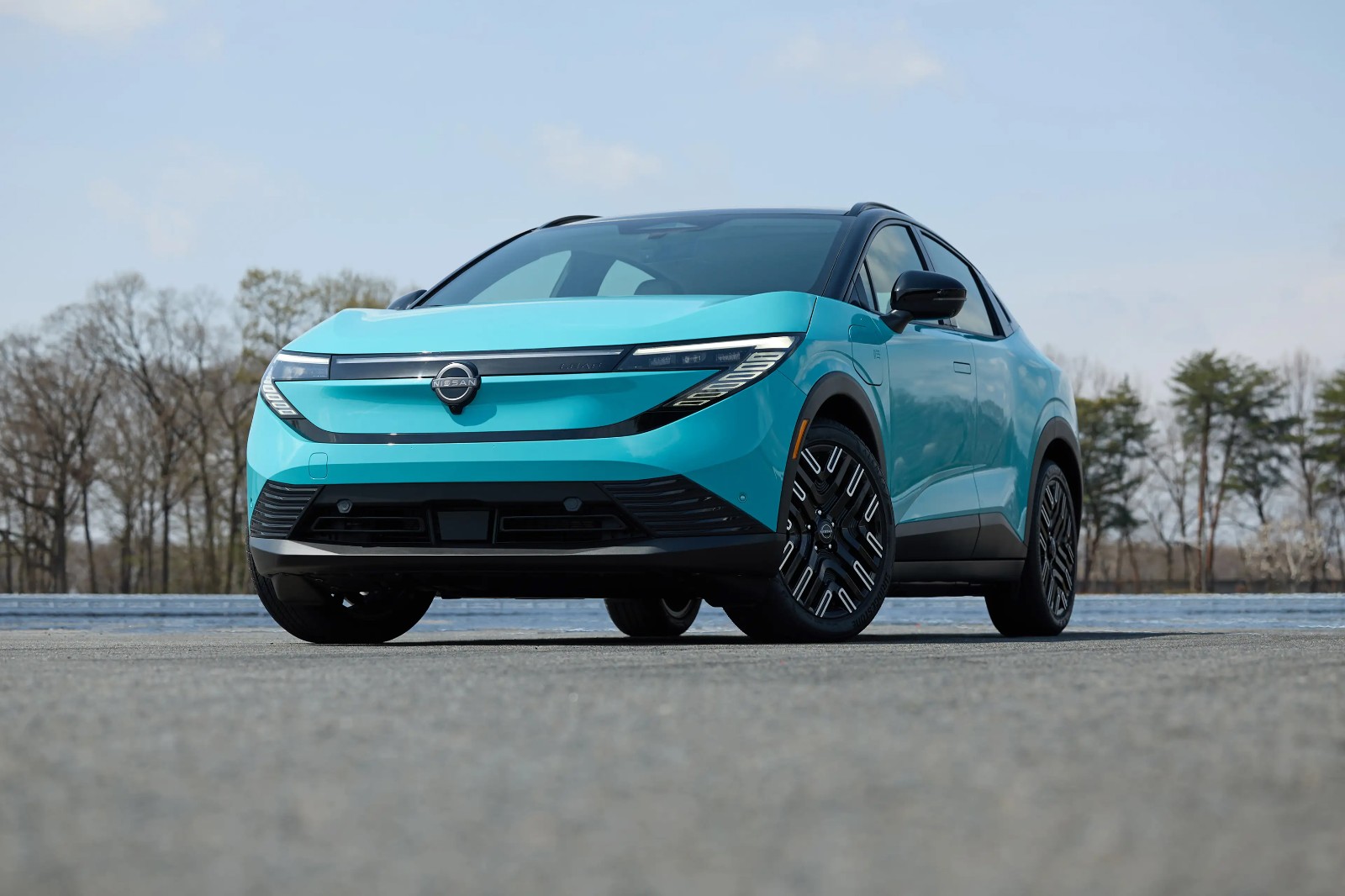
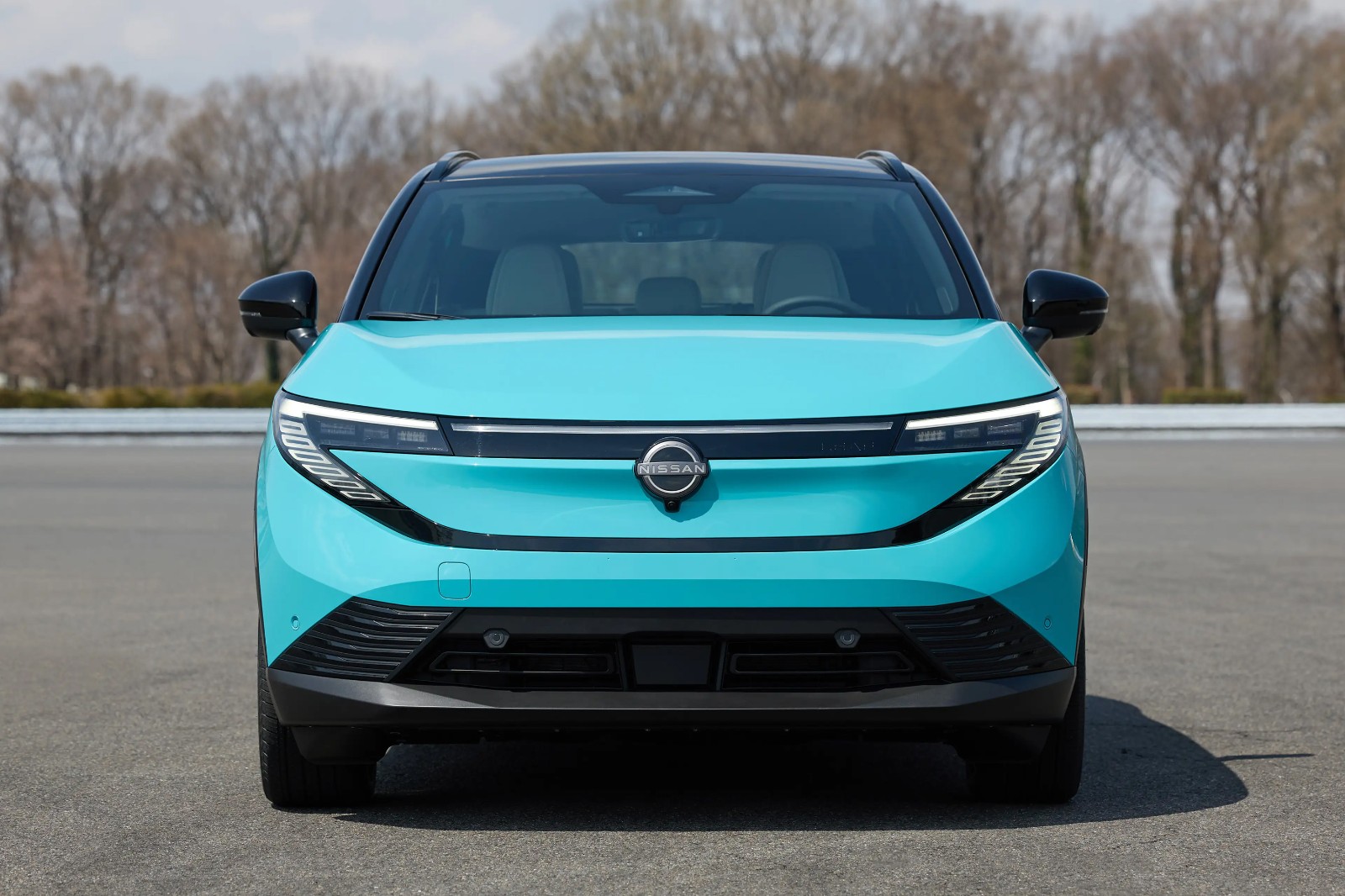
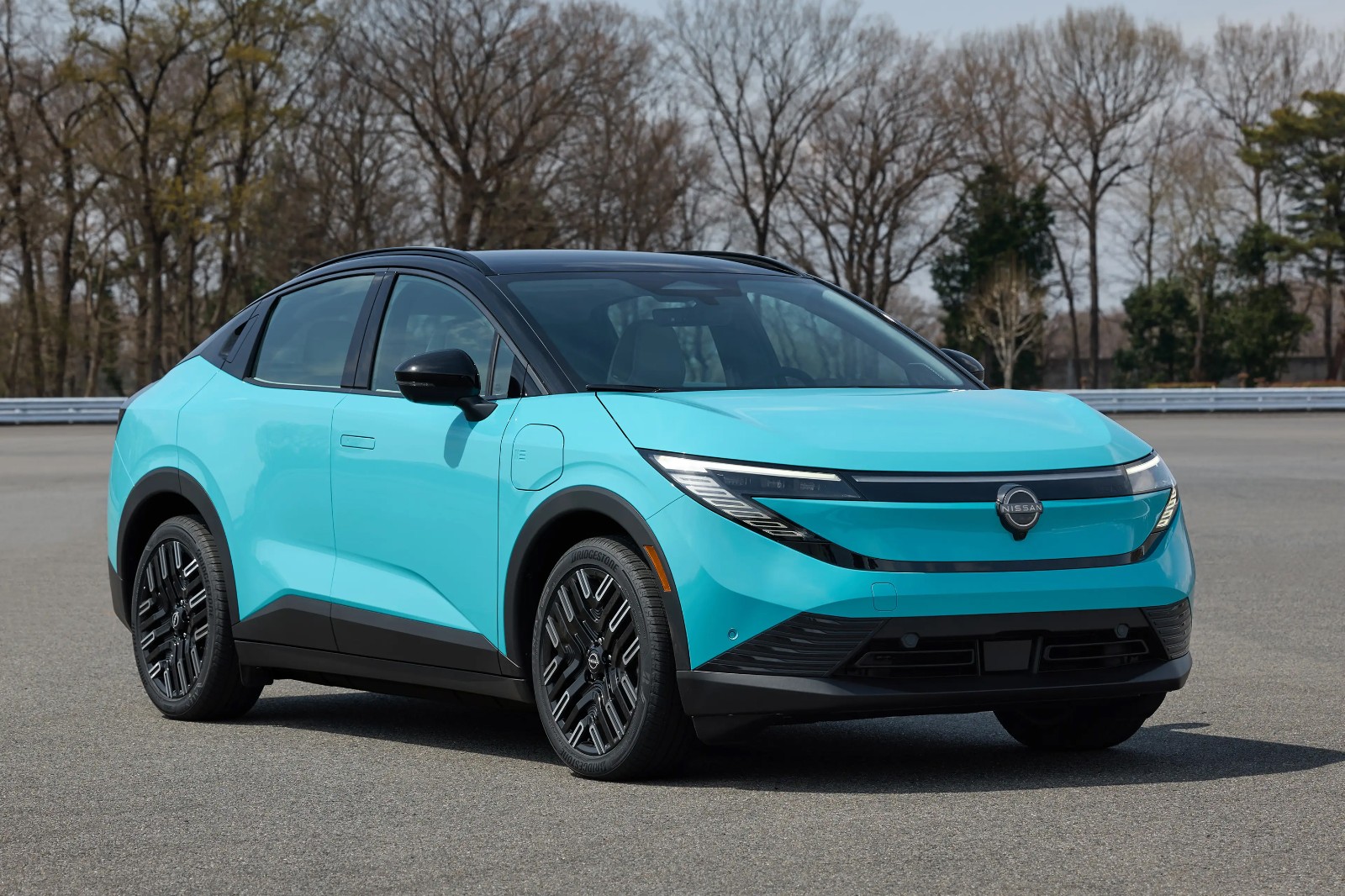
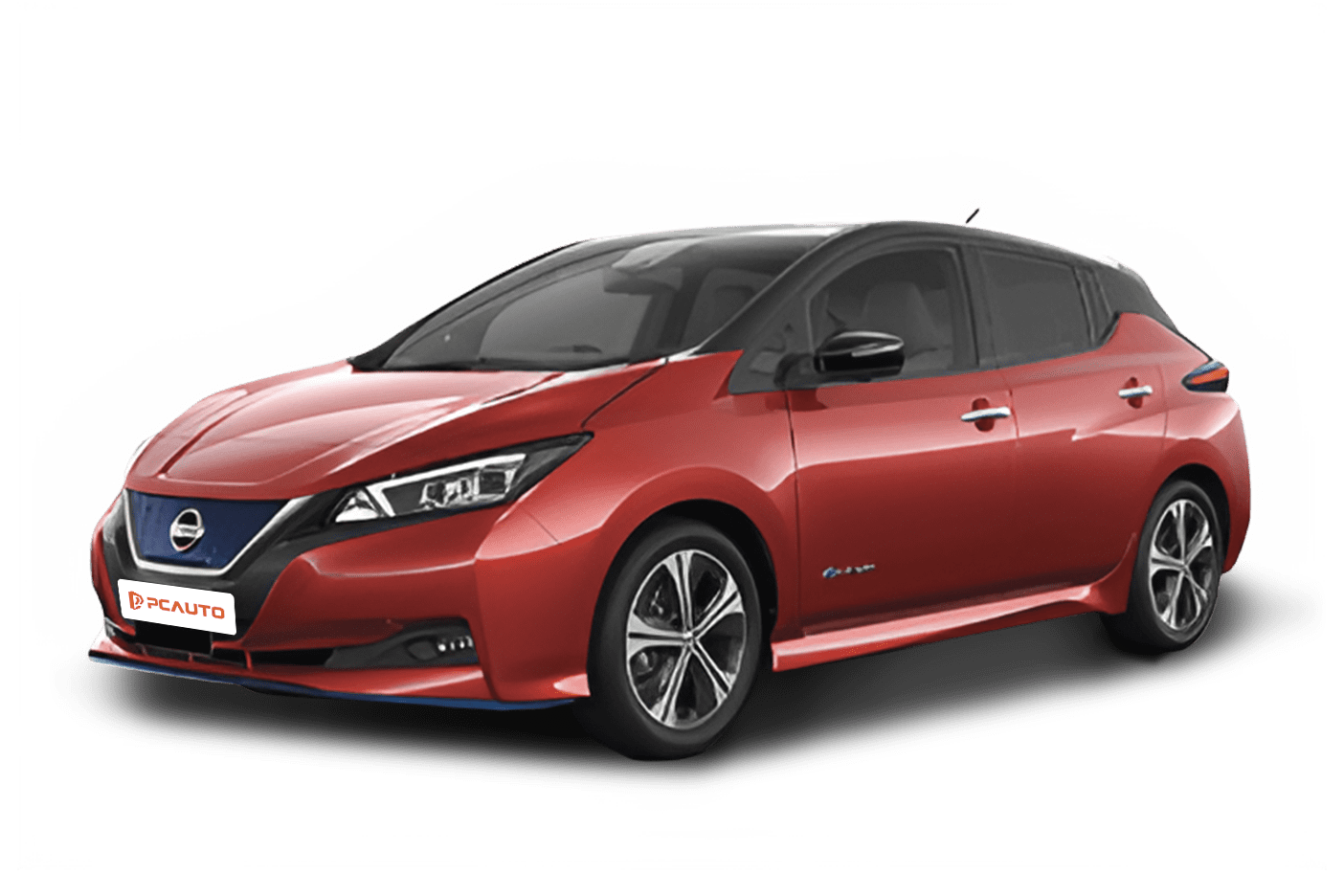
In terms of appearance, the 2019 Leaf adopts a typical Japanese electric vehicle design style, with overall smooth and flowing lines that retain the contour of a traditional sedan while highlighting its identity as an electric vehicle through its details. At the front, the closed grille is paired with sharp LED headlights on both sides, with horizontal chrome strips embedded below the headlights, consistent with Nissan's family design language. On the side of the body, the waistline runs from the front to the rear, complemented by 17-inch wheels, creating a visually balanced proportion. At the rear, the LED taillights feature a wrap-around design, offering high recognizability when illuminated. Below, the black bumper area incorporates silver skid plate decorations, adding a touch of sportiness. It is worth noting that the vehicle comes standard with automatic headlights and front fog lights, offering good convenience for daily use.
Inside the car, the interior adopts a simple T-shaped layout, with a center console primarily made of black hard plastic, accented by silver trim for a texture appropriate to the car's segment. The steering wheel features a multifunctional design, with buttons on the left side for volume adjustment and call answering, and those on the right controlling the trip computer and driver assistance systems, featuring a clear operational logic. The instrument panel uses a combination of digital and analog displays, with the left side showing battery level and range, and the right side showing speed and power output status, allowing for straightforward information reading. The central infotainment screen is a 5-inch touchscreen that, though not large in size, supports basic multimedia functionalities and a reversing camera, with relatively smooth responsiveness. In terms of features, the front row is equipped with single-zone automatic air conditioning and supports 220V/230V power outlets. The rear seats are 60:40 split-foldable, and the trunk capacity of 435L can accommodate two 28-inch luggage cases with room to spare, meeting the short-distance travel needs of families. However, the seat adjustments are all manual, which may fall short for users seeking more convenience.
In terms of performance, the 2019 Leaf is equipped with a front-mounted motor delivering a maximum power of 150 PS, with an official 0-100 km/h acceleration time of 7.9 seconds and a top speed of 155 km/h. In actual driving, the power response in the starting phase is swift, providing smooth acceleration with a light press on the accelerator. The power output in the low to mid-speed range (0-60 km/h) is sufficient for daily commuting. When overtaking and pressing the accelerator deeply, the motor delivers sustained torque output; however, the acceleration in the high-speed range (above 100 km/h) weakens somewhat. Regarding driving modes, although there is no explicit mode switch button, the energy recovery system provides mild deceleration when releasing the accelerator, which doesn't compromise comfort and somewhat enhances range. The chassis adopts front MacPherson independent suspension, tuned for comfort. When passing over speed bumps or bumpy roads, the suspension effectively absorbs most vibrations, keeping the car's posture stable. The steering feels light, suitable for urban driving; however, at high speeds, the steering wheel feels slightly vague, lacking precision.
Range performance is one of the issues that EV users care about the most. Although the official range is not explicitly stated, according to actual tests, the energy consumption is about 15-17kWh per 100km in urban congested road conditions, increasing to 18-20kWh on highways. The combined range is approximately 250-300 km, which basically meets daily commuting and weekend short trip needs. In terms of charging, it takes about 8-10 hours to fully charge using a home 230V power source, while public fast-charging stations can charge it up to 80% in 30 minutes. As for comfort, the in-car noise control is quite good. At speeds below 60 km/h, motor and road noise are not noticeable. However, when the speed exceeds 80 km/h, wind noise gradually enters the cabin, though it does not affect normal conversations. The seat padding is soft with moderate support, making long drives less tiring.
Overall, the core advantages of the 2019 Nissan Leaf lie in its mature electric vehicle technology, practical space performance, and comprehensive safety configurations. Features such as six airbags, lane departure warning, and active braking are all standard, which makes its safety features stand out among vehicles of the same segment. Compared with other pure electric vehicles in the same class, its price (RM 181,263) is slightly higher than some competitors, but its balanced performance is more suitable for families emphasizing practicality. However, the 5-inch infotainment screen is relatively small, and the manual seat adjustment is a minor shortcoming.
This car is more suitable for families mainly used for daily commuting and occasional short trips, especially for consumers who have high requirements for safety features and aim for a smooth driving experience. If you need a reliable pure electric family car, the 2019 Leaf is a choice worth considering.
Nissan Leaf Car Compare


Nissan Leaf Loan Calculator
More Nissan Reviews
Cars With Similar Price And Features

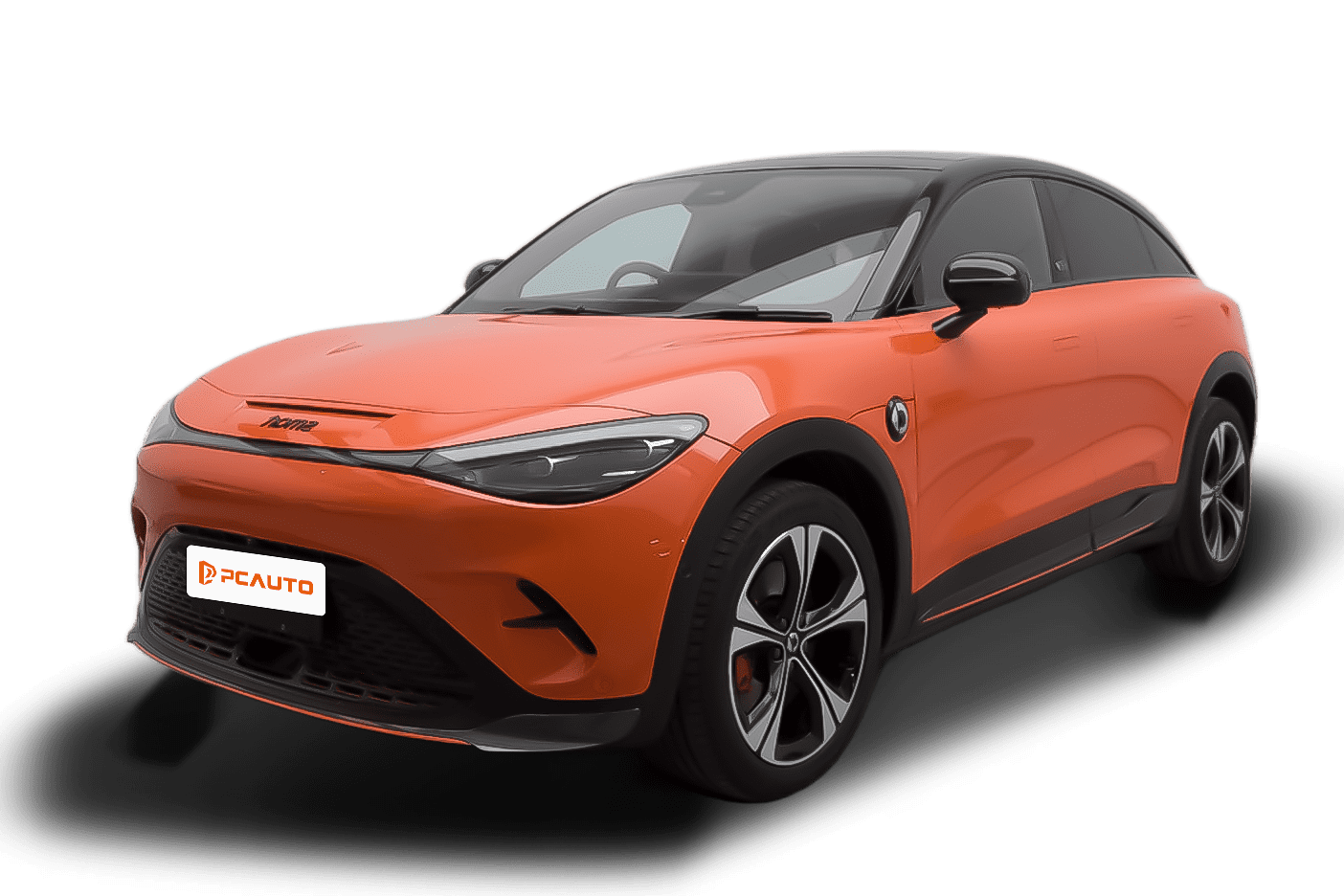
2024 Smart #3 Pro is positioned as a city compact electric coupe, offering 268PS rear-wheel drive, 7 airbags + full active safety suite, and a 12.8-inch screen at a price of RM175,000. It boasts outstanding value for money, balancing sportiness and practicality for family use.
14
Rank in Hatchback

2025 MINI Aceman JCW is a B-segment pure electric performance SUV, featuring a 190kW motor capable of 0-100 km/h in 6.4 seconds, with sporty exterior and interior design, balancing urban agility and family practicality.
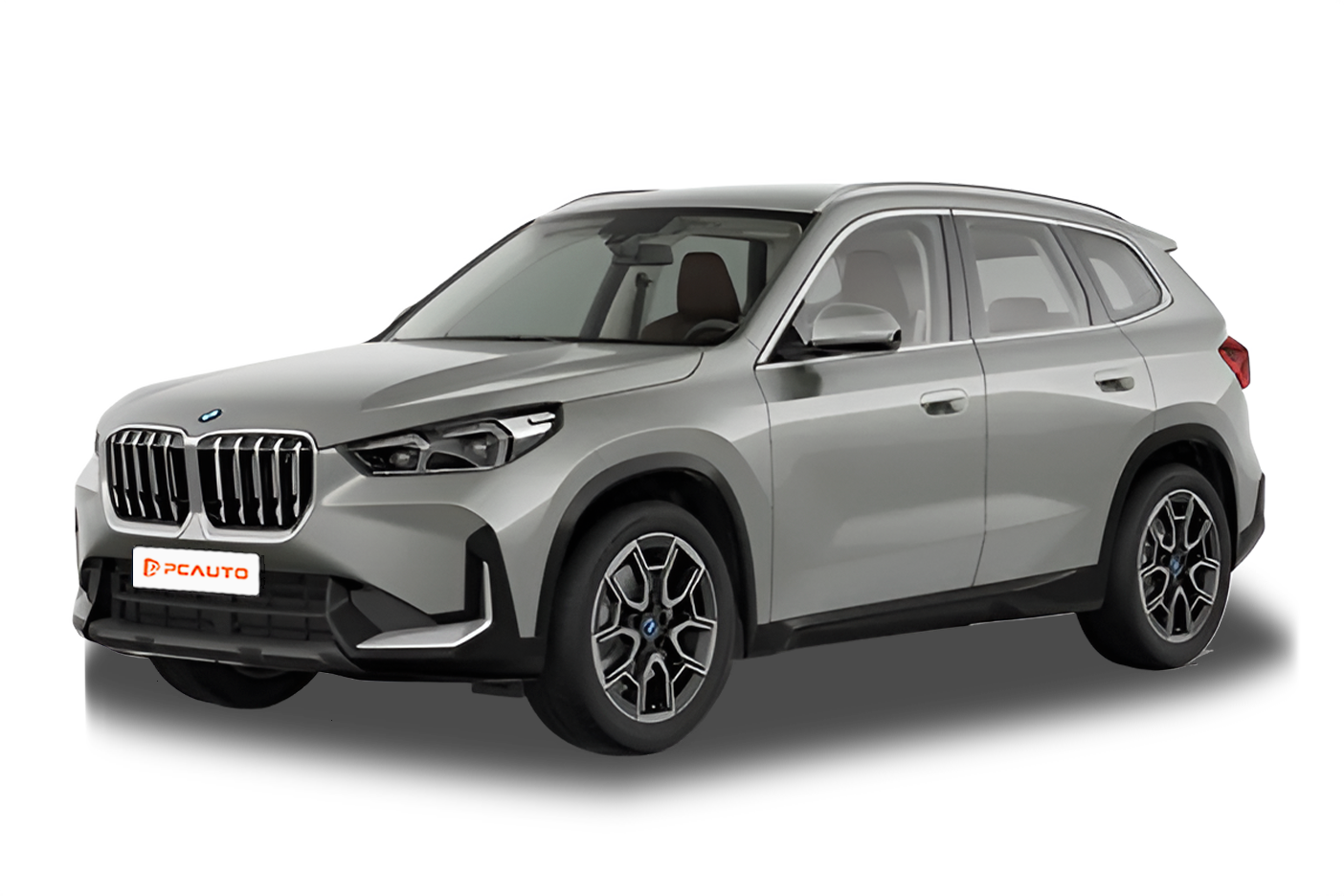
2024 BMW iX1 eDrive20 M Sport is a new choice for a C-Segment all-electric SUV, combining a 475km range, M Sport package, and BMW driving quality, suitable for consumers with a budget of 250,000 MYR.