

Nissan Serena S-Hybrid 2022 Review

 Share
Share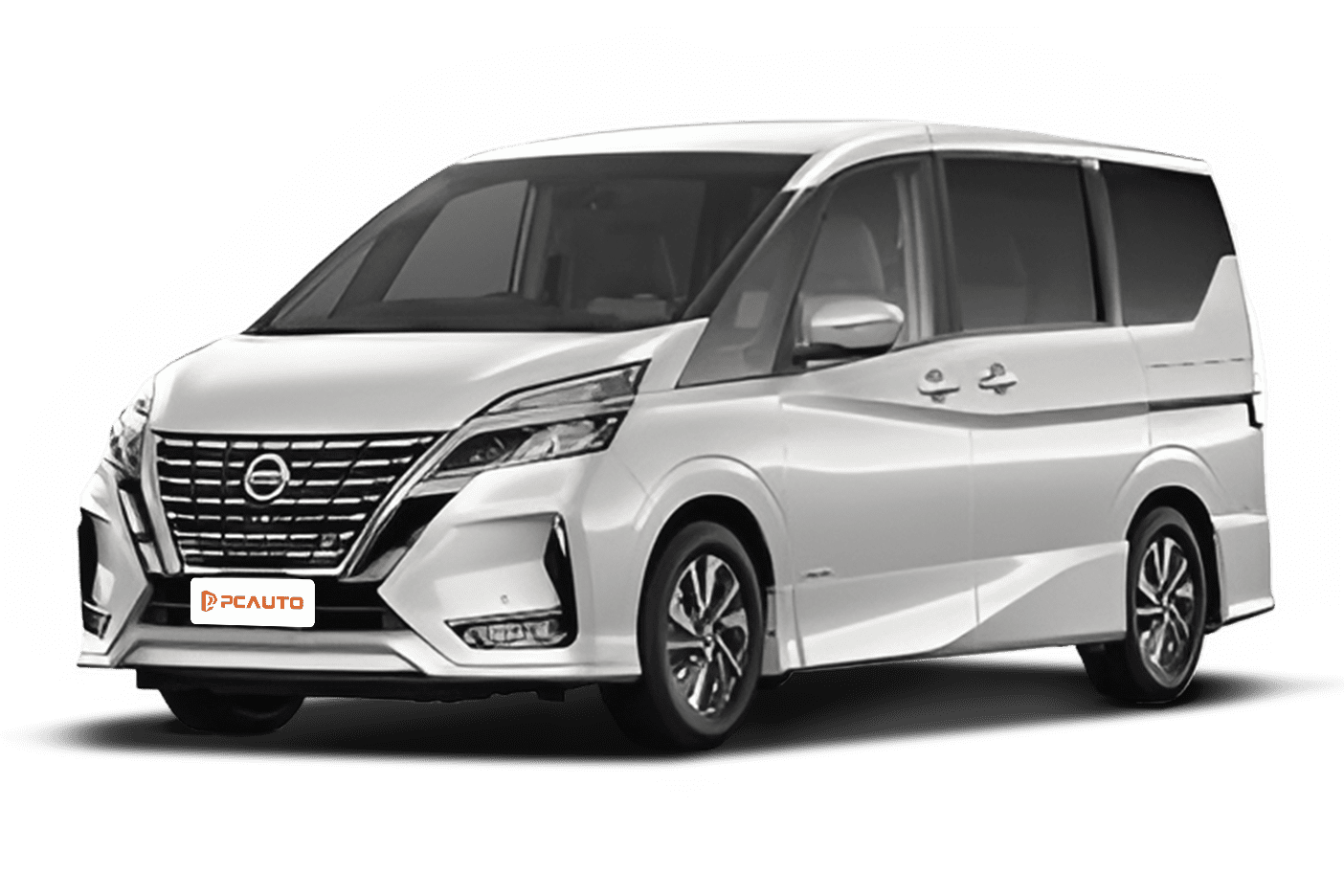
 Segment
 Body Type
 Capacity(L)
 Engine Power(PS)
 Transmission
 Driven Wheels
In Malaysia's C-Segment MPV market, family users have increasingly clear demands for space practicality, fuel efficiency, and safety features. Many models focus on these aspects, but truly balanced choices are rare. The 2022 Nissan Serena S-Hybrid series (including the Highway Star and Premium Highway Star variants) aims to stand out in this competitive market with its S-Hybrid mild hybrid system, versatile 7-seater space, and comprehensive active safety features. This time, through a static experience and dynamic test drive, we will focus on verifying its space performance, fuel efficiency, and daily driving comfort to see if it truly fits the local family's vehicle needs.
Starting with the exterior, the Serena's overall style leans towards being solid and practical, without overly flashy designs. The front features a large trapezoidal grille, accented with chrome trim and sharp LED automatic headlights on either side, achieving a decent level of recognition; the side profile is characterized by straight lines, and its 4770mm length and 2860mm wheelbase ensure a solid foundation for interior space. The tire specifications of 15 inches (Highway Star) or 16 inches (Premium Highway Star) are moderate, aligning with the MPV positioning. At the rear, the LED tail light cluster connects with the chrome trim below the rear windshield. Below it features rear fog lights and a hidden exhaust pipe, giving a clean and neat visual effect. For the lighting system, both variants come standard with LED headlights, front fog lights, and an automatic headlight function, providing sufficient lighting for regular nighttime use.
Entering the cabin, the interior is dominated by a dark color scheme. Materials primarily comprise hard plastic, but the seams between panels are fairly consistent, and the overall texture matches the price level. The center console layout is clear, with the Highway Star equipped with a 6.75-inch touchscreen, while the Premium Highway Star gets an upgrade to a 9-inch screen. Both support the Sound Plus feature, and the operating response speed is fairly smooth. Configuration-wise, all variants come standard with a fully digital instrument cluster, keyless entry/start, manually adjustable front seats (with extendable armrests), rear sunshades, and power-folding side mirrors, showcasing a good level of practical detail. Among these, the Premium Highway Star's dual-zone automatic air conditioning is more considerate compared to the Highway Star's single-zone system, and the independent rear air conditioning can cater to passengers in the second and third rows. Additionally, all variants come equipped with 220V/230V power outlets, making it convenient for rear passengers to connect external devices, such as charging laptops or using small household appliances.
Space performance is one of Serena's core advantages. The second-row seats support manual adjustment, long-distance sliding, and come with extendable armrests and small trays. The sliding range is ample, and even when adjusted to the rear-most position, third-row passengers still enjoy decent legroom. The third row adopts a 50:50 split-folding design, with the seats foldable or flip-able to stow away. When stowed, the trunk space can expand to accommodate items like a stroller or large suitcases. As for storage, the front center armrest box and door panel compartments offer considerable capacity, while the small trays on both sides of the second-row seats can hold bottles or phones. Altogether, the overall storage capacity fully meets the needs of family outings.
Dynamic section, the entire series is equipped with a 2.0L naturally aspirated engine + 3PS motor S-Hybrid mild hybrid system. The engine delivers a maximum power output of 150PS and peak torque of 200N·m (although the engine torque is not directly indicated in the data, it can be inferred from the 150PS output). The motor provides an additional 48N·m of assist torque and pairs with a CVT transmission. During normal driving, the mild hybrid system mainly intervenes at startup and during initial acceleration, slightly reducing the engine load. The initial response when starting is quite brisk without noticeable sluggishness; when overtaking at mid-speed and pressing the accelerator hard, the CVT transmission simulates gear shifts, and the power delivery is relatively smooth. However, during high-speed acceleration (e.g., above 100km/h), the engine's power feels slightly lacking, and pre-planning for overtaking distance is necessary. Regarding fuel consumption, the official combined fuel consumption is 7.04L/100km. In real-world test drives, it is around 8.5L/100km in urban traffic and can drop to 6.8L/100km on highways. For a 7-seater MPV, such performance is relatively excellent.
In terms of handling and suspension, the front MacPherson independent suspension is tuned for comfort. It thoroughly filters out small bumps on city roads, while over speed bumps or larger potholes, the suspension’s rebound feels slightly stiff but without noticeable residual vibrations. The steering wheel requires light effort, with average precision, fitting the relaxed driving expectations of an MPV. Parking or low-speed turning is not labor-intensive. Active safety features are standard across the series, including lane change assist, lane departure warning, automatic emergency braking, and a 360-degree surround-view camera. The 360-degree camera offers decent clarity, and combined with rear parking sensors, even new drivers can park easily.
For driving and riding comfort, the seat padding is relatively soft, and the front row seats provide enough support, making long drives less tiring. The second-row seats can slide a considerable length to create the most comfortable legroom for passengers, and along with the privacy shades, the summer riding experience is improved. Regarding noise control, the cabin is relatively quiet at low speeds; wind and tire noise become slightly more evident at high speeds but remain acceptable. The electric motor in the mild hybrid system operates almost silently, ensuring that in-cabin conversations are not disturbed.
Overall, the 2022 Nissan Serena S-Hybrid series has some standout advantages: the flexible 7-seater space meets the needs of families traveling with multiple members or carrying large items. The S-Hybrid system brings good fuel efficiency, and the comprehensive standard active safety features offer better value compared to some competitors in the same price range. When compared with similar models such as the Toyota Vellfire's entry-level version, the Serena offers a better price-to-performance ratio. In contrast to the Mitsubishi Xpander, the Serena excels in terms of space and safety features.
This vehicle is particularly well-suited for families focusing on practicality of space, fuel efficiency, and safety, especially for consumers frequently traveling with elderly and children. If the budget allows, the Premium Highway Star version with its 9-inch central control screen and dual-zone air conditioning provides an enhanced experience. In conclusion, the 2022 Nissan Serena S-Hybrid is a balanced and practical MPV choice, with no significant shortcomings and fully capable of meeting the everyday driving needs of local families.
Nissan Serena S-Hybrid Loan Calculator
More Nissan Reviews
Cars With Similar Price And Features
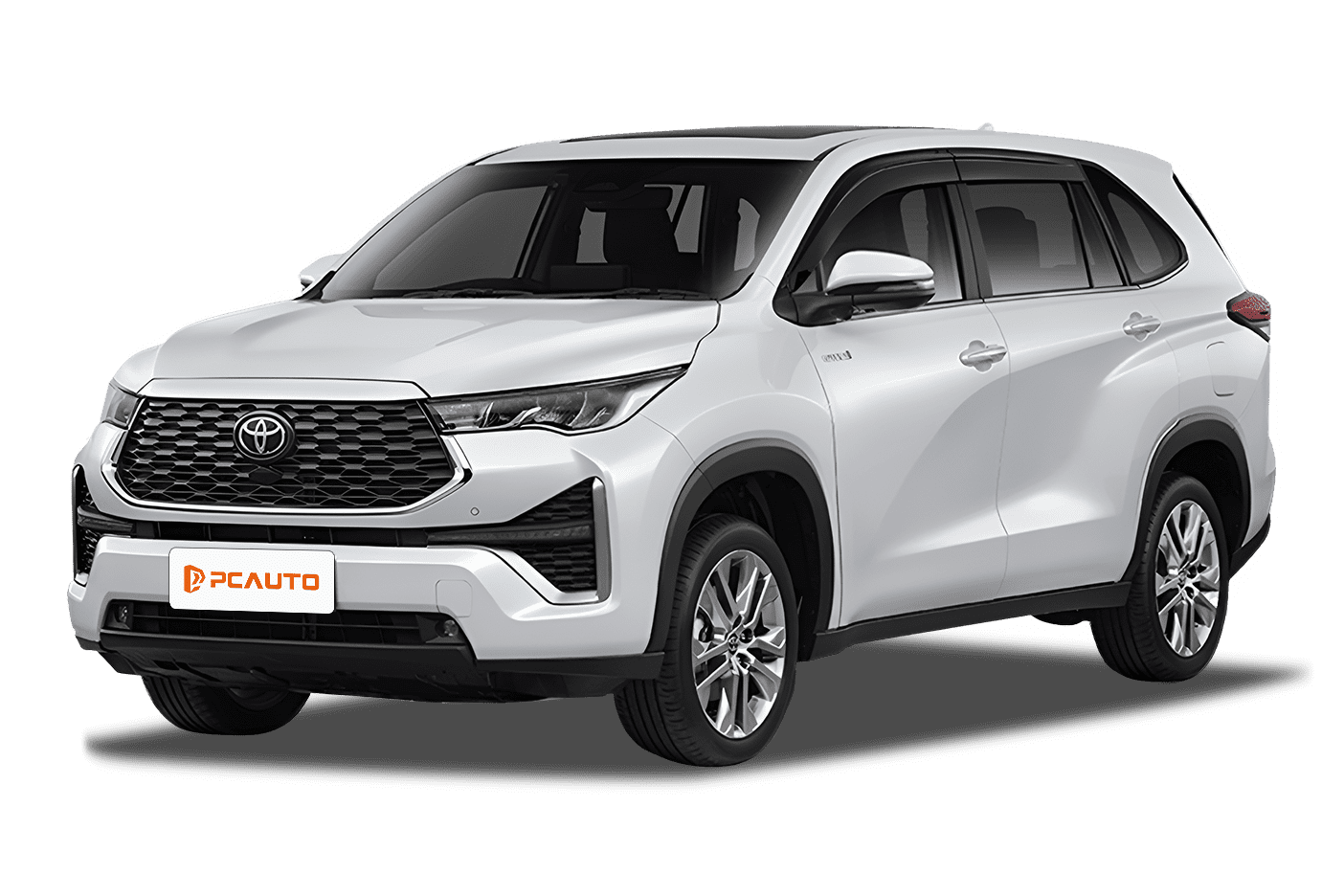
2023 Toyota Innova Zenix 2.0 V (Dynamic Force engine) is a spacious, practical, fuel-efficient, and cost-effective 7-seater family MPV, suitable for family users who value comfort and durability.