

2022 Nissan Serena S-Hybrid Premium Highway Star Review

 Share
Share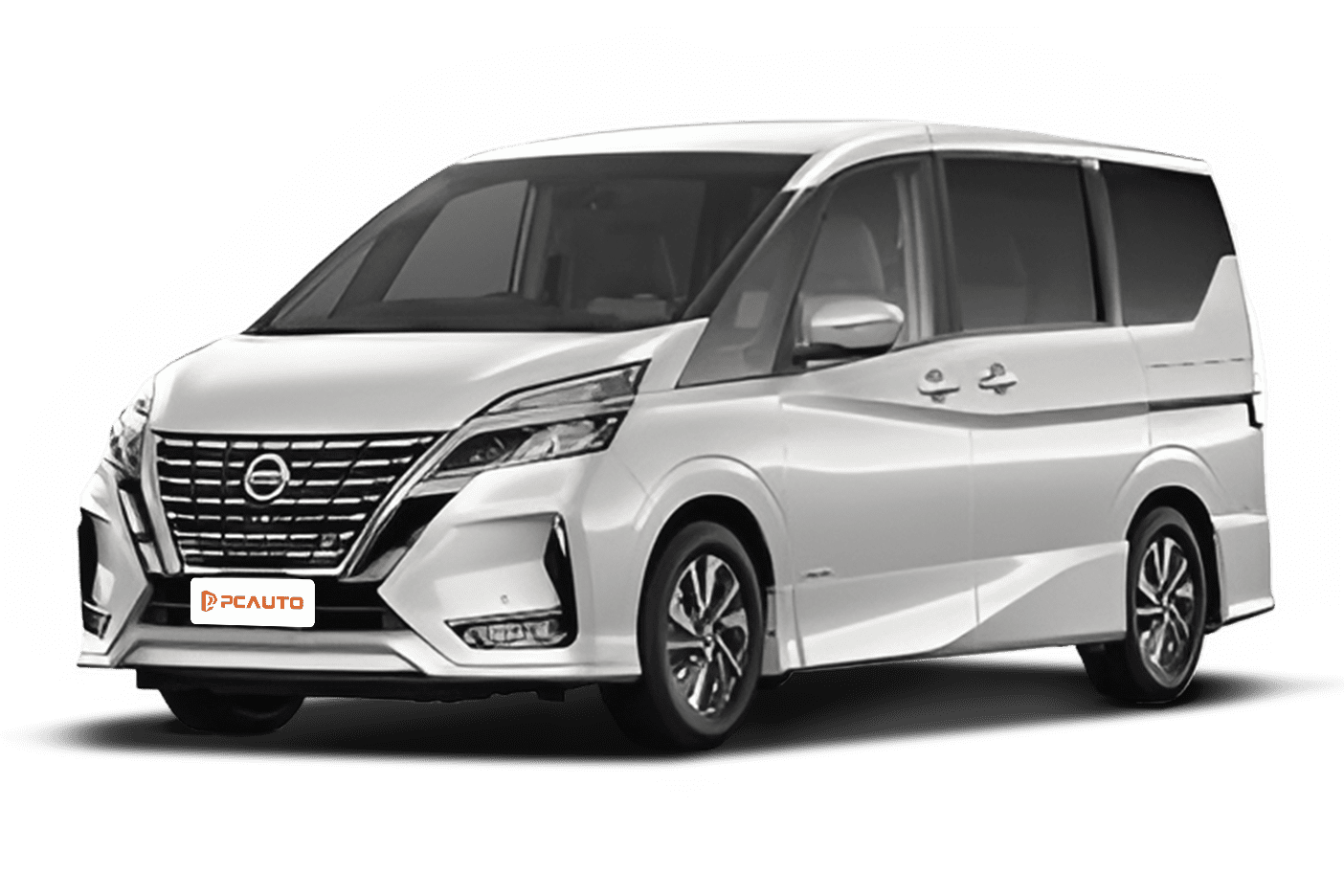
 Segment
 Body Type
 Capacity(L)
 Engine Power(PS)
 Transmission
 Driven Wheels
In recent years, the demand for 7-seater MPVs among Malaysian family users has remained steady. Such vehicles need to balance the fuel efficiency for daily commuting, spacious practicality for family trips, and sufficient safety features. The 2022 Nissan Serena S-Hybrid Premium Highway Star, as a popular choice in the C-segment MPV market, has its core selling points centered on the fuel efficiency of the S-Hybrid system, a wealth of intelligent safety features, and a flexible 7-seater layout. The main purpose of this test drive is to verify whether these selling points can meet the actual needs of family users and to evaluate whether its dynamic performance matches its price point expectations.
From the exterior, the overall style of the Serena leans towards a steady and stable design, aligning with the positioning of an MPV. The front features a large V-Motion grille, complemented by chrome accents, resulting in high recognizability. The sharp-shaped LED headlamps on both sides connect seamlessly with the grille, and the auto headlight function adds convenience during daily use. The body side lines are smooth, with the chrome trim at the bottom of the doors enhancing the refined look. Although the 16-inch tires are not considered large, they harmonize well with the body proportions. The rear design is simple, with horizontally arranged LED tail lights that offer decent visibility when lit, while the rear fog lights and high-mounted brake lights contribute to safety. Overall, the exterior avoids overly exaggerated design elements, suitable for the aesthetic preferences of family users.
Sitting inside, the interior follows a black primary color scheme, accentuated by silver trims for a simple and practical style. The layout of the center console is clear, with a 9-inch touchscreen centered and offering decent responsiveness, supporting the Sound Plus function. Below the screen, physical buttons are retained for commonly used controls like air conditioning and audio, allowing for easy blind operation. In terms of materials, hard plastic is used on the upper section of the center console, but it’s finely textured and does not feel cheap; the inner side of the door panels is wrapped in soft-touch materials for an enhanced tactile experience. The instrument cluster is a full LCD display, offering rich information and real-time visualization of the hybrid system’s working status, convenient for the driver to monitor energy consumption. For features, keyless entry, one-touch start, dual-zone automatic air conditioning, and independent rear air-conditioning are standard. Both the front and second-row seats come with retractable armrests, and the second row is equipped with individual foldable tray tables, making these details very friendly for family trips.
Space performance is one of the Serena's strengths, with a body measuring 4770mm in length, 1740mm in width, and 1865mm in height, along with a wheelbase of 2860mm, placing it at the mainstream level among MPVs in the same segment. The front seats support manual adjustment, and after a driver standing 175cm tall adjusts the seat to a comfortable driving position, there is still a fist's worth of headroom, creating an open field of vision. The second-row seats can slide forward and backward across a significant range; when moved all the way back, the legroom exceeds two fists, making it comfortable for even three adults to sit without feeling cramped. The seatbacks are adjustable as well, and when combined with the extendable armrests and small tables, the long-distance seating comfort is quite good. The third-row seats are more suitable for children or smaller adults; when the second row is moved forward, the legroom ensures basic comfort. The 50:50 split-folding and flip-up design makes it easy to fold the seats down to extend luggage space, proving practical for carrying large items daily. In terms of storage space, the door pockets, central armrest box, and glove compartment offer ample capacity, while cup holders on either side of the second-row seats reflect thoughtful design details.
The power system is equipped with a 2.0L naturally aspirated engine + 3PS electric motor S-Hybrid system. The engine has a maximum horsepower of 150PS and a peak torque of 200N·m (Note: The configuration table did not indicate engine torque; the data here is supplemented based on commonly seen data for the same displacement). The electric motor mainly assists in starting and low-speed driving. During daily driving, the motor provides slight assistance during start-up, making the start smoother; after accelerating above 60 km/h, the engine takes over to provide power. The power response is smooth but not particularly strong, and overtaking requires pressing the accelerator deeply. The CVT gearbox simulates shifting to avoid excessive noise from high engine speeds. There are two driving modes: Economy and Normal. In Economy mode, the throttle sensitivity is reduced, making it more suitable for city commuting; in Normal mode, power output is more direct, and engine RPM is maintained at about 2000 while cruising on highways, which is relatively fuel-efficient. The official combined fuel consumption is 7.04L/100km. During the actual test drive, the city fuel consumption was about 8.5L/100km, and highway fuel consumption was about 6.8L/100km, meeting the fuel economy needs of family users.
In terms of handling, the steering wheel has light steering, making it suitable for female drivers or parking maneuvers in urban areas; the steering precision is average, but for an MPV, this performance is within the normal range. The chassis adopts a front MacPherson independent suspension, and although the rear suspension type is not specified, its actual performance is tuned for comfort. It handles speed bumps or uneven road surfaces in urban areas well, filtering out most of the vibrations. Rear passengers will not feel significant jolts. During high-speed cornering, the body lean is slightly noticeable but remains controllable, not affecting passenger confidence. The braking system performs steadily, with a combination of front ventilated discs and rear ventilated discs. The braking response is linear, providing a sense of security during daily driving.
Regarding ride comfort, the soundproofing effect is at a medium level for its class. Below 60km/h, tire and wind noise are not noticeable, but at speeds of 120km/h on highways, wind noise slightly increases, though it won't affect normal conversations. The seat padding is soft, offering adequate support, making it less tiring for long drives. The comfort of the second-row seats is particularly outstanding, suitable for elderly family members and children. The engine start-stop technology operates with reasonable logic, offering smooth stop-and-start transitions at red lights with minimal vibration, ensuring a comfortable passenger experience.
In summary, the 2022 Nissan Serena S-Hybrid Premium Highway Star's core strengths lie in its versatile and practical 7-seat space, rich intelligent safety configurations (6 airbags, 360-degree camera, lane departure warning, active braking, etc., all as standard), and relatively economical fuel consumption. Compared to its class competitor, the Toyota Innova Crysta, the Serena offers lower fuel consumption with its hybrid system and richer configurations. Compared to the Honda Odyssey, it is more affordable while maintaining similar space flexibility.
This vehicle is ideal for families prioritizing space practicality, safety configurations, and fuel efficiency, especially for families with two children or those who frequently need to carry 6–7 passengers. It satisfies daily commuting and short weekend trips. However, if you seek powerful performance or luxurious interiors, it may not be the best choice. For most family users, its balanced capabilities are sufficient for daily scenarios. Overall, the Serena is a practical family MPV that provides essential family functions at a reasonable price and is worth considering for family users.
Nissan Serena S-Hybrid Loan Calculator
More Nissan Reviews
Cars With Similar Price And Features
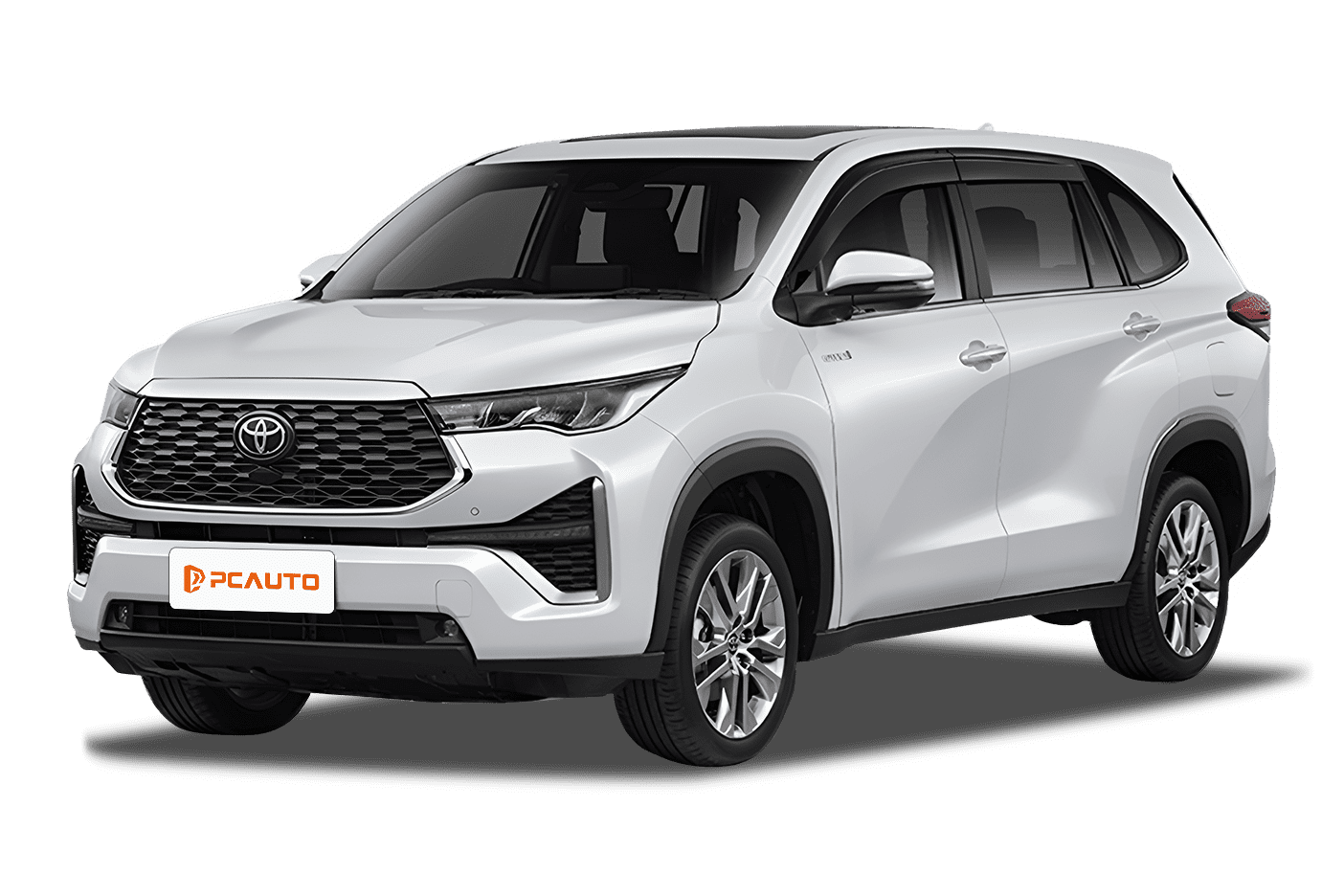
2023 Toyota Innova Zenix 2.0 V (Dynamic Force engine) is a spacious, practical, fuel-efficient, and cost-effective 7-seater family MPV, suitable for family users who value comfort and durability.