

Nissan Serena S-Hybrid 2023 Review

 Share
Share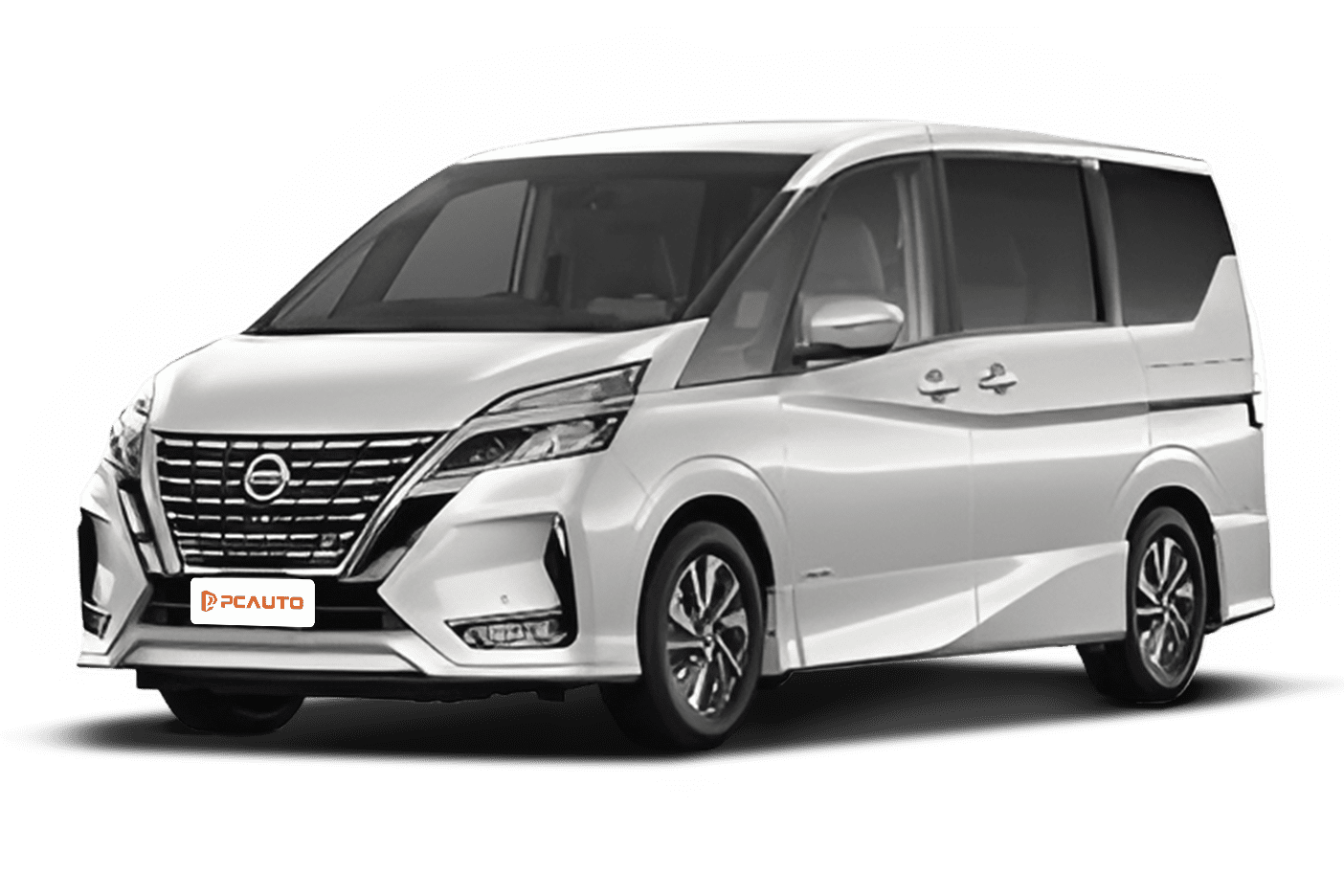
 Segment
 Body Type
 Capacity(L)
 Engine Power(PS)
 Engine Torque(Nm)
 Transmission
In Malaysia's family MPV market, the demand for 7-seater models has always been stable — they not only need to accommodate the whole family but also need to balance fuel efficiency and daily driving convenience. The 2023 Nissan Serena S-Hybrid series is targeting this niche market. This facelift not only retains its spatial advantages but also upgrades its smart features and hybrid system. Our focus in this test drive is to see if its actual performance can meet the core needs of family users.
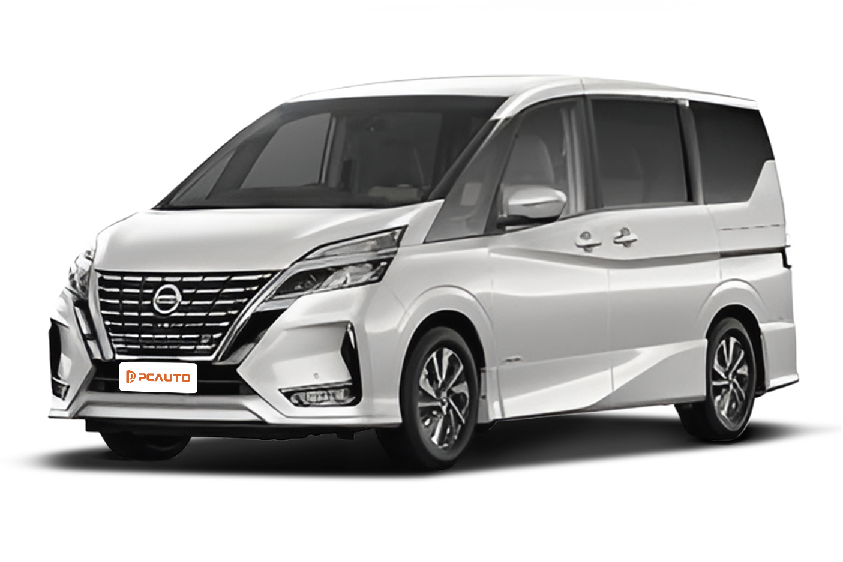
Starting with the exterior, the overall style of the Serena still leans towards a practical MPV silhouette without too many flashy designs. The front features a large V-motion chrome grille connected to the LED headlights on both sides, which gives it decent recognition. The side profile features straight lines without complex curves. The 4770mm length and 1865mm height ensure ample interior space, while the 15-inch or 16-inch wheels (the difference between the Highway Star and Premium Highway Star models) look moderate. However, for an MPV, practicality takes precedence, and this design is actually more enduring. The rear LED taillights are laid out horizontally, echoing the design of the front, while the silver skid plate below the rear bumper adds a touch of layering. Overall, the exterior falls under the category of "not striking at first glance but increasingly practical the more you see it."
Inside the car, the interior material is the first thing to catch the eye — the dashboard is wrapped in soft-touch materials, feeling relatively premium. The size of the central control screen differentiates the two models: the Highway Star comes with a 6.75-inch touchscreen, while the Premium Highway Star is upgraded to a 9-inch screen. Both offer decent clarity and relatively smooth operation. The instrument cluster is fully digital, displaying information like fuel consumption and the operation status of the hybrid system in a clear and straightforward manner. As for the seats, the front and second rows both have foldable armrests. The second-row seats support long sliding distances (with a quite considerable range) and are equipped with small fold-out tables. The third-row seats are 50:50 split-foldable — when not in use, they can be folded up to free up significant trunk space. Notably, the second-row legroom is considered excellent among its class; even with the seats pushed all the way back, the third row remains relatively spacious enough for adults. Additionally, the third row is equipped with independent air conditioning vents and cup holders, showing thoughtful attention to detail.
As for the powertrain, the Serena uses a 2.0L naturally aspirated engine paired with a 48V mild-hybrid system. The engine produces a maximum output of 150PS and 200N·m of torque. Although the electric motor only has 3PS, it provides assist during takeoff, making low-speed driving smoother. The matched CVT transmission shifts without any noticeable jerks, offering a very comfortable drive in daily scenarios. During our highway tests, acceleration under 100km/h was quite responsive. When overtaking, stepping on the accelerator deeply prompts the transmission to simulate gear shifts, and power delivery was timely. The official combined fuel consumption is 7L/100km. During our test drive, the fuel consumption was around 8.5L in congested urban segments and 6.8L on highways. For a 7-seater MPV, these fuel efficiency figures are considered relatively economical.
In terms of handling, the steering wheel is relatively light, making daily parking and U-turns very easy. Even female drivers won’t feel stressed. The suspension features a front MacPherson strut and rear torsion beam, tuned for comfort. When going over speed bumps or uneven roads, vibrations are well filtered and there’s no harsh impact; however, during high-speed cornering, the body leans slightly, but this is a common issue with MPVs. Overall stability is not a problem. Noise control is also well-executed. At speeds below 100 km/h, wind and tire noise are hardly noticeable. Only during rapid acceleration does the engine sound become slightly louder, but it doesn’t affect in-car conversation.
Safety features are one of Serena’s highlights. Both models come standard with 6 airbags, lane change assist, lane departure warning, autonomous emergency braking, and other active safety systems. The 360-degree camera is especially useful for parking such a large vehicle. The Premium Highway Star, though 16,000 RM more expensive, upgrades to a 9-inch infotainment display and 16-inch wheels, making it reasonably good value, depending on whether you need the larger screen.
In summary, the core advantages of the 2023 Serena S-Hybrid are its spacious interior, low fuel consumption, and comprehensive safety features. It’s ideal for families who frequently travel together—whether it’s for daily school runs or weekend outings to the countryside, this car has you covered. Compared to its peers like the Toyota Alphard or Honda Odyssey, the Serena is more affordable and its hybrid system is more fuel-efficient. While it’s not as luxurious as the former, its practicality is comparable. If you value affordability and space as a family car user, the Serena S-Hybrid series is worth considering.
Nissan Serena S-Hybrid Loan Calculator
More Nissan Reviews
Cars With Similar Price And Features
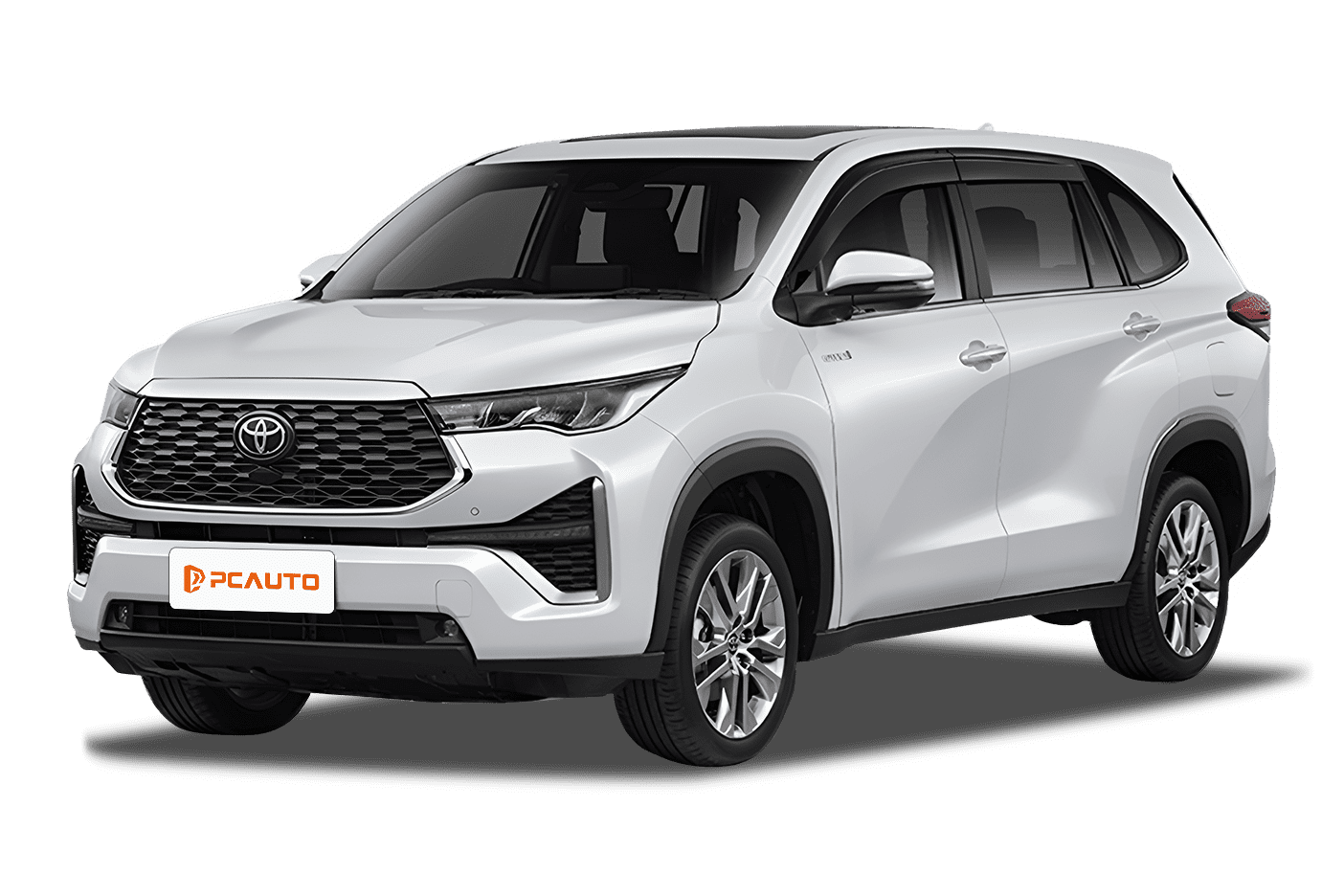
2023 Toyota Innova Zenix 2.0 V (Dynamic Force engine) is a spacious, practical, fuel-efficient, and cost-effective 7-seater family MPV, suitable for family users who value comfort and durability.