

2023 Nissan Serena S-Hybrid Premium Highway Star Review

 Share
Share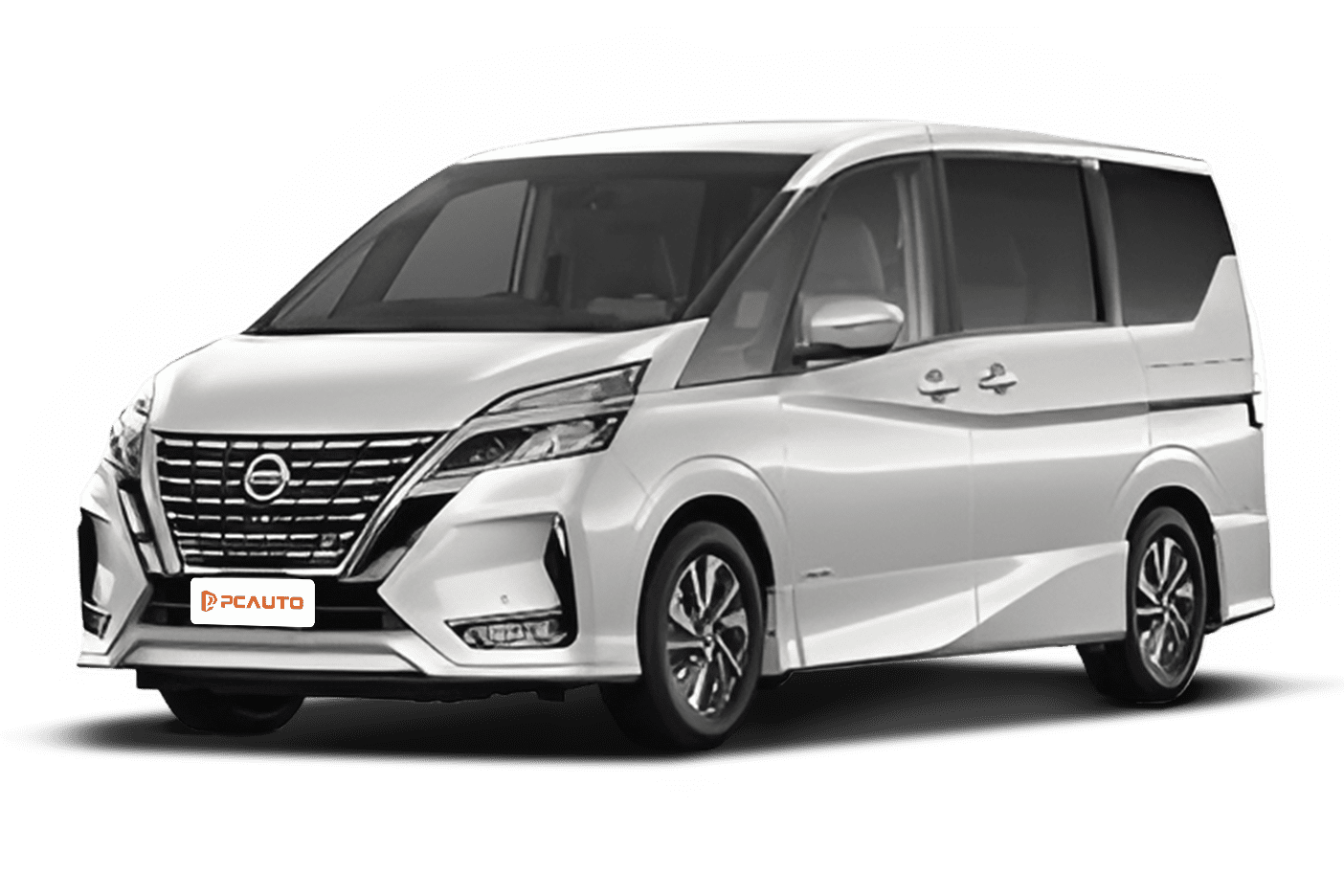
 Segment
 Body Type
 Capacity(L)
 Engine Power(PS)
 Engine Torque(Nm)
 Transmission
In Malaysia's C-segment MPV market, family users have increasingly clear demands for space practicality, fuel economy, and safety features—they need a vehicle that accommodates daily outings for the whole family while accounting for maintenance costs and driving safety. The 2023 Nissan Serena S-Hybrid Premium Highway Star, as a popular contender in this segment, focuses its latest upgrades on optimizing the hybrid system and enhancing intelligent features, with the core selling point being a combination of "7-seater large space + low fuel consumption + 6 airbags across all variants." After receiving the test drive unit, we conducted a focused evaluation of its suitability for daily family use: Can the hybrid system genuinely reduce fuel consumption? Is the third row comfortable enough for adults? Are the intelligent safety features user-friendly? These are the aspects we will break down in this article.
In terms of appearance, the Serena continues the classic boxy design of MPVs, with an overall style leaning towards being stable and not overly flashy. The front adopts Nissan's signature V-Motion grille, with chrome accents connecting the LED headlights on both sides, providing decent recognition. The side profile features a straight waistline running from the front to the rear, paired with 16-inch multi-spoke alloy wheels, giving a somewhat understated visual effect. At the rear, the LED taillights are laid out horizontally, connected by a chrome strip in the middle, while the lower rear bumper features a silver protective plate decoration, adding a touch of layering. The lighting system comes standard with LED headlights and an automatic headlight function, providing sufficient brightness for night driving and meeting daily commuting needs.
Stepping inside, the interior design emphasizes practicality, with a symmetrical dashboard layout. The upper layer is covered with soft-touch plastic material, which feels decent, while the lower layer consists of hard plastic, matching the material standards at this price point. The center console is equipped with a 9-inch touch screen, featuring a simple interface that supports Bluetooth connectivity and displays a rearview camera with medium smoothness, without overly complex functions. The instrument panel uses a full LCD display, showing information such as fuel consumption, range, and the driving assistance system status—all of which are easy to read. In terms of features, the front seats come with dual-zone automatic air conditioning, while the rear has independent air vents for quick interior temperature adjustments. The second-row seats offer manual adjustment, long sliding rails, and folding tray tables. The third-row seats support 50:50 split folding and flipping, expanding the trunk space to over 1000L when folded, which is sufficient for storing a stroller or suitcases. Notably, the second-row sliding rails are long enough to allow proper legroom adjustment for third-row passengers, even when occupied, making it highly practical.
Space performance is one of Serena's core advantages. The vehicle measures 4770mm in length, 1740mm in width, and 1865mm in height, with a wheelbase of 2860mm. The front seats feature manual adjustment with extendable armrests, and a 175cm-tall driver can have a seating position with a headroom of one fist and two fingers. When the second-row seats are adjusted to the furthest rear position, the legroom reaches two fists while the headroom remains at one fist—comfortable for three adults. When adjusted to the furthest forward position, the third-row legroom still provides one fist of space, making it suitable for flexible space allocation during long trips. As for storage, the front door panels have storage compartments that can hold two bottles of mineral water, there is a medium-sized central armrest box, and the second-row seats have cup holders and small tray tables on both sides. The third row is also equipped with cup holders, making the daily usage adequate.
In terms of powertrain, Serena is equipped with a 2.0L naturally aspirated engine + 3PS electric motor mild hybrid system. The engine delivers a maximum horsepower of 150PS and a maximum torque of 200N·m, while the electric motor provides auxiliary output of 2.2kW power and 48N·m torque. It is paired with a CVT gearbox. During daily driving, the electric motor can provide slight assistance during startup to reduce engine load. Acceleration is smooth with no noticeable jerks. When pressing the accelerator pedal hard, the engine revs rise above 4000 rpm, and the power output gradually increases. Overtaking requires planning ahead, as the vehicle weighs close to 1.7 tons. There is only a standard driving mode available, with no sport or eco modes to choose from. The overall tuning leans towards comfort.
In terms of handling, the steering wheel feels light, with a slight play, making it suitable for city driving. During high-speed driving, the steering becomes slightly heavier, and stability is decent. The chassis adopts a front MacPherson + rear torsion beam suspension setup with a soft tuning. Most road bumps are well absorbed, and vibrations are minimal when going over speed bumps or uneven roads, offering decent ride comfort. However, during cornering, there is noticeable body roll, so vehicle speed needs to be controlled. The braking system delivers a linear performance, with moderate initial braking force and sufficient stopping power in the later stage. The braking distance at 100 km/h is around 42 meters, which is in line with MPV standards.
In the fuel consumption test, we drove 100km each on urban congested roads and highways. The combined fuel consumption was about 6.8L/100km, which is close to the officially claimed value of 7L/100km, performing well. On highways maintaining a speed of 110km/h, the engine revs stay at around 2500 rpm, and fuel consumption is about 6.2L/100km. In urban congested conditions with frequent stops, fuel consumption is about 7.5L/100km, which is above average for a seven-seater MPV.
As for ride comfort, the seat cushions are soft but provide average support, which may cause slight fatigue in the lower back during long-duration trips. Noise control is moderate; at high speeds, wind noise and tire noise are noticeable, especially the latter, possibly due to the 205/55 R16 tire specifications. The intelligent driving assistance system includes lane change assist, lane departure warning, and active braking. In actual use, the lane departure warning alerts when the vehicle crosses the lane line, and the active braking automatically decelerates when obstacles are detected ahead. The response speed is acceptable, but the sensitivity could use further tuning.
In summary, the 2023 Nissan Serena S-Hybrid Premium Highway Star stands out for its spacious interior, low fuel consumption, and comprehensive safety features. Compared to its class competitor, the Toyota Innova Zenix 2.0V, Serena offers better second-row space and practical storage options and is approximately 10,000 MYR cheaper, providing a higher value for money. However, its power output and interior quality are slightly inferior to the Innova Zenix. This vehicle is well-suited for families prioritizing space and fuel efficiency, especially those who frequently travel with elders and children. The flexible third-row layout and second-row foldable tables meet everyday needs. If you are looking for a balanced family car and don't mind slightly weaker power output, the Serena would be a good choice.
Nissan Serena S-Hybrid Loan Calculator
More Nissan Reviews
Cars With Similar Price And Features
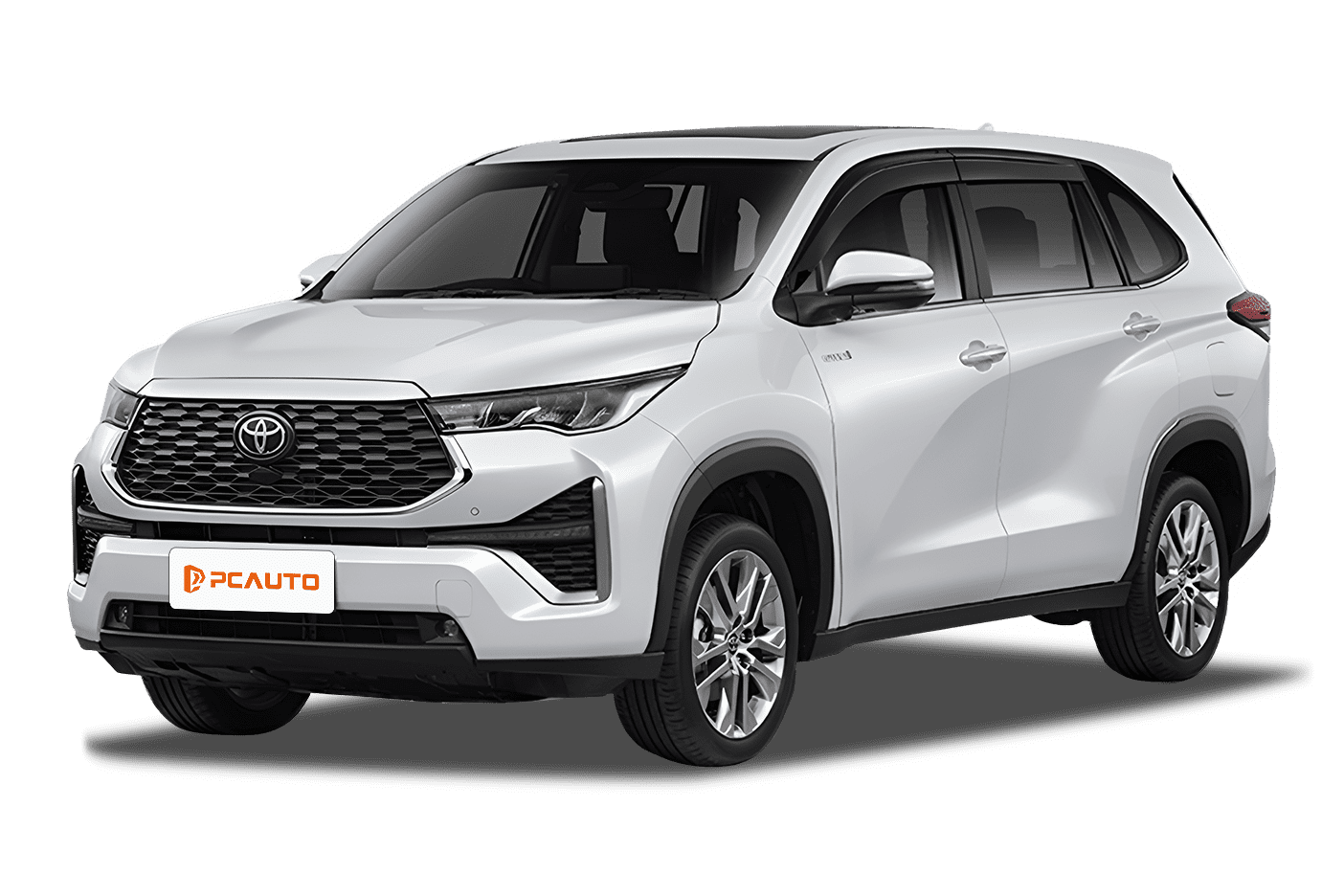
2023 Toyota Innova Zenix 2.0 V (Dynamic Force engine) is a spacious, practical, fuel-efficient, and cost-effective 7-seater family MPV, suitable for family users who value comfort and durability.