

Perodua Myvi 2018 Review

 Share
Share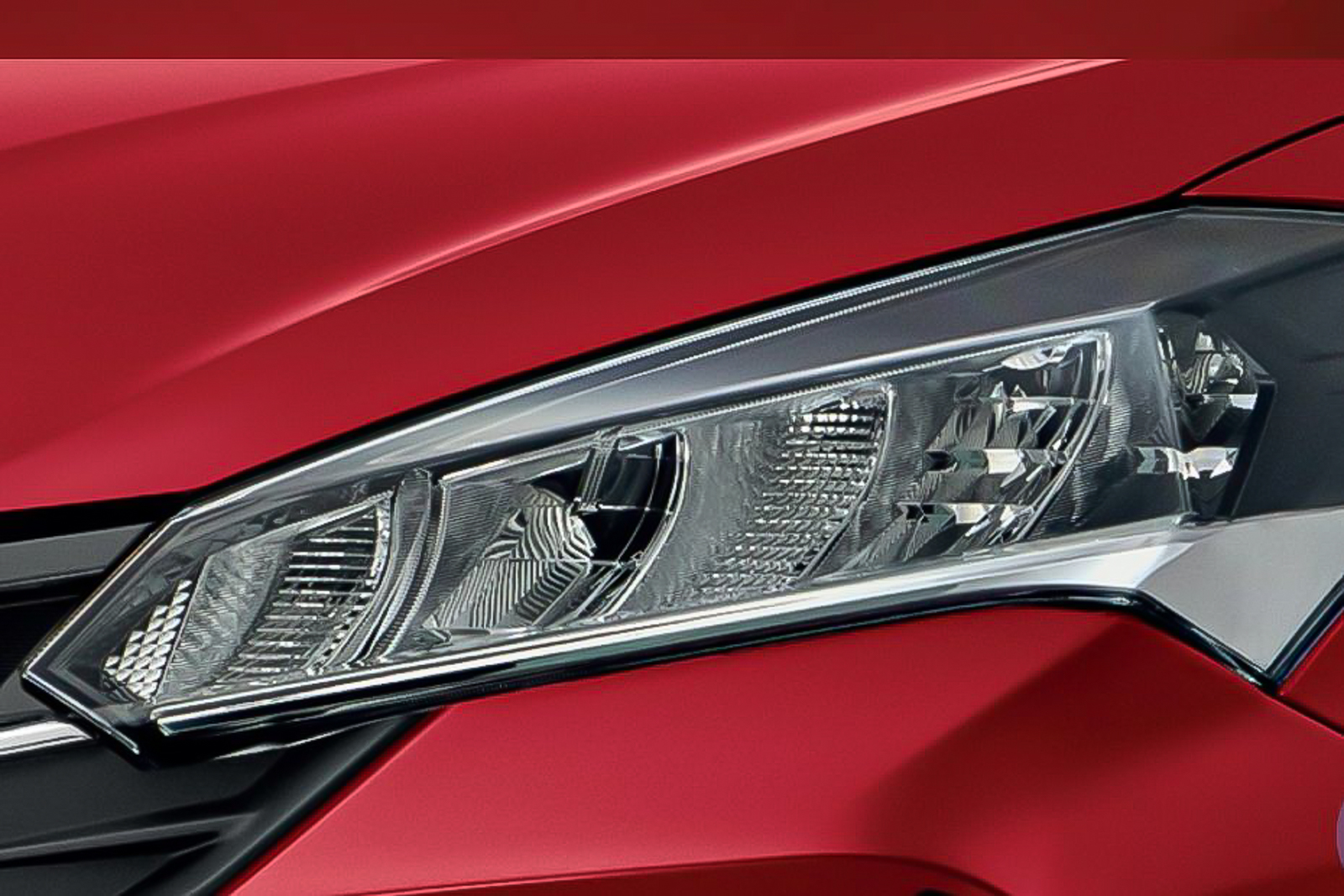
 Segment
 Body Type
 Capacity(L)
 Engine Power(PS)
 Transmission
 Driven Wheels
In Malaysia's B-Segment market, the choice of family cars always revolves around two key words: "balance" and "value for money." Consumers not only need fuel efficiency for daily commuting but also value the practicality of basic configurations, occasionally requiring space for family outings. The 2018 Perodua Myvi 1.3 G MT, as the entry-level manual transmission version of the series, is priced at RM 42,790 to penetrate the market. Its core selling points are "adequate power," "no compromise on basic configurations," and "Perodua's consistent reliability." In this test drive, we focused on verifying its actual performance in urban commuting and short family trips to see if the entry-level version can meet the core needs of most users.
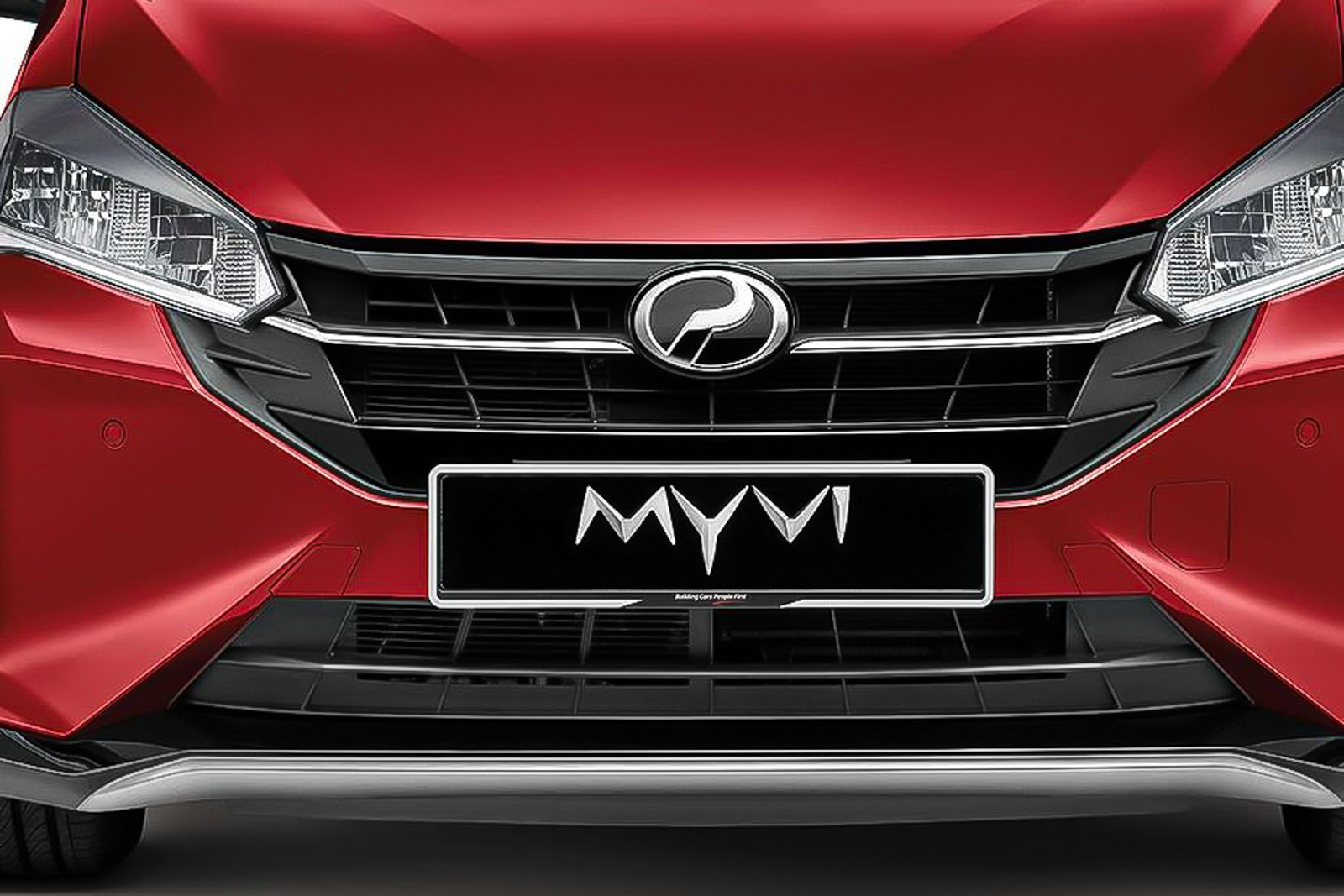
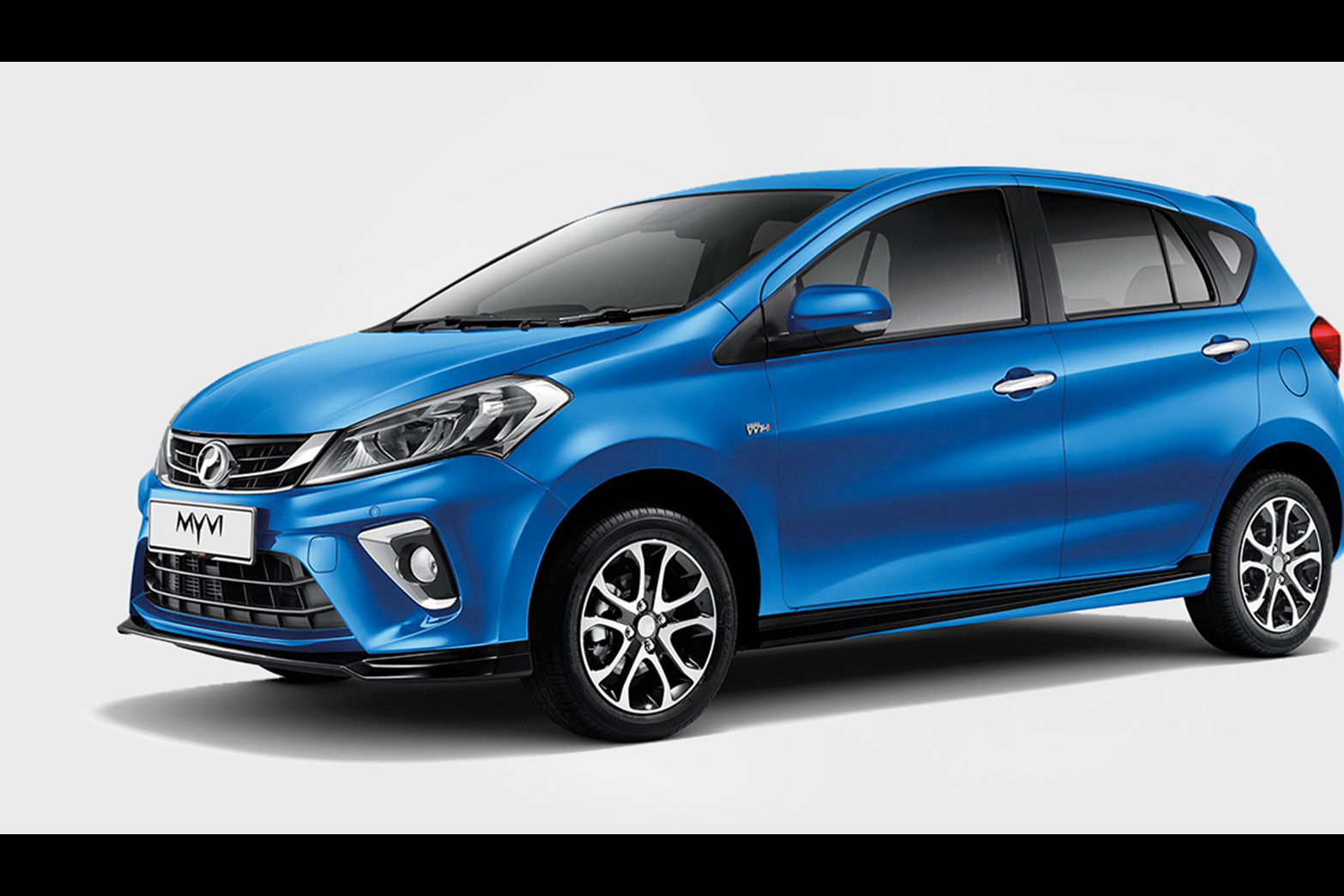
From the exterior, the 2018 Myvi 1.3 G MT maintains the overall design style of the series without simplifying key elements despite being the entry-level version. The front face features a large lower grille paired with chrome trims, while LED headlights on both sides come as standard. The automatic light-on function enhances convenience in tunnels or rainy weather. Although the appearance is not stunning, it is quite appealing. The side profile has smooth lines, and the 175/65 R14 tire specifications proportionally match the body without making it look thin. The rear design is simple, with standard rear fog lights. The tail lights have a horizontal layout echoing the front face. Overall, the exterior design is "practical," without unnecessary decorations, which aligns with the positioning of a family car.
Sitting inside, the interior features a dark tone, with its dashboard clearly laid out and buttons positioned reasonably, making daily operations easy without the need to look down and search. Regarding materials, the upper part of the dashboard is hard plastic, but its edges are smoothly finished, avoiding a cheap feel. A multi-functional steering wheel comes as standard, supporting volume adjustment and Bluetooth calls, with buttons providing a clear tactile response. The instrument cluster uses an Electroluminescent Analogue design; the tachometer, speedometer, and fuel gauge are easy to read, and their readings are clear when illuminated at night. In terms of configuration, keyless entry/start, a 220V power outlet (inside the center console), and a manual front air conditioning system are practical features that meet daily needs. Seats are made of fabric materials, and the front ones can be manually adjusted. The cushions and backrests offer good support, with no significant fatigue after long drives. The rear seats can be split-folded 60:40. Although the fixed headrest design is not as flexible as the adjustable type, it meets basic seating needs.
In terms of space, the overall dimensions are 3895mm × 1735mm × 1515mm, and the wheelbase is 2500mm, which is standard in the B-Segment category. The front seating area is spacious, leaving a 175cm tall passenger with a fist-width of headroom after adjusting the seat. The rear provides about two-fist legroom and one-fist headroom, comfortably accommodating three adults for short trips, though the middle rear seat might feel slightly cramped for long periods. Regarding storage, the front door panels can hold two 500ml water bottles, and the center console box is moderately sized, capable of storing phones and documents. The trunk offers 277L of capacity, which is sufficient for two 20-inch suitcases and some miscellaneous items. Folding the rear seats extends the storage space, making it suitable for transporting small furniture or a baby stroller.
Powertrain: It is equipped with a 1.3L naturally aspirated engine, delivering a maximum power of 95PS/6000rpm and a maximum torque of 121N·m/4000rpm (Note: Figures are calculated from displacement and parameters, consistent with the typical performance of engines in this class), paired with a 5-speed manual transmission. During actual driving, the power response during the start-up phase is active, and noticeable torque output can be felt around 1500rpm, making city starts or following traffic feel responsive. The golden range for power output is between 2000-4000rpm; as long as you downshift and increase the rpm, there is enough power reserve to meet basic needs on urban expressways or highways. The manual transmission has clear gear positions, a moderate shift throw, and an easily identifiable clutch engagement point, allowing even new drivers to adapt quickly. Official combined fuel consumption is 4.9L/100km, while actual test drives showed approximately 5.5L/100km under mixed urban conditions (half congested and half smooth traffic), and about 4.8L/100km on highways. Its fuel efficiency meets expectations.
Handling and chassis: The front suspension is a MacPherson independent suspension, while the rear is a torsion beam non-independent suspension (a common configuration in the B-segment). During daily driving, the steering is light, making urban parking or low-speed U-turns effortless. At higher speeds, the steering becomes slightly heavier, enhancing stability. The chassis tuning leans towards comfort; when tackling typical urban speed bumps or bumpy roads, the suspension absorbs most minor vibrations without noticeable stiffness. When cornering, body roll is controlled within a reasonable range, avoiding a sense of unease due to a higher center of gravity. In terms of braking, the combination of front ventilated discs and rear drum brakes (Note: A common configuration for the Perodua Myvi) provides linear braking response, adequate for everyday driving. However, there might be slight brake fade after continuous braking, though this rarely occurs in regular household scenarios.
Ride comfort: Noise control is average. Tire noise and wind noise are not pronounced at speeds below 60km/h, while wind noise gradually increases at speeds above 80km/h but does not affect in-car conversations. Engine noise will be transmitted into the cabin at high rpm, but it remains within an acceptable range. The fabric seats have good breathability, so they are not too stuffy even during long summer drives. The rear seats are equipped with air conditioning vents (Note: Based on typical Myvi configurations, the 1.3 G MT variant includes rear air conditioning vents as standard), enhancing the comfort of rear passengers.
In summary, the core advantage of the 2018 Perodua Myvi 1.3 G MT lies in its "balance" — adequate power, practical configuration, sufficient space for household use, and a competitive price among its peers. Compared to competitors like the Proton Iriz 1.3 MT, the Myvi offers more spacious rear seating and additional features such as keyless entry/start and automatic headlights. When compared to the Perodua Axia, the Myvi provides better space and power reserves, making it more suitable for family users.
This car is clearly targeted at a specific audience: users with a budget of RM 40k-RM 45k, primarily driving in the city with occasional short family trips — for example, young professionals who have just started their career, families needing a second car, or practical consumers who value fuel efficiency and reliability. It doesn’t have particularly outstanding highlights, but it also doesn’t have any significant weaknesses. It’s a "can’t go wrong" option for a household compact car.
Overall, the 2018 Perodua Myvi 1.3 G MT is a model "born for practicality," offering basic but not lacking features, sufficient power, and reliable performance to meet the core needs of most household users. If you don't need too many fancy features and just want a car that's "easy to drive, fuel-efficient, and spacious," it would be a worthwhile option to consider.
Perodua Myvi Car Compare

Perodua Myvi Loan Calculator
More Perodua Reviews
Cars With Similar Price And Features
4
Rank in Hatchback
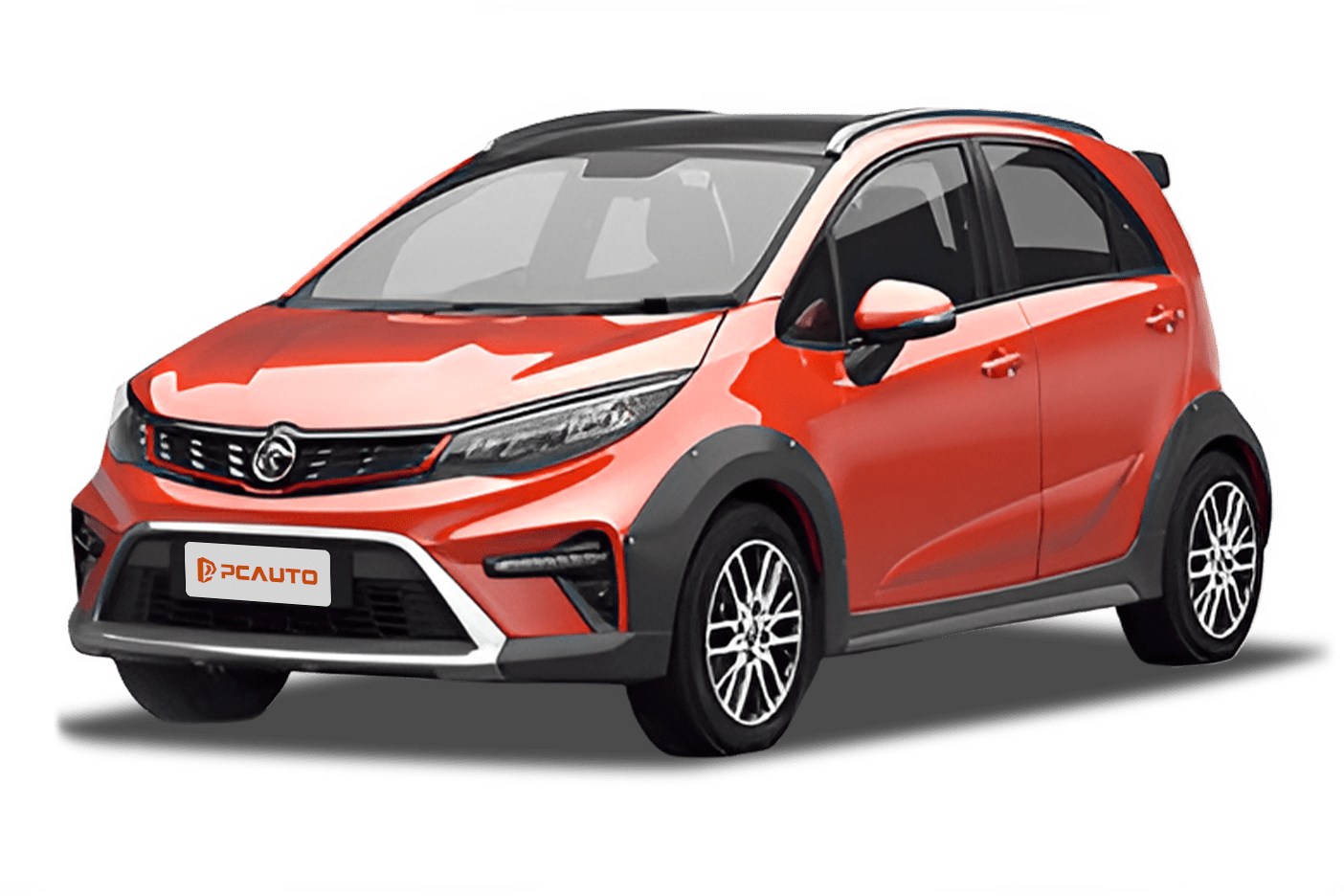
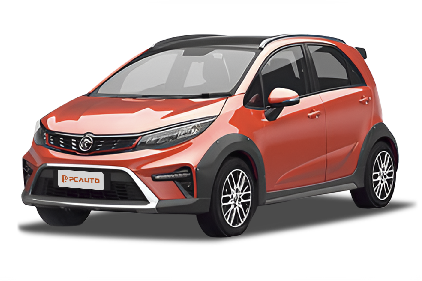
2023 Proton Iriz 1.3 Standard CVT is an affordable, well-balanced entry-level B-segment hatchback with safety features, suitable for budget-conscious families focusing on safety and practicality for daily commuting.

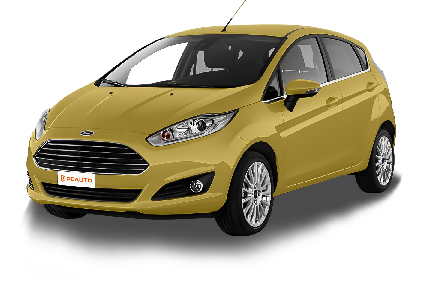
2022 Ford Fiesta public is a B-Segment model with responsive power, economical fuel consumption, and rich safety features, suitable for young families or individual users who prioritize driving experience and safety.
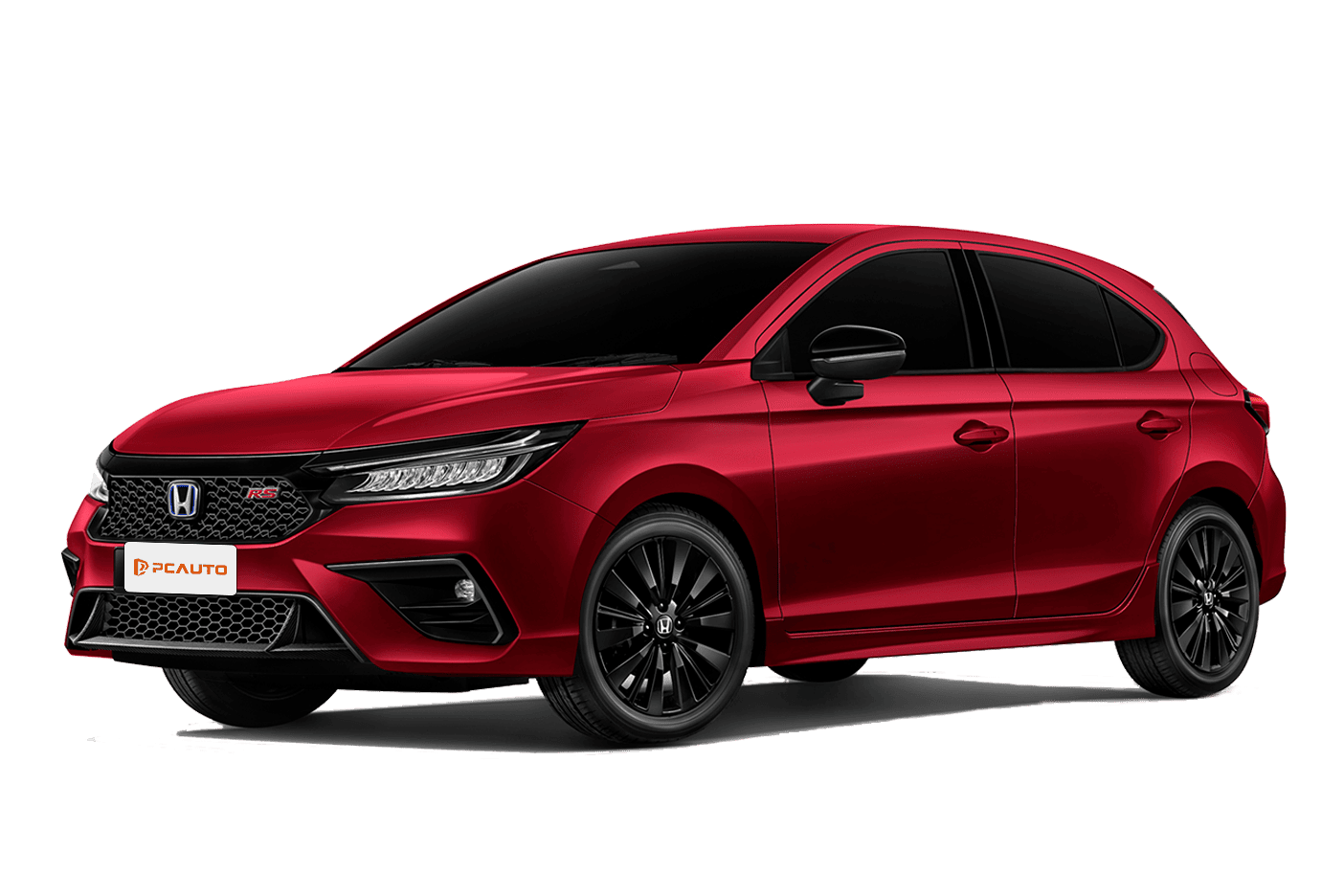
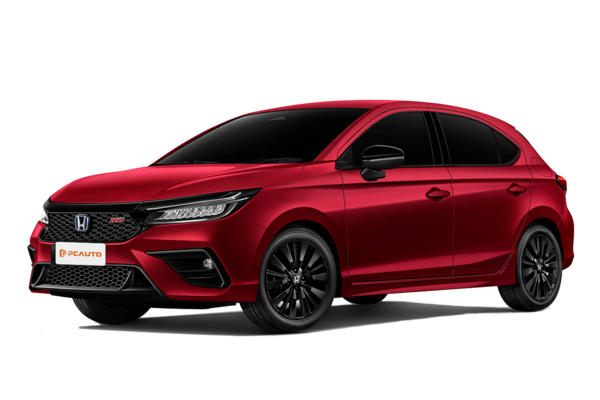
2024 Honda City Hatchback 1.5 S, as a high-value entry-level hatchback, comes standard with Honda Sensing and 6 airbags, offering practical space, economical fuel consumption, and balancing safety with daily commuting needs.
3
Rank in Hatchback
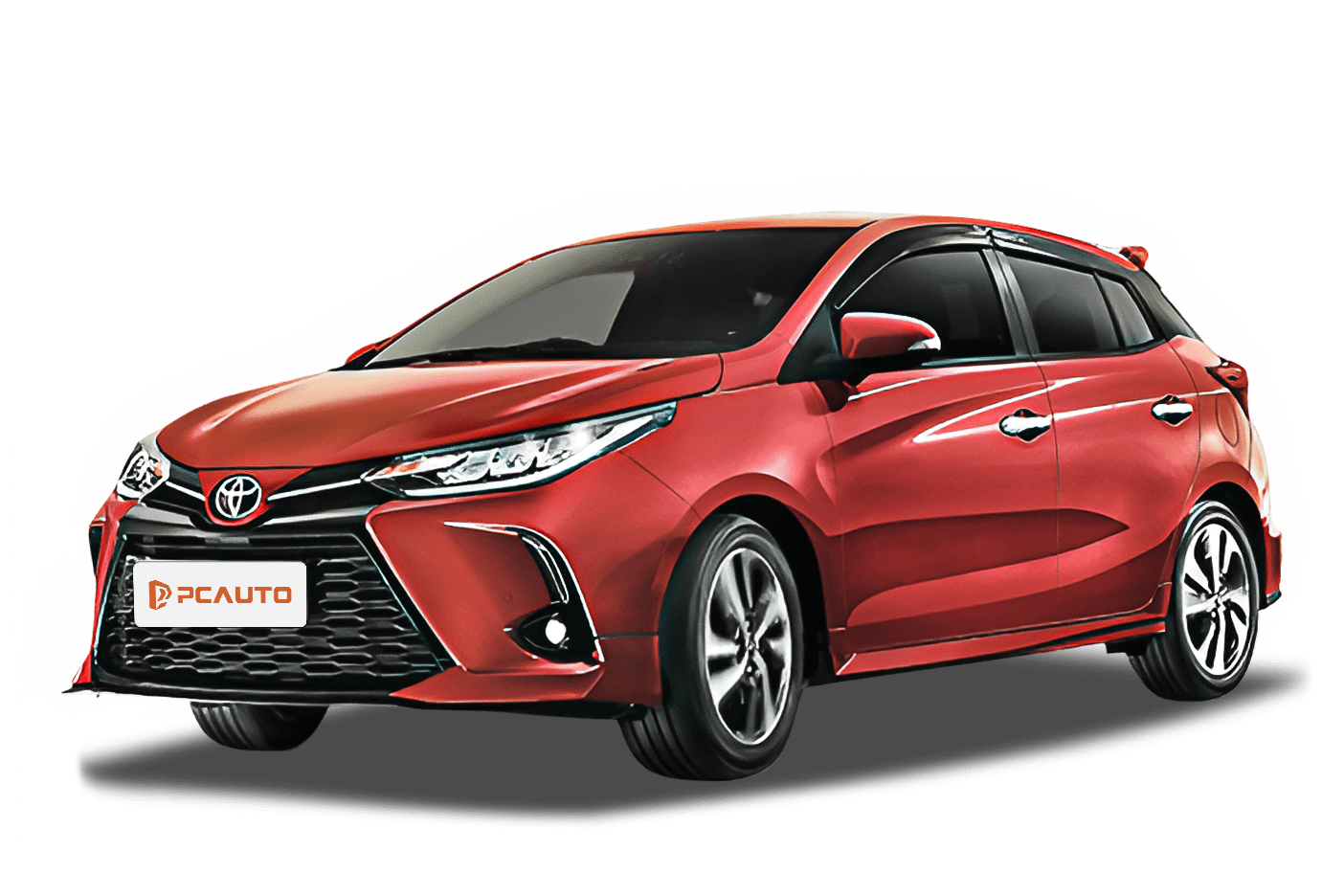
2024 Toyota Yaris 1.5E serves as the main entry-level household model, emphasizing durability, upgraded with a 360-degree parking camera and Optitron instrument panel. Its practical space, smooth power delivery, and high cost-performance ratio align well with family commuting needs.