

Porsche Cayenne 2019 Review

 Share
Share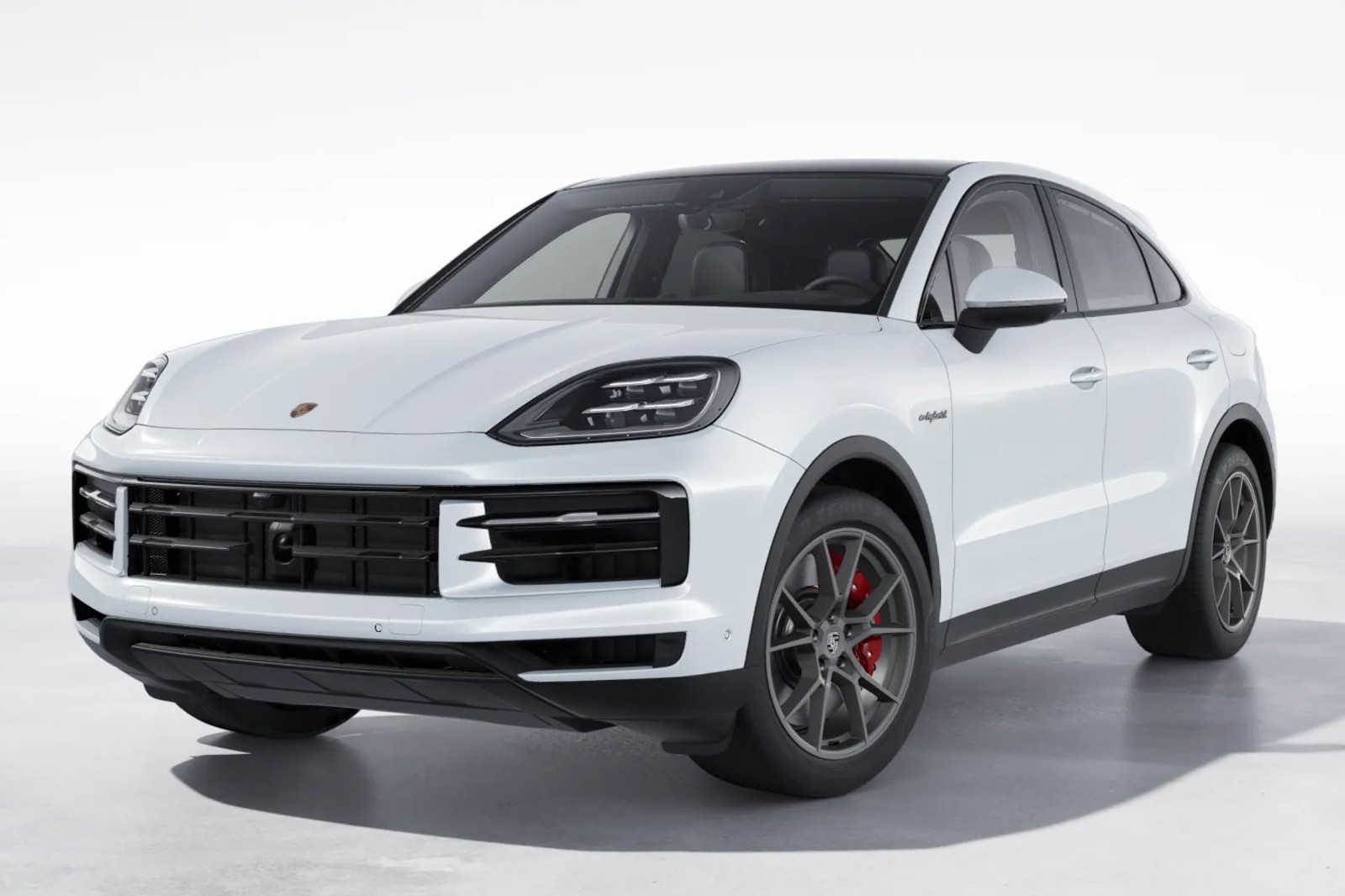
 Segment
 Body Type
 Capacity(L)
 Combined System Output(PS)
 Combined System Torque(Nm)
 EV Range(km)
In Malaysia's luxury mid-to-large SUV market, there are plenty of options that meet high-end business needs while also catering to family practicality. However, products that genuinely combine performance with eco-friendly attributes are rare. The 2019 Porsche Cayenne Turbo S E-Hybrid, as the flagship plug-in hybrid version of the series, not only delivers a combined maximum horsepower of 680PS but also enables short-distance commuting in pure electric mode. This "dual nature" makes it particularly special in its class. This time, through a static experience and dynamic test drive, we aim to verify whether it can truly balance performance passion with everyday practicality.
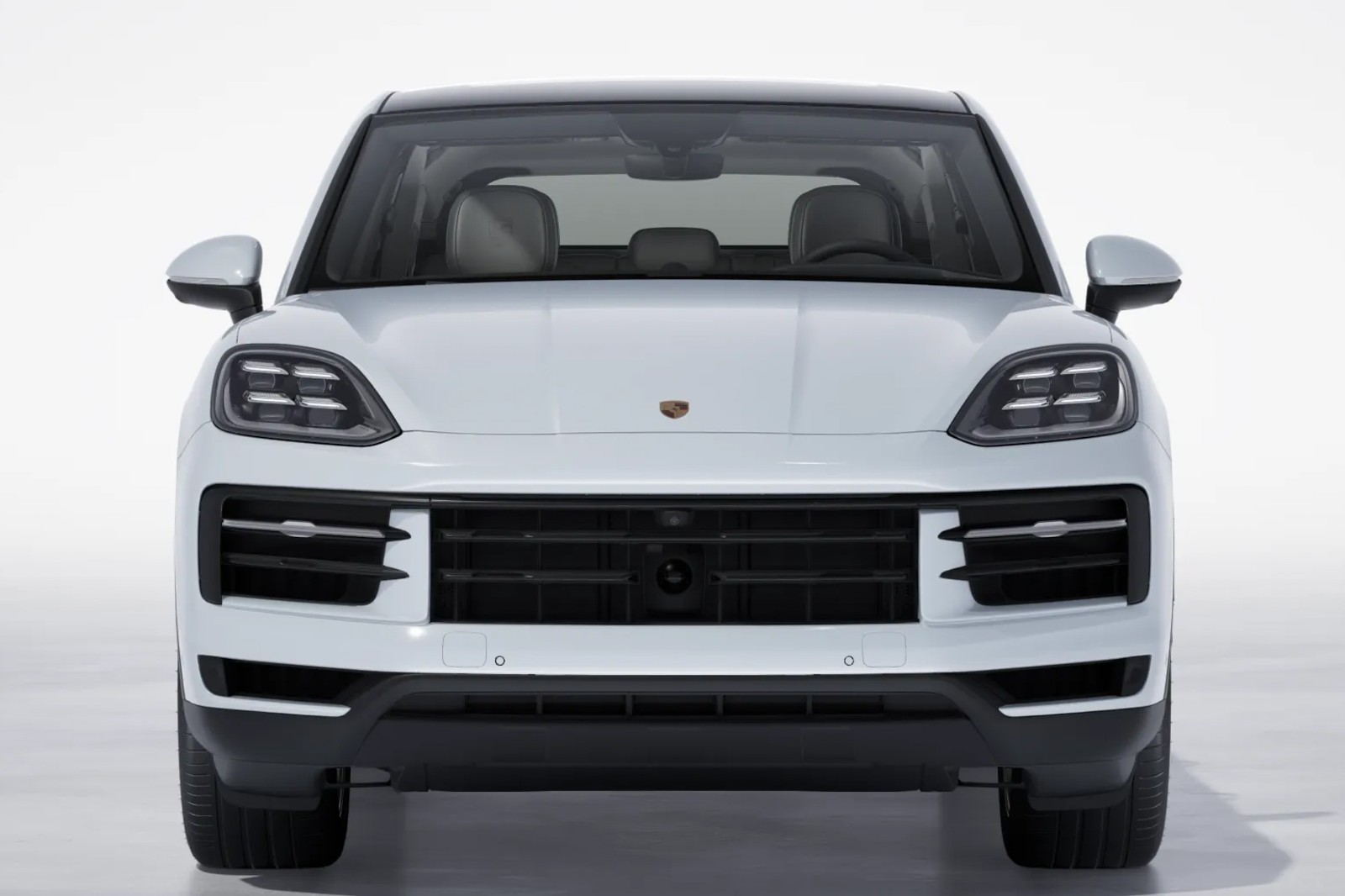
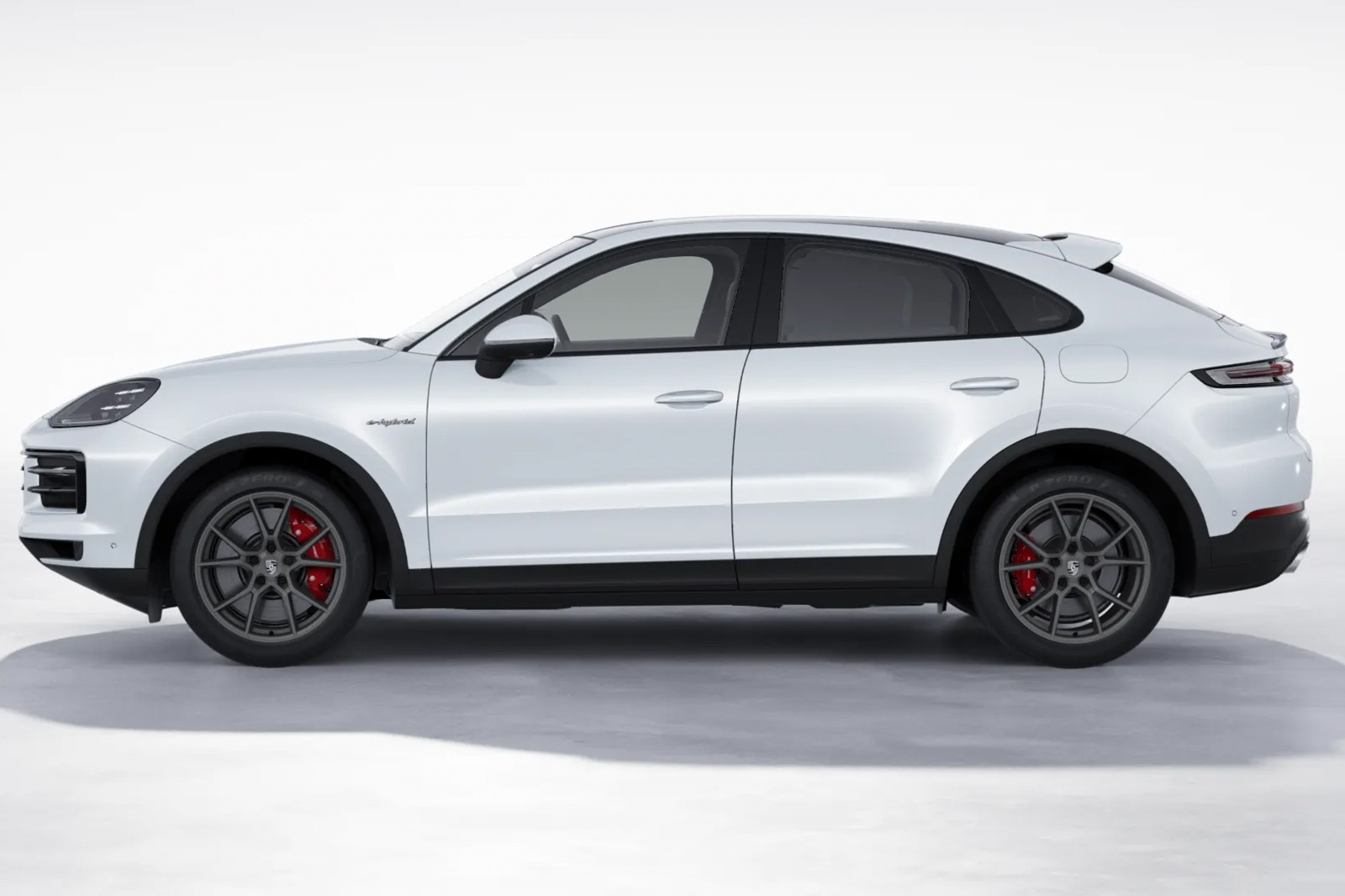
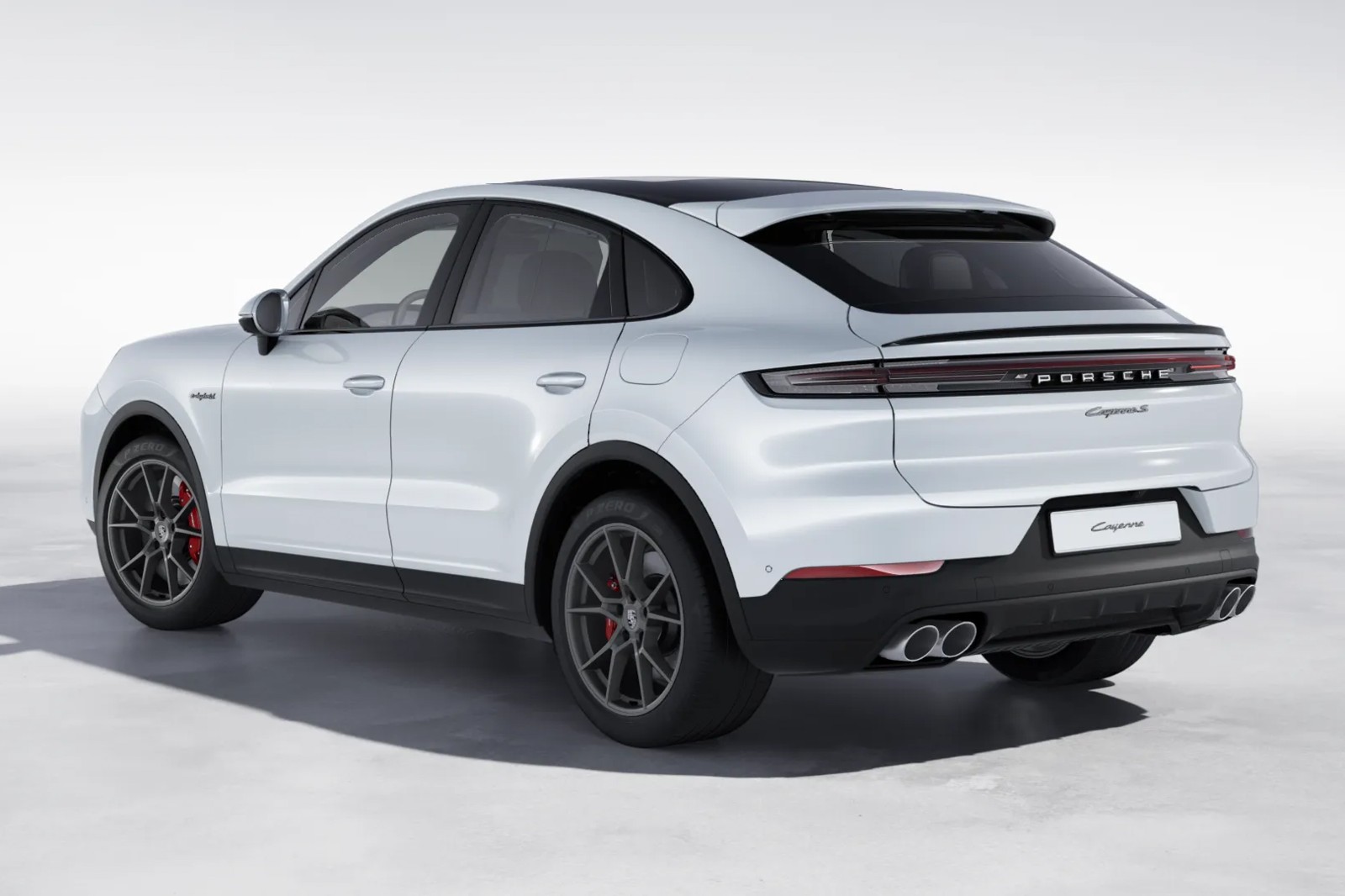
In terms of exterior design, this flagship plug-in hybrid model continues the sporty silhouette of the Cayenne Turbo, with body dimensions close to the Turbo version—measuring 4926mm in length, 1983mm in width, 1673mm in height, and featuring a 2895mm wheelbase. Compared to the regular Cayenne, the slightly lower body stance enhances its sporty appeal. The front face features Porsche's signature four-point LED daytime running lights, paired with a larger lower air intake grille. The grille also bears the exclusive "Turbo S E-Hybrid" badge, clearly stating its identity. On the sides, the 21-inch RS Spyder Design alloy wheels and blue brake calipers create a contrasting aesthetic. The blue accents also extend to the rear "e-hybrid" badges, giving the plug-in hybrid model a unique visual identity. The adaptive rear spoiler automatically extends at high speeds, further complementing the quad-tailpipe exhaust layout and intensifying its performance presence.
Stepping inside, the familiar Porsche family-style layout immediately comes into view. The center console revolves around a 12.3-inch touchscreen display, with reduced physical buttons but retaining essential physical knobs for functions like climate control and drive mode selection, ensuring a user-friendly operation. The interior predominantly uses leather and Alcantara materials, while blue stitching on the seats and door panels echoes the blue accents on the exterior. The exclusive hybrid instrument display interface presents real-time information on power flow, battery levels, and other relevant details. As for features, this model comes standard with adaptive air suspension, a panoramic sunroof, heated front and rear seats, a Bose sound system, and the Porsche Communication Management system (PCM), which supports Apple CarPlay connectivity. Everyday usability and a sense of luxury are well catered to.
In terms of space, the 2895mm wheelbase ensures ample legroom for both front and rear passengers. A passenger standing 180cm tall can sit in the rear with two fists' worth of space between their knees and the front seatback. Though the sloping roofline slightly limits headroom, about one fist's worth remains, preventing any sense of confinement. The trunk space measures 645 liters, which is slightly smaller than the standard Cayenne’s 772 liters due to the battery pack taking up some space. However, folding down the rear seats expands the capacity to 1510 liters, which can easily handle luggage for short family trips. Additionally, the car's storage compartment design is practical, with the central armrest box and door panel storage slots offering adequate capacity. The front row also features a wireless charging pad and USB-C ports.
The dynamic test drive is the most anticipated part of this car. It is equipped with a 4.0T twin-turbocharged V8 engine combined with an electric motor plug-in hybrid system, delivering a combined maximum horsepower of 680PS and a peak torque of 900N·m. It is paired with an 8-speed Tiptronic S gearbox and an all-wheel-drive system. The official 0-100km/h acceleration takes only 3.8 seconds, and the top speed reaches 295km/h, putting its performance data close to supercar levels. When switched to Sport Plus mode, the throttle response becomes extraordinarily sensitive. When the accelerator is pressed deeply, the engine and the electric motor work together to provide sustained and strong thrust, leaving little room for hesitation during overtaking. Even in the regular Comfort mode, the power delivery remains smooth enough, ensuring there is no overwhelming sense of excessive performance during daily city commuting.
In terms of handling, the adaptive air suspension combined with Porsche Dynamic Chassis Control (PDCC) allows this SUV to perform beyond expectations in corners. Steering is precise with minimal play, body roll is well-controlled, and high-speed cornering stability rivals that of sports sedans. When dealing with Malaysia's common bumpy roads or speed bumps, the suspension quickly filters out most of the jolts, maintaining interior comfort. Notably, its pure electric cruising range is approximately 40km, making it possible to rely entirely on electric mode for daily commutes or short trips. When driven in electric mode, noise control is outstanding, with almost no external disturbances audible inside the cabin. When the battery is low, the engine engages smoothly without causing noticeable jolts.
Regarding fuel consumption, in hybrid mode, the combined fuel consumption is approximately 3.5L/100km, significantly lower than the 11L/100km of the pure gasoline Turbo version, presenting a clear advantage in long-term usage costs. However, due to the presence of the battery pack, the vehicle's weight has increased by approximately 300kg compared to the Turbo version. Nevertheless, with its strong power reserve and chassis tuning, this additional weight is not particularly noticeable during driving. The braking system also performs stably, maintaining good body control during emergency braking, with braking distances above average in its class of SUVs.
All in all, the core advantage of the 2019 Porsche Cayenne Turbo S E-Hybrid lies in its "all-round capability"—it combines the acceleration and driving quality of a flagship performance vehicle with the ability to commute environmentally through pure electric mode. Compared to competitors in its class such as the BMW X5 M plug-in hybrid version and the Mercedes-AMG GLE 63 S plug-in hybrid version, it has an advantage in terms of brand value and performance parameters, while also offering space and configuration suitable for family use.
The target audience for this car is very clear: individuals with high incomes who want to showcase their status in business scenarios, enjoy driving fun on weekends, and also have a certain demand for environmentally friendly travel. Whether for daily commutes, long-distance travel, or occasional track experiences, it handles all with ease. If you are looking for the comprehensiveness of a luxury SUV and are not satisfied with the singular nature of traditional fuel models, then the Cayenne Turbo S E-Hybrid is a worthy choice—it proves through its performance that performance and environmental friendliness are not opposites but can be perfectly combined.
Porsche Cayenne Loan Calculator
More Porsche Reviews
Cars With Similar Price And Features
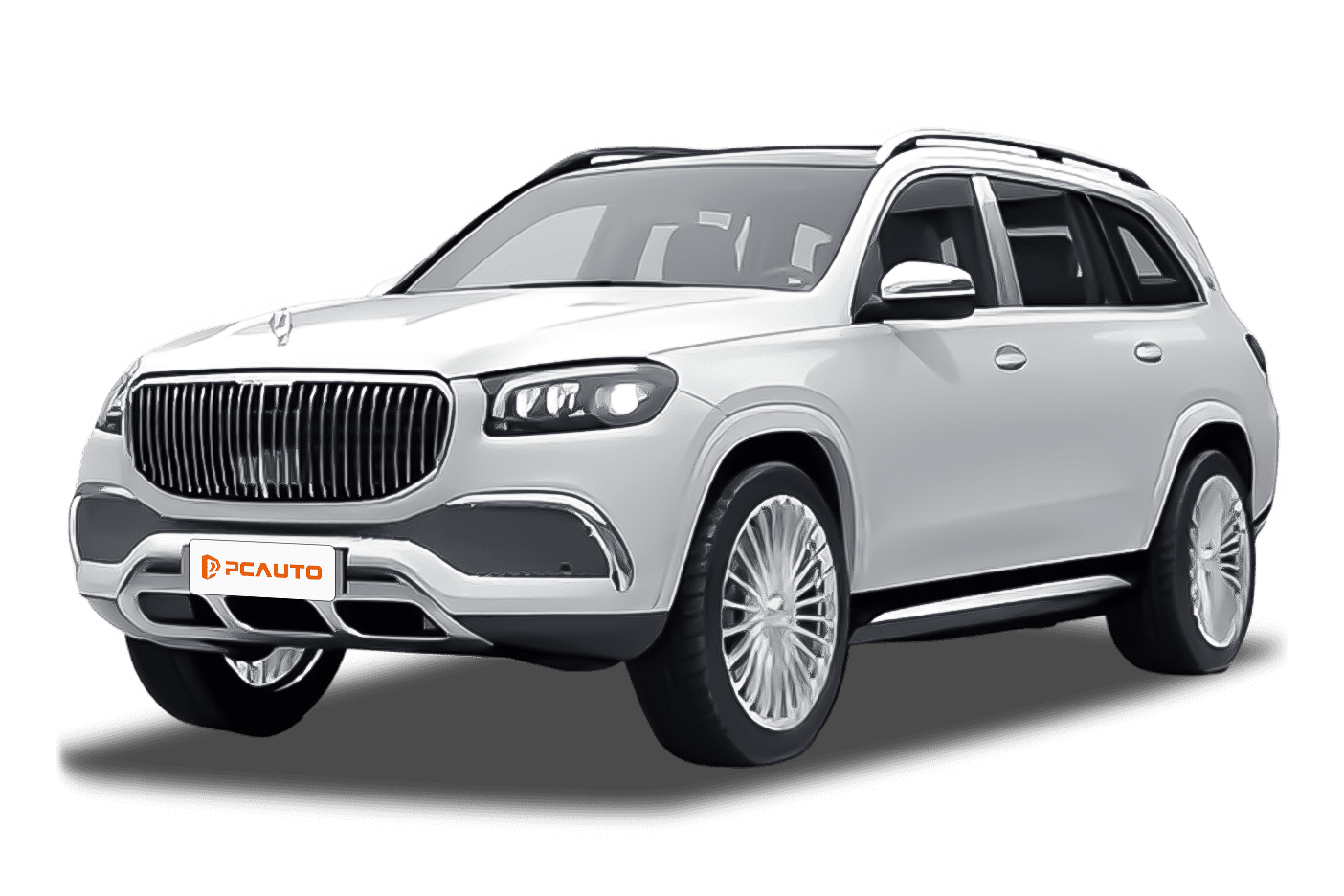
2024 Mercedes-Benz Maybach GLS 600 4MATIC, as a benchmark for million-level luxury SUVs, continues its noble status as a "mobile palace" with a first-class rear-seat experience, V8 power, and refined texture.
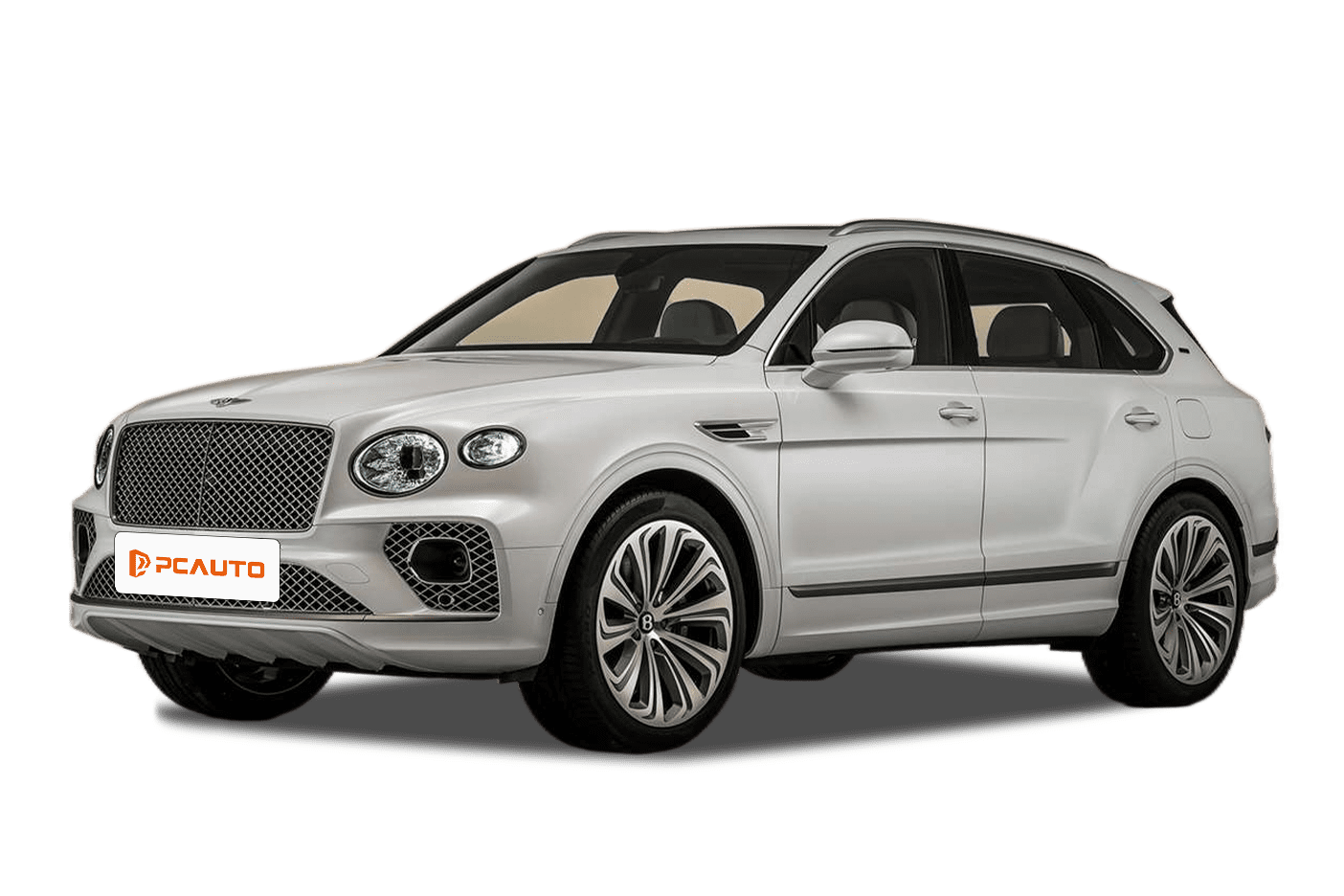
2025 Bentley Bentayga Speed is a top luxury SUV that combines 650 horsepower performance (0-100 km/h in 3.6 seconds) with luxurious refinement, defining a new benchmark for luxury performance with exclusive sporty design and handcrafted interiors.