

Porsche Cayenne 2025 Review

 Share
Share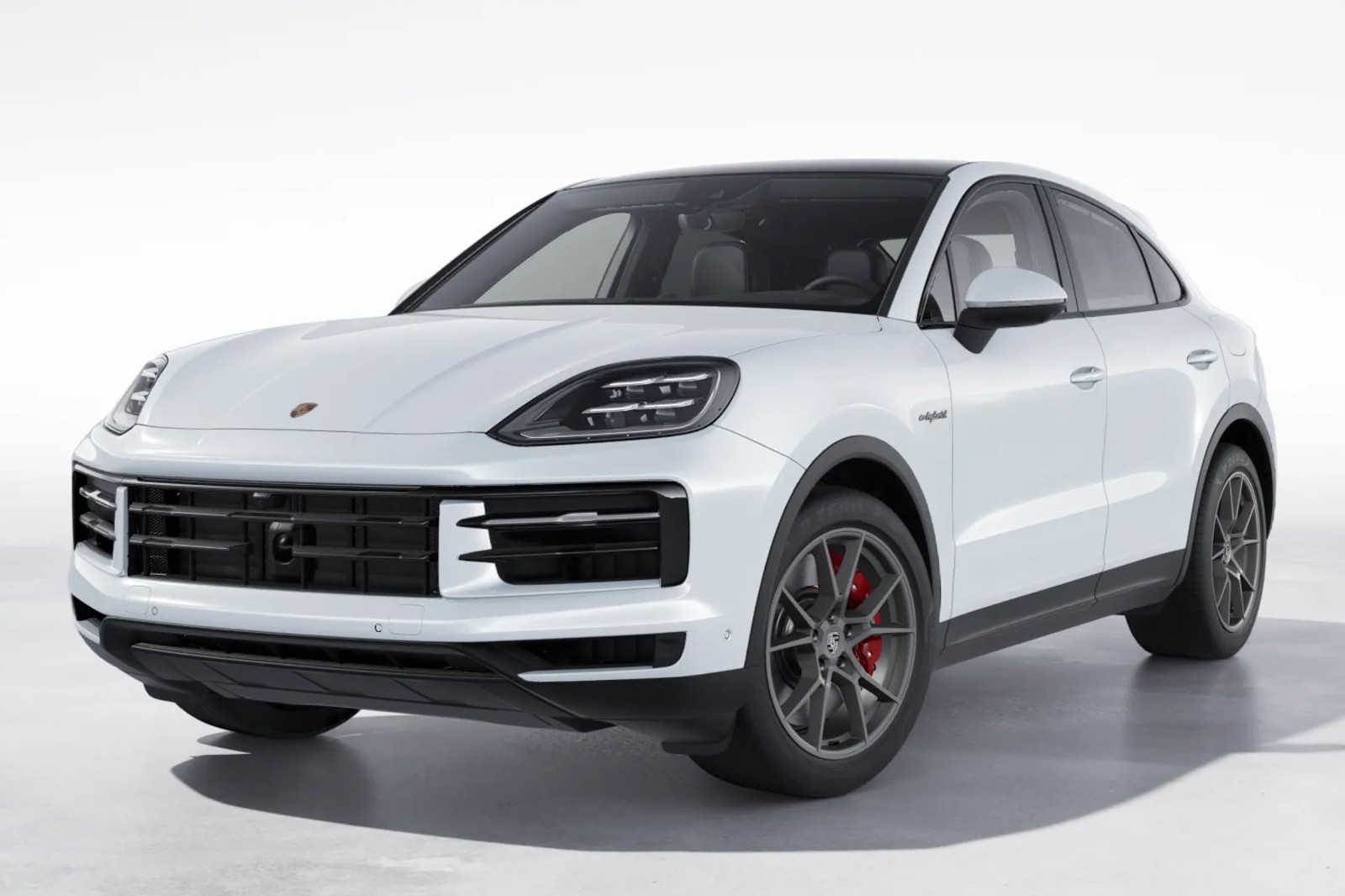
 Segment
 Body Type
 Capacity(L)
 Combined System Output(PS)
 EV Range(km)
 Driven Wheels
In Malaysia's luxury mid-size SUV market, PHEV models are gradually becoming the first choice for consumers seeking a balance between performance and environmental friendliness—wanting both the long-range convenience of fuel cars and the low-cost benefits of pure electric commuting. The 2025 Porsche Cayenne S E-Hybrid, as a new entrant in this segment, has its key selling points clearly outlined: 90 km of pure electric range covering most daily commutes, a combined output of 520 horsepower for robust performance, and Porsche's signature handling qualities. The primary purpose of this test drive is to verify whether it can achieve a perfect balance among "luxury comfort," "performance handling," and "PHEV practicality."
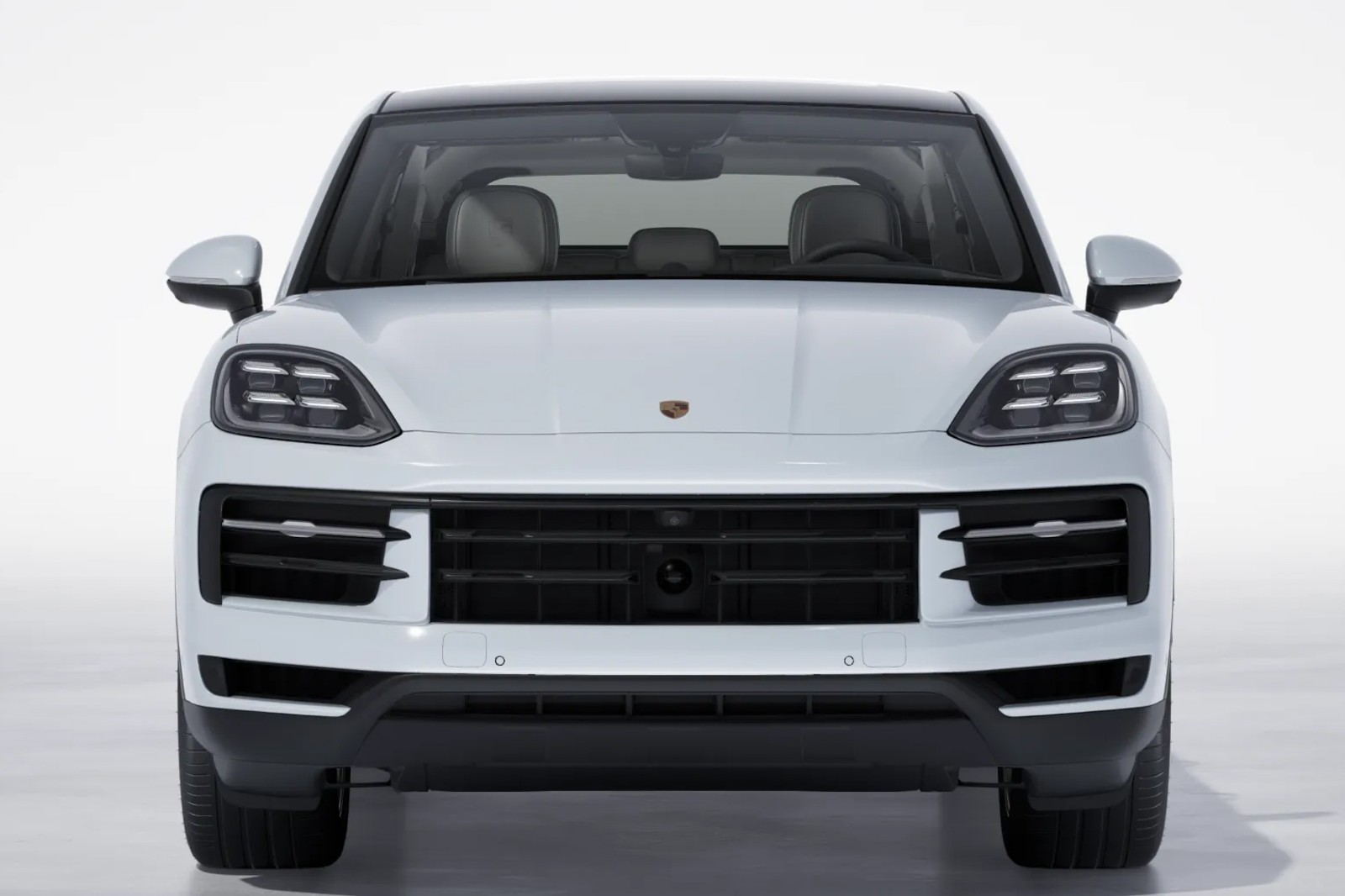
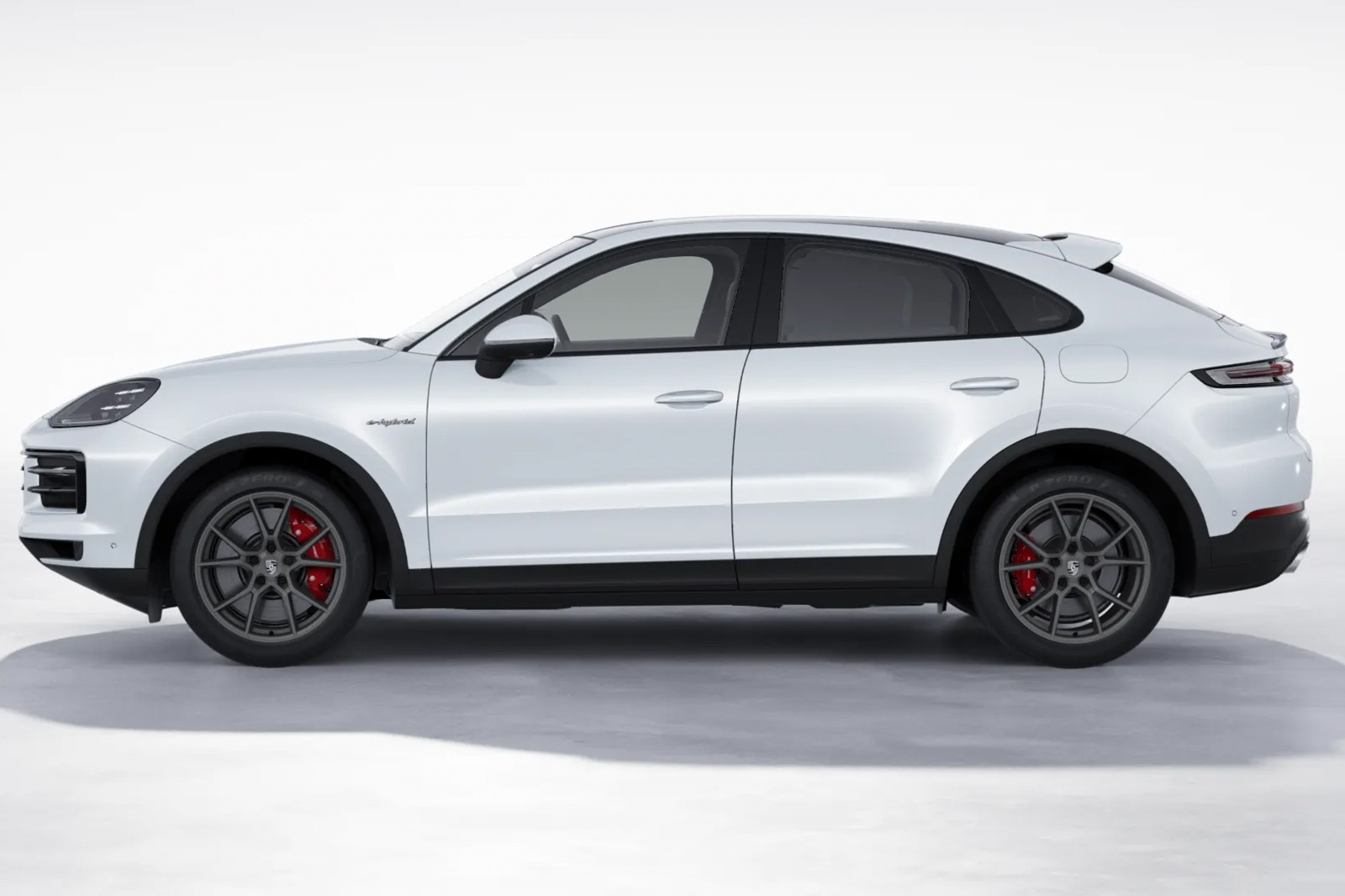
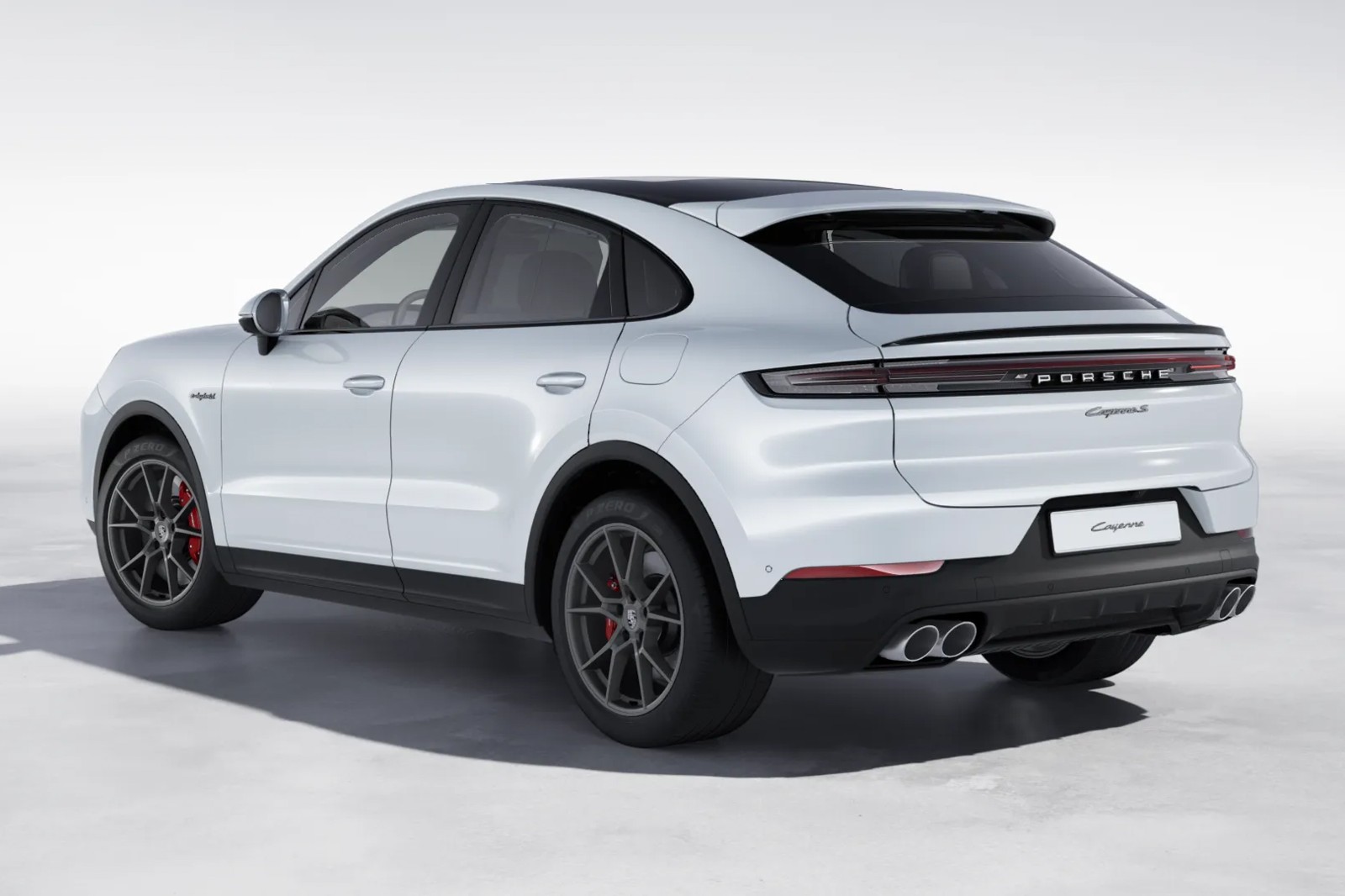
Looking at the exterior, the 2025 Cayenne S E-Hybrid continues with a family-style design, featuring an overall rounded form with a touch of Porsche's sporty character. The front's matrix LED headlights have a sharp design, and the internal light strips are highly recognizable when lit; the size of the air intake below the front bumper is moderate, not overly exaggerated, but optimized for cooling purposes. On the side, the 4930 mm length and 2895 mm wheelbase give the side profile a stretched and balanced look. The 20-inch wheels, matched with 275/45 R20 tires at the front and 305/40 R20 tires at the rear, ensure both grip and a sporty atmosphere. At the rear, the LED taillights adopt a through-light design, appearing as a continuous light strip when illuminated. The diffuser design under the rear bumper is understated, without overly emphasizing performance, but the dual-exhaust quad layout still reflects its dynamic character. Overall, the exterior avoids overly flashy designs, maintaining Porsche's consistent refinement and distinctiveness.
Sitting inside, the interior combines luxury and technology nicely. The center console adopts a T-shaped layout with a 12.3-inch touchscreen centrally positioned, offering high responsiveness and easy access to frequently used functions like navigation, air conditioning, and media. The instrument panel features a 12.6-inch curved display with plenty of information and multiple modes, including PHEV-specific details like pure electric range and power output. In terms of materials, the seats and the inner sides of the door panels are wrapped in genuine leather, which feels soft to touch; the top of the center console is made of soft materials, while the lower part is rigid plastic, but the seams are very even and the craftsmanship is solid. Features-wise, the front seats support electric adjustment, and four-zone automatic climate control is standard. The rear row also has independent air outlets and USB ports. The Bose 14-speaker sound system delivers excellent audio quality, meeting the needs of most users. However, the rear seats only offer manual adjustment, which is a minor drawback for a luxury SUV.
The space performance meets the expectations for a D-segment SUV. After adjusting the front seats to a suitable position, a 175 cm tall passenger would still have a fist and two fingers of headroom and plenty of legroom. Similarly, the rear row offers a 175 cm tall passenger two fists of legroom and one fist of headroom, while the floor hump in the middle isn't too high, making it comfortable for short trips with three occupants. The standard trunk capacity is 404 L, sufficient for accommodating two 28-inch suitcases and a few backpacks, and it can be expanded by folding down the rear seats, showcasing good practicality. For storage compartments, the door storage slots can hold two bottles of water, the central armrest compartment is sufficiently deep, and there are two cup holders in the front row, providing spaces for various small daily items.
The dynamic performance is the highlight of this car. The powertrain consists of a 3.0T V6 turbocharged engine and a permanent magnet synchronous motor on the rear axle, with a combined output of 520 horsepower and a total torque of 750 Nm. The official 0-100 km/h acceleration is 4.7 seconds. During actual driving, switching to pure electric mode provides a very quiet start, with the motor's torque delivering directly. It’s more than enough for daily city commuting, and the 90km pure electric range can basically cover a week's short trips. After switching to hybrid mode, the engine intervention is almost imperceptible, and there is ample power reserve during acceleration. When overtaking and stepping hard on the accelerator, the 8-speed automatic transmission (8AT) downshifts responsively, delivering a clear sense of thrust. Even at highway speeds of 120 km/h, the power continues to flow steadily.
In terms of handling, the steering is precise with minimal slack, feeling light at low speeds and stable at high speeds. It doesn’t feel like a two-ton SUV when driving, but rather gives the agility of a sedan. The suspension system consists of multi-link independent suspension on both the front and rear, tuned for a sporty feel but not overly stiff. When passing speed bumps, the suspension absorbs most of the bumps, ensuring passengers inside do not feel too unsettled. While driving on rough roads, the chassis feels very cohesive and not loose. In corners, body roll is well-controlled, four-wheel drive offers strong traction, and the vehicle remains stable during turns. The braking performance is also very linear, responding exactly to the input, giving the driver great confidence.
Regarding fuel consumption and range, the electric power consumption in pure electric mode is about 25kWh/100km, and it takes 8 hours to fully charge with slow charging. In hybrid mode, if the battery is recharged promptly, the fuel consumption for daily city commuting can be kept within 5L/100km. If driving entirely on fuel without charging, the fuel consumption is about 10L/100km, which is reasonable for an SUV of this class. Noise control is excellent, with almost no noise in pure electric mode. When the engine engages in hybrid mode, the cabin remains quiet at engine speeds below 2000 rpm. At highway speeds, there is some tire noise and wind noise, but they are not significant and won't interfere with conversation.
In summary, the core strengths of the 2025 Porsche Cayenne S E-Hybrid are clear: powerful performance, practical pure electric range, solid handling, and luxurious interior and features. Compared to its competitors like the BMW X5 xDrive45e or Mercedes-Benz GLE 400 e, it offers faster acceleration, longer pure electric range, and more enjoyable handling. However, the manual adjustment for the rear seats and its relatively high price (RM 728,000) are minor shortcomings. This car is suitable for those who seek the comfort and practicality of a luxury SUV while also pursuing performance and environmental friendliness — for instance, affluent families who can use pure electric mode for cost-effective daily commuting, and switch to hybrid mode for weekend outings or long trips to ensure sufficient range; or young drivers who enjoy the quietness of pure electric mode while experiencing Porsche's driving pleasure.
Overall, the 2025 Cayenne S E-Hybrid is an SUV that balances performance, eco-friendliness, and luxury. It has no significant shortcomings and can meet the needs of most luxury SUV buyers. If you are looking for a PHEV luxury SUV that is not just a means of transportation but also delivers driving pleasure, it’s worth considering.
Porsche Cayenne Loan Calculator
More Porsche Reviews
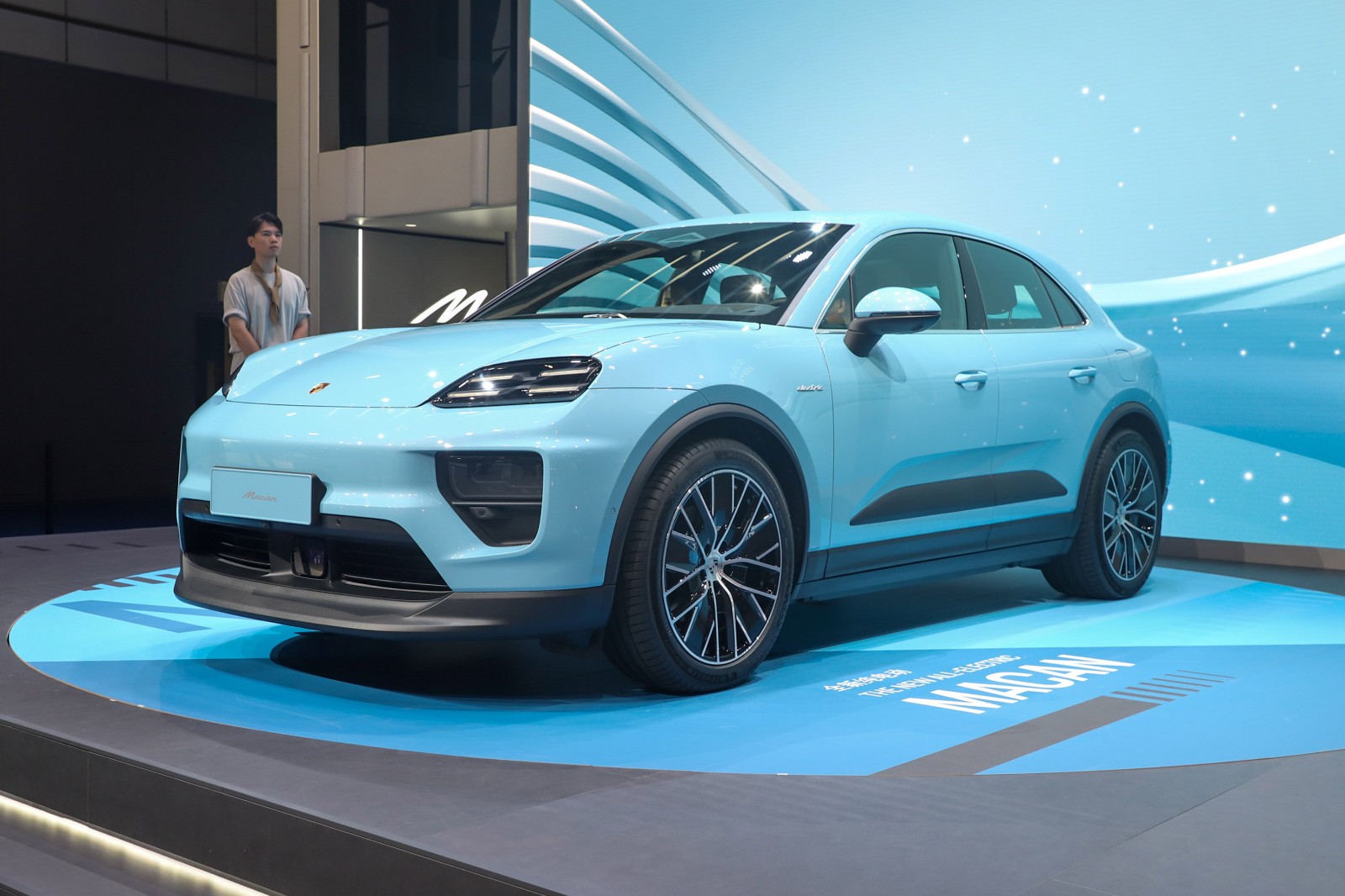
Cars With Similar Price And Features
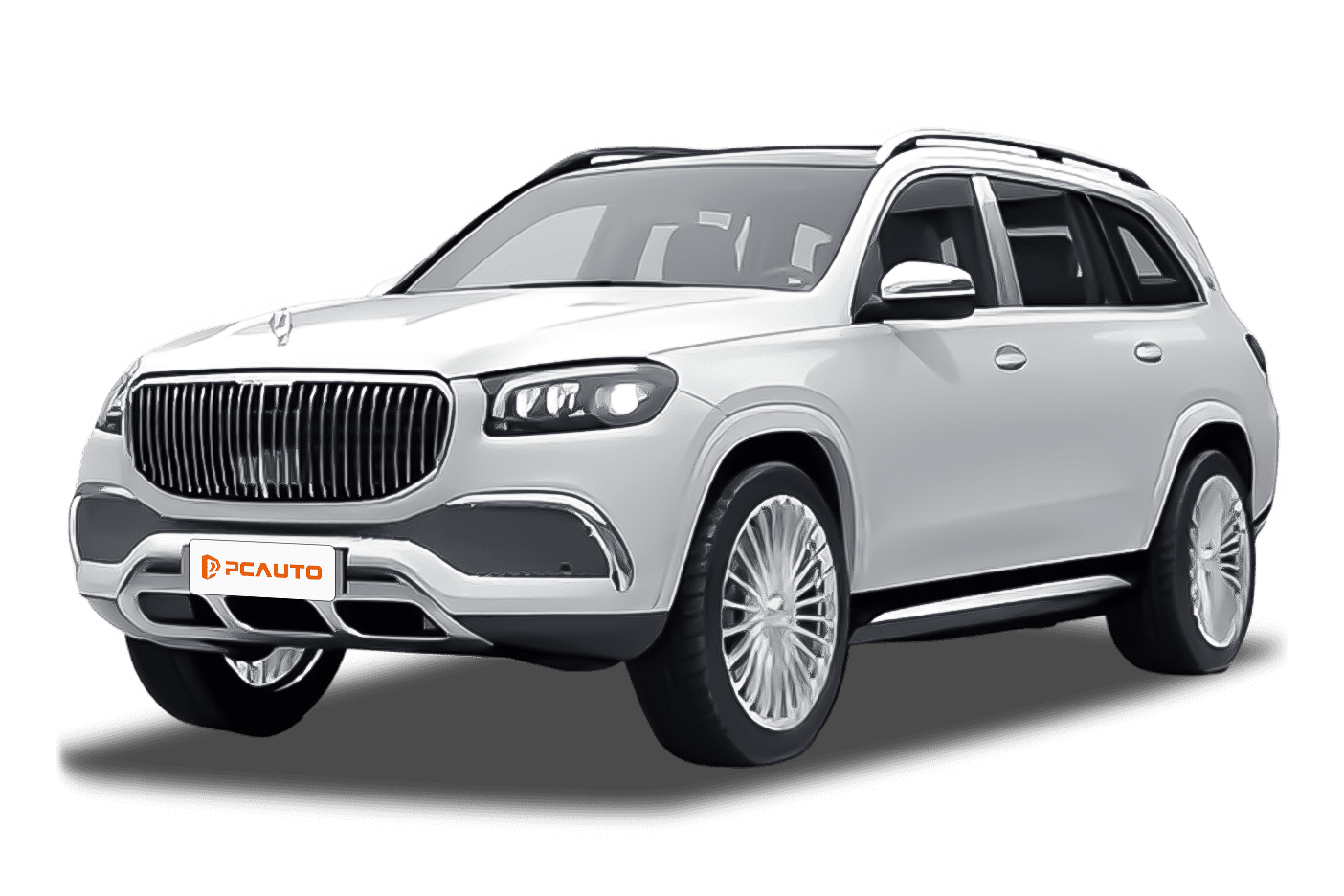
2024 Mercedes-Benz Maybach GLS 600 4MATIC, as a benchmark for million-level luxury SUVs, continues its noble status as a "mobile palace" with a first-class rear-seat experience, V8 power, and refined texture.
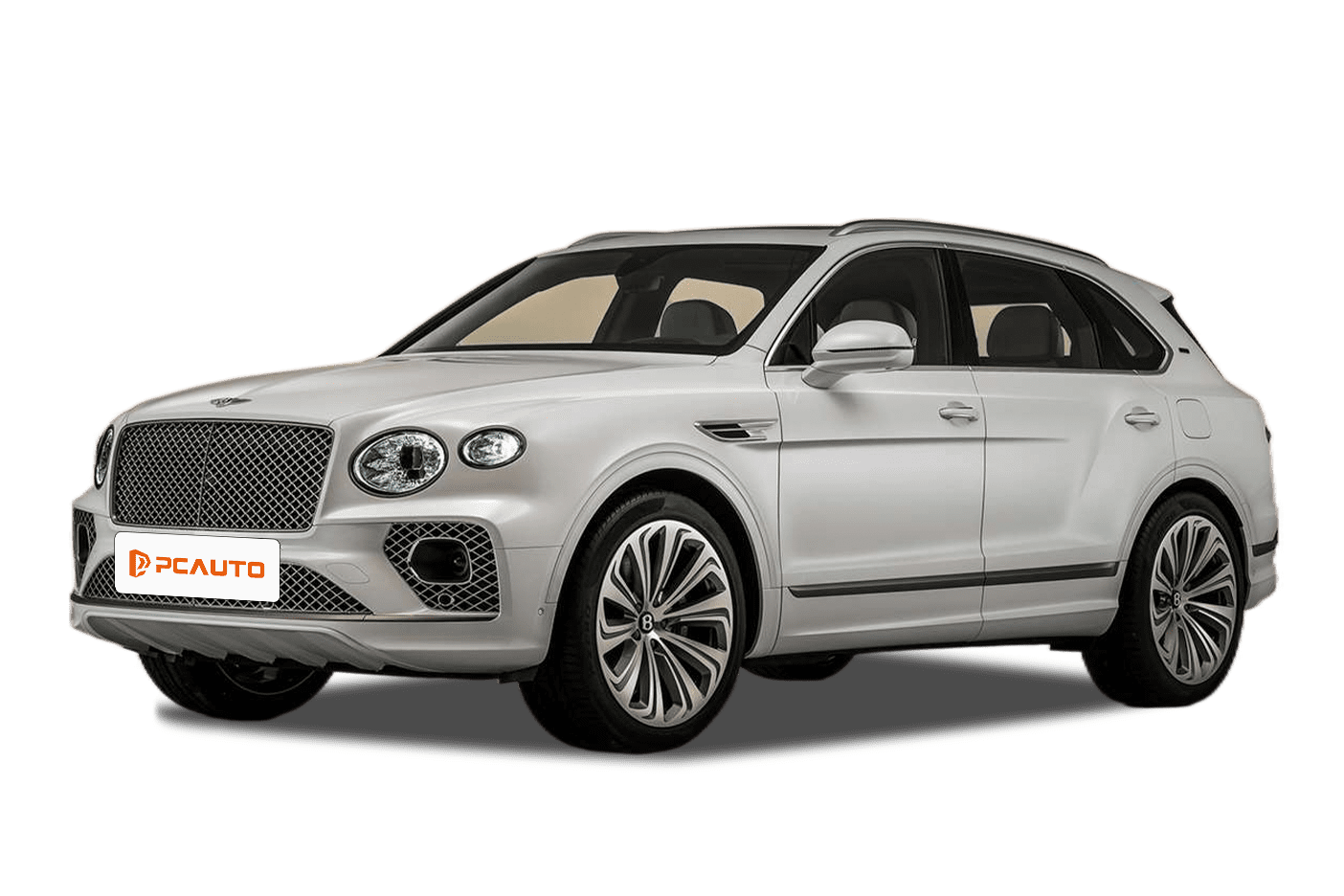
2025 Bentley Bentayga Speed is a top luxury SUV that combines 650 horsepower performance (0-100 km/h in 3.6 seconds) with luxurious refinement, defining a new benchmark for luxury performance with exclusive sporty design and handcrafted interiors.