

Renault Megane RS Review

 Share
Share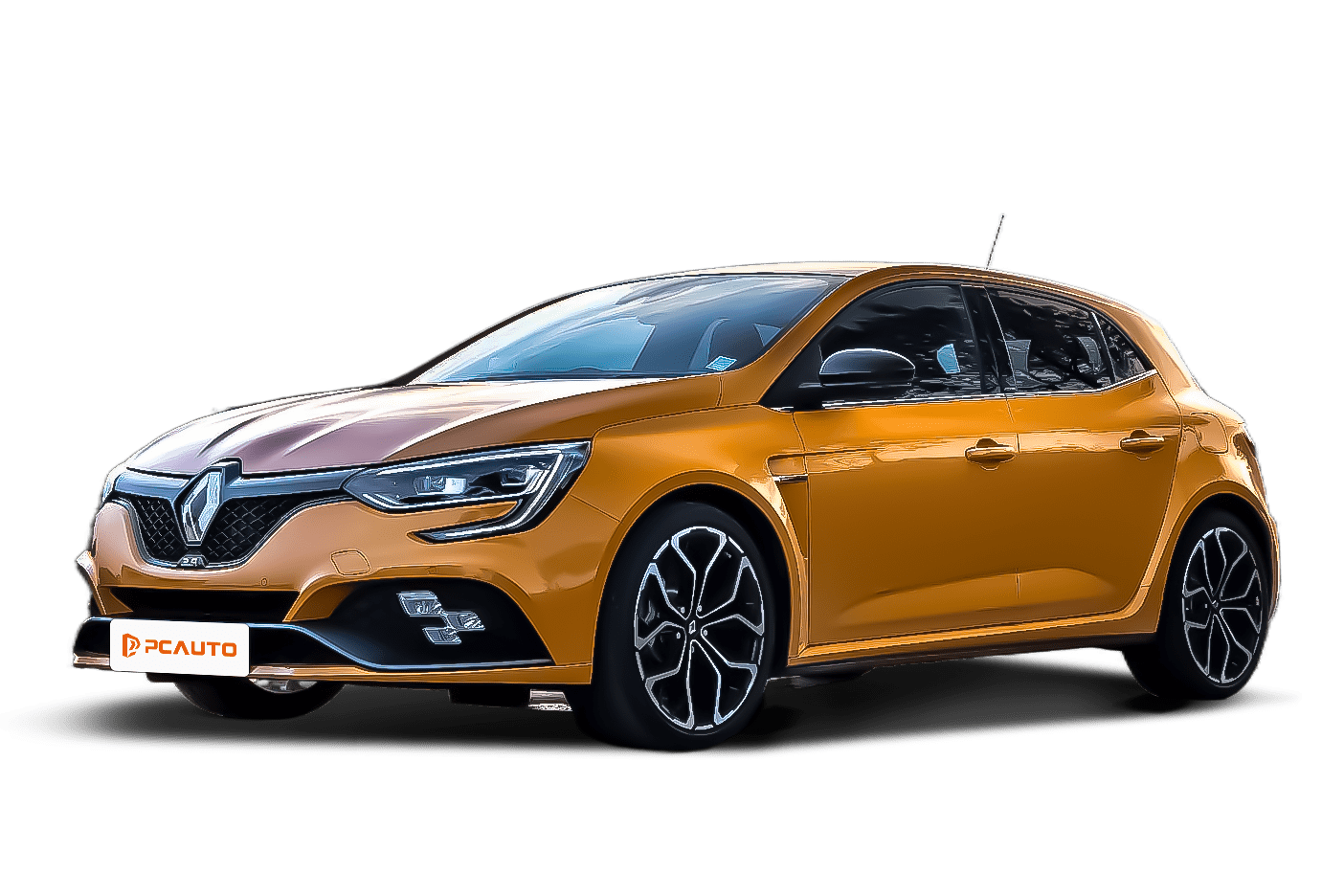
 Segment
 Body Type
 Capacity(L)
 Engine Power(PS)
 Transmission
 Driven Wheels
In recent years, the C-segment performance hatchback market in Malaysia has not been very lively, but there is still a demand from players who love the fun of manual driving. The 2019 Renault Megane RS 280 Cup MT, as the core model of the brand's performance series, attracts pure driving enthusiasts with its 280PS 1.8T engine + 6-speed manual transmission combination. This test drive focuses on whether its actual performance lives up to the "hot hatch" title.
In terms of appearance, the Megane RS 280 Cup MT continues the family design with an overall sporty but not overly flamboyant style. The front features a honeycomb grille paired with sharp LED headlights, with C-shaped daytime running lights surrounding the inside of the light group, providing high recognizability. The lower front bumper includes a black front lip to enhance the low stance effect. The side profile features a character line extending from the fender to the rear, with 19-inch alloy wheels paired with 245/35 R19 tires, directly emphasizing its performance orientation. Chrome trim along the lower window edge and black exterior mirror caps balance sportiness with a refined feel. The rear LED tail lights are smoked, connected by a black trim strip in the middle, with a lower bumper featuring dual round exhaust outlets on either side. A diffuser-like design and a small-sized spoiler further enhance the performance vibe.
Inside, the interior is primarily black, accented with red stitching to evoke a sporty atmosphere. The center console has an asymmetrical design, tilted towards the driver for easier operation. The center screen is 8.7 inches in size, featuring touch controls, and supports CarPlay and Android Auto connectivity. The interface logic is clear, but the response speed is average. The instrument panel combines digital and analog elements, with the left side displaying the tachometer, the right side the speedometer, and the middle LCD screen showing information such as fuel consumption and tire pressure. Regarding materials, the upper part of the console and the armrests on the door panels are made of soft materials, while some areas still use hard plastic, which is aligned with expectations at this price point. In terms of features, it is equipped with standard keyless entry/start, dual-zone automatic air conditioning, rear air vents, and an 8-speaker sound system, meeting daily usage needs. The seats are manually adjustable; although they lack electric functionality, they provide good support for spirited driving.
The space performance is in line with the standards of a C-segment hatchback. The dimensions of the vehicle are 4372/1874/1428mm (length/width/height), with a wheelbase of 2669mm. Front-row seating space is ample, with a 175cm tall occupant having a fistful of headroom after adjusting the seat position. The rear-row legroom is about two fists, and headroom is one fist, making it sufficient for short rides. The middle floor hump is not high, so seating three passengers temporarily does not feel too cramped. Regarding storage capability, the door storage compartments can hold two bottles of mineral water, and the central armrest box and front cup holders offer moderate space. The trunk has a capacity of 384L, and the rear seats support a 60:40 split fold, expanding into a fairly large space suitable for placing a baby stroller or luggage.
The driving dynamics are the highlight of this car. It is equipped with a 1.8T turbocharged engine with a maximum power output of 280PS/6000rpm and a peak torque of 390N·m/2400-4800rpm, paired with a 6-speed manual transmission. During takeoff, the clutch biting point is clear, and coordinating the clutch and throttle is easy, with ample torque delivery at low RPMs. Stepping on the gas provides a noticeable push-back feeling. Once the engine reaches 3000rpm, the turbo kicks in more noticeably, delivering direct power surges. The official 0-100km/h acceleration time is 5.8 seconds. During actual tests with ESC off, there was slight tire slippage, but overall acceleration was smooth. The gearbox has clearly defined gears, with moderate shift travel and a satisfying engagement feel, making it suitable for frequent operation.
In terms of handling, the front MacPherson independent suspension is tuned on the stiffer side, with direct road feedback. It feels quite bumpy when going over speed bumps or uneven roads, but it provides excellent support during cornering, effectively controlling body roll. The steering is precise with minimal dead zones; it feels slightly heavy at low speeds but aligns with the character of a performance car, and exhibits good stability at high speeds. The braking system performs exceptionally well, with a combination of front ventilated discs and rear ventilated discs providing responsive and linear braking. There’s no obvious brake fade even during continuous braking. As for fuel consumption, it averages around 9.5L/100km in daily city commutes and drops to approximately 7L/100km on highways. Considering the power output, this fuel consumption is within the expected range.
As for driving comfort, while the seats offer good support, they can feel a bit firm during long drives. Noise insulation in the cabin is average; road and wind noise are quite noticeable at high speeds. However, the exhaust note becomes richer at higher RPMs, aligning well with the character of a performance car. It’s worth mentioning that this car is equipped with Brembo brake calipers and a limited-slip differential, which enhance braking performance and cornering grip during aggressive driving. Together with the chassis tuning, it delivers a high level of handling capability.
Overall, the core advantage of the 2019 Renault Megane RS 280 Cup MT lies in its pure driving experience—offering the engagement of a manual transmission, precise handling, and ample power. Compared to similarly priced performance cars with automatic transmissions, it’s better suited for driving enthusiasts who seek a “man and machine as one” experience. Compared to the older 2015 Megane RS 265 Cup, the new model has seen improvements in power output, fuel efficiency, and features. Although it comes with a higher price tag of about RM4.4k, its overall product strength is significantly enhanced. Its drawbacks include limited rear space and an interior with excessive hard plastics, but these are not critical concerns for its target audience.
This car is suitable for two types of buyers: first, young consumers aged 25-35 who prioritize driving enjoyment and mostly use it for daily commuting; second, performance car enthusiasts looking for a “plaything” that can also be used daily. If you’re after a hot hatch with engaging driving dynamics and strong performance, the Megane RS 280 Cup MT is worth considering.
Renault Megane RS Car Compare
Renault Megane RS Loan Calculator
More Renault Reviews
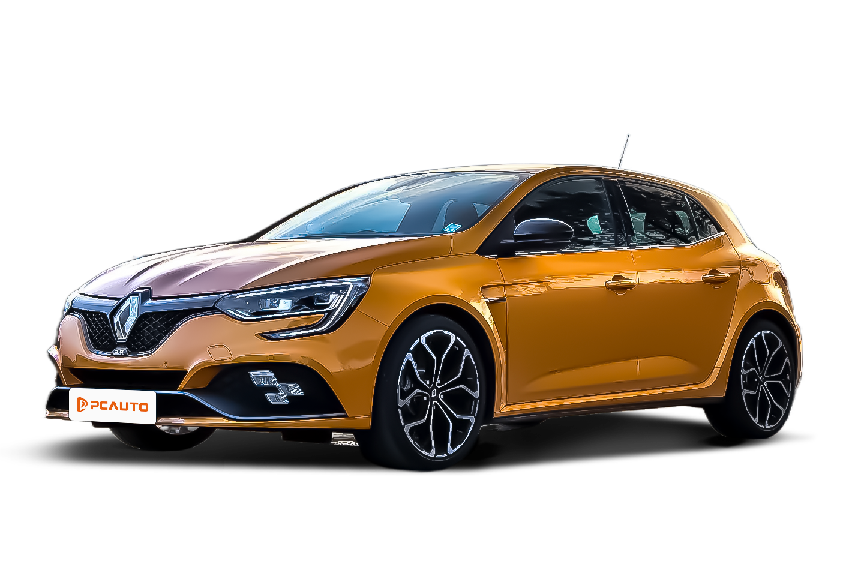
Cars With Similar Price And Features
5
Rank in Hatchback
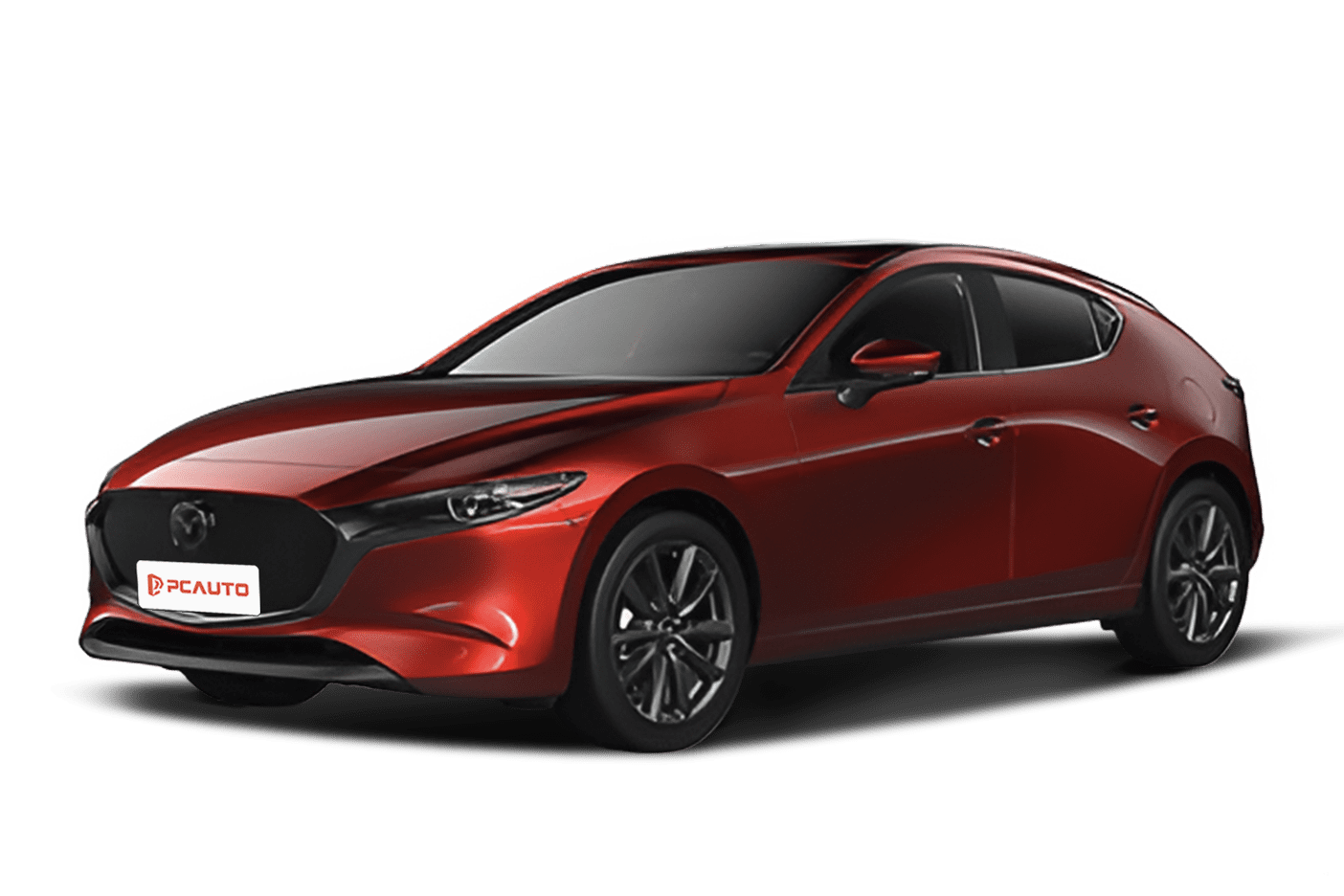
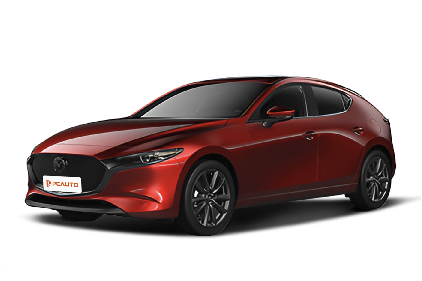
2025 Mazda 3 Hatchback 1.5 L highlights its KODO design, balancing fuel efficiency and practicality. Despite being an entry-level model, it retains core safety features, making it suitable for family users who value design and daily commuting.
6
Rank in Hatchback
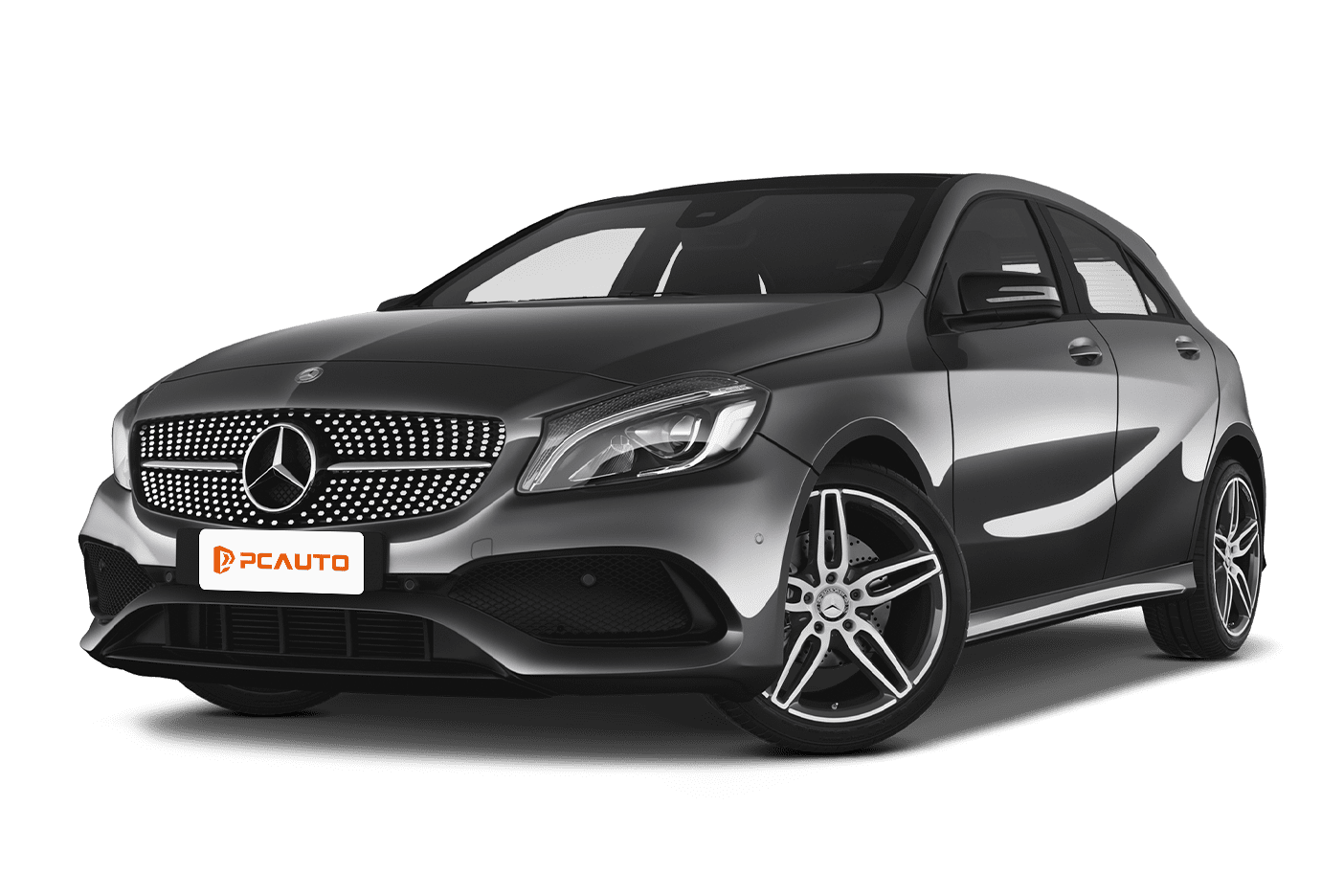
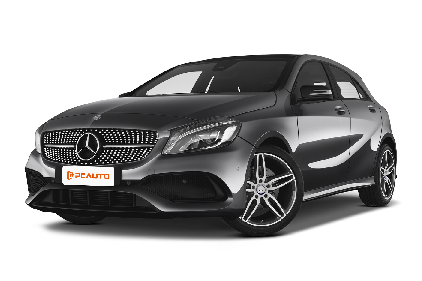
2018 Mercedes-Benz A-Class A200 Progressive Line offers luxurious features such as dual screens at an entry-level price, balanced space, and smooth power, making it a textured choice favored by young families and professionals.

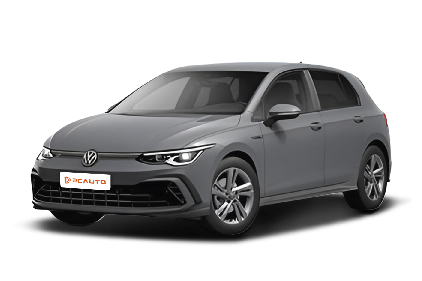
2024 Volkswagen Golf GTI Edition 50, as the anniversary model of the classic performance hatchback, features an upgraded Harman Kardon sound system, a fully digital instrument cluster, and a powerful 2.0T engine, combining driving pleasure with family practicality.