

2019 Renault Megane RS 280 Cup EDC Auto Review

 Share
Share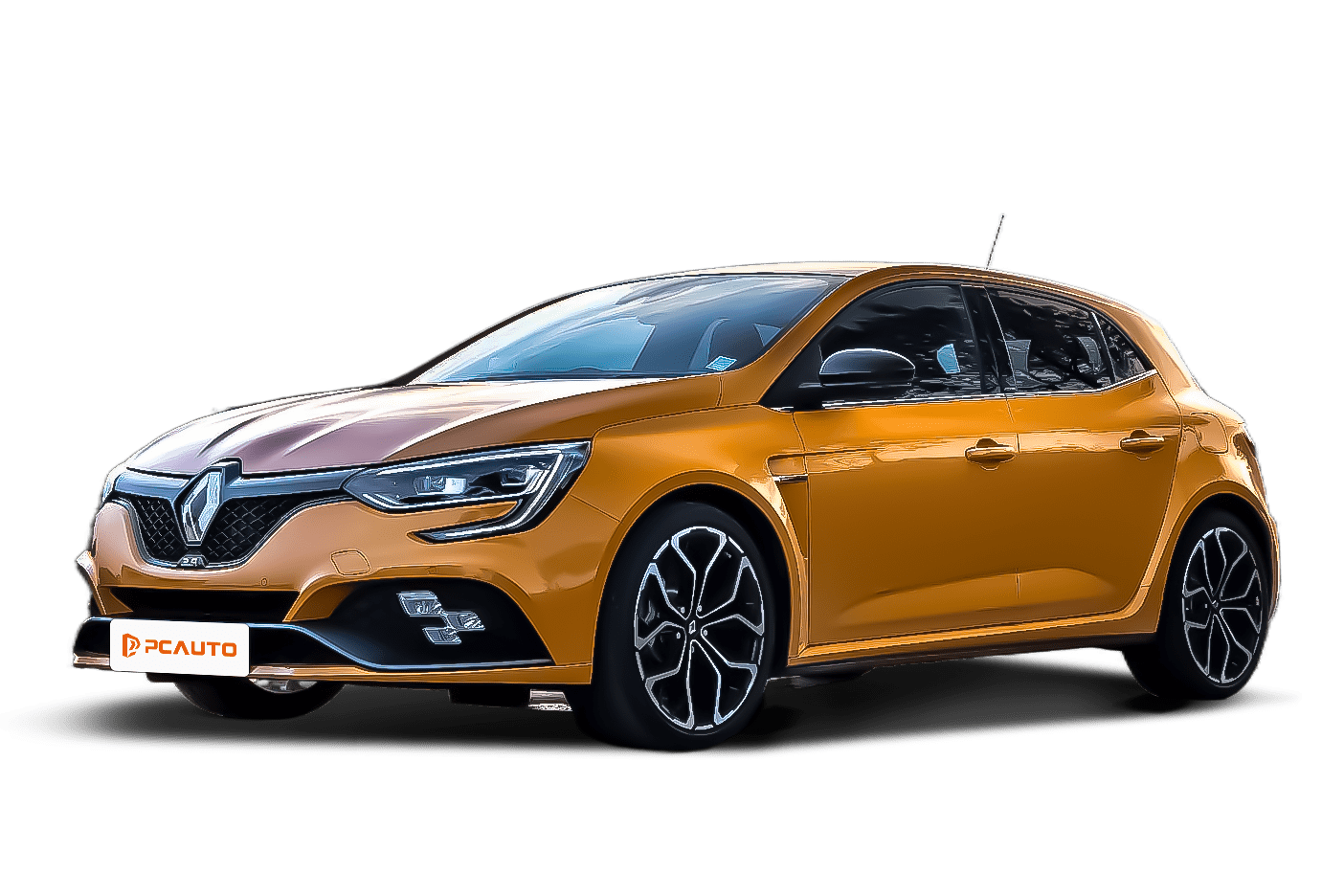
 Segment
 Body Type
 Capacity(L)
 Engine Power(PS)
 Transmission
 Driven Wheels
In Malaysia's compact hatchback market, household models account for a significant portion, but options that truly balance performance and daily practicality are relatively few. The 2019 Renault Megane RS 280 Cup EDC Auto targets this specific segment—it retains the sporty DNA of the RS series while lowering the threshold for daily usability with an automatic transmission and rich features. In this test drive, we focus on verifying whether it can strike a balance between a "sporty hot hatch" and "everyday commuter" while examining if its nearly RM300,000 pricing offers value for money.
From a distance, the posture of the Megane RS 280 Cup is instantly recognizable: a low-slung body and wide-body design make the track appear broader, complemented by 19-inch alloy wheels and 245/35 R19 tires, pushing the sporty vibes to the maximum. At the front, the LED headlight assembly and the large intake grille are integrated into one, with the grille's honeycomb structure and RS badge accentuating its performance orientation; the air ducts flanking the front bumper are not just decorative—they help optimize airflow. On the side, the waistline runs seamlessly from the front to the rear, paired with prominent side skirts to enhance the car's muscular stance. The sloping design of the C-pillar adds a sense of agility typical of hatchbacks. At the rear, highlights include dual exhaust outlets and a small spoiler, while the LED taillights with a smoked finish offer high recognition when illuminated at night. Overall, the design is free from superfluous ornamental elements, with every detail dedicated to serving its sporty persona.
Open the door, and while the interior isn't as aggressively sporty as the exterior, its practicality and quality are top-notch. The dashboard adopts a driver-oriented layout, featuring an 8.7-inch touch screen in the center with a clear interface and smooth operation. In terms of materials, the upper section of the dashboard and the inner side of the door panels are wrapped in soft-touch materials, paired with red stitching and RS-specific seats, creating just the right sporty ambiance. On the equipment side, the digital and analog combination instrument cluster can display performance data such as RPMs, speed, and turbo pressure; household features like dual-zone automatic air conditioning, rear air vents, and a 220V power outlet are all included. The seats support manual adjustment but offer excellent cushioning, with sufficient shoulder and lumbar support to ensure comfort during extended drives. Regarding space, the 2,669mm wheelbase provides about two fists of legroom in the rear after adjusting the front seats for optimal seating, though headroom is somewhat limited but still adequate for normal seating. The trunk offers a capacity of 384 liters, and the rear seats can be folded in a 60:40 split to expand the storage space, making it convenient for storing baby strollers or suitcases for daily outings.
As for performance, the 1.8-liter turbocharged engine delivers a maximum power of 280PS and peak torque of 390N·m, paired with a 7-speed EDC dual-clutch transmission. At startup, the throttle response isn't particularly aggressive, but once the turbo kicks in, the power delivery becomes very linear. The official 0-100km/h acceleration is rated at 5.8 seconds, and in actual tests in sport mode, it achieved around 5.9 seconds, which is more than adequate performance. For daily driving in normal mode, the transmission shifts smoothly, keeping engine revs below 2,000 RPM for gentle power delivery, ideal for urban commutes. Switching to sport mode makes the shift logic more aggressive, accelerates downshifts, and delivers a noticeable push-back feeling when the accelerator is pressed, making overtaking a breeze. The steering is precise with minimal play, and the road feedback during cornering is clear; the suspension uses MacPherson independent front suspension with a stiff tuning. While bumps or uneven surfaces aren't filtered out entirely, its support during cornering is excellent, controlling body roll effectively and ensuring stability during high-speed cornering. In terms of fuel consumption, it averages about 7.5L/100km in city conditions, about 6.2L/100km on highways, with a combined fuel consumption nearing the official figure of 5.7L/100km—an admirable performance for a sports car.
The details of driving and riding comfort are well handled. In terms of sound insulation, tire noise and wind noise are well controlled during high-speed driving, and engine noise is not obvious in normal mode; only in sport mode with deep throttle input does the engine produce a deep and powerful sound. The seats have strong support but are not too hard, so long periods of sitting are not tiring. Although the rear space is not particularly large, it has air conditioning vents and power outlets, meeting family needs. There is no energy recovery (after all, it is a fuel car), the brake pedal feeling is linear, and the braking distance in the 100-0km/h test is about 36 meters, showing excellent performance.
Overall, the core advantage of the 2019 Megane RS 280 Cup EDC Auto lies in "balance" — it combines the power and handling of a hot hatch with the practicality and configuration of a family car. Comparing it to the Honda Civic Type R (mainly manual transmission), its EDC gearbox is more suitable for urban commuting; compared to the Volkswagen Golf GTI, it has higher power figures and handling thresholds, with a richer configuration. However, the price tag of nearly 300,000 MYR is slightly higher than that of the Golf GTI, and the slightly cramped headroom in the rear is a minor drawback.
This car is suitable for two types of people: one is young couples who enjoy driving but also need to accommodate family use, and the other is individual users who pursue performance but do not want to compromise on everyday comfort. If you are looking for a car that can handle both weekend mountain drives and daily errands like grocery shopping or picking up kids, the Megane RS 280 Cup EDC Auto would be a good choice. It doesn't sacrifice too much practicality for performance and hasn't lost the soul of the RS series for family use, making it a "versatile" performance hatchback.
Renault Megane RS Car Compare
Renault Megane RS Loan Calculator
More Renault Reviews
Cars With Similar Price And Features
5
Rank in Hatchback
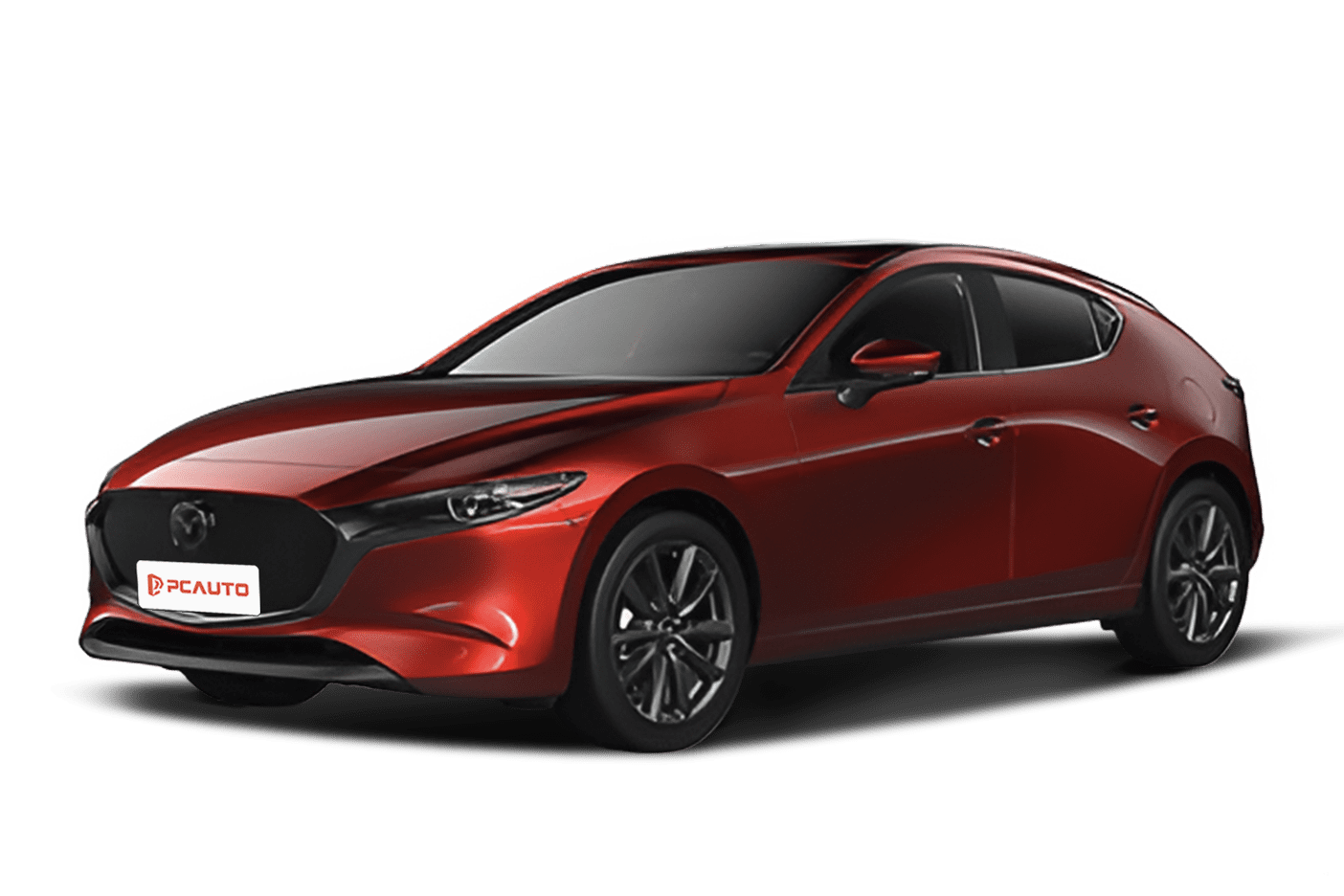
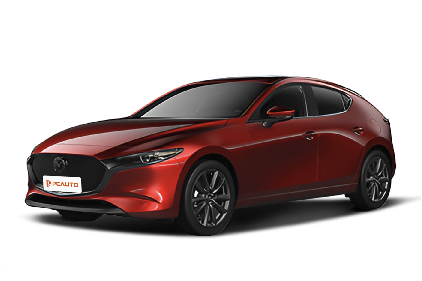
2025 Mazda 3 Hatchback 1.5 L highlights its KODO design, balancing fuel efficiency and practicality. Despite being an entry-level model, it retains core safety features, making it suitable for family users who value design and daily commuting.
6
Rank in Hatchback
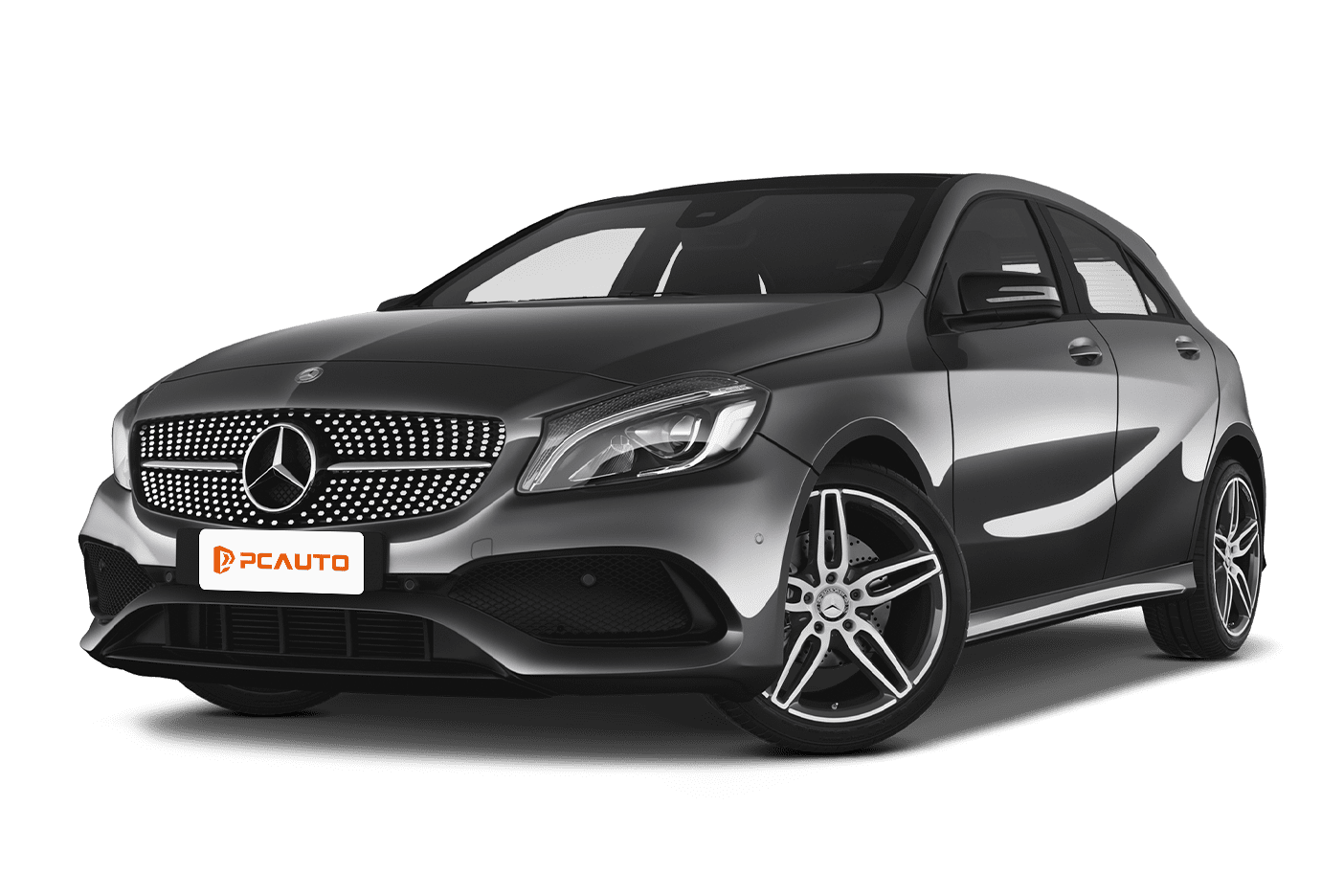
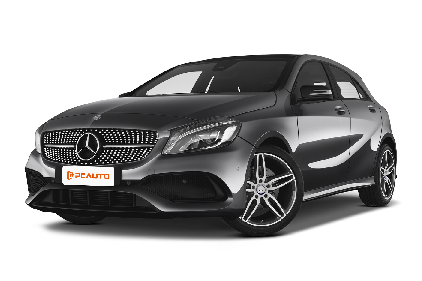
2018 Mercedes-Benz A-Class A200 Progressive Line offers luxurious features such as dual screens at an entry-level price, balanced space, and smooth power, making it a textured choice favored by young families and professionals.

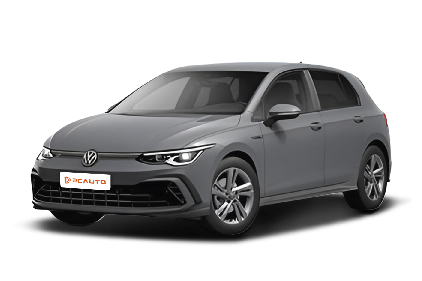
2024 Volkswagen Golf GTI Edition 50, as the anniversary model of the classic performance hatchback, features an upgraded Harman Kardon sound system, a fully digital instrument cluster, and a powerful 2.0T engine, combining driving pleasure with family practicality.