

Tesla Model 3 2023 Review

 Share
Share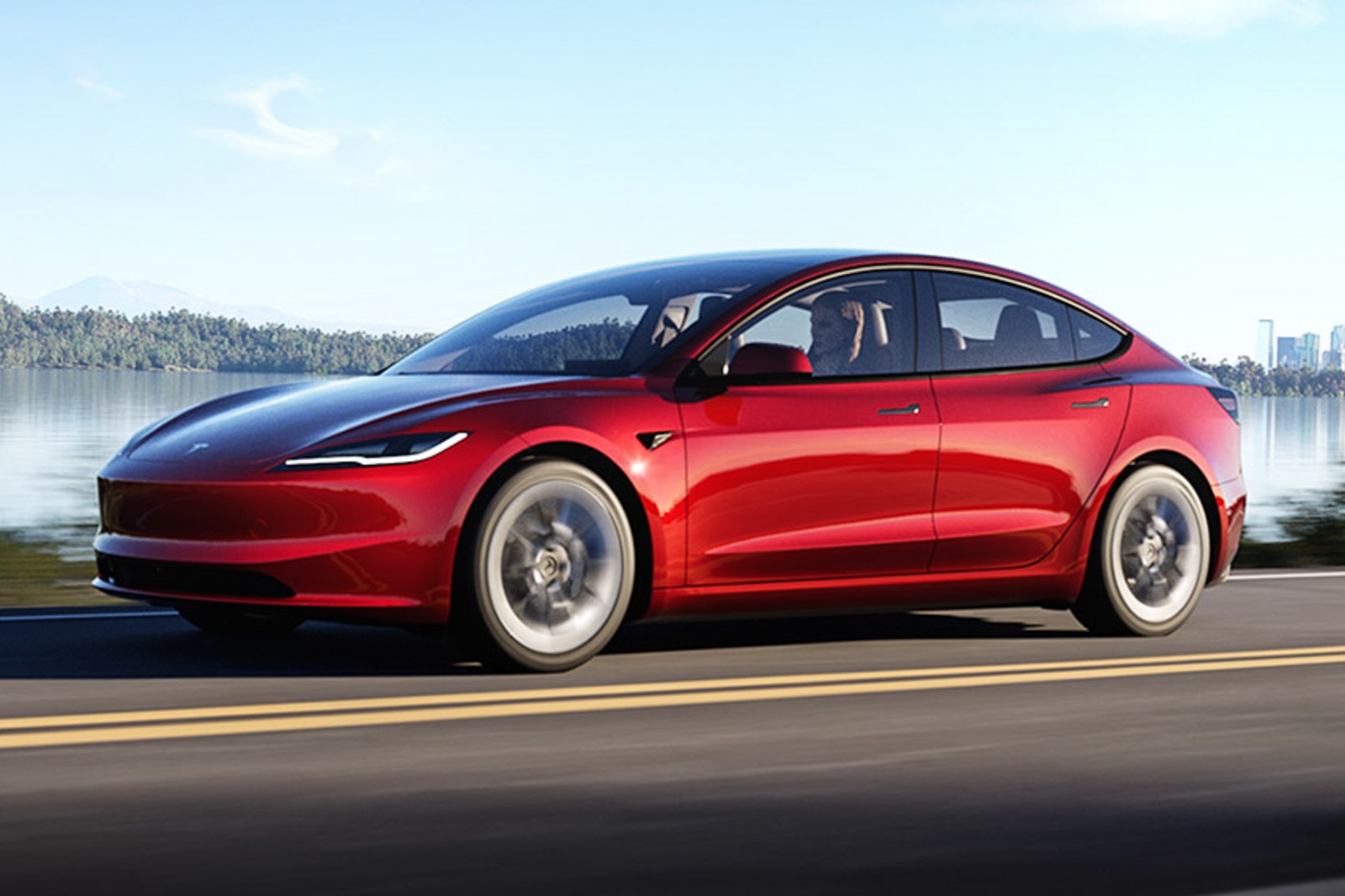
 Segment
 Body Type
 Motor Output(kW)
 EV Range(km)
 Driven Wheels
 Motor Torque(Nm)
The electric vehicle market in Malaysia has gradually become more diversified, but pure electric sedans under 200,000 MYR remain the core of the essential market. Many household users want to switch to electric vehicles, seeking solid range, sufficient configuration, and staying within budget — this is exactly the gap that the 2023 Tesla Model 3 RWD aims to fill. As the entry-level model of the brand, it not only maintains its iconic minimalist design but has also optimized its configuration and range tailored to the market. My main purpose in this test drive is to see whether it can truly live up to the name of being the "top choice for family electric vehicles under 200,000 MYR".
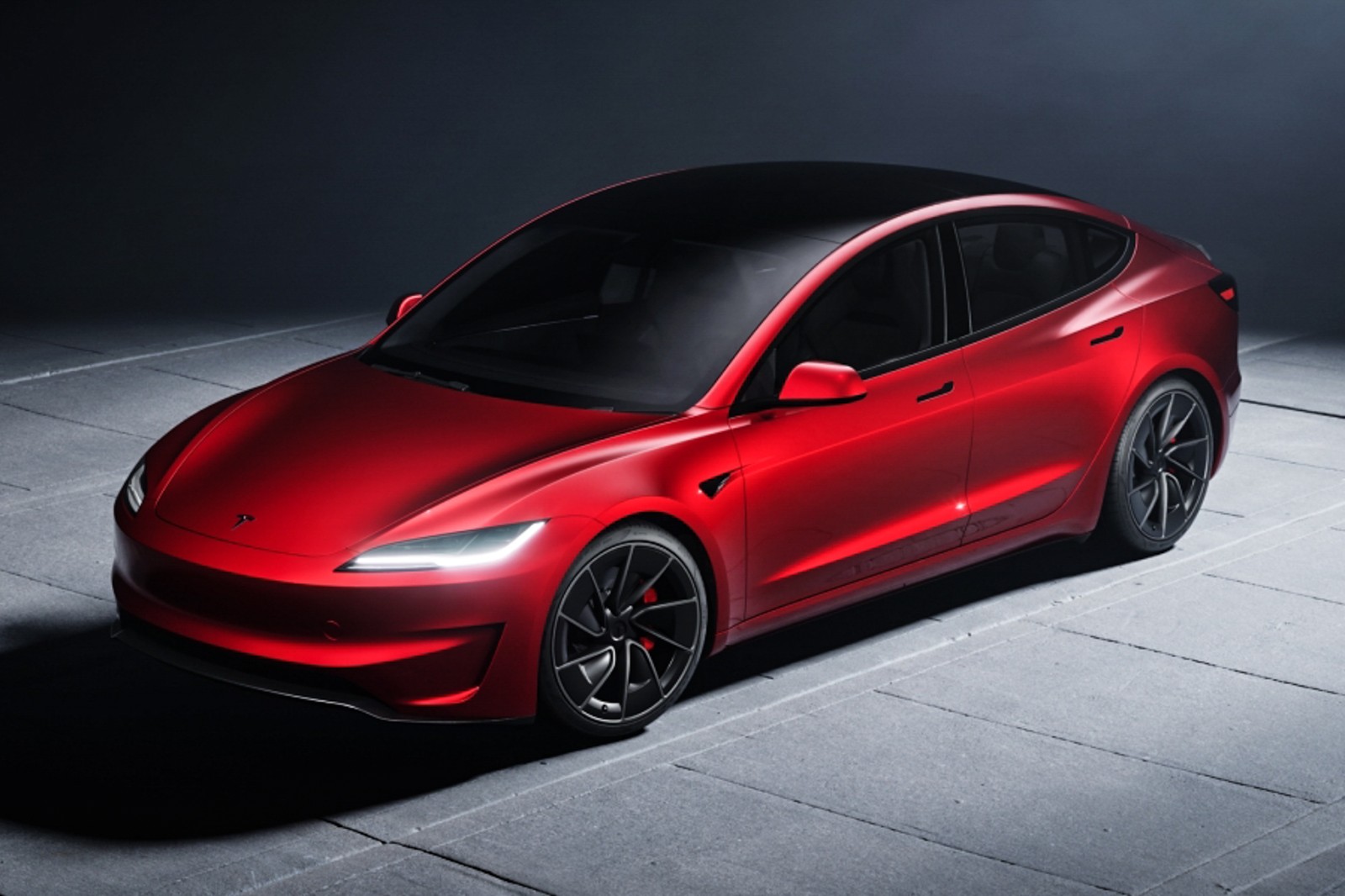
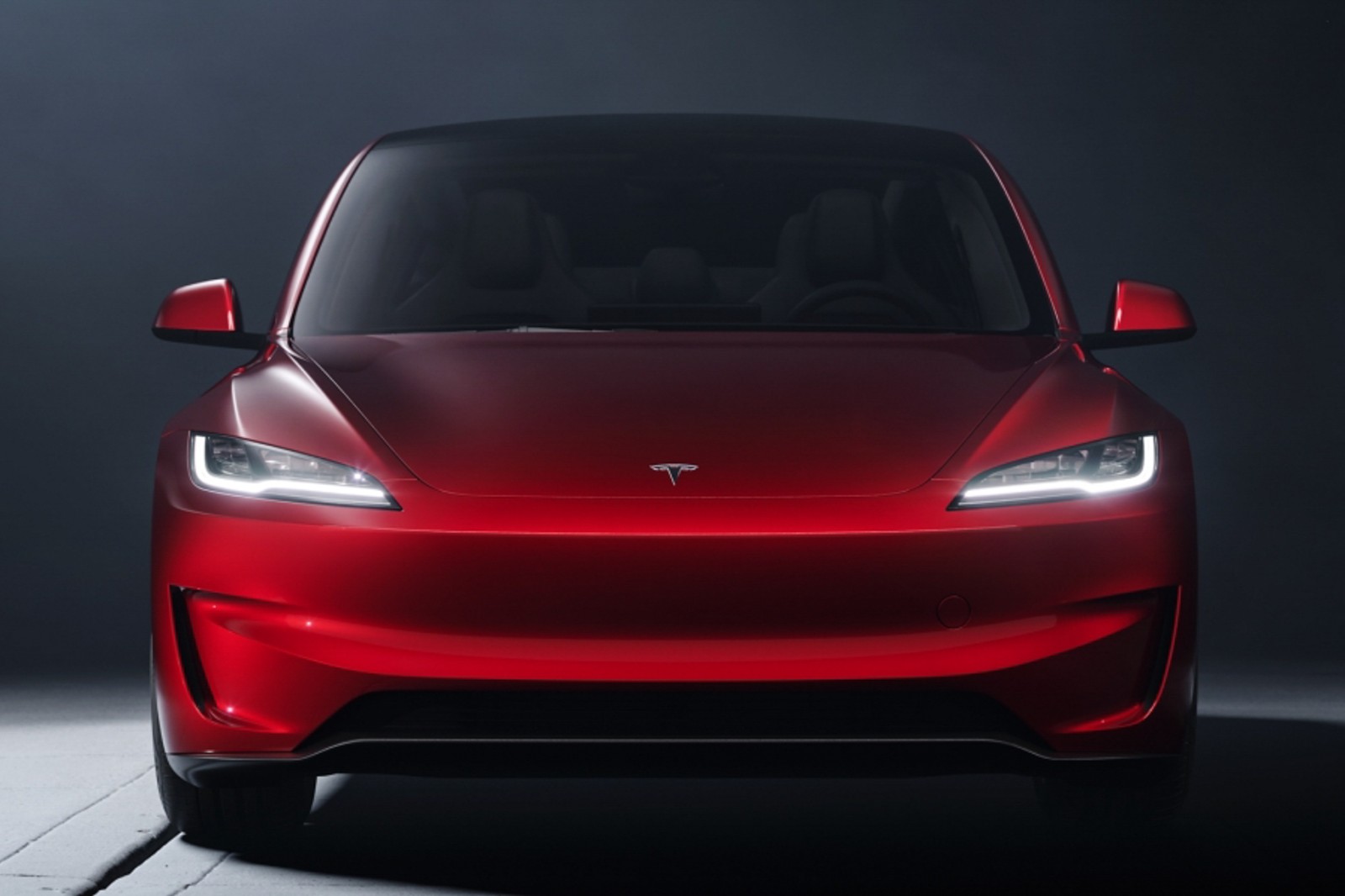
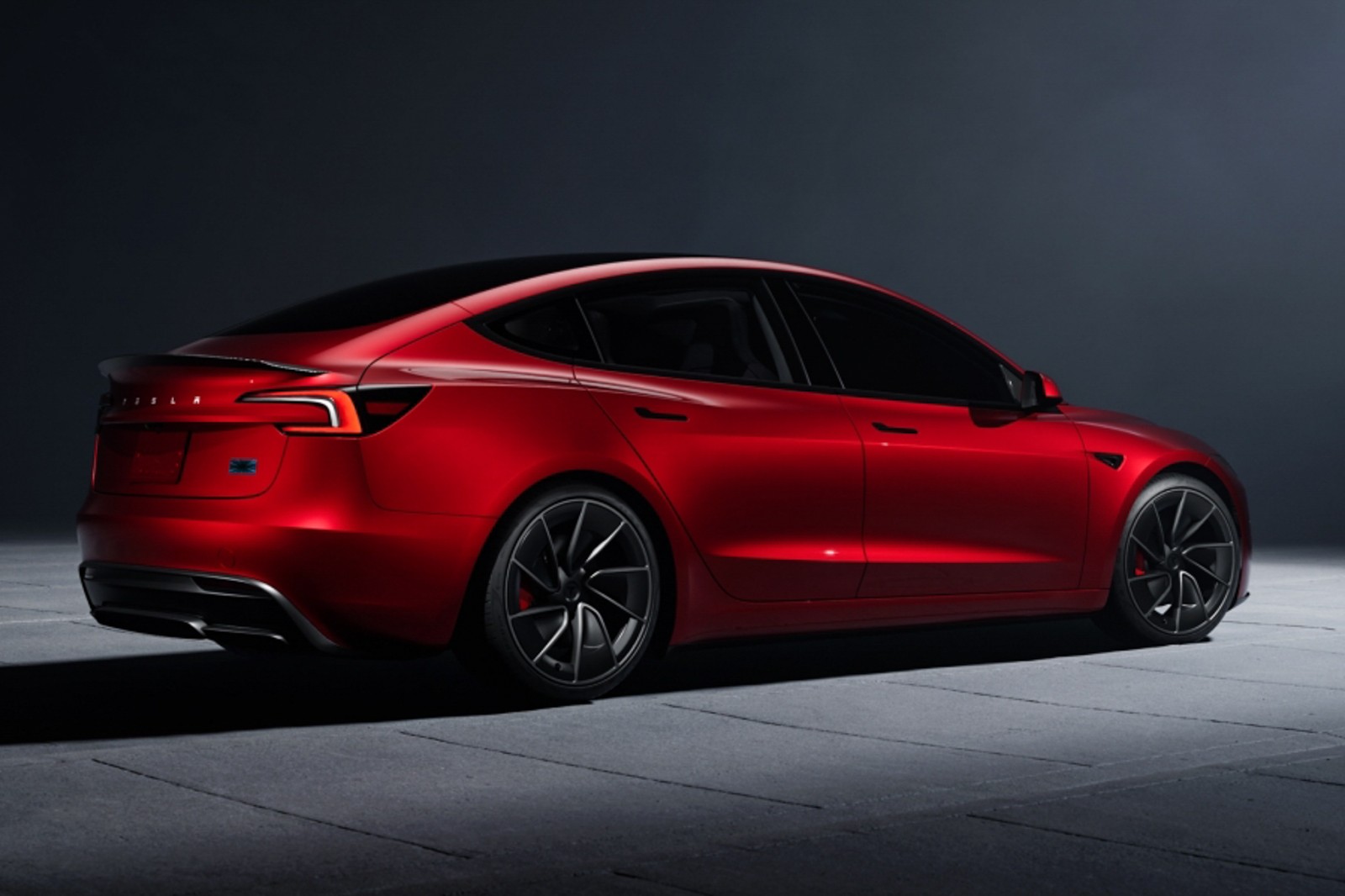
In terms of appearance, the Model 3 RWD retains Tesla's signature style: the overall lines are smooth, without excessive chrome decorations. The front features a closed grille paired with sharp LED headlights, providing high recognition. The waistline on the side of the car extends from the front to the rear, complemented by 18-inch wheels, giving it a clean and stable appearance. The rear design is relatively simple, with slender LED taillights that are highly recognizable when illuminated at night. The lower part of the rear bumper lacks complicated lines, maintaining an overall minimalist style. Regarding the lighting system, the standard LED headlamps, daytime running lights, and front and rear fog lamps are all practical. The auto headlamp function can automatically switch in tunnels or on cloudy days, eliminating the need for manual operation.
Sitting inside, the first impression is the standout minimalist interior style. The dashboard almost has no physical buttons; all functions are concentrated on the 15-inch central LCD screen. The operational logic is similar to a smartphone, and it's easy to get familiar with after a few tries. The steering wheel is multifunctional, with the left side controlling media and phone, while the right side manages the driving assistance system. The HUD (head-up display) projects information such as speed and navigation onto the windshield, eliminating the need to look down at the instrument panel and enhancing safety. As for materials, the seats are made of synthetic leather, which feels premium to the touch. The front seats are 8-way power adjustable, and the driver’s seat features 4-way electric lumbar support, ensuring comfort even during long drives. The rear seats are designed with a 60:40 split-folding mechanism and come with a center armrest. Three passengers can sit comfortably in the back, and there are standard air-conditioning vents for the rear seats, allowing passengers in the back to enjoy cool air during the summer.
In terms of space performance, the Model 3 RWD has a body dimension of 4720mm in length, 1848mm in width, and 1442mm in height, with a wheelbase of 2875mm — a mainstream level for this class. As for the front-row space, with my height of 175cm, there is more than a fist of extra room for both head and leg space when seated. The rear-row space is also adequate, with about two fists of legroom. However, the headspace is slightly tight due to the fastback design, though it doesn’t feel oppressive for adults. Regarding storage, there is a large compartment under the central console in the front row that can accommodate phones and wallets. The central armrest box is also quite spacious. When the rear seats are folded down, the trunk volume expands from 425L to 1235L, making it easy to store strollers or suitcases. Additionally, the interior comes standard with 220V/230V power outlets, which is convenient for charging laptops while on the go.
The core of this test drive is dynamic performance. The Model 3 RWD is equipped with a permanent magnet synchronous motor, with a maximum power of 195kW (265PS) and a maximum torque of 340N·m. The official 0-100km/h acceleration time is 6.1 seconds. In actual driving, the power response is very quick when starting, and you can feel a noticeable push-back sensation when stepping on the accelerator. Overtaking on city roads is very easy. There are two driving modes: Standard and Sport. In Standard mode, the power output is smoother, suitable for daily commuting; in Sport mode, the power is more aggressive, making it suitable for occasional fun driving experiences. The steering feel of the steering wheel is very light and precise, with good vehicle tracking when cornering. In terms of the chassis, the combination of front double-wishbone independent suspension and rear multi-link independent suspension performs very steadily on bumpy roads, and there is no noticeable bouncing when going over speed bumps, keeping the vehicle stability intact.
Range and energy consumption are the key concerns for electric vehicle users. The official range of the Model 3 RWD is 606km. During my test drive, which was mainly on city roads with a small amount of highway driving, with the air conditioner on and regenerative braking set to standard mode, the actual range reached about 85% of the official figure, approximately 515km. This performance is more than sufficient for household use. In terms of charging, using Tesla’s Supercharger, it takes about 30 minutes to charge from 10% to 80%. If using a home charging station, it takes about 8 hours to fully charge, which makes charging relatively convenient.
In terms of handling, the Model 3 RWD exceeded my expectations. The steering wheel has very little play and is highly precise. When cornering, the body controls lateral inclination very well and can maintain stability even during high-speed turns. The suspension system deals with bumpy roads by filtering out most small vibrations while maintaining enough support to avoid feeling like you’re “sailing on a boat.” The braking system is also very responsive, with a linear pedal feel. Pressing the pedal provides a noticeable braking force, and the braking distance from 100km/h is about 36 meters, which is an excellent result in its class.
In terms of driving and ride comfort, the Model 3 RWD performs very well. Sound insulation is excellent, and wind noise and tire noise are well controlled even at high speeds, ensuring they do not interfere with conversations inside the car. The seats are very comfortable, and the faux leather material is quite breathable, so passengers won’t feel stuffy even during long rides. The rear air conditioning vents are also a very practical design, allowing rear passengers to enjoy cool air in the summer. In addition, standard safety features, such as lane change assist, lane departure warning, and automatic emergency braking, provide ample safety during daily driving.
Overall, the core advantages of the 2023 Model 3 RWD are very clear: first, the solid range, as the actual range meets the needs of household use; second, its rich features, with HUD, automatic parking, and panoramic cameras as standard; third, a balance of handling and comfort, making it suitable for both daily commuting and long-distance travel. Compared to competitors in the same class, its advantages lie in brand influence and charging network. Tesla’s Superchargers have already covered major cities in Malaysia, offering better charging convenience compared to many new EV brands.
In terms of suitable audience, the 2023 Model 3 RWD is ideal for family users who value practicality and cost-effectiveness, especially those who want to switch to an electric vehicle but have a limited budget. It offers ample space, sufficient range, configurations that meet daily needs, and good brand reputation and resale value. If you are someone who appreciates minimalist design and prioritizes driving experience, it can also fulfill your demands.
To summarize: the 2023 Model 3 RWD is a well-balanced pure electric sedan. It has no significant drawbacks, and its range, features, handling, and comfort all reach mainstream levels in its class. Coupled with Tesla's brand influence and charging network, it is indeed one of the top choices for a 200,000 RMB-class pure electric family sedan.
Tesla Model 3 Loan Calculator
More Tesla Reviews
Cars With Similar Price And Features

8
Rank in Sedan
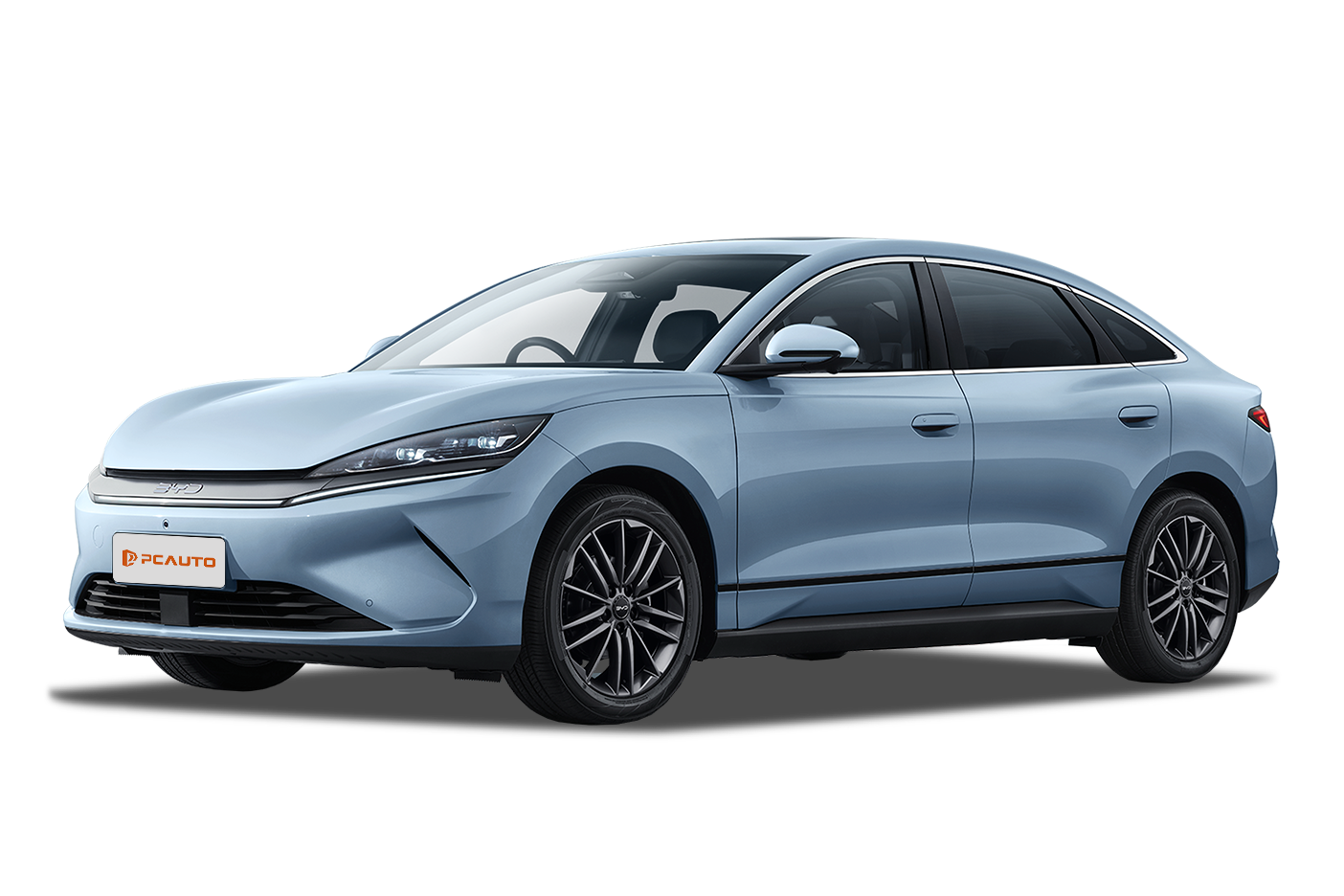
2025 BYD Seal 6 Dynamic, as the entry-level model for a C-class pure electric sedan, offers a long wheelbase with spacious interior, a signature rotating central control screen, and balanced configurations, combining practicality and cost-effectiveness.