

BYD Seal 6 Review

 Share
Share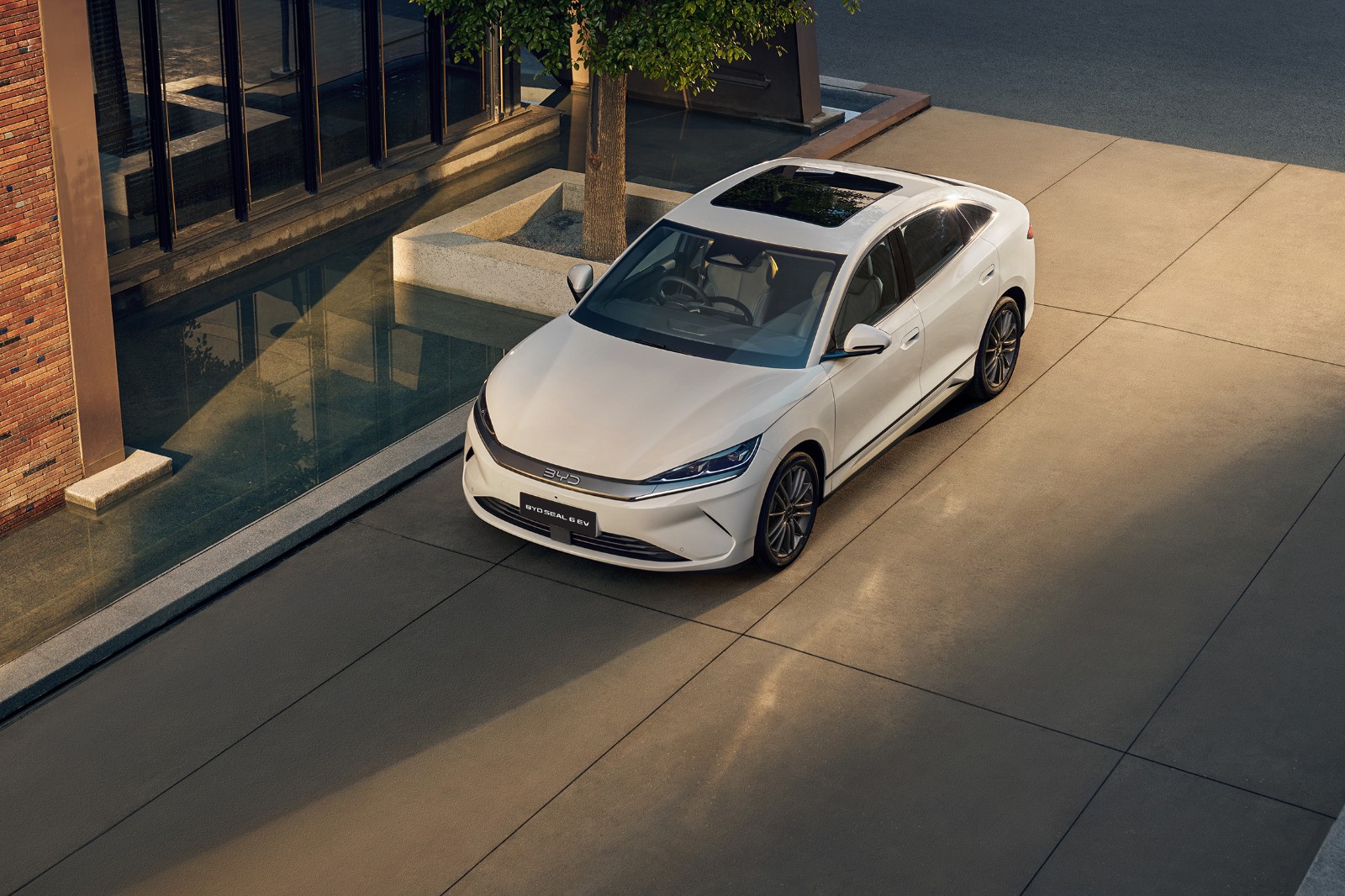
 Segment
 Body Type
 Motor Output(kW)
 Motor Torque(Nm)
 EV Range(km)
 Battery Capacity(kWh)
As the new energy market in Malaysia continues to heat up, C-segment pure electric sedans have become a popular choice for family users and young commuters—vehicles in this price range need to balance practicality for daily transportation while encompassing comprehensive features and safety. The 2025 BYD Seal 6 Dynamic, as the entry-level version of the series, is priced at RM100,000 and offers a rare combination of a long wheelbase, full airbag coverage, and a rotating central control screen within its class. This test drive focuses on verifying whether it can maintain BYD's consistent balanced performance while controlling costs.
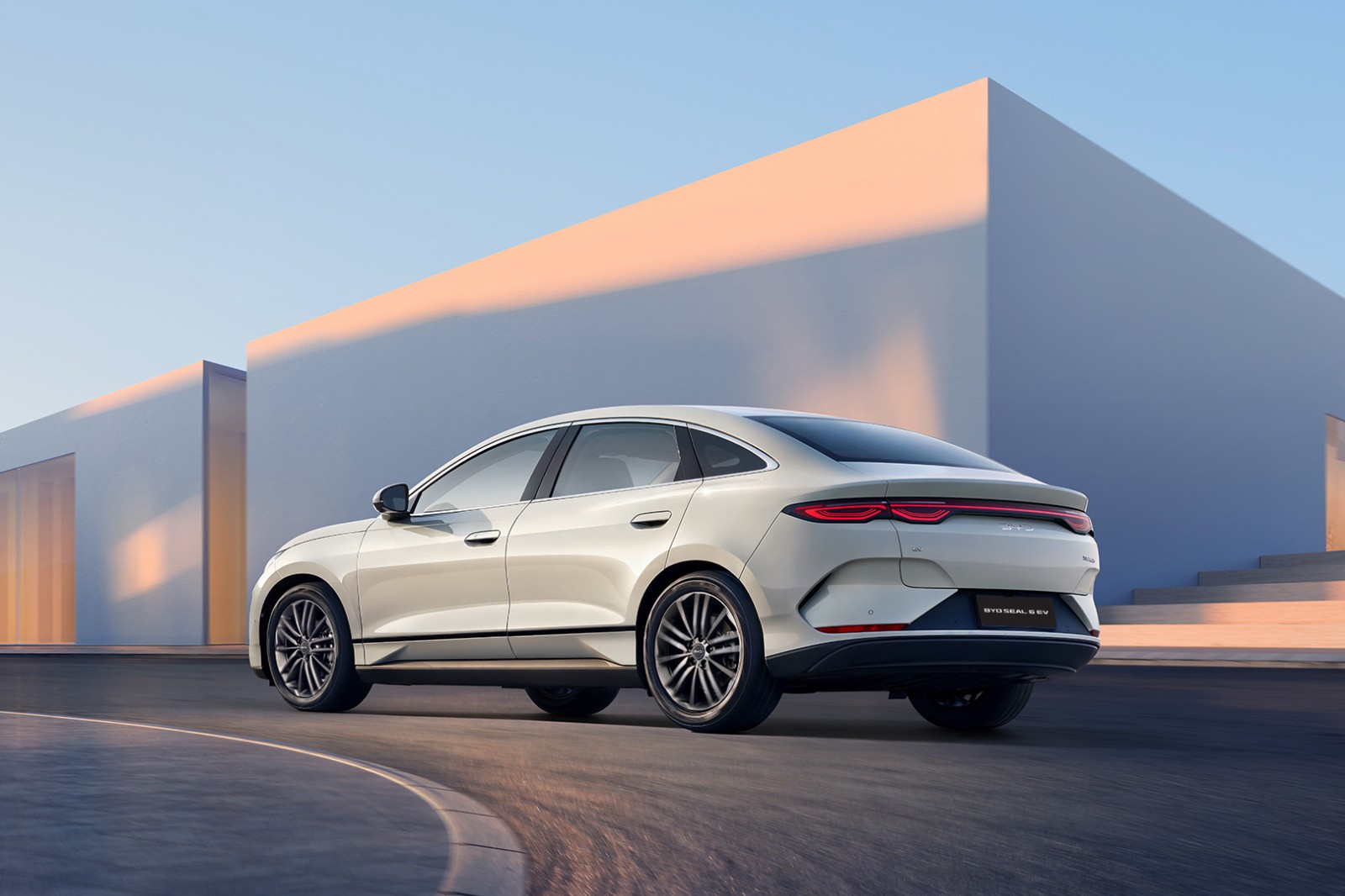
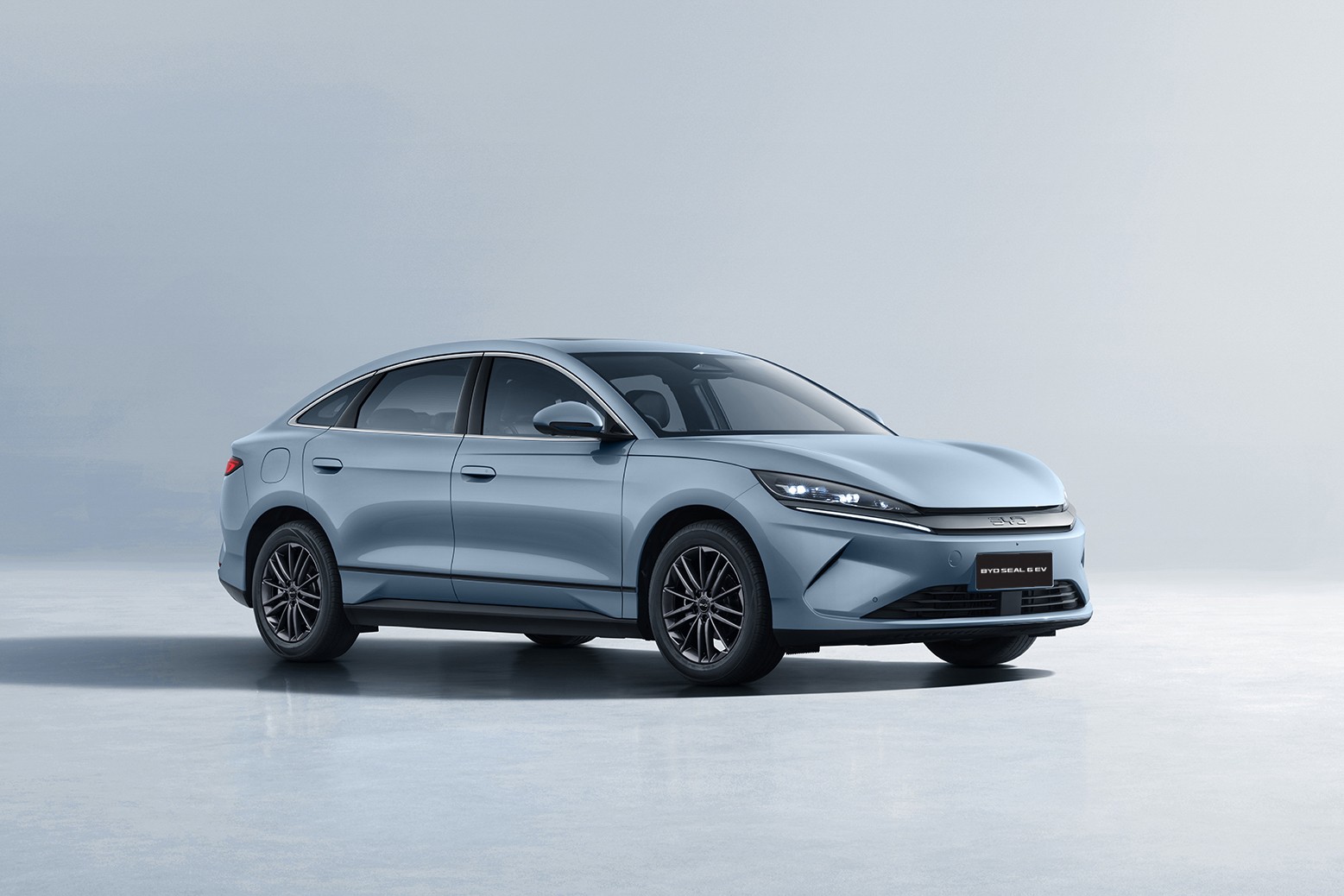
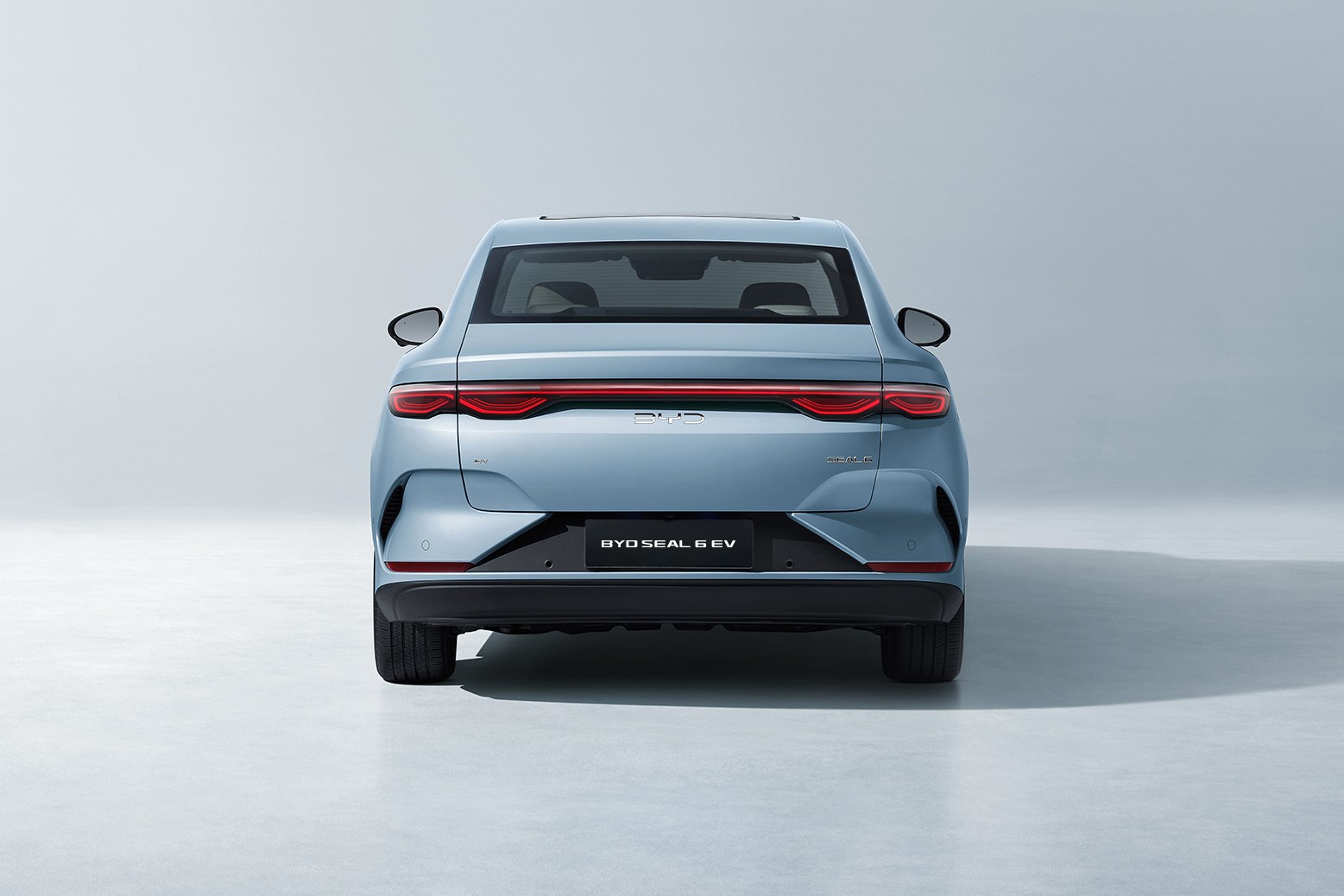
At first glance, the Seal 6 Dynamic continues the brand’s sporty design language, with its streamlined body featuring no unnecessary lines. Combined with the short front and rear overhangs, the 2820mm wheelbase advantage is intuitively highlighted. The front end adopts a closed grille design, with LED headlights on both sides connected by a chrome trim strip. The daytime running lights are of a run-through type design, offering enough recognition when lit. Its dimensions of 4720×1860×1495mm place it in the standard size of a C-segment sedan. The 225/55 R17 tires, combined with multi-spoke aluminum alloy wheels, strike a balance between comfort and visual aesthetics. The LED taillights at the rear also feature a penetrating design, echoing the front styling. Meanwhile, the rear diffuser-like element on the lower bumper enhances the sporty feel, though the overall design remains restrained, leaning more towards a family-oriented positioning.
Entering the cabin, the first thing you'll notice is the 12.8-inch rotatable floating central control screen, a signature BYD feature. It supports horizontal and vertical screen switching, with smooth operations meeting expectations. The interior predominantly uses black as the main color. The upper part of the dashboard is wrapped in soft materials, while the middle section features a piano lacquer panel, which, though prone to fingerprints, provides a superior texture compared to others in the same price range. The steering wheel is multifunctional and electrically adjustable, with buttons on the left side controlling the driving assist system and those on the right managing multimedia and phone functions. The layout is clear and straightforward. The fully digital instrument cluster is of moderate size and displays a wide range of information, including range, speed, driving mode, and other core data, presented in a clean and readable interface.
Space is one of the highlights of the Seal 6 Dynamic. The 2820mm wheelbase provides ample legroom for the rear passengers. A passenger of 175cm sitting in the back would still have two fists of knee room from the front seat backrest, and there’s approximately a fist of headroom, ensuring no sense of oppressiveness. The front seats are 6-way electrically adjustable (driver’s seat), offering good support, and remain comfortable even on long journeys. The rear seats can be folded down in a 60/40 split, effectively expanding trunk space. In its standard configuration, the trunk capacity is sufficient to accommodate daily shopping or luggage for short trips. Regarding features, a fixed panoramic sunroof and sunshade are standard across the lineup, as is a dual-zone automatic air conditioning system with front and rear air vents. The front row is equipped with USB charging ports, while the rear row includes two Type-C ports, maximizing practicality.
In terms of performance, the Seal 6 Dynamic is equipped with a front-mounted permanent magnet synchronous motor, delivering a maximum power of 95kW (129PS) and a peak torque of 220N·m, with an official 0-100km/h acceleration time of 10.9 seconds. During actual driving, the power response during takeoff is quick, without the lag typical of fuel-powered vehicles. For daily urban commuting, the power output at low speeds is light and sufficient. When overtaking or changing lanes, pressing harder on the accelerator provides a decent thrust, but the high-speed (above 100km/h) acceleration ability is average, making it better suited for steady cruising. There are three driving modes: Eco, Standard, and Sport. In Eco mode, energy regeneration intensity is relatively high, producing a noticeable drag feeling when releasing the accelerator, which helps to some extent with range extension. Standard mode provides medium regenerative braking, offering a driving experience more akin to a fuel-powered car. Sport mode delivers a more direct power output but remains home-oriented rather than performance-focused.
The chassis adopts a front MacPherson + rear multi-link independent suspension, with tuning biased towards comfort. When passing over speed bumps or bumpy roads, the suspension effectively filters most of the vibrations, and the body does not exhibit significant bouncing. During cornering, body roll is controlled within a reasonable range, without giving a loose feeling, and the stability at high speeds is good. The steering wheel offers moderate weight, minimal play, and clear directional feedback, making daily driving very easy. In terms of sound insulation, the vehicle effectively controls tire noise and wind noise; below 60 km/h, almost no noticeable noise can be heard, while wind noise gradually increases beyond 80 km/h but does not affect in-car conversations. Noise from the motor operation is minimal and almost negligible.
In the range testing stage, we drove 150km under mixed conditions (60% urban roads + 40% highways), with the displayed range decreasing by 170km, achieving about 88% efficiency. This performance is at a normal level among electric vehicles in the same class. The battery has a 56.64kWh capacity, with an official range of 485km. In actual usage, if driven primarily in Economy mode, the range for urban commuting should approach 400km, making a weekly charge feasible. As for energy consumption, the overall power consumption is about 14kWh/100km, increasing to approximately 16kWh/100km on highways, which meets the expected range.
Safety features are another major advantage of the Seal 6 Dynamic. The entire lineup comes standard with 10 safety airbags (dual front airbags, front and rear side airbags, front and rear head curtain airbags), which is very rare in models priced at 100,000 MYR. Driver assistance systems include ACC adaptive cruise control, lane departure warning, active braking, lane change assist, and more. In actual testing, ACC provides stable car-following on highways, lane departure warning is moderately sensitive without frequent false alarms, and active braking can effectively detect obstacles at low speeds in urban scenarios, enhancing the safety of daily driving.
Compared to competitors in the same class, such as the Tesla Model 3 Standard Range (which is more expensive) or the MG 4 EV (which has slightly lower specifications), the core advantage of the Seal 6 Dynamic lies in its value-for-money. At a price of 100,000 MYR, you get long-wheelbase space, full safety airbags, a rotatable central control screen, and comprehensive driver assistance systems— a combination of features that is virtually unrivaled in this price range. The drawbacks are that the acceleration performance is not particularly outstanding, and its high-speed acceleration is average. However, for household commuting purposes, this level of power is more than sufficient.
In summary, the 2025 BYD Seal 6 Dynamic is a well-balanced pure electric family sedan. It does not offer especially aggressive performance or flashy design, but it leads its class in three core dimensions: space, configuration, and safety. It is suitable for families focused on practicality with a limited budget, wanting to experience new energy vehicles, or for young professionals with longer daily commutes. If your requirement is "getting a fully equipped, spacious, and worry-free electric car at the lowest cost," then the Seal 6 Dynamic is a choice you can’t go wrong with.
BYD Seal 6 Loan Calculator
Cars With Similar Price And Features

14
Rank in Sedan
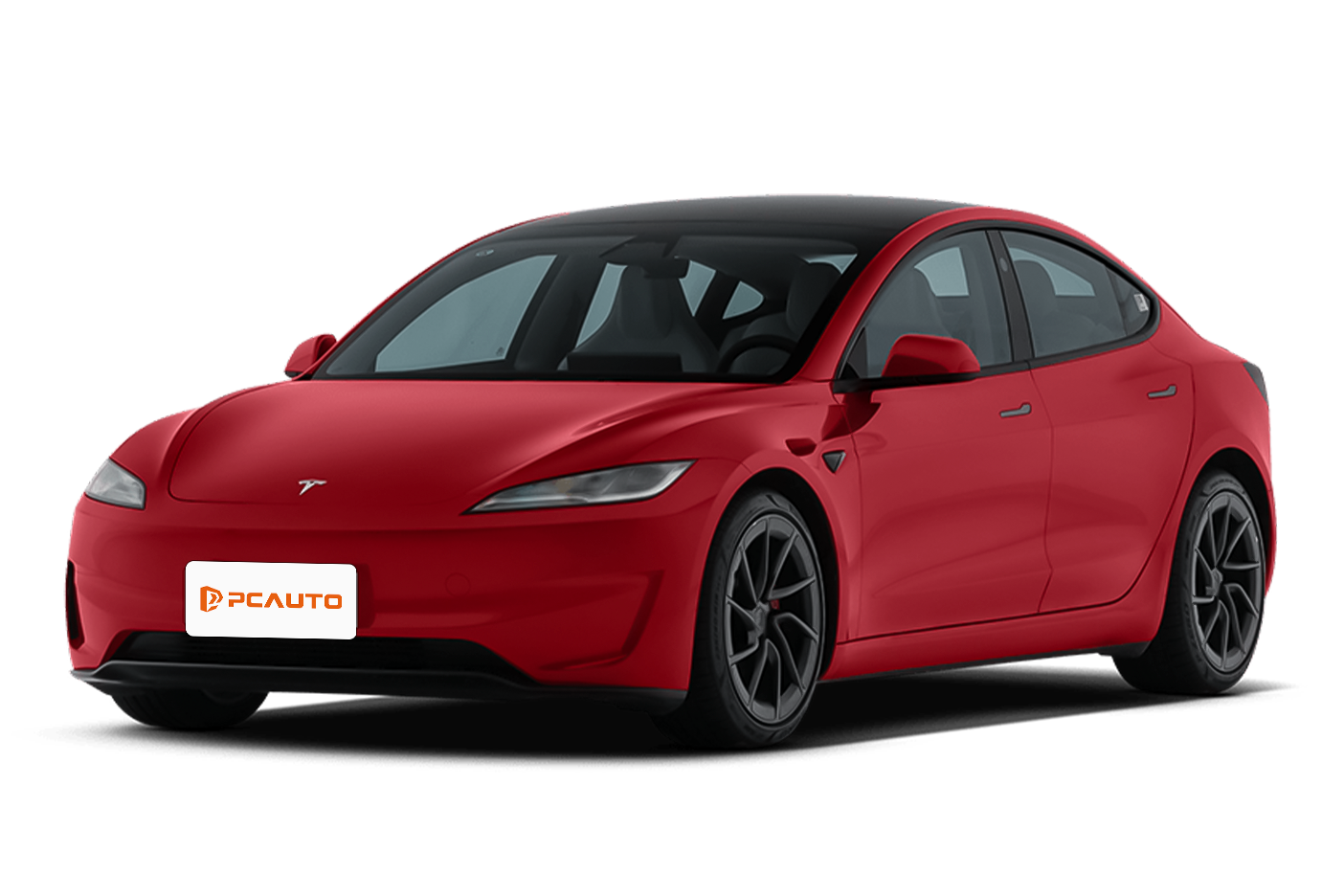
2024 Tesla Model 3 Rear-Wheel Drive price reduced and configurations enhanced, upgraded with ventilated and heated seats, 513km range, agile handling, making it a cost-effective B-segment electric family car.