

Toyota Vios 2023 Review

 Share
Share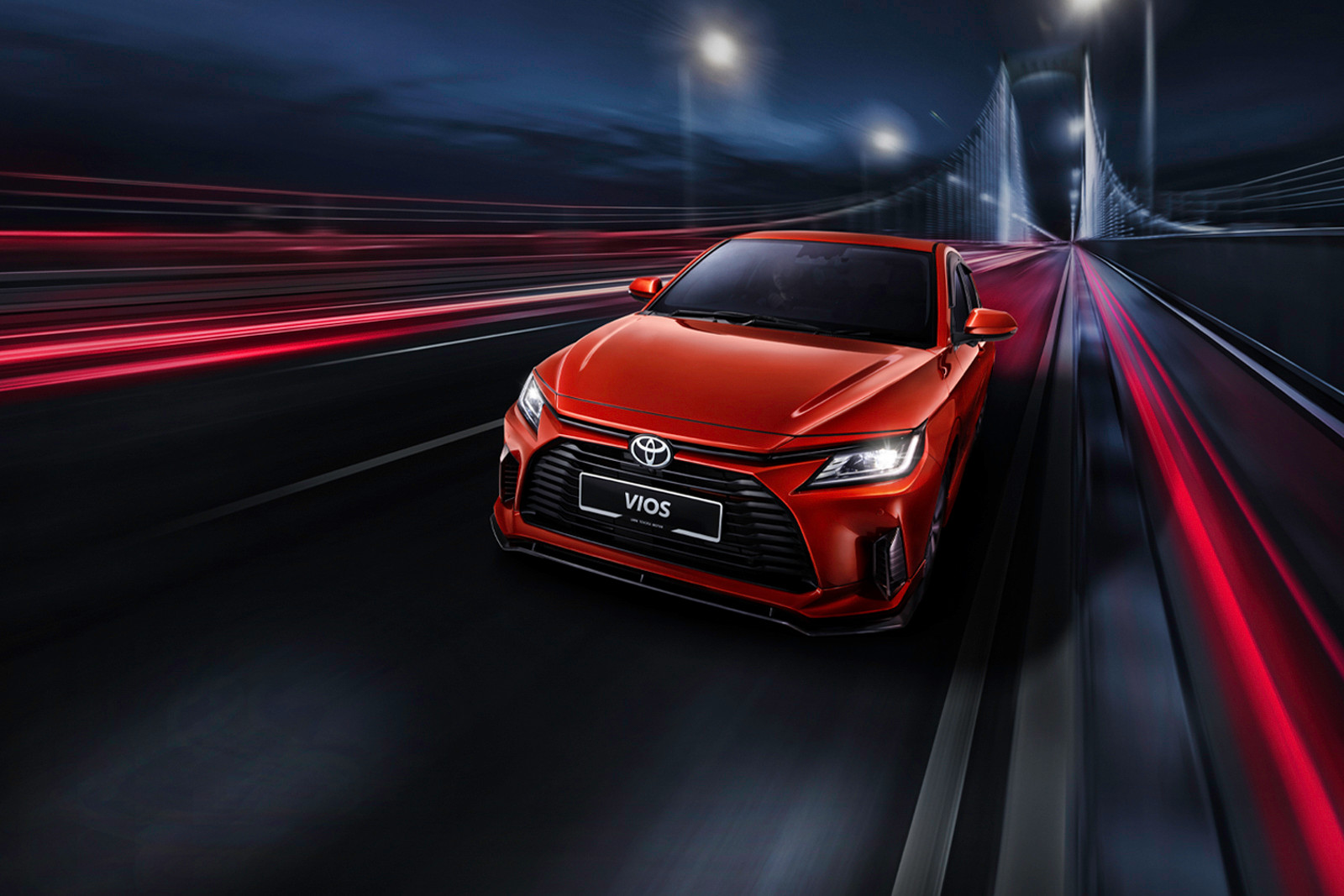
 Segment
 Body Type
 Capacity(L)
 Engine Power(PS)
 Engine Torque(Nm)
 Transmission
In the Malaysian B-segment sedan market, practicality, fuel efficiency, and balanced configurations have always been the key demands of consumers. The Toyota Vios, as an evergreen model in this segment, directly targets users looking for "high specs without a premium price" with the launch of the 2023 1.5E AT variant. It not only retains the usual reliability of the Vios but also brings features like 6 airbags and a 360-degree panoramic camera, which were previously only available in mid-range and high-end trims, to the entry-level model. Does its actual performance match expectations? This time, through a static experience and dynamic test drive, we will verify whether it is truly the choice for "getting more for less."
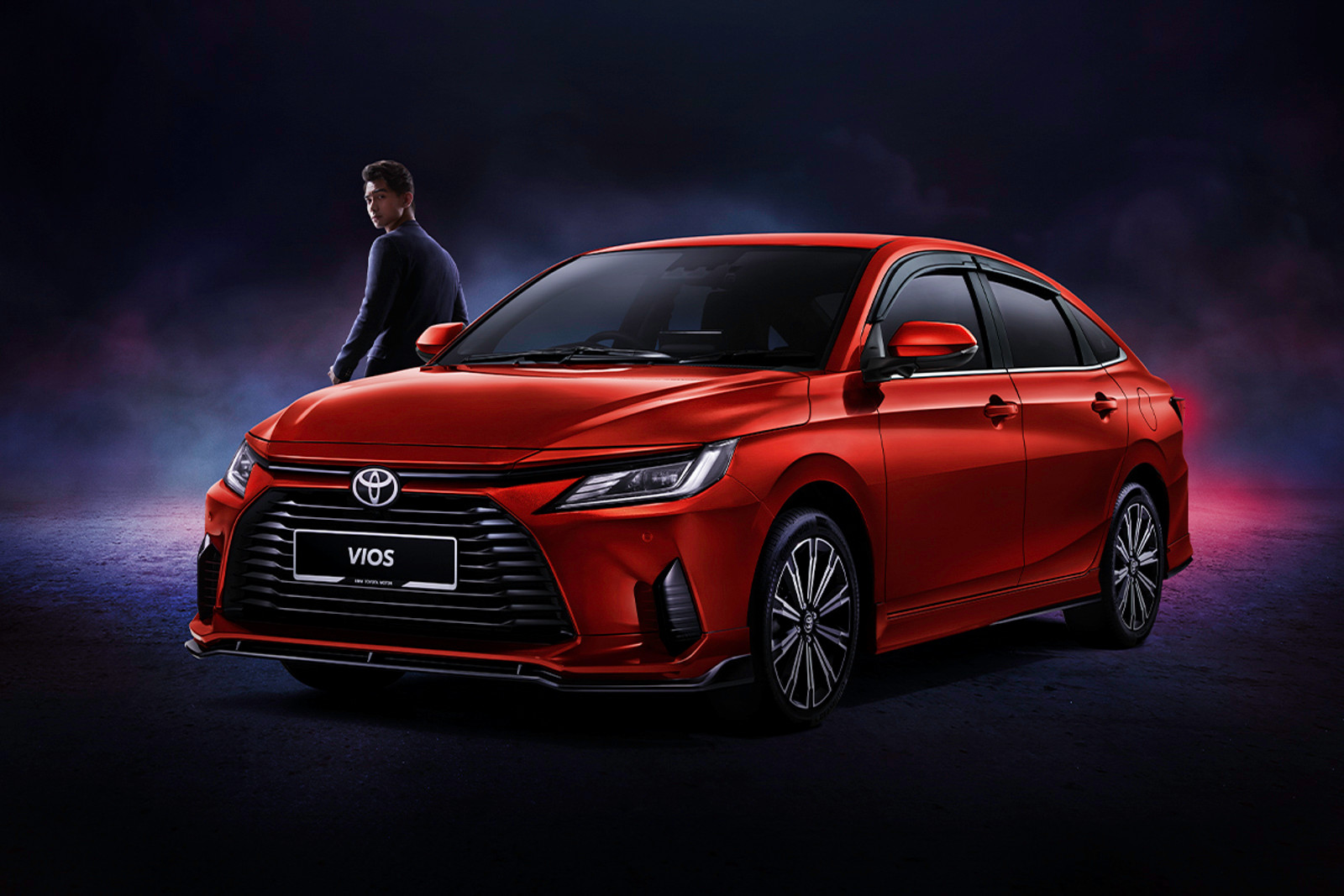
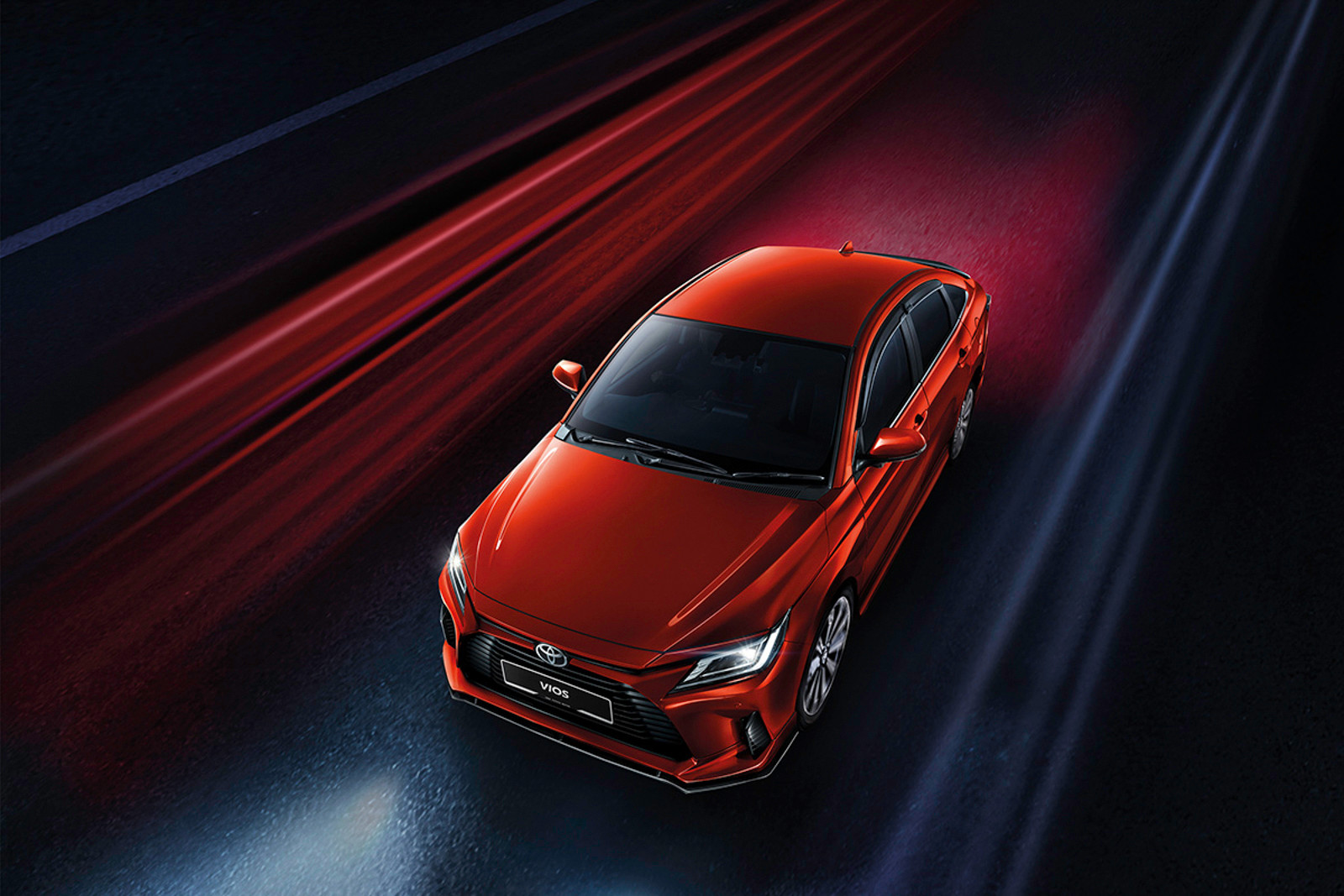
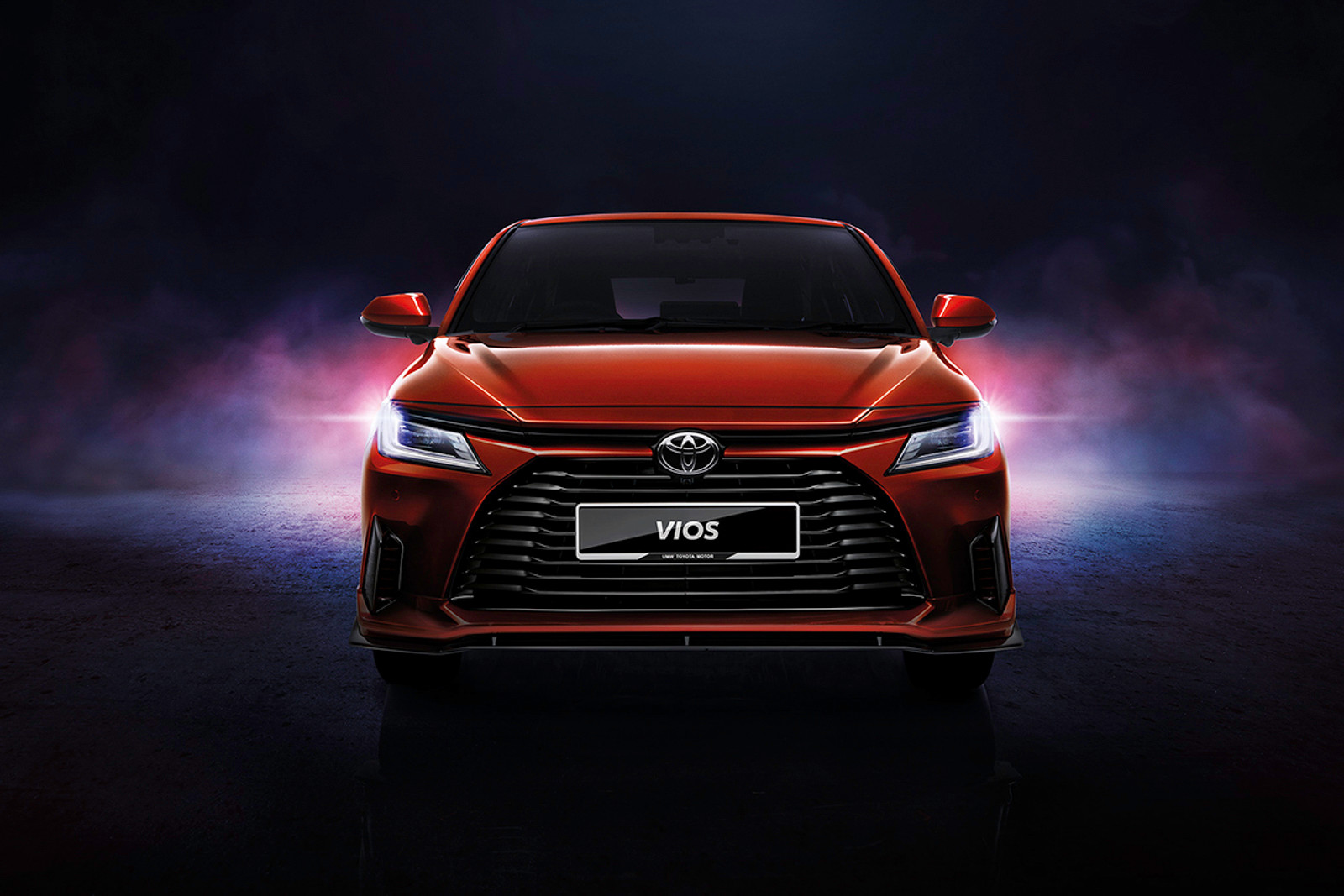
The first impression of the 2023 Vios 1.5E AT is that the overall style is younger compared to the older model. The front features a large trapezoidal lower grille, combined with slim LED daytime running lights that enhance its recognition. The side profile has smooth lines, with a waistline extending from the front fender to the rear, making the body appear longer. The 16-inch tire size is perfectly suited to its family positioning, not compromising comfort for larger wheels. The rear LED taillights adopt a through-type design; although the middle section is decorative, the illuminated effect is seamless and in line with contemporary aesthetics. The black protective panel below the rear bumper adds a sporty touch. The lighting system comes standard with LEDs across all variants, and the automatic headlight function can switch on/off automatically when entering tunnels or during dusk, offering great convenience in daily use.
Sitting inside, the interior adopts a two-tone design with a dark upper portion and lighter bottom. The dashboard mainly uses hard plastic materials, but the stitching and seams are well-controlled, and the overall texture is above average within its class. The 9-inch central control screen serves as the visual focal point, supporting wireless connectivity with decent operational smoothness. Commonly used navigation and music functions can be easily accessed. Below the screen, physical buttons are retained, allowing users to adjust the air conditioning without relying on the touchscreen, making blind operation safer. Configuration is a highlight of the 1.5E: the HUD head-up display can show speed and navigation information, reducing the need to frequently glance at the dashboard. The steering wheel is electrically adjustable and, together with the driver’s seat that features six-way electric adjustment, makes it easy to find a comfortable driving position. The multifunctional steering wheel is equipped with paddle shifters, satisfying occasional manual gear-shifting needs. The 4.2-inch TFT instrument cluster is clear and displays basic information such as fuel consumption and range, which is sufficient for daily use.
The space performance aligns with the positioning of a B-segment family car. With a wheelbase of 2620mm, the rear legroom offers two-fist room for passengers up to 175cm tall, ensuring no sense of crowding. The headroom provides about one fist’s distance, making extended sitting comfortable without feeling too enclosed. The rear seats feature air conditioning vents and USB ports, allowing family members on long trips to charge devices and adjust temperatures conveniently. The trunk has a capacity of 475 liters, which can comfortably fit two 28-inch suitcases and some backpacks. The rear seats can fold down in a 60:40 split, providing additional space for carrying long items—maximizing its practicality. The storage compartments are thoughtfully designed; the front door panels can hold two bottles of water, the central armrest box is deep enough for a folding umbrella, and there’s a slot in front of the gear lever to place a phone.
For the dynamic test drive, the 1.5L naturally aspirated engine offers a maximum output of 78kW (106PS) and a maximum torque of 138N·m, paired with a CVT transmission. The power delivery during start-up is smooth without the abruptness of turbocharged vehicles, making it easy to follow traffic in urban areas. When accelerating to 60km/h and pressing the pedal harder, the power gradually increases. Overtaking requires some planning ahead. When cruising at 120km/h on the highway, the engine revs maintain around 2500 rpm, with commendable noise control. Driving modes include ECO and Normal; in ECO mode, throttle response is slightly subdued but improves fuel efficiency, while Normal mode offers a more linear power output more suitable for daily commuting.
The chassis uses a front MacPherson strut and rear torsion beam structure, tuned for comfort. When going over speed bumps, the suspension can filter out most of the jolts without noticeable rebounds; on bumpy roads, the body movement is minimal, ensuring the comfort of rear passengers. The steering wheel feels light, making it easy for female drivers to handle, with a reasonable amount of play. It becomes heavier at higher speeds, ensuring good stability. The brake pedal has a linear feel, not soft at the initial stage, and the braking force is evenly distributed during sudden braking, providing ample confidence.
In fuel consumption tests, the fuel consumption in urban traffic is about 6.5L/100km, while it drops to around 5.0L on highways, with a combined fuel consumption of 5.8L/100km, not far off from the official figure of 5.2L. This makes it very economical for family use. As for noise control, tire noise is not noticeable at low speeds, and at 120km/h on the highway, wind noise can enter the cabin, but it won't affect normal conversations; engine noise becomes somewhat pronounced during sudden acceleration but remains within acceptable limits.
Safety configuration is a strong point of the 1.5E, with standard features such as 6 airbags, vehicle stability control, active braking, forward collision warning, etc. Such a complete safety setup is rarely seen among competitors in the same price range. The 360-degree panoramic camera is very useful during parking, especially in narrow spaces, providing a clear view of surrounding obstacles. The front and rear radar sensors also give timely reminders when approaching obstacles, making it easy for new drivers to park.
In summary, the core advantage of the 2023 Toyota Vios 1.5E AT lies in its "balance": it doesn't fall short in configuration compared to the higher trims, comes with comprehensive safety features, offers adequate space for family needs, is economical in fuel consumption, and delivers smooth and comfortable performance, making it suitable for daily commuting and family outings. Compared to the same-class Honda City 1.5 S, the Vios 1.5E's safety configuration is richer, yet its price is about RM2000 lower, offering better value for money. Meanwhile, compared to the Proton Persona 1.6 Premium, the Vios stands out with better brand reliability and resale value.
This car is suitable for families with a budget of around RM90,000 who value practicality and safety, or fresh graduates. It doesn't have any particularly prominent shortcomings, and every aspect of its performance can meet daily use needs. If you are looking for a "worry-free" family car, the Vios 1.5E AT will be a very reliable choice.
Toyota Vios Loan Calculator
More Toyota Reviews
Cars With Similar Price And Features
4
Rank in Sedan
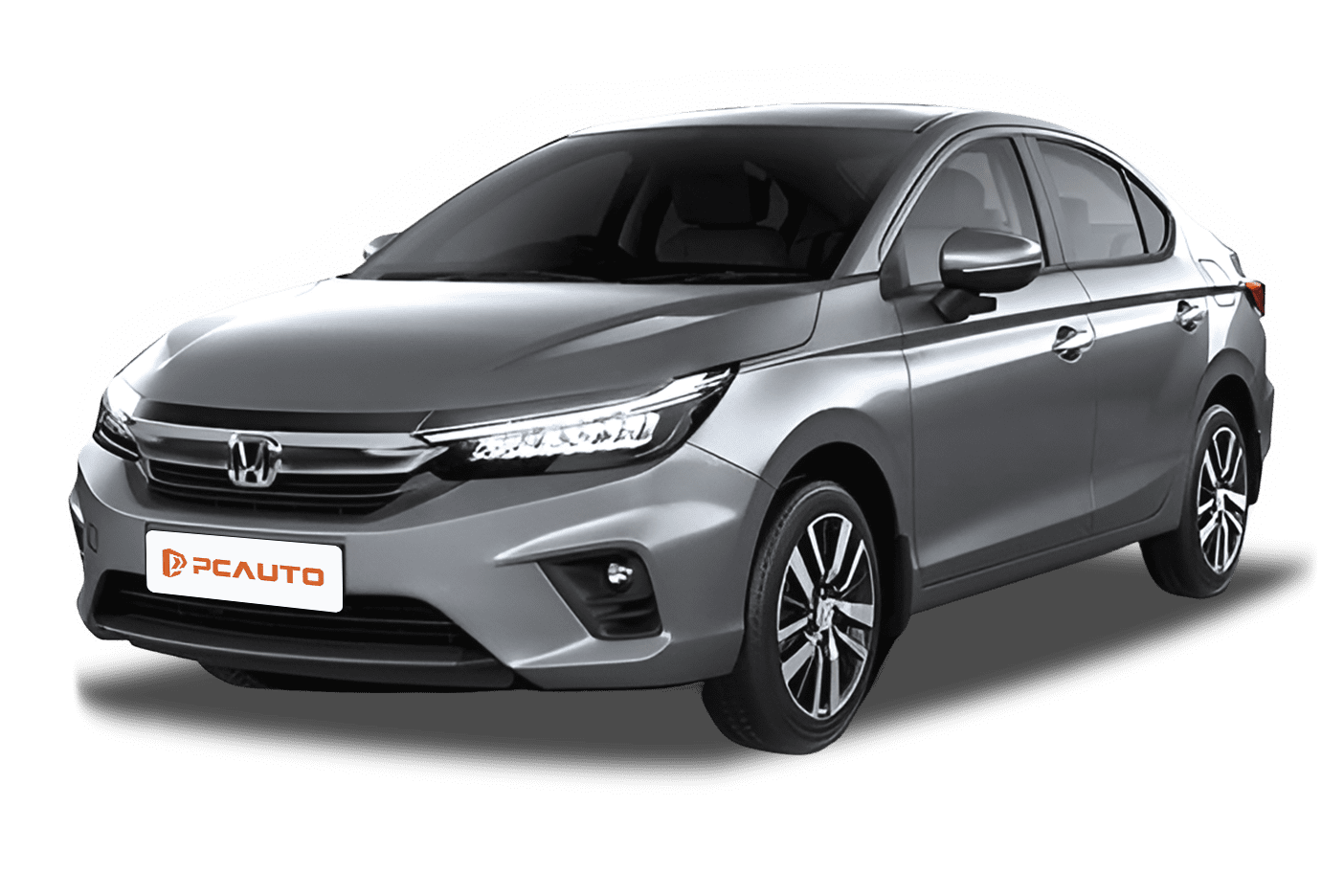
2023 Honda City 1.5 S, as an entry-level B-segment sedan, offers advanced L2 driving assistance and 6 airbags at an affordable price. With practical space and excellent fuel efficiency, it is a high-value choice for family users.