

2023 Toyota Vios 1.5G AT Review

 Share
Share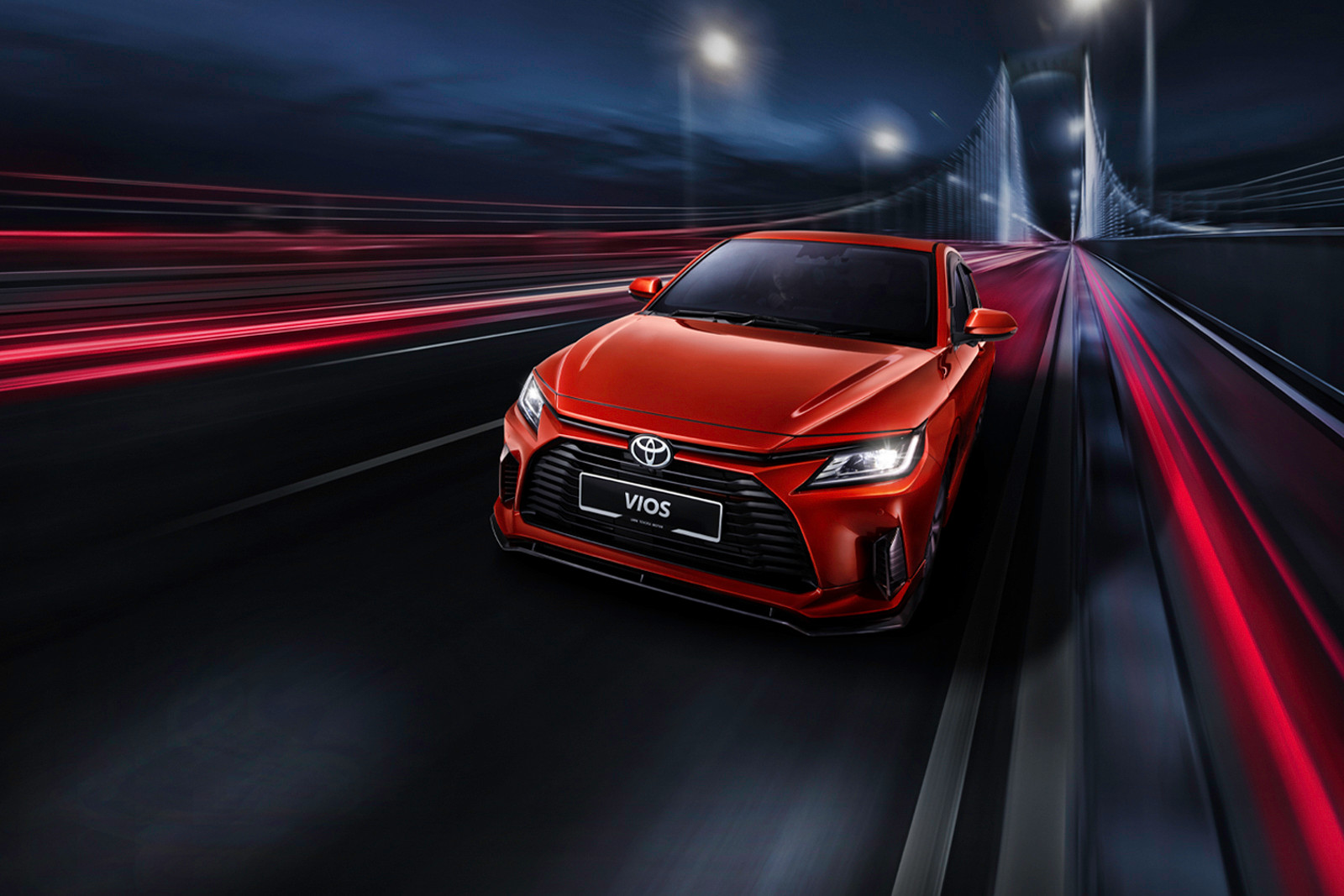
 Segment
 Body Type
 Capacity(L)
 Engine Power(PS)
 Engine Torque(Nm)
 Transmission
In Malaysia's B-segment sedan market, economic practicality and balanced features have always been the core demands of consumers—especially for young families and commuters who want to balance daily fuel efficiency without compromising on smart features and safety performance. The 2023 Toyota Vios 1.5G AT, as a popular model in this segment, brings not only the continuation of its reputation for reliability and durability but also significant upgrades in safety features and smart technology in this latest iteration. The main objective of our test drive this time is to verify whether its actual performance matches the official data, and whether these upgrades truly meet the needs of local users.
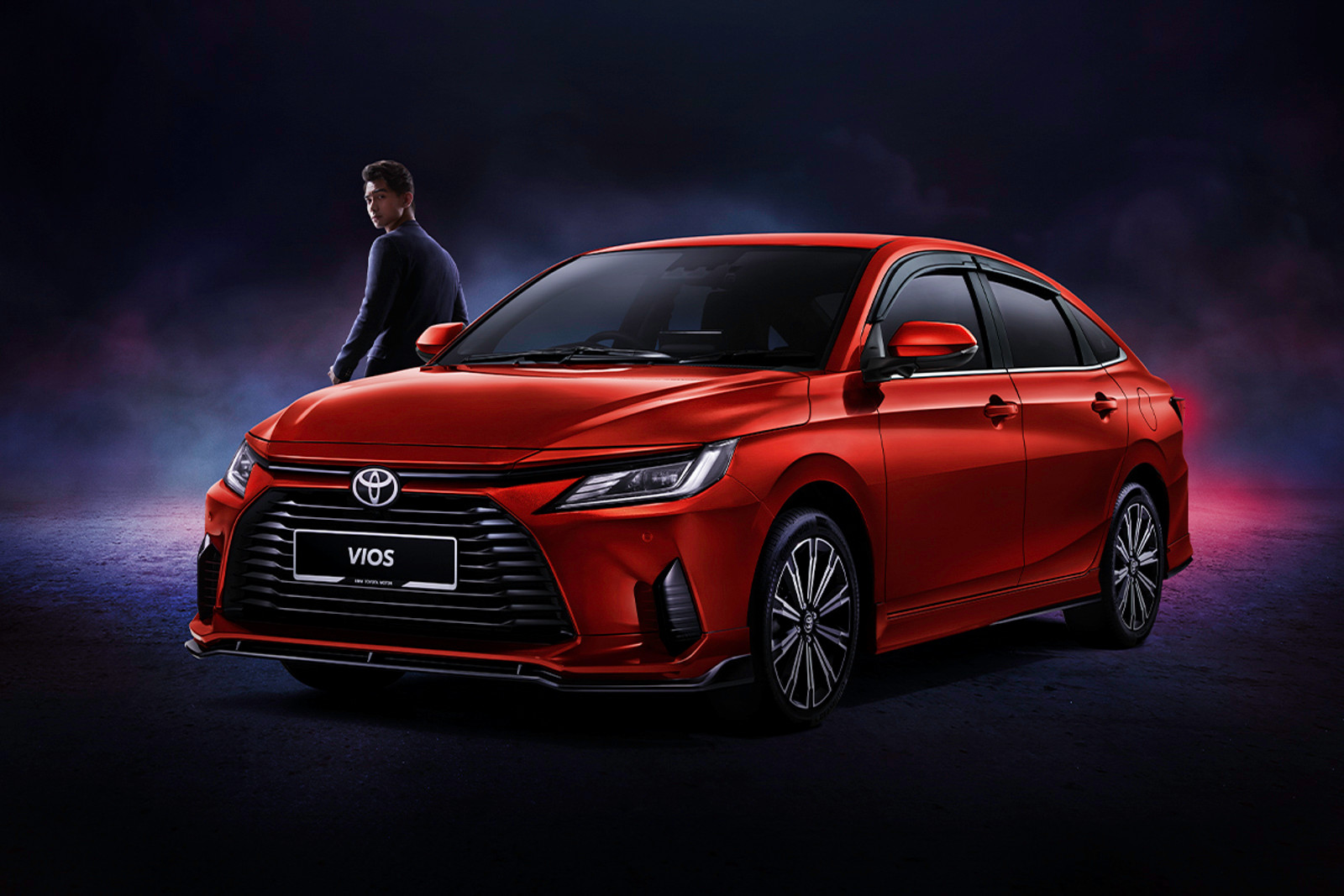
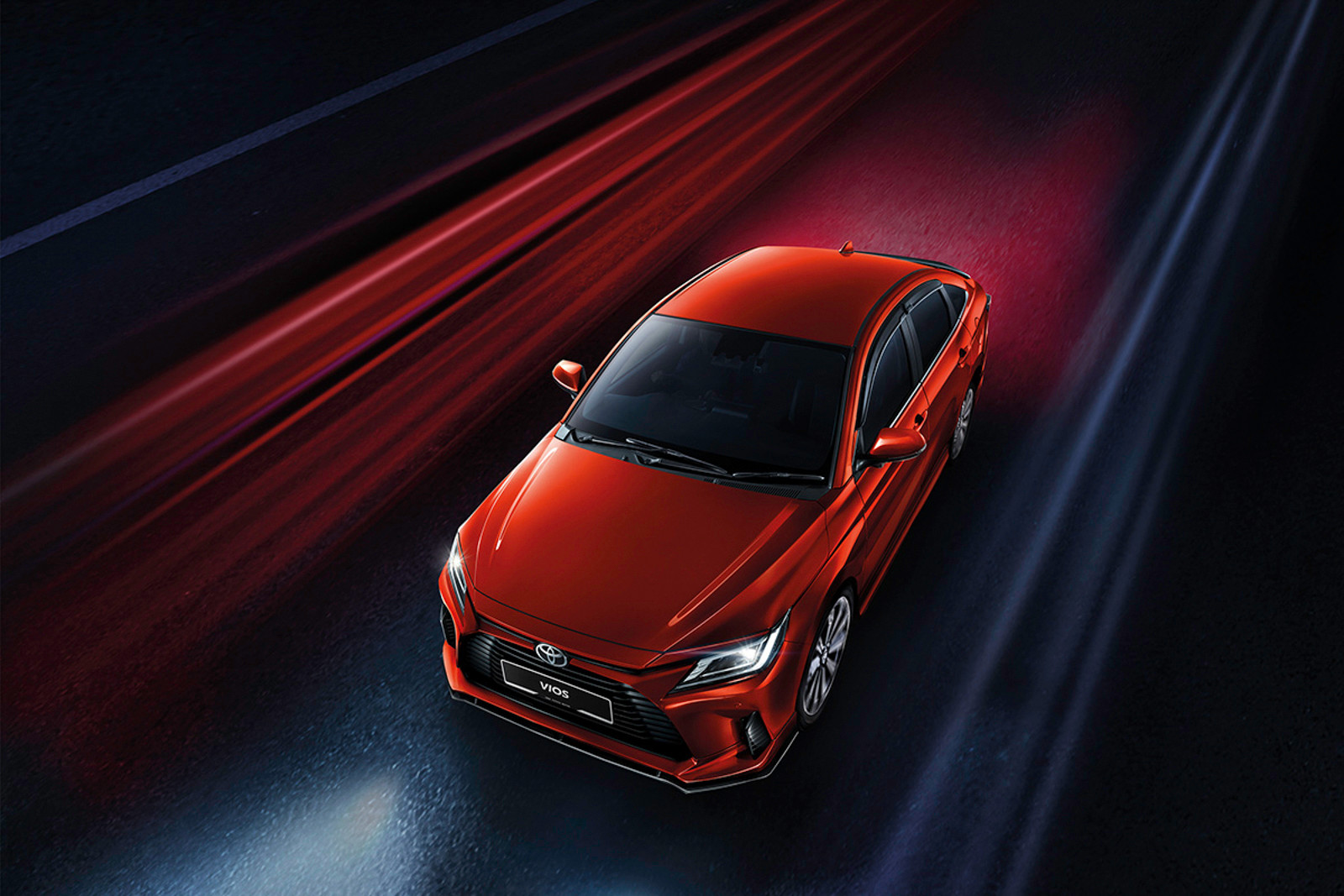
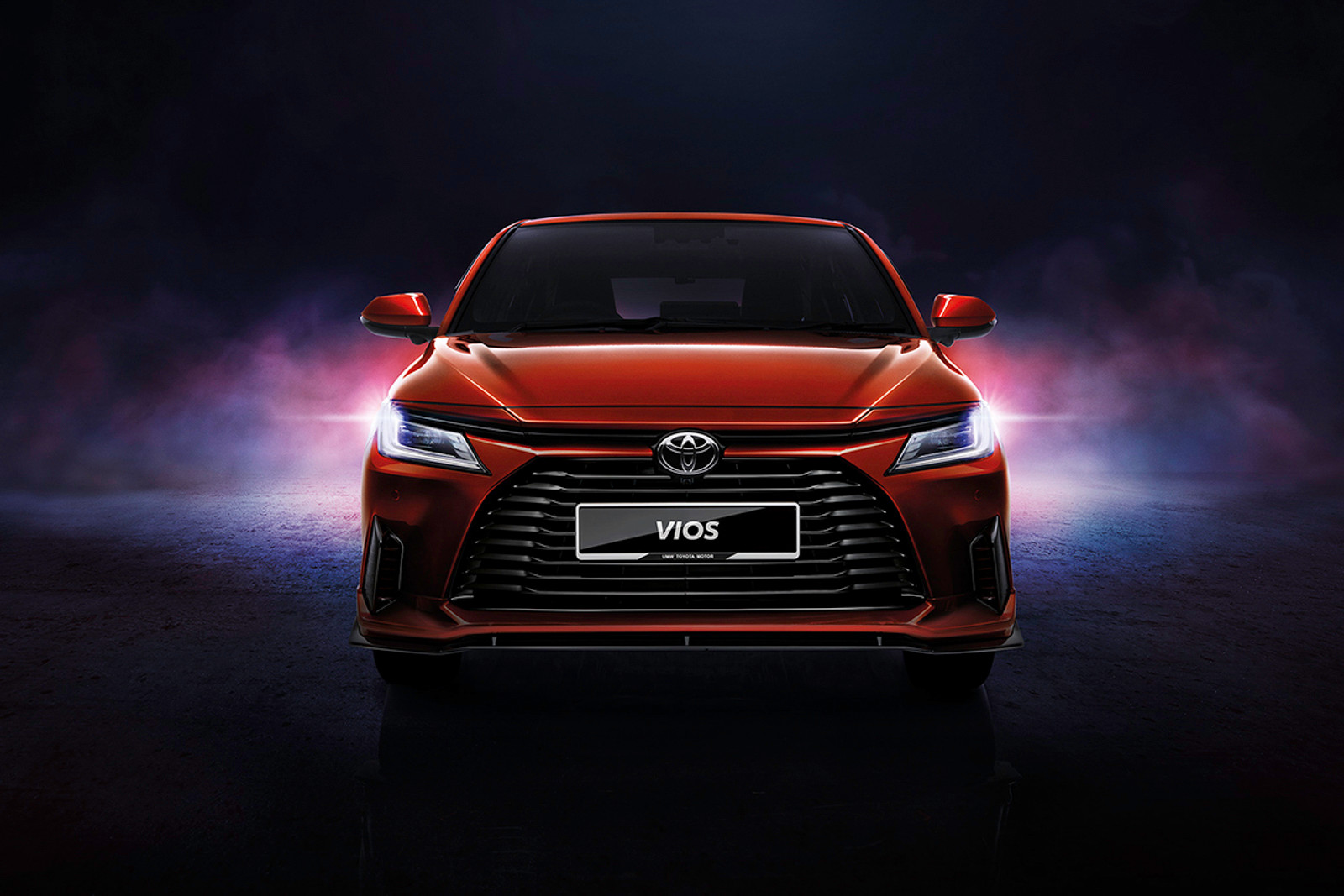
From an exterior perspective, the 2023 Vios 1.5G AT's design is more dynamic compared to the previous generation. The front features a large trapezoidal grille paired with a blacked-out lower bumper, giving it a youthful vibe; the car’s side profile has smooth lines extending from the front fenders to the rear, with a waistline that enhances its three-dimensionality. The 17-inch alloy wheels are meticulously designed and well-proportioned with the vehicle body. At the rear, the LED taillights adopt a continuous design, offering high visibility when lit at night, while the diffuser-like design on the lower rear bumper further reinforces the sporty feel. Regarding the lighting system, full-LED headlamps and daytime running lights come as standard, and the automatic headlights can switch on and off in tunnels or on cloudy days, which is quite practical.
Sitting inside, the interior layout is simple and well-organized. Soft-touch plastic materials are widely used, complemented by silver trims, which, while not luxurious, provide above-average texture within the same class. Taking center stage in the control area is a 9-inch floating touchscreen, supporting wireless Apple CarPlay and Android Auto, with fast connectivity and smooth operation. Below, physical air conditioning buttons have been retained, which are convenient for blind operations. There are numerous highlights in the configuration: the 7-inch TFT instrument display is clear and supports multiple themes; the HUD head-up display projects information such as speed and navigation, eliminating the need to look down at the dashboard. The steering wheel is electrically adjustable, with logically laid-out multifunction buttons and paddle shifters; the front seats offer 6-way electric adjustment (driver's seat) and 4-way manual adjustment (front passenger seat), both with good wrapping and support, ensuring long periods of comfort.
In terms of space performance, with a body size of 4425mm x 1740mm x 1480mm and a wheelbase of 2620mm, the car is within the mainstream of the B-segment. After adjusting the front seats to a comfortable position, a 175cm passenger still has a fist of headroom left; the rear legroom allows for approximately two fists, and the headroom about one fist, ensuring it's not too cramped even with three adults seated in the back. In terms of storage capability, the central armrest box is quite spacious, the door panel storage compartments can hold two bottles of mineral water, and the front row also includes a wireless charging pad and a 220V power outlet, maximizing practicality. The trunk capacity is 475 liters, suitable for several suitcases during daily use, and the rear seats can be folded in a 60:40 split to accommodate longer items if needed.
In the power department, it is equipped with a 1.5L naturally aspirated engine, delivering a maximum of 106PS and peak torque of 138N·m, paired with a CVT gearbox. In actual driving, the initial acceleration is fairly brisk, making it suitable for urban commutes. During low-to-mid-speed acceleration, the gearbox operates smoothly with hardly any noticeable shift shocks. Pressing the accelerator hard results in a slight delay in power output, but once the RPM goes up (around 4200rpm where maximum torque is released), overtaking is manageable. There are three driving modes: ECO, Normal, and Sport. In Sport mode, throttle sensitivity increases, and RPMs remain higher, making the power delivery feel more aggressive. The official combined fuel consumption is 5.2L/100km. During our test drive, which mainly involved city roads with occasional highway use, the actual fuel consumption was about 5.8L/100km, close to the official figure, and fuel economy is impressive.
In terms of handling and chassis, the combination of front MacPherson independent suspension and rear torsion beam non-independent suspension is tuned more towards comfort. When going over speed bumps or uneven roads, the suspension filters out most of the minor vibrations, making the ride relatively smooth for rear passengers. When driving through curves, body roll is kept within a reasonable range, the steering wheel offers good precision with minimal slack, providing a lot of confidence. The braking system features front and rear disc brakes, with a linear braking feel and short stopping distance, offering a strong sense of safety during daily driving.
Safety configuration is a key highlight of this upgrade, with the Toyota Safety Sense system fully equipped as standard: including ACC adaptive cruise control, lane departure warning, active braking, forward collision warning, lane change assist, and more. During high-speed cruising, the ACC can automatically follow other vehicles, reducing driver fatigue. In urban roads, the active braking system responds promptly, effectively avoiding collisions in unexpected situations. Additionally, 6 airbags (front dual airbags, side airbags, front and rear curtain airbags), 360-degree panoramic camera, front and rear radars, and an electronic parking brake are all standard, placing its safety performance among the best in its class.
In terms of driving comfort, noise insulation performance exceeds expectations. At speeds below 60 km/h, road and wind noise are almost non-existent; at 100 km/h, wind noise slightly increases but does not affect in-car conversations. The seat cushioning is relatively soft, and the rear row has air-conditioning vents, ensuring good long-term ride comfort. The engine start-stop technology automatically shuts off the engine at red lights, with the automatic hold feature eliminating the need to keep the brake pressed, making it very convenient.
Overall, the 2023 Toyota Vios 1.5G AT has clear core advantages: comprehensive safety features, practical smart technologies, good fuel efficiency, and balanced space performance. Compared to competitors in the same segment, such as the Honda City or Proton Persona, it has more complete safety configurations. Features like the HUD head-up display and wireless CarPlay are also rare in this class. In terms of price, its RM95,500 price tag places it in the mid to high-end range among B-segment sedans, but considering its features and reliability, it still offers good value for money.
This car has a wide target audience: young families will appreciate its spaciousness and safety features; commuters will value its fuel efficiency; and even tech-savvy young people will be attracted to features like the HUD and wireless CarPlay. Overall, the 2023 Vios 1.5G AT is a well-rounded family sedan with no obvious weaknesses. If you need a reliable, practical, and safe daily commuter car, this would be a great choice.
Toyota Vios Loan Calculator
More Toyota Reviews
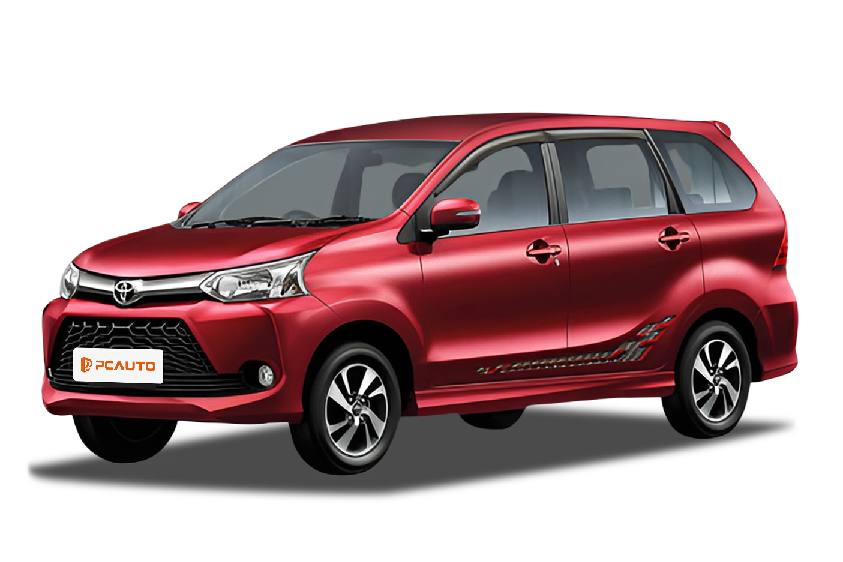
Cars With Similar Price And Features
4
Rank in Sedan
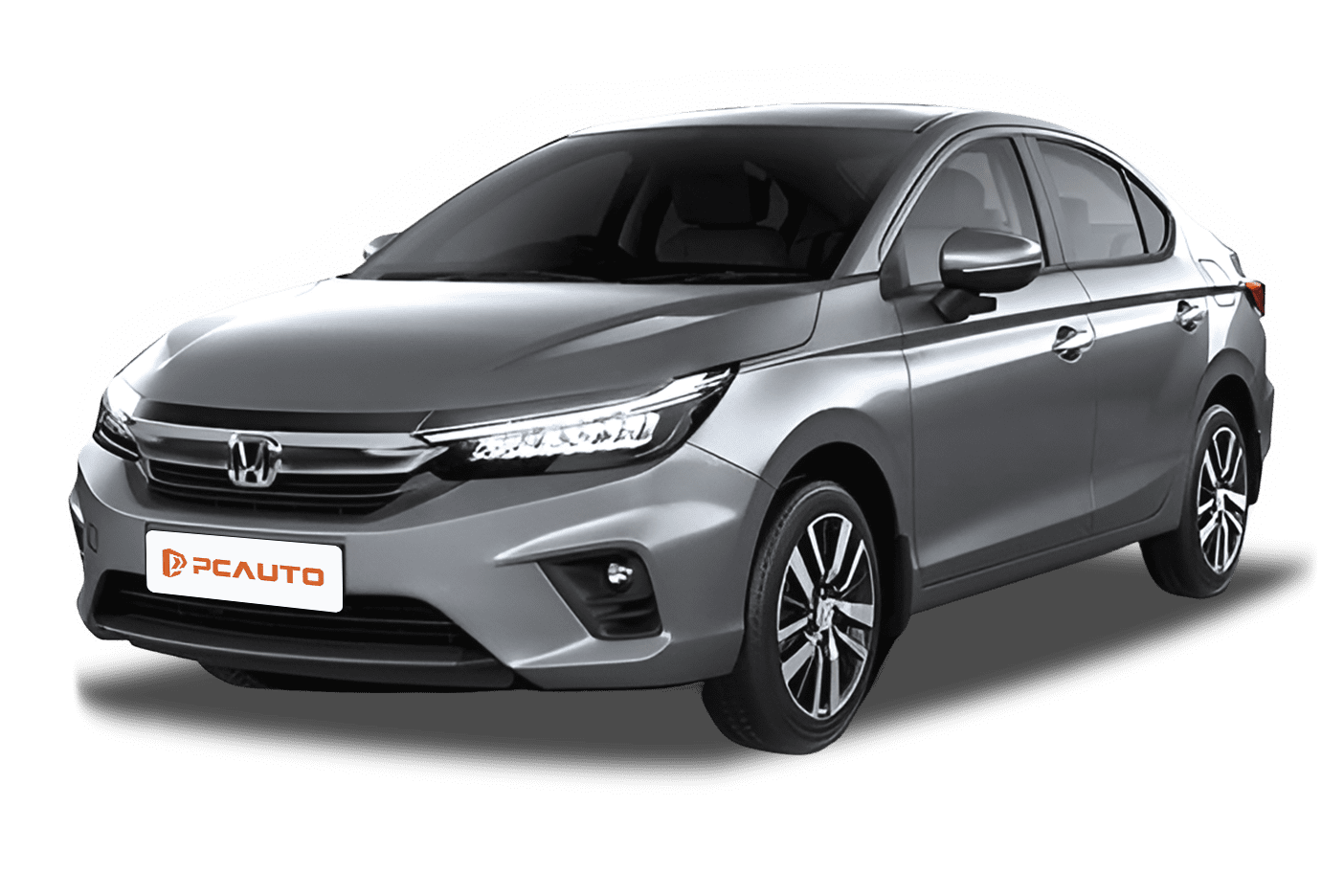
2023 Honda City 1.5 S, as an entry-level B-segment sedan, offers advanced L2 driving assistance and 6 airbags at an affordable price. With practical space and excellent fuel efficiency, it is a high-value choice for family users.