

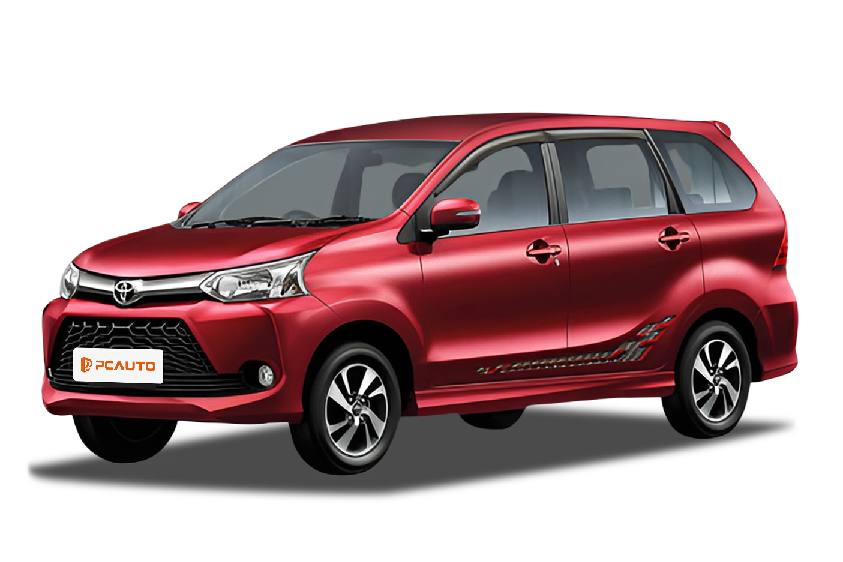
Toyota Avanza Review

 Share
Share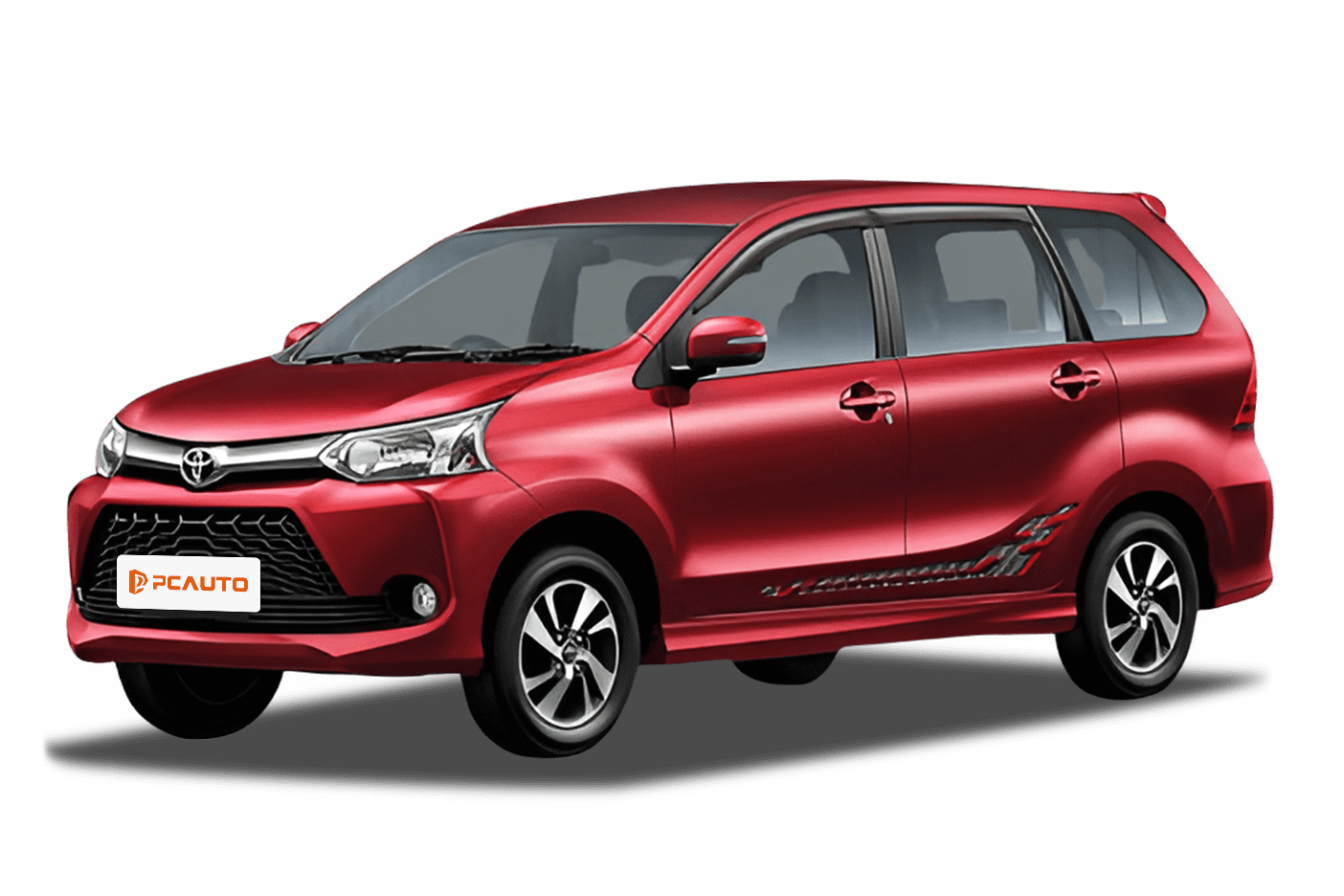
 Segment
 Body Type
 Capacity(L)
 Engine Power(PS)
 Engine Torque(Nm)
 Transmission
The B-segment MPV market has always been a core choice for Malaysian family users, needing to satisfy the economy of daily commuting while also addressing the practicality of accommodating multiple passengers. The Toyota Avanza, a regular in this segment, naturally draws considerable attention with news of its upcoming 2022 launch. According to the information currently available, the new Avanza is likely to see upgrades in design, features, and comfort. This test drive focuses on verifying whether these enhancements truly improve its product strength and whether it remains competitive among vehicles of the same class.
At first glance, the 2022 Avanza gives a more aggressive impression at the front. The trapezoidal grille has been enlarged, with a honeycomb pattern replacing the horizontal chrome strips of the previous model. Together with the sharper LED headlights on both sides, the overall recognizability is significantly enhanced. The side profile retains the practical MPV silhouette, but the waistline, which extends from the front fender to the taillight at a sharper angle, coupled with the 16-inch multi-spoke alloy wheels (slightly larger than the previous model's 15 inches), provides a more dynamic appearance. Changes at the rear are concentrated on the taillights, which now feature a full-width LED light strip design that is highly recognizable when illuminated. A black plastic skid plate has also been added under the rear bumper, giving it a slightly crossover style.
Sitting inside, the interior layout is simpler compared to the previous model. The dashboard adopts a tiered design, with the upper layer housing an 8-inch floating touchscreen (the 1.5S+ of the previous model had an embedded screen) that supports Apple CarPlay and Android Auto, with improved operating smoothness. The lower layer retains physical air conditioning controls, with the knobs and buttons feeling more refined in resistance than the previous model. In terms of materials, the upper part of the dashboard remains hard plastic, but the inner side of the door panels and the seats now feature a new fabric texture that feels more comfortable than the previous version. In terms of features, the high-spec models now come with automatic air conditioning (the previous model had manual air conditioning across all trims) and the rear air conditioning vents have been retained while adding an independent temperature control knob. The multifunction steering wheel now includes a voice control button. Although the instrument panel remains backlit and analog, the screen size has been slightly enlarged and can display more information.
Space remains one of Avanza's strong suits. The vehicle dimensions are 4235mm×1730mm×1695mm, with a wheelbase of 2655mm (45mm longer and 70mm wider than the previous model). The front row provides ample room, with 175cm passengers having a fist-width of headroom. The second-row seats support 50:50 sliding and splitting, with sliding distance increased by 5cm compared to the previous model. When fully adjusted back, rear passengers have two fists of legroom. The third-row seats are suitable for children or short trips, but adults may feel slightly cramped during extended periods. Storage-wise, the door panels have compartments that can hold two bottles of mineral water, a hidden storage box is located under the console area, and the trunk has a capacity of 200L in a 7-seater configuration, expandable to 550L by folding down the third-row seats, sufficiently meeting daily household needs.
In terms of powertrain, the new Avanza continues to be equipped with a 1.5L naturally aspirated engine, delivering a maximum power of 106PS (6000rpm) and a maximum torque of 138N·m (4200rpm), which are 1PS and 3N·m improvements over the previous model. It is paired with a CVT transmission (the previous model used a 4AT), significantly improving shift smoothness. Acceleration from a stop feels peppy, suiting urban traffic conditions. Power output remains steady at speeds up to 60km/h. During overtaking, more throttle is needed, with RPMs climbing above 4000rpm to achieve noticeable thrust. There are two driving modes: Eco and Normal. In Eco mode, throttle response is smoother, making it more suitable for highway cruising.
Handling performance is average, with a light steering effort and more precise directional control compared to the old model, making it suitable for female drivers. The chassis still adopts the front MacPherson independent suspension and rear non-independent suspension, but the suspension tuning is softer than the old model. When going over speed bumps or uneven roads, vibrations are filtered more effectively, significantly improving rear passenger comfort. During cornering, the body tilt is slightly controlled but remains more stable than similar MPVs. In fuel consumption tests, the urban fuel consumption is 7.2L per 100 km, while highway consumption is 5.8L per 100 km, approximately 0.5L less than the old model, showing good fuel economy.
In terms of driving and riding comfort, the noise control of the new Avanza has improved. At high speeds, wind and tire noise are reduced by about 3 decibels compared to the old model, mainly due to the optimization of the car door seals. Engine noise may enter the cabin when the RPM exceeds 3000, but during daily driving, the RPM usually stays below 2000, so the impact is minimal. Seat comfort has been significantly improved, with the new fabric seat cushioning being thicker and better lumbar support, reducing fatigue during long drives.
Overall, the core advantages of the 2022 Toyota Avanza lie in its practicality, fuel efficiency, and noticeable configuration upgrades. Compared to the Perodua Alza in the same segment, the Avanza has better brand recognition and more comfortable suspension tuning. Compared to the Honda BR-V, the Avanza is more budget-friendly with an estimated price range of RM 85,000 to RM 95,000. It is suitable for users prioritizing family practicality, especially those frequently needing to accommodate 5-7 passengers and have a budget of around RM 90,000.
The new Avanza enhances its youthful image through design updates, addresses the pain points of the old model with configuration optimizations, and maintains its class-leading strengths in space and fuel economy. Although the power improvement is not significant, the addition of the CVT transmission enhances the driving experience. Overall, it remains a reliable choice in the B-segment MPV market, suitable for family users who value balanced performance.
Toyota Avanza Car Compare
More Toyota Reviews
Cars With Similar Price And Features
1
Rank in MPV
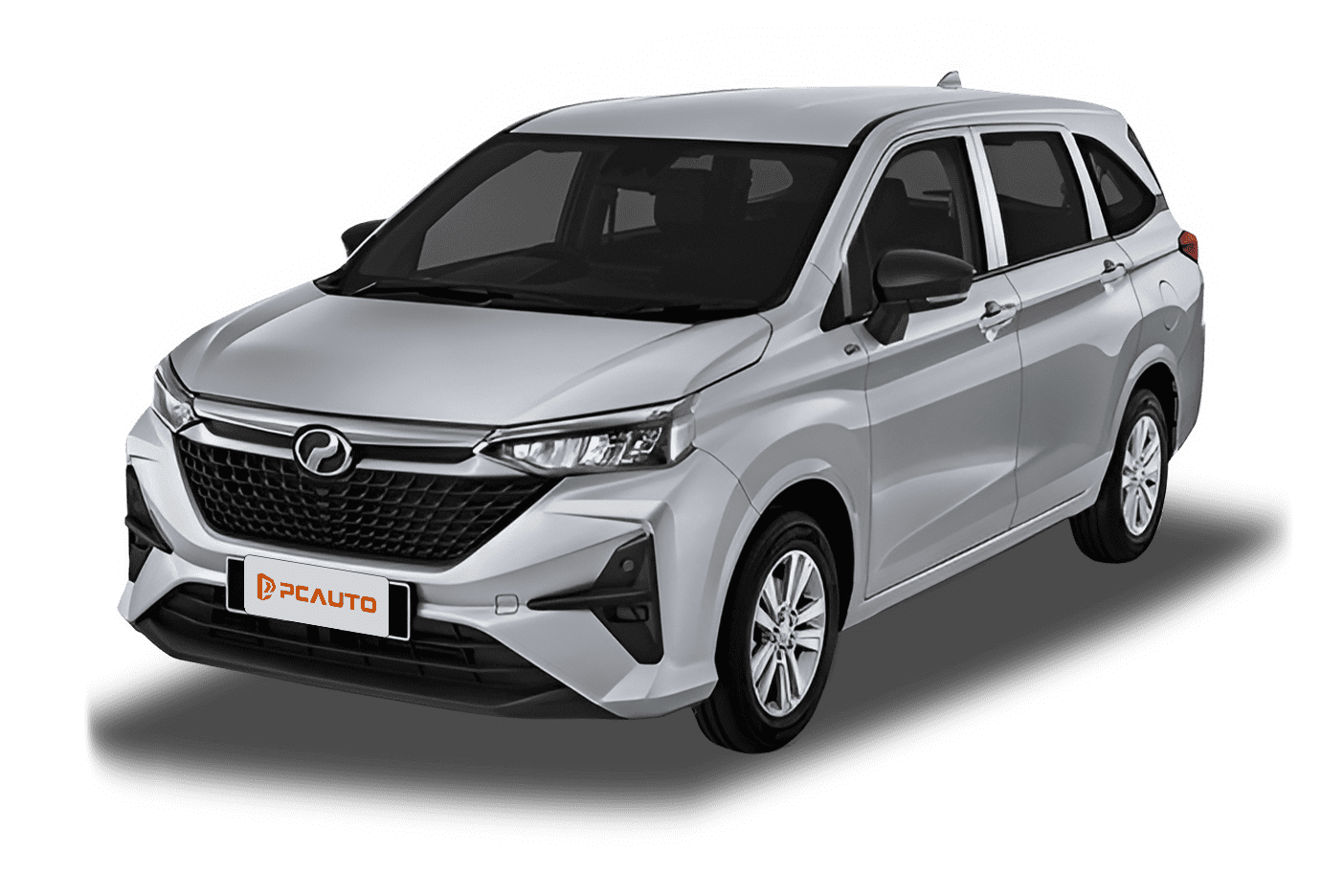
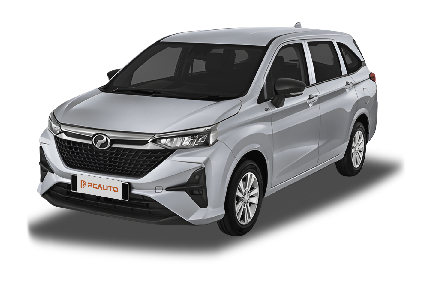
2023 Perodua Alza 1.5 AV, as a top-tier B-segment MPV, offers spacious space, low fuel consumption of up to 4.6L/100km, upgraded safety and intelligent features, making it a practical choice for families.
4
Rank in MPV
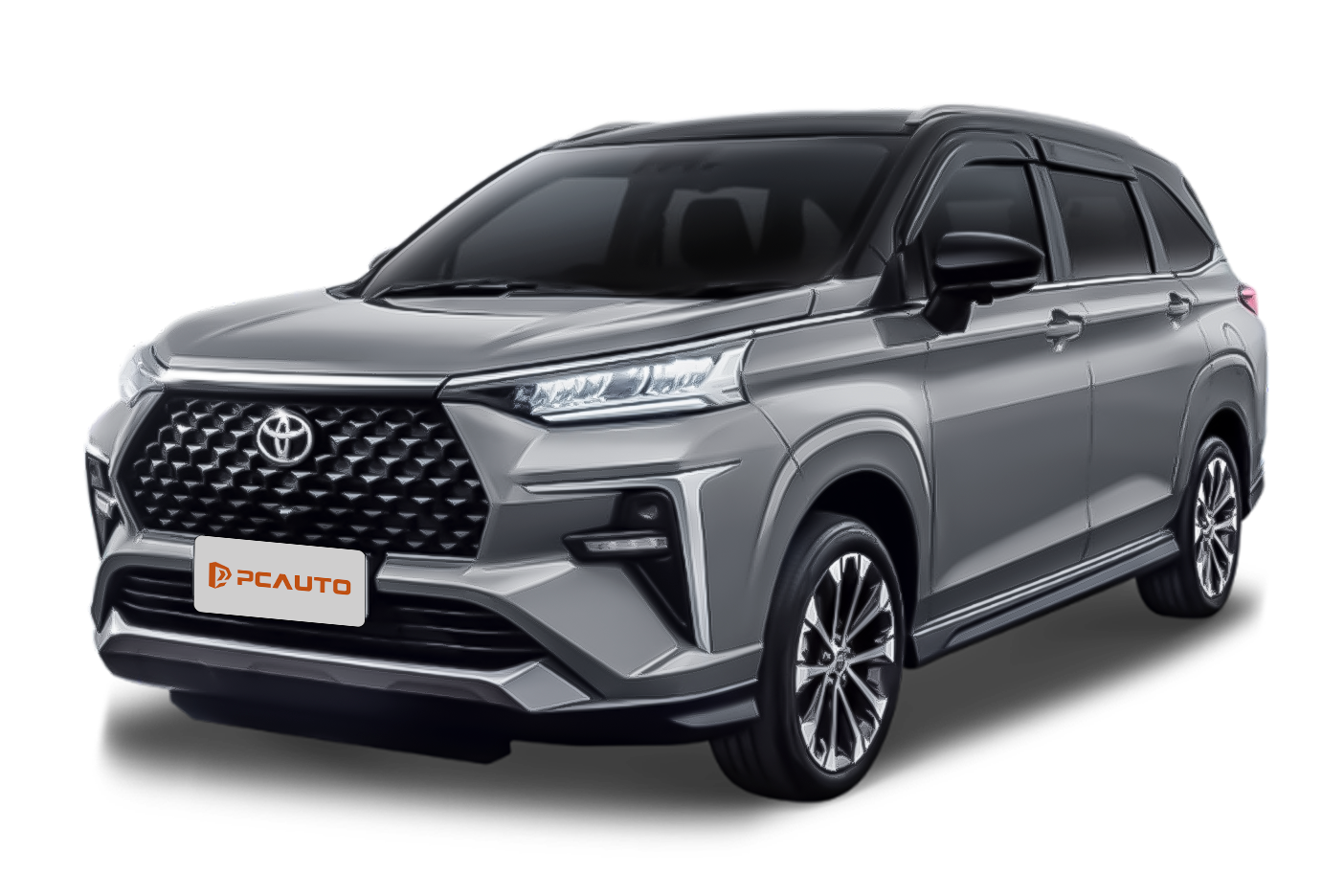
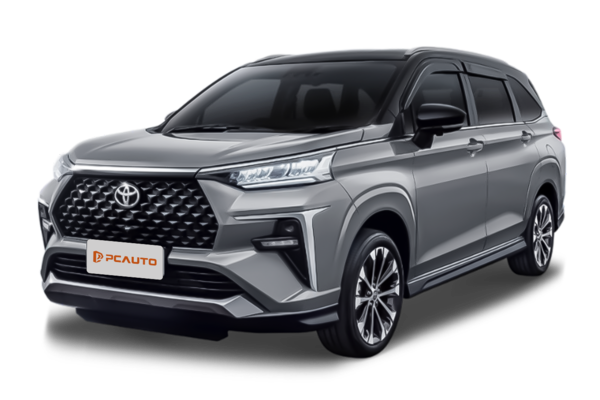
2023 Toyota Veloz 1.5 AT is a high-value family MPV that offers comprehensive safety features, flexible 7-seat space, and economical fuel consumption, making it suitable for practical and safety-conscious family users.
3
Rank in MPV
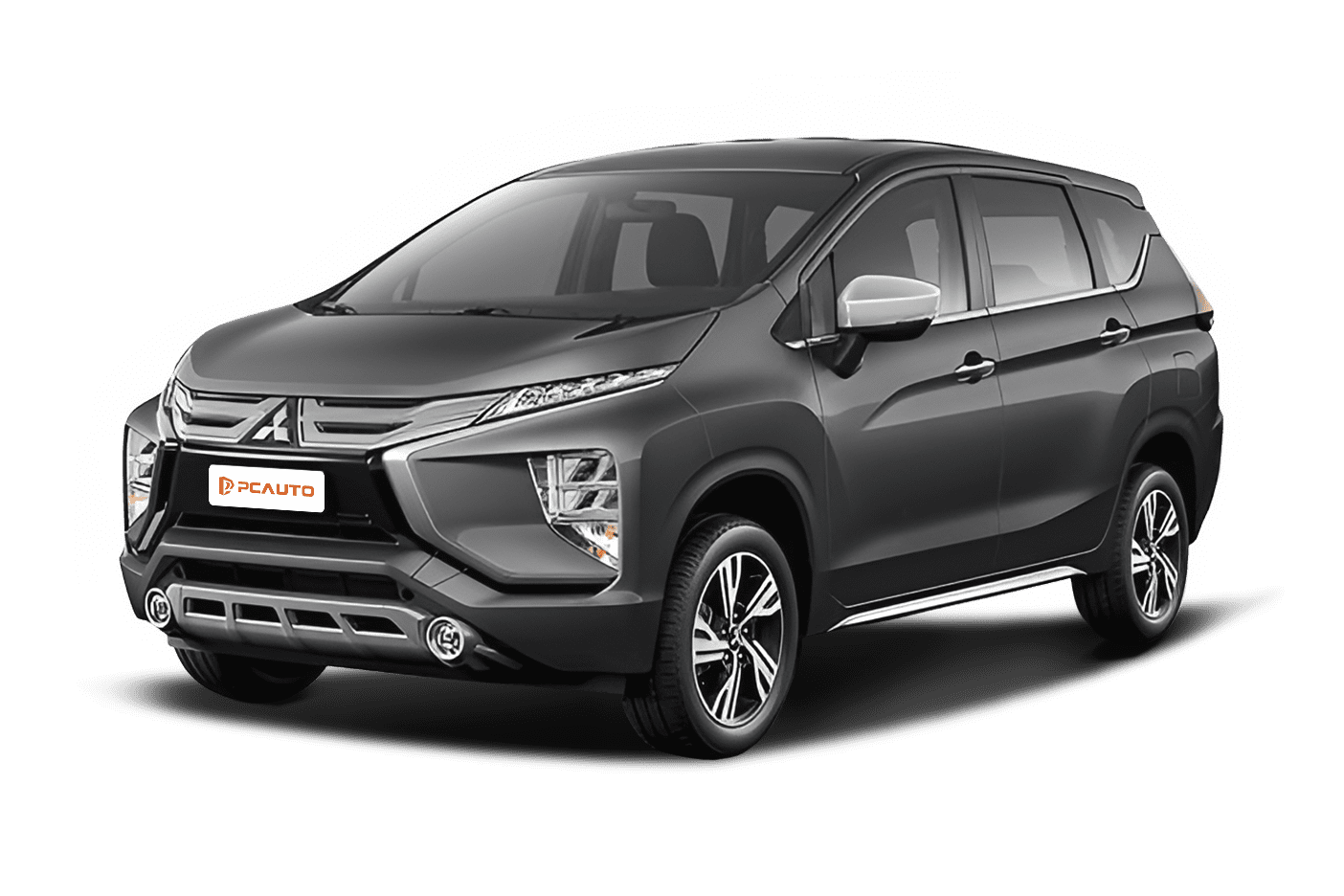
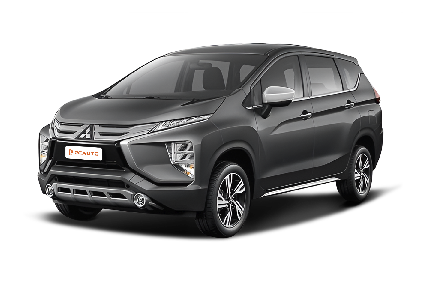
The 2024 Mitsubishi Xpander is a B-Segment MPV targeted at family users, featuring flexible space, upgraded practical configurations, and a comfortable driving experience as its core selling points, while balancing off-road capability and cost-effectiveness.