Reference Only. Update Soon
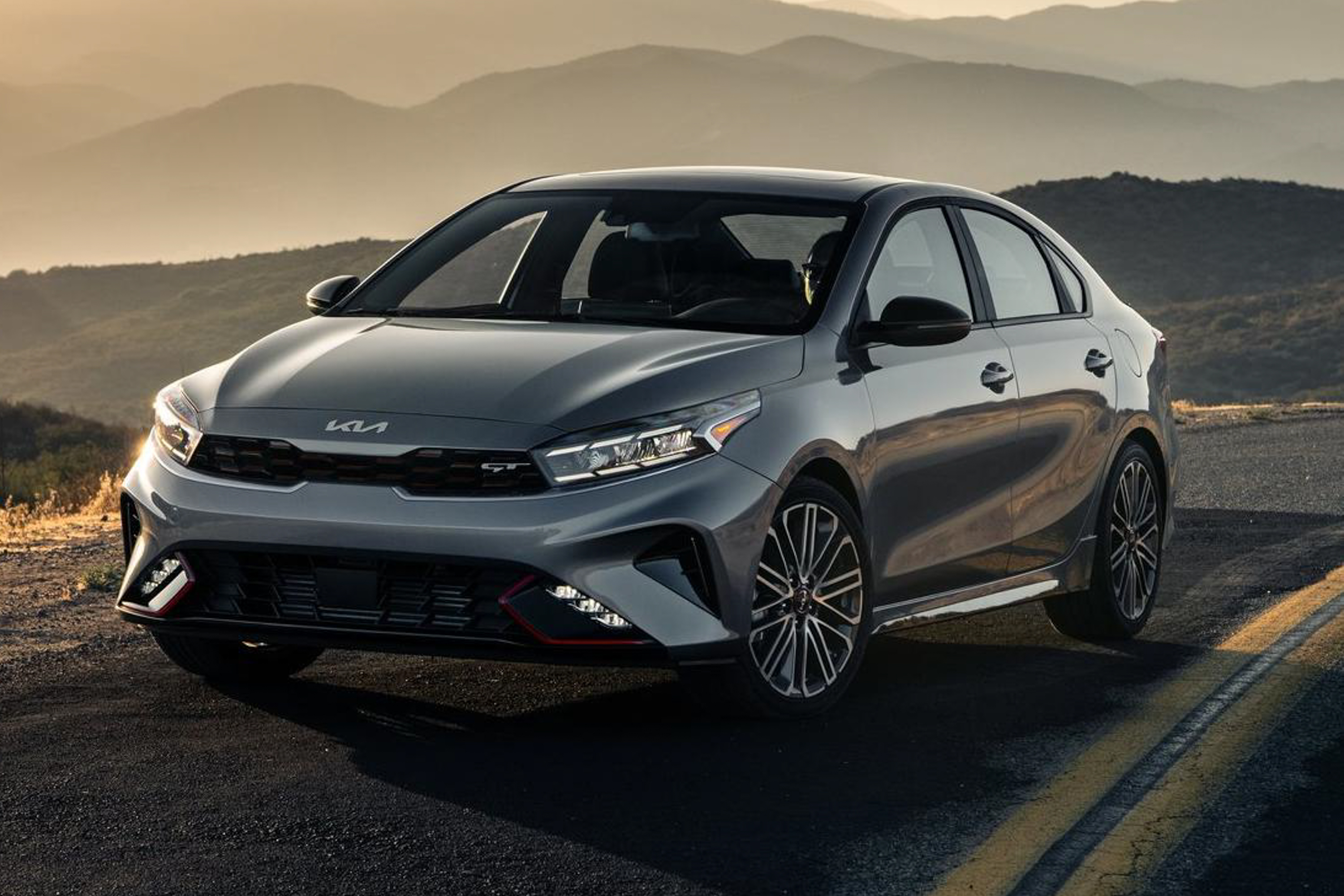
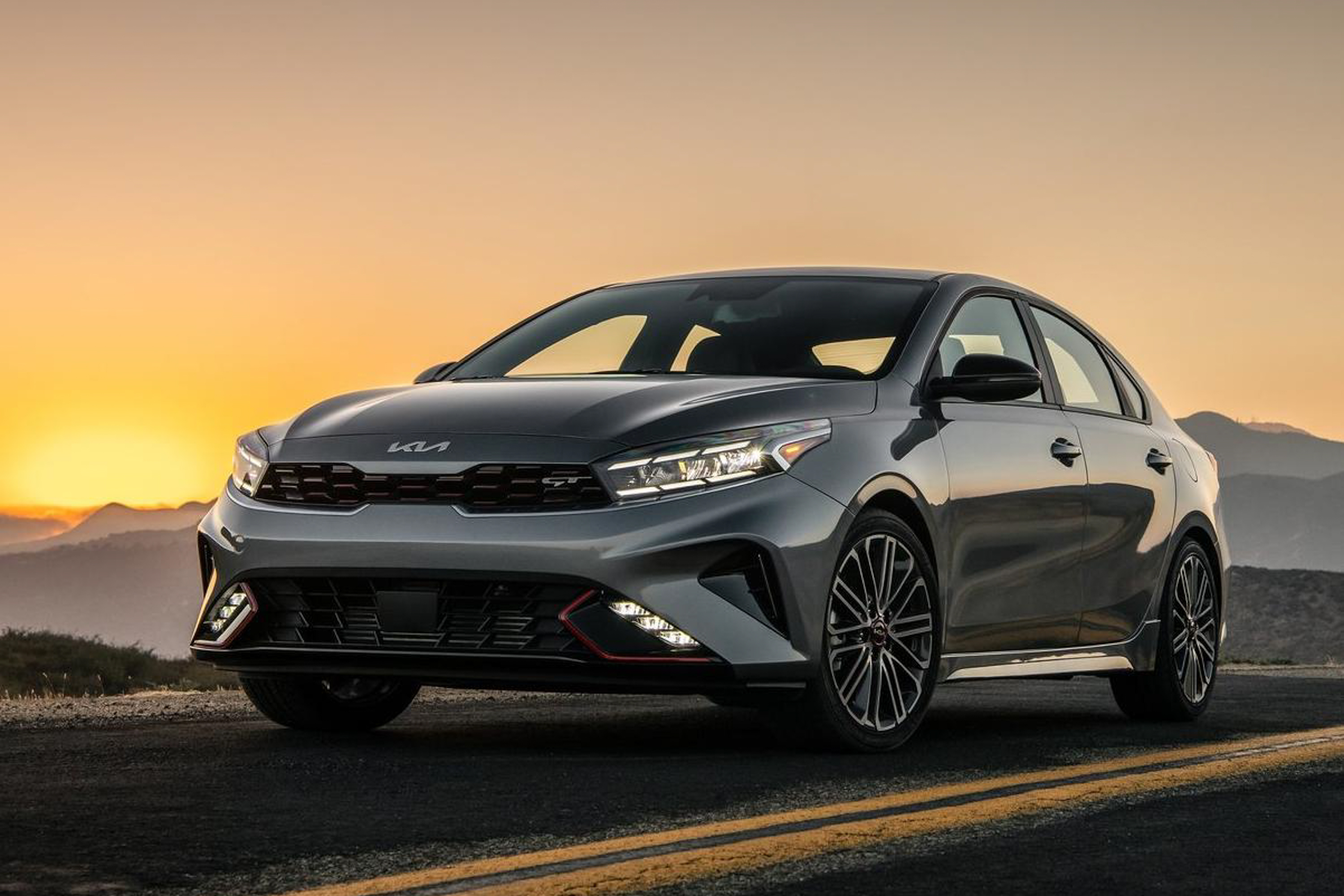
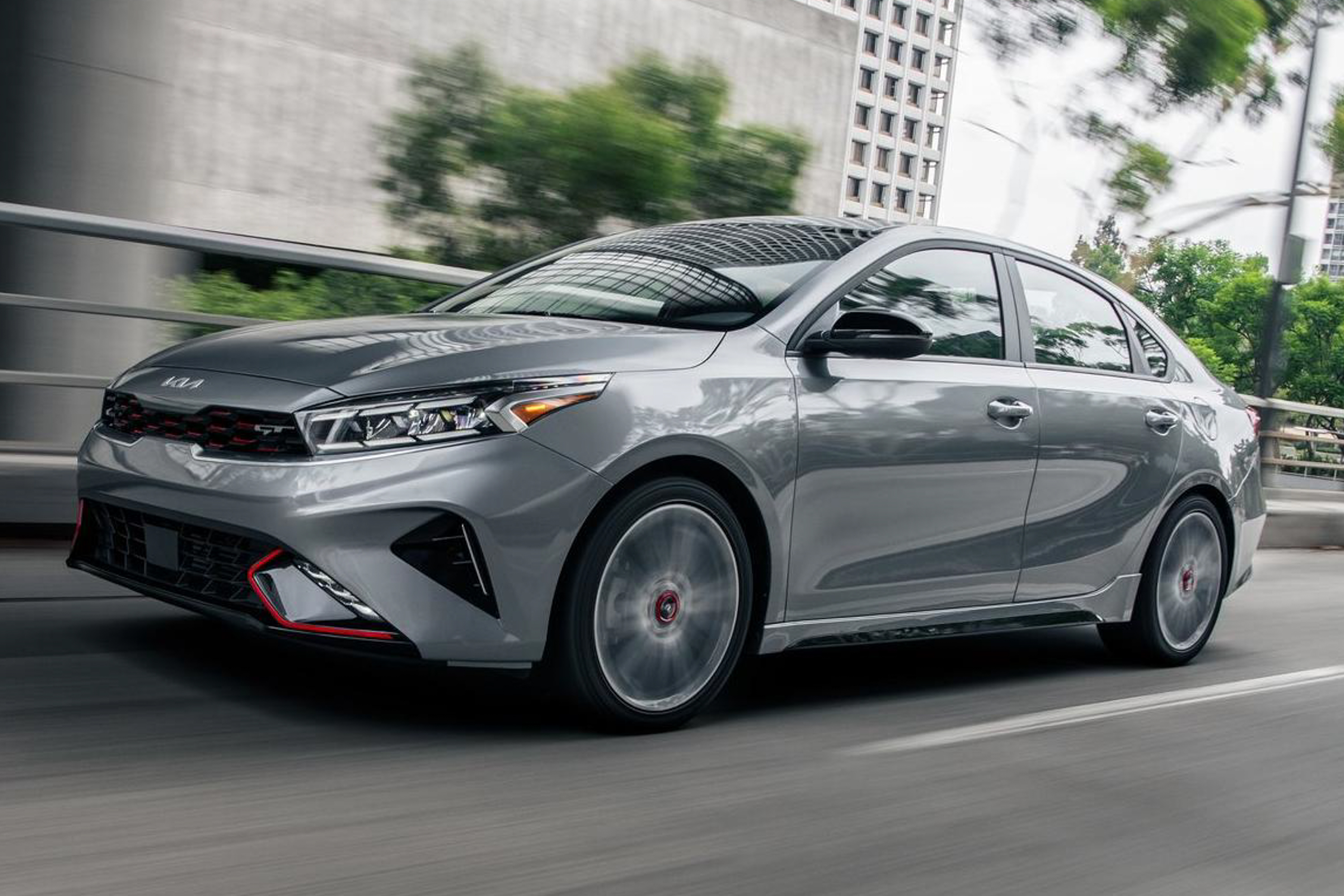
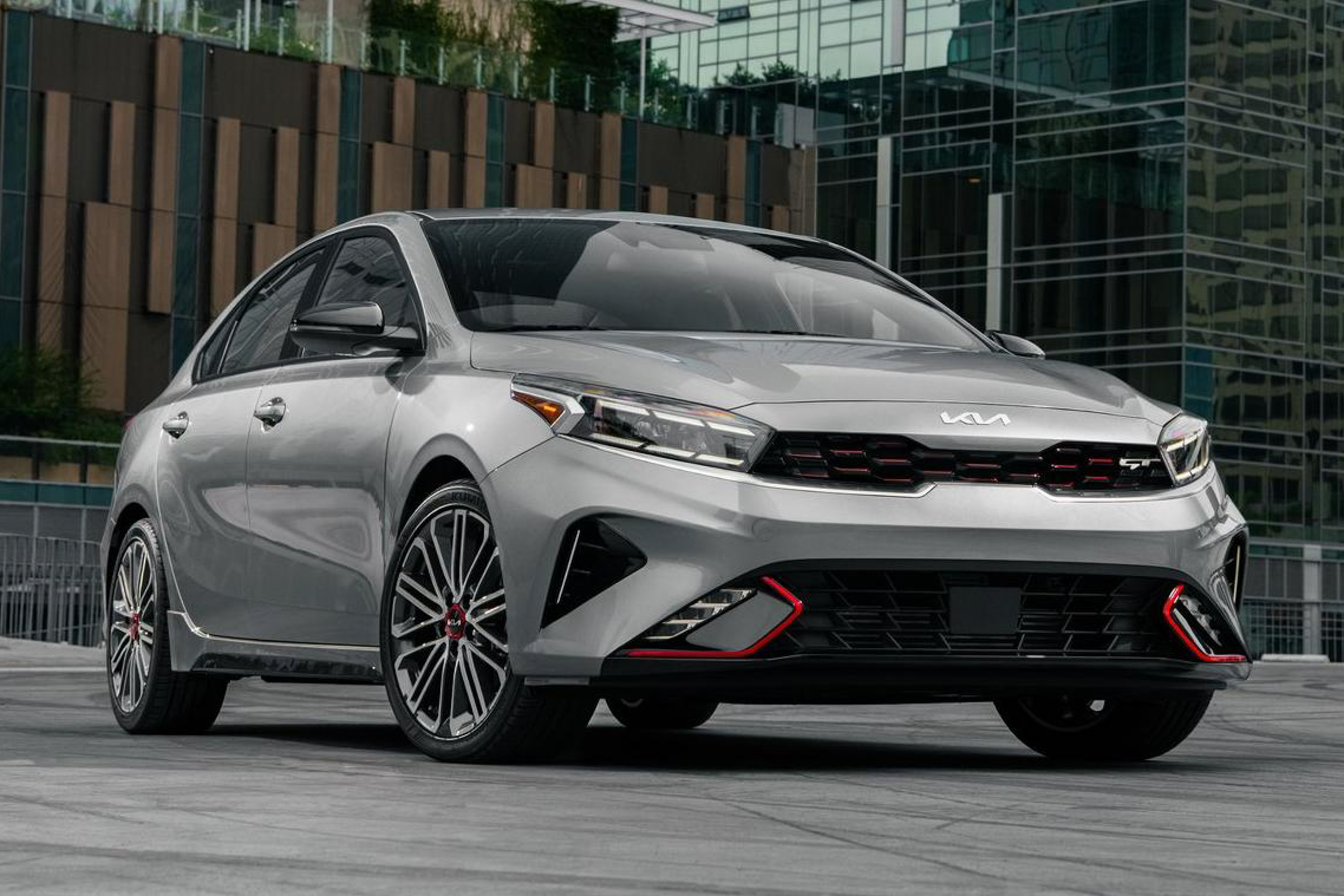
2023 Kia Forte LX 2.0L
Price
RM 90,000
Select a Vehicle Variant
2023 Kia Forte LX 2.0L RM 90,000
Summary
Meet the 2023 Kia Forte LX 2.0L – a C-Segment Sedan launched in 2023. Starting at RM 90,000, it seats 5 people comfortably. Its size (4640mm long, 1800mm wide, 1435mm tall) means plenty of room inside. Great for families needing space that's still easy to drive in town.
It handles highways easily with a top speed of -km/h. The 1999cc engine gives good power and fuel economy. Whether it’s daily drives or weekend trips, this car offers great value, modern looks, and solid performance all in one package.
It handles highways easily with a top speed of -km/h. The 1999cc engine gives good power and fuel economy. Whether it’s daily drives or weekend trips, this car offers great value, modern looks, and solid performance all in one package.
Core Specs

Segment
C-Segment

Engine Capacity(cc)
1999

Transmission
AT

Fuel Comsumption (L/100km)
7.8

Fuel Tank(litres)
53

Top Speed(km/h)
-

Seats
5

Length(mm)
4640

Width(mm)
1800

Height(mm)
1435

Wheelbase(mm)
2700

Boot Volume(L)
433
Kia Forte Dealers
Related Q&A
View More >Q
What is the most common problem with Kia Optima?
There is no definite information indicating that the Kia Optima has an extremely common problem. As a D - class sedan, the Kia Optima has a certain customer base in the Malaysian market. In terms of vehicle configuration and design, it is equipped with practical features such as automatic headlights, rear fog lights, and rain - sensing wipers, and it has relatively high reliability in daily use. It comes in different versions, EX and GT, with differences in engine performance, but both have undergone strict testing and tuning.
However, after long - term use, some models may experience problems with some vulnerable parts due to factors such as the usage environment and driving habits. For example, tire wear. The front tire size is 215/55 R17. If the car is often driven on poor - quality roads or the driver has an aggressive driving style, the tire wear will accelerate. Another example is the suspension system. When facing complex road conditions, the front MacPherson independent suspension and the rear multi - link suspension may experience some wear and tear, but this is not a widespread and common problem.
 CharmingFeb 16, 2026
Q
Is the Kia Optima a good car?
The Kia Optima is a mid - size sedan that has performed quite well in the Malaysian market. It's favored by many consumers for its high cost - effectiveness and rich configurations. The Optima features a stylish and grand exterior design. It adopts Kia's signature tiger - nose grille, and the overall lines are smooth, meeting modern aesthetic standards.
In terms of the interior, it offers comfortable seats and spacious seating space. The materials used and the workmanship are above average in its class. When it comes to technological features, some models are equipped with a large central control screen, Apple CarPlay, and Android Auto, which enhance driving convenience.
Regarding power, in the Malaysian market, the Optima mainly offers 2.0L and 2.4L naturally - aspirated engine options. The power output is smooth, making it suitable for city driving. At the same time, it also has good fuel economy.
In the area of safety features, it comes with multiple active and passive safety systems, such as the Electronic Stability Control system and multiple airbags, which can meet daily needs. The after - sales service network of the Optima in Malaysia is relatively well - established, and maintenance is relatively convenient.
However, as an imported vehicle, its price may be slightly higher than some locally - assembled competitors. But considering its overall quality and configurations, it's still a worthy option. If you're looking for a mid - size sedan that combines comfort and practicality, the Kia Optima can be added to your candidate list.
 GentlestFeb 16, 2026
Q
Why was the Kia Optima discontinued?
The discontinuation of the Kia Optima (known as the K5 in some markets) is mainly due to the strategic adjustment of the global automotive market and changes in consumer demand. The brand is concentrating its resources on the R & D of more popular SUV models and the electrification transformation. With the increasing sales of SUV models such as the Sportage and Seltos in markets like Malaysia, Kia has gradually scaled back its mid - size sedan product line to adapt to market preferences.
In addition, the segment where the Optima belongs is highly competitive, with long - standing dominant models like the Toyota Camry and Honda Accord, which further prompts Kia to optimize its product layout. For Malaysian consumers, although the Optima is well - known for its stylish design and rich configurations, the local market has a stronger demand for SUVs and cost - effective models. For example, Kia itself has launched new models like the Sorento and EV6 to keep up with the trend.
In the future, Kia plans to expand its electrified vehicle lineup, including the upcoming EV5 and other models, which may offer more diverse choices for Malaysian users. If you're fond of sedans similar to the Optima, you can keep an eye on the brand's Cerato or consider the upcoming electric sedans, which have upgrades in terms of technology and space.
 IrisFeb 16, 2026
Q
What is the best model of the Kia Sportage 2024?
The 2024 Kia Sportage has shown an outstanding performance in the Malaysian market. Among all the models, the most recommended one is the Sportage GT - Line equipped with a 1.6 - liter turbocharged gasoline engine. This model not only boasts a powerful output of 180 horsepower but also comes with an advanced all - wheel drive system and an 8 - speed automatic transmission, making it highly suitable for Malaysia's ever - changing road conditions.
The GT - Line version also comes standard with a panoramic sunroof, a 12.3 - inch full - LCD instrument cluster, and a 10.25 - inch central control touchscreen, exuding a strong sense of technology. Moreover, it is equipped with a full set of intelligent driving assistance systems, including adaptive cruise control and lane - keeping assist, significantly enhancing driving safety.
It's worth mentioning that the 2024 Sportage is built on Kia's latest third - generation platform. While the body rigidity has been improved, the weight has been reduced, and fuel economy has also been enhanced, which is an important consideration for Malaysian consumers.
If you have a limited budget, the entry - level 2.0 - liter naturally aspirated version is also a good choice. Although its power is slightly weaker, the maintenance cost is lower.
When choosing an SUV, Malaysian consumers should not only focus on performance and configuration but also consider after - sales service and warranty policies. The 5 - year unlimited - mileage warranty provided by Kia Malaysia is quite competitive, which is also one of the reasons why the Sportage is popular in the local market.
 PeacefulPondFeb 16, 2026
Q
Does the Kia Sportage 2024 have enough power?
The 2024 Kia Sportage's power performance is more than enough to meet the daily needs of Malaysian users. Its 2.0 - liter naturally - aspirated gasoline engine can output 156 horsepower and 192 Nm of torque. Paired with a 6 - speed automatic transmission, it offers a smooth driving experience on both city roads and highways. Meanwhile, the 1.6 - liter turbocharged version boasts a more impressive 180 horsepower and 265 Nm of torque, making it a great choice for drivers with higher power requirements.
This vehicle performs excellently in Malaysia's tropical climate and diverse road conditions. It also has good fuel economy, which meets the local consumers' demands for practicality and cost - effectiveness. Moreover, the chassis tuning of the Sportage strikes a balance between comfort and handling, allowing it to easily handle the common city congestion and suburban curves in Malaysia. For family users or long - distance driving, its power reserve is more than sufficient. At the same time, Kia's intelligent driving assistance system enhances driving safety and convenience.
If you're looking for even more power, you can consider the models equipped with hybrid systems. These new - energy vehicles are gradually gaining popularity in the Malaysian market. They not only enjoy tax incentives but also reduce the long - term cost of vehicle ownership.
 HappyDragonFeb 16, 2026
Q
Do Kia Optimas last long?
The Kia Optima (also known as the K5 in Malaysia) can have a long service life if properly maintained. Its durability mainly depends on regular maintenance and driving habits. This model is equipped with 2.0L or 2.4L naturally aspirated engines and a 1.6T turbocharged engine, which feature mature technologies. If you replace consumables such as engine oil and transmission fluid on time and follow the maintenance intervals recommended by the manufacturer, it can usually run stably for over 150,000 to 200,000 kilometers. The hot and humid climate in Malaysia poses higher requirements for vehicle maintenance. It is recommended to pay special attention to the inspection of the cooling system, air - conditioning system, and rubber parts to delay aging. With the progress of modern automobile manufacturing technology, the durability gap among most brand models is gradually narrowing. The key lies in whether the owner adheres to standard maintenance. For consumers considering buying a used Optima, it is recommended to focus on checking the condition of the transmission, whether the engine leaks oil, and whether the electronic devices are working properly. At the same time, check the complete maintenance records. If the vehicle's history can be confirmed to be good, the Optima is also a good choice.
MoonlitPathFinderFeb 16, 2026Q
Is Kia Optima expensive to fix?
In Malaysia, the maintenance costs of the Kia Optima are above the medium level, specifically depending on the model year, parts availability, and the type of maintenance. It may be slightly higher compared to Japanese cars in the same class, but it's still within a reasonable range. As a mid - size sedan, the prices of the Optima's original parts are relatively high, especially for imported components. However, local third - party repair shops usually offer more economical alternatives, such as using compatible parts or refurbished ones to reduce costs.
The costs of regular maintenance items like oil changes and filter replacements are similar to those of mainstream brands, ranging from about 300 to 500 Malaysian Ringgit. But if it involves complex repairs such as the gearbox or turbocharging system, the costs may rise significantly. It's worth noting that Kia's dealer network in Malaysia has been gradually improved in recent years. During the original factory warranty period, it's recommended to choose an authorized service center to safeguard your rights. Meanwhile, some repair shops also offer installment - payment options to relieve the financial pressure.
For long - term owners, it's advisable to purchase an extended warranty plan or a regular maintenance package, which can effectively control the later - stage costs. Generally speaking, although the maintenance expenses of the Optima are not the lowest, they are still competitive when compared with the configuration and driving experience it offers. Car owners can optimize their expenses by comparing quotes and making good use of insurance terms.
 SunnySoulSparkleFeb 16, 2026
Q
Is the Kia Optima a luxury car?
The Kia Optima is positioned as a mid - to large - sized sedan in the Malaysian market. Although it offers some high - end features and a comfortable experience, strictly speaking, it doesn't fall into the category of luxury cars. Its positioning is more towards a "high - value mid - to high - end family sedan."
In the Malaysian market, the Optima comes with features such as leather seats, high - end audio systems, and intelligent driving assistance systems. Some of its specifications are even close to those of entry - level luxury cars. However, compared with traditional luxury brands like Mercedes - Benz and BMW, there are still obvious differences in brand premium, material details, and overall tuning.
For Malaysian consumers, the advantage of the Optima lies in providing a space and features similar to those of luxury cars at a relatively affordable price, making it suitable for buyers who seek both practicality and comfort. It's worth noting that in the Malaysian market, the definition of a luxury car includes not only the level of features but also factors like brand recognition and after - sales service networks. Since the Kia brand mainly offers economy and mid - range models in the local area, the Optima is more appropriately regarded as a "semi - luxury" or "light - luxury" vehicle.
If you're looking for a truly luxurious sedan in Malaysia, you may need to consider higher - end brands. But if you have a limited budget and still want an experience similar to that of a luxury car, the Optima would be a worthy compromise.
 FrostyBreezeWhisperFeb 16, 2026
Q
What years of Kia Optima to avoid?
In the Malaysian market, the 2011 - 2014 Kia Optima models need to be carefully considered due to some common issues. These models have been reported to have problems such as transmission jerks, occasional electronic system malfunctions, and engine oil leaks. In particular, the 2.4 - liter GDI engine version may require more maintenance attention. However, the facelifted models after 2015 have significantly improved in terms of reliability and technology. Especially, the third - generation Optima (known as K5 in Malaysia) introduced in 2016 optimized the powertrain and upgraded the safety features, making it more recommended.
For used - car buyers, it is recommended to give priority to vehicles with complete maintenance records. Also, pay special attention to whether the 2011 - 2014 models have completed the official recall projects (such as the replacement of brake switches for some models). In addition, the hot climate in Malaysia places high demands on the cooling systems of turbocharged vehicles. Regularly checking the heat - dissipation components can extend their service life. If your budget allows, considering certified pre - owned cars with the original factory warranty is a safer choice.
 BlueSkiesDreamerFeb 16, 2026
Q
What is the Kia Optima now called?
The Kia Optima has now been renamed the Kia K5. This is a global naming update for Kia's mid - size sedan, aiming to simplify the vehicle naming system and strengthen the brand image. In the Malaysian market, the Kia K5 continues the positioning of the Optima, focusing on stylish design, spacious interior, and rich configurations. It is equipped with efficient powertrain systems such as a 2.0L naturally - aspirated or a 1.6L turbocharged engine, and comes with intelligent driving assistance technologies. For Malaysian consumers, the competitors of the K5 include Japanese models like the Honda Accord and Toyota Camry. However, its advantages lie in its more design - oriented exterior and higher cost - performance ratio. It's worth noting that Kia has been gradually renewing its product line in the Malaysian market in recent years. The introduction of the K5 also reflects the brand's emphasis on the Southeast Asian market. If you're considering buying a mid - size sedan, it is recommended that you visit a local authorized dealer to test - drive and experience the actual performance and configurations of the vehicle. Meanwhile, you can also keep an eye on the promotional information on the official website of Kia Malaysia.
 SpirituaFeb 16, 2026
Popular Cars
Model Year
Car Compare
Car Photo
Model List
Kia Forte is a C-Segment Sedan car launched by Kia. PCauto has cataloged various variants of this car produced from - to -.You can compare differences in detail at the parameter table.
Among the 0 variants of Kia Forte, prices range from the affordable TBC to the most expensive TBC.You can find different horsepower versions ranging from - to -.
Kia Forte offers - engines and - transmission. Check the spec sheet for more details.
0 Model on Sale
2023
2022
2019
2017
- Engine Power(PS): 149
- Screen: 8
- Fuel Consumption: 7.8
- Driven Wheels: Front Wheel Drive
- Electronic Stability Control(ESC)
- Engine Power(PS): 149
- Blind Spot Info System
- Screen: 10.25
- Fuel Consumption: 7.8
- Driven Wheels: Front Wheel Drive
- Engine Power(PS): 203
- Blind Spot Info System
- Screen: 10.25
- Fuel Consumption: 7.8
- Driven Wheels: Front Wheel Drive
- Engine Power(PS): 203
- Blind Spot Info System
- Screen: 10.25
- Fuel Consumption: 7.8
- Driven Wheels: Front Wheel Drive
- Engine Power(PS): 149
- Screen: 8
- Fuel Consumption: 7.8
- Driven Wheels: Front Wheel Drive
- Electronic Stability Control(ESC)
2023 Kia Forte LXS 2.0L
RM 92,300Not On Sale
2023 Kia Forte GT-Line 2.0L
RM 100,100Not On Sale
2023 Kia Forte GT 1.6L
RM 100,100Not On Sale
2023 Kia Forte GT Manual 1.6L
RM 100,100Not On Sale
2023 Kia Forte LX 2.0L
RM 90,000Not On Sale