Reference Only. Update Soon
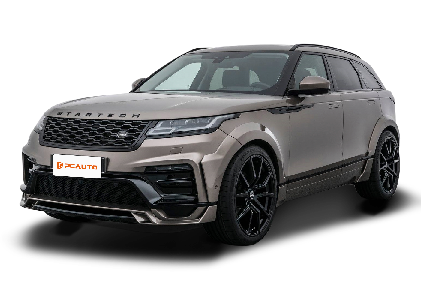
2018 Land Rover Range Rover Velar P250 SE
No.72 in Best SUVPrice
RM 499,811
Select a Vehicle Variant
2018 Land Rover Range Rover Velar P250 SE RM 499,811
Summary
Launched in 2018, the 2018 Land Rover Range Rover Velar P250 SE is a standout D-Segment SUV that combines practicality and performance at an attractive price of RM 499,811. With seating for 5 passengers, it’s ideal for families or those who prioritize cabin space. Its dimensions (4803mm long, 2145mm wide, and 1665mm tall) ensure a comfortable ride with ample legroom and headroom, while still being agile enough for city driving.
Under the hood, the 2018 Land Rover Range Rover Velar P250 SE delivers a spirited drive with a top speed of 217km/h, making highway cruising effortless. The generous 1997cc engine capacity ensures strong acceleration and fuel efficiency, striking a great balance for daily commutes and longer trips. Whether you’re looking for a spacious family car or a reliable daily driver, the 2018 Land Rover Range Rover Velar P250 SE offers a compelling package with modern styling, solid performance, and smart value—all in one well-rounded vehicle.
Under the hood, the 2018 Land Rover Range Rover Velar P250 SE delivers a spirited drive with a top speed of 217km/h, making highway cruising effortless. The generous 1997cc engine capacity ensures strong acceleration and fuel efficiency, striking a great balance for daily commutes and longer trips. Whether you’re looking for a spacious family car or a reliable daily driver, the 2018 Land Rover Range Rover Velar P250 SE offers a compelling package with modern styling, solid performance, and smart value—all in one well-rounded vehicle.
Core Specs

Segment
D-Segment

Engine Capacity(cc)
1997

Transmission
AT

Fuel Comsumption (L/100km)
7.6

Fuel Tank(litres)
63

Top Speed(km/h)
217

Seats
5

Length(mm)
4803

Width(mm)
2145

Height(mm)
1665

Wheelbase(mm)
2874

Boot Volume(L)
673
Other Variants
Price
RM 499,811
Body
4803×2145×1665
Engine Power(PS)
249
Engine Torque(Nm)
-
TRANSMISSION
AT
Fuel Consumption
7.6
Related Q&A
View More >Q
How to open the bonnet on Mazda 3?
To pop the hood on your Mazda 3, first make sure the car's turned off and parked on level ground. Then, hunt down the hood release lever near the driver's footwell—usually it's tucked under the left side of the dashboard or to the left of the steering wheel. Give that lever a pull, and you should hear the hood give a little "pop" as it unlatches slightly. Next, head around to the front of the car. Stick your hand into the gap at the center of the hood's leading edge, feel for the secondary safety catch, and gently flip or press it to fully release the hood. Finally, prop it up with the support rod and you're good to go.
Keep in mind, there might be minor tweaks in the process depending on the model year of your Mazda 3, but the basic idea stays the same. As an owner, staying on top of fluid checks—engine oil, coolant, brake fluid—are key to keeping your ride in tip-top shape. That's especially true here in Malaysia, where the hot and rainy weather can make those fluids deplete a bit quicker. If you ever struggle to open the hood or hear any weird noises when you do, it's best to hit up an authorized Mazda service center instead of forcing it—you don't want to end up damaging something. The Mazda 3 is a hit in Malaysia for good reason—solid performance and great fuel economy. Nailing the hood opening routine and keeping up with regular maintenance will help ensure it runs smoothly for years to come.
 HappyKoalaOct 14, 2025
Q
How many horsepower is 150 cc?
The horsepower output of a 150cc engine typically ranges from 10 to 12 hp, which is converted based on its power of 8 to 9 kilowatts (1 horsepower is approximately equal to 735 watts). However, the specific figures vary by model and configuration. For example, some sporty 150cc models (such as Yamaha YZF-R15, BMW C600, etc.) can reach 13 to 18 hp, while models focused on economy and practicality (such as scooters or entry-level commuter bikes) have horsepower closer to the 10-12 hp range. Factors affecting the horsepower of 150cc engines include engine structure (differences between single-cylinder and twin-cylinder), manufacturer tuning methods, and vehicle usage positioning. Sporty models often enhance horsepower through optimized tuning to meet power demands, while commuter models prioritize fuel economy and comfort, resulting in relatively moderate horsepower output. For daily commuting or light recreational riding, the horsepower performance of a 150cc engine is sufficient to balance power and economy needs.
 InventorMindJan 13, 2026
Q
What are the five keys to brake maintenance?
The five core points of brake system maintenance include: First, regularly check the wear of brake pads and discs. It is recommended to inspect them every 5,000 kilometers. When the thickness of the brake pads approaches 5 mm or abnormal noises occur, they must be replaced. After replacement, a break-in period of 200 to 300 kilometers is required to achieve optimal braking performance. Second, brake fluid should be replaced every 20,000 to 40,000 kilometers or every 2 to 3 years. In humid areas, the interval should be shortened to 20,000 kilometers annually to maintain a stable boiling point and ensure moisture content does not exceed 3%. Third, maintain brake system cleanliness. Use specialized cleaners to remove oil and dust from brake discs, drums, and calipers to preserve heat dissipation efficiency. Fourth, routinely inspect brake lines and hoses. Immediate repairs are necessary if aging, leaks, or looseness are detected. Additionally, air must be bled from the lines to guarantee braking effectiveness. Finally, cultivate smooth driving habits by avoiding sudden stops and prolonged continuous braking. When descending mountain roads, utilize lower gears for supplemental braking. Note that emergency braking should be minimized during the first 1,000 kilometers of a new vehicle's break-in period. Any brake pulling or pedal abnormalities require prompt servicing to maintain system synchronization.
 SkaterMar 6, 2026
Q
Which car brand has the highest reliability?
In the Malaysian automotive market, Toyota has long maintained a leading position due to its exceptional reliability and durability. Multiple industry reports and sales data indicate that its models such as the Camry, Vios, and Innova enjoy an extremely high reputation among local consumers. In particular, the mature application of hybrid technology (as seen in the Prius) has further consolidated its technological edge. Honda and Mazda are also recognized for their stable mechanical performance and low failure rates; for instance, the Honda City's fuel efficiency and the Mazda3's driving dynamics serve as key strengths for their respective brands. While local brands Perodua and Proton excel in cost-effectiveness, they still slightly trail mainstream Japanese brands in long-term reliability metrics. South Korea's Hyundai has boosted its competitiveness through models like the Grand i10, offering high specifications and favorable warranty policies, though its overall reliability ranking remains somewhat below Toyota's. It is worth noting that vehicle reliability is also influenced by maintenance practices and road conditions, so consulting official warranty terms and long-term user feedback is advisable before purchase.
 SunnyRadianceJan 28, 2026
Q
What is the meaning of interior detailing of a car?
Car interior detailing refers to the comprehensive and meticulous cleaning and care of a vehicle's interior space, covering all contact surfaces such as seats, carpets, dashboards, door panels, and headliners. Its core lies in using professional tools and cleaning agents to remove deep-seated stains, bacteria, and odors accumulated during daily use. Specific operations include using a vacuum cleaner to remove dust from gaps, selecting specialized cleaning agents for different materials (such as leather, fabric, and plastic) for wiping, performing deep cleaning on detailed parts like air conditioning vents and cup holders, and finally conducting sterilization and leather conditioning. Compared with regular cleaning, detailing can effectively extend the lifespan of the interior. For instance, periodic application of leather conditioners can prevent cracking, while fabric cleaning inhibits mold growth. In the local market, a full interior detailing service typically costs between 80 to 150 ringgit and takes approximately 1.5 to 3 hours. It is recommended to perform this service quarterly or after the rainy season, particularly for vehicle owners with children or pets. Care should be taken to select certified service providers and avoid harsh chemicals that could damage interior materials.
 GentleFeb 17, 2026
Q
What's The Maintenance Cost of Toyota Veloz? Better Look At Here First!
The maintenance costs for the Toyota Veloz fall within the economical MPV category. Based on the manufacturer's recommended service interval of every 10,000 km or 6 months, a routine maintenance service (including engine oil, oil filter replacement and basic inspections) typically costs between RM250 to RM400, with the exact price depending on whether mineral, semi-synthetic or full synthetic oil is used. Opting for higher-grade full synthetic oil may increase the cost to RM450-RM600, but provides extended engine protection and improved performance. Labor charges for each service usually range from RM80 to RM120, while major services (such as the 40,000 km or 60,000 km services involving transmission fluid, brake fluid and air filter replacements) may cost between RM600 to RM900.
It is recommended to prioritize servicing at authorized UMW Toyota service centers to maintain warranty validity and ensure genuine parts are used. Toyota owners also benefit from a 5-year or 150,000 km warranty coverage. Furthermore, Toyota's extensive service network across Malaysia and readily available spare parts contribute to reasonable long-term ownership costs, making the Veloz particularly suitable for budget-conscious family users.
 PetalSoftJun 24, 2025
Q
What engine does the 2022 Proton Saga have?
The 2022 Proton Saga is powered by a 1.3-liter naturally aspirated four-cylinder gasoline engine, codenamed VVT. This engine features Variable Valve Timing (VVT) technology, which delivers more efficient fuel economy and smoother power delivery. It churns out a maximum power of 95 horsepower and a peak torque of 120 Nm, paired with either a five-speed manual gearbox or a four-speed automatic transmission for buyers to choose from.
This engine has proven to be a steady performer in the Malaysian market, ideal for daily commutes and city driving while still keeping an eye on fuel efficiency—right in line with what local consumers are after. As one of Malaysia's national cars, the Proton Saga has had its engine tech refined over the years, boasting widely recognized reliability. It's a solid pick for budget-conscious drivers who prioritize practicality.
It's worth noting that while naturally aspirated engines like this one don't pack the punch of turbocharged units, they come with lower maintenance costs and mature technology. For owners who care about long-term running costs, that's definitely a big plus.
 LeoSep 22, 2025
Q
What warranty came with the 2019 Triton?
The 2019 Mitsubishi Triton comes with a standard 5-year or 100,000 km factory warranty (whichever comes first) in the Malaysian market. This warranty covers core components like the engine and transmission, and also includes 3 years or 50,000 km of free regular maintenance services. It's important to note that the warranty doesn't cover normal wear-and-tear items such as tires and brake pads, nor does it cover damage caused by improper use or accidents.
For Malaysian consumers, this kind of warranty policy effectively reduces long-term vehicle ownership costs, making it especially suitable for owners who frequently take long drives or use the vehicle for commercial purposes. We recommend owners regularly visit authorized service centers for maintenance to keep the warranty valid and retain complete service records. Additionally, Mitsubishi has a well-established after-sales service network in Malaysia, with authorized service centers nationwide providing professional support. If you're considering buying a used 2019 Triton, it's advisable to verify the remaining warranty period and confirm that the vehicle has a complete service history to protect your rights.
 FixerToolOct 28, 2025
Q
how much is perodua axia 2022
As a model that has drawn significant attention in the Malaysian market, the Nexis offers a wide range of color options to cater to the aesthetic preferences of different consumers. Currently, common color choices include classic pearl white, metallic silver, deep black, sapphire blue, and passionate red, among others. These colors are not only stylish and timeless but also suitable for various occasions. Given Malaysia's hot climate, opting for lighter shades like pearl white or metallic silver can help reflect sunlight and reduce the interior temperature of the vehicle, while darker hues like deep black exude a sense of sophistication and luxury, making them ideal for business settings.
Moreover, the vehicle's paintwork technology is also noteworthy. Many brands now employ eco-friendly water-based paints or self-healing coating technologies, which not only minimize environmental pollution but also enhance the durability of the paint surface. When selecting a car, in addition to color, consumers are advised to consider the convenience of body maintenance. For instance, darker paint finishes are more prone to showing scratches and require more frequent waxing and care, whereas lighter paints are relatively more resistant to dirt and better suited for daily use. In Malaysia's rainy and humid environment, regular cleaning and protective coating treatments can also extend the lifespan of the paintwork and maintain the vehicle's luster.
 ExplorerDiscoverPathSep 24, 2025
Q
How often do brake discs need to be replaced?
The replacement interval for brake pads should be determined based on driving habits, road conditions, and vehicle type. Typically, front brake pads require replacement every 30,000 to 50,000 kilometers, while rear brake pads need replacement every 60,000 to 100,000 kilometers. Front-wheel drive vehicles experience greater braking loads, causing front brake pads to wear faster. Frequent stop-and-go city driving or aggressive driving can reduce the replacement interval to 20,000 to 30,000 kilometers. It is recommended to inspect brake pad thickness every 5,000 kilometers. Immediate replacement is necessary when the remaining thickness falls below 5 millimeters (approximately one-third of the original thickness), when metal grinding noises are heard, or when decreased braking performance is detected. High-performance vehicles or heavy-duty trucks have higher braking demands, resulting in accelerated wear, whereas ceramic brake pads can last 60,000 to 80,000 kilometers. Some vehicle models feature wear sensors that activate dashboard warning lights to indicate replacement. When replacing, always use OEM-specification parts and complete a 200-kilometer break-in period while avoiding harsh braking. Regular brake system maintenance and adopting smooth driving techniques can significantly extend brake pad service life.
 ArcticFreezeFeb 5, 2026
Popular Cars
Model Year
Car Compare
Car Photo
Model List
Land Rover Range Rover Velar is a D-Segment SUV car launched by Land Rover. PCauto has cataloged various variants of this car produced from 2018 to 2018.You can compare differences in detail at the parameter table.
Among the 2 variants of Land Rover Range Rover Velar, prices range from the affordable RM 499,811 to the most expensive RM 555,471.You can find different horsepower versions ranging from 249PS to 249PS.
Land Rover Range Rover Velar offers 2.0T engines and AT transmission. Check the spec sheet for more details.
2 Models on Sale
2018
- Engine Power(PS): 249
- Aspiration Form: Turbo
- 0-100km/h(s): 6.7
- Fuel Consumption: 7.6
- Driven Wheels: All Wheel Drive
- Electronic Stability Control(ESC)
- Airbags: 6
- 0-100km/h(s): 6.7
- Fuel Consumption: 7.6
- Driven Wheels: All Wheel Drive
- Electronic Stability Control(ESC)
- Airbags: 6
2018 Land Rover Range Rover Velar R-Dynamic
RM 722,787Not On Sale
2018 Land Rover Range Rover Velar P250 SE R-Dynamic
RM 555,471
2018 Land Rover Range Rover Velar P250 SE
RM 499,811