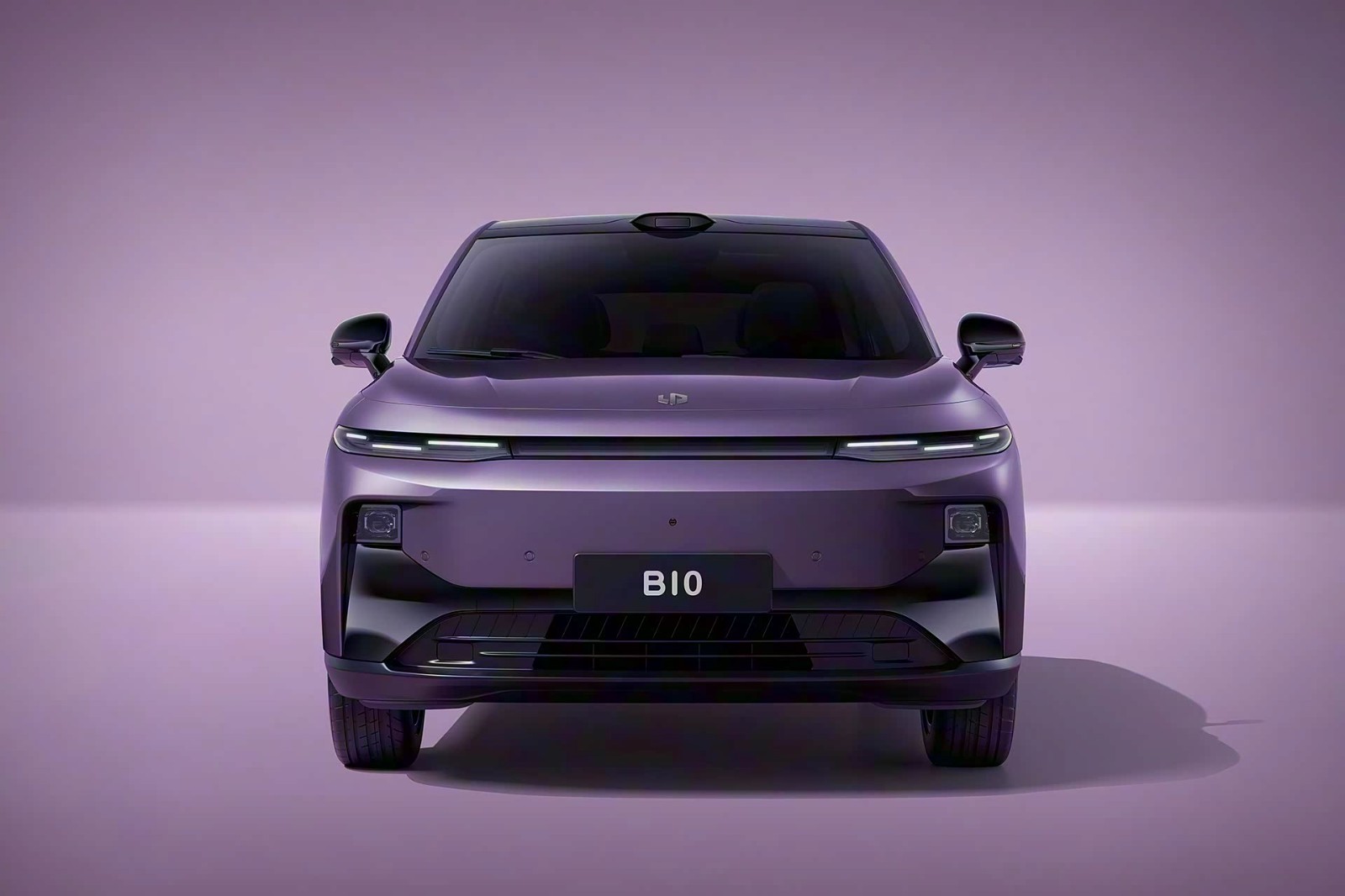
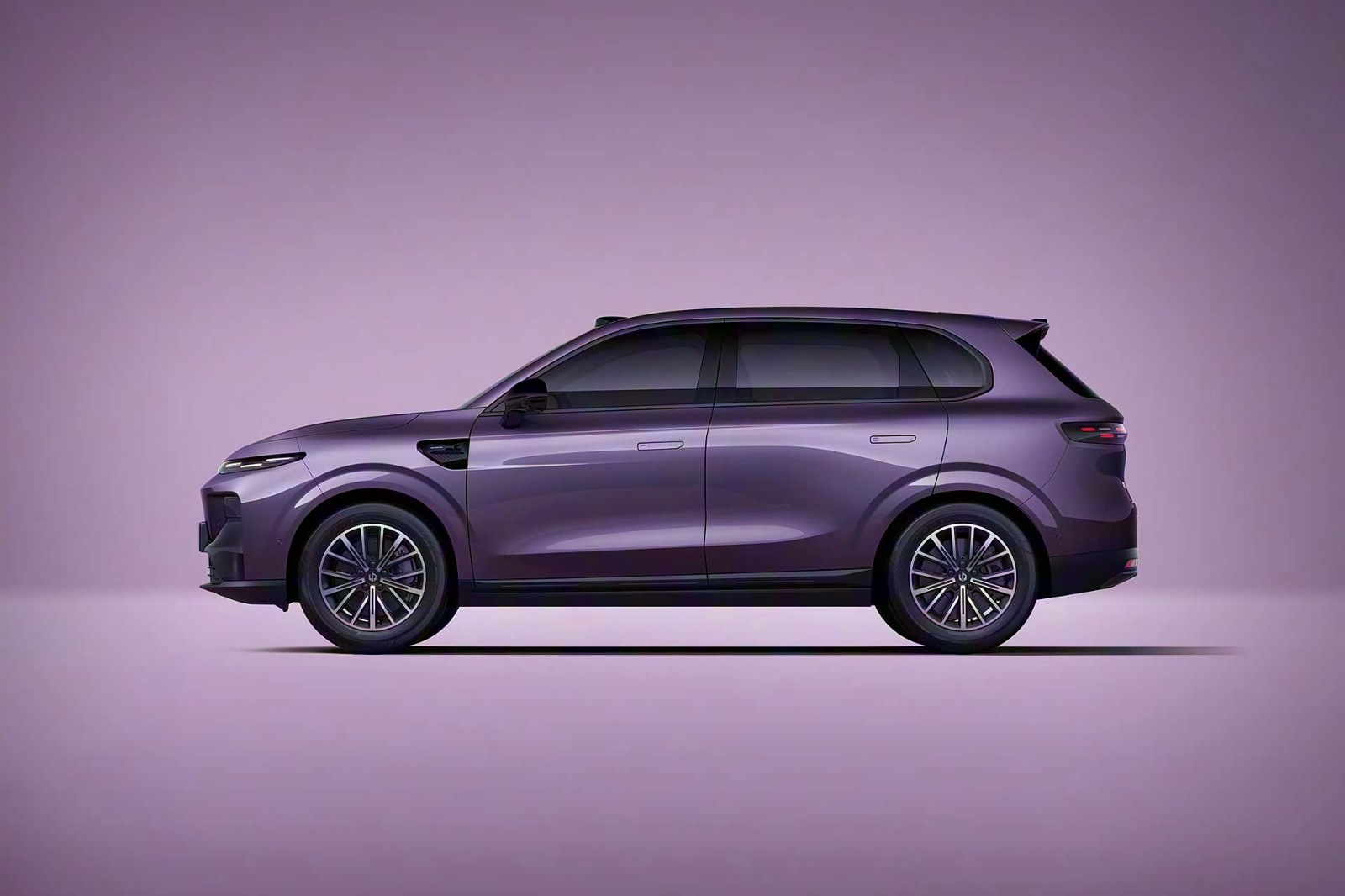
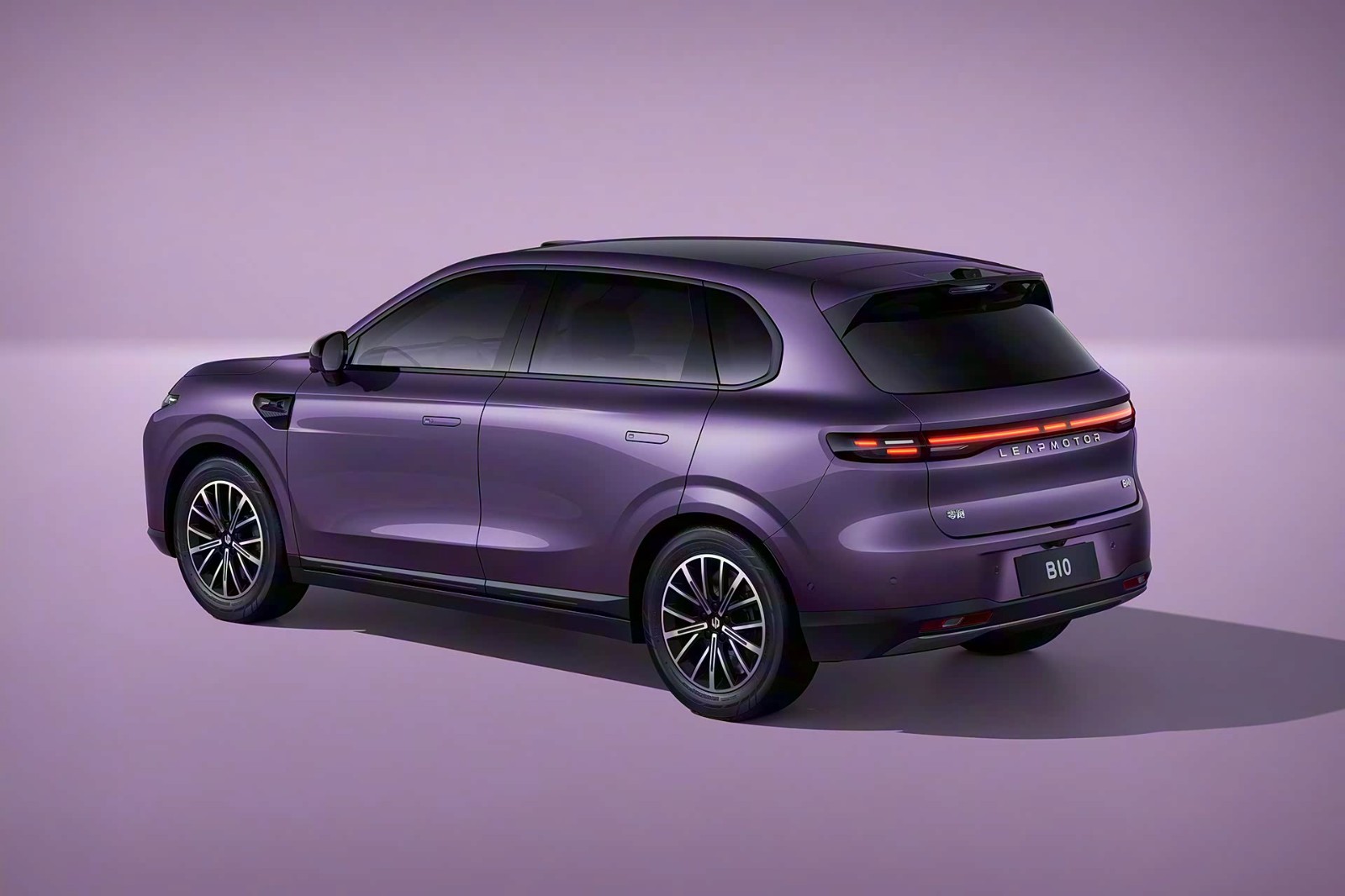
2025 Leapmotor B10 DESIGN
No.30 in Best SUVPrice
RM 118,800
Select a Vehicle Variant
2025 Leapmotor B10 LIFE RM 107,800
Summary
Meet the 2025 Leapmotor B10 DESIGN. This C-Segment SUV launched in 2025-12-10 and starts at RM 118,800. It comfortably fits 5 people in its spacious cabin (4515mm long × 1885mm wide × 1655mm tall). Great for families! With an acceleration speed of -s to 100km/h., it handles highways easily. Best part? You get 516 km per charge – no range stress on road trips.
Its 67.1 kWh Lithium iron phosphate battery battery is built to last. Need a fast charge? Juice up in 0.35 hours (10-80%). Overnight charging at home takes 2.5 hours. Perfect for daily drives or weekend getaways, this 2025 Leapmotor B10 DESIGN mixes smart tech with real-world practicality.
Its 67.1 kWh Lithium iron phosphate battery battery is built to last. Need a fast charge? Juice up in 0.35 hours (10-80%). Overnight charging at home takes 2.5 hours. Perfect for daily drives or weekend getaways, this 2025 Leapmotor B10 DESIGN mixes smart tech with real-world practicality.
Core Specs

Segment
C-Segment

EV Range(km)
516

Battery Type
Lithium iron phosphate battery

100 Kilometers(kWh)
-

Motor Arrangement
Rear

Battery Capacity(kWh)
67.1

Seats
5

Length(mm)
4515

Width(mm)
1885

Height(mm)
1655

Wheelbase(mm)
2735

Boot Volume(L)
430-1700
Other Variants
Price
RM 118,800
Body
4515×1885×1655
Motor Output(PS)
218
Motor Output(kW)
160
Battery Capacity
67.1
EV Range
516
Power Consumption
-
Related Q&A
View More >Q
what does it mean when my mercedes says stop vehicle leave engine running
When your Mercedes displays "stop vehicle leave engine running," it means the vehicle's emissions system—typically the diesel particulate filter (DPF)—is undergoing an active regeneration cycle. This process needs the engine to keep running to burn off accumulated soot particles and prevent filter clogging. You should pull over safely as soon as possible but keep the engine running for about 10-15 minutes until the message clears. Shutting off the engine midway can interrupt regeneration, and doing this repeatedly over time will hurt your exhaust system's performance and drive up repair costs.
This issue is pretty common here in Malaysia, especially for diesel vehicles used mostly for short trips. When the engine never reaches optimal operating temperature, it can't complete passive regeneration. We always tell owners to take their cars for regular highway runs to let the engine fully warm up—that helps the system clean itself automatically. Also, keep an eye on the DPF warning light on your dashboard. If it pops up frequently, it might be time to head to an authorized service center for a check-up.
All modern diesel cars come with these eco-friendly systems, and proper operation really extends component life. With Malaysia's hot climate, staying on top of maintenance is even more crucial—poor-quality fuel with excess impurities can speed up filter clogging, so don't skimp there.
 SwimmerStrokeSep 26, 2025
Q
how to turn off hi proton x50
To turn off the HI (voice assistant feature) in your Proton X50, you can press and hold the voice control button on the steering wheel for about 2 seconds until you hear a prompt tone or see the dashboard indicator showing the voice assistant has been deactivated. Alternatively, you can navigate through the infotainment system to access the vehicle settings menu, then find the "Voice Control" option and manually switch it off there.
As a smart SUV, the Proton X50's voice assistant is designed to boost driving convenience—letting you control navigation, music, and more with voice commands—but it's easy to disable whenever you don't need it. Just a heads-up: operation details might vary slightly across different model years or trim levels of the X50, so it's always a good idea to check your owner's manual for the most precise instructions.
Given Malaysia's hot and humid climate, if you use the voice feature regularly, make sure to keep the cabin well-ventilated. This helps prevent the microphone from losing sensitivity due to high heat and moisture. Also, keeping your infotainment system updated ensures the voice function runs smoothly. If you run into any technical glitches, reach out to a Proton authorized service center. They’re familiar with local driving conditions and the specifics of these vehicles, so they can offer tailored solutions.
 CreatorIdeaInnovationOct 10, 2025
Q
What type of oil change is required for the Toyota Corolla Hybrid?
When it comes to oil changes for your Toyota Corolla Hybrid, you’ll want to stick with fully synthetic oil that meets Toyota Genuine 0W-16 or 0W-20 specs. Both viscosities are engineered to keep that hybrid powertrain running efficiently while helping maintain good fuel economy. Here in Malaysia’s hot climate though, 0W-20 tends to be the more versatile pick. If you’re someone who frequently hits the highway or does a lot of high-speed driving, stepping up to 5W-30 isn’t a bad idea either.
As for intervals, the general rule is every 10,000 km or 12 months—whichever comes first. But if your daily grind involves lots of short trips or constant stop-start driving, you might want to knock that down to around 8,000 km. Remember, hybrid engines have that on-again-off-again operation, so oil degradation can behave a bit differently than in conventional cars. That’s why keeping an eye on your oil condition regularly is smart practice.
While you’re at it, always swap out the oil filter with a genuine Toyota part during the service. It’s also a good time to check the hybrid system’s coolant and brake fluid levels—those have their own separate replacement schedules outlined in your owner’s manual, so don’t sleep on those. And for Malaysian owners, make sure you head to a Toyota-authorized service center. Using authentic parts and getting the maintenance reminder light properly reset isn’t just about peace of mind; it helps keep your hybrid system’s warranty intact, which is crucial.
 TateOct 16, 2025
Q
What is the Monthly Installment of Ford Ranger? See Here!
Regarding the monthly payment amount of the Ford Ranger in Malaysia, the specific figure depends on factors such as the vehicle model configuration, loan term, down - payment ratio, and bank interest rate. Usually, the loan term for a new car is 5 to 9 years, and the interest rate floats between 2.5% and 4% based on individual credit status. Take the Ranger XLT as an example. If the vehicle price is about RM120,000, with a 10% down - payment and a 7 - year loan term, the monthly payment is approximately between RM1,500 and RM1,800. It is recommended to directly obtain an accurate quote from Ford - authorized dealers or banks. They will provide a detailed calculation based on the latest promotions and loan interest rates.
In addition, when purchasing a car, you also need to consider additional costs such as insurance, road tax, and handling fees, which will affect the total expenditure. As a popular pickup truck in Malaysia, the Ford Ranger is well - received for its durability and versatility. Recently, a new model equipped with an intelligent driving assistance system has also been launched. It is advisable to compare the cost - effectiveness of different configurations and test - drive the vehicle to experience its real - world performance before making a purchase, so as to make a choice that better suits your own needs.
 HonJul 10, 2025
Q
What is the range of the 2020 Passat?
The range performance of the 2020 Volkswagen Passat in the Malaysian market mainly depends on its powertrain configuration. Take the 1.8 - liter TSI turbocharged model, which was the main offering at that time, as an example. Its fuel tank capacity is about 70 liters. Considering the fuel consumption performance under combined driving conditions (about 7 - 8 liters per 100 kilometers), the theoretical range can reach 800 to 900 kilometers, making it suitable for long - distance driving needs.
If you choose the plug - in hybrid GTE model, it can travel about 50 kilometers in pure - electric mode, and the total range in hybrid mode exceeds 900 kilometers, which balances fuel economy and environmental protection requirements. It's worth noting that the actual range will be affected by factors such as driving habits, road conditions, and the use of air - conditioning. It is recommended to conduct regular maintenance to maintain optimal performance.
For Malaysian users, the German - tuned chassis of the Passat can adapt to the diverse local road conditions. The spacious rear seats also meet the preferences for family cars. Its reliability remains stable in tropical climates, making it a well - balanced choice among models in the same class.
 TeaAddictBrewerOct 2, 2025
Q
What is the fuel consumption of Proton Saga 2019?
The 2019 Proton Saga has an official fuel consumption of 5.6 liters per 100 kilometers (based on the 1.3L naturally aspirated four - cylinder engine paired with the 4AT gearbox). Real - world fuel consumption can vary a bit depending on driving habits, road conditions, and vehicle maintenance status. In urban areas, it is usually between 6.5 to 7.5L/100km, while on the highway, it can drop to around 5.0L/100km. As one of Malaysia's top - selling budget sedans, its fuel economy is comparable to that of rivals like the Perodua Bezza, making it a solid choice for daily commuting.
A quick tip: performing regular maintenance, such as changing the air filter, using the right viscosity oil (5W - 30 is recommended), and maintaining proper tire pressure (around 210kPa), can definitely help optimize fuel costs. If you really want to maximize fuel efficiency, try accelerating smoothly, anticipating road conditions to reduce harsh braking, and avoiding idling for too long. These techniques work on most gas - powered cars.
The Saga's engine technology is not aiming for extreme fuel - efficiency, but with its tried - and - true powertrain and relatively light weight (around 1,050kg), it still holds its own in the local market. It's especially appealing if you're on a budget but don't want to compromise on practicality.
 AdventureSeekOct 14, 2025
Q
How many miles will a 2017 Range Rover last?
The durability of a 2017 Range Rover depends on maintenance, driving habits, and usage conditions. With proper care, it can typically hit 200,000 to 300,000 kilometers or more. The key is regular oil changes—engine, transmission, differential—and sticking to the manufacturer's recommended service intervals. The V6 and V8 engines under the hood are solid, proven units, but the complex electronics and air suspension need extra attention. If something acts up, get it fixed quickly to avoid bigger problems down the line.
Long-term ownership of a luxury SUV isn't cheap. I'd recommend using the dealer or authorized service centers to ensure quality parts. Also, keeping an eye on the undercarriage and 4WD system will definitely help it last longer. If you're looking at a used one, have a pro inspect the engine, transmission, and service records. A good maintenance history tells you way more about the truck's actual condition than just the mileage. Honestly, for these high-end rigs, how long they last has more to do with how well the owner takes care of them than any factory-set lifespan. So, shelling out for proper maintenance when you need to is the real secret to keeping it reliable for the long haul.
 StormWingNov 25, 2025
Q
What is light fuel oil and heavy fuel oil?
Light fuel oil is an oil product with a low boiling point (usually below 200°C), low density (e.g., naphtha at 0.65-0.75 g/cm³), low viscosity, good fluidity, and high volatility. It primarily consists of low-molecular-weight hydrocarbons (5-12 carbon atoms) and has low impurity content (e.g., low sulfur). Common types include gasoline, diesel, kerosene, and naphtha. Gasoline is mainly used in automobile internal combustion engines, diesel is suitable for truck and bus diesel engines, while naphtha serves as an important chemical feedstock for producing ethylene, fertilizers, or blended gasoline products.
Heavy fuel oil is the residual heavy oil remaining after light oil extraction from crude oil. It has a high boiling point (typically above 200°C, sometimes exceeding 350°C), high density (0.82-0.95 g/cm³), high viscosity, poor fluidity, and low volatility. Composed mainly of high-molecular-weight hydrocarbons (over 20 carbon atoms), it contains more impurities such as sulfur. Common types include residual oil and fuel oil, primarily used in power plant boilers, industrial furnaces, and marine medium/low-speed engines. Some high-viscosity heavy oils require preheating to improve fluidity before use.
Regarding processing, crude oil undergoes distillation to separate light oil first, with heavy oil further processed through methods like catalytic cracking to extract additional light oil products. Environmentally, light oil combustion generates fewer pollutants, whereas heavy oil combustion produces relatively higher emissions. However, environmentally compliant products like low-sulfur heavy oil are now available.
 EmeraldDec 30, 2025
Q
What are the 4 types of compressed gas cylinders?
Compressed gas cylinders are mainly divided into four types: permanent gas cylinders, liquefied gas cylinders, dissolved gas cylinders, and adsorbed gas cylinders.
Permanent gas cylinders are used to store gases with a critical temperature below -50°C, such as oxygen, nitrogen, and hydrogen. These gases remain gaseous at room temperature and are typically filled at high pressures ranging from 15 MPa to 30 MPa.
Liquefied gas cylinders are categorized into high-pressure liquefied gas cylinders (for gases with a critical temperature between -10°C and 70°C, e.g., carbon dioxide) and low-pressure liquefied gas cylinders (for gases with a critical temperature above 70°C, e.g., liquefied petroleum gas). The former can be filled at pressures up to 15 MPa, while the latter are filled at lower pressures because their saturated vapor pressure at 60°C is below 10 MPa.
Dissolved gas cylinders are specifically designed for unstable gases like acetylene. Safe storage is achieved through acetone solvent and porous fillers, and filling requires phased standing to ensure stability.
Adsorbed gas cylinders use adsorbents to store gases, such as hydrogen cylinders for certain special industrial applications.
These classifications are based on the physical properties of gases and safety requirements. Cylinders of different materials (steel, aluminum alloy, composite material) and manufacturing processes (seamless, welded, wrapped) must strictly match the properties of the gas. For example, chrome-molybdenum steel cylinders are suitable for low-temperature environments, while composite material cylinders balance lightweight and high strength.
When in use, the type of gas and pressure level should be identified through the color code and labels on the cylinder body, and regular inspections should be conducted to ensure compliance with safety standards.
 KayJan 15, 2026
Q
Can I repair my car bumper myself?
Whether you can repair a car bumper on your own depends on the extent of damage and your personal mechanical skills. For minor scratches or small areas of paint loss, you can use 2000-grit sandpaper with polishing compound, or apply touch-up paint matching the original vehicle color code, costing approximately 50-100 ringgit. For cracks or dents, epoxy resin adhesive or a heat gun is required for repair; the tool kit costs about 200-500 ringgit, but note that heating temperature must be maintained between 60-80°C to prevent deformation. In cases of severe fractures or damage exceeding 10cm², replacement with OEM parts is recommended, costing 2000-8000 ringgit as this involves recalibration of electronic components like radar sensors. DIY repairs require preparation of a plastic welder, welding rods, sandpaper and other tools. The workspace should maintain 15-25°C temperature with humidity below 60%, and the repaired area must stay dry for 24 hours. Note that most bumpers are made of PP or ABS plastic, requiring matching welding rods with temperature controlled at 350-400°C during welding. For moderate or severe damage, professional repair is advised if you lack experience or proper tools, to ensure structural integrity and paint color matching.
 MountainClimberAthleteMar 24, 2026
Popular Cars
Model Year
Car Compare
Car Photo
Model List
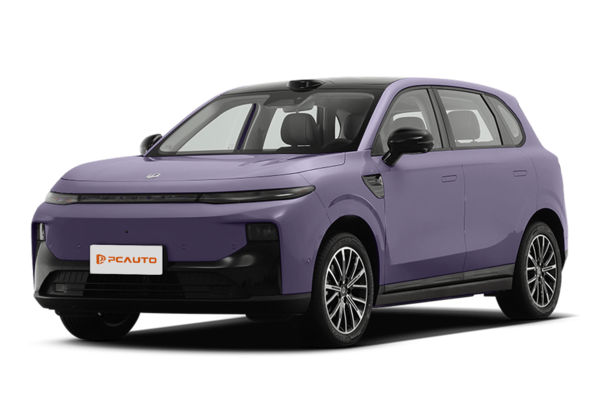
Leapmotor B10 is a C-Segment SUV EV launched by Leapmotor. PCauto has cataloged various variants of this car produced from 2025 to 2025.You can compare differences in detail at the parameter table.
Among the 2 variants of Leapmotor B10, prices range from the affordable RM 107,800 to the most expensive RM 118,800.You can find different horsepower versions ranging from 218PS to 218PS.
Leapmotor B10 offers 160 Permanent Magnet Synchronous Motor Motor and 67.1kWh, 56.2kWh battery. Check the spec sheet for more details.
2 Models on Sale
2025
- EV Range(km): 442
- Motor Output(kW): 160
- Driven Wheels: Rear Wheel Drive
- Electronic Stability Control(ESC)
- Blind Spot Info System
- EV Range(km): 516
- Motor Output(kW): 160
- Driven Wheels: Rear Wheel Drive
- Electronic Stability Control(ESC)
- Blind Spot Info System
2025 Leapmotor B10 LIFE
RM 107,800
2025 Leapmotor B10 DESIGN
RM 118,800