Reference Only. Update Soon
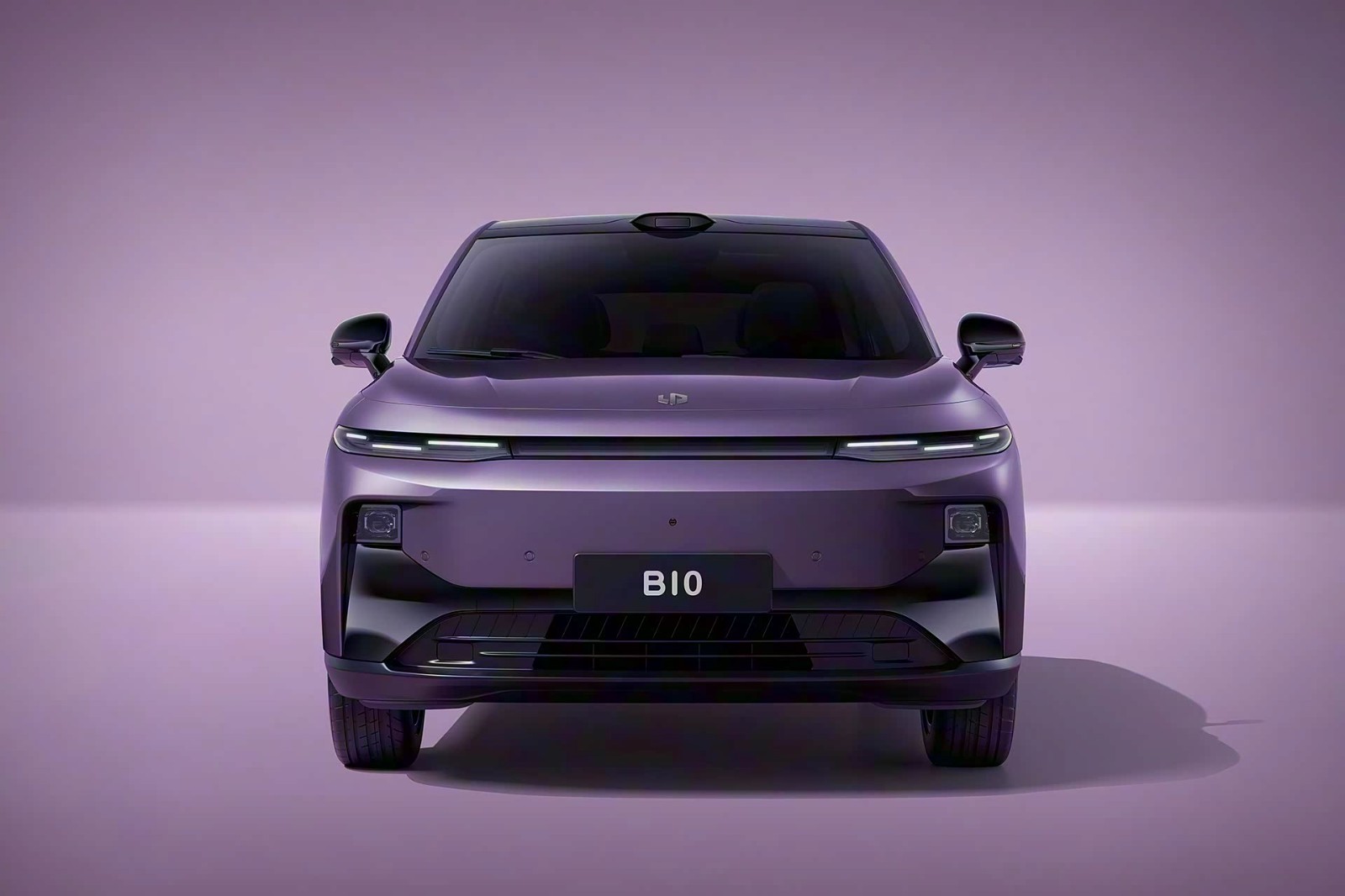
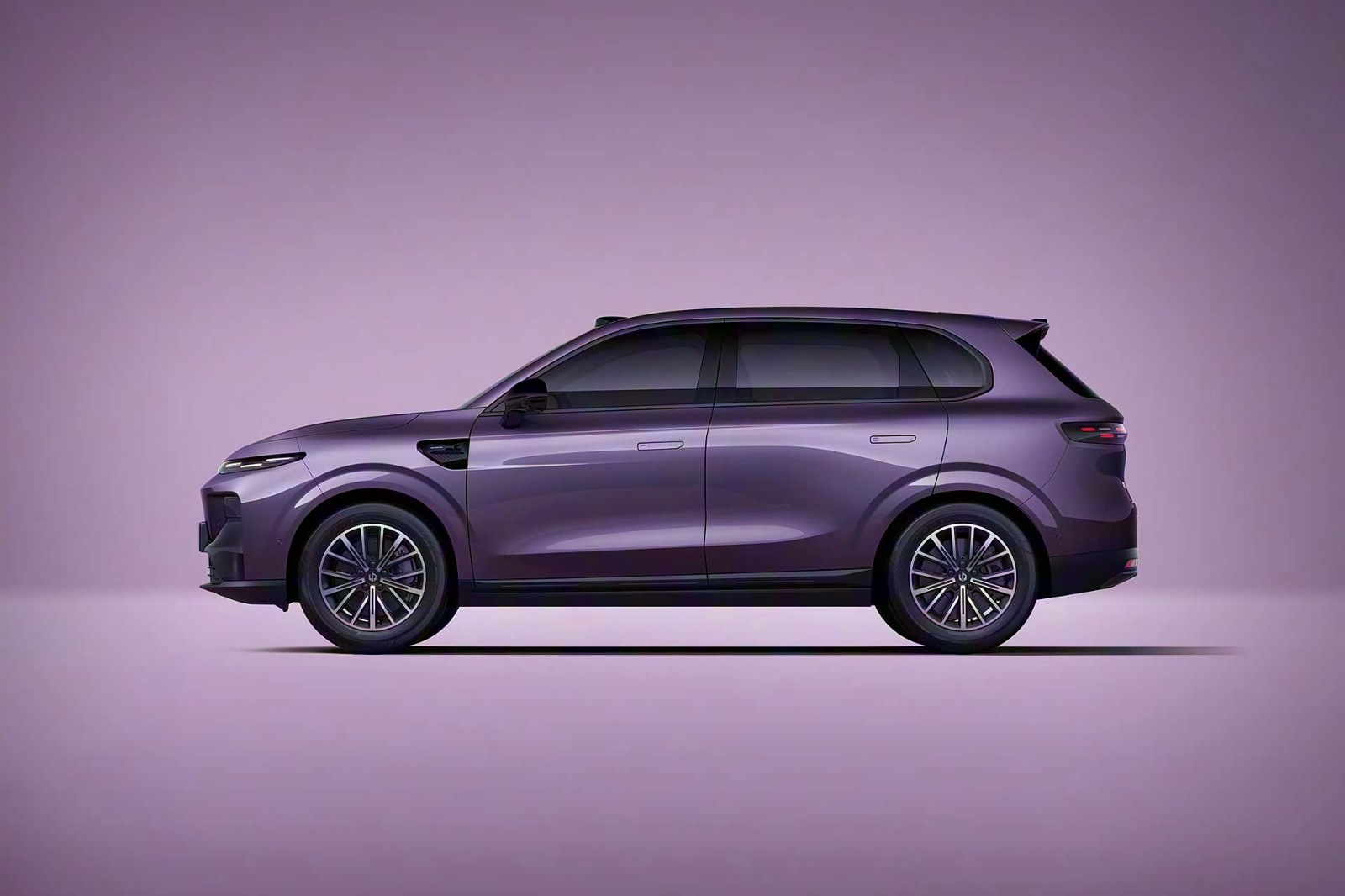
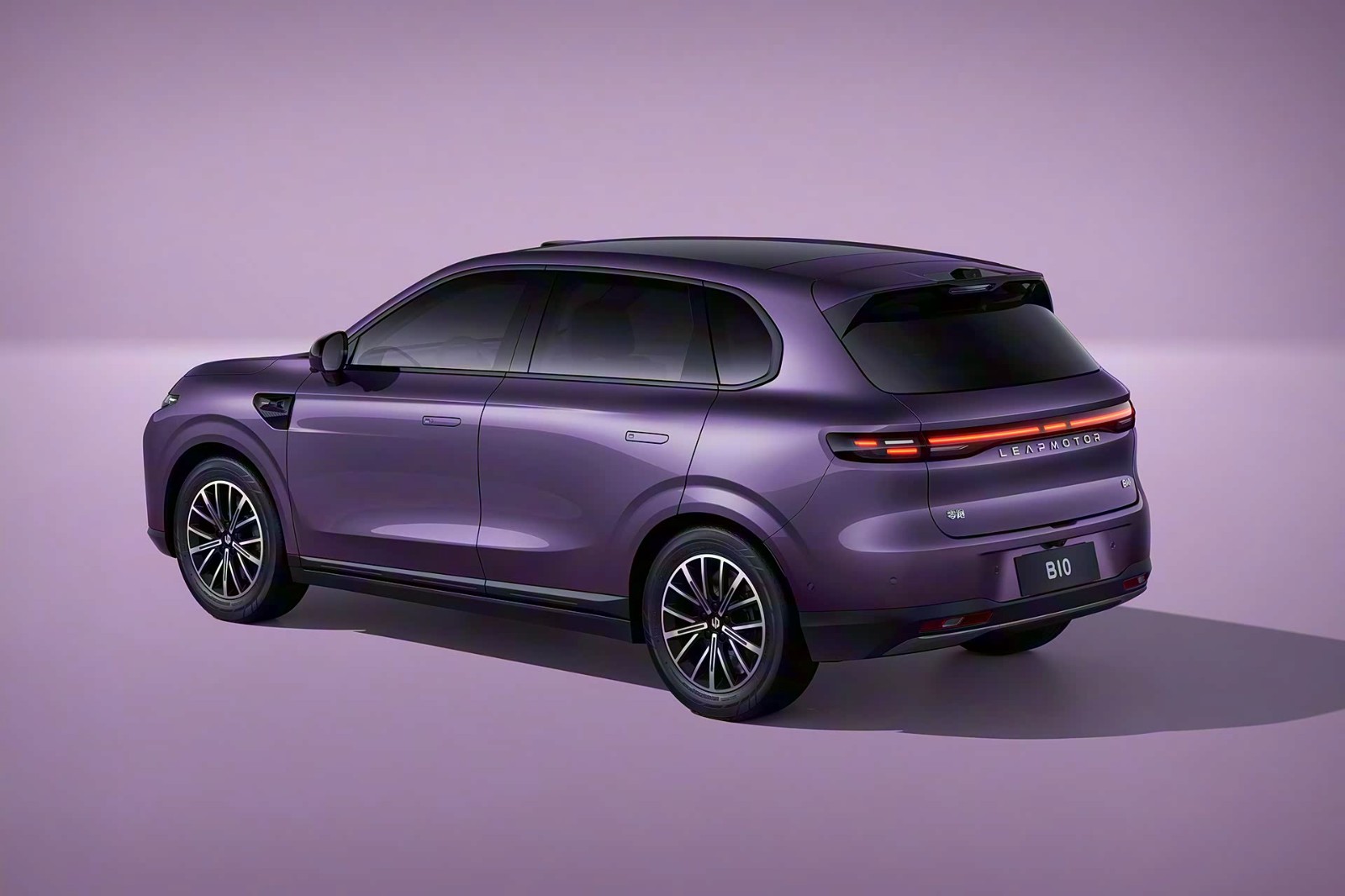
2025 Leapmotor B10 LIFE
No.30 in Best SUVPrice
RM 107,800
Select a Vehicle Variant
2025 Leapmotor B10 LIFE RM 107,800
Summary
The 2025 Leapmotor B10 LIFE, launched in 2025-12-10, is a C-Segment SUV starting at RM 107,800. It seats 5 comfortably with generous cabin space – measuring 4515 mm long, 1885 mm wide, and 1655 mm tall. Perfect for families or daily commutes, it balances urban agility with highway capability thanks to an acceleration speed of -s to 100km/h. The standout feature? Its 442 km range on a single charge, easing range anxiety for longer trips.
Power comes from a 56.2 kWh Lithium iron phosphate battery, designed for efficiency and longevity. Need a quick top-up? Fast charging takes just 0.35 hours (10-80%), while a full charge at home requires 2.5 hours. This 2025 Leapmotor B10 LIFEcombines cutting-edge tech with everyday usability – whether zipping through city traffic or cruising on weekends. It’s a smart, future-ready choice for eco-conscious drivers who refuse to compromise on space or performance.
Power comes from a 56.2 kWh Lithium iron phosphate battery, designed for efficiency and longevity. Need a quick top-up? Fast charging takes just 0.35 hours (10-80%), while a full charge at home requires 2.5 hours. This 2025 Leapmotor B10 LIFEcombines cutting-edge tech with everyday usability – whether zipping through city traffic or cruising on weekends. It’s a smart, future-ready choice for eco-conscious drivers who refuse to compromise on space or performance.
Core Specs

Segment
C-Segment

EV Range(km)
442

Battery Type
Lithium iron phosphate battery

100 Kilometers(kWh)
-

Motor Arrangement
Rear

Battery Capacity(kWh)
56.2

Seats
5

Length(mm)
4515

Width(mm)
1885

Height(mm)
1655

Wheelbase(mm)
2735

Boot Volume(L)
430-1700
Other Variants
Price
RM 107,800
Body
4515×1885×1655
Motor Output(PS)
218
Motor Output(kW)
160
Battery Capacity
56.2
EV Range
442
Power Consumption
-
Related Q&A
View More >Q
How to check the power steering fluid of Mazda CX-5?
To check the power steering fluid of Mazda CX-5, first open the engine hood. Next, find the power steering fluid reservoir within the compartment, which usually has clear markings. Check that the fluid level falls between the minimum and maximum marks on the reservoir. A low fluid level may indicate a potential leak. For an accurate assessment of the fluid's condition, use a white tissue or clean cloth to collect a small sample, then observe its color and texture. Normal power steering fluid should be transparent or slightly reddish, without impurities and unusual odors. If the fluid is dark and has particles or strange odors, it may require replacement.
 OmegaStrikeMay 7, 2025
Q
Is Honda City Hatchback a Good Car? Learn the Pros and Cons Here
The Honda City Hatchback has many advantages and is a great car. In terms of appearance, it features a delicate, stylish, and sporty design. For instance, some models are equipped with a honeycomb radiator grille and an added rear spoiler. The RS version also has unique trim panels and side skirts, making it highly recognizable. The interior details have been optimized. The RS version has an all - black interior. In some models, the instrument panel has been upgraded to a 4.2 - inch TFT color screen. The central control touch - screen host is 8 inches, and the pixels of the rear - view camera have been improved.
In terms of safety and intelligent assistance, the entire vehicle lineup comes standard with multiple safety systems, such as ABS anti - lock braking, vehicle stability control, lane departure warning, and autonomous emergency braking. There's also an ISO FIX child seat interface. Some models are equipped with the Honda Sensing function, providing comprehensive protection for the driver. Additionally, some models have added practical features like wireless CarPlay and a wireless charging panel.
In terms of power, there are multiple options. The 1.5L naturally aspirated engine paired with a CVT transmission offers a smooth power output, which is sufficient for daily driving. The hybrid system in the e:HEV RS model delivers excellent power and has relatively low fuel consumption. However, it also has some drawbacks. For example, the rear brakes of some models are drum brakes, which are slightly inferior to disc brakes in terms of braking performance. The rear - seat space may feel a bit cramped for taller passengers. Overall, the Honda City Hatchback performs well in terms of appearance, safety, and power, and can meet the daily needs of most users.
 BlazingJun 26, 2025
Q
Is GLC 2024 petrol or diesel?
The 2024 Mercedes - Benz GLC in the Malaysian market mainly offers gasoline engine versions. Specifically, it is equipped with a 2.0 - liter turbocharged four - cylinder gasoline engine (GLC 300 model). Meanwhile, diesel versions might be introduced in some markets, but gasoline models are more common in Malaysia, which is related to local consumers' preferences and the availability of oil products.
As a mid - size luxury SUV from Mercedes - Benz, the gasoline version of the GLC performs excellently in terms of power and quietness, making it suitable for both city driving and long - distance travel. On the other hand, the diesel version focuses more on fuel economy and torque output, which is ideal for users who often drive long distances. In Malaysia, since diesel vehicle models are relatively fewer and gasoline prices are more stable, the gasoline - powered GLC is more popular.
In addition, the 2024 GLC is also equipped with the latest MBUX infotainment system and a number of driving assistance technologies, which further enhance the driving experience and safety. If you have further questions about specific configurations or engine options, it is recommended to directly consult the authorized Mercedes - Benz dealers in Malaysia for the most accurate information.
 StrongerOct 5, 2025
Q
What is the resale value of a 2018 CLA250?
The resale value of a 2018 Mercedes-Benz CLA250 in Malaysia's used car market hinges on factors like condition, mileage, service history, and market demand. From what we're seeing currently, a well-maintained CLA250 typically goes for around RM150k to RM180k. Of course, exact pricing can vary slightly depending on the spec level and where you're shopping.
As a luxury compact sedan, the CLA250 keeps drawing buyers in the pre-owned scene thanks to its sporty looks, peppy 2.0L turbo engine, and that all-important Mercedes-Benz badge cachet. Malaysian used car shoppers, though, shouldn't just fixate on the price tag. It's critical to dig into the service records, check for any accident history, and verify regular maintenance—all these things play a big role in how well the car holds its value.
On top of that, the CLA250's decent fuel economy and relatively reasonable upkeep costs compared to rivals make it a solid pick for second-hand buyers. Our advice? Prospective owners should get the car inspected through trusted channels like PUSPAKOM to ensure full transparency on its condition.
 FriendOct 23, 2025
Q
What is the fuel economy of the Mercedes GLE in 2024?
The fuel efficiency of the 2024 Mercedes-Benz GLE varies depending on the powertrain configuration. Take the GLE 300d 4MATIC diesel variant, common in the Malaysian market, for example—it delivers a combined fuel consumption of approximately 5.8 liters per 100 kilometers. In contrast, the GLE 450 4MATIC petrol version has a combined fuel consumption of around 9.5 liters per 100 kilometers. Actual figures may fluctuate based on driving habits and road conditions. The Mercedes-Benz GLE lineup incorporates advanced EQ Boost mild hybrid technology, which effectively enhances fuel efficiency, while the standard 4MATIC all-wheel drive system optimizes power distribution without compromising handling. For Malaysian consumers, the diesel variant offers better economy for long-distance driving, whereas the petrol version suits those seeking more responsive power delivery. It's worth noting that Malaysia's hot climate and urban traffic congestion might slightly affect real-world fuel consumption. Regular maintenance and using factory-recommended engine oil are advised to maintain optimal performance. Rivals in the luxury SUV segment, such as the BMW X5 or Audi Q7, exhibit similar fuel consumption levels, allowing buyers to decide based on brand preference and after-sales service networks.
 PrettyPictureFrameNov 7, 2025
Q
What type of oil does a 2019 BMW X5 use?
**BMW X5 (2019) Oil Recommendation**
For optimal performance, your BMW X5 requires a full synthetic oil that meets BMW’s **Longlife-01** or **Longlife-04** certification. The recommended viscosity is typically **5W-30** or **0W-30**, but the best choice depends on your engine type and driving conditions. In hotter climates, a **0W-40** oil may offer better high-temperature stability.
Stick to **genuine BMW oil** or trusted brands like **Shell, Mobil 1, or Castrol** that meet BMW’s specs—this ensures top-tier engine protection. Oil changes are crucial: aim for every **10,000–15,000 km (or 12 months)**, but always check your owner’s manual for exact intervals.
Full synthetic oils reduce wear, boost fuel efficiency, and extend engine life—especially important for turbocharged models. **Diesel engines** may need different oil specs, so consult your dealer or a certified mechanic to confirm the right product.
*Pro tip:* Don’t cut corners on oil quality—your X5’s engine deserves the best.
 DreamChaserVisionaryNov 26, 2025
Q
Does the 2019 Santa Fe have good resale value?
The 2019 Santa Fe holds up well in the used car market, with a resale value above average for its class—thanks to its reliable build, practical space, and strong brand reputation. Its proven 2.4L and 2.0T engines have low failure rates, and with reasonable maintenance costs, it stays in solid shape over time, which helps retain value. As a family SUV, it’s also well-equipped—standard features like multiple airbags, a rearview camera, and smart connectivity add to its second-hand appeal.
If you want to maximize resale value, stick to regular servicing and keep full maintenance records. Avoid major accidents or modifications, as these hit resale prices hard. Rivals like the CR-V or RAV4 might edge it out slightly in depreciation, but the Santa Fe offers better bang for your buck, especially lightly used—where its pricing gets even more attractive.
 PilotzzNov 26, 2025
Q
What is the Yale 3 * Euro cylinder?
Yale 3* Euro Cylinder is a high-security lock cylinder compliant with European standards, typically used in car anti-theft systems or high-end residential door locks. The "3*" in its name indicates that it has passed the three-star anti-theft certification, belonging to a relatively high security level. This type of lock cylinder adopts a precision pin tumbler structure and is designed to be drill-resistant and pry-resistant, which can effectively resist technical lock picking and violent break-ins. Some models also support magnetic keys or electronic chip identification technology. In the local market, such lock cylinders are commonly found as original anti-theft system upgrade accessories for German or European car models, with a price range of approximately 200 to 500 Malaysian Ringgit, depending on the brand and functional complexity. It is worth noting that when choosing a lock cylinder, compatibility with the vehicle's original system should be confirmed. It is recommended to purchase through authorized dealers to ensure quality, and regular maintenance of the lock mechanism can extend its service life.
 HueJan 15, 2026
Q
What is the future of EV?
The development prospect of electric vehicles in Malaysia is very promising, and significant growth is expected in the next few years. According to market research data, the sales volume of pure electric vehicles will surge by 102.6% year-on-year to 20,167 units in 2025, while the sales of hybrid vehicles will also increase by 20.5%, indicating that new energy vehicles have become the core growth driver of the market.
The government plans to raise the sales share of new energy vehicles to 20% by 2030 and build 10,000 public charging piles. Currently, there are over 2,000 charging infrastructure facilities, mainly concentrated in major urban areas.
Local assembly (CKD) has become a strategic focus for automakers. Benefiting from the government's tax incentives extended until 2027, brands such as BYD and Xpeng are accelerating their local production layout. Local manufacturers like Proton and Perodua are also actively launching electric models; for example, the Proton e.MAS 5, priced affordably between RM 65,800 and RM 69,800, has received a large number of orders.
Although the expiration of tax incentives for fully imported vehicles may cause short-term market fluctuations, policy support, improved industrial chain maturity, and increased consumer acceptance will continue to drive the electrification transformation. In the medium to long term, with the improvement of charging networks, the enrichment of vehicle model options, and the reduction of costs, electric vehicles are expected to gradually become the mainstream travel choice, helping to achieve the national target of 38% penetration rate by 2030.
 SilentWhisperJan 26, 2026
Q
How to use a rear view mirror in a car?
The proper use of car rearview mirrors involves two aspects: adjustment and observation while driving. When adjusting, ensure that the horizon line in the central rearview mirror is at the center of the mirror, and the left edge of the mirror aligns with the driver's right ear. The left rearview mirror should keep the horizon line centered with the car body occupying 1/4 of the mirror surface. For the right rearview mirror, the ground should occupy 2/3 and the car body 1/4 to balance the field of vision and blind spots.
Before changing lanes while driving, activate the turn signal in advance and check the movement of vehicles behind through the central rearview mirror. When braking suddenly, a quick scan of the central rearview mirror can help assess the distance to the vehicle behind: if the front wheels of the following vehicle are visible, the distance is approximately 13 meters; if only the grille is visible, it is about 6 meters; if the grille is entirely obscured, the distance reduces to 4 meters. In such cases, gently apply the brake to alert the following vehicle to maintain distance.
When parking, align the lower edge of the left rearview mirror with the curb to position the front bumper approximately 10-12 centimeters from the roadside. During reversing, continuously adjust steering based on rearview mirror observations.
Regularly clean mirror surfaces and avoid operating devices while driving to prevent distraction. In rainy conditions, engage the defogger to maintain clear visibility. Mastering these techniques can significantly enhance driving safety and convenience.
 MoonlightNightMar 13, 2026
Popular Cars
Model Year
Car Compare
Car Photo
Model List
Leapmotor B10 is a C-Segment SUV EV launched by Leapmotor. PCauto has cataloged various variants of this car produced from 2025 to 2025.You can compare differences in detail at the parameter table.
Among the 2 variants of Leapmotor B10, prices range from the affordable RM 107,800 to the most expensive RM 118,800.You can find different horsepower versions ranging from 218PS to 218PS.
Leapmotor B10 offers 160 Permanent Magnet Synchronous Motor Motor and 67.1kWh, 56.2kWh battery. Check the spec sheet for more details.
2 Models on Sale
2025
- EV Range(km): 516
- Motor Output(kW): 160
- Driven Wheels: Rear Wheel Drive
- Electronic Stability Control(ESC)
- Blind Spot Info System
- EV Range(km): 442
- Motor Output(kW): 160
- Driven Wheels: Rear Wheel Drive
- Electronic Stability Control(ESC)
- Blind Spot Info System
2025 Leapmotor B10 DESIGN
RM 118,800
2025 Leapmotor B10 LIFE
RM 107,800