
Reference Only. Update Soon
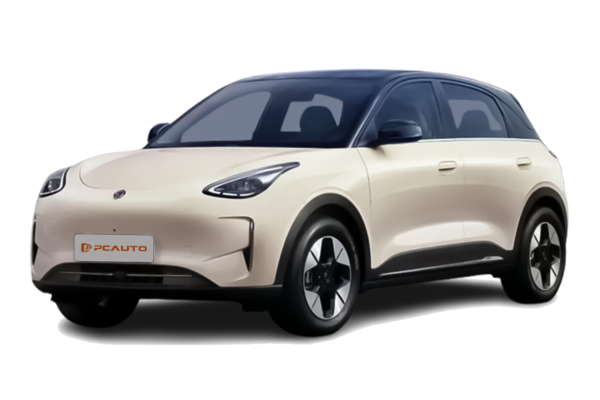
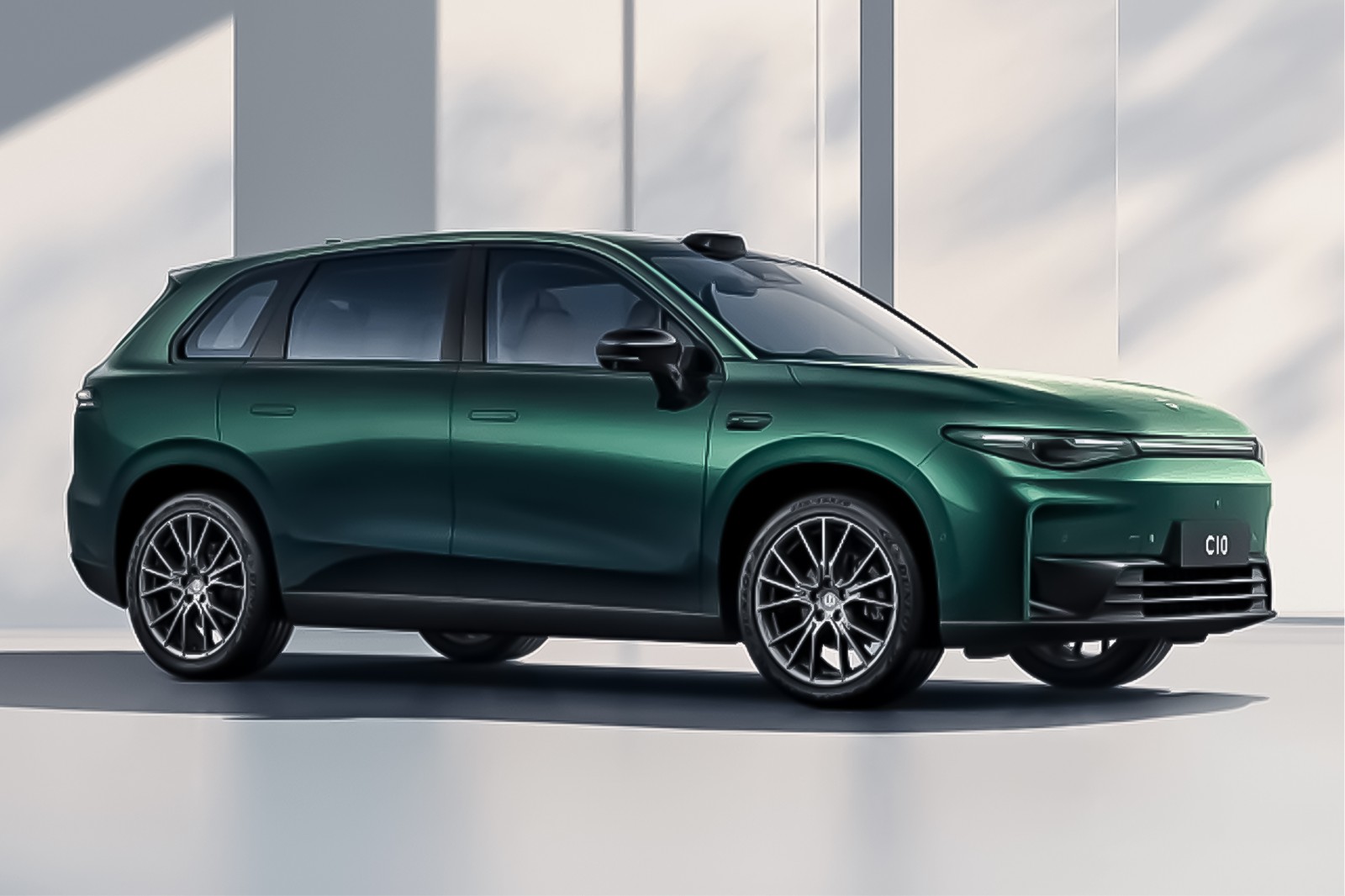
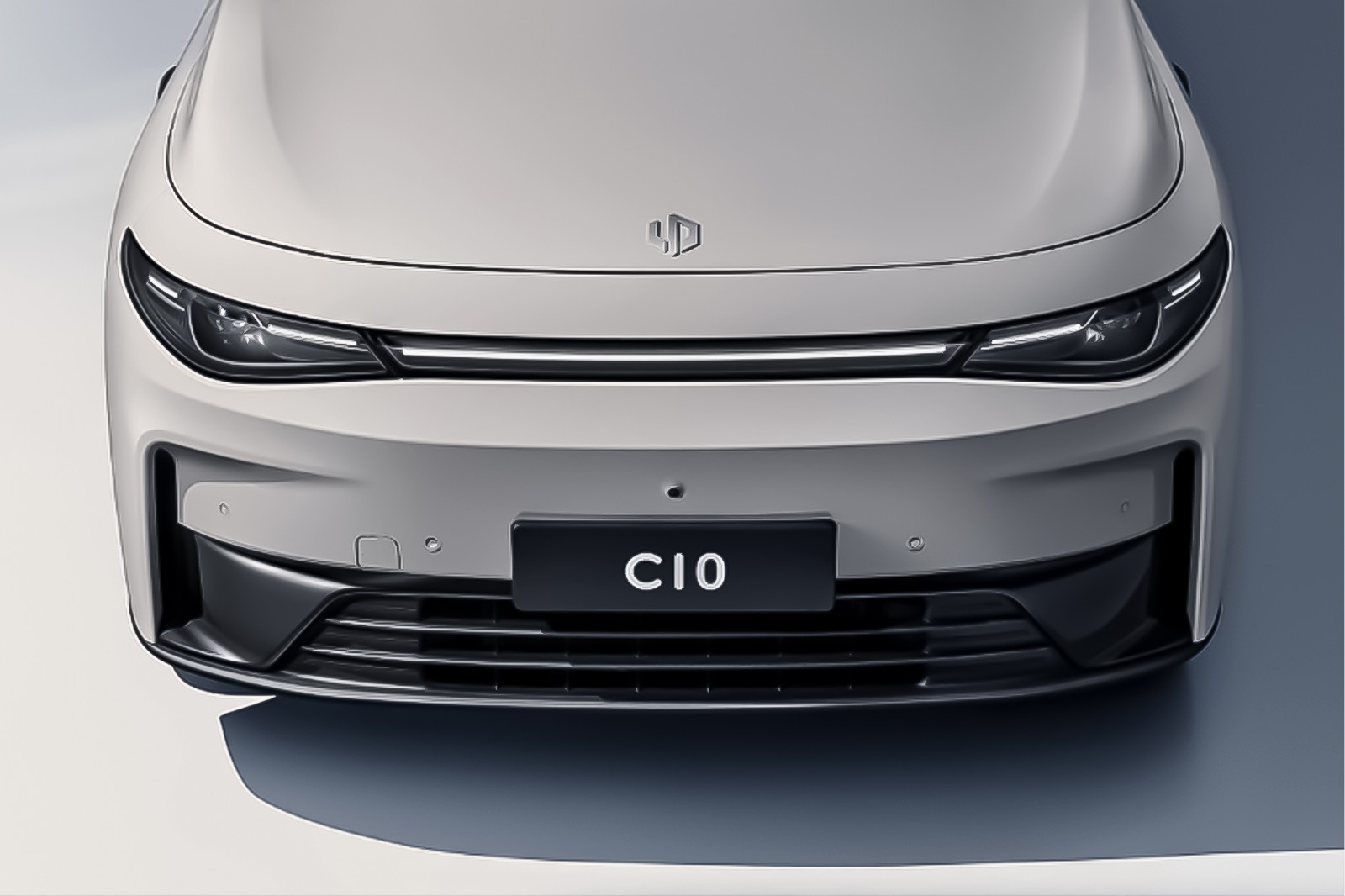
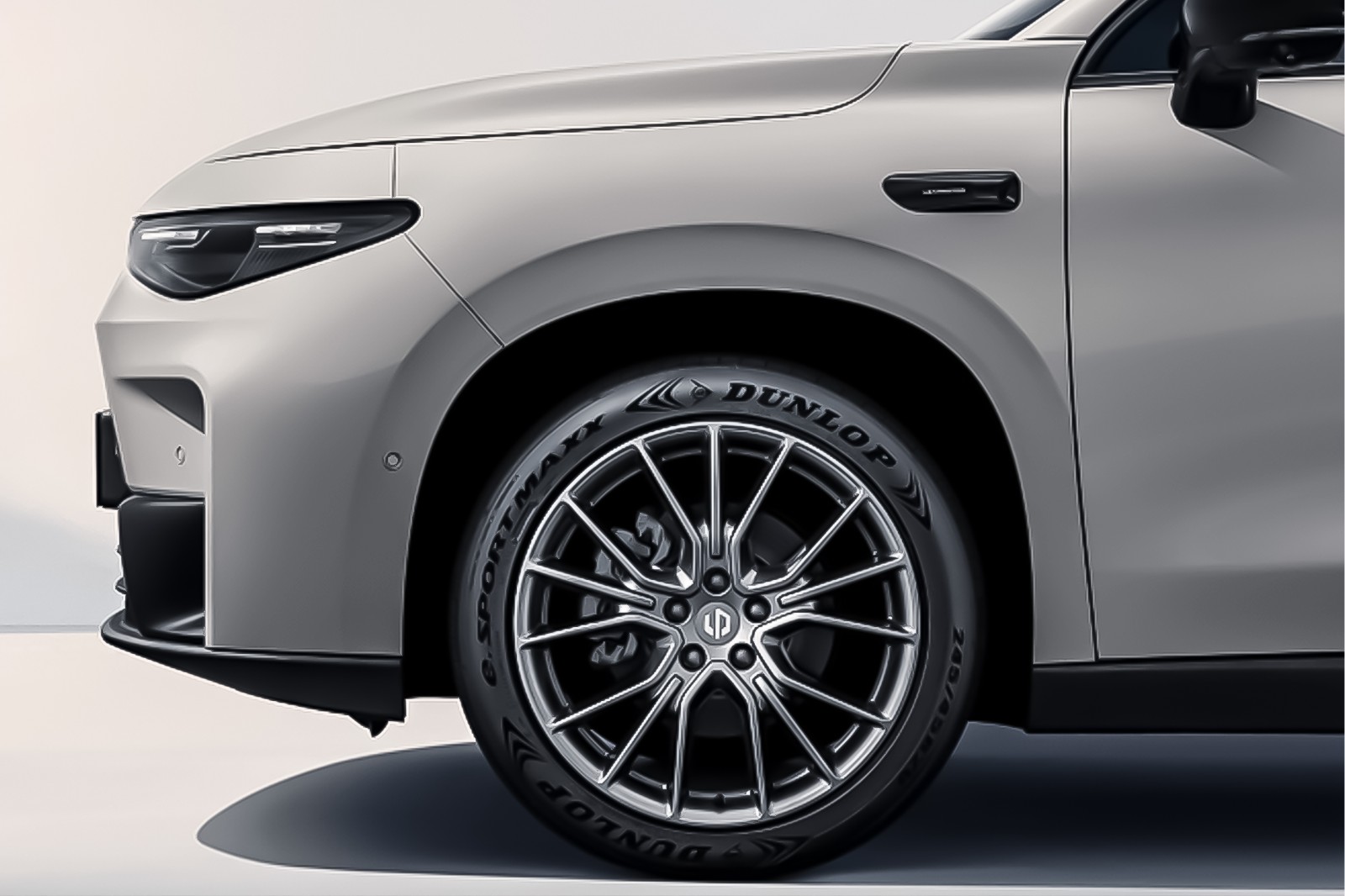
2025 Leapmotor C10 Plus
No.38 in Best SUVPrice
RM 139,000
Select a Vehicle Variant
2025 Leapmotor C10 Plus RM 139,000
Summary
The 2025 Leapmotor C10 Plus, launched in 2026-2-26, is a D-Segment SUV starting at RM 139,000. It seats 5 comfortably with generous cabin space – measuring 4739 mm long, 1900 mm wide, and 1680 mm tall. Perfect for families or daily commutes, it balances urban agility with highway capability thanks to an acceleration speed of 7.5s to 100km/h. The standout feature? Its 477 km range on a single charge, easing range anxiety for longer trips.
Power comes from a 69.9 kWh Lithium iron phosphate battery, designed for efficiency and longevity. Need a quick top-up? Fast charging takes just 0.5 hours (10-80%), while a full charge at home requires 4 hours. This 2025 Leapmotor C10 Pluscombines cutting-edge tech with everyday usability – whether zipping through city traffic or cruising on weekends. It’s a smart, future-ready choice for eco-conscious drivers who refuse to compromise on space or performance.
Power comes from a 69.9 kWh Lithium iron phosphate battery, designed for efficiency and longevity. Need a quick top-up? Fast charging takes just 0.5 hours (10-80%), while a full charge at home requires 4 hours. This 2025 Leapmotor C10 Pluscombines cutting-edge tech with everyday usability – whether zipping through city traffic or cruising on weekends. It’s a smart, future-ready choice for eco-conscious drivers who refuse to compromise on space or performance.
Core Specs

Segment
D-Segment

EV Range(km)
477

Battery Type
Lithium iron phosphate battery

100 Kilometers(kWh)
7.5

Motor Arrangement
Rear

Battery Capacity(kWh)
69.9

Seats
5

Length(mm)
4739

Width(mm)
1900

Height(mm)
1680

Wheelbase(mm)
2825

Boot Volume(L)
435
Other Variants

Price
RM 139,000
Body
4739×1900×1680
Motor Output(PS)
160
Motor Output(kW)
118
Battery Capacity
69.9
EV Range
477
Power Consumption
-
- RM 159,0004739×1900×168021816069.9424eight-year/160,000 km Battery warranty
Related Q&A
View More >Q
how to check owner of car
In Malaysia, accessing vehicle owner information requires following legal channels – typically, you’ll need to go through official Land Transport Department (JPJ) channels. Individuals can’t just pull someone else’s vehicle details willy-nilly; privacy protection is a big deal here. If you’ve got a legitimate reason – think used car transactions or legal disputes – you’ll need to head to a JPJ counter with relevant documents like your ID and the vehicle’s registration certificate. There, you can apply for a “Vehicle Registration Certificate,” which dishes up basic info such as the owner’s name and address.
For official matters, Malaysian police or legal authorities can also assist with owner lookups when investigating cases. Important heads-up: Snooping into someone’s vehicle info without proper authorization could land you in hot water under the Personal Data Protection Act, so always stick to the official process.
If you’re in the market for a used car, owner info is just the start. Hit up JPJ’s “MySikap” system to dig into the vehicle’s history – check for outstanding loans, accident records, or if it’s been reported stolen. That’s how you keep the deal clean. Also, keeping an eye on up-to-date road tax and insurance can give you clues about the vehicle’s condition. Bottom line: Do your homework before signing on the dotted line to avoid any nasty surprises.
 HappyHareSep 26, 2025
Q
how to use nissan serena roof monitor
In the Nissan Serena, the Roof Monitor is primarily designed for rear passengers to enjoy entertainment or check vehicle info, and it’s super easy to use. First, make sure the car is powered on, then fire up the monitor using the center console or remote control. Pick your input source—whether it’s DVD, USB, or a Bluetooth-connected device. It supports all sorts of media formats, perfect for family trips when you want to play movies or music. Plus, some models even have split-screen mode, so front and back passengers can watch different stuff at the same time.
For Malaysian users, the Serena’s Roof Monitor is a game-changer on long drives, especially if you’ve got kids in tow. It really cuts down on the boredom factor during those road trips. A quick heads-up though: for safety’s sake, drivers should avoid messing with the monitor while driving—no need to distract yourself. And don’t forget to check for firmware updates every now and then to keep it running smoothly and get the best experience.
Beyond the Roof Monitor, the Nissan Serena comes with plenty of comfort features, like flexible seating layouts and a smart air-con system, which all add up to a better ride. It’s a hit in the Malaysian market, ideal for folks who value practicality and family-friendly design.
 DreamChaserVisionaryOct 9, 2025
Q
Is Nissan Kicks equipped with Mercedes engine?
No, Nissan Kicks isn't equipped with Mercedes engine. Nissan Kicks is powered by a hybrid (HEV, MHEV) system. It's equipped with a 1198cc (1.2-liter) 3-cylinder engine with naturally aspirated intake. The maximum power of this engine is 82 horsepower, and the maximum torque is 103 Nm. The electric motor is a permanent magnet synchronous motor, with a power of 129 horsepower (95 kW) and a torque of 280 Nm. This combination provides the driving force for the vehicle. Mercedes engine is only used in Mercedes - Benz vehicles and manufactured through Mercedes - Benz's own R & D and production processes. Each brand has its own unique engine technology and characteristics to meet different design concepts and performance requirements.
 LivelySpiritJun 5, 2025
Q
What is the top speed of the 2023 BMW M2 Coupe?
The top speed of the 2023 BMW M2 Coupe is electronically limited to 250 km/h. However, if you opt for the M Driver's Package, this limit can be increased to 285 km/h. This model is equipped with a 3.0-liter in-line six-cylinder twin-turbocharged engine, with a maximum output power of 453 horsepower and a peak torque of 550 Nm. Paired with an 8-speed M Steptronic automatic transmission and a rear-wheel drive system, it can accelerate from 0 to 100 km/h in just 4.1 seconds. For car enthusiasts in Malaysia, this car can offer an excellent driving experience both on local roads and highways, especially on well - maintained sections like the North - South Expressway. However, it's important to note that although the M2 Coupe has powerful performance, in Malaysia's hot and rainy climate, it's recommended to regularly check the tires and cooling system to ensure optimal performance. At the same time, you should also abide by local traffic regulations. After all, public roads are not race tracks, and safe driving should always come first.
 NiaSep 15, 2025
Q
When to change timing belt on 2018 Honda Odyssey?
According to general maintenance guidelines for vehicles with timing belts, it is commonly recommended to replace the timing belt of the 2018 Honda Odyssey every 60,000 to 80,000 kilometers or every 3 to 5 years, whichever occurs first. The hot and humid climate in Malaysia may accelerate the aging of rubber components, so owners are advised to have the timing belt inspected more frequently under these conditions.
The timing belt is a critical engine component. Its failure can lead to piston-to-valve interference, potentially causing catastrophic engine failure and expensive repairs. In addition to the timing belt, it is highly recommended to replace related components like the water pump, tensioner, and idler pulleys concurrently. Since these parts usually can only be accessed after removing the timing belt, replacing them all at once can save subsequent labor costs.
Car owners in Malaysia should also pay attention to using original or replacement parts of equivalent quality to ensure durability and choose a repair shop with experience in servicing Honda models for the operation. Because the transverse V6 engine of the Odyssey has a relatively compact structure, professional tools and techniques are required.
If high-pitched chirping or squealing noises emanate from the engine bay, or if cracks, fraying, or missing teeth on the belt are visible, an immediate inspection is imperative. Such signs often indicate that the belt is worn.
 ThornFangSep 18, 2025
Q
What is the fuel capacity of the 2020 Land Cruiser?
The 2020 Toyota Land Cruiser has a 138-liter fuel tank capacity. This large capacity design is perfect for long-distance driving or off-roading in Malaysia, especially in remote areas like East Malaysia's Sarawak or Sabah where gas stations are scarce, providing longer range. The model is equipped with a 4.5-liter V8 turbo diesel engine (a common configuration in the Malaysian market), which, combined with the large fuel tank, offers a theoretical range of 800-1000 kilometers. However, actual fuel consumption is affected by load, road conditions, and driving habits. It's worth noting that as a rugged off-roader, the Land Cruiser's fuel tank features an explosion-proof design and offers an optional auxiliary fuel tank (available in some markets). It's advisable for owners to regularly check the fuel tank's sealing performance, especially after wading through water during the rainy season. Malaysian users should also be aware of possible minor differences between model years; if purchasing a parallel imported vehicle, confirm the specific specifications with the seller. Additionally, while the large fuel tank is convenient, it does add weight to the vehicle, which may slightly affect acceleration performance. It's recommended to weigh these factors based on actual usage needs.
 BeeOct 30, 2025
Q
What size engine is in the 2021 Honda Civic hatchback?
The 2021 Honda Civic Hatchback is powered by a 1.5-liter four-cylinder turbocharged engine, featuring Honda's renowned VTEC technology. It cranks out 182 horsepower and 240 Nm of peak torque, mated to either a CVT automatic or a 6-speed manual transmission, delivering a smooth driving experience and decent fuel efficiency. This engine serves up plenty of torque at low revs, making it great for city driving, while still pulling strong when you hit the highway. Thanks to turbocharging, this small-displacement engine puts out power close to a larger naturally aspirated motor, balancing eco-friendliness and fuel economy nicely. The Civic Hatchback's powertrain stands out in its class, especially the manual transmission version, which is a hit for drivers who love getting behind the wheel. Plus, this engine has proven its reliability in the market, with reasonable maintenance costs, making it a solid pick for folks who want a mix of practicality and performance.
 UmaNov 11, 2025
Q
How many gears does a 2023 Ford Ranger have?
The 2023 Ford Ranger comes with a 10-speed automatic transmission, one of the more advanced drivetrains in its pickup class right now. It delivers smoother shifts and better fuel economy. Having 10 gears lets the engine stay in its optimal rev range across different speeds, whether you're tooling around the city or cruising on the highway, so it performs better all around. There's also a manual shift mode for drivers who want more control. It's worth noting that multi-speed transmissions are a trend in the auto industry these days, and for pickups that need to handle both hauling and daily driving, more gears mean better adaptability. Besides the number of gears, the transmission tuning is just as important—this 10-speed has been specifically optimized to work well with the Ranger's engine, ensuring smooth power delivery. If you're into pickup trucks, besides checking out the number of gears, you should also look into specs like torque output and towing capacity—those are key indicators of a pickup's performance.
 LavenderHazeNov 17, 2025
Q
How to calculate engine power?
The calculation of engine power is mainly based on the physical relationship between torque and speed, and the formula is: power (horsepower)=torque (Nm) × speed (rpm)/5252, where 5252 is the conversion constant in English units. In practical operation, manufacturers will use an engine dynamometer (Dyno) to operate the engine at full load in a laboratory environment and measure the torque output at different speeds, ultimately drawing a power curve graph. It is worth noting that the on wheel power (the actual power transmitted to the wheels) is usually 10% -20% lower than the nominal power of the engine, due to transmission system losses. In daily driving, power is only one aspect of performance. Turbocharged engines may output maximum torque at low speeds, making them more suitable for urban road conditions, while naturally aspirated engines have a linear increase in power at high speeds, making them more suitable for high-speed driving. The engine technology routes of different brands have their own advantages, such as some focusing on fuel economy, while others emphasize performance. Consumers should choose according to their own needs.
 GoldenshDec 23, 2025
Q
How do automatic parking brakes work?
The automatic parking brake system works through the coordination of an electronic control unit and sensors to achieve automatic braking after the vehicle comes to a stop. When the vehicle is completely stationary, the system uses wheel speed sensors or incline sensors to determine the vehicle's status and commands the electronic parking actuator to lock the rear brake calipers or drive shaft, eliminating the need for the driver to manually operate the parking brake button. This system usually links with the hill-start assist function, maintaining brake pressure for about 2 seconds after the brake pedal is released to prevent rolling. Most modern vehicles adopt an electronic parking brake design where a motor directly drives the brake calipers, saving more space compared to traditional manual handbrakes and enabling integration of more intelligent features, such as automatic release when shifting to D gear and pressing the accelerator, and automatic locking when the engine is turned off. Some high-end models also support remote control via mobile apps or trigger the parking function during automatic emergency braking. It's important to note that although electronic parking brakes are highly reliable, regularly checking brake pad thickness and system fault codes remains a necessary maintenance task. Especially after long-term parking in humid climates, occasionally gently applying the electronic parking brake helps prevent brake disc rust and adhesion.
 ArtistzzJan 22, 2026
Popular Cars
Model Year
Car Compare
Car Photo
Model List
Leapmotor C10 is a D-Segment SUV EV launched by Leapmotor. PCauto has cataloged various variants of this car produced from 2024 to 2026.You can compare differences in detail at the parameter table.
Among the 2 variants of Leapmotor C10, prices range from the affordable RM 125,000 to the most expensive RM 139,000.You can find different horsepower versions ranging from 160PS to 160PS.
Leapmotor C10 offers 118 Permanent Magnet Synchronous Motor Motor and 69.9kWh battery. Check the spec sheet for more details.
1 Model on Sale
2026
2025
2024