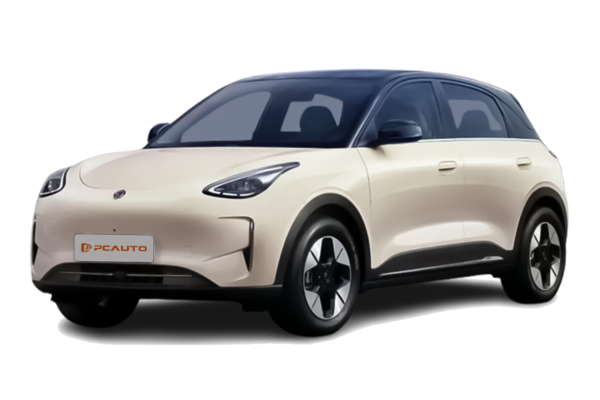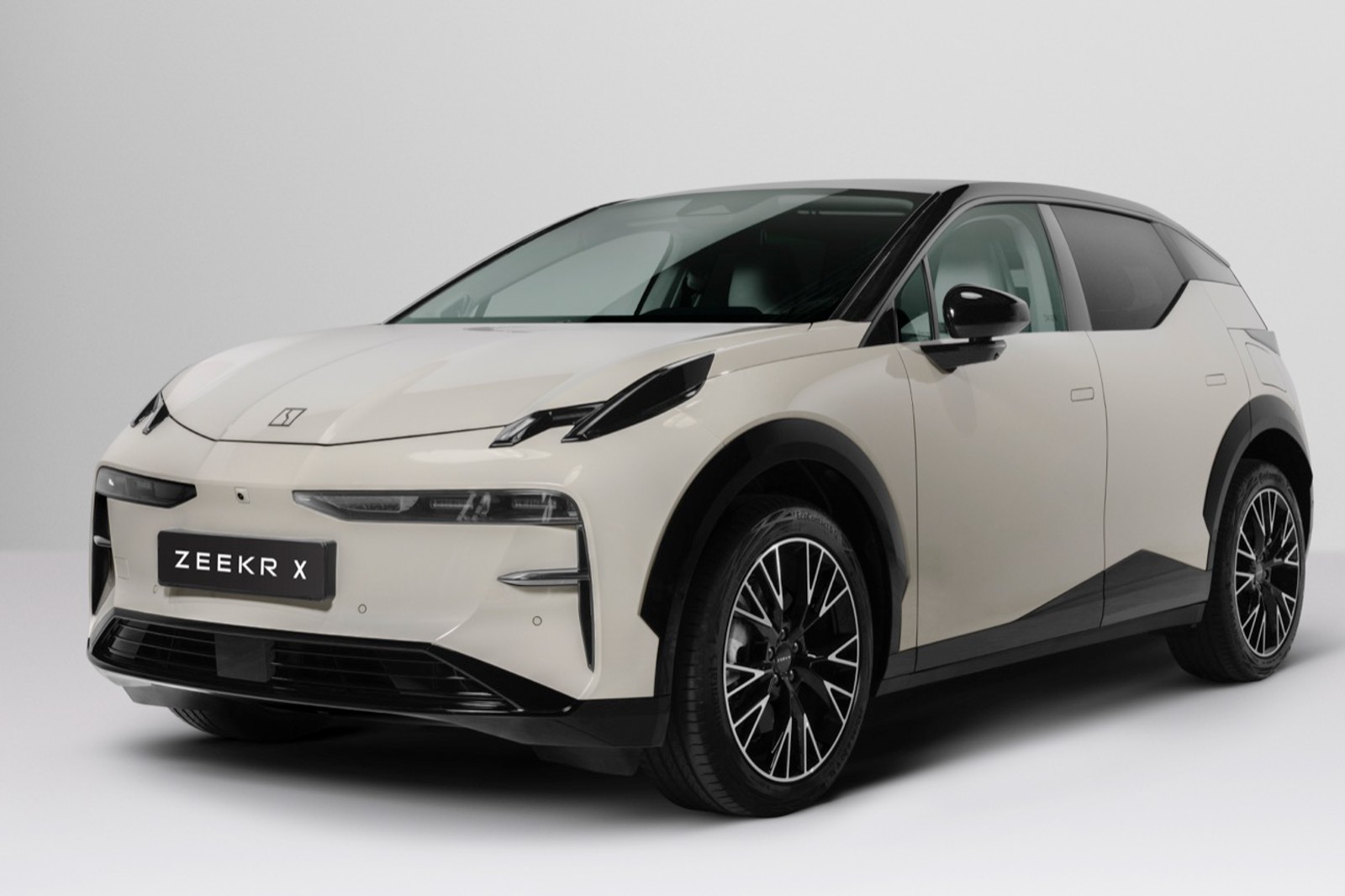
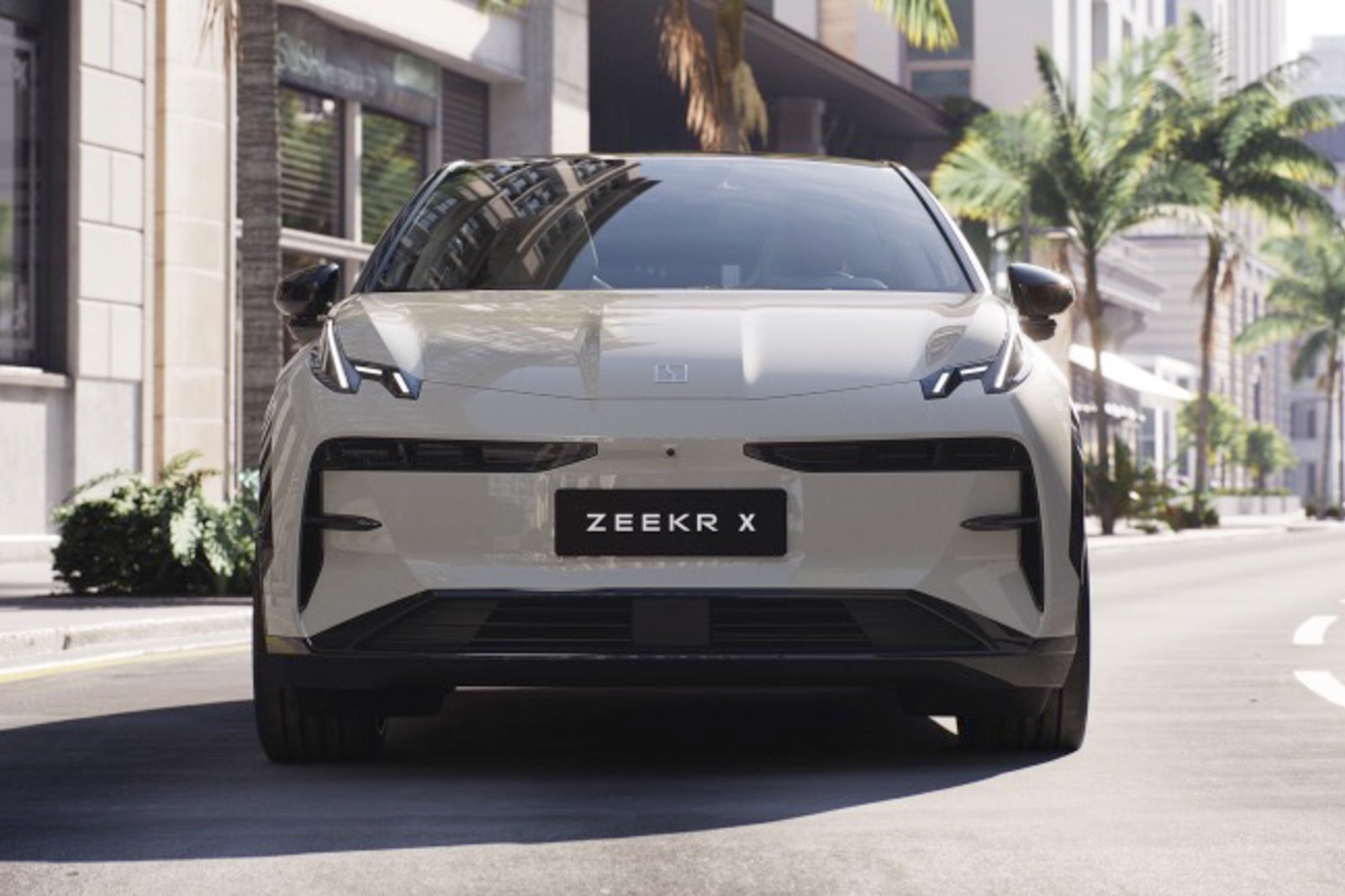
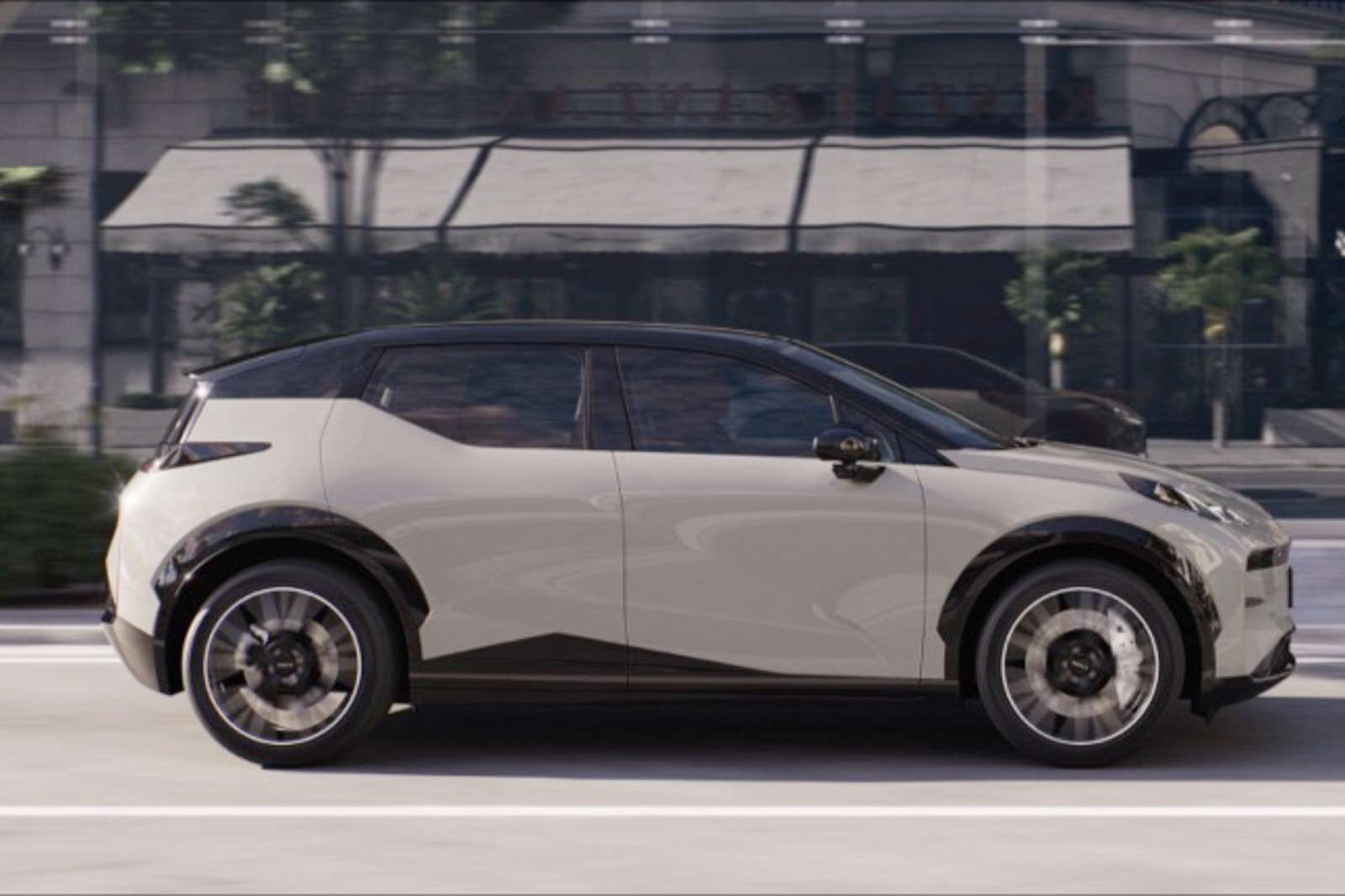
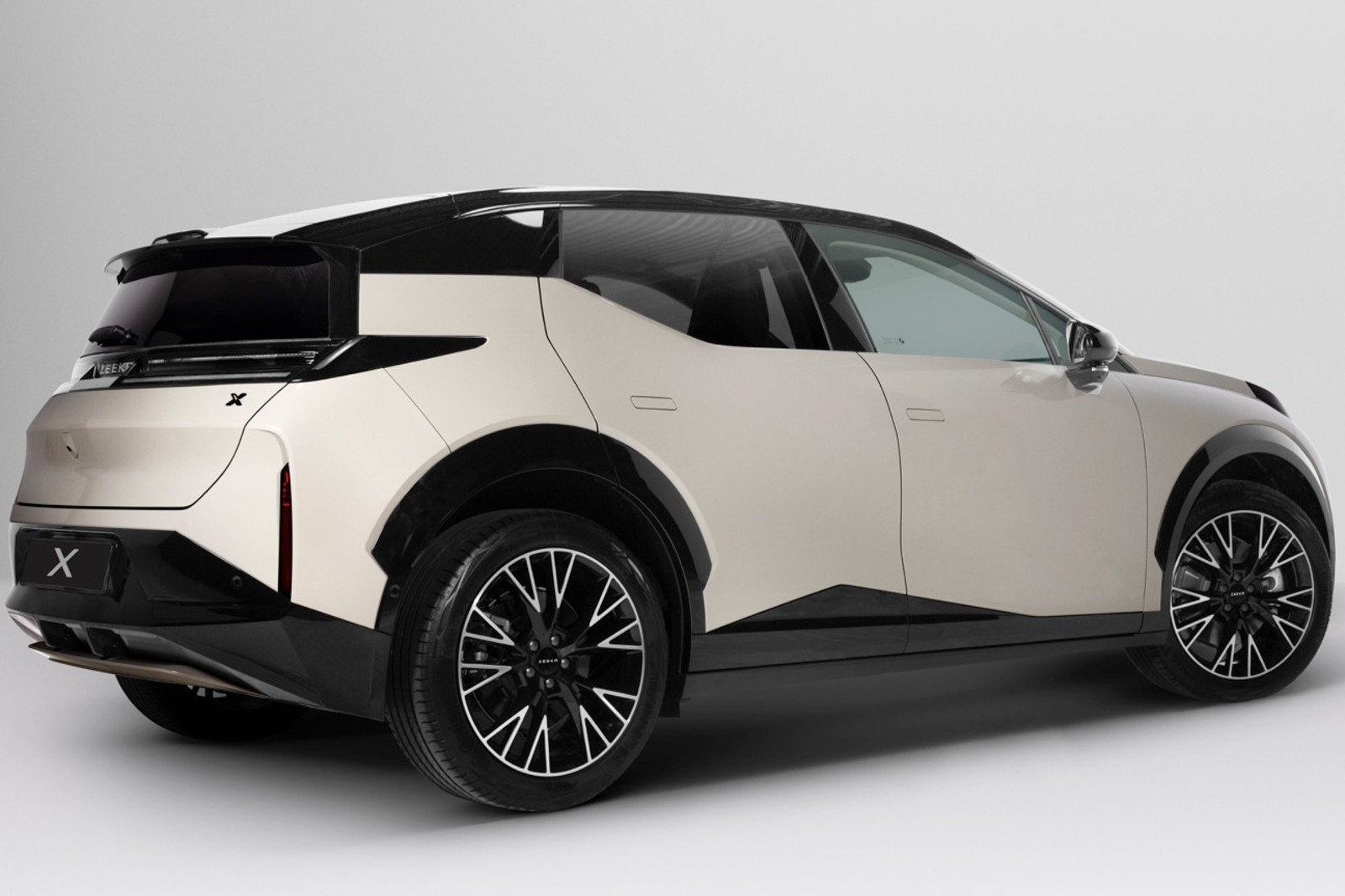
2024 ZEEKR X Flagship AWD
No.69 in Best SUVPrice
RM 172,800
Select a Vehicle Variant
2024 ZEEKR X Premium RWD RM 155,800
Summary
Meet the 2024 ZEEKR X Flagship AWD. This D-Segment SUV launched in 2024-12-6 and starts at RM 172,800. It comfortably fits 5 people in its spacious cabin (4432mm long × 1836mm wide × 1566mm tall). Great for families! With an acceleration speed of 3.8s to 100km/h., it handles highways easily. Best part? You get 425 km per charge – no range stress on road trips.
Its 66 kWh Ternary lithium battery battery is built to last. Need a fast charge? Juice up in 0.5 hours (10-80%). Overnight charging at home takes 7 hours. Perfect for daily drives or weekend getaways, this 2024 ZEEKR X Flagship AWD mixes smart tech with real-world practicality.
Its 66 kWh Ternary lithium battery battery is built to last. Need a fast charge? Juice up in 0.5 hours (10-80%). Overnight charging at home takes 7 hours. Perfect for daily drives or weekend getaways, this 2024 ZEEKR X Flagship AWD mixes smart tech with real-world practicality.
Core Specs

Segment
D-Segment

EV Range(km)
425

Battery Type
Ternary lithium battery

100 Kilometers(kWh)
3.8

Motor Arrangement
Front+Rear

Battery Capacity(kWh)
66

Seats
5

Length(mm)
4432

Width(mm)
1836

Height(mm)
1566

Wheelbase(mm)
2750

Boot Volume(L)
362
Other Variants
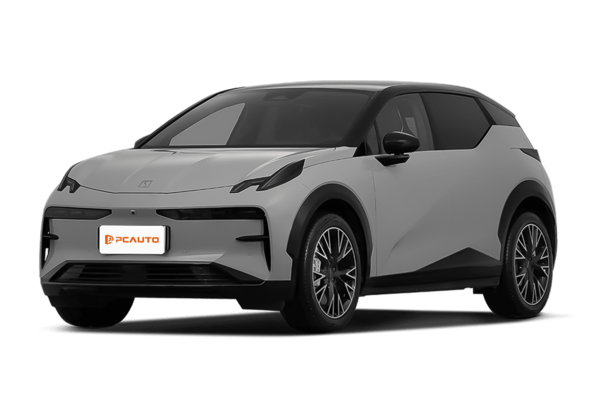
Price
RM 172,800
Body
4432×1836×1566
Motor Output(PS)
428
Motor Output(kW)
315
Battery Capacity
66
EV Range
425
Power Consumption
17.8
Related Q&A
View More >Q
What's the engine displacement of Golf GTI?
The Golf GTI has a displacement of 1,984 cc and is equipped with a 2.0T in - line four - cylinder turbocharged engine (from the EA888 series). An engine with this displacement can provide ample power for the vehicle. Take the 2024 Volkswagen Golf GTI Edition 50 as an example. Its engine can reach a maximum horsepower of 245 PS, a maximum power of 180 kw, and a maximum torque of 370 N·m. It can output a large amount of torque even at low engine speeds, delivering a great acceleration. The official 0 - 100 km/h acceleration time is relatively short, and the power response is sensitive. Whether overtaking on city roads or driving at high speeds on the highway, it can handle the situations with ease. Moreover, this power configuration, combined with a 7 - speed DCT gearbox and front - wheel drive, offers driving pleasure while also achieves the balance between practicality and comfort of daily driving.
 TechGeekGuruJun 10, 2025
Q
What's The Mainentance Cost of Toyota Veloz? Get Idea Here!
The maintenance cost of the Toyota Veloz can vary due to multiple factors, including maintenance items, regional differences, the parts used, and labor costs. Generally, a minor maintenance mainly involves changing the engine oil and oil filter. The prices of engine oil and oil filters vary depending on the brand and specifications. If you buy the materials by yourself and have a repair shop do the replacement, you also need to pay the labor cost. A major maintenance involves replacing more parts, such as brake fluid and coolant, so the cost will be higher. The costs also differ according to different maintenance cycles. Regular maintenance according to the maintenance manual can ensure stable vehicle performance and extend its service life. Although there is no specific data on the maintenance cost, it is recommended to refer to the vehicle maintenance manual or consult a Toyota authorized dealer to get a more accurate estimate of the maintenance cost.
 GraceJun 24, 2025
Q
What is the Mainentance Cost of Perodua Aruz? Get Idea Here
As a practical and cost - effective seven - seat SUV, the Perodua Aruz has relatively affordable maintenance costs, making it a great fit for Malaysian family users. According to the official recommendation, basic maintenance should be carried out every 6 months or 5,000 kilometers. The cost is approximately between RM200 and RM300, which includes the replacement of engine oil and oil filter, as well as basic inspections. For major maintenance every 10,000 kilometers, the cost is around RM400 to RM600, covering more items such as the air filter and brake fluid. The specific cost may vary slightly depending on the service center and region.
In the long run, the maintenance cost of the Aruz is relatively low among similar models. This is thanks to Perodua's extensive service network and local part supplies. Moreover, regular maintenance can not only extend the vehicle's lifespan but also keep it performing well. It is recommended that car owners follow the maintenance manual strictly and choose original parts to ensure quality. For those on a tight budget, they can also keep an eye on the maintenance promotions that Perodua often offers, which can further reduce the expenses. Overall, the Aruz has relatively low maintenance pressure, which is in line with its positioning as an economy - class SUV.
 TravelBugJul 10, 2025
Q
What motor is in a 2018 Volkswagen Jetta?
In 2018, the Volkswagen Jetta in the Malaysian market was mainly equipped with a 1.4-liter TSI turbocharged four-cylinder gasoline engine. This engine uses direct injection technology, with a maximum output power of 150 horsepower and a peak torque of 250 Newton-meters. It is paired with a 6-speed manual or 8-speed automatic transmission, providing a smooth driving experience and good fuel economy.
This engine belongs to Volkswagen's EA211 series and is known for its lightweight design and high efficiency. It is suitable for both city commuting and long-distance driving. It's worth mentioning that the turbocharging technology can provide abundant torque at low speeds, making overtaking easier. At the same time, the TSI engine also takes environmental protection into account and meets the Euro 6 emission standards.
For Malaysian consumers, the power of the 1.4 TSI is more than enough. Moreover, the maintenance cost is relatively reasonable, and the parts supply is also abundant. Among vehicles in the same class, small-displacement turbocharged engines like this have become a trend. They can not only meet the power requirements but also reduce the road tax burden, which is very suitable for the road conditions and vehicle usage environment in Malaysia.
 ValeSep 16, 2025
Q
Is 2025 gle hybrid?
Mercedes-Benz hasn't officially spilled the beans yet on whether a hybrid version will join the 2025 GLE lineup. But, looking at the brand's recent push towards electrification and the fact that the current GLE already offers a plug-in hybrid option – think the GLE 350e – it's a safe bet that the 2025 model will likely expand its hybrid offerings. We might even see upgrades to battery tech and improved all-electric range.
For Malaysian buyers, hybrids make a lot of practical sense in our market. The tax breaks on Hybrid models mean lower ownership costs, and they're perfect for sipping fuel in our notorious city traffic. If it does land here, we'd expect it to come with a battery cooling system that's up to the task of our tropical heat. Mercedes' hybrid tech, like their EQ Power system, has been put through its paces across multiple model generations, striking a solid balance between performance and efficiency. Keep an eye out for official announcements or check in with your local Mercedes dealer for the latest scoop.
On top of that, the Malaysian government's ongoing support for new energy vehicles, including charging infrastructure initiatives, could speed up the introduction of more luxury hybrid models here. If you're in the market, it's worth weighing up your needs between the traditional petrol and hybrid variants, and don't forget to ask about any local spec differences.
 VirtualRealityDreamerOct 15, 2025
Q
What is the top speed of the 2018 GLC 63 AMG?
The 2018 Mercedes-AMG GLC 63 Coupe tops out at 250 km/h, thanks to its electronic limiter. But if you spec the AMG Driver's Package, that limiter gets bumped up to 280 km/h – a solid showcase of its serious performance credentials. Under the hood, you've got a 4.0-liter V8 biturbo engine cranking out 476 hp in the standard GLC 63 or 510 hp in the GLC 63 S. The Coupe version sprints from 0-100 km/h in just 3.8 seconds, and paired with the AMG Performance 4MATIC+ all-wheel-drive system, it delivers exceptional handling stability. For Malaysian car enthusiasts, these high-performance SUVs are a great fit for the country's diverse road conditions – they handle daily driving duties with ease while letting you uncork some serious excitement on open stretches. One thing to keep in mind though, with Malaysia's hot climate, it's smart to regularly check the cooling system and tire condition on high-performance cars to keep everything running at its best.
SabertoothOct 24, 2025Q
How much is the Land Cruiser 2020?
The 2020 Toyota Land Cruiser varies in price in the Malaysian market depending on trim level and condition. Brand-new models typically range from around RM400,000 to RM600,000, with specific pricing depending on configurations like the VX or GR Sport grades. Used examples, meanwhile, usually fall between RM300,000 and RM500,000, depending on mileage and overall condition.
Renowned for its exceptional off-road capability and reliability, the Land Cruiser comes equipped with either a robust 4.5-liter V8 turbo diesel engine or a 4.6-liter V8 petrol engine. It features a full-time 4WD system and multi-terrain select functionality, making it well-suited for Malaysia's diverse road conditions. The vehicle also boasts a luxurious interior and advanced tech features, such as a multi-information display and premium safety systems, keeping it competitive in the large SUV segment.
If you're considering purchasing a Land Cruiser, it's advisable to visit authorized dealerships to get detailed information on the latest promotions and after-sales service policies. Additionally, comparing it with other models in the same class will help ensure you choose the vehicle that best fits your needs.
 TravelBugWanderlustOct 30, 2025
Q
What is the difference between 2021 and 2022 XC40?
The key differences between the 2021 and 2022 XC40 models mainly come down to upgraded features and tech refinements. The 2022 version now comes standard with more advanced driver-assistance systems, including improved blind-spot monitoring and rear cross-traffic alert. The infotainment screen is larger with a smoother interface and faster response times.
Under the hood, the plug-in hybrid variant gets a slight bump in electric-only range, along with better energy recuperation. For aesthetics, the 2022 model adds two new paint options and subtle wheel design tweaks. On the safety front, the 360-degree camera—previously an optional extra—is now standard on select trims.
That said, both model years share the same chassis tuning and overall structure, so the driving experience feels nearly identical. For used-car shoppers on a budget, the 2021 model offers better value, while the 2022 edition is the way to go if you prioritize the latest tech. Maintenance costs are virtually the same across both years, and high parts commonality is a plus for long-term ownership.
 QonDec 15, 2025
Q
How often should I service brakes?
The maintenance cycle of the brake system should be determined based on vehicle type, driving habits, and road conditions. It is generally recommended to perform a comprehensive inspection every 20,000 to 30,000 kilometers or every two years. Specifically, front disc brake pads require inspection and replacement approximately every 30,000 kilometers, rear disc brakes every 60,000 kilometers, while drum brakes may last up to 100,000 kilometers. However, actual wear should be determined through professional measurement. Brake fluid should be replaced every two years or 40,000 kilometers to prevent reduced boiling point due to moisture absorption, which could compromise braking performance. For frequent driving in congested areas or aggressive driving styles, it is advisable to reduce the maintenance interval to 10,000-20,000 kilometers. High-performance or heavy-duty vehicles require inspection every 10,000 to 30,000 kilometers due to their higher load capacity. Routine checks of brake pad thickness and brake fluid condition should be conducted every six months. If increased braking distance or abnormal noises occur, immediate servicing is necessary. Using genuine or high-quality brake fluid, along with regular cleaning of brake dust, can significantly extend component lifespan. Note that all intervals are approximate; actual maintenance should be based on diagnostic data and the vehicle manual. Professional maintenance at authorized service centers is recommended to ensure safety.
 SpectralWalkerFeb 5, 2026
Q
Does Mercedes track my car?
Mercedes-Benz vehicles do have a positioning function, which is mainly realized through the on-board GPS system and intelligent connectivity services. Vehicle owners can view the real-time location of their vehicles via the "Mercedes me" mobile app, with an accuracy of within 10 meters, and it supports remote honking or flashing lights to assist in locating the vehicle. Some models require a subscription to the CarLocation service, which transmits positioning data through cloud servers. The on-board MBUX system also provides a navigation interface to directly display coordinates or allows querying via voice commands. In case of an emergency, long-pressing the SOS button can send positioning information to the rescue team. It should be noted that the positioning function relies on satellite signals and may be limited in areas such as tunnels and underground parking lots. It is recommended to update the map software regularly and keep the sensors in normal operation. This function is mainly used for vehicle owners to manage their vehicles independently. Mercedes-Benz will not actively track users' vehicles, and all data access requires the authorization of the vehicle owner.
 HappyKoalaMar 17, 2026
Popular Cars
Model Year
Car Compare
Car Photo
Model List
ZEEKR X is a D-Segment SUV EV launched by ZEEKR. PCauto has cataloged various variants of this car produced from 2024 to 2024.You can compare differences in detail at the parameter table.
Among the 2 variants of ZEEKR X, prices range from the affordable RM 155,800 to the most expensive RM 172,800.You can find different horsepower versions ranging from 272PS to 428PS.
ZEEKR X offers 200 Permanent Magnet Synchronous Motor, 315 Permanent Magnet Synchronous Motor Motor and 66kWh battery. Check the spec sheet for more details.
2 Models on Sale
2024
- 0-100km/h(s): 5.6
- Motor Output(kW): 200
- EV Range(km): 446
- Driven Wheels: Rear Wheel Drive
- Electronic Stability Control(ESC)
- 0-100km/h(s): 3.8
- Motor Output(kW): 315
- EV Range(km): 425
- Driven Wheels: All Wheel Drive
- Electronic Stability Control(ESC)
2024 ZEEKR X Premium RWD
RM 155,800
2024 ZEEKR X Flagship AWD
RM 172,800