Reference Only. Update Soon
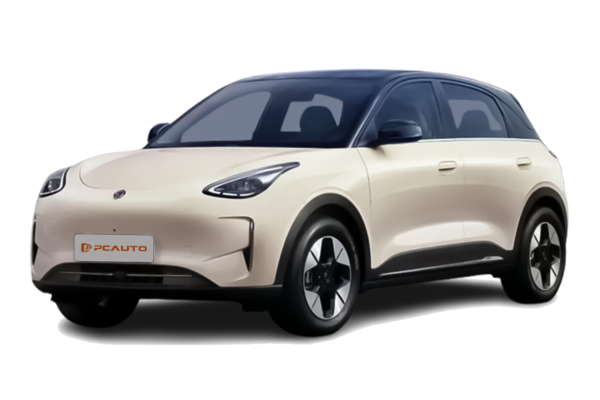
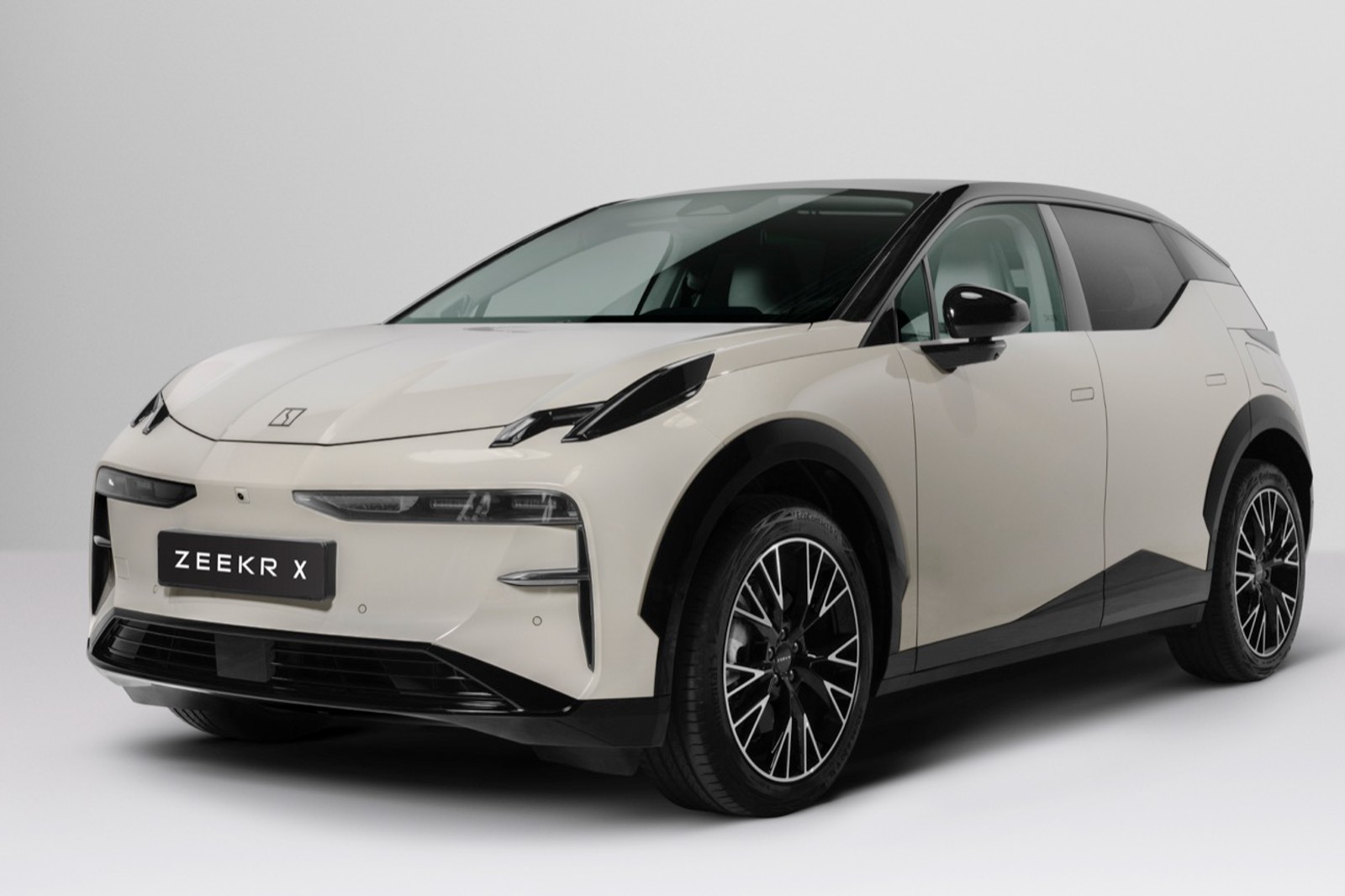
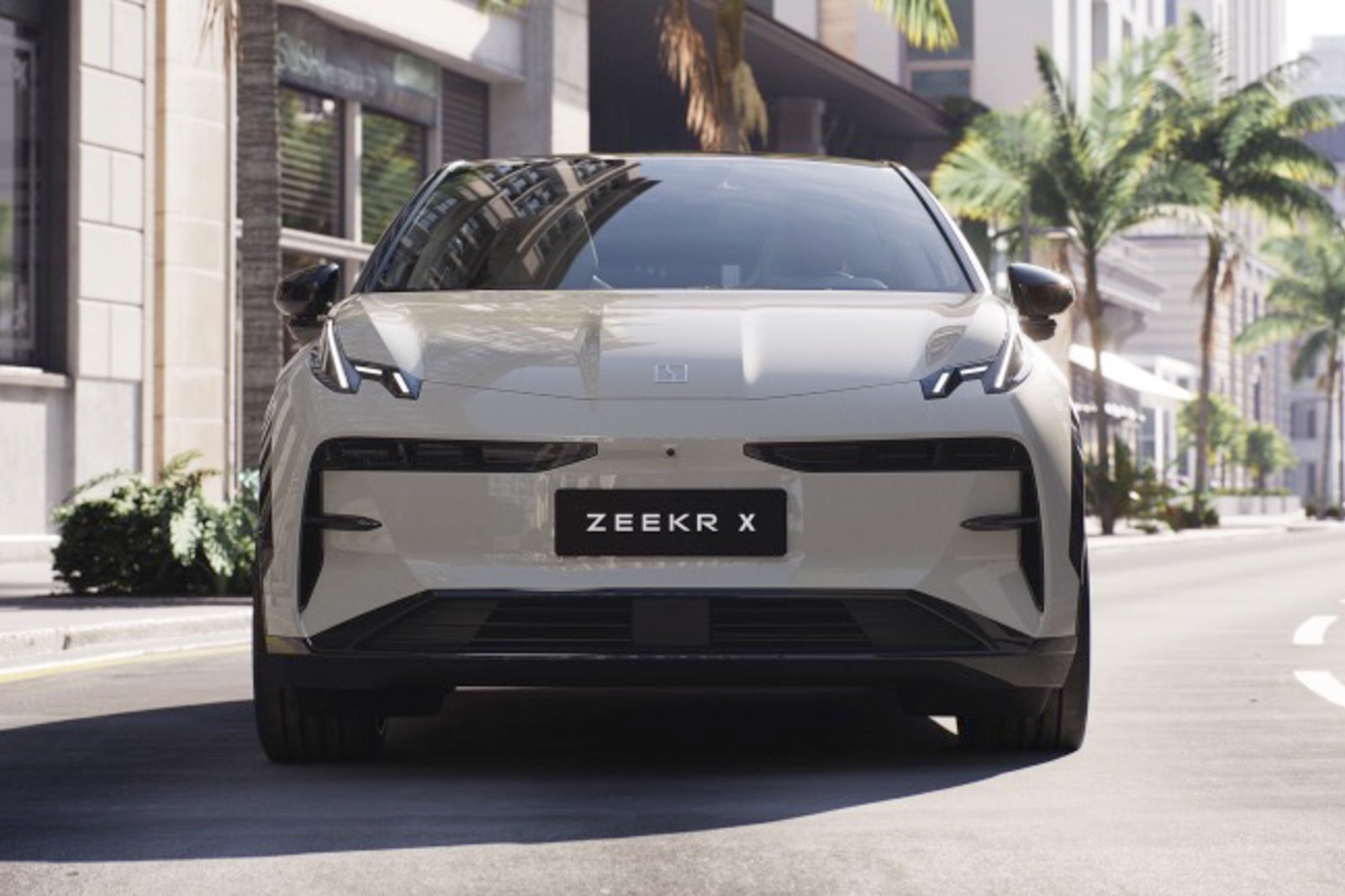
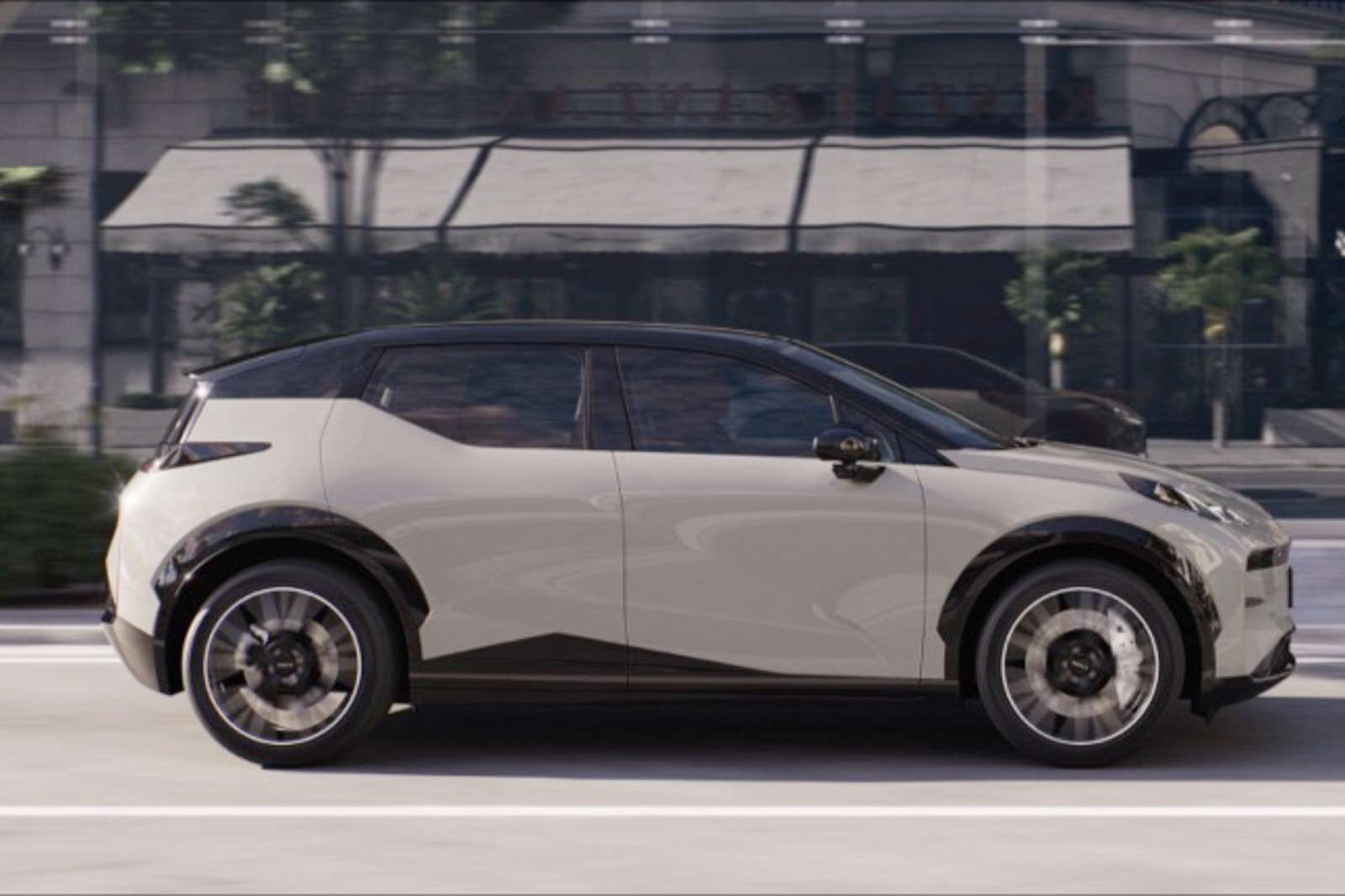
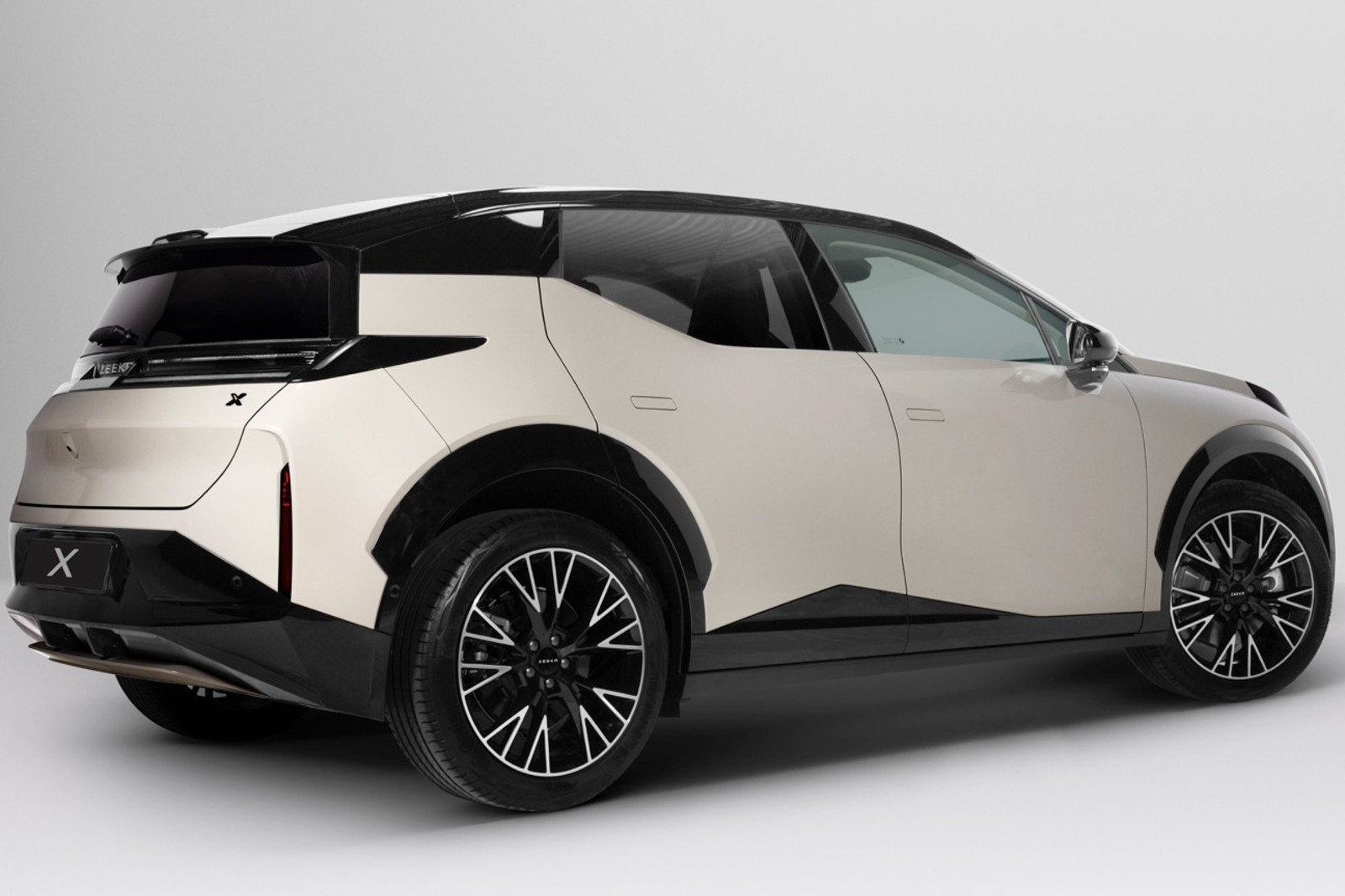
2024 ZEEKR X Premium RWD
No.69 in Best SUVPrice
RM 155,800
Select a Vehicle Variant
2024 ZEEKR X Premium RWD RM 155,800
Summary
The 2024 ZEEKR X Premium RWD, which was launched in (2024-12-6, is a wallet-friendly D-Segment SUV from RM 155,800. It seats 5 with room to spare (4432/ 1836/ 1566mm). Zip through traffic or cruise at 5.6 km/h(s) effortlessly. Say goodbye to charging worries – its 446 km range covers most weekly drives.
Powered by a tough Ternary lithium battery battery (66 kWh). Low on battery? Grab coffee while it fast-charges in 0.5 hours. Home charging overnight? Just 7 hours. Whether you’re commuting or exploring, this EV delivers space, tech, and peace of mind.
Powered by a tough Ternary lithium battery battery (66 kWh). Low on battery? Grab coffee while it fast-charges in 0.5 hours. Home charging overnight? Just 7 hours. Whether you’re commuting or exploring, this EV delivers space, tech, and peace of mind.
Core Specs

Segment
D-Segment

EV Range(km)
446

Battery Type
Ternary lithium battery

100 Kilometers(kWh)
5.6

Motor Arrangement
Rear

Battery Capacity(kWh)
66

Seats
5

Length(mm)
4432

Width(mm)
1836

Height(mm)
1566

Wheelbase(mm)
2750

Boot Volume(L)
362
Other Variants
Price
RM 155,800
Body
4432×1836×1566
Motor Output(PS)
272
Motor Output(kW)
200
Battery Capacity
66
EV Range
446
Power Consumption
17.3
Related Q&A
View More >Q
ford ranger from which country
The Ford Ranger is a globally renowned pickup truck, originally designed and developed by Ford Motor Company in the US. These days, though, it's built and sold all over the world—think Thailand, South Africa, Argentina, you name it. Where exactly yours comes from depends on the specific version you're buying and the market you're in.
Here in Malaysia, most Rangers you'll find on the lot roll out of Ford's Thai factories. Thailand's a major production hub for Ford in Southeast Asia, churning out right-hand-drive models tailored specifically for Asian markets, and they're all tuned to meet local emissions and safety standards.
Malaysian buyers really dig the Ranger for its tough-as-nails body, beastly off-road chops, and solid hauling capability. It's a workhorse that shines in agriculture, construction, or for those weekend warrior off-road adventures. Plus, Ford offers a solid range of powertrains here, including efficient diesel engines and smart 4x4 systems, so there's something to fit just about any driver's needs.
If you're thinking about getting a Ranger, swing by your local authorized dealer. They can walk you through the latest specs, service policies, and help you figure out if it lines up with your budget and how you plan to use it.
 FixerSep 28, 2025
Q
What's the Price of the Toyota Wish in Malaysia?
In Malaysia, the Toyota Wish is a discontinued imported MPV. The prices of its used cars vary depending on the vehicle's condition, production year, and configuration. The used car prices for models from 2010 to 2014 are approximately between RM35,000 and RM65,000. The specific price needs to be evaluated based on the mileage, maintenance records, and modification status. This car is well-known for its practical interior space and reliability. It is equipped with a 1.8L or 2.0L engine, making it a great choice for family users. However, it should be noted that the parts cost of imported cars is relatively high. It is recommended to have the vehicle inspected by PUSPAKOM and check the import information from the Royal Malaysian Customs Department (JKDM) before purchasing. If you're considering a new car in the same class, you can refer to locally assembled (CKD) models such as the Toyota Sienta or the Honda BR - V. These models come with lower maintenance costs and original factory warranties. As for used-car options, there are also Japanese MPVs like the Nissan Grand Livina. It is advisable to make a comprehensive comparison based on your budget and requirements.
 CrystalGazeVisionaryJul 30, 2025
Q
How long is a 2024 Triton?
The 2024 Mitsubishi Triton stretches 5,325mm long, a midsize pickup that's a big hit in Malaysia. Its roomy body isn't just for show – it delivers serious cargo capacity and plenty of passenger space. But there's more to the story: at 1,870mm wide, 1,785mm tall, and riding on a 3,130mm wheelbase, this truck nails that sweet spot between stability and comfort, even when the going gets rough.
Mitsubishi didn't skimp on capability either. The 2024 Triton comes packing an advanced 4WD system and multiple drive modes, making it a perfect match for Malaysia's diverse landscapes – whether you're navigating city streets or tackling off-road trails, it handles it all with ease. Tech-wise, it's got the goods too: think a large infotainment screen and smart driver-assist features that really up the ante on the driving experience.
For Malaysian buyers, the Triton isn't just a workhorse – it's a reliable family hauler too. Its reputation for durability and solid value keeps it a top contender in the local market, and it's easy to see why.
 CitySlickerNavigatorOct 14, 2025
Q
Is Land Cruiser a VIP car?
In Malaysia, the Toyota Land Cruiser really does carry that VIP cachet, especially in the premium off-road and luxury SUV scene. Renowned for its rock-solid reliability, beastly off-road chops, and plush interior trimmings, it's a hit among business execs, government officials, and high-earners alike. The top-tier variants like the Land Cruiser VX or V8 models up the ante with cutting-edge safety tech, sumptuous seat materials, and advanced infotainment systems, cranking up both the luxury factor and the status symbolism. Sure, you might not spot it as often as your run-of-the-mill city SUVs around town, but its distinct design and strong brand reputation make it a low-key yet seriously prestigious ride. It's worth noting that what defines a "VIP car" can vary by region and culture. In Malaysia, alongside traditional luxury sedans like the Mercedes S-Class or Lexus LS, practical-yet-luxurious SUVs such as the Land Cruiser are steadily becoming go-to choices for VIPs. If you're intrigued by the Land Cruiser, do yourself a favor and take it for a spin – feel the drive, soak in the interior quality – that's the best way to really get what makes it so appealing.
 FunnyJokeLaughterOct 22, 2025
Q
What is the resale value of a 2022 BMW X4?
The residual value of a used 2022 BMW X4 depends on several factors, including vehicle condition, mileage, trim level, and service history. Based on current local used car market trends, the residual value rate for this model typically ranges from approximately 65% to 75% of the original MSRP. Specifically, vehicles with low mileage (e.g., under 20,000 kilometers) and higher trim packages (such as the M Sport version) tend to hold their value better, while base models or those with over 40,000 kilometers will see a noticeable price decrease. Thanks to its unique coupe-SUV design and the strong BMW brand appeal, this model remains quite popular in the used car market. However, potential buyers may be influenced by the potentially higher maintenance costs associated with its electronic systems or turbocharged engine. If considering selling, it's advisable to complete official maintenance services in advance and keep comprehensive records. Additionally, you can reference the used prices of competitors like the Mercedes-Benz GLC Coupe for comparison, but the final transaction price will still need to be adjusted based on the actual vehicle inspection results and market demand. The recent chip shortage, which has altered the supply and demand dynamics in the used car market, may also cause short-term price fluctuations.
 MusicianNoteNov 17, 2025
Q
What is the safety rating of the Toyota Corolla 2021?
The 2021 Toyota Corolla excels in safety performance and has earned recognition from several international authoritative bodies. For instance, it achieved a five-star rating in Euro NCAP testing and was named a "Top Safety Pick" in IIHS crash tests in the United States. This model comes standard with the Toyota Safety Sense 2.0 active safety system, which includes features like a pre-collision system, lane departure alert, adaptive cruise control, and automatic high beams, providing comprehensive safety protection for drivers. In addition, the Corolla's body structure uses high-strength steel, effectively enhancing its impact resistance, and it is equipped with multiple airbags to further ensure passenger safety. For consumers considering purchasing this car, its safety performance is an important plus. Similar safety configurations in competing models are gradually becoming industry standards, indicating that automakers are placing increasing importance on safety performance. Consumers can pay more attention to these details when choosing a vehicle to ensure the driving safety of themselves and their families.
 AriaNov 24, 2025
Q
What does engine capacity mean?
Engine Capacity refers to the total volume swept by the pistons in all cylinders of an engine from top dead center to bottom dead center, usually expressed in cubic centimeters (cc) or liters (L), such as a 1.5L or 1500cc engine. This value directly reflects the displacement of the engine. Generally speaking, the larger the displacement, the stronger the power output, but at the same time, the fuel consumption may also be higher. Engine capacity is one of the important indicators to measure the performance of a car, usually related to parameters such as horsepower and torque. Large displacement engines are suitable for drivers who pursue strong power, while small displacement engines focus more on fuel economy and are suitable for daily commuting. In addition, the popularity of turbocharging technology has enabled many small displacement engines to output power close to that of large displacement engines. For example, the performance of a 1.5T turbocharged engine may be comparable to that of a traditional 2.0L naturally aspirated engine. Therefore, when choosing a car, not only should the displacement be considered, but also the technical characteristics should be combined to judge the actual performance. The choice of engine capacity for different car models also affects road taxes and insurance costs, so before purchasing a car, you can weigh power, fuel consumption, and maintenance costs according to your own needs.
 BoarderDec 19, 2025
Q
Which engine gives more torque?
Among the engines in the Malaysian market, the one with the highest torque is the Hybrid powertrain equipped in the Tank 500, which delivers a combined torque of up to 750N•m. This system features a Miller-cycle 2.0T engine with a combined power of 300kW, balancing strong performance and fuel efficiency—boasting a combined fuel consumption of only 2.06L/100km and a fuel consumption of 8.80L/100km when the battery is depleted. It also comes with BorgWarner's new-generation EMOD intelligent four-wheel drive system, with a pre-sale price below 350,000 Malaysian Ringgit.
In addition, the 2.8L turbocharged diesel engine of the Toyota Hilux generates 500N•m of torque, while the 2.4L version produces 400N•m; the 2.4L twin-turbocharged diesel engine of the Mitsubishi Triton Athlete delivers 470N•m; the 2.0L TGDI turbocharged engine of the Chery Tiggo 8 Pro offers 390N•m; and the 1.5-liter turbocharged direct-injection gasoline engine of the Proton X70 provides 255N•m. These engines are applied in different models to meet users' power needs for various scenarios such as daily commuting, off-roading, or cargo hauling.
 JoyfulHeartJan 8, 2026
Q
Are battery cars the future?
Battery electric vehicles (BEVs) in Malaysia indeed demonstrate potential to become the mainstream means of transportation in the future, primarily due to policy support, growing market demand, and accelerated localization of production. According to government plans, electric vehicle sales will account for 15% of new car sales by 2030 and increase to 38% by 2040. Meanwhile, charging infrastructure is expanding rapidly, with the number of charging stations expected to reach 4,000 by 2025. Local automakers such as Proton and Perodua have introduced electric models, while international brands like BYD and Xpeng are also establishing their market presence through localized production, reflecting the industry's consensus on electrification trends. Furthermore, heightened environmental awareness among consumers and anticipated fuel subsidy cuts further enhance the appeal of electric vehicles. Government incentives such as tax exemptions and income tax rebates have also lowered the purchasing threshold. Although electric vehicles currently represent a small market share, the mature industrial chain (with over 600 component manufacturers) and technological collaborations (such as China-Malaysia joint R&D) provide a solid foundation for sustained development. In summary, while BEV adoption in Malaysia faces challenges like charging network coverage, their position as a future mobility solution is steadily being established under the dual drivers of policy and market forces.
 GoldenSunsetJan 27, 2026
Q
Are all car phone chargers the same?
Not all car chargers are the same; their differences mainly lie in aspects such as power, safety performance, compatibility, and functional design. In terms of power, options range from basic 10W to 48W (supporting fast charging for multiple devices) or even higher. For example, the Xiaomi 30W wireless car charger is suitable for daily use, while the Huawei 80W super-fast charger meets the needs of high-power devices. Regarding safety, high-quality products must feature overcurrent, overvoltage, and overheating protection, along with flame-retardant casings. For instance, Belkin chargers have obtained multiple international certifications and incorporate intelligent monitoring chips. Compatibility depends on supported charging protocols (e.g., PD, QC) and interface types (USB-A/C). Multi-protocol chargers from brands like Ugreen are compatible with iPhones, Android devices, and laptops. Functionally, some products integrate auto-sensing brackets or inverters (e.g., Mijia's 12V-to-220V converter) for added convenience. Prices range from RM15 for basic models to RM586 for premium ones. It is advisable to select products with appropriate power ratings, safety certifications, and reliable after-sales support based on actual needs to prevent device damage due to incompatibility or poor quality.
 CuteKittyMar 9, 2026
Popular Cars
Model Year
Car Compare
Car Photo
Model List
ZEEKR X is a D-Segment SUV EV launched by ZEEKR. PCauto has cataloged various variants of this car produced from 2024 to 2024.You can compare differences in detail at the parameter table.
Among the 2 variants of ZEEKR X, prices range from the affordable RM 155,800 to the most expensive RM 172,800.You can find different horsepower versions ranging from 272PS to 428PS.
ZEEKR X offers 200 Permanent Magnet Synchronous Motor, 315 Permanent Magnet Synchronous Motor Motor and 66kWh battery. Check the spec sheet for more details.
2 Models on Sale
2024
- 0-100km/h(s): 3.8
- Motor Output(kW): 315
- EV Range(km): 425
- Driven Wheels: All Wheel Drive
- Electronic Stability Control(ESC)
- 0-100km/h(s): 5.6
- Motor Output(kW): 200
- EV Range(km): 446
- Driven Wheels: Rear Wheel Drive
- Electronic Stability Control(ESC)
2024 ZEEKR X Flagship AWD
RM 172,800
2024 ZEEKR X Premium RWD
RM 155,800