
Q
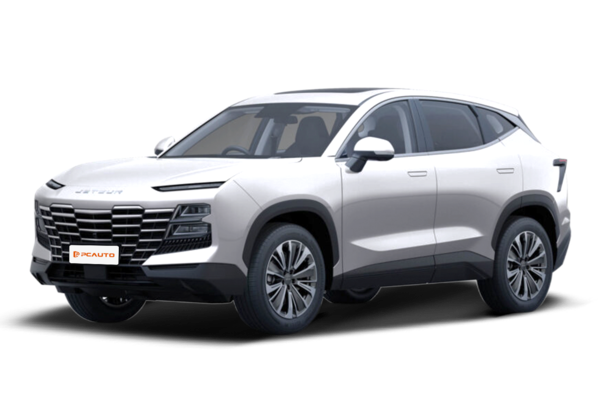
Does Jetour Dashing 2025 have Apple CarPlay?
 ThinkerThoughtOct 22, 2025, 04:35 PM
So, regarding whether the 2025 Jetour Dashing will support Apple CarPlay, official specs haven't been released just yet. But looking at Jetour's recent model trends, especially the versions rolled out for the Malaysian market, there's a strong chance it will come with Apple CarPlay. That feature's pretty high in demand among local buyers, and let's not forget, Jetour's previous models like the X70 and X90 already offer smartphone connectivity. Apple CarPlay is a big one for iPhone users, letting you seamlessly use nav, music, calls, and more right from the car's screen – definitely a boost for driving convenience.
For Malaysian folks shopping for a new ride, beyond smart connectivity features, keep an eye out for those localized touches too. Things like air conditioning systems optimized for the tropical heat or proper right-hand drive ergonomics. Those little details can really make a big difference to your daily drive. My advice? If you're keen, stay tuned to Jetour Malaysia's official channels for updates, or swing by an authorized dealer to chat about the latest specs. And hey, it never hurts to cross-shop with other models in the same class to compare tech features – that way you can make the most well-rounded decision possible.
Special Disclaimer: This content is published by users and does not represent the views or position of PCauto.
Related Q&A
Q
Where is Jetour 2025 manufactured?
The Jetour 2025 hails from Jetour, a brand under China's Chery Holding Group. Production is centered in Wuhu, Anhui Province – Chery's headquarters – where they've got advanced assembly lines and strict quality control measures in place. As a Chery subsidiary, Jetour focuses on developing and building SUVs and crossovers, and the 2025 model carries forward the brand's strengths: generous space, solid equipment levels, and great value for money. It also gets a sleek, modern design and the latest smart tech features.
For the Malaysian market, Jetour has been steadily introducing models in recent years through local partners, while also ramping up their sales and service network to cater to the strong demand for affordable, high-value SUVs there. When the Jetour 2025 launches locally, Malaysian buyers can expect it to come with tweaks to handle Southeast Asia's unique climate and road conditions, plus the peace of mind of Jetour's warranty and after-sales support.
Jetour has a presence in multiple global markets, and their vehicles have a reputation for reliable performance – making them a solid choice for family buyers who prioritize practicality and a touch of tech.
 BuddyTimeOct 22, 2025
Q
How much is Jetour Dashing 2025 in Malaysia?
The 2025 Jetour Dashing is expected to hit the Malaysian market with a price tag ranging from RM80,000 to RM100,000, though this will depend on the specific trim level and local tax regulations. As always, keep an eye out for the official announcement from Jetour Malaysia for the final pricing details. Under the hood, this SUV packs a 1.5T turbocharged engine paired with a 7-speed dual-clutch transmission, and it's clearly aiming to turn heads with its sporty design cues and a solid dose of smart tech – think a full digital instrument cluster and ADAS driver assistance systems.
For Malaysian buyers, the Dashing 2025's main draw is likely its positioning; it sits neatly between B-segment and C-segment SUVs in terms of size, while promising a more attractive value proposition compared to established Japanese rivals in the same ballpark. A quick heads-up though: Malaysia's import and sales taxes on non-national models can significantly bump up the on-the-road price, so it's wise to check the official website for the latest promotions before committing. Some dealers might sweeten the deal with perks like free service packages or low-interest financing offers.
If you're shopping around with a similar budget, it's definitely worth cross-shopping against the likes of the Proton X70 or Honda HR-V. Each brand brings its own strengths to the table, whether it's in powertrain tuning or after-sales network coverage. At the end of the day, nothing beats getting behind the wheel for a test drive to see which one truly fits your driving style and needs – that's the most solid way to make your call.
 HelperHandOct 22, 2025
Q
How much is the Jetour Dashing 2025 in Dubai?
As for the price of the Jetour Dashing 2025 in Dubai, there's no official word yet with concrete details. Your best bet is to keep an eye on Jetour UAE's official website or check with local dealerships for the latest scoop on exact pricing.
To our readers in Malaysia, while this model hasn't hit local shores yet, Jetour – the young brand under China's Chery Group – has been making waves globally lately with its solid value-for-money and sharp designs. Their vehicles, like the Dashing, typically come packing turbocharged engines and smart connectivity features, aiming squarely at young families and urban drivers. If it does make its way to Malaysia down the line, expect the price to differ from the Middle East, thanks to factors like import taxes and local assembly policies. For a rough idea, interested buyers can look to pricing ranges of segment rivals such as the Haval H6 or Baojun 530 in the local market.
Also, if you're thinking about cross-border purchases, practical stuff like right-hand drive conversions, warranty terms, and parts availability need serious consideration. It's always smarter to go through official channels to protect your after-sales rights.
 FixerToolOct 22, 2025
Q
What are the key features of the Dashing 2025?
The highly anticipated Dashing 2025 comes packed with some serious highlights. Under the hood, you'll find an efficient powertrain lineup featuring a 1.5T turbocharged engine and a hybrid option, striking that perfect balance between performance and fuel efficiency – ideal for Malaysia's diverse road conditions. Step inside, and the smart cabin design takes center stage, boasting a 12.3-inch full LCD instrument cluster and infotainment touchscreen. It supports wireless Apple CarPlay and Android Auto, plus voice control functionality, making it super convenient for local users.
Safety is a top priority too, with standard 6 airbags, adaptive cruise control, lane keeping assist, and a 360-degree surround-view camera – all earning it a 5-star ASEAN NCAP rating. What really stands out is how it's been tailored for tropical climates: the air conditioning system and UV-resistant thermal insulation glass are optimized, and there's extra underbody rust protection, making it a great fit for Malaysia's hot and rainy weather.
On top of that, the Dashing 2025 pays special attention to rear passenger space and storage solutions, keeping Malaysian family vehicle usgae needs in mind. For readers keen on automotive tech, it's worth diving into how the turbo and hybrid systems automatically switch modes under different driving conditions. This clever tech is key to balancing performance and fuel economy, and it's a major trend in today's automotive engineering.
 DesignerArtOct 22, 2025
Q
How much is Jetour Dashing 2025?
The official pricing for the 2025 Jetour Dashing in Malaysia hasn't been announced yet. But looking at the 2024 model's range – roughly RM 90k to RM 110k – we're expecting the 2025 version to land in a similar ballpark, maybe with a slight tweak here or there. We’ll have to wait for the local distributor to drop the official numbers, though.
This SUV’s built a rep for sharp looks, solid kit, and good value for money. Under the hood, you’re looking at 1.5T or 1.6TGDI engine options, and there’s talk of upgrades to the smart driving assists or connected car features. It’s a solid pick for family buyers who want a mix of tech and practicality.
Jetour’s been ramping up its game in Malaysia lately with local CKD assembly to stay competitive. If you’re keen, keep an eye on the brand’s website or hit up your nearest authorized dealer for the latest updates. And don’t forget to cross-shop with segment rivals like the Proton X70 or Honda HR-V – take ’em for a spin, weigh up your budget and needs, then make your call.
 SingerVoiceOct 22, 2025
Popular Cars
Model Year
Car Compare
Car Photo
Related Models
 Cars
CarsLatest Q&A
Q
Is AMT similar to automatic?
There are significant differences between AMT transmissions and automatic transmissions (AT) in terms of core structure and driving experience. AMT is essentially an electronically automated version of a manual transmission, simulating manual clutch operation and gear shifting through a computerized control system while retaining the gear set structure of manual transmissions. As a result, it offers higher transmission efficiency, with fuel consumption approximately 8%-12% lower than AT, making it particularly suitable for highway or long-distance driving. However, it may exhibit jerking similar to manual transmissions during low-speed gear shifts, especially noticeable in congested traffic conditions.
AT transmissions rely on torque converters for power transfer, delivering smooth and seamless gear shifts that appeal to comfort-oriented users. However, their complex structure (incorporating planetary gear sets, hydraulic systems, etc.) results in higher maintenance costs. A single service may cost between 800 to 1,500 ringgit, whereas AMT only requires gear oil replacement at approximately 400 ringgit.
From a market perspective, AMT is predominantly used in budget vehicles or commercial models priced below 80,000 ringgit, while AT is typically featured in mid-to-high-end vehicles. Consumers should select based on actual needs: AMT suits those prioritizing fuel efficiency and low maintenance costs, while AT better serves those valuing comfort. Notably, recent advancements in AMT electronic control technology have significantly mitigated jerking issues, though test drives should still emphasize low-speed performance evaluation.
 AriaMar 26, 2026
Q
Which is better, DCT or AT?
DCT (Dual-Clutch Transmission) and AT (Automatic Transmission) each have their own advantages and disadvantages, and the choice should be based on personal driving needs. AT transmissions transfer power through a torque converter, offering excellent shift smoothness, making them suitable for urban commuting or novice drivers. However, they tend to have higher fuel consumption, and vehicles equipped with them are usually more expensive. DCT transmissions utilize a dual-clutch structure, featuring fast shift speeds and high power transmission efficiency, which provides a more direct driving experience—particularly suitable for users seeking a sporty feel. However, they may exhibit jerking at low speeds and have relatively high maintenance costs. If durability and comfort are priorities, AT is the more reliable choice; if power responsiveness and driving pleasure are preferred, wet DCT (such as Volkswagen DSG) performs better, though dry DCT models should be avoided in prolonged stop-and-go traffic conditions. Additionally, CVT transmissions excel in smoothness and fuel efficiency, making them ideal for daily commuting, but they lack driving excitement. It is recommended to test-drive before purchasing, as tuning varies significantly across brands, and real-world experience is more important than theoretical specifications.
 FlutteringMar 26, 2026
Q
Is Amt good or bad?
AMT gearboxes have a significant cost advantage in the local market, typically being around 5,000 Ringgit cheaper than models equipped with conventional automatic transmissions. Their fuel efficiency is comparable to manual transmissions, resulting in long-term fuel savings. Featuring a straightforward design, they achieve transmission efficiency exceeding 90% with relatively low maintenance costs, making them ideal for practicality-oriented consumers. However, their shifting logic contains inherent limitations: gear changes between 1st and 2nd cause 0.3-0.5 second power interruptions, while unintended upshifts on inclines may reduce engine speed by 15%-20%, compromising driving smoothness. For urban commuters or budget-conscious buyers, AMT offers excellent value, though those prioritizing premium driving dynamics should consider alternative transmission types. Some domestic models like the Perodua Axia employ enhanced AMT systems, where optimized shift programming has reduced gearshift shock by approximately 30%.
 RainbowsMar 26, 2026
Q
Which gives better mileage, CVT or AMT?
From the perspective of fuel economy, CVT transmissions generally perform better under urban driving conditions. Their continuously variable design allows the engine to consistently operate within the optimal speed range, significantly reducing fuel consumption during frequent starts and stops. Test data shows that their fuel consumption in urban driving conditions is 10% to 15% lower than that of comparable models. AMT transmissions, on the other hand, inherit the high transmission efficiency of manual transmissions, delivering fuel efficiency close to manual transmissions during high-speed cruising. This makes them particularly suitable for long-distance driving in large-displacement vehicles. However, due to power interruption during gear shifts, their overall fuel consumption may be 5% to 8% higher than CVTs.
The difference in fuel-saving characteristics between the two transmissions stems from their technical principles: CVTs achieve continuous variability through steel belts and pulleys, eliminating the fixed gear ratio limitations of traditional transmissions; AMTs simulate manual gear changes via electronic control systems while maintaining the mechanical efficiency of gear transmission. Notably, actual fuel consumption is also influenced by driving habits. Smooth acceleration and anticipatory deceleration can maximize the transmissions' fuel-saving potential. If the vehicle budget permits and urban commuting is the primary use, CVTs offer a more economical choice. For frequent highway driving with an emphasis on cost-effectiveness, AMTs are equally worth considering.
 RubyBlazeMar 26, 2026
Q
Which is cheaper, AMT or CVT?
In terms of gearbox cost, AMT is usually more economical than CVT. Essentially, AMT is a manual transmission equipped with an electronic control unit, featuring a simple structure and low maintenance costs. The unit price ranges from approximately 5,000 to 8,000 ringgit, making it suitable for budget-conscious consumers or those who prioritize long-term operating costs. CVT incurs higher manufacturing costs due to its precision steel belt transmission system and continuous variable transmission technology, with a unit price of about 7,000 to 10,000 ringgit. However, it delivers a smoother driving experience and superior fuel efficiency. The primary differences between the two lie in technical complexity: AMT retains the gear-shifting mechanism, resulting in noticeable shift shock; CVT achieves linear power output through stepless speed variation but requires periodic belt inspection and incurs higher maintenance expenses. For those prioritizing initial cost and basic transportation needs, AMT offers better value; if comfort and long-term fuel economy are priorities, CVT represents a more worthwhile investment. Note that actual prices may vary based on vehicle model, brand, and local supply chain factors.
 ShadowProwlMar 26, 2026

Pros
Cons