
2026 SUV Battle: Jaecoo J7 vs. Haval H6 vs. Jetour Dashing
 AshleyFeb 18, 2026, 01:00 PM
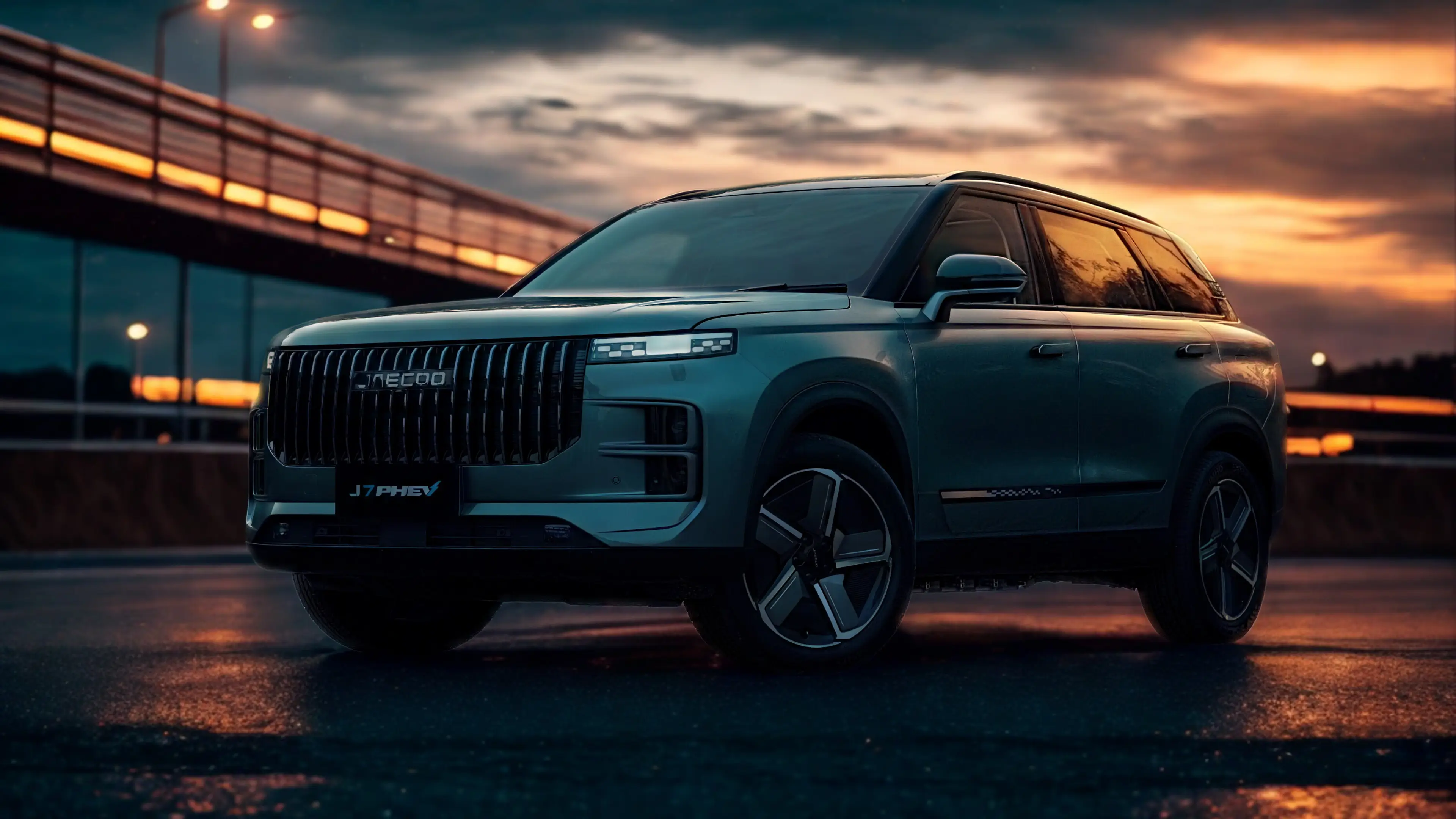
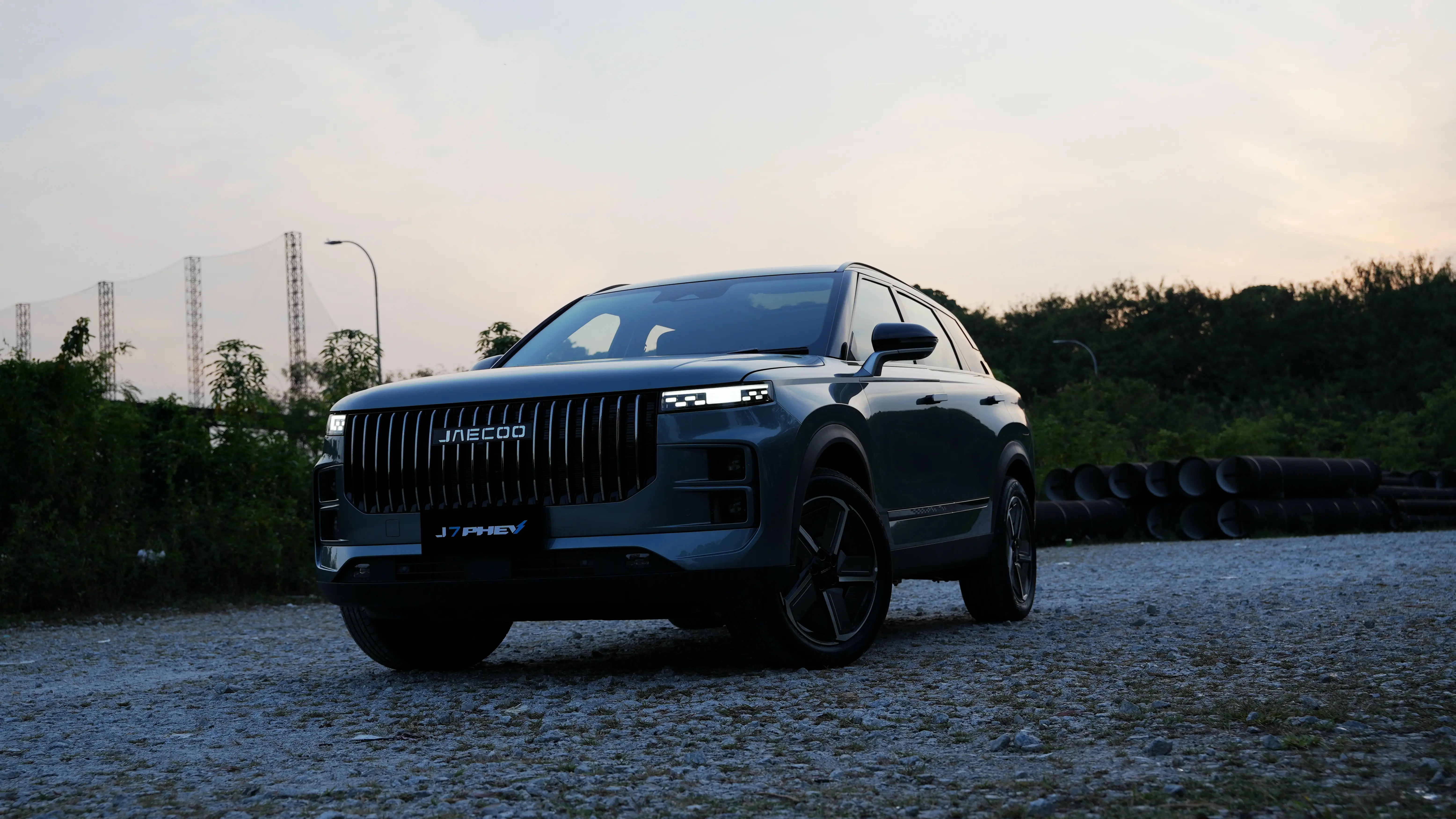
[PCauto] The competition among Chinese SUV manufacturers is intensifying in 2026. Here, we pit three popular models against each other – the Jaecoo J7 PHEV 2WD, the Haval H6 HEV, and the Jetour Dashing 1.5 TCI Prime – comparing their differences through real-world scenarios and core strengths.
Jaecoo J7 PHEV - A Versatile Rising Star
The J7’s standout features are its powertrain and charging convenience. As the only model here offering plug-in charging and DC fast charging (80% in about 30 minutes), it addresses two key urban commuter needs: enjoying a quiet EV-like drive without range anxiety.
For a weekend getaway, its 200 mm ground clearance, combined with a system output of 347 PS and 525 Nm of torque, allows it to handle light off-road conditions with ease.
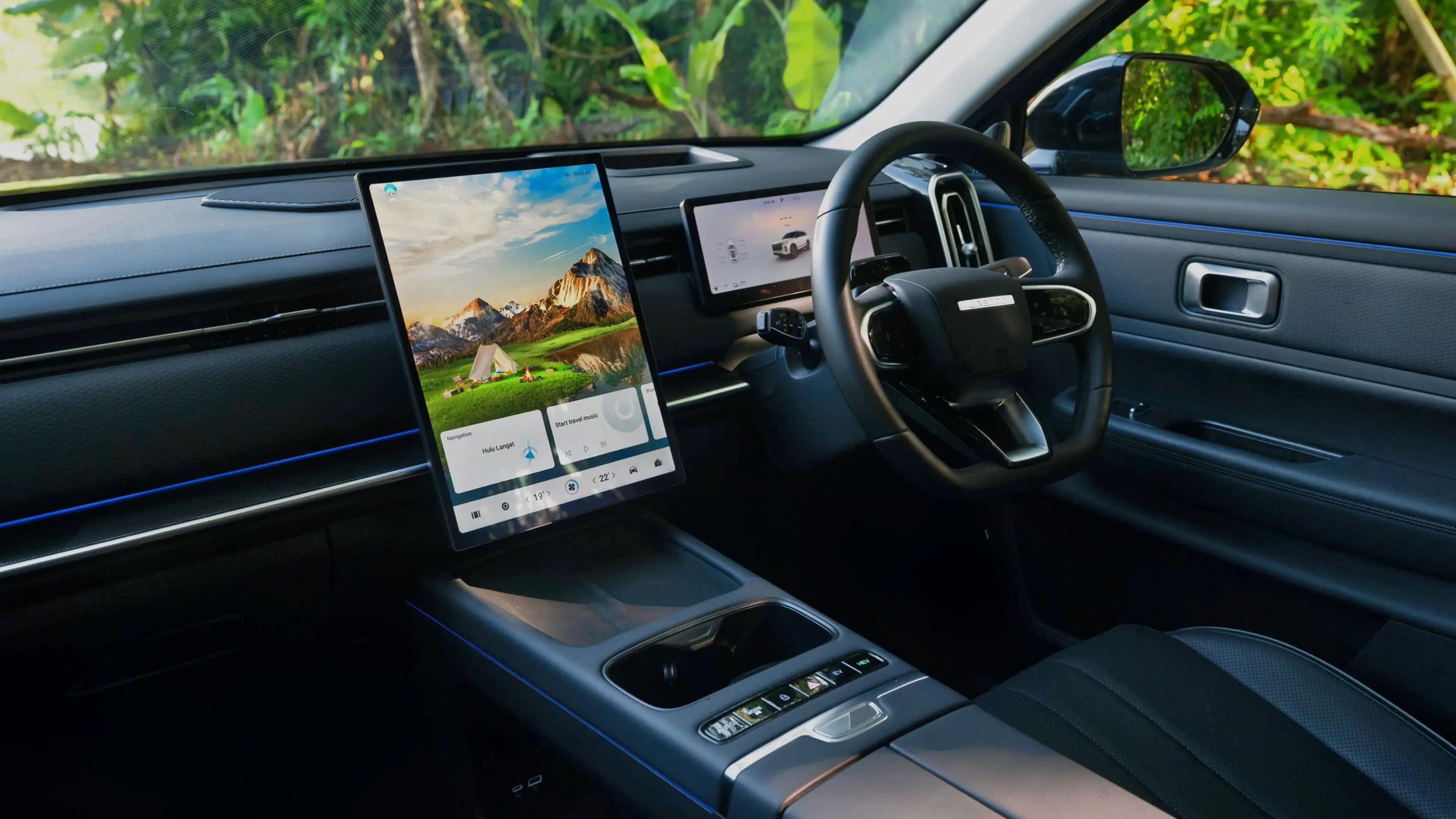
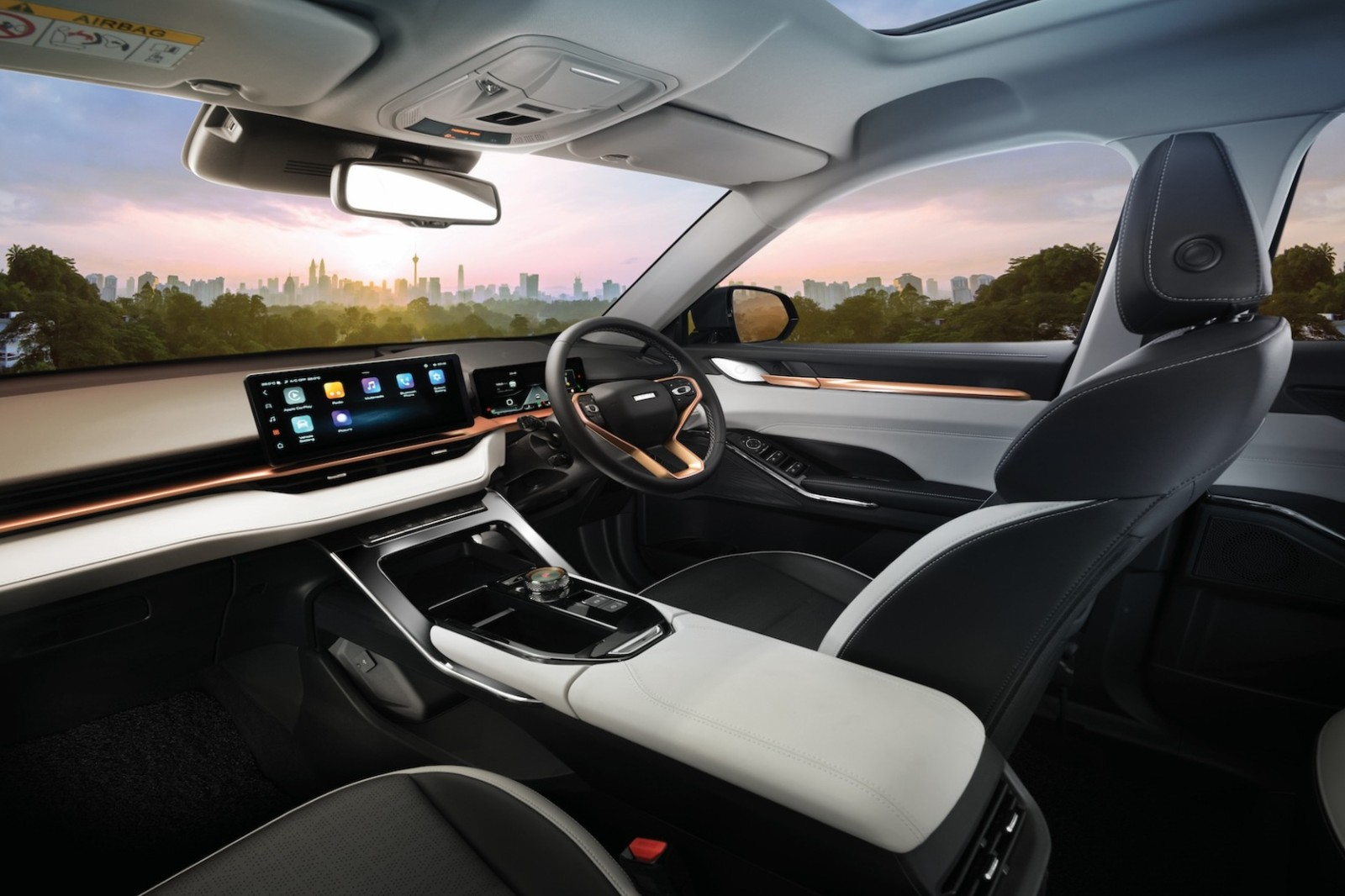
The J7 comes standard with a 14.8-inch touchscreen, a SONY premium audio system, and the powerful 8155 chipset – still a technological benchmark in its class for 2026. The large screen operates smoothly, and the navigation, multimedia, and car connectivity experiences are highly user-friendly, offering a dual sense of "luxury + technology."
Of course, it has its drawbacks: the highest price tag (RM158,800), the shortest wheelbase in this trio, and rear legroom that slightly trails the Haval H6's.
Haval H6 HEV: A Pragmatic Space King
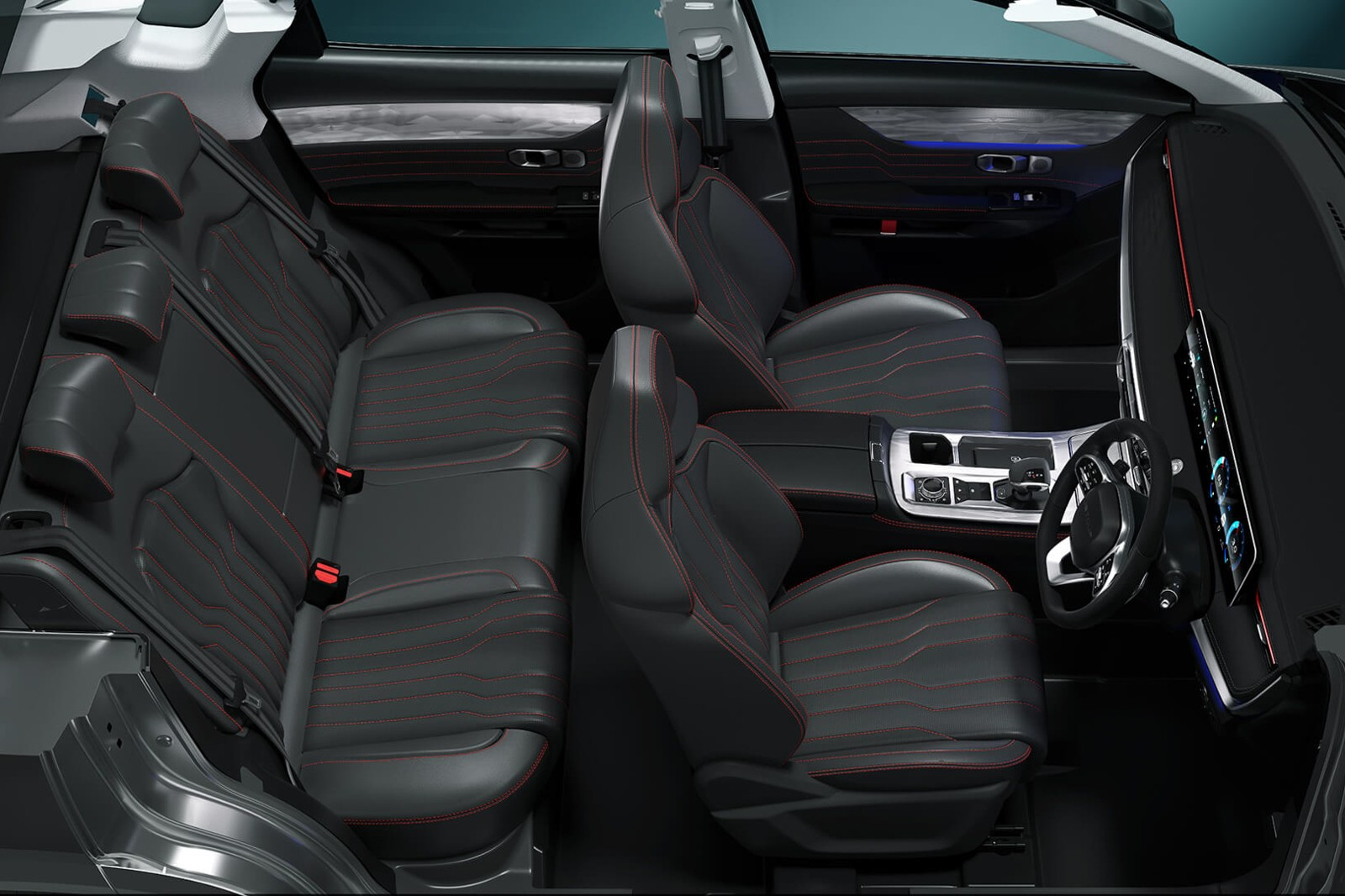
The H6’s biggest advantage is space. Thanks to its 2,738 mm wheelbase, the rear seats offer the best flatness and spaciousness in this trio, making it notably more comfortable for long journeys with the whole family.
The interior storage space is also very reasonable, and luggage and shopping bags can be easily arranged.
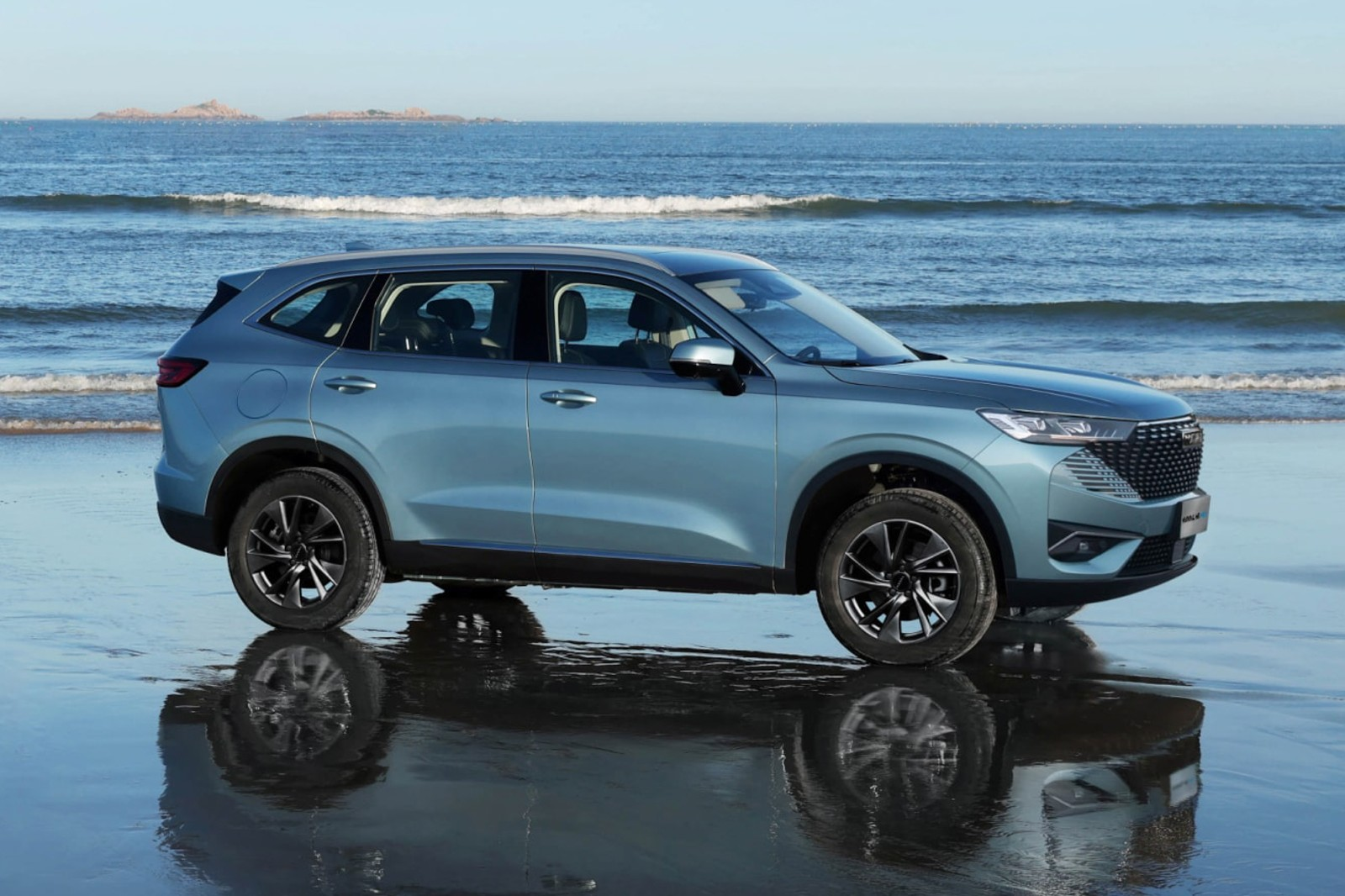
Powertrain-wise, the H6’s HEV system has over a year of proven reliability in the Malaysian market. It requires no plug-in charging and can easily achieve a total range exceeding 1,000 km, suiting both interstate travel and daily family duties.
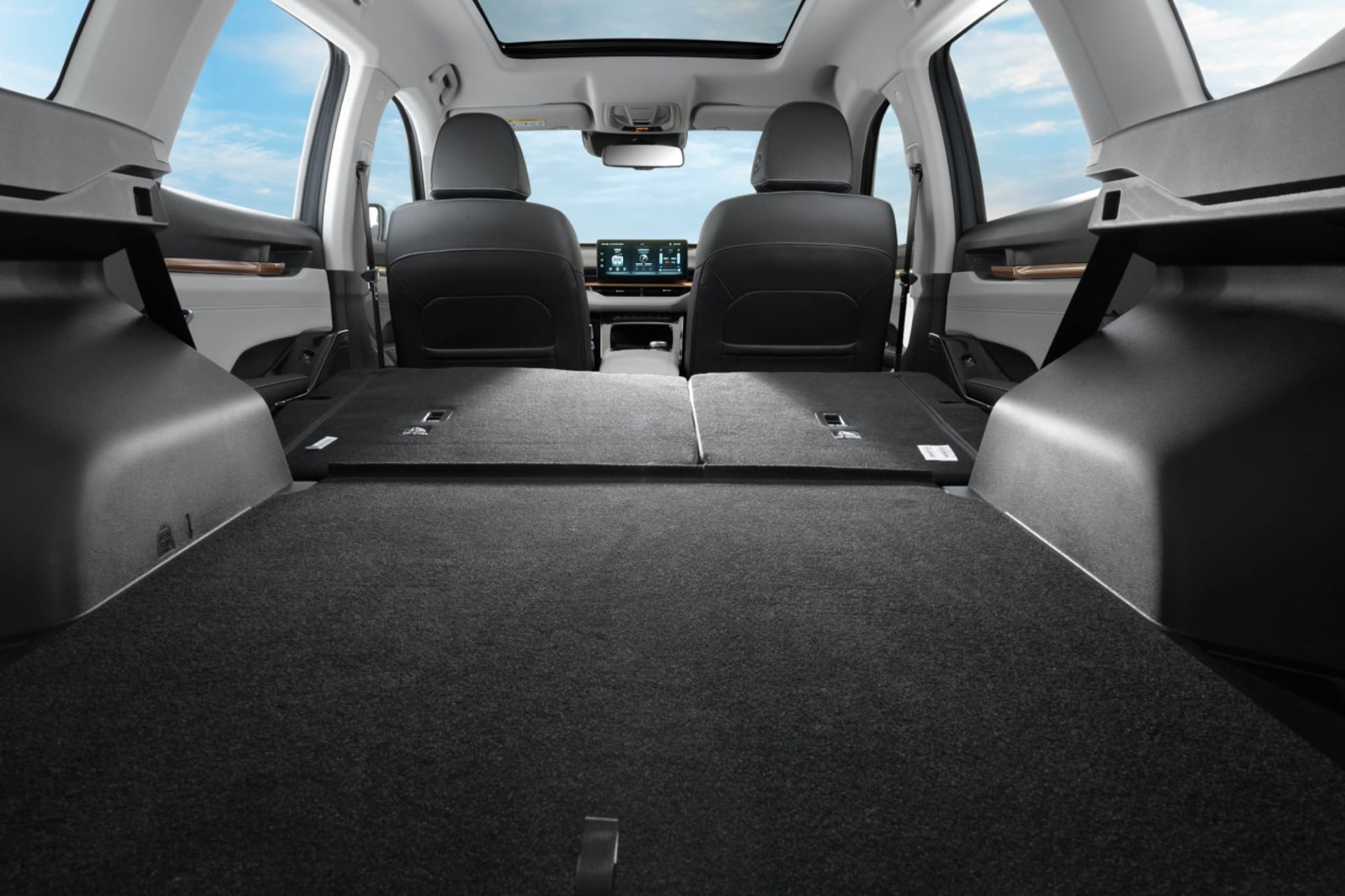
Its main compromises come in tech and exterior design. The 12.3-inch infotainment system lags behind the J7's, and the exterior styling leans conservative, lacking visual drama.
If you prioritize space and stable usage, it is the most pragmatic choice, but tech enthusiasts may find it relatively dull.
Jetour Dashing: A Price Killer
The Dashing’s ace is its price and visual impact. With a starting price of around RM116k, it undercuts the J7 by a substantial RM40,000, freeing up a significant budget for insurance, maintenance, and other running costs.
The massive air intake design, coupled with the 15.6-inch large screen and a high sense of technology, gives the impression of a more premium vehicle even with a budget of less than RM 120k.
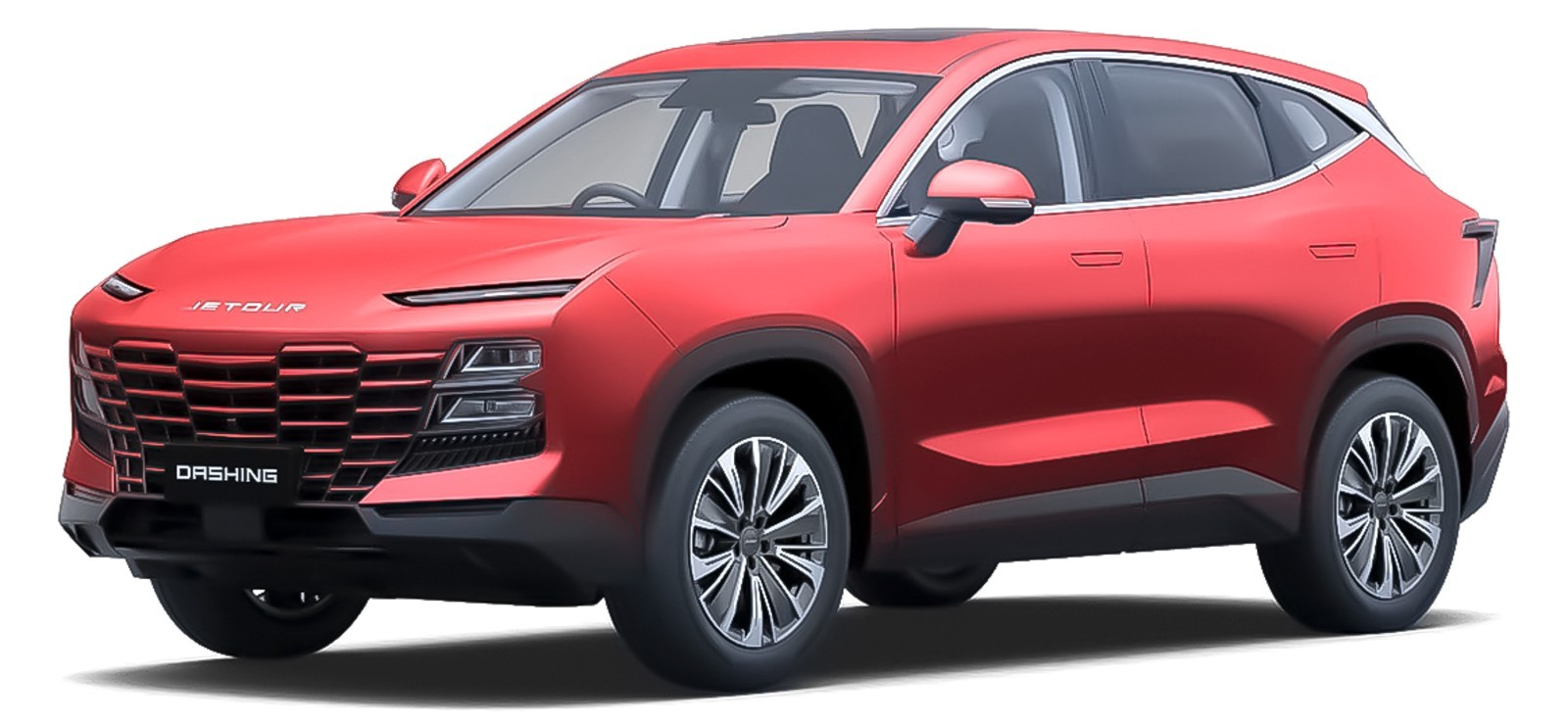
Under the bonnet, it uses a conventional 1.5-litre turbo petrol engine producing 156 PS and 230 Nm. This is adequate for daily city commutes and short trips. However, when fully laden or compared to its hybrid rivals, it feels less effortless than the J7 or H6. Fuel efficiency is also its shortcoming, especially during long inter-state trips, where fuel costs are noticeably higher compared to PHEV and HEV models.
Differences between Jaecoo J7, Haval H6, and Jetour Dashing
When comparing their touring capabilities, the range differences become most evident. The J7 PHEV, utilizing a combined electric + fuel system, achieves a total range of over 1,300 km; the H6 HEV can easily reach 1,000 km; whereas the Dashing with pure fuel offers only about 650 km.
The J7's DC fast charging capability is also worth mentioning. In the time it takes to have a meal at a Mamak eatery, the battery can be charged up to 80%, making the daily use of the PHEV nearly seamless.
For owners with access to home charging, the J7’s all-round capabilities come into their own.
On the other hand, the Dashing’s advantage lies in its value for money. Compared to the J7 PHEV, the RM 40,000 saved is sufficient to pay for three years of insurance, routine maintenance, and even plan a family trip.
Conclusion
In summary, each of these three SUVs carves out a distinct niche. For families with home charging stations, daily commuting, and mild off-road needs, the Jaecoo J7 PHEV is the most versatile choice; for those seeking spaciousness and reliable inter-state travel, the Haval H6 HEV is a safe option; for those on a budget who seek style and value, the Jetour Dashing represents compelling value.
If any infringement occurs, please contact us for deletion









Popular Cars
Model Year
Car Compare
Car Photo