
Q
How many seats in Ford EcoSport ?
 FayeOct 16, 2025, 06:05 PM
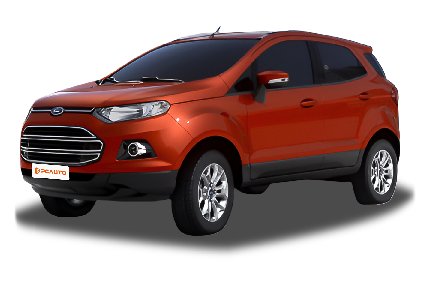
The Ford EcoSport has carved out a solid fan base in Malaysia's compact SUV scene, and it's easy to see why. With a standard 5-seat setup, it's right at home as a family hauler or a daily commuter workhorse. The seating follows the classic 2+3 layout – two separate buckets up front and a three-person bench in the rear – striking a good balance between meeting basic passenger needs and keeping the cabin versatile.
What really makes the EcoSport click here is how it blends a decent ground clearance with its compact footprint. That means it's nimble enough for zipping around city streets but also has the chops to handle some light off-road detours, which is handy given Malaysia's mix of road conditions. A standout practicality feature? The rear seats fold down in sections, letting you expand the boot space when you need to cart around bulkier items – a really useful touch that sets it apart in its class.
If you're a Malaysian shopper eyeing the EcoSport, do yourself a favor and head to a showroom for a test sit. Check out how the seats feel and get a real sense of the space. It's also smart to cross-shop with rivals like the Honda HR-V or Toyota Rush, comparing their seating layouts and feature lists to make sure you're getting exactly what fits your lifestyle. And let's not forget Malaysia's hot and rainy weather – pay extra attention to how well the EcoSport's air-con cranks out the cold and how durable the seat materials feel over time. Those little details make a big difference day in, day out.
Special Disclaimer: This content is published by users and does not represent the views or position of PCauto.
Related Q&A
Q
How safe is the Ford EcoSport?
The Ford EcoSport offers solid but unspectacular safety credentials that should meet most Malaysian drivers' daily needs. It comes standard with essential safety features: dual front airbags, ABS with EBD. Step up to higher trims and you'll get side airbags and ESC (Electronic Stability Control) – handy for navigating typical city driving scenarios.
In ASEAN NCAP crash tests, the EcoSport scored a 4-star rating, which means its body structure provides decent protection for occupants in front and side collisions. That said, safety tech moves fast these days. Many newer competitors in this segment now pack advanced active safety systems like AEB (Autonomous Emergency Braking) and lane-keeping assist – features you won't find on the EcoSport.
For Malaysian buyers: if top-tier safety is your priority, it's worth checking out rivals with those extra active safety goodies. But if you're on a tighter budget and mainly use your car for city runs, the EcoSport's basic safety kit should still cut it. As always, test drive one first, and if you're looking at used models, make sure to check the service history to confirm those safety systems are in good working order.
 DawnOct 16, 2025
Q
When was Ford EcoSport launched?
The Ford EcoSport, a compact SUV that's always had plenty of eyes on it, first hit the scene in Brazil back in 2003. Malaysia got its first taste of it in 2013, and let me tell you, its small, nimble body and decent ground clearance make it a perfect fit for Malaysia's tricky mix of city streets and suburban roads. Over here, the EcoSport offers a few engine choices – there's the 1.5-liter naturally aspirated and a turbocharged option – plus the SYNC infotainment system to make driving that bit easier. It's become a hit with young families and city commuters alike, and it's not hard to see why: good fuel economy and a surprisingly usable cargo area. With the SUV market booming these past few years, the EcoSport has kept up with regular updates – think sleeker, more modern looks and better tech – which has really helped it stay competitive in its segment. For Malaysian buyers, especially those wanting SUV practicality without breaking the bank, the EcoSport represents solid value for money.
 FoxOct 16, 2025
Q
How to turn on the fog lights in Ford EcoSport 2018?
Turning on the fog lights in a 2018 Ford EcoSport is pretty straightforward. First, make sure the vehicle is started and the headlights are on (usually low beam or auto mode). Then, locate the light control stalk, which is either on the left side of the steering wheel or near the center console. The fog light switches are typically on a rotating ring of this stalk, marked with fog light symbols – the front fog light is a left-pointing half-oval with three lines, and the rear one points right. Just twist the knob to the corresponding position, and you’re good to go.
Now, here in Malaysia, with our tropical rainforest climate, full-on foggy days are pretty rare. But during the monsoon season, when visibility takes a hit, those fog lights can really up the safety factor. That said, resist the urge to blast them on clear nights – the last thing you want is to blind other drivers with that harsh light.
Also, keep in mind that fog light operation might vary slightly if you’ve got a different model year or trim level of the EcoSport. If you’re stuck, the owner’s manual is your best friend, or you can hit up your nearest authorized Ford Malaysia service center for a quick demo.
Fog lights are a key safety feature, right? Their unique beam pattern is designed to cut through rain and fog without causing glare, so using them properly is a big deal. And don’t forget – regularly checking that the bulbs are working is part of basic car maintenance too.
 BeeOct 16, 2025
Q
How to check the engine temperature in Ford Ecosport?
To check the engine temperature in your Ford EcoSport, keep an eye on the water temperature gauge or warning light on the dashboard. This model typically comes with an electronic temperature display system. If the gauge needle creeps into the red zone or the temperature warning light starts flashing, that's your engine telling you it's overheating—pull over and check it out right away. Some newer EcoSport models might have a digital instrument cluster; just use the steering wheel buttons to flip to the vehicle info screen and you'll see the exact temperature reading.
Given Malaysia's hot weather, it's a good idea to regularly check your coolant level and make sure the radiator fan is working properly. Constantly driving in high temperatures can really speed up wear and tear on the cooling system. During routine maintenance, hooking up an OBD-II scanner to read real-time water temperature data can be super helpful for diagnosing cooling issues—like if the water pump or thermostat is acting up.
If you notice the temperature acting weird, don't keep driving. Overheating can lead to serious problems like a blown head gasket, especially with all the stop-and-go traffic we get in Malaysia, where the cooling system has to work extra hard. Your owner's manual will list the normal operating temperature range, but generally, keeping it around 90°C is ideal. A little fluctuation here and there depending on driving conditions is totally normal.
 BugOct 16, 2025
Q
How to turn off the rear windshield wiper in Ford EcoSport?
Turning off the rear windshield wiper on a Ford EcoSport is usually a straightforward affair. Just push the wiper stalk—typically on the right side of the steering wheel—down or up to the "OFF" position. The exact spot might vary slightly depending on the model year, so it’s always a good idea to double-check your owner’s manual to be sure. If you’ve got the auto-sensing wiper setup, you might need to hit a button on the stalk or dive into the infotainment screen to disable the rear wiper function.
Living in Malaysia, where the rainy season sees wiper blades getting a serious workout, it’s smart to keep an eye on their condition. If they start leaving streaks or making that annoying chattering noise, it’s probably time for new rubber—those frameless wiper blades you see everywhere are a solid bet since they fit well and are easy to swap out yourself.
On SUVs like the EcoSport, the rear wiper is actually pretty handy for clearing away that muddy spray that kicks up from the back wheels, especially with all the rain we get here. But if we’re having a dry spell, flipping it off can help save some wear and tear on the blades and motor.
If you’ve tried the usual tricks and the rear wiper still won’t shut off, there might be a fuse issue or a problem with the motor. In that case, your best bet is to swing by an authorized Ford service center—they’ve got locations all over Malaysia and the techs there can sort it out properly.
 KitOct 16, 2025
Q
How to reset the transmission on a Ford EcoSport?
Here's how to reset the transmission on a Ford EcoSport: First, make sure the vehicle is turned off. Then press the brake pedal and start the engine. Keep the brake pressed and cycle the gear selector from Park through Reverse, Neutral, and Drive, pausing for about 3 seconds in each position. Finally, shift back to Park, turn off the engine, wait around 30 seconds, and restart. This should reset the transmission's adaptive learning values.
Keep in mind that EcoSports from different model years might have slight variations in the procedure, so it's always a good idea to check your owner's manual or consult an authorized Ford Malaysia service center for specifics. Transmission resets are typically done to address issues like rough shifting or delayed responses, but it's usually a temporary fix. If problems persist, it could mean the transmission fluid needs changing or there's an underlying mechanical issue that requires professional diagnosis.
Malaysia's hot and humid climate can cause transmission fluid to degrade more quickly, so stick to the manufacturer's recommended service intervals for fluid changes to help extend your transmission's lifespan. If you're unsure about performing the reset yourself, your best bet is to head to a nearby Ford service center. They have the proper diagnostic tools to accurately check and reset the transmission system.
SunnyraysOct 16, 2025Q
What is the displacement of Ford EcoSport ?
In the Malaysian market, the Ford EcoSport's primary engine option is the 1.5-liter Ti-VCT naturally aspirated petrol engine. Displacing 1498cc, it cranks out 123 horsepower and 150 Nm of peak torque, paired with a 6-speed automatic transmission. It's a solid fit for daily city driving and delivers pretty decent fuel economy too. Now, in some international markets, you'll also find the 1.0-liter EcoBoost turbocharged engine, but that's a bit of a rarity here in Malaysia.
For those of you looking to dive deeper into car know-how, here's a key point: while engine displacement (cc) is definitely a big player in determining power output, the real-world driving experience is shaped by a mix of turbocharging tech, transmission tuning, and vehicle weight. Take turbo engines, for example—they dish out more torque at lower revs, which is handy for overtaking or climbing hills. On the flip side, naturally aspirated engines tend to prioritize smoothness and reliability.
Given Malaysia's hilly terrain and often congested roads, picking a model that matches your driving style is super important. My advice? Always take a test drive before buying to get a feel for how different engines perform.
 DazzlingOct 16, 2025
Q
How to check the coolant level in a Ford EcoSport?
Checking the coolant in your Ford EcoSport is a straightforward yet crucial maintenance task. Always do this when the engine is cool—safety first, folks. Pop the hood and locate the coolant reservoir; it's usually a translucent plastic tank with "Coolant" or "Engine Coolant" clearly marked on it. Take a look at the fluid level—you want it sitting right between the "MIN" and "MAX" lines on the tank. If it's below the minimum mark, top it up with the correct Ford-spec coolant. Important note: never mix different colored or types of coolant, as that can cause nasty chemical reactions.
Also, keep an eye on the coolant's color and condition regularly. If it looks cloudy or smells off, it might be time for a change, or there could be a leak in the system that needs checking. Here in Malaysia, with our scorching heat, the cooling system works overtime. I recommend flushing and replacing the coolant every two years, or as specified in your owner's manual, to keep that engine running cool and efficient. And don't ignore your dashboard—if the temperature warning light starts acting up or the gauge spikes, get the cooling system checked ASAP. These simple habits go a long way in extending your engine's life and preventing those dreaded overheating issues.
 MoonbeamsOct 16, 2025
Q
How to open the fuel tank in Ford EcoSport?
To open the fuel cap on a Ford EcoSport, first make sure the vehicle is unlocked. Then head to the left side of the car where the fuel cap is located, press the outer edge of the cap, and it'll pop open. After that, just twist the inner cap counterclockwise and you're ready to refuel. It's worth noting that some cars have a fuel cap release button under the driver's seat or near the center console, but the EcoSport typically uses this direct push design – pretty common here in Malaysia because it's straightforward to use and cuts down on potential mechanical issues. Plus, the EcoSport's fuel cap is designed with security in mind, so it won't open easily when the car's locked. If you run into any trouble figuring it out, best to check your owner's manual or hit up Ford Malaysia's authorized service center. And don't forget, keeping an eye on the cap's seal regularly is important too – it stops fuel from evaporating or dirt getting into the tank. Little tips like these go a long way in keeping your ride in good shape.
 DuskOct 16, 2025
Q
What is the top speed of Ford EcoSport?
The Ford EcoSport available in Malaysia comes equipped with a 1.5-liter naturally aspirated engine, churning out 123 horsepower and 150 Nm of torque. It's paired with a 6-speed automatic transmission, and Ford claims a 0-100 km/h sprint time of around 12.7 seconds, with a top speed of 180 km/h. That kind of performance is more than enough for daily city commutes and highway jaunts. As a compact SUV, the EcoSport prioritizes fuel efficiency and practicality, with power delivery tuned more for smooth comfort than outright sportiness – a good fit for Malaysia's varied road conditions. It's worth noting that acceleration and top speed can be affected by factors like vehicle load, road conditions, and driving style, so keeping up with regular maintenance is key to keeping that engine running at its best. If you're craving more punch, there are turbocharged alternatives in the same class, but the EcoSport still holds its own as a popular choice for urban mobility in Malaysia, thanks to its proven reliability and nimble handling.
 EllaOct 16, 2025
Popular Cars
Model Year
Car Compare
Car Photo
Related Models
 Cars
CarsLatest Q&A
Q
Is AMT similar to automatic?
There are significant differences between AMT transmissions and automatic transmissions (AT) in terms of core structure and driving experience. AMT is essentially an electronically automated version of a manual transmission, simulating manual clutch operation and gear shifting through a computerized control system while retaining the gear set structure of manual transmissions. As a result, it offers higher transmission efficiency, with fuel consumption approximately 8%-12% lower than AT, making it particularly suitable for highway or long-distance driving. However, it may exhibit jerking similar to manual transmissions during low-speed gear shifts, especially noticeable in congested traffic conditions.
AT transmissions rely on torque converters for power transfer, delivering smooth and seamless gear shifts that appeal to comfort-oriented users. However, their complex structure (incorporating planetary gear sets, hydraulic systems, etc.) results in higher maintenance costs. A single service may cost between 800 to 1,500 ringgit, whereas AMT only requires gear oil replacement at approximately 400 ringgit.
From a market perspective, AMT is predominantly used in budget vehicles or commercial models priced below 80,000 ringgit, while AT is typically featured in mid-to-high-end vehicles. Consumers should select based on actual needs: AMT suits those prioritizing fuel efficiency and low maintenance costs, while AT better serves those valuing comfort. Notably, recent advancements in AMT electronic control technology have significantly mitigated jerking issues, though test drives should still emphasize low-speed performance evaluation.
 AriaMar 26, 2026
Q
Which is better, DCT or AT?
DCT (Dual-Clutch Transmission) and AT (Automatic Transmission) each have their own advantages and disadvantages, and the choice should be based on personal driving needs. AT transmissions transfer power through a torque converter, offering excellent shift smoothness, making them suitable for urban commuting or novice drivers. However, they tend to have higher fuel consumption, and vehicles equipped with them are usually more expensive. DCT transmissions utilize a dual-clutch structure, featuring fast shift speeds and high power transmission efficiency, which provides a more direct driving experience—particularly suitable for users seeking a sporty feel. However, they may exhibit jerking at low speeds and have relatively high maintenance costs. If durability and comfort are priorities, AT is the more reliable choice; if power responsiveness and driving pleasure are preferred, wet DCT (such as Volkswagen DSG) performs better, though dry DCT models should be avoided in prolonged stop-and-go traffic conditions. Additionally, CVT transmissions excel in smoothness and fuel efficiency, making them ideal for daily commuting, but they lack driving excitement. It is recommended to test-drive before purchasing, as tuning varies significantly across brands, and real-world experience is more important than theoretical specifications.
FlutteringMar 26, 2026Q
Is Amt good or bad?
AMT gearboxes have a significant cost advantage in the local market, typically being around 5,000 Ringgit cheaper than models equipped with conventional automatic transmissions. Their fuel efficiency is comparable to manual transmissions, resulting in long-term fuel savings. Featuring a straightforward design, they achieve transmission efficiency exceeding 90% with relatively low maintenance costs, making them ideal for practicality-oriented consumers. However, their shifting logic contains inherent limitations: gear changes between 1st and 2nd cause 0.3-0.5 second power interruptions, while unintended upshifts on inclines may reduce engine speed by 15%-20%, compromising driving smoothness. For urban commuters or budget-conscious buyers, AMT offers excellent value, though those prioritizing premium driving dynamics should consider alternative transmission types. Some domestic models like the Perodua Axia employ enhanced AMT systems, where optimized shift programming has reduced gearshift shock by approximately 30%.
 RainbowsMar 26, 2026
Q
Which gives better mileage, CVT or AMT?
From the perspective of fuel economy, CVT transmissions generally perform better under urban driving conditions. Their continuously variable design allows the engine to consistently operate within the optimal speed range, significantly reducing fuel consumption during frequent starts and stops. Test data shows that their fuel consumption in urban driving conditions is 10% to 15% lower than that of comparable models. AMT transmissions, on the other hand, inherit the high transmission efficiency of manual transmissions, delivering fuel efficiency close to manual transmissions during high-speed cruising. This makes them particularly suitable for long-distance driving in large-displacement vehicles. However, due to power interruption during gear shifts, their overall fuel consumption may be 5% to 8% higher than CVTs.
The difference in fuel-saving characteristics between the two transmissions stems from their technical principles: CVTs achieve continuous variability through steel belts and pulleys, eliminating the fixed gear ratio limitations of traditional transmissions; AMTs simulate manual gear changes via electronic control systems while maintaining the mechanical efficiency of gear transmission. Notably, actual fuel consumption is also influenced by driving habits. Smooth acceleration and anticipatory deceleration can maximize the transmissions' fuel-saving potential. If the vehicle budget permits and urban commuting is the primary use, CVTs offer a more economical choice. For frequent highway driving with an emphasis on cost-effectiveness, AMTs are equally worth considering.
 RubyBlazeMar 26, 2026
Q
Which is cheaper, AMT or CVT?
In terms of gearbox cost, AMT is usually more economical than CVT. Essentially, AMT is a manual transmission equipped with an electronic control unit, featuring a simple structure and low maintenance costs. The unit price ranges from approximately 5,000 to 8,000 ringgit, making it suitable for budget-conscious consumers or those who prioritize long-term operating costs. CVT incurs higher manufacturing costs due to its precision steel belt transmission system and continuous variable transmission technology, with a unit price of about 7,000 to 10,000 ringgit. However, it delivers a smoother driving experience and superior fuel efficiency. The primary differences between the two lie in technical complexity: AMT retains the gear-shifting mechanism, resulting in noticeable shift shock; CVT achieves linear power output through stepless speed variation but requires periodic belt inspection and incurs higher maintenance expenses. For those prioritizing initial cost and basic transportation needs, AMT offers better value; if comfort and long-term fuel economy are priorities, CVT represents a more worthwhile investment. Note that actual prices may vary based on vehicle model, brand, and local supply chain factors.
 ShadowProwlMar 26, 2026
Related News

2027 Ford Super Duty comes with significant configuration upgrades, offering 35-inch large tires
LienMar 12, 2026

Ford introduces remote start inhibition technology, allowing owners to lock their cars remotely for theft prevention
MichaelDec 30, 2025

Ford Focus is about to cease production in November and may return in 2027 in the form of an SUV.
WilliamSep 15, 2025

2025 Ford Ranger WildTrak launched, the most powerful diesel version in the Ranger lineup
MichaelAug 25, 2025

Is the Ford Ranger V6 about to enter Malaysia?
LienAug 13, 2025
View More
Pros
Cons