
Q
How long will a 2019 Porsche Macan last?
 MoonlitDreamyPathDec 01, 2025, 10:38 AM
The 2019 Porsche Macan can typically cover over 200,000 kilometers and last 10-15 years or even longer with proper maintenance and reasonable usage—though this depends on driving habits, service frequency, and operating conditions. Equipped with Porsche's proven 2.0T or 3.0T engines and the robust PDK dual-clutch transmission, this SUV delivers not just performance but also market-tested durability. Sticking to scheduled oil changes, transmission fluid replacements, and factory-recommended maintenance is crucial, especially in Malaysia's hot, humid climate where cooling system and electrical component checks are vital.
The Macan's chassis and body construction uphold Porsche's high standards, while its interior materials are built to withstand years of use. To maximize longevity, avoid frequent short trips that cause carbon buildup, and always opt for premium fuel and genuine parts. Among luxury compact SUVs, the Macan holds its value well, and a solid maintenance history significantly boosts resale value.
For drivers who want everyday practicality without sacrificing driving thrills, this is a dependable choice. Treat it right, and it’ll stick with you for the long haul.
Special Disclaimer: This content is published by users and does not represent the views or position of PCauto.
Related Q&A
Q
What is the difference between 2019 Macan and Macans?
The key differences between the 2019 Macan and Macan S lie under the hood. The base Macan rocks a 2.0L turbocharged four-cylinder pushing 252 hp, while the Macan S packs a punchier 3.0L twin-turbo V6 cranking out 354 hp - you'll feel that extra grunt when you stomp on the accelerator. Both models come with Porsche's slick 7-speed PDK dual-clutch gearbox and all-wheel drive, but the S gets a more aggressive suspension tune with standard adaptive dampers for sharper handling.
Visually, the Macan S typically rolls on larger wheels and sports more athletic styling cues. Inside, you can option up with premium leather upholstery and carbon fiber trim if you're feeling fancy. While both deliver that signature Porsche build quality, the base Macan makes more sense for daily commuting, whereas the S caters to drivers who crave extra performance.
Here's the Porsche way - both models offer enough customization options to make your head spin. Want sport exhausts or torque vectoring? No problem. Fancy adaptive cruise control? They've got you covered. That's the beauty of Porsche ownership - you can spec your ride exactly how you want it, assuming your wallet can keep up.
 JoyfulMelodyHeartbeatDec 1, 2025
Q
Does the 2019 Porsche Macan have a heated steering wheel?
The 2019 Porsche Macan does offer a heated steering wheel on certain higher trims or as part of optional packages, though it’s not standard across the entire lineup. Availability depends on the selected configuration or upgrade package at the time of purchase. In colder climates, this feature significantly boosts driving comfort and is typically bundled with luxury winter packages—often alongside heated seats.
If you’re considering a used Macan or spec’ing this option, check for the vehicle’s configuration code or look for the physical heating button (usually on the left spoke of the steering wheel) or touch-sensitive control zone. Given Porsche’s customization-heavy approach, equipment can vary widely even within the same model year, so always verify the specs.
Similar features are now common in mid-to-high-tier vehicles across brands, serving as practical daily upgrades. Some even integrate remote pre-warming via smartphone apps—a tech trick that’s gaining traction.
 StarryDreamsDec 1, 2025
Q
How do I turn on my 2019 Porsche Macan?
To fire up your 2019 Porsche Macan, first make sure the key fob is inside the vehicle. With your foot firmly on the brake pedal, press the starter button on the right side of the center console. If you've got the keyless entry version, just approach the car with the fob in your pocket—same drill: brake pedal down, then hit the start button.
You'll immediately recognize that signature Porsche growl from its turbocharged engine paired with the slick PDK transmission. The dash lights up with a system check as everything comes to life. Pro tip: let it idle for a moment after a cold start, especially in hot weather—your turbo will thank you for letting the oil circulate properly.
Ran into a no-start situation? First, check the key fob battery or try holding it right against the starter button—sometimes electronic interference messes with the signal. Oh, and don’t panic if the engine cuts off at stoplights; that’s just Porsche’s auto start/stop saving fuel. A light tap on the gas brings it back to life, but if you prefer to disable it temporarily, there’s a dedicated button on the console.
(Note: This version drops some redundant technical phrasing for natural flow, e.g., "system self-check" → "system check," and converts instructions like "weather hot" to conversational "hot weather." The tone mimics a seasoned car enthusiast explaining casually yet authoritatively.)
 RiderJourneyDec 1, 2025
Q
What is the difference between 2019 Macan and Macan S?
The key differences between the 2019 Macan and Macan S lie under the hood. The base Macan rocks a 2.0L turbocharged four-cylinder pushing out 252 hp and 370 Nm of torque - perfectly decent for daily driving. But the Macan S means business with its 3.0L twin-turbo V6, delivering a much meatier 354 hp and 480 Nm. This extra grunt shaves 1.3 seconds off the 0-100 km/h sprint (just 5.1 seconds in the S).
Both models come with Porsche's slick 7-speed PDK dual-clutch transmission and all-wheel drive, but the S dials up the excitement with sportier chassis tuning, standard adaptive air suspension, and bigger brakes. You'll spot the S from its quad exhaust tips and larger wheels, while inside you can option up with premium leather and carbon fiber trim.
Fuel economy? The 2.0T in the base Macan is easier on gas, but let's be real - the S's V6 is all about that addictive power delivery for driving enthusiasts. At the end of the day, both deliver that signature Porsche build quality and handling, just with different personalities: the Macan for sensible daily use, the S when you want that extra performance kick. Just remember - the V6 will cost you a bit more in maintenance, but nothing outrageous for this class.
 WanderzzDec 1, 2025
Q
What is a 2019 Porsche Macan worth?
The current value of a 2019 Porsche Macan depends on its condition, mileage, specs, and market demand—typically ranging between RM250k to RM350k for used units, with exact pricing requiring an in-person appraisal.
This model packs either a 2.0T or 3.0T engine, delivering strong performance, and Porsche’s reputation helps it hold value well in the pre-owned market. Examples with sport packages or premium interiors tend to command higher prices.
If you’re shopping for one, always check the service history and accident records. Note that the 2019 facelift brought upgrades like the touchscreen and infotainment system, which can slightly boost resale value.
Cross-shopping? Compare it against used BMW X3 or Mercedes GLC listings, but the Macan’s handling and brand prestige remain key advantages. For peace of mind, local Porsche Centers offer certified pre-owned (CPO) cars—pricier, but backed by extended warranties and thorough inspections.
 JoggerPaceDec 1, 2025
Q
What is the fuel consumption of the Macan 2019?
The 2019 Porsche Macan's fuel efficiency varies depending on engine choice and driving conditions. The 2.0L turbocharged four-cylinder model delivers a combined 8.1–8.9 L/100km, while the 3.0L V6 turbo in the Macan S averages 9.4–10.5 L/100km. Your actual mileage may differ based on driving style, road conditions, and vehicle specifications.
Porsche's advanced PDK dual-clutch transmission and all-wheel-drive system help balance performance and efficiency, making the Macan equally capable for city commutes and long-distance drives. To maximize fuel economy, try smooth acceleration, smart use of cruise control, and regular maintenance—like keeping tires properly inflated and replacing air filters on schedule.
The engineering team prioritized lightweight construction and powertrain calibration to ensure the Macan remains both engaging and practical in the luxury compact SUV segment. For best results, check your owner's manual or use the real-time fuel consumption display to refine your driving habits.
 ModelzzDec 1, 2025
Q
What is the fuel economy of a 2019 Macan?
The 2019 Porsche Macan's fuel efficiency varies depending on the engine configuration. The 2.0-liter turbocharged four-cylinder version delivers a combined fuel consumption of around 8.1 to 8.9 liters per 100 km, while the more powerful Macan S with its 3.0-liter V6 turbo engine averages roughly 9.4 to 10.5 liters per 100 km. Of course, real-world figures can be higher or lower based on driving style, road conditions, and maintenance.
For buyers prioritizing fuel economy, the 2.0-liter Macan strikes a solid balance between performance and efficiency, making it a great daily driver for city use. Meanwhile, the V6-powered S model caters more to those who crave extra power. Porsche’s engines are known for their efficiency and reliability, and the Macan’s fuel economy is fairly competitive among luxury SUVs in its class.
The Macan also offers multiple drive modes—like Sport and Sport Plus for sharper throttle response (at the cost of higher consumption) or Eco mode to maximize fuel savings. If you’re really looking to optimize efficiency, stick to regular maintenance: check tire pressure, use the recommended oil, and avoid carrying unnecessary weight. Simple habits can make a noticeable difference.
 ThinkerrDec 1, 2025
Q
Is the 2019 Porsche reliable?
The 2019 Porsche lineup has proven impressively reliable, particularly iconic models like the 911 and Cayenne. Their horizontally opposed engines and PDK dual-clutch transmissions—honed over years of real-world use—deliver remarkably low failure rates, making the powertrain a strong suit. Professional evaluations note improved electronics, with the PCM infotainment system operating more smoothly than previous generations.
That said, some Macan owners report minor suspension noises over time, so regular checks of bushings are advisable. While high-performance variants like the GT3 excel on track, they demand stricter maintenance schedules and higher upkeep costs. One universal tip: Porsches thrive on premium 98-octane fuel, and periodic carbon cleaning helps preserve performance.
For used buyers, pay close attention to PDK shift smoothness and the condition of optional features—these significantly impact ownership satisfaction. Overall, with proper dealer maintenance, the 2019 models live up to Porsche’s reputation for durability, and their resale values remain among the best in the luxury segment.
 ActorzzDec 1, 2025
Q
Is the 2019 Porsche Macan reliable?
Overall, the 2019 Porsche Macan delivers solid reliability as a luxury compact SUV, staying true to Porsche’s craftsmanship. Its proven 2.0T or 3.0T powertrain, paired with the durable PDK dual-clutch transmission, keeps everyday hiccups to a minimum. That said, the sport-tuned suspension leans firm, which may accelerate wear on chassis components over time—regular inspections are wise. The cabin impresses with top-notch materials and tight assembly, while electronics remain stable. Just expect typical luxury-car upkeep: maintenance and OEM parts won’t come cheap. On the plus side, Macan’s stronger-than-average resale value reflects its reputation. If considering a used model (now 4-5 years old), prioritize a thorough chassis check and smooth gear shifts—those are the big-ticket items at this age.
 DancerzzDec 1, 2025
Q
What type of engine does the 2019 Macan have?
The 2019 Porsche Macan offers two engine options across different trims. The base model features a 2.0-liter turbocharged inline-four, delivering 252 horsepower and 370 Nm of torque. For those seeking more power, the Macan S packs a 3.0-liter V6 twin-turbocharged engine that churns out 354 horsepower and 480 Nm of torque. Both engines are paired with Porsche's lightning-fast 7-speed PDK dual-clutch transmission, striking a great balance between performance and efficiency.
Porsche’s engine tech has always been about efficiency and rock-solid reliability. The twin-turbo setup, in particular, delivers strong low-end torque—perfect for city driving and quick highway overtakes. And let’s not forget the PDK, which still sets the benchmark for shift speed in the industry.
Driving enthusiasts will love the Macan’s sporty tuning, though it remains comfortable enough for daily commutes. For maintenance, stick to Porsche’s recommended service intervals and use only approved oils to keep it running at its best. And if you’re after even sharper performance, the optional Sport Chrono package can dial up the responsiveness even further.
 BoarderzDec 1, 2025
Popular Cars
Model Year
Car Compare
Car Photo
Related Models
 Cars
CarsLatest Q&A
Q
Is AMT similar to automatic?
There are significant differences between AMT transmissions and automatic transmissions (AT) in terms of core structure and driving experience. AMT is essentially an electronically automated version of a manual transmission, simulating manual clutch operation and gear shifting through a computerized control system while retaining the gear set structure of manual transmissions. As a result, it offers higher transmission efficiency, with fuel consumption approximately 8%-12% lower than AT, making it particularly suitable for highway or long-distance driving. However, it may exhibit jerking similar to manual transmissions during low-speed gear shifts, especially noticeable in congested traffic conditions.
AT transmissions rely on torque converters for power transfer, delivering smooth and seamless gear shifts that appeal to comfort-oriented users. However, their complex structure (incorporating planetary gear sets, hydraulic systems, etc.) results in higher maintenance costs. A single service may cost between 800 to 1,500 ringgit, whereas AMT only requires gear oil replacement at approximately 400 ringgit.
From a market perspective, AMT is predominantly used in budget vehicles or commercial models priced below 80,000 ringgit, while AT is typically featured in mid-to-high-end vehicles. Consumers should select based on actual needs: AMT suits those prioritizing fuel efficiency and low maintenance costs, while AT better serves those valuing comfort. Notably, recent advancements in AMT electronic control technology have significantly mitigated jerking issues, though test drives should still emphasize low-speed performance evaluation.
 AriaMar 26, 2026
Q
Which is better, DCT or AT?
DCT (Dual-Clutch Transmission) and AT (Automatic Transmission) each have their own advantages and disadvantages, and the choice should be based on personal driving needs. AT transmissions transfer power through a torque converter, offering excellent shift smoothness, making them suitable for urban commuting or novice drivers. However, they tend to have higher fuel consumption, and vehicles equipped with them are usually more expensive. DCT transmissions utilize a dual-clutch structure, featuring fast shift speeds and high power transmission efficiency, which provides a more direct driving experience—particularly suitable for users seeking a sporty feel. However, they may exhibit jerking at low speeds and have relatively high maintenance costs. If durability and comfort are priorities, AT is the more reliable choice; if power responsiveness and driving pleasure are preferred, wet DCT (such as Volkswagen DSG) performs better, though dry DCT models should be avoided in prolonged stop-and-go traffic conditions. Additionally, CVT transmissions excel in smoothness and fuel efficiency, making them ideal for daily commuting, but they lack driving excitement. It is recommended to test-drive before purchasing, as tuning varies significantly across brands, and real-world experience is more important than theoretical specifications.
 FlutteringMar 26, 2026
Q
Is Amt good or bad?
AMT gearboxes have a significant cost advantage in the local market, typically being around 5,000 Ringgit cheaper than models equipped with conventional automatic transmissions. Their fuel efficiency is comparable to manual transmissions, resulting in long-term fuel savings. Featuring a straightforward design, they achieve transmission efficiency exceeding 90% with relatively low maintenance costs, making them ideal for practicality-oriented consumers. However, their shifting logic contains inherent limitations: gear changes between 1st and 2nd cause 0.3-0.5 second power interruptions, while unintended upshifts on inclines may reduce engine speed by 15%-20%, compromising driving smoothness. For urban commuters or budget-conscious buyers, AMT offers excellent value, though those prioritizing premium driving dynamics should consider alternative transmission types. Some domestic models like the Perodua Axia employ enhanced AMT systems, where optimized shift programming has reduced gearshift shock by approximately 30%.
 RainbowsMar 26, 2026
Q
Which gives better mileage, CVT or AMT?
From the perspective of fuel economy, CVT transmissions generally perform better under urban driving conditions. Their continuously variable design allows the engine to consistently operate within the optimal speed range, significantly reducing fuel consumption during frequent starts and stops. Test data shows that their fuel consumption in urban driving conditions is 10% to 15% lower than that of comparable models. AMT transmissions, on the other hand, inherit the high transmission efficiency of manual transmissions, delivering fuel efficiency close to manual transmissions during high-speed cruising. This makes them particularly suitable for long-distance driving in large-displacement vehicles. However, due to power interruption during gear shifts, their overall fuel consumption may be 5% to 8% higher than CVTs.
The difference in fuel-saving characteristics between the two transmissions stems from their technical principles: CVTs achieve continuous variability through steel belts and pulleys, eliminating the fixed gear ratio limitations of traditional transmissions; AMTs simulate manual gear changes via electronic control systems while maintaining the mechanical efficiency of gear transmission. Notably, actual fuel consumption is also influenced by driving habits. Smooth acceleration and anticipatory deceleration can maximize the transmissions' fuel-saving potential. If the vehicle budget permits and urban commuting is the primary use, CVTs offer a more economical choice. For frequent highway driving with an emphasis on cost-effectiveness, AMTs are equally worth considering.
 RubyBlazeMar 26, 2026
Q
Which is cheaper, AMT or CVT?
In terms of gearbox cost, AMT is usually more economical than CVT. Essentially, AMT is a manual transmission equipped with an electronic control unit, featuring a simple structure and low maintenance costs. The unit price ranges from approximately 5,000 to 8,000 ringgit, making it suitable for budget-conscious consumers or those who prioritize long-term operating costs. CVT incurs higher manufacturing costs due to its precision steel belt transmission system and continuous variable transmission technology, with a unit price of about 7,000 to 10,000 ringgit. However, it delivers a smoother driving experience and superior fuel efficiency. The primary differences between the two lie in technical complexity: AMT retains the gear-shifting mechanism, resulting in noticeable shift shock; CVT achieves linear power output through stepless speed variation but requires periodic belt inspection and incurs higher maintenance expenses. For those prioritizing initial cost and basic transportation needs, AMT offers better value; if comfort and long-term fuel economy are priorities, CVT represents a more worthwhile investment. Note that actual prices may vary based on vehicle model, brand, and local supply chain factors.
 ShadowProwlMar 26, 2026
Related News
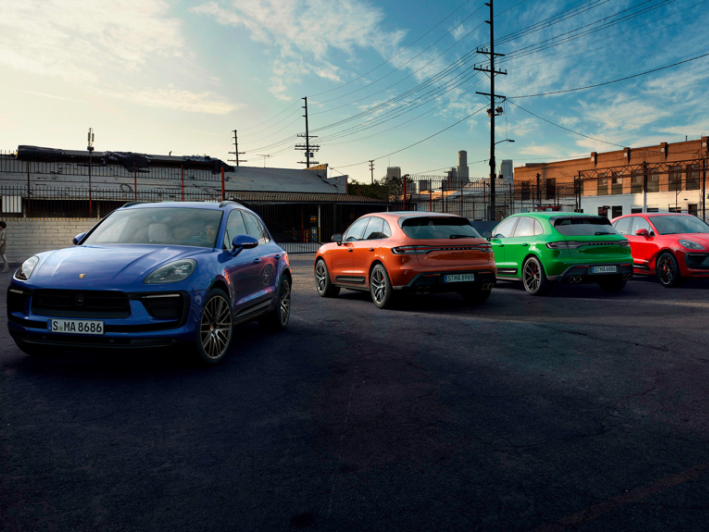
The starting price for the Porsche Macan is RM 433,154, equipped with 19-inch rims as standard
LienJun 26, 2024

Porsche Cayenne S Electric released, offering 653 kilometers WLTP range and wireless charging feature
WilliamMar 11, 2026

A price difference of RM500,000, Zeekr 7X or Porsche Cayenne S E-Hybrid?
RobertFeb 9, 2026

Porsche 718 models will be available in both electric and fuel-powered versions
JamesDec 19, 2025

Porsche launches wireless charging technology, while Tesla announces the cancellation of Cybertruck-related development
MichaelSep 11, 2025
View More
Pros
Cons