
Porsche launches wireless charging technology, while Tesla announces the cancellation of Cybertruck-related development
 MichaelSep 11, 2025, 11:30 AM
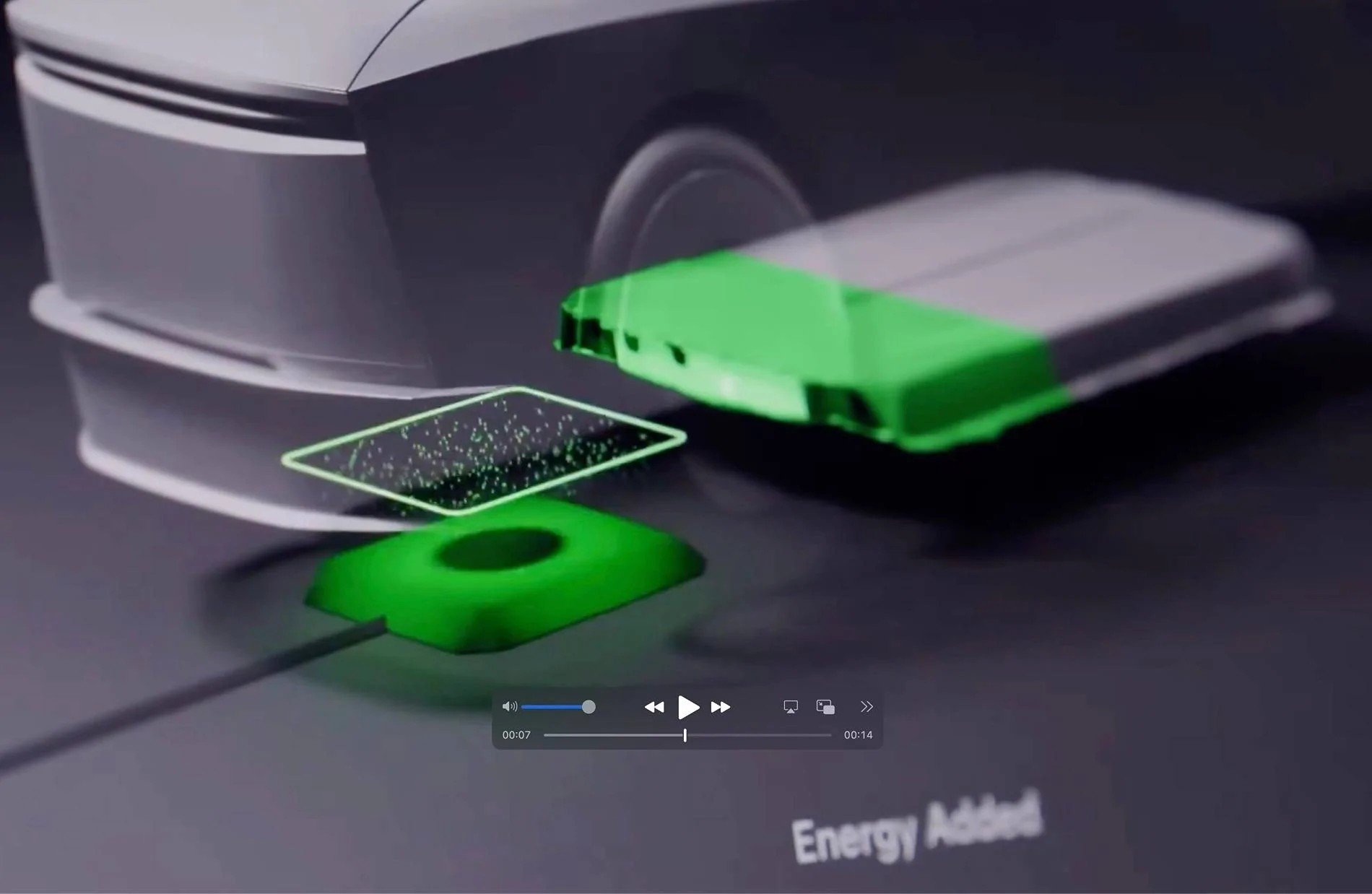
[PCauto] Just as Porsche launched the 11kW wireless charging system for the Cayenne EV, Tesla Cybertruck Chief Engineer Wes Morrill publicly confirmed the cancellation of Cybertruck's wireless charging feature development, citing "low efficiency" as the reason.
The stock price of WiTricity, Tesla's potential wireless charging supplier, dropped by 7.3% on the day Tesla's announcement was made.
Tesla engineers believe Cybertruck's chassis is too high
Tesla engineers believe that Cybertruck's ground clearance, which is as high as 11 inches (approximately 27.94 cm), makes wireless charging efficiency extremely low.
Internal tests indicate that even under ideal conditions, wireless charging efficiency is hard to exceed 85%, whereas traditional charging stations can achieve an efficiency of over 94%. For wireless charging to reach an efficiency comparable to wired charging, it would require breaking current physical limitations, which is not feasible with current technology.
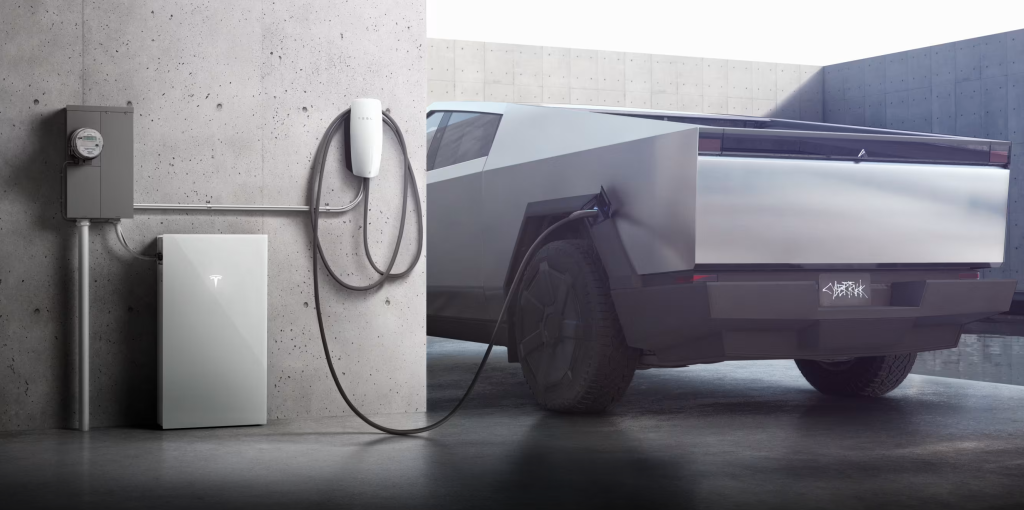
Additionally, the large body size of the Cybertruck makes aligning with the wireless charging pad very challenging, which would significantly impact charging efficiency. To address this issue, Tesla had applied for a "laser-guided wireless charging system" patent in 2023, but this would undoubtedly increase costs.
The real reason Tesla canceled the wireless charging feature is due to cost
For the reason given by Tesla engineers regarding the "chassis being too high," most people believe it is untenable. Intuitively, it is entirely possible to design an automatic lifting mechanism for the wireless charging system.
Perhaps cost is the key reason why Tesla canceled the wireless charging feature.
Cybertruck's annual sales are less than 20,000 units, only one-tenth of the initial target, and the return on investment for developing high-cost accessories is relatively low.
Moreover, in terms of user demand, only about 12% of users consider wireless charging an important selection factor.
In response, Tesla has offered compensation plans to users who have already pre-ordered, including $300 supercharging credits or free installation of the Wall Connector Gen4, aiming to mitigate disappointment.
Currently, the company has removed all descriptions related to Cybertruck's wireless charging from its official website, which has been confirmed through Wayback Machine archives.
Tesla had showcased conceptual images of a home wireless charging station in 2023 and acquired the German wireless charging company Wiferion but eventually sold most of its assets.
In contrast, Porsche has made progress in the field of wireless charging
In response to Tesla's cancellation of wireless charging, some people expressed support, arguing that wireless charging is a false demand and that money should not be spent on developing this feature. They consider it an example of using a large amount of money to solve a small problem, which is highly uneconomical.
However, Porsche's research shows that 75% of pure electric vehicle owners charge primarily at home, and wireless charging significantly improves convenience.
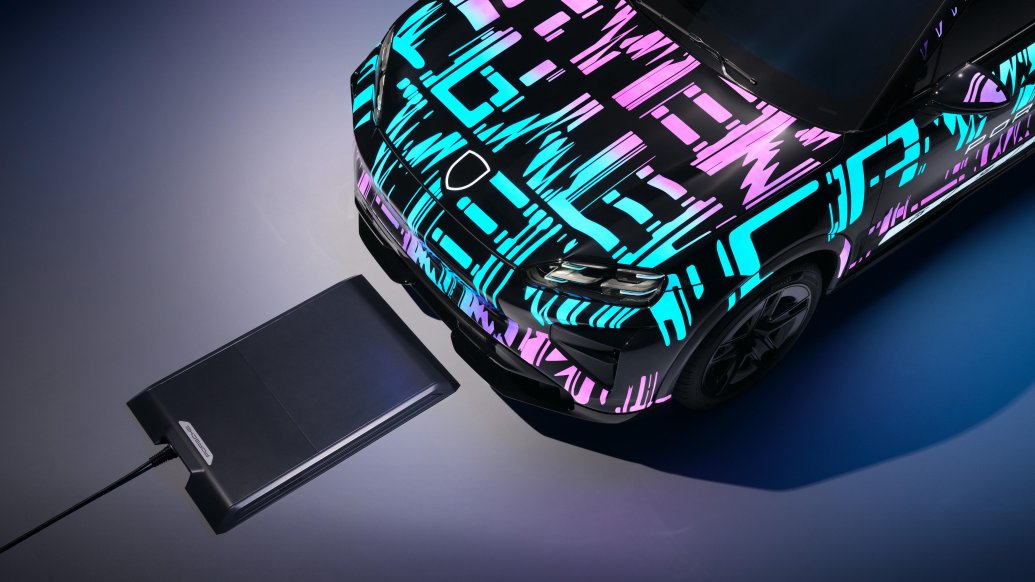
The wireless charging system equipped on the Cayenne EV has a maximum power of 11kW and an efficiency of up to 90%, close to that of wired charging.
To address Tesla's concerns about the chassis being too high and misalignment issues, Porsche provides a "transparent chassis" feature for the Cayenne EV to assist parking, after which the vehicle automatically lowers its body height to improve charging efficiency.
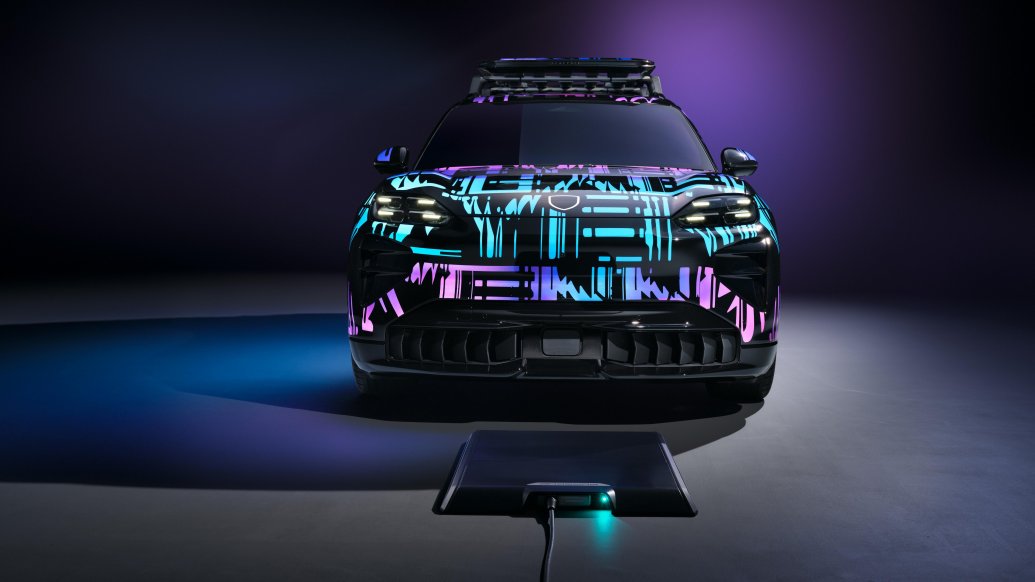
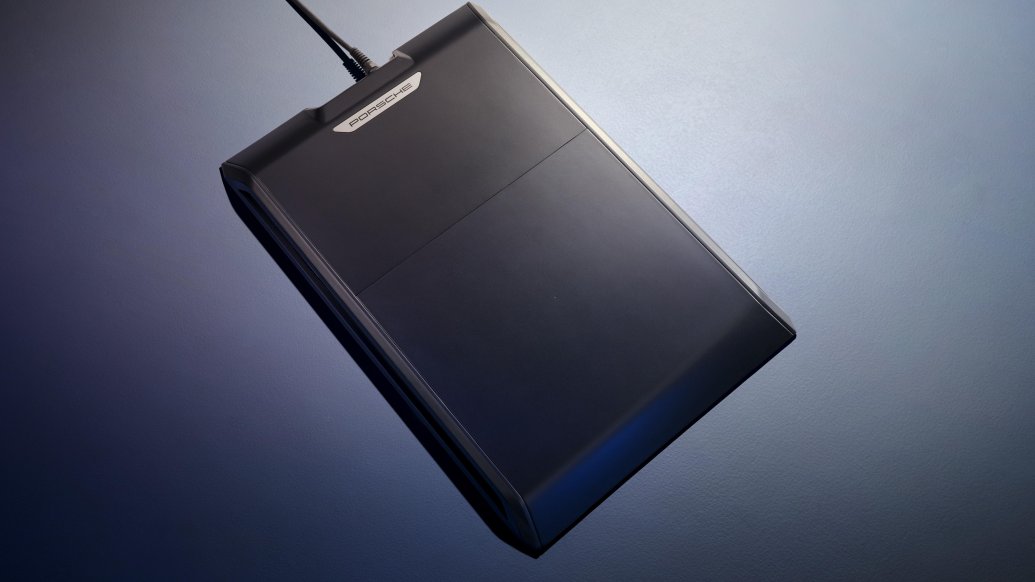
In terms of hardware, the Cayenne EV vehicle-side receiver weighs approximately 13kg, supports air cooling and operates within a wide temperature range.
The ground-side charging pad adopts a "One-Box" integrated design, weighs 50kg, and features rain and snow resistance as well as crush-resistant capabilities.
Installation requires professional personnel and is suitable for home garages or outdoor parking spaces. Safety mechanisms include foreign object detection and electromagnetic protection, complying with TÜV Süd, CE, and UL certifications.
Currently, wireless charging technology is only applicable to high-end models like the Cayenne
Upon closer consideration, unlike Porsche's luxury positioning, Cybertruck, as a utility-oriented pickup, focuses more on practicality and cost efficiency, with the "minor convenience" of wireless charging being insufficient to offset high costs.
Wireless charging technology is likely to be popularized in high-end models first, rather than in the mass market. Afterward, Porsche plans to extend the system to models such as the Macan and Taycan.
Moreover, wireless charging technology still has long-term potential. Some car manufacturers, such as Volvo and Hyundai, are testing road-embedded wireless charging in the commercial vehicle sector.
In addition, gallium nitride (GaN) devices and liquid-cooling technology can effectively improve the efficiency of wireless charging.
The widespread adoption of these technologies is mainly hindered by cost challenges in the short term.
If any infringement occurs, please contact us for deletion










Popular Cars
Model Year
Car Compare
Car Photo