
Q
What's the Displacement of BYD Seal?
 HealerzzJun 26, 2025, 05:13 PM
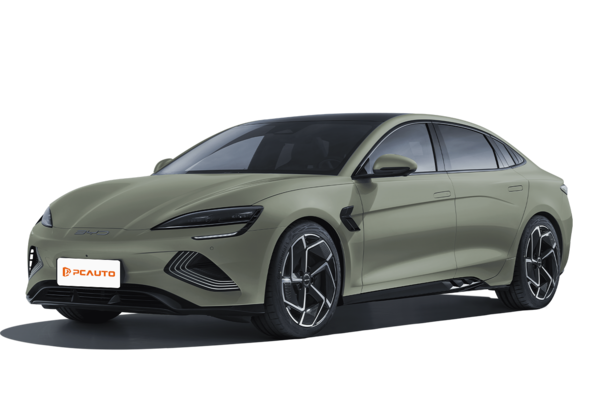
The BYD Seal is an electric vehicle, so it doesn't use the traditional "CC" (cubic centimeters, used to measure internal combustion engine displacement) as a metric. It provides different versions, such as the Dynamic EV, Premium (Extended Range), and Performance AWD. In terms of the powertrain, the Dynamic EV version has a total motor power of 150kW, a maximum horsepower of 204PS, and a total torque of 310N·m. The Premium (Extended Range) version has a total motor power of 230kW, a maximum horsepower of 308PS, and a torque of 360N·m. The Performance AWD version is more powerful, with a combined system power of 390kW, a combined horsepower of 523PS, and a combined torque of 670N·m. These motors can provide efficient and strong power output, meeting different consumers' needs for speed, range, etc. Moreover, the all - electric drive also complies with the current trend of environmental protection and energy conservation.
Special Disclaimer: This content is published by users and does not represent the views or position of PCauto.
Related Q&A
Q
What is the most sold electric car in the world 2024?
As of 2024, the world's best-selling electric vehicle is the Tesla Model Y. This ride has won over consumers globally, thanks to its impressive range, cutting-edge autonomous driving tech, and that ever-expanding Supercharger network. It's been particularly killing it in North America, Europe, and Asia. For Malaysian buyers, the Model Y might just be a top contender too. Tesla's been steadily beefing up its presence in Southeast Asia, and that includes rolling out Superchargers in Malaysia. Sure, the local EV scene is still growing, but government support for new energy vehicles—think tax breaks and charging infrastructure pushes—is really helping to drive adoption.
But Tesla isn't the only player in town. Brands like BYD, Hyundai, and Nissan also hold significant chunks of the global EV market. Take the BYD Atto 3 (that's the Yuan PLUS) and Hyundai Ioniq 5, for example—they're gaining traction with their solid value for money and fresh, innovative designs.
For Malaysian consumers eyeing an EV, it pays to weigh factors like range, how easy it is to charge up, after-sales service, and local market support. With tech advancing and policies backing things up, the Malaysian EV market is only going to get more diverse in the years ahead.
 UipOct 22, 2025
Q
What is BYD ranked in the world in 2024?
BYD has solidified its position among the world's top automakers in 2024, with standout performance in the new energy vehicle sector. Industry data shows their sales have cracked the global top three, cementing their status as one of the most influential EV brands around. The secret to BYD's success? Their robust vertical integration – they develop everything in-house, from batteries and motors to electronic control systems. On top of that, they're aggressively expanding overseas, with Southeast Asia (Malaysia included) being a key strategic focus.
For Malaysian buyers, models like the Atto 3 are steadily gaining traction thanks to their strong value proposition and impressive range. Local assembly plans are only set to boost their competitiveness further. A big selling point? BYD's Blade Battery technology, which leads the industry in safety and energy density – a crucial advantage in Malaysia's hot climate.
As the global shift to electrification accelerates, BYD looks primed to grow its market share and roll out more innovative products. If you're a Malaysian considering an EV, make sure to weigh factors like charging infrastructure, warranty policies, and local after-sales support before making your decision.
 XipOct 22, 2025
Q
What is the best-selling EV in China 2024?
The best-selling electric vehicle in China's market for 2024 is the BYD Song PLUS EV. This model has won widespread favor among consumers thanks to its impressive range, spacious interior, and BYD's accumulated technological expertise in the EV sector. As a leader in China's EV market, BYD boasts a product lineup spanning from entry-level to high-end models, catering to the diverse needs of different consumers. The success of the Song PLUS EV also reflects Chinese consumers' preference for family-friendly electric SUVs.
For Malaysian consumers, while BYD might not enjoy the same level of brand recognition as Japanese or German marques in the local market, the technological prowess and cost-effectiveness advantages of Chinese brands like BYD are becoming increasingly evident as EVs gain global traction. It's plausible that they could carve out a significant presence in Malaysia in the years to come.
The development of electric vehicles doesn't solely rely on the performance of the cars themselves; the improvement of charging infrastructure is also a crucial factor driving their widespread adoption. The Malaysian government has been actively pushing for the implementation of EV-related policies in recent years, including the construction of charging stations and vehicle purchase subsidies. These initiatives will create favorable conditions for the promotion of electric vehicles in Malaysia.
 VipOct 22, 2025
Q
How many cars has BYD sold in China in 2024?
I haven't been able to track down specific, standalone figures for BYD's sales exclusively in China for 2024 just yet. However, what we do know is that BYD's global sales hit a whopping 4.27 million units last year, with overseas markets contributing 417,204 units. Doing a little back-of-the-envelope math, that roughly puts their China sales at around 3.8528 million units (4.27 million -41.7204 million=3.852796 million).
2024 was an absolutely stellar year for BYD. They didn't just dominate the sales charts in China; they also clinched the title of the world's top-selling new energy vehicle manufacturer. A big part of their success comes down to their multi-brand strategy – think "BYD," "Fang Cheng Bao," "Denza," and "Yangwang" – each catering to different market segments and needs. On top of that, continuous technological innovation, like their "e-platform 3.0 Evo" and "5th Generation DM Technology," has been a major driver propelling those sales numbers ever higher.
 SolverProblemSolutionOct 22, 2025
Q
How much is the BYD Seal in 2024?
The 2024 BYD Seal comes in multiple variants with different price tags. Specifically, the BYD Seal Dynamic EV is priced at RM 163,800, the BYD Seal Premium (Extended Range) goes for RM 179,800, and the top-of-the-line BYD Seal Performance AWD hits RM 199,800. All these are pure electric D-segment sedans, boasting solid range and equipment levels. Let's talk dimensions: they stretch 4,800mm in length, 1,875mm in width, 1,460mm in height, with a 2,920mm wheelbase. There's seating for five, and a 400-liter trunk to boot. Performance-wise, the variants differ quite a bit. The Seal Performance AWD, for example, rockets from 0-100km/h in a claimed 3.8 seconds, while the Seal Dynamic EV does the same sprint in a stated 7.5 seconds. So, buyers can pick the one that best fits their needs.
 SipOct 22, 2025
Q
What Segment Does BYD Seal Belong to?
The BYD Seal belongs to the D-segment cars. D-segment cars are typically mid to large-sized vehicles, well-known for striking a balance between space, comfort, and performance.
The BYD Seal has a body length of 4,800 millimeters, a width of 1,875 millimeters, and a wheelbase of 2,920 millimeters, offering passengers a relatively spacious interior. The trunk space is also quite decent. Such specification makes it suitable for comfortable long - distance trips and can meet the sufficient space requirements for daily use. Moreover, in terms of performance, the Seal provides different versions with various power outputs. It can provide a smooth daily driving experience and also offer a more exciting high - performance driving feel. Whether for family users or individual users who desire more space and better performance in their vehicles, the D - segment BYD Seal is an appealing choice.
 DazzleJun 26, 2025
Q
What's the Reslae Value of BYD Seal?
The BYD Seal, a relatively new electric vehicle in the Malaysian market, currently lacks complete data on its resale value, but general resale value for EVs can provide some references. Due to rapid advancements in EV technology, the resale value of electric vehicles typically declines slightly faster than that of comparable internal combustion engine (ICE) vehicles in the first three years—around 50%-60% for EVs versus 60%-70% for ICE cars.
Key factors influencing resale value include battery health (BYD offers an 8-year/160,000 km battery warranty), growing brand recognition (BYD has shown strong performance in recent years), and the maturity of EV infrastructure (such as charging network development). Compared to similar ICE vehicles, the BYD Seal's extended battery warranty and lower operating costs (electricity being significantly cheaper than fuel) may help mitigate depreciation.
For prospective buyers, it is advisable to consider certified pre-owned programs and maintain complete service records to preserve resale value. As EV adoption increases, more definitive resale value data will be provided.
 ZedJun 26, 2025
Q
What's the PCD Size of BYD Seal?
The PCD (Pitch Circle Diameter) of the BYD Seal is 5×114.3, which means the wheel hub has 5 bolt holes evenly distributed on a circle with a diameter of 114.3 millimeters, matching the standard used by many mainstream Japanese vehicles (such as Honda and Toyota). So, it's easy to find compatible wheel hub options for modification or replacement in the Malaysian market.
Beyond PCD, wheel modifications also require attention to other parameters, including the hub bore (recommended to use OEM-concentric hub rings for precise fitting), offset (ET value), and wheel width to avoid affecting suspension geometry or causing friction. For wheel upgrades, it is advisable to choose EV-rated products that can accommodate the Seal's battery weight and prioritize purchasing through BYD-certified channels to ensure safety and compatibility.
 HueJun 26, 2025
Q
Does BYD Seal Support Apple Carplay?
The BYD Seal doesn't have the Apple CarPlay feature. Apple CarPlay is a system developed by Apple Inc., which allows iPhone users to connect their devices to the in-vehicle infotainment system. Although some car models in the market support this feature, the BYD Seal isn't one of them.
However, the BYD Seal has its own advanced infotainment system. It's equipped with a 15.6 - inch intelligent rotating touchscreen, which can provide a wide range of entertainment and vehicle control functions. This car also adopts a comprehensive set of standard configurations, such as various safety systems, comfortable seats with multiple adjustment options, and a high - quality sound system with 12 Dynaudio speakers. Even though the Seal doesn't have Apple CarPlay, its own infotainment capabilities can still bring users a convenient and pleasant driving experience.
 SpiritualGrowthJourneyJun 26, 2025
Q
What's the Brand of BYD Seal's Tire?
The original tires of the BYD Seal are usually high-performance tires from Michelin or Continental. The specific tire models might be Pilot Sport EV or EcoContact 6, which are optimized for electric vehicles to match its powerful performance and noise reduction requirements. These tires are characterized by a low rolling resistance to improve the vehicle's range, the reinforced structures to handle the additional weight of EVs, and noise-reducing tread patterns to minimize road noise.
If you need to replace the tires, it is recommended to choose EV - specific tires of the same specifications. Pay attention to the size markings such as 235/45 R19 or 245/40 R20 (depending on the specific vehicle configuration), and also consider the wet - surface grip and wear - resistance index. When purchasing, you can go through BYD's official services or authorized tire dealers to ensure you get products that are suitable for the characteristics of electric vehicles.
 HappyThoughtsSunshineJun 26, 2025
Popular Cars
Model Year
Car Compare
Car Photo
Related Models
 Cars
CarsLatest Q&A
Q
Is AMT similar to automatic?
There are significant differences between AMT transmissions and automatic transmissions (AT) in terms of core structure and driving experience. AMT is essentially an electronically automated version of a manual transmission, simulating manual clutch operation and gear shifting through a computerized control system while retaining the gear set structure of manual transmissions. As a result, it offers higher transmission efficiency, with fuel consumption approximately 8%-12% lower than AT, making it particularly suitable for highway or long-distance driving. However, it may exhibit jerking similar to manual transmissions during low-speed gear shifts, especially noticeable in congested traffic conditions.
AT transmissions rely on torque converters for power transfer, delivering smooth and seamless gear shifts that appeal to comfort-oriented users. However, their complex structure (incorporating planetary gear sets, hydraulic systems, etc.) results in higher maintenance costs. A single service may cost between 800 to 1,500 ringgit, whereas AMT only requires gear oil replacement at approximately 400 ringgit.
From a market perspective, AMT is predominantly used in budget vehicles or commercial models priced below 80,000 ringgit, while AT is typically featured in mid-to-high-end vehicles. Consumers should select based on actual needs: AMT suits those prioritizing fuel efficiency and low maintenance costs, while AT better serves those valuing comfort. Notably, recent advancements in AMT electronic control technology have significantly mitigated jerking issues, though test drives should still emphasize low-speed performance evaluation.
 AriaMar 26, 2026
Q
Which is better, DCT or AT?
DCT (Dual-Clutch Transmission) and AT (Automatic Transmission) each have their own advantages and disadvantages, and the choice should be based on personal driving needs. AT transmissions transfer power through a torque converter, offering excellent shift smoothness, making them suitable for urban commuting or novice drivers. However, they tend to have higher fuel consumption, and vehicles equipped with them are usually more expensive. DCT transmissions utilize a dual-clutch structure, featuring fast shift speeds and high power transmission efficiency, which provides a more direct driving experience—particularly suitable for users seeking a sporty feel. However, they may exhibit jerking at low speeds and have relatively high maintenance costs. If durability and comfort are priorities, AT is the more reliable choice; if power responsiveness and driving pleasure are preferred, wet DCT (such as Volkswagen DSG) performs better, though dry DCT models should be avoided in prolonged stop-and-go traffic conditions. Additionally, CVT transmissions excel in smoothness and fuel efficiency, making them ideal for daily commuting, but they lack driving excitement. It is recommended to test-drive before purchasing, as tuning varies significantly across brands, and real-world experience is more important than theoretical specifications.
 FlutteringMar 26, 2026
Q
Is Amt good or bad?
AMT gearboxes have a significant cost advantage in the local market, typically being around 5,000 Ringgit cheaper than models equipped with conventional automatic transmissions. Their fuel efficiency is comparable to manual transmissions, resulting in long-term fuel savings. Featuring a straightforward design, they achieve transmission efficiency exceeding 90% with relatively low maintenance costs, making them ideal for practicality-oriented consumers. However, their shifting logic contains inherent limitations: gear changes between 1st and 2nd cause 0.3-0.5 second power interruptions, while unintended upshifts on inclines may reduce engine speed by 15%-20%, compromising driving smoothness. For urban commuters or budget-conscious buyers, AMT offers excellent value, though those prioritizing premium driving dynamics should consider alternative transmission types. Some domestic models like the Perodua Axia employ enhanced AMT systems, where optimized shift programming has reduced gearshift shock by approximately 30%.
 RainbowsMar 26, 2026
Q
Which gives better mileage, CVT or AMT?
From the perspective of fuel economy, CVT transmissions generally perform better under urban driving conditions. Their continuously variable design allows the engine to consistently operate within the optimal speed range, significantly reducing fuel consumption during frequent starts and stops. Test data shows that their fuel consumption in urban driving conditions is 10% to 15% lower than that of comparable models. AMT transmissions, on the other hand, inherit the high transmission efficiency of manual transmissions, delivering fuel efficiency close to manual transmissions during high-speed cruising. This makes them particularly suitable for long-distance driving in large-displacement vehicles. However, due to power interruption during gear shifts, their overall fuel consumption may be 5% to 8% higher than CVTs.
The difference in fuel-saving characteristics between the two transmissions stems from their technical principles: CVTs achieve continuous variability through steel belts and pulleys, eliminating the fixed gear ratio limitations of traditional transmissions; AMTs simulate manual gear changes via electronic control systems while maintaining the mechanical efficiency of gear transmission. Notably, actual fuel consumption is also influenced by driving habits. Smooth acceleration and anticipatory deceleration can maximize the transmissions' fuel-saving potential. If the vehicle budget permits and urban commuting is the primary use, CVTs offer a more economical choice. For frequent highway driving with an emphasis on cost-effectiveness, AMTs are equally worth considering.
 RubyBlazeMar 26, 2026
Q
Which is cheaper, AMT or CVT?
In terms of gearbox cost, AMT is usually more economical than CVT. Essentially, AMT is a manual transmission equipped with an electronic control unit, featuring a simple structure and low maintenance costs. The unit price ranges from approximately 5,000 to 8,000 ringgit, making it suitable for budget-conscious consumers or those who prioritize long-term operating costs. CVT incurs higher manufacturing costs due to its precision steel belt transmission system and continuous variable transmission technology, with a unit price of about 7,000 to 10,000 ringgit. However, it delivers a smoother driving experience and superior fuel efficiency. The primary differences between the two lie in technical complexity: AMT retains the gear-shifting mechanism, resulting in noticeable shift shock; CVT achieves linear power output through stepless speed variation but requires periodic belt inspection and incurs higher maintenance expenses. For those prioritizing initial cost and basic transportation needs, AMT offers better value; if comfort and long-term fuel economy are priorities, CVT represents a more worthwhile investment. Note that actual prices may vary based on vehicle model, brand, and local supply chain factors.
 ShadowProwlMar 26, 2026
Related News

2025 BYD Seal Coming to Malaysia with DiSus-C Adaptive Suspension
JohnAug 13, 2025
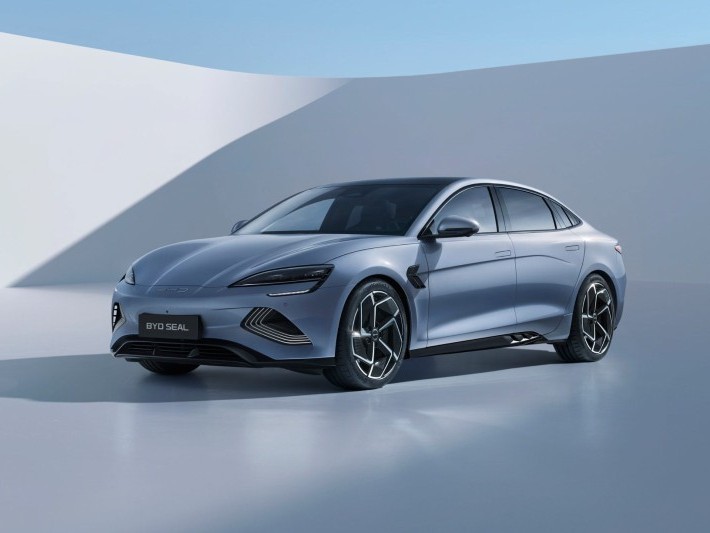
BYD Seal interior design revealed: A fusion of modern technology and luxury
RobertJul 15, 2025
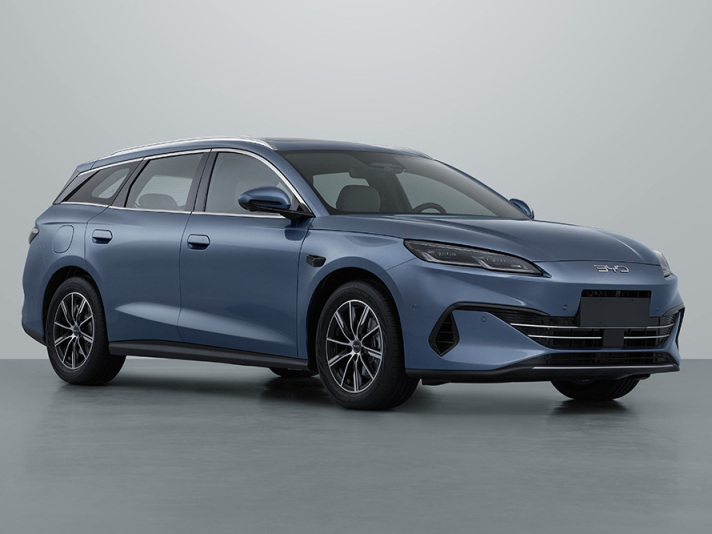
Photos of the BYD Seal 06 Touring Edition Reveal the Brand's Entry into a New Niche Market
JamesMar 24, 2025
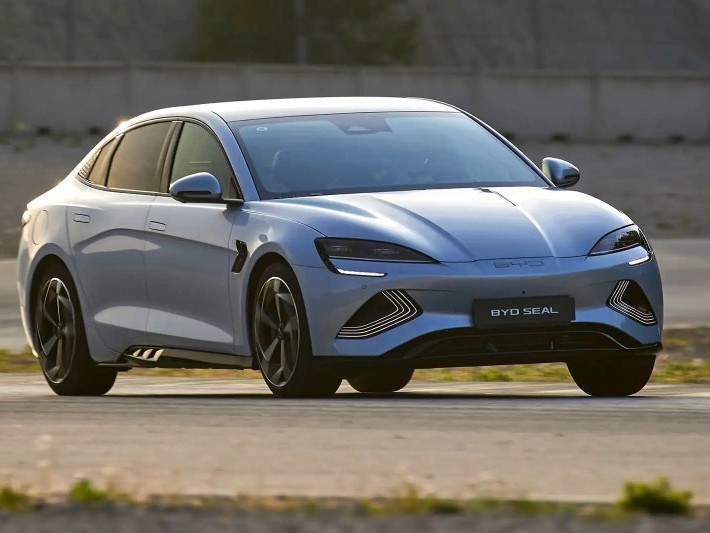
BYD Wins Japan's Annual EV Award Again with Seal
MichaelMar 6, 2025
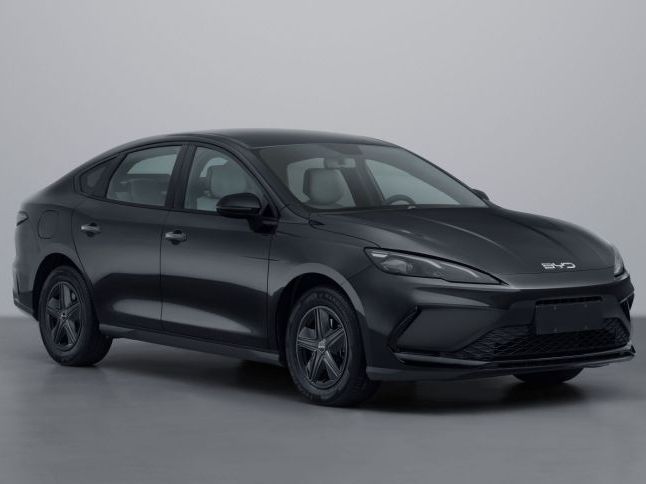
BYD Seal 05 DM-i Declaration Image Revealed: Fifth Generation DM Technology, 1.5L Hybrid System!
Kevin WongDec 10, 2024
View More
Pros
Cons