
Volkswagen Locks Vehicle Horsepower, Unlocks Full Power via Subscription
 JohnAug 19, 2025, 10:38 AM
[PCauto] Volkswagen Group has officially confirmed the launch of a “Performance Boost” subscription service for select 2025 electric vehicle models. This subscription requires owners to pay a monthly fee in order to unlock the car’s full performance.
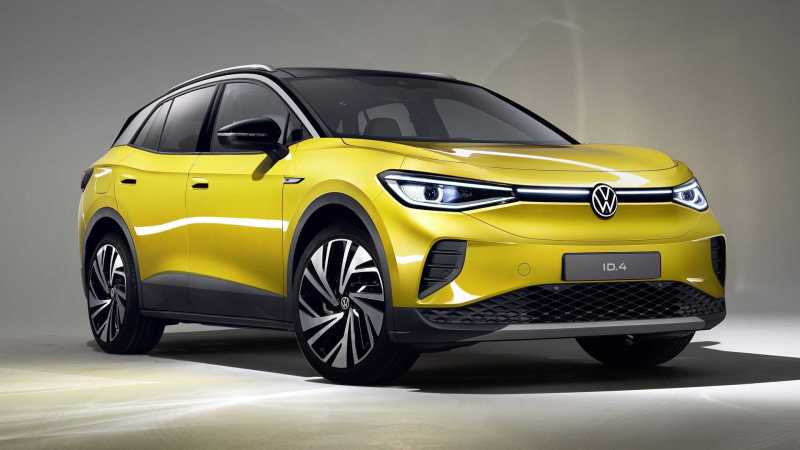
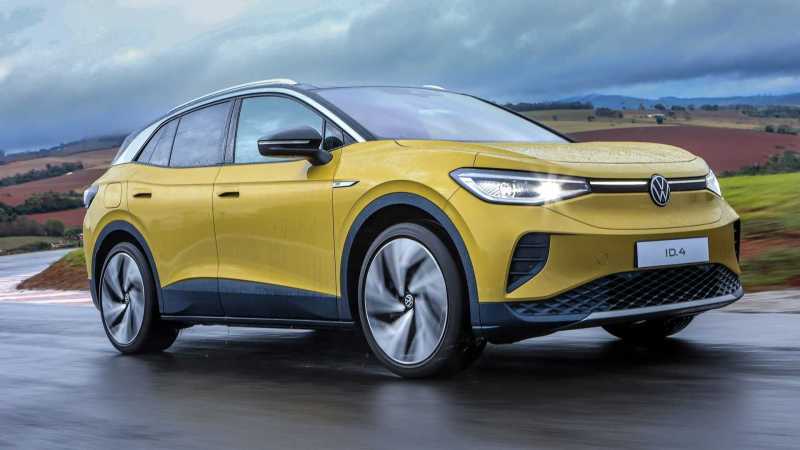
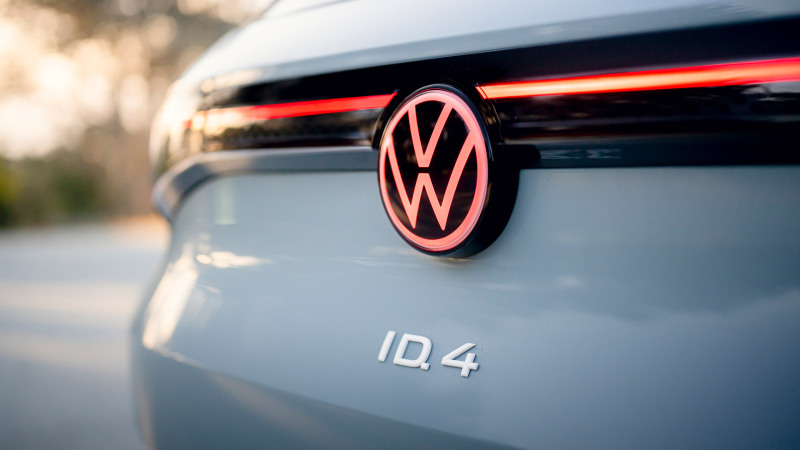
In the initial phase, the program will cover MEB-based models such as the ID.4 and ID.5. For example, the base version of the ID.4 has its motor output capped at 201 hp. By paying $15–$50 per month (approximately 488 THB/64 MYR–1,627 THB/212 MYR), owners can increase output to 234 hp along with additional torque.
The service is enabled via OTA updates. European customers can already purchase it through the “Volkswagen We” app, while a North American rollout is planned for Q4 2025.
Designed with Built-In Performance Reserves
According to Volkswagen’s technical white paper, the feature works on a hardware-preinstalled + software-limited basis, meaning the subscription service simply lifts the electronic control unit (ECU) software lock. The MEB platform was engineered with hardware redundancy from the start.
Take the ID.4 as an example: its permanent magnet synchronous motor is technically capable of producing 250 hp, but the ECU limits output at the factory.
This setup is similar to unlocking DLC content in a gaming console—no physical hardware changes are needed. Once the subscription is activated, the ID.4’s 0–100 km/h acceleration improves from 7.1 seconds to 6.3 seconds, with energy consumption rising by only 2%. Importantly, boosting the motor output does not affect battery cycle life or warranty coverage. The approach mirrors Tesla’s “Acceleration Boost” model.
In the UK, the ID.3 Pro is the first to offer the service, with three payment options: £16.5 per month (about 95 MYR), £165 per year (about 942 MYR), or a one-time buyout of £649 (about 3,703 MYR).
Spending a fortune on a car that isn’t truly yours
The launch of the service quickly triggered backlash, with the hashtag #FreeTheHorsepower spreading over 120,000 times in a single day on social media. Some consumers voiced frustration: “After paying more than $40,000 for the car, I still need to keep paying for its core performance.”
Automakers are redefining vehicle ownership through software licensing agreements. What consumers actually purchase is more like a combination of hardware usage rights plus limited software authorization, rather than full ownership of the car in the traditional sense.
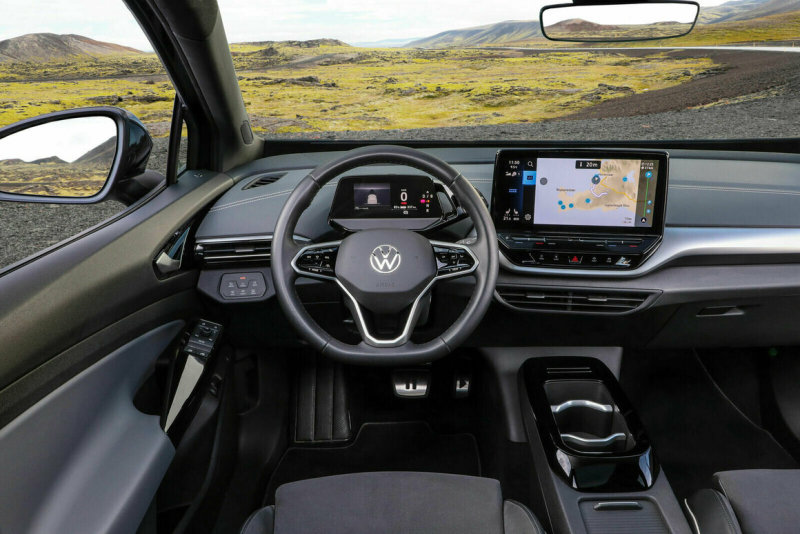
The main reason automakers are taking this path is the significant revenue potential of subscription services. According to industry estimates, if the market embraces software-based services, they could account for up to 35% of Volkswagen Group’s profits by 2030. The new performance subscription, therefore, serves as a real-world test of customers’ willingness to pay.
At the same time, this strategy reflects a harsher financial reality. Bernstein’s analysis shows that the MEB platform delivers just a 3.8% profit margin per vehicle, far below the 18.6% margin of the Tesla Model Y. In this context, subscriptions stand out as one of the few viable levers Volkswagen has to improve profitability.
Attempts to Roll out Subscription Services, but Most Failed
Volkswagen’s bold move is widely seen as an experiment in the traditional industry’s shift toward “software-defined vehicles.”
From the consumer’s perspective, however, it feels unfair: after spending a large sum of money to buy a car, owners still find themselves restricted by the manufacturer, forced to pay extra to unlock certain hardware or functions. This makes many feel as if they don’t truly own their car, but are merely renting it.
There is also growing concern that automakers might expand the scope of subscription services in the future, potentially limiting vehicle speed, battery capacity, or driving range—an idea that many customers find unacceptable.
If any infringement occurs, please contact us for deletion




Popular Cars
Model Year
Car Compare
Car Photo