
Q
What is the price of Nissan NV200?
 AriaOct 16, 2025, 06:06 PM
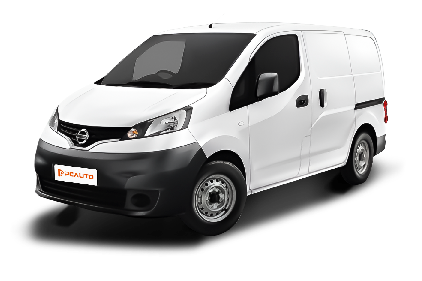
In Malaysia, the price of a Nissan NV200 can vary depending on the model configuration, year, and dealer promotions. New models typically range from around RM80,000 to RM100,000. To get the most up - to - date pricing, you’d better consult your local authorized Nissan dealer. The Nissan NV200 is a practical compact commercial MPV that has won over small businesses and families alike with its spacious interior, fuel efficiency, and solid reliability. It is equally suitable for carrying cargo or passengers. Under the hood, you’ll find a 1.6L naturally aspirated engine that delivers smooth power and ensures low maintenance costs. Safety - wise, it comes with basic features like dual airbags and ABS, meeting the basic requirements for daily use. If you’re looking at a used NV200, prices can vary significantly depending on the vehicle’s condition, mileage, and year. Definitely go through legitimate channels and get a thorough vehicle history check to make sure you’re getting a good one. Another thing that draws enthusiasts to the NV200 is its modification potential. Whether you add a roof rack for extra storage or upgrade the interior to meet specific needs, there is room for customization. Just make sure any modifications comply with Malaysia’s vehicle regulations, of course.
Special Disclaimer: This content is published by users and does not represent the views or position of PCauto.
Related Q&A
Q
Is Nissan NV200 a good car?
The Nissan NV200 is a highly practical compact MPV that has gained quite a following among Malaysian families and business users alike, thanks to its affordability and versatility. Under the hood, you'll find a 1.5-liter naturally aspirated engine that delivers smooth power and decent fuel economy – perfect for zipping around the city or hauling cargo. Inside, the space is cleverly designed; the rear seats fold down easily, making light work of loading larger items. That said, the interior materials prioritize function over flair, so don't expect a super premium feel here.
One of the NV200's strong suits is its relatively low maintenance costs and readily available parts, which makes it a solid pick if you're working with a tight budget. However, it's worth noting that the noise insulation is just so-so, and the suspension leans towards the firm side. This means long drives might not be as comfy as some competitors in its class. Given Malaysia's hot and rainy climate, keeping an eye on the air conditioning system and doing regular undercarriage rust-proofing checks are smart moves.
In the same segment, you've got rivals like the Toyota Avanza and Perodua Alza, but the NV200 does edge them out when it comes to cargo space. All in all, if you're after something affordable with really usable space, the NV200 is definitely worth a look. But if top-notch comfort is your priority, it wouldn't hurt to take a few competitors for a spin before making your final call.
 LavaFlowOct 16, 2025
Q
Can you sleep in the back of a Nissan NV200?
In Malaysia, the Nissan NV200 is a practical compact MPV that can actually double as a temporary resting spot with some simple modifications to the rear space – though it's important to note the original design isn't optimized for sleeping. The rear seats fold or remove to free up around 4.1 cubic meters of cargo space, and with a mattress laid out, adults can stretch out flat. However, the vehicle's width is relatively narrow (around 1.69 meters), so I'd recommend a custom-sized air mattress to ensure proper comfort.
One big thing to remember: Malaysia's climate is hot, and the interior temperature rises quickly once the engine's off. If you're staying inside for any length of time, definitely crack the windows slightly or use a portable ventilation device. Also, always pick a safe parking spot. If you plan to camp in it regularly, adding thermal curtains and rear storage modules would boost convenience.
It's worth mentioning that Malaysian law doesn't explicitly prohibit sleeping in vehicles, but some parking lots might have their own rules – best to check ahead. For longer-term van life needs, a proper camper van would be better for sound insulation, heat resistance, and electrical systems. But the NV200's flexible space and low fuel consumption still make it a budget-friendly choice for short trips.
 FuryStrikeOct 16, 2025
Q
What is the cargo height of the Nissan NV200?
The Nissan NV200 offers a cargo area height of 1.31 meters, a design that gives it some decent vertical room for a compact commercial van. This makes it handy for hauling taller items like boxes or small equipment, which is super useful for small businesses or sole proprietors here in Malaysia. As a versatile workhorse, the NV200 doesn't just have a practical cargo height – it also boasts a total cargo volume of 4.2 cubic meters. Pair that with the sliding side doors and a wide rear tailgate, and loading and unloading gear becomes a breeze. On top of that, the NV200 delivers solid fuel economy, thanks to its 1.6-liter petrol engine, making it well-suited for the stop-and-go grind of city driving. Maintenance costs are also relatively low, and these factors combined have helped it build a strong following in the Malaysian market. If you regularly transport taller items, you might want to think about adding in-cargo storage racks to further maximize space usage. And it's always a good idea to keep an eye on the suspension system with regular checks to ensure stability when you're carrying heavy loads.
 PlasmaFangOct 16, 2025
Q
Why is Nissan discontinuing the NV200?
Nissan's decision to pull the plug on the NV200 largely boils down to shifting tides in the global auto market. Consumer demand for versatile commercial vehicles is moving towards either bigger cargo hauls or greener electric options, and the NV200, as a compact commercial van, just couldn't quite keep up with the market's diverse needs these days. This rings especially true in Malaysia, where business owners are increasingly leaning toward models with beefier load capacities or better fuel efficiency.
On top of that, Nissan's been streamlining its global lineup, funneling resources into newer, more competitive models—think electrification and SUVs—to stay in step with the future of mobility. For Malaysian users, even with the NV200 gone, there are still solid alternatives out there, like the Toyota Avanza or Honda BR-V, each bringing their own strengths in space and practicality.
Looking ahead, as EV tech becomes more mainstream, the commercial vehicle scene is likely to get even more varied. So, keep an eye out—we can probably expect a wave of more efficient, eco-friendly models hitting the market soon.
 ShadowSprintOct 16, 2025
Q
What is the ground clearance of the NV200?
The overall height of the Nissan NV200 varies depending on the specific configuration and modifications. Standard versions have a height ranging from approximately 1,860 mm to 1,940 mm. Models equipped with a roof rack can approach 2,000 mm in height. This dimensional design balances urban maneuverability with cargo space requirements, making the vehicle particularly suitable for multi-purpose commercial scenarios common in Malaysia, such as making deliveries in narrow lanes or being converted into a food truck.
It is important to note that the vehicle's height directly affects its clearance, especially when entering height-restricted parking facilities or passing under overpasses. If considering modifications such as adding a roof box or solar panels, it is crucial to measure the resulting overall height in advance to ensure compliance with regulations. These modifications, especially to the roof, may need to be reported to the relevant authorities as per local rules.
Among comparable compact commercial vehicles, the Toyota Hiace has a roof height of about 1,990 mm. In comparison, the NV200 can be more suitable for parking basements with lower clearances. For frequent travel in areas with strict height restrictions, selecting a factory low-roof variant (if available) or slightly adjusting the ground clearance by changing tire specifications are options, but all alterations must adhere to the regulations set by the Road Transport Department (JPJ).
 ArcticFreezeOct 16, 2025
Q
What is the height of a Nissan NV200?
The Nissan NV200 stands at 1,860mm tall (that's roughly 1.86 meters), a height that really helps it navigate Malaysia's city streets and tight spots with ease – and it still hauls plenty for work or family needs. As a compact multi-purpose vehicle, the NV200's roof height strikes a nice balance between maximizing interior space and keeping the ride stable, which is a big plus if you're loading and unloading gear all day. When Malaysia's heat and rain hit hard, the NV200's AC and seals hold up solid, and with about 160mm of ground clearance, it handles most regular roads without breaking a sweat. Just a heads-up though: that height can creep up a bit if you slap on a roof rack or go for different tires, so always double-check the actual height before rolling into a low-clearance area. In its class, the Toyota Avanza (1,695mm) and Honda BR-V (1,665mm) are in the ballpark, but the NV200's boxy shape gives you way more headroom. And if you're often bouncing around Malaysia's unpaved rural roads, keeping an eye on the suspension now and then will help make sure it keeps climbing over whatever's in the way.
 ZephyrBreezeOct 16, 2025
Q
Which wheels are compatible with the Nissan NV200?
For Nissan NV200 owners wondering about the right wheel specs, here's the lowdown: factory standard is 15-inch wheels with a 5×114.3 PCD, 66.1mm center bore, and offset (ET) around 40-45. These numbers are your golden ticket when shopping for replacements. In Malaysia, popular local aftermarket brands like SSR, Rays, or Enkei are solid picks, but always check the load rating matches the NV200's commercial duty needs—stock wheels handle roughly 600kg per corner.
Stepping up to 16-inch rims? Stick with 6J to 7J widths, and pair 'em with 195/65R16 or 205/60R16 tires to keep your speedo accurate. Oh, and make sure those new wheels don't poke past the fenders—JPJ won't be thrilled about that.
Quick word on materials: lightweight aluminum wheels can eke out better fuel economy, but good old steel rims are tough as nails for heavy hauling. And hey, in Malaysia's rainy season? A tire with proper drainage grooves matters way more than fancy rims.
Lastly, with our hot and humid climate, don't skip regular checks: wheel bolt torque (factory spec is around 108Nm) and tire pressure (230kPa front/280kPa rear when unloaded) are small details that go a long way in keeping your chassis happy and you safe on the road.
 PeteOct 16, 2025
Q
What is the body length of a Nissan e-NV200?
The Nissan e-NV200, as a fully electric multi-purpose vehicle, measures 4560mm in length – a size that’s perfectly suited for city use here in Malaysia. It strikes a great balance between offering a spacious interior and maintaining nimble handling, making it a solid pick for business users who need to haul cargo or ferry clients around regularly.
Under the hood, it leverages Nissan’s proven electric tech, boasting a range of roughly 200-300 kilometers. That’s more than enough for daily commercial runs, and let’s not forget the big plus for Malaysian users: the significantly lower operating costs that come with going electric.
It’s worth highlighting that the e-NV200 is built on Nissan’s NV200 platform, which has been thoroughly tested and validated worldwide, so reliability isn’t a question. For Malaysian buyers eyeing an EV, beyond just size, charging infrastructure convenience is a key factor to weigh. The good news is that major cities across Malaysia are rapidly expanding their charging networks, which is only going to make EVs like the e-NV200 more practical day by day.
Practicality-wise, this van offers a generous 4.2 cubic meters of cargo space, and with rear seats that fold flexibly, it’s ready to tackle both commercial duties and family needs with ease. Plus, that smooth, quiet driving experience you only get with electric vehicles? It’s a game-changer compared to the noise and vibration of traditional petrol or diesel vans.
 GiaOct 16, 2025
Q
How many liters of gasoline does the Nissan NV200 Compact Cargo consume per 100 kilometers?
For businesses in Malaysia, fuel efficiency is a big deal when it comes to workhorses like the Nissan NV200 Compact Cargo. From official specs and real-world drives, this van typically sips around 6.5 to 7.2 liters per 100 kilometers in mixed conditions. Of course, that number can wiggle a bit depending on how you drive—leadfoot vs. easy does it—how much you're hauling, and whether you're stuck in city traffic or cruising the highway. Crunching the numbers with Malaysia's common RON95 petrol prices, the per-kilometer fuel cost is pretty wallet-friendly, making it a solid pick for small businesses or solo operators who need to keep daily running costs in check.
Now, getting the best out of the NV200's fuel economy isn't just about what's under the hood—though its 1.6L naturally aspirated engine paired with a CVT transmission is a good start. Staying on top of regular maintenance helps too: think fresh air filters and keeping those tires properly inflated. And let's not forget driving habits—gentle acceleration and avoiding unnecessary idling can really stretch a tank.
Malaysia's hot and rainy weather means the air con gets a workout, which can nudge fuel use up. So, try adjusting the fan speed sensibly to keep cool without guzzling extra petrol. If you're looking to shave even more off your operating costs, it's worth checking out Malaysia's local fuel-saving guides or having a chat with your Nissan dealer—they'll have tips tailored to our roads and conditions.
 CoraOct 16, 2025
Q
How many miles can the Nissan NV200 travel on one gallon of fuel?
The Nissan NV200 is a solid, practical compact MPV, and its fuel economy can vary a bit depending on the model year and how you drive it. From what the official specs say, the 1.6L petrol engine version should get you around 28 to 30 miles per gallon combined (that's roughly 12 to 13 km per liter). The diesel variants might do a smidge better, but those numbers can shift based on local Malaysian road conditions, your driving style, and how well you keep the van maintained.
For folks in Malaysia, that tropical heat and city traffic congestion can nudge fuel consumption up a touch. A pro tip: keeping your air filter clean and your tires properly inflated goes a long way in keeping those fuel costs in check. When you stack it up against other vans in its class, the NV200 really shines with its interior flexibility and budget-friendly maintenance – whether you're using it for business runs or family trips. But at the end of the day, you'll want to balance power needs with how thirsty the engine is, depending on what you prioritize.
Oh, and don't sleep on Malaysia's EEV (Energy Efficient Vehicle) policy. If a model checks those boxes, you could score some tax breaks. Definitely swing by a dealership and chat with them to get the latest scoop before you sign on the dotted line.
 RoryOct 16, 2025
Popular Cars
Model Year
Car Compare
Car Photo
Related Models
 Cars
CarsLatest Q&A
Q
Is AMT similar to automatic?
There are significant differences between AMT transmissions and automatic transmissions (AT) in terms of core structure and driving experience. AMT is essentially an electronically automated version of a manual transmission, simulating manual clutch operation and gear shifting through a computerized control system while retaining the gear set structure of manual transmissions. As a result, it offers higher transmission efficiency, with fuel consumption approximately 8%-12% lower than AT, making it particularly suitable for highway or long-distance driving. However, it may exhibit jerking similar to manual transmissions during low-speed gear shifts, especially noticeable in congested traffic conditions.
AT transmissions rely on torque converters for power transfer, delivering smooth and seamless gear shifts that appeal to comfort-oriented users. However, their complex structure (incorporating planetary gear sets, hydraulic systems, etc.) results in higher maintenance costs. A single service may cost between 800 to 1,500 ringgit, whereas AMT only requires gear oil replacement at approximately 400 ringgit.
From a market perspective, AMT is predominantly used in budget vehicles or commercial models priced below 80,000 ringgit, while AT is typically featured in mid-to-high-end vehicles. Consumers should select based on actual needs: AMT suits those prioritizing fuel efficiency and low maintenance costs, while AT better serves those valuing comfort. Notably, recent advancements in AMT electronic control technology have significantly mitigated jerking issues, though test drives should still emphasize low-speed performance evaluation.
AriaMar 26, 2026Q
Which is better, DCT or AT?
DCT (Dual-Clutch Transmission) and AT (Automatic Transmission) each have their own advantages and disadvantages, and the choice should be based on personal driving needs. AT transmissions transfer power through a torque converter, offering excellent shift smoothness, making them suitable for urban commuting or novice drivers. However, they tend to have higher fuel consumption, and vehicles equipped with them are usually more expensive. DCT transmissions utilize a dual-clutch structure, featuring fast shift speeds and high power transmission efficiency, which provides a more direct driving experience—particularly suitable for users seeking a sporty feel. However, they may exhibit jerking at low speeds and have relatively high maintenance costs. If durability and comfort are priorities, AT is the more reliable choice; if power responsiveness and driving pleasure are preferred, wet DCT (such as Volkswagen DSG) performs better, though dry DCT models should be avoided in prolonged stop-and-go traffic conditions. Additionally, CVT transmissions excel in smoothness and fuel efficiency, making them ideal for daily commuting, but they lack driving excitement. It is recommended to test-drive before purchasing, as tuning varies significantly across brands, and real-world experience is more important than theoretical specifications.
 FlutteringMar 26, 2026
Q
Is Amt good or bad?
AMT gearboxes have a significant cost advantage in the local market, typically being around 5,000 Ringgit cheaper than models equipped with conventional automatic transmissions. Their fuel efficiency is comparable to manual transmissions, resulting in long-term fuel savings. Featuring a straightforward design, they achieve transmission efficiency exceeding 90% with relatively low maintenance costs, making them ideal for practicality-oriented consumers. However, their shifting logic contains inherent limitations: gear changes between 1st and 2nd cause 0.3-0.5 second power interruptions, while unintended upshifts on inclines may reduce engine speed by 15%-20%, compromising driving smoothness. For urban commuters or budget-conscious buyers, AMT offers excellent value, though those prioritizing premium driving dynamics should consider alternative transmission types. Some domestic models like the Perodua Axia employ enhanced AMT systems, where optimized shift programming has reduced gearshift shock by approximately 30%.
 RainbowsMar 26, 2026
Q
Which gives better mileage, CVT or AMT?
From the perspective of fuel economy, CVT transmissions generally perform better under urban driving conditions. Their continuously variable design allows the engine to consistently operate within the optimal speed range, significantly reducing fuel consumption during frequent starts and stops. Test data shows that their fuel consumption in urban driving conditions is 10% to 15% lower than that of comparable models. AMT transmissions, on the other hand, inherit the high transmission efficiency of manual transmissions, delivering fuel efficiency close to manual transmissions during high-speed cruising. This makes them particularly suitable for long-distance driving in large-displacement vehicles. However, due to power interruption during gear shifts, their overall fuel consumption may be 5% to 8% higher than CVTs.
The difference in fuel-saving characteristics between the two transmissions stems from their technical principles: CVTs achieve continuous variability through steel belts and pulleys, eliminating the fixed gear ratio limitations of traditional transmissions; AMTs simulate manual gear changes via electronic control systems while maintaining the mechanical efficiency of gear transmission. Notably, actual fuel consumption is also influenced by driving habits. Smooth acceleration and anticipatory deceleration can maximize the transmissions' fuel-saving potential. If the vehicle budget permits and urban commuting is the primary use, CVTs offer a more economical choice. For frequent highway driving with an emphasis on cost-effectiveness, AMTs are equally worth considering.
 RubyBlazeMar 26, 2026
Q
Which is cheaper, AMT or CVT?
In terms of gearbox cost, AMT is usually more economical than CVT. Essentially, AMT is a manual transmission equipped with an electronic control unit, featuring a simple structure and low maintenance costs. The unit price ranges from approximately 5,000 to 8,000 ringgit, making it suitable for budget-conscious consumers or those who prioritize long-term operating costs. CVT incurs higher manufacturing costs due to its precision steel belt transmission system and continuous variable transmission technology, with a unit price of about 7,000 to 10,000 ringgit. However, it delivers a smoother driving experience and superior fuel efficiency. The primary differences between the two lie in technical complexity: AMT retains the gear-shifting mechanism, resulting in noticeable shift shock; CVT achieves linear power output through stepless speed variation but requires periodic belt inspection and incurs higher maintenance expenses. For those prioritizing initial cost and basic transportation needs, AMT offers better value; if comfort and long-term fuel economy are priorities, CVT represents a more worthwhile investment. Note that actual prices may vary based on vehicle model, brand, and local supply chain factors.
 ShadowProwlMar 26, 2026
Related News

Nissan NV200: The "Practical" Commercial Vehicle for Malaysian SMEs
LienSep 12, 2025

The third-generation Nissan Leaf officially debuts: from a hatchback car to a crossover SUV with a 622 km range
WilliamMar 11, 2026

1000km full-tank range! 2026 Nissan Serena e-Power officially launched in Malaysia
JohnMar 5, 2026

2026 Nissan March: A Rebirth or the End of the Road for the B-Segment Hatchback?
JamesMar 4, 2026

How much does it cost to own a used Nissan March in Malaysia?
LienFeb 10, 2026
View More
Pros
Cons