
Q
How much for a 2024 Porsche Panamera?
 SingerSep 08, 2025, 02:57 PM
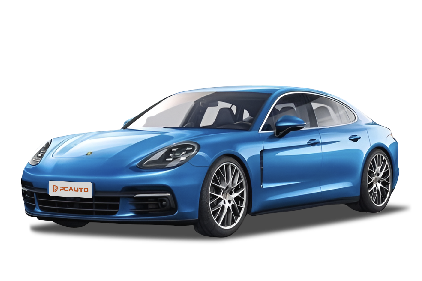
The prices of the 2024 Porsche Panamera in Malaysia vary depending on the model and configuration. The starting price of the entry-level Panamera is approximately RM 900,000, while the high-performance Panamera Turbo E-Hybrid version could cost over RM 1,500,000. The specific price will be adjusted according to optional items such as performance packages, interior materials, or technology configurations.
The Panamera in the Malaysian market is usually imported. Therefore, the price is affected by exchange rates, import duties, and insurance costs. It is recommended to directly inquire with the official Porsche dealers in Malaysia for the latest quotes and promotional offers.
As a luxury four - door coupe under Porsche, the 2024 Panamera not only continues its sporty design but also upgrades its plug-in hybrid system, providing stronger power and lower emissions. At the same time, it comes standard with an adaptive air suspension and a digital cockpit, which is suitable for Malaysian consumers who pursue both performance and comfort.
If you have a limited budget, you can also consider officially certified used models or wait for year-end promotional events. Some dealers may offer loan incentives or free maintenance services.
Special Disclaimer: This content is published by users and does not represent the views or position of PCauto.
Related Q&A
Q
Does the Panamera 2024 have an Audi engine?
The 2024 Porsche Panamera doesn't come with an Audi engine. Instead, it uses a powertrain system independently developed by Porsche. This includes a 2.9-liter V6 twin-turbocharged engine, a 4.0-liter V8 twin-turbocharged engine, and a plug-in hybrid version. These engines are all high-end power units under the Volkswagen Group. They share a technical platform with some Audi models, but the tuning and design priorities are different.
As Porsche's flagship four-door coupe, the engine of the Panamera emphasizes the balance between sporty performance and luxury experience. For example, the V8 model can output over 600 horsepower, while the plug-in hybrid version combines pure-electric range with fuel efficiency, which meets the Malaysian users' demand for both high performance and environmental friendliness.
It's worth noting that brands under the Volkswagen Group often share technical resources to reduce costs. However, each brand conducts differentiated development according to the vehicle's positioning. So, although the Panamera's engine is technically related to the Audi RS series, Porsche's unique PDK transmission and chassis tuning still give it a unique driving feel.
If you're considering buying a car in Malaysia, it's recommended that you take a test drive and compare it with models like the Audi A7 or Bentley Flying Spur from the same group to experience how different brands interpret luxury sports sedans.
 ApexPredatorSep 10, 2025
Q
Is a Porsche Panamera 2024 hard to maintain?
As a high-end luxury vehicle, the maintenance cost of the 2024 Porsche Panamera in Malaysia is indeed higher than that of ordinary family cars. However, this is in line with its brand positioning and technical complexity. Porsche officially recommends a regular maintenance interval of 1 year or 15,000 kilometers. The basic maintenance cost is approximately between 2,000 and 3,000 Malaysian ringgit. If it involves major maintenance such as the gearbox oil or the braking system, the cost may reach 5,000 to 8,000 Malaysian ringgit.
In Malaysia, Porsche has official service centers in places like Kuala Lumpur and Penang, and there is an ample supply of original parts. However, it is recommended that car owners give priority to authorized repair points to ensure professional service. It's worth noting that the PDK dual-clutch gearbox and the air suspension system used in the Panamera require professional technical support. Repairing at non-authorized points may affect the warranty rights.
Given Malaysia's hot and rainy climate, it is advisable to pay extra attention to the regular inspection of the air-conditioning system and electronic components. Although the maintenance cost is relatively high, the Panamera performs excellently in terms of reliability and resale value among luxury cars. Moreover, Porsche Malaysia offers a 4-year original warranty, which can effectively reduce the long-term car-ownership risks. If your budget allows, purchasing the official extended warranty plan is a worthy option to consider.
 CrystalFangSep 10, 2025
Q
Is 2024 Panamera a V6 or V8?
The 2024 Porsche Panamera offers a variety of powertrain configurations in the Malaysian market, including V6 and V8 engine options, depending on the vehicle model version. For example, the base-model Panamera and the Panamera 4 are equipped with a 2.9-liter V6 twin - turbocharged engine, while the high-performance Panamera Turbo E-Hybrid comes with a 4.0-liter V8 twin-turbocharged hybrid system, which provides a stronger combined output.
For Malaysian consumers, when making a choice, they need to consider the local road conditions and fuel economy. The V6 version is more suitable for daily driving and generally enjoys lower tax rates, while the V8 version is for buyers who pursue ultimate performance. Porsche has always been at the forefront in engine tuning and hybrid technology. Whether it's the V6 or V8, they can offer an excellent driving experience. Meanwhile, Porsche Centers in Malaysia also provide comprehensive after-sales support to ensure that the vehicles are kept in the best condition.
 LaserBeamSep 10, 2025
Q
What is the top of the range Porsche Panamera 2024?
The top-of-the-line model of the 2024 Porsche Panamera is the Panamera Turbo E-Hybrid. This car combines powerful performance with advanced plug-in hybrid technology. It is equipped with a 4.0 - liter V8 twin-turbocharged engine and an electric motor, with a combined output power of up to 680 horsepower and a peak torque of over 870 N·m. It can accelerate from 0 to 100 km/h in just 3.2 seconds and reach a top speed of 315 km/h. At the same time, the pure-electric driving range has been improved to a more practical level, making it suitable for Malaysian consumers who pursue both performance and environmental protection.
The Panamera Turbo E-Hybrid comes standard with Porsche's latest PASM active suspension management system, PDCC dynamic chassis control system, and ceramic composite brake system, ensuring precise handling and comfort. The interior uses top-grade leather and metal materials, and is equipped with a 12.3-inch central control screen and the latest generation of PCM infotainment system, supporting functions such as wireless Apple CarPlay.
For the Malaysian market, this car is not only suitable for daily driving but also can meet the needs of high - performance enthusiasts. Meanwhile, its hybrid system performs excellently in fuel economy, which is suitable for the situation of high local oil prices. In addition, Porsche provides a comprehensive after-sales service and warranty policy in Malaysia, including battery pack warranty, which further boosts buyer confidence.
 ShadowSneakSep 10, 2025
Q
What kind of engine is in the Porsche Panamera 2024?
The 2024 Porsche Panamera offers a variety of powertrain options in the Malaysian market, including an efficient 2.9-liter V6 twin-turbocharged engine and a powerful 4.0-liter V8 twin-turbocharged engine. The V6 version can reach a maximum power of 330 horsepower, while the V8 version (Turbo S E-Hybrid) boosts it to 630 horsepower. The entire lineup comes standard with an 8-speed PDK dual-clutch transmission, which balances performance and fuel economy.
It's worth mentioning that the Panamera is also equipped with an advanced plug-in hybrid system (E-Hybrid), with a pure-electric range of over 50 kilometers, suitable for urban commuting needs in Malaysia. Porsche's engine technology focuses on high torque output at low revs. Paired with the Porsche Active Suspension Management (PASM) and all-wheel-drive system, it can maintain stable handling even on rainy roads in Malaysia.
For consumers who pursue performance, the Panamera Turbo S can accelerate from 0 to 100 km/h in just 3.1 seconds, demonstrating the perfect combination of German precision engineering and electrification technology. At the same time, it meets the latest EU emission standards, striking a balance between environmental protection and power.
 MercurySwiftSep 10, 2025
Q
What is the lifespan of a Porsche Panamera 2024?
Under normal use and regular maintenance, the 2024 Porsche Panamera typically has a service life of 15 to 20 years or even longer. The exact lifespan depends on driving habits, maintenance frequency, as well as the climate and road conditions in Malaysia. As a high-performance luxury sedan, the Panamera incorporates Porsche's advanced engineering technology and high-quality materials. Its engine, transmission, and chassis have all undergone rigorous testing to ensure long - term reliability.
In Malaysia, the hot and humid climate may have a certain impact on rubber components and electronic systems. Therefore, it is recommended that car owners regularly check the cooling system, battery, and air-conditioning system, and strictly follow the Porsche official maintenance manual for upkeep to extend the vehicle's lifespan. Additionally, using original parts and lubricants that meet the specifications can significantly enhance the vehicle's durability.
It's worth noting that Porsche has a well - established after-sales service network in Malaysia, including professional technical support and original factory warranty services, which provide additional guarantees for car owners. For those car owners who aim for long-term use, the Panamera's resale value performs relatively well in the luxury car market, which also indirectly reflects its excellent durability and brand value.
 FlameWingSep 8, 2025
Q
How fast is the Porsche Panamera in 2024?
The 2024 Porsche Panamera still impresses with its performance. Depending on the model, its acceleration capabilities vary. The top-of-the-line Panamera Turbo E-Hybrid is equipped with a combination of a 4.0-liter V8 twin-turbocharged engine and an electric motor, with a combined output of up to 680 horsepower. It can accelerate from 0 to 100 km/h in just 3.2 seconds and reach a top speed of 315 km/h, demonstrating the strength of a top-class luxury coupe. On the other hand, the entry-level 2.9-liter V6 model takes about 5.6 seconds to accelerate from 0 to 100 km/h, which is suitable for users who value daily driving comfort more.
For Malaysian car enthusiasts, the Panamera not only has strong performance but also features excellent chassis tuning and an active suspension system, enabling it to easily handle the local variable road conditions. Meanwhile, its hybrid version also conforms to the global energy-saving trend, meeting both performance and environmental protection requirements. It's worth mentioning that Porsche's PDK dual-clutch transmission and four-wheel drive system ensure the vehicle's stability when cornering at high speeds or on slippery roads, which is also one of the reasons why many Malaysian car owners favor it.
If you're considering buying one, it is recommended to choose the appropriate version according to your own needs and take a test drive at an authorized dealer to experience the perfect combination of its precise handling and luxurious interior.
 SabertoothSep 8, 2025
Q
Is the Porsche Panamera 4 or 5 seater?
The Porsche Panamera offers two seating configurations in the Malaysian market: four-seat and five-seat options, depending on the model version and optional features. The standard Panamera usually comes with a 2+2 four-seat layout, with two independent rear seats to emphasize the sense of sporty luxury. However, consumers can also choose to install a three-person rear seat to turn it into a five-seat model, which is particularly practical in Malaysia where there is a high demand for family cars.
It's worth noting that the Panamera Executive Extended Edition has a wheelbase extended by 150mm, providing more spacious rear-seat space. Whether it's a four-seat or five-seat configuration, it can offer a more comfortable riding experience. For Malaysian consumers, if they often need to carry multiple passengers, it is recommended to clearly choose the five-seat configuration when placing an order, as it's quite difficult to retrofit later.
As a luxury sedan under Porsche that combines performance and practicality, the seat design of the Panamera fully considers the balance between daily driving and sporty handling. The four - seat version focuses more on luxury, while the five-seat version enhances the convenience for family outings. Before purchasing a car, it is recommended to visit the local Porsche Center in Malaysia to experience the differences in different seat configurations in person.
 IronFistSep 8, 2025
Q
Is the Panamera 2024 comfortable?
The 2024 Porsche Panamera excels in comfort, making it particularly suitable for the road conditions and climate in Malaysia. The standard-equipped adaptive air suspension system can effectively filter out road bumps, providing a smooth riding experience even on some uneven roads in Malaysia. Meanwhile, the upgraded seats of the new car are filled with higher-density foam and come with an optional massage function, which can relieve fatigue during long - distance drives. In terms of sound insulation, thanks to the double-layer glass and active noise reduction technology, it can maintain a quiet environment even in the busy urban areas or on the highways in Malaysia. In addition, for the tropical climate, the standard-equipped ventilated seats and four-zone automatic climate control system can quickly adjust the temperature inside the car. It's worth mentioning that although the Panamera is positioned as a sports coupe, it strikes a good balance between comfort and handling through the optional rear-wheel steering and PDCC dynamic chassis control system. For Malaysian consumers, this car can not only meet the daily needs of a family but also provide the refined driving and riding experience that a luxury brand should offer. It is one of the few models in its class that combines both sportiness and comfort.
 EleSep 8, 2025
Q
Is a 2024 Panamera RWD or AWD?
The 2024 Porsche Panamera offers two drivetrain versions in the Malaysian market: rear-wheel drive (RWD) and all-wheel drive (AWD). The specific configuration depends on the selected model and powertrain. For example, the entry-level Panamera and some plug-in hybrid models may feature a rear-wheel drive layout, while high-performance models like the Panamera 4S and Turbo come standard with Porsche Traction Management (PTM), an intelligent all-wheel drive system that enhances stability on slippery roads or during aggressive driving.
Given Malaysia's rainy climate and complex road conditions, the AWD version provides better grip and safety, making it particularly suitable for consumers who often drive long distances or seek dynamic handling. On the other hand, the RWD version may appeal more to buyers who prefer a pure driving experience or have budget constraints.
Porsche's all-wheel drive technology uses an electronically controlled multi-plate clutch to achieve real-time torque distribution between the front and rear axles, balancing fuel efficiency and performance. Meanwhile, all models in the lineup are equipped with the Porsche Stability Management (PSM) system to ensure active safety across different drivetrains.
It is recommended that potential owners choose based on their actual driving needs, budget, and driving habits. They should also visit an authorized dealer to test drive and compare the differences between the two drivetrains.
 KindnessSep 8, 2025
Popular Cars
Model Year
Car Compare
Car Photo
Related Models
 Cars
CarsLatest Q&A
Q
Is AMT similar to automatic?
There are significant differences between AMT transmissions and automatic transmissions (AT) in terms of core structure and driving experience. AMT is essentially an electronically automated version of a manual transmission, simulating manual clutch operation and gear shifting through a computerized control system while retaining the gear set structure of manual transmissions. As a result, it offers higher transmission efficiency, with fuel consumption approximately 8%-12% lower than AT, making it particularly suitable for highway or long-distance driving. However, it may exhibit jerking similar to manual transmissions during low-speed gear shifts, especially noticeable in congested traffic conditions.
AT transmissions rely on torque converters for power transfer, delivering smooth and seamless gear shifts that appeal to comfort-oriented users. However, their complex structure (incorporating planetary gear sets, hydraulic systems, etc.) results in higher maintenance costs. A single service may cost between 800 to 1,500 ringgit, whereas AMT only requires gear oil replacement at approximately 400 ringgit.
From a market perspective, AMT is predominantly used in budget vehicles or commercial models priced below 80,000 ringgit, while AT is typically featured in mid-to-high-end vehicles. Consumers should select based on actual needs: AMT suits those prioritizing fuel efficiency and low maintenance costs, while AT better serves those valuing comfort. Notably, recent advancements in AMT electronic control technology have significantly mitigated jerking issues, though test drives should still emphasize low-speed performance evaluation.
 AriaMar 26, 2026
Q
Which is better, DCT or AT?
DCT (Dual-Clutch Transmission) and AT (Automatic Transmission) each have their own advantages and disadvantages, and the choice should be based on personal driving needs. AT transmissions transfer power through a torque converter, offering excellent shift smoothness, making them suitable for urban commuting or novice drivers. However, they tend to have higher fuel consumption, and vehicles equipped with them are usually more expensive. DCT transmissions utilize a dual-clutch structure, featuring fast shift speeds and high power transmission efficiency, which provides a more direct driving experience—particularly suitable for users seeking a sporty feel. However, they may exhibit jerking at low speeds and have relatively high maintenance costs. If durability and comfort are priorities, AT is the more reliable choice; if power responsiveness and driving pleasure are preferred, wet DCT (such as Volkswagen DSG) performs better, though dry DCT models should be avoided in prolonged stop-and-go traffic conditions. Additionally, CVT transmissions excel in smoothness and fuel efficiency, making them ideal for daily commuting, but they lack driving excitement. It is recommended to test-drive before purchasing, as tuning varies significantly across brands, and real-world experience is more important than theoretical specifications.
FlutteringMar 26, 2026Q
Is Amt good or bad?
AMT gearboxes have a significant cost advantage in the local market, typically being around 5,000 Ringgit cheaper than models equipped with conventional automatic transmissions. Their fuel efficiency is comparable to manual transmissions, resulting in long-term fuel savings. Featuring a straightforward design, they achieve transmission efficiency exceeding 90% with relatively low maintenance costs, making them ideal for practicality-oriented consumers. However, their shifting logic contains inherent limitations: gear changes between 1st and 2nd cause 0.3-0.5 second power interruptions, while unintended upshifts on inclines may reduce engine speed by 15%-20%, compromising driving smoothness. For urban commuters or budget-conscious buyers, AMT offers excellent value, though those prioritizing premium driving dynamics should consider alternative transmission types. Some domestic models like the Perodua Axia employ enhanced AMT systems, where optimized shift programming has reduced gearshift shock by approximately 30%.
 RainbowsMar 26, 2026
Q
Which gives better mileage, CVT or AMT?
From the perspective of fuel economy, CVT transmissions generally perform better under urban driving conditions. Their continuously variable design allows the engine to consistently operate within the optimal speed range, significantly reducing fuel consumption during frequent starts and stops. Test data shows that their fuel consumption in urban driving conditions is 10% to 15% lower than that of comparable models. AMT transmissions, on the other hand, inherit the high transmission efficiency of manual transmissions, delivering fuel efficiency close to manual transmissions during high-speed cruising. This makes them particularly suitable for long-distance driving in large-displacement vehicles. However, due to power interruption during gear shifts, their overall fuel consumption may be 5% to 8% higher than CVTs.
The difference in fuel-saving characteristics between the two transmissions stems from their technical principles: CVTs achieve continuous variability through steel belts and pulleys, eliminating the fixed gear ratio limitations of traditional transmissions; AMTs simulate manual gear changes via electronic control systems while maintaining the mechanical efficiency of gear transmission. Notably, actual fuel consumption is also influenced by driving habits. Smooth acceleration and anticipatory deceleration can maximize the transmissions' fuel-saving potential. If the vehicle budget permits and urban commuting is the primary use, CVTs offer a more economical choice. For frequent highway driving with an emphasis on cost-effectiveness, AMTs are equally worth considering.
 RubyBlazeMar 26, 2026
Q
Which is cheaper, AMT or CVT?
In terms of gearbox cost, AMT is usually more economical than CVT. Essentially, AMT is a manual transmission equipped with an electronic control unit, featuring a simple structure and low maintenance costs. The unit price ranges from approximately 5,000 to 8,000 ringgit, making it suitable for budget-conscious consumers or those who prioritize long-term operating costs. CVT incurs higher manufacturing costs due to its precision steel belt transmission system and continuous variable transmission technology, with a unit price of about 7,000 to 10,000 ringgit. However, it delivers a smoother driving experience and superior fuel efficiency. The primary differences between the two lie in technical complexity: AMT retains the gear-shifting mechanism, resulting in noticeable shift shock; CVT achieves linear power output through stepless speed variation but requires periodic belt inspection and incurs higher maintenance expenses. For those prioritizing initial cost and basic transportation needs, AMT offers better value; if comfort and long-term fuel economy are priorities, CVT represents a more worthwhile investment. Note that actual prices may vary based on vehicle model, brand, and local supply chain factors.
 ShadowProwlMar 26, 2026
Related News

Porsche Cayenne S Electric released, offering 653 kilometers WLTP range and wireless charging feature
WilliamMar 11, 2026

A price difference of RM500,000, Zeekr 7X or Porsche Cayenne S E-Hybrid?
RobertFeb 9, 2026

Porsche 718 models will be available in both electric and fuel-powered versions
JamesDec 19, 2025

Porsche launches wireless charging technology, while Tesla announces the cancellation of Cybertruck-related development
MichaelSep 11, 2025

Porsche Cayenne EV will offer wireless charging functionality, eliminating the need for heavy charging cables
JamesSep 5, 2025
View More
Pros
Cons