
Q
How much is a Toyota Fortuner 2021?
 HikerOct 31, 2025, 12:27 PM
The 2021 Toyota Fortuner's price in Malaysia varies depending on the trim and specifications, ranging roughly from RM169,590 to RM208,880. Actual prices might fluctuate slightly due to dealer promotions or regional differences. As a popular midsize SUV under Toyota, the Fortuner is favored by Malaysian consumers for its reliable performance, spacious interior, and strong resale value. It offers two engine options: a 2.7L petrol and a 2.8L diesel, both paired with a 6-speed automatic transmission, along with multiple driving modes to adapt to different road conditions. Notably, the Fortuner comes well-equipped with safety features, including 7 airbags, vehicle stability control, and hill-start assist as standard. Its generous ground clearance and available 4WD system also make it suitable for some of Malaysia's terrain. If you're considering a used 2021 Fortuner, prices are typically 15-30% lower than a new one, depending on factors like condition, mileage, and remaining warranty. It's advisable to have it inspected through Toyota's authorized used car channels before purchasing to get the most accurate condition report.
Special Disclaimer: This content is published by users and does not represent the views or position of PCauto.
Related Q&A
Q
Is the Toyota Fortuner bumpy?
When it comes to whether the Toyota Fortuner rides rough, the SUV's comfort level mainly depends on its suspension setup and the road conditions. The Fortuner features a body-on-frame construction and a rear solid axle suspension design – this setup provides better rigidity for off-roading, but it can transmit more road vibrations when driving on regular paved roads, especially noticeable for rear passengers. However, Toyota engineers have optimized it for city driving, so it's already more comfortable than a pure off-road vehicle. If you find the suspension too stiff, you can check if the tire pressure is too high or consider switching to tires better suited for highway driving. Malaysian consumers should note that there are slight differences in suspension tuning across different model years of the Fortuner; post-2016 facelift models saw improvements in comfort. Additionally, the vehicle's load capacity also affects suspension performance. It's recommended to test drive the vehicle yourself before purchasing and compare it with other SUVs in its class. After all, each model has unique suspension characteristics, and the key is to choose the one that best fits your daily usage needs.
 PetLoverCaretakerOct 31, 2025
Q
What is the difference between Fortuner and legender?
The Toyota Fortuner and Legender are two SUVs with distinct positioning, differing mainly in design and features. The Legender can be seen as the premium, upgraded version of the Fortuner. As Toyota's main seven-seater SUV in Southeast Asia, the Fortuner focuses on practicality and off-road capability, featuring a body-on-frame construction and part-time 4WD system—ideal for family trips or light off-roading. Meanwhile, the Legender, built on the Fortuner platform, boasts a sleeker, sportier look with a blacked-out grille, LED headlights, and exclusive wheel designs. Its interior uses higher-quality materials and adds tech touches like a full digital instrument cluster, targeting a urban luxury vibe. Notably, it only offers a five-seat layout to enhance rear passenger comfort and space. Both share the 2.8L turbo diesel engine, but the Legender’s tuning prioritizes a smoother driving experience. For Malaysian buyers, the Fortuner makes sense if you value affordability and versatility, while the Legender better suits those craving personality and premium features. It’s worth mentioning that this "twin-model" strategy is common for Toyota in Southeast Asia—similar to the Hilux and Hilux Rogue—using differentiated designs to cater to diverse customer groups while sharing platforms to cut production costs.
 YogaGuruMasterOct 31, 2025
Q
What are common problems with the 2021 Fortuner?
The 2021 Toyota Fortuner has generally proven reliable in the Malaysian market, though some owners have reported a few common issues. For instance, diesel engine variants might experience brief shaking during cold starts, which is usually linked to the local humid climate or fuel quality. It's advisable to regularly replace the fuel filter and use the recommended diesel grade. Some owners have also mentioned that the third-row seating feels a bit cramped, with average comfort for long journeys—this is a typical design trade-off seen in most seven-seat SUVs. Additionally, there are a small number of cases where the infotainment system occasionally freezes, which can be fixed with a software update. Notably, while the Fortuner's body-on-frame construction ensures off-road durability, the suspension tuning feels on the stiffer side when driving on paved roads, a characteristic trait of rugged SUVs. Malaysian owners are advised to pay special attention to regular checks of the chassis rubber components, as the local rainy climate may accelerate wear on these parts. Overall, these issues fall within the normal range for vehicles in this class, and adhering to scheduled official maintenance can effectively prevent them. For consumers considering a used model, it’s recommended to focus on inspecting the 4WD system’s functionality and chassis rust conditions—areas that require extra attention in Malaysia’s humid environment.
 IkeOct 31, 2025
Q
Does the 2021 Fortuner have Apple CarPlay?
The 2021 Toyota Fortuner does come with Apple CarPlay in the Malaysian market. This feature lets drivers seamlessly connect their iPhones to the infotainment system, giving them access to navigation, music, calls, and other apps—definitely a boost for both convenience and in-car entertainment. As a popular SUV among Malaysian buyers, the Fortuner's tech features have always kept up with market demands. Besides Apple CarPlay, some variants might also support Android Auto to cater to different smartphone users. It's worth noting that specific features can vary depending on the trim level or regional specifications, so it's a good idea to check the exact specs with dealers before buying. Plus, with the rapid growth of in-car connectivity, more and more models are adding smart features like voice control and wireless connectivity. These tech upgrades not only make driving safer and easier but also show how the auto industry is moving toward digitalization and smart technology. For Malaysian consumers, picking a car with an advanced infotainment system isn't just about meeting daily needs—it also ensures the vehicle stays practical for years to come.
 KayOct 31, 2025
Q
Why did Toyota stop making the Fortuner?
Toyota's decision to stop producing the Fortuner mainly stems from market strategy and product line optimization. As consumer demands evolve and environmental regulations become increasingly stringent, Toyota is shifting resources toward models that better align with current market trends, such as hybrid and fully electric SUVs, to meet the global demand for energy-efficient and eco-friendly vehicles, including in markets like Malaysia. While the Fortuner, as a traditional fuel-powered SUV, was once highly popular in Southeast Asia, intensifying market competition and shifting consumer preferences have likely led Toyota to focus on more forward-looking products. Additionally, Toyota's newer SUV models like the RAV4 and Highlander, with their more advanced technology and features, have gradually taken over the Fortuner's market position. For Malaysian consumers, while the discontinuation of the Fortuner may be disappointing, Toyota still offers other excellent SUV options, such as the durable and reliable Hilux and the premium and comfortable Land Cruiser, which are well-suited to Malaysia's road conditions and driving needs. Looking ahead, Toyota will likely continue to launch more models tailored to the local market to cater to consumers' diverse demands.
 GopOct 31, 2025
Q
What is the Fortuner facelift 2021?
The 2021 Toyota Fortuner facelift is Toyota's updated mid-size SUV for the Southeast Asian market, with tweaks focused on exterior styling, interior upgrades, and tech features. On the outside, it gets sharper LED headlamps, a brand new designed front grille, and sportier front and rear bumpers. Inside, there's improved soft-touch materials and nicer trim, plus a touchscreen that supports Apple CarPlay and Android Auto. Under the hood, it carries over the 2.7-liter petrol and 2.8-liter turbo diesel engine options, mated to a 6-speed automatic transmission, with 4WD available on some variants. This SUV is pretty popular in Malaysia – its durability and off-road capability make it a good fit for the country's diverse road conditions. As a key Toyota model in Southeast Asia, every Fortuner update includes tweaks tailored to tropical climates and local roads, like better aircon performance and a tougher chassis. For Malaysian buyers eyeing a 7-seater SUV, it's a practical pick that balances family use and outdoor adventures. Rivals in its class include the Mitsubishi Pajero Sport and Isuzu MU-X, but the Fortuner holds strong market appeal thanks to Toyota's brand reputation and well-established after-sales network.
 HueOct 31, 2025
Q
What is the update for Fortuner 2021?
Toyota launched the facelifted Fortuner in the Malaysian market in 2021, focusing on upgrades to its exterior, interior, and features. On the outside, it gets a newly designed grille, LED headlamps and taillights, plus fresh wheel designs, giving the overall look a more stylish and dynamic vibe. Inside, the center console has been revamped, fitted with a larger touchscreen and an updated infotainment system that supports Apple CarPlay and Android Auto, boosting both tech appeal and practicality. In terms of safety, the Toyota Safety Sense suite comes standard across the range, including pre-collision system, lane departure alert, adaptive cruise control, and more, further enhancing driving safety. Under the hood, it continues with the 2.7-liter petrol and 2.8-liter turbo diesel engines, mated to a 6-speed automatic gearbox, with 4WD available on some variants to meet different customer needs. For Malaysian buyers, the Fortuner has long been known for its reliability, durability, and off-road capability, making it a great fit for the country's varied road conditions and family use. The facelifted model builds on those strengths with exterior and feature upgrades, keeping it competitive and still a solid pick in the midsize SUV segment.
 FayOct 31, 2025
Q
What are the common problems with Fortuners?
The Toyota Fortuner, a popular SUV in the Malaysian market, has its common issues mainly centered around the stiff suspension setup, which compromises long-distance comfort—rear passengers especially may feel the bumps on rough roads, a trade-off for its off-road-focused tuning. Some owners report that the 2.7L petrol engine delivers rather flat torque at low revs, making it better suited for city driving; if you frequently carry heavy loads or tackle hills, the 3.0L diesel variant is a smarter pick. Inside, the plastic dashboard trim can sometimes creak in hot weather, but regular treatment with rubber protectant helps reduce the noise. Electronic components like the reverse camera might temporarily fail due to moisture during the rainy season, so keeping the connectors sealed should prevent that. It’s worth noting the Fortuner’s high ground clearance takes some getting used to for new drivers when getting in and out, but it also gives it an impressive 700mm water-wading capability—perfect for Malaysia’s rainy climate. Regularly replacing the original shock absorbers and transmission fluid (every 40,000 km is recommended) can significantly extend the chassis lifespan, and with Toyota’s 5-year warranty covering most mechanical parts, sticking strictly to the maintenance manual is the best way to keep it running in top shape.
 MayOct 31, 2025
Q
What is the warranty on a Toyota 2021?
According to Toyota Malaysia's official policy, the 2021 Toyota models come with a 5-year unlimited mileage factory warranty. This covers major mechanical components such as the engine, transmission, and drive system. New cars also include complimentary maintenance services, with the specific number of visits depending on the model, typically ranging from 3 to 5 regular services. It's important to note that warranty terms require owners to carry out regular maintenance at authorized service centers as per official regulations; otherwise, warranty benefits may be affected. For hybrid models, the high-voltage battery pack usually comes with an additional warranty of 8 years or a specific mileage, whichever comes first. Malaysia's hot and rainy climate can cause significant wear and tear on vehicles. In addition to keeping an eye on the warranty period, owners are advised to pay special attention to regular checks of climate-vulnerable components like the air conditioning system, rubber seals, and chassis rust protection. Toyota has an extensive after-sales service network in Malaysia, and owners can conveniently book maintenance and check warranty status through the MyToyoTA app.
 XoeOct 31, 2025
Q
How many kilometers can a Fortuner run in a full tank?
The Toyota Fortuner's full-tank range depends on the specific model and driving conditions. Generally, the 2.7-liter gasoline engine version has an 80-liter fuel tank and averages around 10-12 liters per 100 kilometers in mixed driving, so you're looking at roughly 650-800 kilometers on a full tank. The 2.8-liter diesel engine model has the same tank size but is more fuel-efficient, sipping about 7-9 liters per 100 kilometers, pushing the range up to 900-1100 kilometers. Your actual mileage will vary based on driving habits, road conditions, and payload—highway cruising keeps fuel consumption lower, while stop-and-go city traffic will eat into that range. We recommend regular vehicle maintenance: keeping tires properly inflated, cleaning out carbon deposits, those little things really help optimize fuel efficiency. Also, in Malaysia's hot weather, running the AC for extended periods can crank up fuel use, so using the air conditioning system wisely can also have a positive impact on how far you can go.
GentleOct 31, 2025Popular Cars
Model Year
Car Compare
Car Photo
Related Models
 Cars
CarsLatest Q&A
Q
Is AMT similar to automatic?
There are significant differences between AMT transmissions and automatic transmissions (AT) in terms of core structure and driving experience. AMT is essentially an electronically automated version of a manual transmission, simulating manual clutch operation and gear shifting through a computerized control system while retaining the gear set structure of manual transmissions. As a result, it offers higher transmission efficiency, with fuel consumption approximately 8%-12% lower than AT, making it particularly suitable for highway or long-distance driving. However, it may exhibit jerking similar to manual transmissions during low-speed gear shifts, especially noticeable in congested traffic conditions.
AT transmissions rely on torque converters for power transfer, delivering smooth and seamless gear shifts that appeal to comfort-oriented users. However, their complex structure (incorporating planetary gear sets, hydraulic systems, etc.) results in higher maintenance costs. A single service may cost between 800 to 1,500 ringgit, whereas AMT only requires gear oil replacement at approximately 400 ringgit.
From a market perspective, AMT is predominantly used in budget vehicles or commercial models priced below 80,000 ringgit, while AT is typically featured in mid-to-high-end vehicles. Consumers should select based on actual needs: AMT suits those prioritizing fuel efficiency and low maintenance costs, while AT better serves those valuing comfort. Notably, recent advancements in AMT electronic control technology have significantly mitigated jerking issues, though test drives should still emphasize low-speed performance evaluation.
 AriaMar 26, 2026
Q
Which is better, DCT or AT?
DCT (Dual-Clutch Transmission) and AT (Automatic Transmission) each have their own advantages and disadvantages, and the choice should be based on personal driving needs. AT transmissions transfer power through a torque converter, offering excellent shift smoothness, making them suitable for urban commuting or novice drivers. However, they tend to have higher fuel consumption, and vehicles equipped with them are usually more expensive. DCT transmissions utilize a dual-clutch structure, featuring fast shift speeds and high power transmission efficiency, which provides a more direct driving experience—particularly suitable for users seeking a sporty feel. However, they may exhibit jerking at low speeds and have relatively high maintenance costs. If durability and comfort are priorities, AT is the more reliable choice; if power responsiveness and driving pleasure are preferred, wet DCT (such as Volkswagen DSG) performs better, though dry DCT models should be avoided in prolonged stop-and-go traffic conditions. Additionally, CVT transmissions excel in smoothness and fuel efficiency, making them ideal for daily commuting, but they lack driving excitement. It is recommended to test-drive before purchasing, as tuning varies significantly across brands, and real-world experience is more important than theoretical specifications.
FlutteringMar 26, 2026Q
Is Amt good or bad?
AMT gearboxes have a significant cost advantage in the local market, typically being around 5,000 Ringgit cheaper than models equipped with conventional automatic transmissions. Their fuel efficiency is comparable to manual transmissions, resulting in long-term fuel savings. Featuring a straightforward design, they achieve transmission efficiency exceeding 90% with relatively low maintenance costs, making them ideal for practicality-oriented consumers. However, their shifting logic contains inherent limitations: gear changes between 1st and 2nd cause 0.3-0.5 second power interruptions, while unintended upshifts on inclines may reduce engine speed by 15%-20%, compromising driving smoothness. For urban commuters or budget-conscious buyers, AMT offers excellent value, though those prioritizing premium driving dynamics should consider alternative transmission types. Some domestic models like the Perodua Axia employ enhanced AMT systems, where optimized shift programming has reduced gearshift shock by approximately 30%.
 RainbowsMar 26, 2026
Q
Which gives better mileage, CVT or AMT?
From the perspective of fuel economy, CVT transmissions generally perform better under urban driving conditions. Their continuously variable design allows the engine to consistently operate within the optimal speed range, significantly reducing fuel consumption during frequent starts and stops. Test data shows that their fuel consumption in urban driving conditions is 10% to 15% lower than that of comparable models. AMT transmissions, on the other hand, inherit the high transmission efficiency of manual transmissions, delivering fuel efficiency close to manual transmissions during high-speed cruising. This makes them particularly suitable for long-distance driving in large-displacement vehicles. However, due to power interruption during gear shifts, their overall fuel consumption may be 5% to 8% higher than CVTs.
The difference in fuel-saving characteristics between the two transmissions stems from their technical principles: CVTs achieve continuous variability through steel belts and pulleys, eliminating the fixed gear ratio limitations of traditional transmissions; AMTs simulate manual gear changes via electronic control systems while maintaining the mechanical efficiency of gear transmission. Notably, actual fuel consumption is also influenced by driving habits. Smooth acceleration and anticipatory deceleration can maximize the transmissions' fuel-saving potential. If the vehicle budget permits and urban commuting is the primary use, CVTs offer a more economical choice. For frequent highway driving with an emphasis on cost-effectiveness, AMTs are equally worth considering.
 RubyBlazeMar 26, 2026
Q
Which is cheaper, AMT or CVT?
In terms of gearbox cost, AMT is usually more economical than CVT. Essentially, AMT is a manual transmission equipped with an electronic control unit, featuring a simple structure and low maintenance costs. The unit price ranges from approximately 5,000 to 8,000 ringgit, making it suitable for budget-conscious consumers or those who prioritize long-term operating costs. CVT incurs higher manufacturing costs due to its precision steel belt transmission system and continuous variable transmission technology, with a unit price of about 7,000 to 10,000 ringgit. However, it delivers a smoother driving experience and superior fuel efficiency. The primary differences between the two lie in technical complexity: AMT retains the gear-shifting mechanism, resulting in noticeable shift shock; CVT achieves linear power output through stepless speed variation but requires periodic belt inspection and incurs higher maintenance expenses. For those prioritizing initial cost and basic transportation needs, AMT offers better value; if comfort and long-term fuel economy are priorities, CVT represents a more worthwhile investment. Note that actual prices may vary based on vehicle model, brand, and local supply chain factors.
 ShadowProwlMar 26, 2026
Related News

Should I choose the top-tier Toyota Corolla Cross, or the entry-level Fortuner?
Kevin WongNov 6, 2025
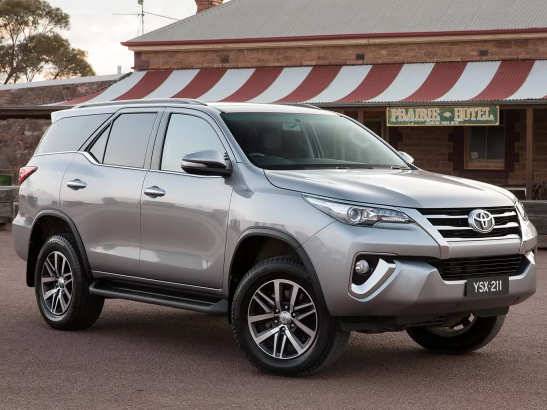
Toyota Fortuner: Spacious 7-Seater Layout, the Ideal Choice for Family Travel
AshleyMay 4, 2025

Toyota may launch the Tundra TRD Hammer high-performance off-road pickup in the future
RobertMar 23, 2026

Toyota Land Cruiser Buying Guide: From LC300 to LC70, which versions are worth buying? Are the maintenance costs for used ones high?
JohnMar 17, 2026

Toyota Crown Sedan and Lexus ES price difference? What are their differences?
WilliamMar 13, 2026
View More
Pros
Cons