
Q
how much is brand new toyota vios
 ObsidianBladeOct 09, 2025, 03:25 PM
Pricing for the all-new Toyota Vios in Malaysia varies by trim and specs. Right now, the entry-level 1.5J manual starts at around RM89,600, while the top-of-the-line 1.5G CVT goes for roughly RM95,500. Keep in mind, these figures can shift a bit depending on dealer promotions or any extra options you might add.
Under the hood, you've got a 1.5-liter Dual VVT-i engine pushing out 107 horsepower and 140 Nm of torque. The CVT transmission variant really shines when it comes to fuel efficiency, with Toyota claiming a solid 6.1 liters per 100 km.
The Vios has long been a top pick in Malaysia's B-segment sedan market, and it's easy to see why. Toyota's rock-solid reliability, budget-friendly maintenance costs, and a widespread after-sales network are big wins. The latest model ups the ante with a 7-inch digital instrument cluster, a 9-inch infotainment touchscreen, and Toyota Safety Sense – that's the suite with handy features like pre-collision warning and lane departure alert.
If your wallet's feeling a bit tight, hunting for a quality used Vios or waiting for year-end sales could be smart moves. Dealers often roll out sweeteners then, like free service packages, extended warranties, or low-interest financing deals. Oh, and let's not forget Malaysia's sales tax exemption for locally assembled (CKD) models – that's a key reason the Vios stays pretty competitive on price.
Special Disclaimer: This content is published by users and does not represent the views or position of PCauto.
Related Q&A
Q
What is the maintenance schedule for a 2021 Vios?
For the 2021 Toyota Vios, it's recommended to get regular maintenance every 6 months or 10,000 kilometers, whichever comes first. This typically includes an engine oil change, oil filter replacement, brake system check, tire pressure inspection, and chassis bolt tightening. At 20,000 kilometers, you'll need to additionally inspect or replace the air filter and cabin air filter. Then, around 40,000 kilometers, it's a good idea to swap out the brake fluid and spark plugs to keep the engine running at its best.
Malaysia's hot and humid climate can speed up fluid degradation, so owners might want to shorten the intervals for coolant and transmission fluid changes to roughly 60,000 kilometers. It's worth noting that if you often drive in heavy traffic or take frequent short trips—what we call "severe driving conditions"—this can increase wear and tear on components. In those cases, consider changing the engine oil every 5,000-7,000 kilometers instead.
Sticking with Toyota Genuine oil as recommended by the factory, like 5W-30 viscosity, will help the engine handle the local heat better and also keep your original warranty intact. Regular maintenance isn't just about keeping performance up; it also lets mechanics use computer diagnostics to spot potential issues early. For example, checking the battery life is super important here in Malaysia to prevent starting problems during the rainy season.
 GentleRainNov 4, 2025
Q
What is the engine of the Toyota Vios 2021?
The 2021 Toyota Vios in the Malaysian market comes with a 1.5-liter 2NR-FBE four-cylinder naturally aspirated petrol engine, featuring Dual VVT-i technology. It cranks out 107 horsepower (79 kW) and 140 Nm of torque, paired with a CVT gearbox that simulates 7 speeds. This powertrain focuses on fuel efficiency and smooth driving, with an official combined fuel consumption of around 5.1 liters/100 km. What's worth noting is the aluminum cylinder block that cuts weight, and the optimized intake and exhaust system which boosts low-end torque – perfect for Malaysia's stop-and-go city traffic. In its class, the Vios isn't about high performance, but it's known for durability and low maintenance costs, staying true to Toyota's practical reputation. If you need more power, some rivals offer turbo options, but the naturally aspirated engine still holds the edge in long-term running costs and easy repairs – that's part of why the Vios remains a hit in Malaysia's family car scene.
 CleverOwlNov 4, 2025
Q
Is Toyota Vios made in China?
The Toyota Vios in the Malaysian market mainly comes from production in Thailand, not China. As Toyota's key production base in Southeast Asia, Thailand manufactures the Vios specifically designed for the ASEAN region, making it better suited to local climate and road conditions while maintaining Toyota's usual reliability. As a global strategic model for Toyota, the Vios has different production layouts in various regions. For example, models sold in the Chinese market may be produced by local joint ventures, but the Vios supply in Malaysia is primarily imported from Thailand. This explains why Vios vehicles in Malaysia often have "Made in Thailand" on their nameplates. For Malaysian consumers, choosing a Thai-produced Vios actually has certain advantages: the Thai factory has mature craftsmanship, the parts supply chain is similar to Malaysia's, leading to relatively lower maintenance costs later on. Additionally, vehicles produced in Thailand enjoy tariff benefits under ASEAN trade agreements, which indirectly enhances the Vios' value for money in the Malaysian market. If there are doubts about the vehicle's origin, it is recommended to further confirm through the first letter of the Vehicle Identification Number (VIN) or the vehicle nameplate; typically, Thai-made Vios have a VIN starting with "M".
 ShinyPearlNov 4, 2025
Q
What are common Vios problems?
The Toyota Vios is a top-selling entry-level sedan in the Malaysian market, boasting solid overall reliability. However, there are a few common issues owners should keep an eye on. For instance, some early models might experience unstable engine idling or slight vibrations, usually linked to throttle body carbon buildup or aging spark plugs—regular cleaning and maintenance are recommended. Additionally, suspension bushings on certain model years can develop squeaks after prolonged use, especially given Malaysia's rough road conditions; replacing the rubber components promptly should fix this. The CVT transmission may occasionally have minor jerking in extreme traffic jams, but regular oil changes can effectively extend its lifespan. The electric power steering system might trigger a protection mode after long hours of operation in high temperatures, causing heavier steering feel—simply turning off the engine and restarting should restore normal function. Notably, the Vios has a rather unique air filter placement, making DIY replacements a bit tricky; it’s advisable to follow the manual for that. These are all normal wear-and-tear issues. As long as you stick to the manufacturer’s recommended 10,000 km service intervals, the Vios remains quite durable under Malaysia’s hot climate and varied road conditions. For Malaysian consumers on a budget who value hassle-free practicality, it’s still a worthy option to consider.
 LovelyLilyNov 4, 2025
Q
How reliable is the 2021 Toyota Vios?
The 2021 Toyota Vios has delivered impressive reliability in the Malaysian market. True to Toyota's reputation for durability, it's powered by a proven 1.5L Dual VVT-i engine paired with a CVT transmission, offering smooth power delivery and excellent fuel efficiency—perfect for local city driving. Maintenance costs are relatively low, parts are readily available, and repairs are hassle-free. Toyota's extensive after-sales service network in Malaysia further enhances the ownership experience. Based on owner feedback, common concerns mainly center on details like sound insulation and interior materials, but mechanical failure rate is extremely low. As an economy sedan, its overall performance meets or even exceeds expectations. It's worth noting that the Vios achieved a 5-star rating in ASEAN NCAP crash tests, ensuring safety. For Malaysian consumers with limited budgets who value reliability, it's a practical choice, and its resale value leads the segment, giving it an edge in long-term ownership costs.
 BraveBearNov 4, 2025
Q
Is the Toyota Vios a SUV?
The Toyota Vios isn't an SUV—it's a compact four-door sedan (B-segment sedan), designed mainly for city commuting and daily family use. It's super popular in Malaysia thanks to its fuel efficiency, reliability, and great value for money. The Vios sits lower to the ground, with a obviously different ride height compared to SUVs (which usually have more ground clearance for rough roads), and it doesn't come with SUV staples like four-wheel drive. Instead, it's all about nimble handling and comfort. If you're after a Toyota SUV in a similar price range, check out the Raize or Rush. Both have taller ride heights and boxier body styles, making them better for different types of terrain. When Malaysian buyers are picking a car, it's important to know the difference between categories. Sedans are good for highway driving and better on fuel, while SUVs offer more ground clearance and flexible space. It really comes down to your actual needs—like the roads you'll be driving on or how many family members you have. And hey, all Toyota models in Malaysia come with a solid after-sales service network, so that's a plus.
 PlayfulKittenNov 4, 2025
Q
Is the 2021 Venza expensive to maintain?
The 2021 Toyota Venza's maintenance costs in Malaysia are on the upper end of the medium range. Since it comes with a hybrid system, daily upkeep expenses might be slightly higher than traditional gasoline-powered vehicles, but over the long haul, you can save some money through its lower fuel consumption. Regular maintenance like oil changes and filter replacements costs are similar to other SUVs in its class, roughly between RM400 and RM600, depending on the service center's pricing. The hybrid battery is pretty durable and generally doesn't need frequent replacement, but if it does need changing after the warranty expires, the cost could be steep. It's advisable for owners to stick to the official maintenance schedule to extend the vehicle's lifespan and keep costs in check. Malaysia's climate has minimal impact on battery performance, but regular checks of the cooling system and electrical components are still important. Toyota has an extensive after-sales service network in Malaysia with ample supply of genuine parts, which helps reduce repair waiting times and potential costs. For consumers considering a used Venza, it's recommended to check the maintenance records to ensure the previous owner kept up with proper servicing. Hybrid vehicle maintenance requires specialized technicians, so choosing an authorized service center is a smart move.
 QuietDoveNov 4, 2025
Q
What is the difference between 2021 and 2023 Toyota Vios?
The main differences between the 2021 and 2023 Toyota Vios lie in upgrades to exterior design, tech features, and safety performance. The 2023 Vios gets a more modern front-end design, including a redesigned grille and LED headlight assembly, giving it a sportier overall look. Inside, the 2023 model ups the ante with a larger infotainment screen and supports more advanced smartphone connectivity, like wireless Apple CarPlay and Android Auto, making it more user-friendly. When it comes to safety, the 2023 Vios comes standard with Toyota Safety Sense active safety suite, packing features like pre-collision warning, lane departure alert, and automatic high beam adjustment, offering more comprehensive protection compared to the 2021 version. Both models share the same powertrain – the trusty 1.5-liter Dual VVT-i engine paired with a CVT transmission – but the 2023 Vios gets some minor tweaks to boost fuel efficiency. For Malaysian consumers, the 2023 Vios upgrades are all about added value, especially with competition heating up in the segment, these improvements help it stay competitive. It's worth noting that Vios models in Malaysia usually get some market-specific tweaks to meet local needs, like beefed-up air conditioning systems to handle the tropical climate – details that carry over to both model years.
 WarmHugNov 4, 2025
Q
How much is Toyota Vios in Indonesia?
In the Indonesian market, the price of the Toyota Vios varies depending on the trim and configuration. The base manual transmission version starts at around 270 million Indonesian rupiah (approximately RM82,000), while the top-spec automatic model can go up to 350 million Indonesian rupiah (about RM106,000). Actual prices may be affected by local taxes, promotional policies, and other factors. The Indonesian-spec Vios has slight configuration differences compared to the Malaysian version. For instance, the Indonesian market places more emphasis on practical features like rear-seat air-conditioning vents, whereas the Malaysian variant might highlight a more tech-forward feel. For Malaysian consumers considering cross-border purchases, it’s important to note the differences in vehicle specifications between the two countries, including emission standards, warranty terms, and right-hand drive vs. left-hand drive compatibility—all of which could impact the user experience and long-term maintenance costs. Additionally, the Vios is generally known for its durability and fuel efficiency across Southeast Asian markets, making it suitable for city commuting, though tuning tweaks in different countries may result in subtle variations in driving feel.
 FreeBirdNov 4, 2025
Q
What generation is Vios in 2021?
The Toyota Vios sold in the Malaysian market in 2021 belongs to the third-generation model (codenamed XP150). This generation has undergone several minor facelifts since its launch in 2013. The 2021 model continues with this generation's architecture but comes with an upgraded 1.5L Dual VVT-i engine paired with a CVT transmission, delivering excellent fuel efficiency. The third-gen Vios is widely popular in Malaysia for its durability and low maintenance costs. It measures 4,425mm in length, 1,730mm in width, and 1,475mm in height, with a 2,550mm wheelbase, offering relatively spacious rear-seat room in its class. It's worth noting that some Southeast Asian countries welcomed the all-new fourth-generation Vios based on the DNGA platform in 2023, but the Malaysian market followed suit a bit later due to strategic adjustments. The current third-gen Vios is locally assembled (CKD) with a cooling system optimized for tropical climates. It comes standard with 7 airbags (on higher-spec variants) and Toyota Safety Sense active safety technology. Its used car value retention rate has long been at the forefront of B-segment sedans in Malaysia, making it still a practical choice for budget-conscious buyers.
 ReaderNov 4, 2025
Popular Cars
Model Year
Car Compare
Car Photo
Related Models
 Cars
CarsLatest Q&A
Q
Is AMT similar to automatic?
There are significant differences between AMT transmissions and automatic transmissions (AT) in terms of core structure and driving experience. AMT is essentially an electronically automated version of a manual transmission, simulating manual clutch operation and gear shifting through a computerized control system while retaining the gear set structure of manual transmissions. As a result, it offers higher transmission efficiency, with fuel consumption approximately 8%-12% lower than AT, making it particularly suitable for highway or long-distance driving. However, it may exhibit jerking similar to manual transmissions during low-speed gear shifts, especially noticeable in congested traffic conditions.
AT transmissions rely on torque converters for power transfer, delivering smooth and seamless gear shifts that appeal to comfort-oriented users. However, their complex structure (incorporating planetary gear sets, hydraulic systems, etc.) results in higher maintenance costs. A single service may cost between 800 to 1,500 ringgit, whereas AMT only requires gear oil replacement at approximately 400 ringgit.
From a market perspective, AMT is predominantly used in budget vehicles or commercial models priced below 80,000 ringgit, while AT is typically featured in mid-to-high-end vehicles. Consumers should select based on actual needs: AMT suits those prioritizing fuel efficiency and low maintenance costs, while AT better serves those valuing comfort. Notably, recent advancements in AMT electronic control technology have significantly mitigated jerking issues, though test drives should still emphasize low-speed performance evaluation.
 AriaMar 26, 2026
Q
Which is better, DCT or AT?
DCT (Dual-Clutch Transmission) and AT (Automatic Transmission) each have their own advantages and disadvantages, and the choice should be based on personal driving needs. AT transmissions transfer power through a torque converter, offering excellent shift smoothness, making them suitable for urban commuting or novice drivers. However, they tend to have higher fuel consumption, and vehicles equipped with them are usually more expensive. DCT transmissions utilize a dual-clutch structure, featuring fast shift speeds and high power transmission efficiency, which provides a more direct driving experience—particularly suitable for users seeking a sporty feel. However, they may exhibit jerking at low speeds and have relatively high maintenance costs. If durability and comfort are priorities, AT is the more reliable choice; if power responsiveness and driving pleasure are preferred, wet DCT (such as Volkswagen DSG) performs better, though dry DCT models should be avoided in prolonged stop-and-go traffic conditions. Additionally, CVT transmissions excel in smoothness and fuel efficiency, making them ideal for daily commuting, but they lack driving excitement. It is recommended to test-drive before purchasing, as tuning varies significantly across brands, and real-world experience is more important than theoretical specifications.
FlutteringMar 26, 2026Q
Is Amt good or bad?
AMT gearboxes have a significant cost advantage in the local market, typically being around 5,000 Ringgit cheaper than models equipped with conventional automatic transmissions. Their fuel efficiency is comparable to manual transmissions, resulting in long-term fuel savings. Featuring a straightforward design, they achieve transmission efficiency exceeding 90% with relatively low maintenance costs, making them ideal for practicality-oriented consumers. However, their shifting logic contains inherent limitations: gear changes between 1st and 2nd cause 0.3-0.5 second power interruptions, while unintended upshifts on inclines may reduce engine speed by 15%-20%, compromising driving smoothness. For urban commuters or budget-conscious buyers, AMT offers excellent value, though those prioritizing premium driving dynamics should consider alternative transmission types. Some domestic models like the Perodua Axia employ enhanced AMT systems, where optimized shift programming has reduced gearshift shock by approximately 30%.
 RainbowsMar 26, 2026
Q
Which gives better mileage, CVT or AMT?
From the perspective of fuel economy, CVT transmissions generally perform better under urban driving conditions. Their continuously variable design allows the engine to consistently operate within the optimal speed range, significantly reducing fuel consumption during frequent starts and stops. Test data shows that their fuel consumption in urban driving conditions is 10% to 15% lower than that of comparable models. AMT transmissions, on the other hand, inherit the high transmission efficiency of manual transmissions, delivering fuel efficiency close to manual transmissions during high-speed cruising. This makes them particularly suitable for long-distance driving in large-displacement vehicles. However, due to power interruption during gear shifts, their overall fuel consumption may be 5% to 8% higher than CVTs.
The difference in fuel-saving characteristics between the two transmissions stems from their technical principles: CVTs achieve continuous variability through steel belts and pulleys, eliminating the fixed gear ratio limitations of traditional transmissions; AMTs simulate manual gear changes via electronic control systems while maintaining the mechanical efficiency of gear transmission. Notably, actual fuel consumption is also influenced by driving habits. Smooth acceleration and anticipatory deceleration can maximize the transmissions' fuel-saving potential. If the vehicle budget permits and urban commuting is the primary use, CVTs offer a more economical choice. For frequent highway driving with an emphasis on cost-effectiveness, AMTs are equally worth considering.
 RubyBlazeMar 26, 2026
Q
Which is cheaper, AMT or CVT?
In terms of gearbox cost, AMT is usually more economical than CVT. Essentially, AMT is a manual transmission equipped with an electronic control unit, featuring a simple structure and low maintenance costs. The unit price ranges from approximately 5,000 to 8,000 ringgit, making it suitable for budget-conscious consumers or those who prioritize long-term operating costs. CVT incurs higher manufacturing costs due to its precision steel belt transmission system and continuous variable transmission technology, with a unit price of about 7,000 to 10,000 ringgit. However, it delivers a smoother driving experience and superior fuel efficiency. The primary differences between the two lie in technical complexity: AMT retains the gear-shifting mechanism, resulting in noticeable shift shock; CVT achieves linear power output through stepless speed variation but requires periodic belt inspection and incurs higher maintenance expenses. For those prioritizing initial cost and basic transportation needs, AMT offers better value; if comfort and long-term fuel economy are priorities, CVT represents a more worthwhile investment. Note that actual prices may vary based on vehicle model, brand, and local supply chain factors.
 ShadowProwlMar 26, 2026
Related News

Toyota Vios HEV Launched in Malaysia, Equipped with Fourth-generation Hybrid Technology
JohnJan 29, 2026

The Toyota Vios HEV is now available for pre-sale, starting at RM103,000, with an impressive fuel efficiency of 20 kmL
LienJan 12, 2026

Which one is better, Honda City or Toyota Vios?
AshleyNov 11, 2025
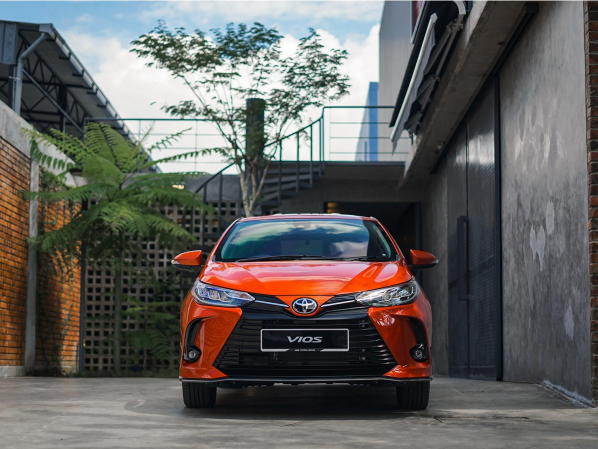
Toyota Vios Interior Design Revealed: A Balance of Functionality and Aesthetics
LienJul 18, 2025
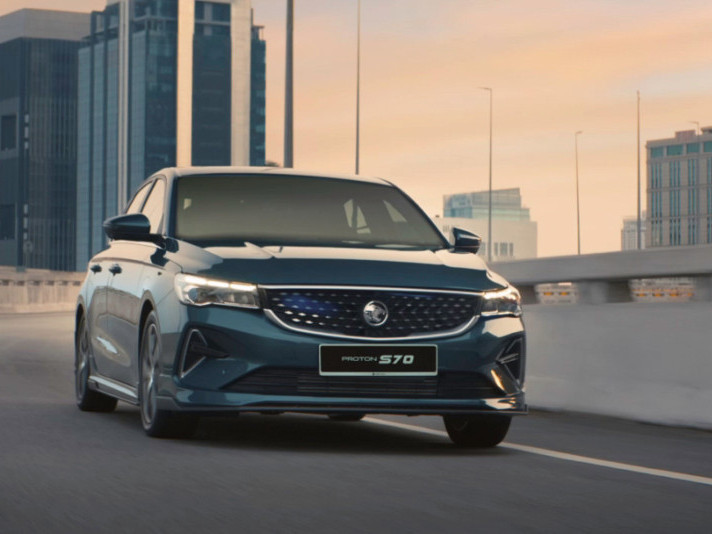
Proton S70 vs Honda City: The New Segment Leader?
LienJun 5, 2025
View More
Pros
Cons