
Q
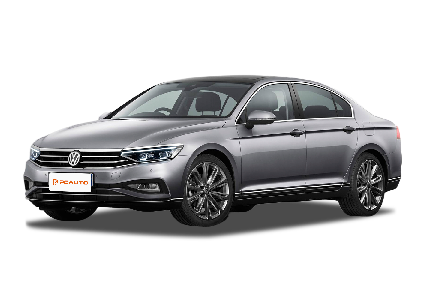
How much is insurance for a 2018 Volkswagen Passat?
 LeoOct 23, 2025, 06:11 PM
Insurance costs for the 2018 Volkswagen Passat in Malaysia can vary quite a bit depending on several factors, but you're generally looking at a range of around RM2,000 to RM5,000. The exact figure hinges on things like the car's market value, engine size—so whether it's the 1.8TSI or 2.0TSI—your age, driving history, and the type of coverage you go for, be it comprehensive or third-party only. On top of that, quotes can differ between insurers like Etiqa, Allianz, or Tune Protect, so your best bet is to check directly on their websites or use a comparison platform to get a precise number.
It's worth noting that car insurance in Malaysia typically comes with basic coverage: third-party liability, fire, and theft. But if you want extras like windscreen protection or natural disaster coverage, that'll bump up the premium. Being a German mid-size sedan, the Passat's higher parts costs can also play into insurance pricing. To keep costs down, consider increasing your voluntary excess (NCD) and regularly shop around for insurer promotions—like no-claim discounts or bundle deals. These little steps can help save on your long-term motoring expenses.
Special Disclaimer: This content is published by users and does not represent the views or position of PCauto.
Related Q&A
Q
How do I change the time on my 2022 Passat?
To adjust the clock on your 2022 Passat, first start the vehicle and make sure the infotainment screen is on. Tap into the "Settings" menu, then select either "System" or "Vehicle Settings." Look for the "Time and Date" option to make your adjustments—on some models, you'll need to turn off "Auto Sync" before manual changes are allowed. Don't forget to save before exiting.
Heads up: The process might vary slightly depending on your Passat's trim level. If yours has GPS auto-time sync (usually on higher trims), the clock updates automatically via satellite, which could lock out manual adjustments.
While you're in there, check out other handy features in Volkswagen's MIB system. Under the "Vehicle" submenu, you can tweak stuff like coming-home light duration or door lock preferences—worth exploring to get the most out of your car.
Stuck? The owner's manual has your back, or just swing by your local dealer. Getting cozy with these settings isn’t just about convenience—it’ll make every drive smoother and safer.
 ClimberzNov 27, 2025
Q
What is the infotainment system on the VW Passat 2022?
The 2022 Volkswagen Passat's MIB3 infotainment system is a well-rounded and user-friendly smart cockpit setup. It comes with either a 9.2-inch touchscreen (high trim) or 8-inch display (base model), featuring gesture control and voice recognition with noticeably smoother operation. The system supports wireless Apple CarPlay and Android Auto, plus built-in Volkswagen Connect for real-time traffic updates and remote vehicle status checks. For audiophiles, the optional Harman Kardon surround sound system delivers premium audio quality.
Looking at the bigger picture, modern infotainment systems are becoming increasingly integrated—think remote climate control or parking assist via smartphone apps, with some brands even incorporating smart home controls. Worth noting: processing power is now a major battleground for automakers. Most next-gen systems use Qualcomm automotive-grade chips to handle multitasking reliably. Pro tip: test the system's responsiveness during your test drive and check the brand's OTA update policy—it makes all the difference for long-term ownership.
 BikerzzNov 27, 2025
Q
How to open gas tank on 2022 Passat?
Opening the fuel filler flap on the 2022 Passat is straightforward. When the vehicle is unlocked, simply press the right side of the flap—it will pop open automatically without needing any additional steps or interior switches. This design balances convenience and security.
If the flap won’t open, first check that the car is fully unlocked, as some models engage a fuel door lock when the vehicle is secured. Also, ensure the flap’s motor or mechanical components aren’t stuck.
A quick fuel-related tip: Always use the manufacturer-recommended octane rating (usually marked inside the flap or in the manual). Regularly cleaning debris around the seal helps prevent leaks over time. Most modern fuel flaps have a one-way valve to contain fumes while allowing emergency manual access—though forcing it open can damage components, so avoid DIY fixes unless necessary.
If the issue persists, it might point to faulty electrical contacts or a blown fuse. In that case, have an authorized service center diagnose it.
 DriverzzNov 27, 2025
Q
How to open a 2022 Volkswagen key fob?
To replace the battery in your 2022 Volkswagen key fob, start by locating the small notch on the side of the key. Gently pry open the casing using a flathead screwdriver or a coin—just be careful not to snap the clips. The key splits into top and bottom halves, revealing the battery compartment inside. It usually takes a CR2032 coin cell, so make sure you insert the new one with the correct polarity. When reassembling, align the clips and press firmly until they click into place.
If you notice the remote’s range shrinking or delayed responses when pressing buttons, it’s likely a dying battery. Keep an eye on it, especially in humid conditions, which can drain power faster. Spare batteries are easy to find at hardware stores or supermarkets. One pro tip: Avoid storing your key fob near phones or other electronics to prevent signal interference.
If things act up after the swap, swing by an authorized service center—they’ll check the seals to make sure no moisture or dust messed with the circuitry. Better safe than sorry!
 RiderzzNov 27, 2025
Q
How to remote start a 2022 Passat?
To remotely start your 2022 Passat, first make sure it’s equipped with the factory remote start feature—usually operated via key fob or a smartphone app.
**Using the key fob:**
1. Press the lock button.
2. Then hold the remote start button (usually a circular arrow) for about 2 seconds.
Once the engine fires up, the climate control will automatically set to your preset temperature.
**Via smartphone (like Volkswagen Car-Net):**
You’ll need to register and link your vehicle in the app first. After that, just tap the remote start option in the app interface.
**Important notes:**
- The car must be locked and have sufficient fuel.
- Some trims may require this as an add-on or a subscription—check your owner’s manual or dealer to confirm.
- Remote start has a limited range, and extended idling might trigger an eco-mode auto-shutoff (normal operation).
**No factory remote start?**
Aftermarket kits are an option, but verify compatibility and warranty impact. Always have a pro handle the install to avoid electrical issues.
 GoldieNov 27, 2025
Q
Is a 2022 Volkswagen Passat a good car?
The 2022 Volkswagen Passat is a well-rounded midsize sedan that strikes a great balance in all aspects. Its German-tuned chassis delivers solid handling and stability, while the 1.8TSI turbocharged engine paired with the 7-speed DSG transmission offers both smooth power delivery and decent fuel efficiency—perfect for daily commutes or road trips.
Inside, you’ll find plenty of cabin space and a massive 586-liter trunk, making it practical for families. Tech-wise, it comes standard with features like App-Connect smartphone integration and adaptive cruise control, keeping up with modern expectations.
Just a heads-up: The turbo engine runs best on 95-octane fuel (or higher), and sticking to regular maintenance is key for the DSG’s long-term reliability. Compared to rivals, Japanese alternatives might save you some bucks on upkeep, while other German sedans focus more on driving refinement—so test drives are recommended.
Resale value? It’s mid-pack for the class. If you plan to keep it long-term, springing for the factory extended warranty could be a smart move.
 ExplorerDiscoverPathNov 27, 2025
Q
What are the versions of the Passat 2022?
The 2022 Volkswagen Passat offers multiple variants across global markets to cater to different needs. The lineup primarily includes gasoline models with 1.4T and 2.0T turbocharged engines, along with a 2.0TDI diesel option. Select markets also get the plug-in hybrid GTE version, pairing a 1.4T engine with an electric motor for about 55 km of pure electric range.
Trim-wise, the Passat typically comes in Base, Comfort, Luxury, and sporty R-Line configurations. The Luxury and R-Line trims pack more premium features like digital cockpit displays, adaptive cruise control, and Dynaudio sound systems. Notably, the Passat Variant (wagon) gets the same updates, offering even greater practicality for families.
Built on the MQB platform, the Passat strikes a good balance between handling and comfort, especially with the optional DCC adaptive chassis system enhancing driving dynamics. As a midsize sedan, it stays tech-savvy with the latest MIB3 infotainment supporting wireless Apple CarPlay/Android Auto, while higher trims add Travel Assist semi-autonomous driving.
Though SUVs dominate today’s market, the Passat still wins over drivers who value a planted ride and spacious rear seats—proof that a well-executed sedan hasn’t lost its appeal.
 WhisperingWindCaressNov 27, 2025
Q
Does the 2022 Passat have remote start?
The 2022 Passat does offer remote start functionality in select trims, but availability depends on the specific model variant and optional packages. This convenient feature—typically bundled with higher trims or tech packages—allows owners to warm up the engine and precondition cabin temperature via key fob or smartphone app. For tech-savvy drivers, remote start proves particularly useful during scorching summers or rainy seasons, creating a comfortable cabin before entry. The system often integrates with keyless entry and automatic climate controls.
Do note that equipment specs may vary by region, so we always recommend checking the exact feature list with your local dealer, including app compatibility and cellular requirements. While remote start has become increasingly common in mid-to-premium segments lately, its evolution is driving smarter connectivity—some brands now enable activation through voice assistants or smartwatches. Expect this tech to trickle down to more mainstream models soon.
 FlutterNov 27, 2025
Q
How does the 2022 Passat compare to rivals?
The 2022 Passat holds its own in the midsize sedan segment with well-rounded performance. Compared to rivals like the Toyota Camry and Honda Accord, it shines with its German-tuned chassis for planted handling and a standard digital cockpit (10.25-inch digital cluster + 9.2-inch touchscreen) that feels a generation ahead. Under the hood, the 1.8TSI turbo paired with the 7-speed DSG strikes a nice balance – 190 horsepower with decent fuel economy. It delivers stronger low-end torque than the Camry's 2.5L naturally aspirated mill, though VW's hybrid options can't match the Japanese offerings.
Where the Passat really stands out is interior space. That 2871mm wheelbase gives rear-seat legroom that borders on luxury territory, topping the Accord's 2830mm, while the 650L trunk is downright practical. Safety kit is solid with standard 7 airbags and AEB, but its lane-centering assist isn't quite as polished as the Japanese systems.
Here's the kicker: the MQB platform's proven reliability means maintenance costs stay predictable. And those classic European strengths – vault-like quietness and rigid body structure – make it a mile-eating champ on highways. If you value driving dynamics and Teutonic attention to detail, the Passat deserves a close look. But if you're after hybrid tech or bold styling, you might want to cross-shop those Japanese alternatives.
 SparkleNov 27, 2025
Q
What engine is in the 2022 Passat?
The 2022 Passat offers a range of engine options tailored to different markets. These include a 1.4L TSI turbocharged petrol engine (150 hp), a 2.0L TSI turbo petrol (190 hp), and a 2.0L TDI turbo diesel available in two states of tune (150 hp or 190 hp). All variants are paired with a 7-speed DSG dual-clutch transmission, striking a balance between performance and fuel efficiency. Higher-spec models get Volkswagen's 4MOTION all-wheel-drive system for added stability on slippery surfaces.
The TSI engines combine direct injection with turbocharging to deliver strong low-end torque—perfect for city driving—while the TDI diesel units shine with their frugal fuel consumption and long range, making them ideal for frequent highway cruisers. As expected from Volkswagen, all powertrains feature meticulous tuning for refined NVH levels and smooth operation, all while meeting stringent Euro 6 emissions standards.
For those wanting extra performance, the Passat R-Line with its sport-tuned suspension offers sharper handling without compromising everyday usability.
 RippleNov 27, 2025
Popular Cars
Model Year
Car Compare
Car Photo
Related Models
 Cars
CarsLatest Q&A
Q
Is AMT similar to automatic?
There are significant differences between AMT transmissions and automatic transmissions (AT) in terms of core structure and driving experience. AMT is essentially an electronically automated version of a manual transmission, simulating manual clutch operation and gear shifting through a computerized control system while retaining the gear set structure of manual transmissions. As a result, it offers higher transmission efficiency, with fuel consumption approximately 8%-12% lower than AT, making it particularly suitable for highway or long-distance driving. However, it may exhibit jerking similar to manual transmissions during low-speed gear shifts, especially noticeable in congested traffic conditions.
AT transmissions rely on torque converters for power transfer, delivering smooth and seamless gear shifts that appeal to comfort-oriented users. However, their complex structure (incorporating planetary gear sets, hydraulic systems, etc.) results in higher maintenance costs. A single service may cost between 800 to 1,500 ringgit, whereas AMT only requires gear oil replacement at approximately 400 ringgit.
From a market perspective, AMT is predominantly used in budget vehicles or commercial models priced below 80,000 ringgit, while AT is typically featured in mid-to-high-end vehicles. Consumers should select based on actual needs: AMT suits those prioritizing fuel efficiency and low maintenance costs, while AT better serves those valuing comfort. Notably, recent advancements in AMT electronic control technology have significantly mitigated jerking issues, though test drives should still emphasize low-speed performance evaluation.
 AriaMar 26, 2026
Q
Which is better, DCT or AT?
DCT (Dual-Clutch Transmission) and AT (Automatic Transmission) each have their own advantages and disadvantages, and the choice should be based on personal driving needs. AT transmissions transfer power through a torque converter, offering excellent shift smoothness, making them suitable for urban commuting or novice drivers. However, they tend to have higher fuel consumption, and vehicles equipped with them are usually more expensive. DCT transmissions utilize a dual-clutch structure, featuring fast shift speeds and high power transmission efficiency, which provides a more direct driving experience—particularly suitable for users seeking a sporty feel. However, they may exhibit jerking at low speeds and have relatively high maintenance costs. If durability and comfort are priorities, AT is the more reliable choice; if power responsiveness and driving pleasure are preferred, wet DCT (such as Volkswagen DSG) performs better, though dry DCT models should be avoided in prolonged stop-and-go traffic conditions. Additionally, CVT transmissions excel in smoothness and fuel efficiency, making them ideal for daily commuting, but they lack driving excitement. It is recommended to test-drive before purchasing, as tuning varies significantly across brands, and real-world experience is more important than theoretical specifications.
FlutteringMar 26, 2026Q
Is Amt good or bad?
AMT gearboxes have a significant cost advantage in the local market, typically being around 5,000 Ringgit cheaper than models equipped with conventional automatic transmissions. Their fuel efficiency is comparable to manual transmissions, resulting in long-term fuel savings. Featuring a straightforward design, they achieve transmission efficiency exceeding 90% with relatively low maintenance costs, making them ideal for practicality-oriented consumers. However, their shifting logic contains inherent limitations: gear changes between 1st and 2nd cause 0.3-0.5 second power interruptions, while unintended upshifts on inclines may reduce engine speed by 15%-20%, compromising driving smoothness. For urban commuters or budget-conscious buyers, AMT offers excellent value, though those prioritizing premium driving dynamics should consider alternative transmission types. Some domestic models like the Perodua Axia employ enhanced AMT systems, where optimized shift programming has reduced gearshift shock by approximately 30%.
 RainbowsMar 26, 2026
Q
Which gives better mileage, CVT or AMT?
From the perspective of fuel economy, CVT transmissions generally perform better under urban driving conditions. Their continuously variable design allows the engine to consistently operate within the optimal speed range, significantly reducing fuel consumption during frequent starts and stops. Test data shows that their fuel consumption in urban driving conditions is 10% to 15% lower than that of comparable models. AMT transmissions, on the other hand, inherit the high transmission efficiency of manual transmissions, delivering fuel efficiency close to manual transmissions during high-speed cruising. This makes them particularly suitable for long-distance driving in large-displacement vehicles. However, due to power interruption during gear shifts, their overall fuel consumption may be 5% to 8% higher than CVTs.
The difference in fuel-saving characteristics between the two transmissions stems from their technical principles: CVTs achieve continuous variability through steel belts and pulleys, eliminating the fixed gear ratio limitations of traditional transmissions; AMTs simulate manual gear changes via electronic control systems while maintaining the mechanical efficiency of gear transmission. Notably, actual fuel consumption is also influenced by driving habits. Smooth acceleration and anticipatory deceleration can maximize the transmissions' fuel-saving potential. If the vehicle budget permits and urban commuting is the primary use, CVTs offer a more economical choice. For frequent highway driving with an emphasis on cost-effectiveness, AMTs are equally worth considering.
 RubyBlazeMar 26, 2026
Q
Which is cheaper, AMT or CVT?
In terms of gearbox cost, AMT is usually more economical than CVT. Essentially, AMT is a manual transmission equipped with an electronic control unit, featuring a simple structure and low maintenance costs. The unit price ranges from approximately 5,000 to 8,000 ringgit, making it suitable for budget-conscious consumers or those who prioritize long-term operating costs. CVT incurs higher manufacturing costs due to its precision steel belt transmission system and continuous variable transmission technology, with a unit price of about 7,000 to 10,000 ringgit. However, it delivers a smoother driving experience and superior fuel efficiency. The primary differences between the two lie in technical complexity: AMT retains the gear-shifting mechanism, resulting in noticeable shift shock; CVT achieves linear power output through stepless speed variation but requires periodic belt inspection and incurs higher maintenance expenses. For those prioritizing initial cost and basic transportation needs, AMT offers better value; if comfort and long-term fuel economy are priorities, CVT represents a more worthwhile investment. Note that actual prices may vary based on vehicle model, brand, and local supply chain factors.
 ShadowProwlMar 26, 2026
Related News

Volkswagen Tayron may enter Malaysia in the future to replace Tiguan Allspace
WilliamJan 27, 2026

Volkswagen ID. UNYX 08 debuted, featuring Xpeng intelligent technology for the first time
JohnDec 24, 2025

Because of lack of funds to upgrade the factory, Volkswagen postponed the release of ID.Golf and ID.Roc
JamesSep 17, 2025

Volkswagen Locks Vehicle Horsepower, Unlocks Full Power via Subscription
JohnAug 19, 2025
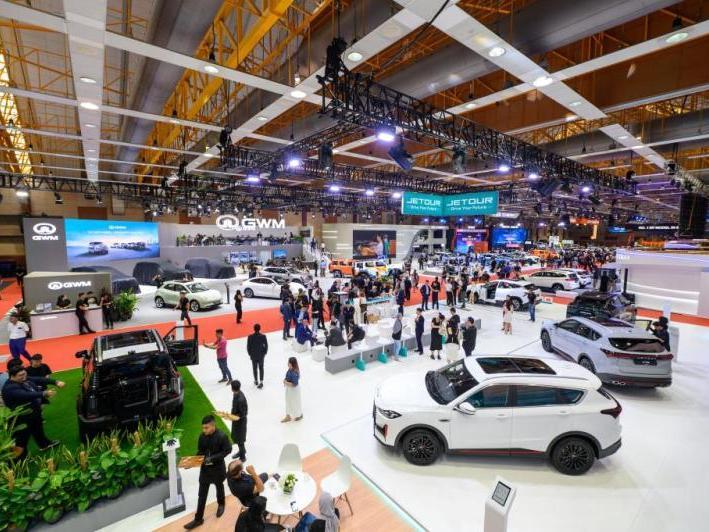
Summarizing the 2025 Malaysia Auto Show, a large number of new cars were launched in Malaysia this year.
MichaelMay 12, 2025
View More
Pros
Cons