
Q
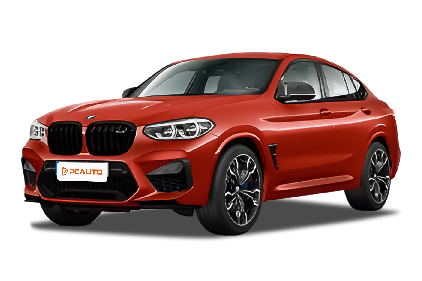
How much is the 2020 BMW X4 M?
 HappyBeetleOct 22, 2025, 04:45 PM
The 2020 BMW X4 M's pricing in Malaysia could vary quite a bit depending on the spec, condition, and any dealer promotions going on. When it was new, you were probably looking at around 700,000 to 800,000 Ringgit, but that would creep up if you started ticking boxes like the M Competition package, carbon fiber bits, or the fancy driver assistance systems.
Under the hood, this high-performance SUV packs a 3.0L inline-six twin-turbo engine, cranking out 480 hp – or 510 hp if you go for the Competition trim. Pair that with the 8-speed M Steptronic gearbox and M xDrive all-wheel drive, and it'll rocket from 0-100 km/h in just 4.1 seconds. It's one of those rare beasts that blends practicality with some serious sporty punch.
In Malaysia, though, buying a luxury car means factoring in extra costs like import duties, registration fees, and insurance. Your best bet is to hit up a BMW authorized dealer directly for the latest quotes and any ongoing deals they might have.
Being part of the BMW M family, the X4 M's suspension setup and handling are definitely biased towards the track, which is perfect if you live for driving thrills. Just keep in mind that those high-performance tires and brakes can hit your wallet a bit harder when it comes to maintenance for daily use. If your budget's a bit tighter, checking out the official certified pre-owned models isn't a bad shout either – they usually come with the factory warranty and offer better value for money.
Special Disclaimer: This content is published by users and does not represent the views or position of PCauto.
Related Q&A
Q
Where is the BMW X4M made?
The BMW X4M rolls off the production line at the Spartanburg plant in South Carolina, USA – one of the largest facilities in BMW Group's global manufacturing network. This factory specializes in cranking out high-performance X models, including the X3M, X4M, X5M, and X6M. These bad boys aren't just for the US crowd; they're shipped worldwide, Malaysia included.
Malaysian enthusiasts can't get enough of the X4M, and it's easy to see why. That sleek coupe-SUV design turns heads, but it's the performance that really sells it. Under the hood sits a 3.0-liter inline-six twin-turbo engine pumping out a healthy 480 horsepower. Pair that with the M xDrive all-wheel-drive system and 8-speed M Steptronic transmission, and you're looking at a 0-100 km/h sprint in just 4.1 seconds – a true showcase of BMW M's engineering prowess when it comes to tuning for speed.
Here's the kicker for Malaysian buyers: the X4M typically arrives as a fully imported (CBU) unit, ensuring pure German style handling texture. And to top it off, local dealers back it up with solid after-sales service and warranty packages, so owners can focus on what matters most – enjoying the thrill of driving this high-performance SUV.
 HappyLadybugOct 22, 2025
Q
Does the 2020 BMW X4 have ambient lighting?
Yep, the 2020 BMW X4 does come with Ambient Lighting, and let me tell you, it’s a nice touch that adds a real premium and personalized vibe to the cabin. You can tweak the colors and brightness through the infotainment system, so it’s easy to match your mood or the moment. Over in Malaysia, this feature’s been a hit because local buyers really value that sense of luxury and tech in their cars. It’s not just about looking good at night, though – it actually makes driving after dark more comfortable, and when paired with the X4’s other interior trims, it takes the overall feel up another notch. The X4’s interior is already pretty sharp for a luxury SUV, but the ambient lighting just elevates that class factor even more. Now, sure, other luxury brands like Mercedes and Audi offer similar stuff, but BMW’s iDrive system is so user-friendly that dialing in your perfect light setup is a breeze. If you’re into these little details, do yourself a favor and check it out during a test drive – or hit up your local dealer to chat about all the lighting options. At the end of the day, how it feels in person beats any spec sheet.
 HikerTrailNatureOct 22, 2025
Q
Is the X4 M fast?
Yeah, the BMW X4 M is one seriously quick performance SUV. Under the hood, you've got a 3.0-liter inline-six twin-turbo engine. The standard version cranks out 480 horsepower, but the Competition trim ups the ante to a whopping 510 hp. Pair that with the 8-speed M Steptronic transmission and M xDrive all-wheel-drive system, and the Competition rockets from 0-100km/h in just 3.8 seconds. Flat out, it's electronically limited to 250km/h, but spec the M Driver's Package, and you can uncork it up to 285km/h. That kind of performance is definitely "rapid" on Malaysia's highways.
But the X4 M isn't just about straight-line speed. Its chassis tuning and that clever all-wheel-drive system mean it stays planted and composed through corners too, making it a blast for drivers who love a bit of fun behind the wheel. Over in Malaysia, these high-performance SUVs are gaining more and more traction because they blend practicality with sportiness so well. The X4 M's main rival? Think the Mercedes-AMG GLC 63 Coupe and similar offerings. They all represent the pinnacle of performance and luxury from their respective brands. At the end of the day, picking between them really comes down to personal taste in design and how you like a car to drive.
 ClimberPeakChallengeOct 22, 2025
Q
What kind of oil does a 2020 BMW X4 take?
For the 2020 BMW X4, it's recommended to use fully synthetic engine oils that meet the BMW Longlife-01 or Longlife-04 specifications. The typical viscosity grades are 5W-30 or 0W-30, but your specific choice should be adjusted based on Malaysia's climate conditions and your driving habits. In our hot tropical weather, considering a slightly higher viscosity like 5W-40 can offer better high-temperature protection for your engine.
BMW engines are pretty fussy about oil quality, so I'd suggest sticking with factory-approved oils from authorized dealerships or reputable international brands that meet those specs—think Shell, Mobil, that sort of thing. Regular oil changes are especially crucial for turbocharged engines like the one in the X4; aim for every 10,000 kilometers or 12 months, whichever comes first. If you do a lot of short trips or drive hard quite often, you might want to shorten that interval a bit.
Malaysian owners should note that while the "W" in the oil grade stands for winter viscosity, since we don't really have winters here, the key number to focus on is the second one, which indicates the oil's performance at high temperatures. Also, when you get an oil change, always replace the oil filter with a genuine BMW one. This ensures proper filtration and keeps the oil passages clean—cheap, low-quality filters can lead to insufficient oil pressure or allow contaminants to circulate, which isn't great for your engine's longevity. And if your X4 has drive mode selection, after a spirited drive, it's not a bad idea to pop the hood and check the oil level and condition a little earlier than usual.
 PilotFlightSkyHighOct 22, 2025
Q
How often does a BMW X4 need an oil change?
The recommended oil change interval for the BMW X4 is typically every 12 months or 10,000 to 15,000 kilometers, though the exact frequency depends on your driving conditions and the type of oil used. For instance, if you're frequently making short trips or driving aggressively in Malaysia's hot, dusty climate, you might need to shorten that interval to 8,000 to 10,000 kilometers to ensure proper engine lubrication. Most BMW models use fully synthetic oils with Longlife-01 or Longlife-04 certifications, which offer better high-temperature stability and resistance to breakdown, but it's still crucial to regularly check both the oil level and quality. It's worth noting that neglecting oil changes can lead to increased carbon buildup or engine wear, especially since turbocharged engines have higher demands for oil cleanliness. Owners can flexibly adjust the interval using the on-board CBS (Condition Based Service) system or by following the maintenance guidelines in the owner's manual. It's also advisable to use BMW original oil or equivalent-spec products to match the engine's technical requirements. If you regularly drive in the congested urban areas of Kuala Lumpur, considering adding an engine cleaning service can help maintain long-term performance.
 ForestTrailAdventureOct 22, 2025
Q
What engine is in the BMW X4 M 2020?
The 2020 BMW X4 M is powered by the S58 3.0-liter inline-six twin-turbo gasoline engine. This high-performance powerplant cranks out 480 horsepower and 600 Nm of peak torque, paired with an 8-speed M Steptronic automatic transmission and M xDrive all-wheel-drive system, rocketing from 0-100 km/h in just 4.2 seconds. The S58 engine features advanced tech like a forged crankshaft and 3D-printed cylinder head, developed specifically for BMW M high-performance models. Its cooling system gets special tuning for Malaysia's hot climate, ensuring stability during spirited driving. And if you opt for the Competition trim, power bumps up even further to 510 horsepower. For Malaysian enthusiasts, this engine isn't just about daily driving—it delivers track-ready performance, while BMW's tropical-region service packages let owners enjoy the drive with total peace of mind. Rivals like the Mercedes-AMG GLC 63 pack similar high-performance V8 setups, but the S58 stands out with its precise power delivery and efficient fuel economy, showcasing BMW's decades of engineering mastery in inline-six engines.
 AvaOct 22, 2025
Q
How much horsepower does the X4 M have in 2020?
The 2020 BMW X4 M packs a 3.0-liter inline-six twin-turbo engine under the hood. The standard version cranks out 473 horsepower, while the Competition trim ups the ante to a solid 503 horses. Both variants come mated to an 8-speed M Steptronic automatic transmission and BMW's M xDrive all-wheel-drive system, launching you from 0-100 km/h in just 4.1 seconds (3.8 seconds for the Competition model). For Malaysian enthusiasts, this high-performance SUV isn't just about brute power—it balances that with everyday practicality, making it a great fit for drivers who crave driving thrills but still need some space. One standout feature is the X4 M's S58 engine, which utilizes BMW's latest M TwinPower Turbo tech, including twin-scroll turbochargers and Valvetronic variable valve timing. This setup ensures punchy, responsive power delivery when you need it. And don't worry about Malaysia's hot weather—this engine's been put through the wringer in testing, so it handles the heat like a champ. Just sit back, hit the gas, and enjoy the ride.
 EveOct 22, 2025
Q
What is the maintenance cost for a 2020 X4?
The maintenance costs for a 2020 BMW X4 in Malaysia can vary depending on mileage and the specific services needed. A basic service—think oil and filter change—typically runs between RM800 to RM1200. For a major service, which usually includes brake fluid, air filter replacement, and more, you're looking at around RM2000 to RM3000. Of course, prices can fluctuate depending on whether you go to an authorized BMW service center or an independent workshop. Authorized centers generally offer more comprehensive inspections and the peace of mind that comes with genuine OEM parts.
As a luxury SUV, the X4's upkeep isn't the cheapest, but sticking to regular maintenance is key to keeping it running strong and preserving its performance over time. I’d definitely recommend following the schedule outlined in the official owner’s manual. Malaysia’s hot and humid climate is another factor to consider—pay extra attention to your cabin air filter and battery to ensure they hold up well in the heat. If you’re looking to save a bit, BMW’s service packages are worth checking out, or you could go with a reputable independent shop—just make sure they use parts and fluids that meet BMW’s specs.
 FixerToolRepairOct 22, 2025
Q
What are the common problems with the X4 M?
The BMW X4 M is a solid performer in the high-performance SUV segment, earning plenty of love for its driving dynamics and power delivery. But let's be real, here in Malaysia, it does have its share of common quirks. Take the S58 engine, for example – it can run a bit hot under sustained heavy load, especially when you're pushing it hard for extended periods in our tropical heat. So, keep an eye on that cooling system and don't skimp on quality engine oil, maybe even step up to a high-performance grade.
Then there's the M xDrive all-wheel-drive system. Sure, it hooks up like nothing else and gives you tons of grip, but all that fancy mechanicals does mean maintenance costs can creep up. Those driveshafts and differentials need regular TLC, so stay on top of servicing them.
Inside, a few owners have mentioned the carbon fiber trim can develop a slight rattle when it gets really hot. Don't sweat it too much though – that's just the material expanding and contracting with temperature changes, totally normal and won't affect safety one bit.
On the tech side, the latest iDrive 7 system can be a bit laggy at times. The good news is, a quick software update usually sorts that right out.
And let's talk about those wheels. The 21-inch rims with low-profile tires look awesome, but given our mixed bag of road conditions, they're prone to bending if you hit a bad pothole or rough patch. If you're after more durability, maybe consider downsizing to a smaller wheel size – your rims will thank you.
Lastly, when it comes to servicing these high-performance machines in Malaysia, always go to a BMW M-certified service center and insist on genuine parts. That's the only way to keep your X4 M performing at its absolute best.
 ArtistBrushCreativityOct 22, 2025
Q
Is the BMW X4 a luxury car?
Right, the BMW X4 is a luxury SUV that carries forward the brand's sporty DNA and premium specifications. Slotting in as a mid-size luxury coupe-SUV, it's primarily aimed at consumers who crave individuality and driving pleasure. Here in Malaysia, the X4 has found favor thanks to its distinctive exterior styling, high-quality interior materials, and cutting-edge tech features – think the iDrive system and driver assistance functions – all of which align with luxury car standards. Under the hood, its turbocharged engine, paired with precise chassis tuning, delivers a cracking driving experience. Plus, BMW's well-established after-sales service network in Malaysia further cements its luxury credentials. It's worth noting that luxury isn't just about the badge or the price tag; it's also about overall refinement, technological sophistication, and personalized service – areas where the X4 excels. For Malaysian buyers with the budget and a penchant for sporty design, the X4 is definitely one to consider. Of course, rivals like the Mercedes-Benz GLC Coupe or Audi Q5 Sportback occupy similar territory, so it really comes down to personal taste and specific needs when weighing up the options.
 SapphireGlowOct 22, 2025
Popular Cars
Model Year
Car Compare
Car Photo
Related Models
 Cars
CarsLatest Q&A
Q
Is AMT similar to automatic?
There are significant differences between AMT transmissions and automatic transmissions (AT) in terms of core structure and driving experience. AMT is essentially an electronically automated version of a manual transmission, simulating manual clutch operation and gear shifting through a computerized control system while retaining the gear set structure of manual transmissions. As a result, it offers higher transmission efficiency, with fuel consumption approximately 8%-12% lower than AT, making it particularly suitable for highway or long-distance driving. However, it may exhibit jerking similar to manual transmissions during low-speed gear shifts, especially noticeable in congested traffic conditions.
AT transmissions rely on torque converters for power transfer, delivering smooth and seamless gear shifts that appeal to comfort-oriented users. However, their complex structure (incorporating planetary gear sets, hydraulic systems, etc.) results in higher maintenance costs. A single service may cost between 800 to 1,500 ringgit, whereas AMT only requires gear oil replacement at approximately 400 ringgit.
From a market perspective, AMT is predominantly used in budget vehicles or commercial models priced below 80,000 ringgit, while AT is typically featured in mid-to-high-end vehicles. Consumers should select based on actual needs: AMT suits those prioritizing fuel efficiency and low maintenance costs, while AT better serves those valuing comfort. Notably, recent advancements in AMT electronic control technology have significantly mitigated jerking issues, though test drives should still emphasize low-speed performance evaluation.
 AriaMar 26, 2026
Q
Which is better, DCT or AT?
DCT (Dual-Clutch Transmission) and AT (Automatic Transmission) each have their own advantages and disadvantages, and the choice should be based on personal driving needs. AT transmissions transfer power through a torque converter, offering excellent shift smoothness, making them suitable for urban commuting or novice drivers. However, they tend to have higher fuel consumption, and vehicles equipped with them are usually more expensive. DCT transmissions utilize a dual-clutch structure, featuring fast shift speeds and high power transmission efficiency, which provides a more direct driving experience—particularly suitable for users seeking a sporty feel. However, they may exhibit jerking at low speeds and have relatively high maintenance costs. If durability and comfort are priorities, AT is the more reliable choice; if power responsiveness and driving pleasure are preferred, wet DCT (such as Volkswagen DSG) performs better, though dry DCT models should be avoided in prolonged stop-and-go traffic conditions. Additionally, CVT transmissions excel in smoothness and fuel efficiency, making them ideal for daily commuting, but they lack driving excitement. It is recommended to test-drive before purchasing, as tuning varies significantly across brands, and real-world experience is more important than theoretical specifications.
 FlutteringMar 26, 2026
Q
Is Amt good or bad?
AMT gearboxes have a significant cost advantage in the local market, typically being around 5,000 Ringgit cheaper than models equipped with conventional automatic transmissions. Their fuel efficiency is comparable to manual transmissions, resulting in long-term fuel savings. Featuring a straightforward design, they achieve transmission efficiency exceeding 90% with relatively low maintenance costs, making them ideal for practicality-oriented consumers. However, their shifting logic contains inherent limitations: gear changes between 1st and 2nd cause 0.3-0.5 second power interruptions, while unintended upshifts on inclines may reduce engine speed by 15%-20%, compromising driving smoothness. For urban commuters or budget-conscious buyers, AMT offers excellent value, though those prioritizing premium driving dynamics should consider alternative transmission types. Some domestic models like the Perodua Axia employ enhanced AMT systems, where optimized shift programming has reduced gearshift shock by approximately 30%.
 RainbowsMar 26, 2026
Q
Which gives better mileage, CVT or AMT?
From the perspective of fuel economy, CVT transmissions generally perform better under urban driving conditions. Their continuously variable design allows the engine to consistently operate within the optimal speed range, significantly reducing fuel consumption during frequent starts and stops. Test data shows that their fuel consumption in urban driving conditions is 10% to 15% lower than that of comparable models. AMT transmissions, on the other hand, inherit the high transmission efficiency of manual transmissions, delivering fuel efficiency close to manual transmissions during high-speed cruising. This makes them particularly suitable for long-distance driving in large-displacement vehicles. However, due to power interruption during gear shifts, their overall fuel consumption may be 5% to 8% higher than CVTs.
The difference in fuel-saving characteristics between the two transmissions stems from their technical principles: CVTs achieve continuous variability through steel belts and pulleys, eliminating the fixed gear ratio limitations of traditional transmissions; AMTs simulate manual gear changes via electronic control systems while maintaining the mechanical efficiency of gear transmission. Notably, actual fuel consumption is also influenced by driving habits. Smooth acceleration and anticipatory deceleration can maximize the transmissions' fuel-saving potential. If the vehicle budget permits and urban commuting is the primary use, CVTs offer a more economical choice. For frequent highway driving with an emphasis on cost-effectiveness, AMTs are equally worth considering.
 RubyBlazeMar 26, 2026
Q
Which is cheaper, AMT or CVT?
In terms of gearbox cost, AMT is usually more economical than CVT. Essentially, AMT is a manual transmission equipped with an electronic control unit, featuring a simple structure and low maintenance costs. The unit price ranges from approximately 5,000 to 8,000 ringgit, making it suitable for budget-conscious consumers or those who prioritize long-term operating costs. CVT incurs higher manufacturing costs due to its precision steel belt transmission system and continuous variable transmission technology, with a unit price of about 7,000 to 10,000 ringgit. However, it delivers a smoother driving experience and superior fuel efficiency. The primary differences between the two lie in technical complexity: AMT retains the gear-shifting mechanism, resulting in noticeable shift shock; CVT achieves linear power output through stepless speed variation but requires periodic belt inspection and incurs higher maintenance expenses. For those prioritizing initial cost and basic transportation needs, AMT offers better value; if comfort and long-term fuel economy are priorities, CVT represents a more worthwhile investment. Note that actual prices may vary based on vehicle model, brand, and local supply chain factors.
 ShadowProwlMar 26, 2026
Related News

The all-new BMW i5 eDrive40 M Sport Pro lands in Malaysia
LienJan 16, 2026

Audi RS6 sedan version may return to compete fully with the BMW M5
WilliamNov 21, 2025

Neue Klasse platform's first mass-produced vehicle, the all-new BMW iX3 makes its debut, looks just like a concept car
LienSep 8, 2025

BMW X5 will become BMW's first model equipped with a hydrogen fuel cell, with a range of 504 kilometers
JamesSep 8, 2025

BMW's all-new iX3 to be unveiled on September 5, built on the Neue Klasse platform
Kevin WongSep 1, 2025
View More
Pros
Cons