
Q
How to change dashboard display BMW X3 2020?
 ButterflyFlightChaserNov 25, 2025, 09:44 AM
To change the instrument cluster display on a 2020 BMW X3, first start the vehicle. Then, use the BC button on the turn signal stalk to the left of the steering wheel to cycle through display content, or use the iDrive knob to access the "Vehicle Info" or "Display Settings" menus for adjustments. In the iDrive system, you can select different display themes like "Sport," "Comfort," or "Eco Pro" modes—each changes the cluster's layout and color scheme. You can also customize the displayed info, such as fuel consumption, navigation, media, or driver assistance systems. For deeper personalization, head into the "Driving Cockpit" option to tweak display details like digital or analog speedometers. Note that different trim levels might have slight variations—check your owner’s manual for exact steps. Changing the cluster display not only boosts the driving experience but also helps you get key driving info more intuitive, like the tachometer standing out in Sport mode to nail shift timing. If you run into issues, hit up your local authorized dealer or a pro technician for help.
Special Disclaimer: This content is published by users and does not represent the views or position of PCauto.
Related Q&A
Q
What is the premium package on a 2024 BMW X3?
The 2024 BMW X3's Premium Package typically bundles upscale and practical features to elevate your driving experience. Think panoramic moonroof, premium leather seats, a power tailgate, and a Harman Kardon sound system—plus driver assists like blind-spot monitoring and lane-keep assist. Exact offerings may vary by trim or optional add-ons.
You’ll often find tech upgrades too, like wireless charging and a heads-up display, for a more connected ride. If you value comfort and cutting-edge features, this package is a solid pick for daily convenience.
Since the X3 sits in the midsize luxury SUV segment, its packages cater to personalization and high-end tastes. It’s worth checking your dealer’s full spec sheet before deciding. And if your budget allows, keep an eye on higher-tier options like the M Sport package or Executive Package—they throw in sportier styling, adaptive suspension, or upgraded interior materials for those who want it all.
 HappyDuckNov 27, 2025
Q
Does the 2024 BMW X3 have heated seats?
The 2024 BMW X3 does come equipped with heated front seats – a feature that really boosts comfort in cold weather or during long drives, especially in regions with big temperature swings. You can typically adjust the heating through either the central touchscreen or dedicated buttons, with multiple warmth levels to choose from.
While heated seats are standard, some higher trims might offer upgraded comfort features like ventilated seats or massage functions. For these details, it's best to check the official specs or confirm with your dealer. Most luxury rivals, including the Mercedes GLC and Audi Q5, now offer heated seats either standard or as an option, showing how much drivers value these comforts.
If you've got questions about how it works or available packages, just reach out to your local BMW dealer. They'll give you the latest info and help tailor the options to what you actually need – plus break down pricing between different models.
(Note: This version sounds more conversational by using contractions, casual transitions like "while" and "just," and phrasing like "really boosts" instead of "significantly improves." It also addresses the reader directly with "you" for a natural tone.)
 HappyGoatNov 27, 2025
Q
Where is the 2024 BMW X3 manufactured?
The 2024 BMW X3 is primarily manufactured at two key plants in BMW's global production network: Regensburg, Germany and Spartanburg, South Carolina, USA. These facilities are renowned for upholding the brand's high-quality standards and craftsmanship.
The Regensburg plant specializes in producing BMW's rear-wheel-drive and all-wheel-drive models, while Spartanburg serves as the main hub for the X-series SUVs, supplying markets worldwide—including right-hand-drive variants. This generation of the X3 continues to ride on BMW's CLAR platform, striking a balance between lightweight construction and enhanced rigidity. Buyers can choose from multiple powertrain options, such as the efficient 2.0L turbocharged four-cylinder and 3.0L inline-six engines, both now paired with 48V mild-hybrid tech.
For certain markets, imported X3 models may come tailored with region-specific features—think upgraded cooling systems or UV-resistant glass for tropical climates—showcasing BMW's attention to local driving conditions. Tech-wise, the X3 steps up with the latest iDrive 8.0 interface and improved driver-assistance systems, keeping pace with today's demand for smarter, more connected rides.
 HappySnakeNov 26, 2025
Q
How big is the gas tank on the 2024 X3?
The 2024 X3 features a 59-liter fuel tank – a sweet spot for daily commutes and road trips without sacrificing efficiency. That capacity puts it in the upper mid-range for compact SUVs, and when paired with its efficient engine tech, you're looking at roughly 700-800 km per fill-up (your mileage may vary based on driving style and conditions).
Smart fuel management systems like auto start-stop and eco driving modes help stretch each liter further. Pro tip for road trippers: keep those tires properly inflated and stay on top of maintenance – little things that add up at the pump. And if you're big on adventures, check out the tank's corrosion-resistant construction – one of those long-term durability features that pays off.
Bottom line? The 59-liter tank strikes a great balance between practicality and real-world usability.
 GracefulDeerNov 26, 2025
Q
Is the 2024 X3 a mild hybrid?
The 2024 BMW X3 does indeed feature a Mild Hybrid system. This tech utilizes a 48-volt starter-generator and an additional battery pack to provide extra power during acceleration while recapturing energy during deceleration for improved fuel efficiency. Specifically, the system enhances start-stop smoothness and reduces turbo lag—especially noticeable in city driving. Beyond fuel savings, the mild hybrid setup also cuts emissions, aligning with current eco trends.
One key point: The X3’s mild hybrid still relies primarily on its combustion engine, with the electric motor acting only as a support. That means no plug-in charging is required, and it drives just like a conventional fuel-powered vehicle. If you’re curious about hybrid tech, competitors like the Mercedes GLC or Audi Q5 offer similar systems with different tuning philosophies but the same core goals. As a transitional solution, mild hybrids appeal to drivers who want the convenience of traditional engines with a step toward efficiency—and the X3 delivers a mainstream take on this balance.
 QuirkyCatfishNov 26, 2025
Q
How much should I pay for a 2024 BMW X3?
**2024 BMW X3 Pricing & Buying Guide**
The 2024 BMW X3's price varies depending on trim and options. The entry-level xDrive20i starts at around RM300,000, while the high-spec M40i could go up to RM450,000. For the latest pricing and promotions, check with your local authorized dealer.
The X3 comes with a 2.0L turbocharged engine (or a 3.0L six-cylinder in the M40i), standard xDrive all-wheel drive, and the latest iDrive 8 infotainment system—great tech and driving dynamics. BMW often offers low-interest financing or flexible payment plans, so that’s worth exploring. Also, don’t overlook the warranty and complimentary maintenance packages—they help cut long-term costs.
If you’re on a budget, consider a certified pre-owned (CPO) X3. These go through rigorous inspections and come with extended warranty coverage, making them a smarter buy. When choosing your model, factor in insurance, road tax, and routine maintenance—they all add up over time.
 HappyCowNov 26, 2025
Q
What engine does the 2024 X3 have?
The 2024 X3 offers a range of powertrain options tailored to different markets, with two main choices: a 2.0-liter turbocharged inline-four and a 3.0-liter turbocharged inline-six. The 2.0T delivers around 248 horsepower, while the 3.0T pushes output to a robust 382 hp—both paired with an 8-speed automatic transmission. Select models come with xDrive all-wheel drive for sharper handling and all-weather capability.
These engines benefit from BMW’s latest modular tech, striking a balance between fuel efficiency, emissions compliance, and the brand’s signature driving dynamics. If you’re after more performance, keep an eye on the M Performance variants, which typically pack even hotter powertrains.
Turbocharging is now industry standard, offering strong low-end torque without sacrificing daily-driver efficiency. The addition of a 48V mild-hybrid system further refines responsiveness and fuel economy—key details worth noting when cross-shopping rivals.
 WildRoseNov 26, 2025
Q
How reliable is the 2024 BMW X3?
The 2024 BMW X3 delivers solid reliability, staying true to BMW’s well-built engineering legacy. Its proven B48 2.0T turbocharged engine pairs seamlessly with the 8-speed Steptronic transmission, offering smooth power delivery and noticeably improved fuel efficiency. The electronics have also seen multiple updates for better stability.
Built on the high-strength CLAR platform, the X3 comes standard with active safety features like lane-keeping assist and automatic emergency braking, making it a trustworthy choice for safety. That said, maintenance costs run slightly higher than some rivals, and certain advanced driver-assist functions require extra subscriptions. If you plan to keep it long-term, consider BMW’s certified extended warranty.
In its class, the X3 stands out with sharp handling and premium interior finishes—though if cabin space is a priority, it’s worth cross-shopping other German or Japanese midsize SUVs. Bottom line? Stick to the factory service schedule, and this SUV should deliver dependable performance for years.
 HappyHorseNov 26, 2025
Q
How safe is the 2024 BMW X3?
The 2024 BMW X3 excels in safety, packing cutting-edge active and passive technologies like adaptive cruise control, lane-keeping assist, automatic emergency braking, and blind-spot monitoring – all designed to minimize real-world driving risks. Its high-strength body shell earned a 5-star Euro NCAP crash rating, proving serious crash protection chops.
What sets the X3 apart is how its driver aids adapt to both highway and urban chaos. Think traffic sign recognition that actually works, or fatigue alerts that ping you before you zone out. Safety-conscious buyers will appreciate how these systems feel refined, not intrusive.
For tech geeks, BMW’s Driving Assistant Professional is worth a deep dive – its camera/radar fusion delivers eerily smart assists. This isn’t just X3 stuff anymore; it’s the new normal for premium SUVs, and soon, probably everything else on the road.
 MysticMoonNov 26, 2025
Q
Does the 2024 BMW X3 have a touch screen?
The 2024 BMW X3 does indeed feature a touchscreen as part of its latest iDrive infotainment system. This high-resolution center display supports direct touch input while retaining the classic rotary knob control—striking a balance between cutting-edge tech and practicality. The screen size is expected to remain similar to the current model (around 10.25 inches) and comes with wireless Apple CarPlay and Android Auto integration. Frequently used functions like navigation and multimedia can be operated swiftly via touch.
What stands out is BMW’s optimized touch interface, which offers intuitive menu logic and snappy responsiveness. Paired with voice control and gesture recognition (available in higher trims), it significantly enhances usability while driving. Competing luxury SUVs like the Mercedes-Benz GLC and Audi Q5 also use touchscreens, but the X3’s combination of tactile controls and touch input caters better to diverse user preferences.
If you’re curious about specific screen dimensions or feature sets, I’d recommend visiting your local dealer for a hands-on test—there’s no substitute for experiencing the touch responsiveness and system functionality in person.
 JoyfulSunflowerNov 26, 2025
Popular Cars
Model Year
Car Compare
Car Photo
Related Models
 Cars
CarsLatest Q&A
Q
Is AMT similar to automatic?
There are significant differences between AMT transmissions and automatic transmissions (AT) in terms of core structure and driving experience. AMT is essentially an electronically automated version of a manual transmission, simulating manual clutch operation and gear shifting through a computerized control system while retaining the gear set structure of manual transmissions. As a result, it offers higher transmission efficiency, with fuel consumption approximately 8%-12% lower than AT, making it particularly suitable for highway or long-distance driving. However, it may exhibit jerking similar to manual transmissions during low-speed gear shifts, especially noticeable in congested traffic conditions.
AT transmissions rely on torque converters for power transfer, delivering smooth and seamless gear shifts that appeal to comfort-oriented users. However, their complex structure (incorporating planetary gear sets, hydraulic systems, etc.) results in higher maintenance costs. A single service may cost between 800 to 1,500 ringgit, whereas AMT only requires gear oil replacement at approximately 400 ringgit.
From a market perspective, AMT is predominantly used in budget vehicles or commercial models priced below 80,000 ringgit, while AT is typically featured in mid-to-high-end vehicles. Consumers should select based on actual needs: AMT suits those prioritizing fuel efficiency and low maintenance costs, while AT better serves those valuing comfort. Notably, recent advancements in AMT electronic control technology have significantly mitigated jerking issues, though test drives should still emphasize low-speed performance evaluation.
 AriaMar 26, 2026
Q
Which is better, DCT or AT?
DCT (Dual-Clutch Transmission) and AT (Automatic Transmission) each have their own advantages and disadvantages, and the choice should be based on personal driving needs. AT transmissions transfer power through a torque converter, offering excellent shift smoothness, making them suitable for urban commuting or novice drivers. However, they tend to have higher fuel consumption, and vehicles equipped with them are usually more expensive. DCT transmissions utilize a dual-clutch structure, featuring fast shift speeds and high power transmission efficiency, which provides a more direct driving experience—particularly suitable for users seeking a sporty feel. However, they may exhibit jerking at low speeds and have relatively high maintenance costs. If durability and comfort are priorities, AT is the more reliable choice; if power responsiveness and driving pleasure are preferred, wet DCT (such as Volkswagen DSG) performs better, though dry DCT models should be avoided in prolonged stop-and-go traffic conditions. Additionally, CVT transmissions excel in smoothness and fuel efficiency, making them ideal for daily commuting, but they lack driving excitement. It is recommended to test-drive before purchasing, as tuning varies significantly across brands, and real-world experience is more important than theoretical specifications.
 FlutteringMar 26, 2026
Q
Is Amt good or bad?
AMT gearboxes have a significant cost advantage in the local market, typically being around 5,000 Ringgit cheaper than models equipped with conventional automatic transmissions. Their fuel efficiency is comparable to manual transmissions, resulting in long-term fuel savings. Featuring a straightforward design, they achieve transmission efficiency exceeding 90% with relatively low maintenance costs, making them ideal for practicality-oriented consumers. However, their shifting logic contains inherent limitations: gear changes between 1st and 2nd cause 0.3-0.5 second power interruptions, while unintended upshifts on inclines may reduce engine speed by 15%-20%, compromising driving smoothness. For urban commuters or budget-conscious buyers, AMT offers excellent value, though those prioritizing premium driving dynamics should consider alternative transmission types. Some domestic models like the Perodua Axia employ enhanced AMT systems, where optimized shift programming has reduced gearshift shock by approximately 30%.
 RainbowsMar 26, 2026
Q
Which gives better mileage, CVT or AMT?
From the perspective of fuel economy, CVT transmissions generally perform better under urban driving conditions. Their continuously variable design allows the engine to consistently operate within the optimal speed range, significantly reducing fuel consumption during frequent starts and stops. Test data shows that their fuel consumption in urban driving conditions is 10% to 15% lower than that of comparable models. AMT transmissions, on the other hand, inherit the high transmission efficiency of manual transmissions, delivering fuel efficiency close to manual transmissions during high-speed cruising. This makes them particularly suitable for long-distance driving in large-displacement vehicles. However, due to power interruption during gear shifts, their overall fuel consumption may be 5% to 8% higher than CVTs.
The difference in fuel-saving characteristics between the two transmissions stems from their technical principles: CVTs achieve continuous variability through steel belts and pulleys, eliminating the fixed gear ratio limitations of traditional transmissions; AMTs simulate manual gear changes via electronic control systems while maintaining the mechanical efficiency of gear transmission. Notably, actual fuel consumption is also influenced by driving habits. Smooth acceleration and anticipatory deceleration can maximize the transmissions' fuel-saving potential. If the vehicle budget permits and urban commuting is the primary use, CVTs offer a more economical choice. For frequent highway driving with an emphasis on cost-effectiveness, AMTs are equally worth considering.
 RubyBlazeMar 26, 2026
Q
Which is cheaper, AMT or CVT?
In terms of gearbox cost, AMT is usually more economical than CVT. Essentially, AMT is a manual transmission equipped with an electronic control unit, featuring a simple structure and low maintenance costs. The unit price ranges from approximately 5,000 to 8,000 ringgit, making it suitable for budget-conscious consumers or those who prioritize long-term operating costs. CVT incurs higher manufacturing costs due to its precision steel belt transmission system and continuous variable transmission technology, with a unit price of about 7,000 to 10,000 ringgit. However, it delivers a smoother driving experience and superior fuel efficiency. The primary differences between the two lie in technical complexity: AMT retains the gear-shifting mechanism, resulting in noticeable shift shock; CVT achieves linear power output through stepless speed variation but requires periodic belt inspection and incurs higher maintenance expenses. For those prioritizing initial cost and basic transportation needs, AMT offers better value; if comfort and long-term fuel economy are priorities, CVT represents a more worthwhile investment. Note that actual prices may vary based on vehicle model, brand, and local supply chain factors.
 ShadowProwlMar 26, 2026
Related News
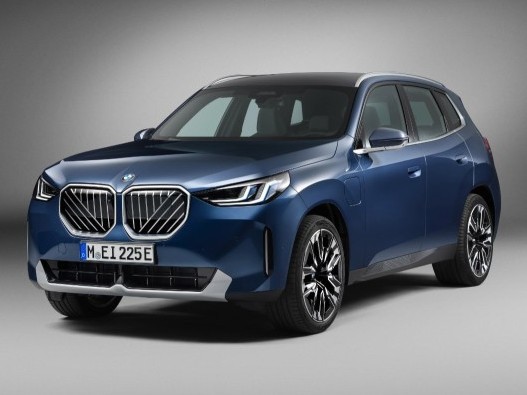
BMW X3 Review: Agile Handling Delivers Pure Driving Joy
AshleyMay 8, 2025
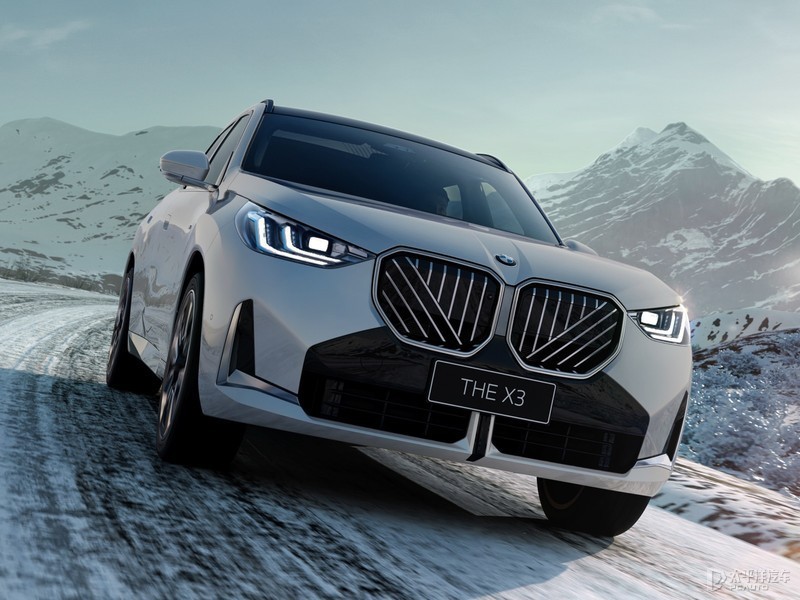
The wheelbase extended by 110mm, the all-new BMW X3 L is ready for production in China! Review the history of BMW X3!
AshleyAug 8, 2024
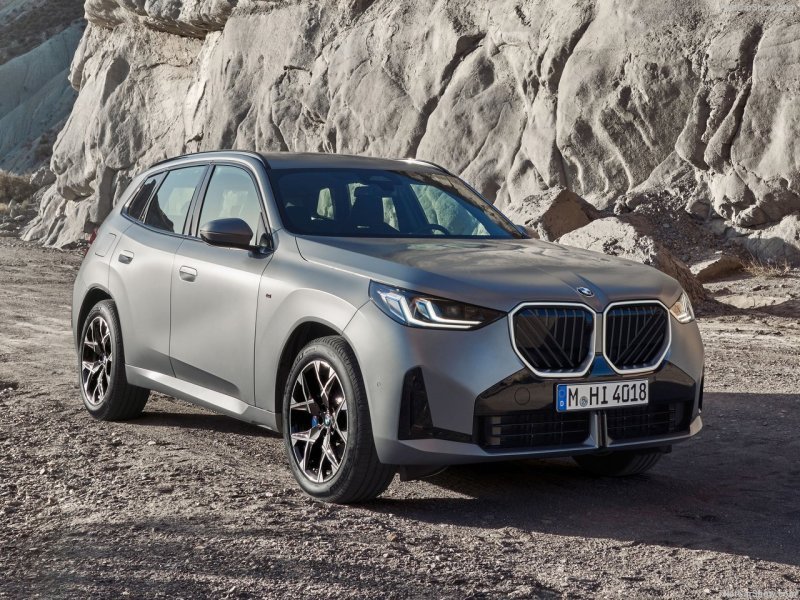
Will the BMW X3M model be phased out? What's going on?
AshleyJul 24, 2024
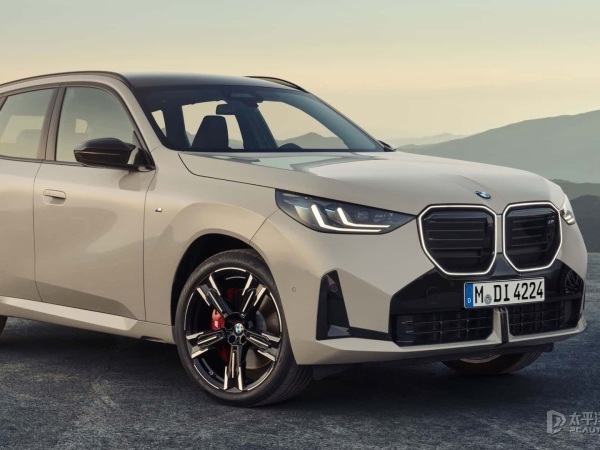
2025 BMW X3 (G45) will premiere at the end of the year, can it land in Malaysia next year?
LienJul 2, 2024
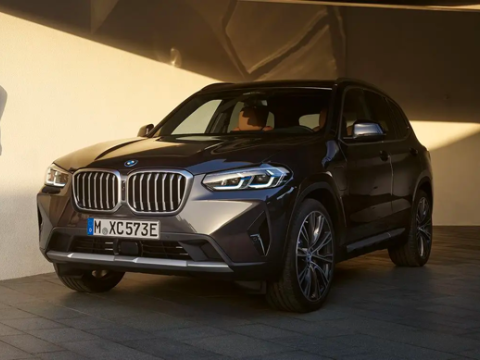
The 2024 BMW X3 Final Edition is priced from RM 338,500, is it the farewell masterpiece of the third generation X3?
LienJun 25, 2024
View More
Pros
Cons