
Q
how to jump start toyota yaris
 CherryBlossomSep 29, 2025, 03:38 PM
To jump-start a dead Toyota Yaris, first, you'll need a set of jumper cables and another vehicle with a working battery. Make sure both cars are turned off. Then, connect the red jumper cable clamp to the positive terminal (marked "+") of the dead Yaris battery, and attach the other end to the positive terminal of the good battery. Next, connect one black clamp to the negative terminal (marked "-") of the good battery, and clamp the other end to a metal part of the Yaris' frame or engine block—avoid connecting it directly to the dead battery's negative terminal to prevent sparks. Once everything's hooked up, start the donor car and let it run for a few minutes to charge the battery. Then try starting the Yaris. If it fires up, remove the cables in the reverse order you connected them.
Important stuff to remember: Always double-check your cable connections to avoid short circuits or frying your electronics. If your battery keeps dying, it's probably time to check its lifespan or have your car's electrical system looked at for leaks. And here in Malaysia, with our hot and humid weather, batteries tend to wear out faster—so regular maintenance like cleaning the terminals or using a battery tender can really help extend its life.
Special Disclaimer: This content is published by users and does not represent the views or position of PCauto.
Related Q&A
Q
What is the sport mode on a 2019 Toyota Yaris?
The Sport Mode on the 2019 Toyota Yaris is a drive mode selection feature that primarily enhances power response and handling by adjusting the vehicle's electronic control systems. When activated, the transmission delays upshifts to keep the engine in a higher rev range, delivering quicker acceleration, while the steering might feel slightly heavier to improve road feedback. This mode works best for highway overtaking or mountain road driving, letting the 1.5L naturally aspirated engine stretch its legs a bit more. Keep in mind, though, that Sport Mode does bump up fuel consumption slightly, so it's best used for short bursts when you need that extra zip. Rivals like the Honda Jazz or Mazda 2 offer similar modes too, but each has its own tuning—some focus on linear acceleration, others on sharpening cornering stability. Running Sport Mode all the time could speed up wear on the drivetrain, so make sure to check your transmission fluid and engine condition regularly. Also, pairing it with the manual shift function can take the driving experience up another notch.
 BreezySunshineNov 13, 2025
Q
How to check transmission fluid 2019 Toyota Yaris?
To check the transmission fluid in a 2019 Toyota Yaris, first make sure the vehicle is parked on level ground and start the engine to let the transmission reach operating temperature (usually after driving for 10-15 minutes). Shift through all gears briefly, then return to Park and engage the parking brake. Open the hood and locate the transmission dipstick (typically with a red or yellow handle, near the firewall). Pull out the dipstick, wipe it clean, reinsert it fully, then pull it out again to check the fluid level—it should be within the "HOT" marks. Also inspect the fluid color (normally clear red; if it's black or has a burnt smell, it needs to be changed promptly). Note that some newer Yaris models may have a sealed transmission without a dipstick; these require a professional technician with special tools to check or replace the fluid. Regularly checking the transmission fluid protects the drivetrain effectively. It's recommended to replace it every 40,000-60,000 kilometers or as specified in the maintenance manual. If you frequently drive in stop-and-go traffic, you can shorten this interval slightly. Using non-genuine fluid may cause gear-shifting hesitation or transmission damage, so Toyota's original ATF WS fluid is recommended.
 GlimmeringPathNov 13, 2025
Q
What engine does a 2019 Toyota Yaris have?
The 2019 Toyota Yaris offers a range of engine options across different markets, with specific configurations varying by trim level and regional specs. Common powerplants include a 1.5-liter four-cylinder naturally aspirated engine (badged 1NZ-FE or an updated variant), pushing out around 107 horsepower. This unit pairs with either a 5-speed manual or 4-speed automatic transmission. Higher-spec models might upgrade to a more efficient 1.2-liter turbocharged engine or a hybrid system. Known for reliability and fuel efficiency, this engine uses Dual VVT-i variable valve timing to optimize low-end torque and high-speed power delivery—perfect for city driving. It’s worth noting that the same-generation Yaris also spawned the GR Sport variant, packing a more potent 1.6-liter turbo engine, though these performance models are pretty rare locally. For maintenance, stick to the 10,000 km or 6-month interval for full synthetic oil changes, and regularly clean the throttle body to keep the engine running efficiently. Toyota’s factory 100,000 km warranty is a nice bonus too, helping cut down on long-term repair costs. If you’re eyeing a used Yaris, pay extra attention to the engine mount bushings and timing chain condition—these are common wear items on higher-mileage examples.
 FrostyWhisperNov 13, 2025
Q
Is the 2019 Yaris a Mazda?
The 2019 Yaris isn't a Mazda; it's a classic compact car from Toyota. However, it's worth noting that in some markets like North America, Toyota collaborated with Mazda to launch the Yaris iA (later renamed Mazda2 Sedan), which was based on the Mazda2 platform. But that's different from the Yaris models commonly seen locally. The 2019 Yaris sold locally was still Toyota's independently developed third-generation model (XP150), powered by a 1.5L naturally aspirated engine, focusing on affordability, practicality, and reliability. Its design and technology were all from Toyota, such as standard VSC vehicle stability control and seven airbags for safety. It's important to note that platform sharing or joint production between car brands is common in the industry. For example, Toyota also has technical partnerships with Suzuki and Subaru. Such collaborations help optimize R&D costs and integrate the strengths of each brand, but they don't change the brand ownership of the vehicles. For consumers, when choosing a car, they should focus more on the specific model's configuration, after-sales network, and their own needs rather than just fixating on brand connections.
 InventorNov 13, 2025
Q
How many miles per gallon does a 2019 Toyota Yaris get?
Fuel economy for the 2019 Toyota Yaris varies by trim and transmission. According to official figures, the automatic models with the 1.5L four-cylinder engine return around 30 mpg city, 36 mpg highway, and a combined 33 mpg. The manual transmission version is slightly thirstier, checking in at about 32 mpg combined. This car has won over plenty of buyers with its budget-friendly fuel costs and solid reliability, making it a great pick for daily commutes and city driving. Beyond just sipping gas, the Yaris is known for its compact size and nimble handling—perfect for navigating busy urban areas. If you’re really looking to maximize efficiency, keeping your tires properly inflated and avoiding aggressive acceleration or hard braking can help squeeze out a few more miles per gallon. And hey, if fuel economy is your top priority, it might be worth checking out hybrid options too—they typically deliver even better mpg numbers.
 SilverStreamNov 13, 2025
Q
What is the fuel efficiency of the 2019 Toyota Yaris?
The 2019 Toyota Yaris delivers impressive fuel economy, with figures varying slightly depending on the trim and transmission. The version equipped with the 1.5-liter four-cylinder engine and CVT transmission averages around 5.6 L/100km in city driving, drops to roughly 4.7 L/100km on the highway, and posts a combined fuel consumption of about 5.1 L/100km. That kind of efficiency makes it a solid pick for both daily commutes and longer road trips without breaking the bank at the pump. It’s worth keeping in mind that fuel efficiency can be influenced by driving habits, road conditions, and vehicle maintenance. Sticking to smooth acceleration, avoiding sudden braking, and keeping up with tire and engine maintenance can all help squeeze even more miles out of each tank. As a compact car, the Yaris has long been popular for its reliable performance and low upkeep costs, and its fuel economy stacks up well against competitors in its class. If you’re really looking to maximize fuel savings and eco-friendliness, the hybrid version is worth checking out—it takes fuel efficiency to an even higher level.
 AmberGlowNov 13, 2025
Q
Is a 2019 Toyota Yaris a good car?
The 2019 Toyota Yaris is a solid all-around subcompact that’s perfect for daily commuting. It carries on Toyota’s reputation for reliability and durability, with a smooth 1.5L naturally aspirated engine that delivers great fuel economy—ideal for city driving. While the interior isn’t the roomiest, the layout is smart, and there’s enough storage space for everyday needs. The cabin materials prioritize functionality over flash, and in terms of features, you get basic safety gear like ABS and airbags, with higher trims possibly adding nice-to-haves like a backup camera. Maintenance costs are reasonable, parts are easy to come by, and it holds its value well as a used car. If you’re on a tight budget and value practicality and dependability, the 2019 Yaris is definitely worth a look. The subcompact segment is pretty competitive, though—besides the Yaris, check out rivals like the Honda Jazz or Mazda 2. They each have their own strengths, whether in handling or interior design, so it’s a good idea to test-drive a few and see which fits your needs best before deciding.
 AmberGlowSunsetWarmNov 13, 2025
Q
Is the 2019 Yaris a reliable car?
The 2019 Yaris holds up pretty well in terms of reliability. It carries on Toyota's usual reputation for durability, with that tried-and-true 1.5L naturally aspirated engine under the hood. Maintenance costs are pretty reasonable, making it a solid pick for daily commuting. The transmission shifts nice and smoothly, and the suspension setup leans towards comfort, which works well for local road conditions. The interior space isn't exactly cavernous, but the storage solutions are practical. Fuel economy is another plus – it's pretty efficient, so you'll save a decent amount on gas over time. When it comes to keeping it reliable, make sure to keep up with regular maintenance records, especially things like transmission fluid and brake upkeep. Those little details really affect how the car holds up long-term. If you're looking at the used market, the 2019 Yaris has decent resale value, but when checking one out, pay extra attention to the electrical system and suspension components. Those can turn into problem areas if they haven't been properly maintained. Compared to its peers, it has a relatively low failure rate, but even so, holding onto complete service records after buying will help keep it running at its best.
 MusicianNoteNov 13, 2025
Q
How much is a 2019 Yaris?
The 2019 Toyota Yaris typically ranges from around RM50,000 to RM70,000 in the used car market, with prices varying based on condition, mileage, trim level, and location. The higher-spec 1.5L Sport variant or hybrid models might edge closer to RM80,000. Known for its reliability and fuel efficiency, this car’s 1.5L Dual VVT-i engine paired with a CVT transmission works great for city driving. Maintenance costs are reasonably affordable too, making it a top pick for many families. When buying used, it’s smart to check service records and accident history—factory-certified used cars are your best bet for quality. Keep an eye out for warranty offers from Toyota or authorized dealers; these vehicles usually go through strict inspections and come with extra coverage. Plus, the Yaris holds its value well for a subcompact, so you won’t take a huge hit when reselling later. If you’re on a tighter budget, 2018 or 2020 models are worth considering—they’re pretty similar in features but might be more budget-friendly.
 BoarderWaveNov 13, 2025
Q
How much is a 2019 Yaris worth?
The 2019 Toyota Yaris is currently fetching prices in the used car market ranging from approximately RM55,000 to RM75,000. The exact price depends on factors like condition, mileage, trim level, and service history, with higher-spec 1.5L Sport variants or hybrid models usually commanding a premium. This car is known for its reliability and fuel efficiency, making it perfect for city commuting. Its 1.3L or 1.5L engine delivers smooth power, and maintenance costs are relatively low. With a strong presence in the used car market, parts are readily available, ensuring easy follow-uprepairs. When buying, it's advisable to check for complete service records, pay special attention to the transmission and chassis condition, and consider using a third-party inspection service to verify the car's condition and avoid accident-damaged or flood-affected vehicles. Additionally, keep an eye on the expiry dates of road tax and insurance, as these can impact the final transaction price.
 SparklingNov 13, 2025
Popular Cars
Model Year
Car Compare
Car Photo
Related Models
 Cars
CarsLatest Q&A
Q
Is AMT similar to automatic?
There are significant differences between AMT transmissions and automatic transmissions (AT) in terms of core structure and driving experience. AMT is essentially an electronically automated version of a manual transmission, simulating manual clutch operation and gear shifting through a computerized control system while retaining the gear set structure of manual transmissions. As a result, it offers higher transmission efficiency, with fuel consumption approximately 8%-12% lower than AT, making it particularly suitable for highway or long-distance driving. However, it may exhibit jerking similar to manual transmissions during low-speed gear shifts, especially noticeable in congested traffic conditions.
AT transmissions rely on torque converters for power transfer, delivering smooth and seamless gear shifts that appeal to comfort-oriented users. However, their complex structure (incorporating planetary gear sets, hydraulic systems, etc.) results in higher maintenance costs. A single service may cost between 800 to 1,500 ringgit, whereas AMT only requires gear oil replacement at approximately 400 ringgit.
From a market perspective, AMT is predominantly used in budget vehicles or commercial models priced below 80,000 ringgit, while AT is typically featured in mid-to-high-end vehicles. Consumers should select based on actual needs: AMT suits those prioritizing fuel efficiency and low maintenance costs, while AT better serves those valuing comfort. Notably, recent advancements in AMT electronic control technology have significantly mitigated jerking issues, though test drives should still emphasize low-speed performance evaluation.
 AriaMar 26, 2026
Q
Which is better, DCT or AT?
DCT (Dual-Clutch Transmission) and AT (Automatic Transmission) each have their own advantages and disadvantages, and the choice should be based on personal driving needs. AT transmissions transfer power through a torque converter, offering excellent shift smoothness, making them suitable for urban commuting or novice drivers. However, they tend to have higher fuel consumption, and vehicles equipped with them are usually more expensive. DCT transmissions utilize a dual-clutch structure, featuring fast shift speeds and high power transmission efficiency, which provides a more direct driving experience—particularly suitable for users seeking a sporty feel. However, they may exhibit jerking at low speeds and have relatively high maintenance costs. If durability and comfort are priorities, AT is the more reliable choice; if power responsiveness and driving pleasure are preferred, wet DCT (such as Volkswagen DSG) performs better, though dry DCT models should be avoided in prolonged stop-and-go traffic conditions. Additionally, CVT transmissions excel in smoothness and fuel efficiency, making them ideal for daily commuting, but they lack driving excitement. It is recommended to test-drive before purchasing, as tuning varies significantly across brands, and real-world experience is more important than theoretical specifications.
 FlutteringMar 26, 2026
Q
Is Amt good or bad?
AMT gearboxes have a significant cost advantage in the local market, typically being around 5,000 Ringgit cheaper than models equipped with conventional automatic transmissions. Their fuel efficiency is comparable to manual transmissions, resulting in long-term fuel savings. Featuring a straightforward design, they achieve transmission efficiency exceeding 90% with relatively low maintenance costs, making them ideal for practicality-oriented consumers. However, their shifting logic contains inherent limitations: gear changes between 1st and 2nd cause 0.3-0.5 second power interruptions, while unintended upshifts on inclines may reduce engine speed by 15%-20%, compromising driving smoothness. For urban commuters or budget-conscious buyers, AMT offers excellent value, though those prioritizing premium driving dynamics should consider alternative transmission types. Some domestic models like the Perodua Axia employ enhanced AMT systems, where optimized shift programming has reduced gearshift shock by approximately 30%.
 RainbowsMar 26, 2026
Q
Which gives better mileage, CVT or AMT?
From the perspective of fuel economy, CVT transmissions generally perform better under urban driving conditions. Their continuously variable design allows the engine to consistently operate within the optimal speed range, significantly reducing fuel consumption during frequent starts and stops. Test data shows that their fuel consumption in urban driving conditions is 10% to 15% lower than that of comparable models. AMT transmissions, on the other hand, inherit the high transmission efficiency of manual transmissions, delivering fuel efficiency close to manual transmissions during high-speed cruising. This makes them particularly suitable for long-distance driving in large-displacement vehicles. However, due to power interruption during gear shifts, their overall fuel consumption may be 5% to 8% higher than CVTs.
The difference in fuel-saving characteristics between the two transmissions stems from their technical principles: CVTs achieve continuous variability through steel belts and pulleys, eliminating the fixed gear ratio limitations of traditional transmissions; AMTs simulate manual gear changes via electronic control systems while maintaining the mechanical efficiency of gear transmission. Notably, actual fuel consumption is also influenced by driving habits. Smooth acceleration and anticipatory deceleration can maximize the transmissions' fuel-saving potential. If the vehicle budget permits and urban commuting is the primary use, CVTs offer a more economical choice. For frequent highway driving with an emphasis on cost-effectiveness, AMTs are equally worth considering.
 RubyBlazeMar 26, 2026
Q
Which is cheaper, AMT or CVT?
In terms of gearbox cost, AMT is usually more economical than CVT. Essentially, AMT is a manual transmission equipped with an electronic control unit, featuring a simple structure and low maintenance costs. The unit price ranges from approximately 5,000 to 8,000 ringgit, making it suitable for budget-conscious consumers or those who prioritize long-term operating costs. CVT incurs higher manufacturing costs due to its precision steel belt transmission system and continuous variable transmission technology, with a unit price of about 7,000 to 10,000 ringgit. However, it delivers a smoother driving experience and superior fuel efficiency. The primary differences between the two lie in technical complexity: AMT retains the gear-shifting mechanism, resulting in noticeable shift shock; CVT achieves linear power output through stepless speed variation but requires periodic belt inspection and incurs higher maintenance expenses. For those prioritizing initial cost and basic transportation needs, AMT offers better value; if comfort and long-term fuel economy are priorities, CVT represents a more worthwhile investment. Note that actual prices may vary based on vehicle model, brand, and local supply chain factors.
 ShadowProwlMar 26, 2026
Related News
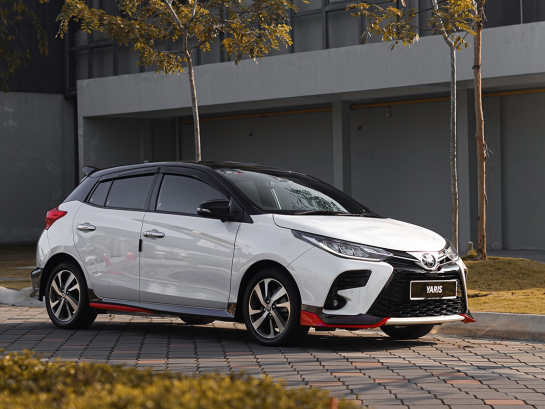
Toyota Yaris Interior Design Revealed: The Ideal Choice for Daily Commutes
AshleyJul 17, 2025
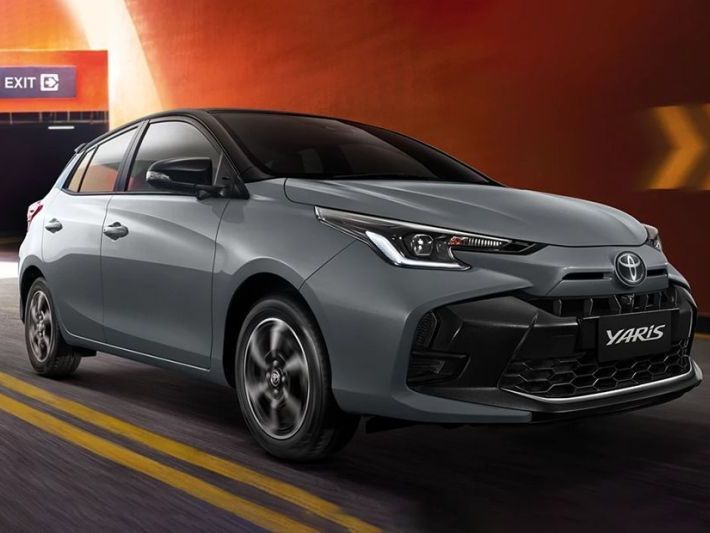
Highlights of the Toyota Yaris: The Perfect Fusion of Outstanding Power and Comfortable Handling
MichaelApr 16, 2025
Mazda Plans to Launch CX-20 in Southeast Asia to Compete with Toyota Yaris Cross
RobertMar 20, 2025
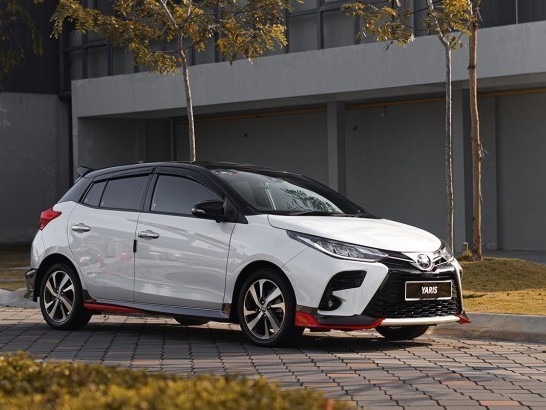
Is my Yaris fuel consumption normal? What should the fuel consumption per 100km be?
MichaelFeb 28, 2025

Toyota takes the crown at the second stop of the 2025 WRC, the GR Yaris helps Toyota take the top of the points table
JamesFeb 19, 2025
View More
Pros
Cons