
Q
How to use a 2018 Mustang remote start?
 HappyAntelopeFeb 18, 2026, 11:22 AM
To use the remote start function of the 2018 Mustang, first make sure the vehicle is locked. Then press the "lock" button on the remote key. Next, quickly press the "remote start" button (usually an icon of a circular arrow) twice within 5 seconds. At this time, the vehicle engine will start automatically, and the headlights will flash to confirm the successful operation. In the hot weather of Malaysia, this function is very practical as it can turn on the air - conditioning in advance to cool down the car.
It should be noted that after remote starting, the vehicle will remain locked. To drive the car, you still need to press the unlock button and step on the brake pedal to shift gears. If there is no operation within 10 minutes, the vehicle will automatically turn off to ensure safety.
For Malaysian car owners, it is recommended to regularly check the battery level of the remote key, as the high - temperature and humid environment may accelerate battery consumption. In addition, the Ford SYNC system also supports remote start via the mobile app, but this function needs to be activated at the dealership in advance. The remote start operation of Mustangs from different years may vary slightly. It is recommended to refer to the owner's manual to confirm the specific steps.
Special Disclaimer: This content is published by users and does not represent the views or position of PCauto.
Related Q&A
Q
How to program a 2018 Mustang key fob?
Normally, programming the 2018 Mustang car key requires professional equipment and skills. It is recommended to go to a Ford - authorized dealer or a professional automotive locksmith. If you want to try it on your own, you can refer to the following general steps: First, enter the vehicle, close all the doors and the trunk, and insert the key into the ignition switch. Then, turn the key to the "ON" or "ACC" position without starting the engine. Next, press and hold a specific button on the key, such as the "Lock" or "Unlock" button, until the vehicle gives an audible signal or the lights flash. Finally, release the button to complete the programming. However, these steps may vary depending on the vehicle model and system. Incorrect operation may lead to key - matching failure or vehicle malfunctions. To ensure successful programming without damaging the vehicle, it's best to seek assistance from a professional.
 HappyBuffaloSep 17, 2025
Q
How do I open the hood of a 2018 Ford Mustang?
To open the hood of the 2018 Ford Mustang, first, you need to find the hood release handle on the lower-left side of the driver's seat, which is usually located near the footrest. Pull it until you hear the sound of the hood popping up. Then, walk to the front of the car, reach your hand into the gap in the center of the front edge of the hood, find the secondary latch, gently move it and lift the hood at the same time. If it feels heavy, you can use the support rod to fix it.
For Malaysian car owners, it is recommended to regularly check whether the hood latch mechanism is rusted or stuck, as the local humid climate may accelerate the aging of metal parts. Also, note that the hood of the Mustang is made of lightweight aluminum alloy, so you need to pay attention to the force when opening it to avoid deformation. In addition, some high - performance versions of the Mustang may be equipped with hood vents. Do not press this area forcefully.
If you encounter a situation where the hood cannot be opened, you can try to ask an assistant to pull the release handle inside the car while you slightly shake the hood outside. This is a common way to deal with slight misalignment.
 HappyRhinocerosSep 17, 2025
Q
How to unlock 2018 Mustang with dead battery?
If your 2018 Ford Mustang can't be unlocked due to a dead battery, you can use the mechanical key in the key fob to manually open the door. The mechanical key is usually hidden inside the key fob. Just press the release button on the key fob to take it out. Find the keyhole on the side of the door handle (it may be covered by a decorative cap, just gently pry it open). Insert the mechanical key and turn it counter - clockwise to unlock the door.
Once you're inside the car, if you want to start the vehicle, you can try a jump - start. Connect the positive jumper cable to the positive terminal of the dead battery and the positive terminal of the rescue vehicle. Connect the negative cable to the negative terminal of the rescue vehicle and a grounding point on the Mustang (such as a metal part in the engine compartment). Start the rescue vehicle and wait for a few minutes before trying to start your Mustang. If the battery is severely aged, you may need to replace it with a new one.
It's worth noting that modern cars have many electronic systems, and long - term parking may drain the battery. It is recommended to start the vehicle regularly or use a battery maintenance charger. In Malaysia, the climate is hot, and high temperatures can accelerate the evaporation of battery fluid and shorten the battery's lifespan. Therefore, it's also important to regularly check the battery's condition and whether the terminals are corroded.
For models equipped with a keyless entry system, low battery power in the key fob may also cause unlocking difficulties. In this case, you can try holding the key close to the door handle or the start button to enhance the signal.
 HappyHyenaSep 17, 2025
Q
How do I remote start my 2018 Mustang?
To use the remote start function on the 2018 Ford Mustang, first make sure the vehicle is equipped with the original - factory remote start system. Usually, you can operate it through the circular arrow button on the key. The specific steps are to quickly press the lock button once when the vehicle is locked, and then long - press the remote start button for about 2 seconds until the turn signals flash and the engine starts.
If the vehicle is not pre - installed with this system, you can consider adding a Ford official or certified third - party remote start module. However, you need to pay attention to the compatibility and warranty terms.
For users in Malaysia, in the tropical climate, the remote start function can turn on the air - conditioning in advance to cool down the vehicle. But be aware that long - term idling may increase the risk of carbon deposits. It is recommended to combine it with regular high - speed driving to maintain the engine.
In addition, some owners may mistakenly think that the vehicle can be driven immediately after remote start. In fact, for the Mustang, the design requires inserting the key and stepping on the brake pedal after starting to shift gears. This is an anti - theft protection mechanism.
If the start fails due to signal interference, it is recommended to get closer to the vehicle (within 30 meters) and avoid large metal obstacles. The humid environment in Malaysia may affect the battery life of the key. If the remote control distance becomes shorter, you can replace the CR2032 battery first.
 HappyJaguarSep 17, 2025
Q
What battery does a 2018 Mustang key fob take?
The key fob of the 2018 Ford Mustang usually uses a CR2032 button battery. This type of battery can be easily purchased at convenience stores, supermarkets, or auto parts stores in Malaysia, and the price is quite affordable. The CR2032 is a common 3V lithium battery with a relatively strong endurance. Generally, it can last for 2 - 3 years. However, if you notice that the remote - control distance has become shorter or the buttons respond sluggishly, it may be time to replace the battery. When replacing the battery, simply use a small flat - head screwdriver to gently pry open the key fob shell. Pay attention to the positive and negative directions of the battery. After installing the new battery, test whether the functions work properly.
For users in Malaysia, the local humid and hot climate may slightly affect the battery life. It is recommended to choose batteries from well - known brands such as Panasonic, Sony, or Energizer to ensure stability. Additionally, Mustang keys from different years may use different battery models. For example, earlier models may use CR2025. So, it's best to confirm the key model before purchasing the battery.
If the problem persists after replacing the battery, the key may need to be re - paired or there may be other malfunctions. In this case, it is recommended to contact the Ford authorized repair center for inspection. There are Ford professional service points in major Malaysian cities such as Kuala Lumpur and Penang to provide assistance.
 HappyLeopardSep 17, 2025
Q
How to open Mustang key fob 2018?
To open the key fob of the 2018 Mustang, first, find the small groove on the side of the key. Use a flat - head screwdriver or a coin to gently pry open the outer shell. Be careful with the force to avoid damaging the snaps. After separating the upper and lower covers, you can replace the battery or perform internal maintenance. It is recommended to use a CR2032 button battery to ensure compatibility.
For Malaysian car owners, be aware that the humid climate may affect the lifespan of the key's electronic components. Regularly check if the battery contacts are oxidized. If the remote control range shortens or it malfunctions, it may be due to low battery power. It is advisable to carry a spare battery with you just in case.
If the key doesn't function properly after the operation, you can try to resynchronize it. Press the lock button four times in quick succession and then press the unlock button once. Some models may require you to insert the key into the ignition switch to complete the matching.
Normally, avoid putting the key together with electronic devices such as mobile phones to prevent signal interference. Also, the high - temperature environment in Malaysia may accelerate battery consumption. It is recommended to check the battery level every 1 - 2 years.
If you have concerns about disassembling the key by yourself, you can go to the Ford authorized service center. They can also provide professional key waterproof and dust - proof inspection services.
 HappyTigerSep 17, 2025
Q
How to use launch control 2018 Mustang?
To use the Launch Control function on the 2018 Ford Mustang, first make sure the vehicle is in Sport mode or Track mode and turn off the traction control system. Then, switch the transmission to Manual mode (MT) or use the paddle shifters (if equipped). Next, press the brake pedal and simultaneously floor the accelerator pedal. At this time, the dashboard will display the "Launch Control Ready" prompt. Release the brake to achieve an efficient launch. It should be noted that this function uses the electronic system to optimize tire grip and power output, but frequent use may increase the load on the transmission system. It is recommended to operate in a legal and enclosed venue.
For users in Malaysia, due to the hot and humid local climate, it is recommended to check the tire condition (such as tire pressure and temperature) in advance to ensure optimal performance. At the same time, when using the Launch Control on the 5.0L V8 or 2.3L EcoBoost engines of the Ford Mustang, pay attention to whether the engine oil temperature has reached the operating temperature to avoid high - load operation of a cold engine.
If the vehicle is not equipped with the factory - installed launch function, a similar effect can be achieved by upgrading the ECU or installing a performance module. However, it is necessary to choose a modification factory certified in Malaysia to ensure compliance.
 HappyLionSep 17, 2025
Q
How to put top down on 2018 Mustang?
To lower the convertible top of the 2018 Ford Mustang, first ensure the vehicle is completely stationary and the parking brake is engaged. Then, locate and press the convertible top switch (typically found on the overhead console above the rearview mirror or in the center console area) and hold it until the operation initiates. You will hear an audible prompt, and the roof will begin to fold automatically. The entire process may take several tens of seconds to complete, depending on conditions. After completion, remember to verify that the roof is fully stowed in its dedicated compartment within the trunk.
For owners in Malaysia, due to the local hot and rainy climate, it is recommended to enjoy the convertible mode primarily on sunny days. Regularly cleaning the roof's mechanical components helps prevent sand and dust accumulation. Additionally, it's prudent to avoid excessively frequent operation in very high temperatures (e.g., above 32°C) to mitigate accelerated aging of the hydraulic system.
It's worth noting that the 2018 Mustang's soft top is designed to provide insulation. When the top is up, it helps maintain cabin quietness compared to some alternatives.
If parking outdoors for extended periods, using an original or high-quality anti-UV car cover is advisable to protect the interior. Given Malaysia's humid climate, which can easily lead to mold growth on leather seats, this requires particular attention.
 HappyZebraSep 17, 2025
Q
What is the ground clearance of the 2018 Ford Mustang?
In 2018, the ground clearance of the Ford Mustang was approximately 147 millimeters (5.1 inches). This design not only takes into account the handling stability of a sports car with a low center of gravity but also allows it to handle the common urban road conditions and gentle slopes in Malaysia. As a classic American muscle car, the chassis tuning of the Mustang focuses more on highway performance. Its front suspension uses a MacPherson strut structure, while the rear suspension is a multi - link independent design. Combined with the low - slung body, it can effectively reduce roll during high - speed cornering.
It's worth noting that the tropical climate in Malaysia is rainy. When driving in the rainy season, car owners need to pay attention to the depth of standing water. Since the ground clearance of sports cars is generally lower than that of SUVs, it is recommended to take a detour when encountering deep standing water to avoid water entering the air intake. If you often drive on rough roads, you can consider installing the MagneRide electromagnetic suspension system in the original performance package. This system can adjust the damping force in real - time according to the road conditions, improving passability while maintaining sportiness.
Malaysian car owners should also pay attention to regularly checking the tire wear. Because the tires of sports cars with a lower aspect ratio are more sensitive to road undulations.
 HappyGiraffeSep 17, 2025
Q
How wide is a 2018 Mustang?
The body width of the 2018 Ford Mustang is 1,923 millimeters (excluding the side mirrors). This dimension represents a relatively wide design among sports cars in the same class, offering drivers a more stable driving experience, especially when taking high - speed corners. For Malaysian consumers, the Mustang's wide - body design not only enhances its visual impact but also takes practicality into account. For example, the wider body provides a more spacious cabin, making long - distance drives more comfortable.
Moreover, the Mustang's width also affects its daily use. When driving on the narrower streets or in parking lots in Malaysia, a bit more caution is needed. However, overall, its handling flexibility remains quite good. It's worth noting that as a representative of American muscle cars, the Mustang's wide wheelbase and low - center - of - gravity design are also key to its handling performance. This design can exert its advantages on Malaysia's winding mountain roads or highways.
If you're considering buying this car, it's recommended that you take a test drive to experience how the width impacts your driving. Also, be aware that the wide - body kits commonly seen in Malaysia's local car - modification culture may further increase the vehicle's size.
 DaisyMeadowPeacefulFeb 18, 2026
Popular Cars
Model Year
Car Compare
Car Photo
Related Models
 Cars
CarsLatest Q&A
Q
Is AMT similar to automatic?
There are significant differences between AMT transmissions and automatic transmissions (AT) in terms of core structure and driving experience. AMT is essentially an electronically automated version of a manual transmission, simulating manual clutch operation and gear shifting through a computerized control system while retaining the gear set structure of manual transmissions. As a result, it offers higher transmission efficiency, with fuel consumption approximately 8%-12% lower than AT, making it particularly suitable for highway or long-distance driving. However, it may exhibit jerking similar to manual transmissions during low-speed gear shifts, especially noticeable in congested traffic conditions.
AT transmissions rely on torque converters for power transfer, delivering smooth and seamless gear shifts that appeal to comfort-oriented users. However, their complex structure (incorporating planetary gear sets, hydraulic systems, etc.) results in higher maintenance costs. A single service may cost between 800 to 1,500 ringgit, whereas AMT only requires gear oil replacement at approximately 400 ringgit.
From a market perspective, AMT is predominantly used in budget vehicles or commercial models priced below 80,000 ringgit, while AT is typically featured in mid-to-high-end vehicles. Consumers should select based on actual needs: AMT suits those prioritizing fuel efficiency and low maintenance costs, while AT better serves those valuing comfort. Notably, recent advancements in AMT electronic control technology have significantly mitigated jerking issues, though test drives should still emphasize low-speed performance evaluation.
 AriaMar 26, 2026
Q
Which is better, DCT or AT?
DCT (Dual-Clutch Transmission) and AT (Automatic Transmission) each have their own advantages and disadvantages, and the choice should be based on personal driving needs. AT transmissions transfer power through a torque converter, offering excellent shift smoothness, making them suitable for urban commuting or novice drivers. However, they tend to have higher fuel consumption, and vehicles equipped with them are usually more expensive. DCT transmissions utilize a dual-clutch structure, featuring fast shift speeds and high power transmission efficiency, which provides a more direct driving experience—particularly suitable for users seeking a sporty feel. However, they may exhibit jerking at low speeds and have relatively high maintenance costs. If durability and comfort are priorities, AT is the more reliable choice; if power responsiveness and driving pleasure are preferred, wet DCT (such as Volkswagen DSG) performs better, though dry DCT models should be avoided in prolonged stop-and-go traffic conditions. Additionally, CVT transmissions excel in smoothness and fuel efficiency, making them ideal for daily commuting, but they lack driving excitement. It is recommended to test-drive before purchasing, as tuning varies significantly across brands, and real-world experience is more important than theoretical specifications.
FlutteringMar 26, 2026Q
Is Amt good or bad?
AMT gearboxes have a significant cost advantage in the local market, typically being around 5,000 Ringgit cheaper than models equipped with conventional automatic transmissions. Their fuel efficiency is comparable to manual transmissions, resulting in long-term fuel savings. Featuring a straightforward design, they achieve transmission efficiency exceeding 90% with relatively low maintenance costs, making them ideal for practicality-oriented consumers. However, their shifting logic contains inherent limitations: gear changes between 1st and 2nd cause 0.3-0.5 second power interruptions, while unintended upshifts on inclines may reduce engine speed by 15%-20%, compromising driving smoothness. For urban commuters or budget-conscious buyers, AMT offers excellent value, though those prioritizing premium driving dynamics should consider alternative transmission types. Some domestic models like the Perodua Axia employ enhanced AMT systems, where optimized shift programming has reduced gearshift shock by approximately 30%.
 RainbowsMar 26, 2026
Q
Which gives better mileage, CVT or AMT?
From the perspective of fuel economy, CVT transmissions generally perform better under urban driving conditions. Their continuously variable design allows the engine to consistently operate within the optimal speed range, significantly reducing fuel consumption during frequent starts and stops. Test data shows that their fuel consumption in urban driving conditions is 10% to 15% lower than that of comparable models. AMT transmissions, on the other hand, inherit the high transmission efficiency of manual transmissions, delivering fuel efficiency close to manual transmissions during high-speed cruising. This makes them particularly suitable for long-distance driving in large-displacement vehicles. However, due to power interruption during gear shifts, their overall fuel consumption may be 5% to 8% higher than CVTs.
The difference in fuel-saving characteristics between the two transmissions stems from their technical principles: CVTs achieve continuous variability through steel belts and pulleys, eliminating the fixed gear ratio limitations of traditional transmissions; AMTs simulate manual gear changes via electronic control systems while maintaining the mechanical efficiency of gear transmission. Notably, actual fuel consumption is also influenced by driving habits. Smooth acceleration and anticipatory deceleration can maximize the transmissions' fuel-saving potential. If the vehicle budget permits and urban commuting is the primary use, CVTs offer a more economical choice. For frequent highway driving with an emphasis on cost-effectiveness, AMTs are equally worth considering.
 RubyBlazeMar 26, 2026
Q
Which is cheaper, AMT or CVT?
In terms of gearbox cost, AMT is usually more economical than CVT. Essentially, AMT is a manual transmission equipped with an electronic control unit, featuring a simple structure and low maintenance costs. The unit price ranges from approximately 5,000 to 8,000 ringgit, making it suitable for budget-conscious consumers or those who prioritize long-term operating costs. CVT incurs higher manufacturing costs due to its precision steel belt transmission system and continuous variable transmission technology, with a unit price of about 7,000 to 10,000 ringgit. However, it delivers a smoother driving experience and superior fuel efficiency. The primary differences between the two lie in technical complexity: AMT retains the gear-shifting mechanism, resulting in noticeable shift shock; CVT achieves linear power output through stepless speed variation but requires periodic belt inspection and incurs higher maintenance expenses. For those prioritizing initial cost and basic transportation needs, AMT offers better value; if comfort and long-term fuel economy are priorities, CVT represents a more worthwhile investment. Note that actual prices may vary based on vehicle model, brand, and local supply chain factors.
 ShadowProwlMar 26, 2026
Related News
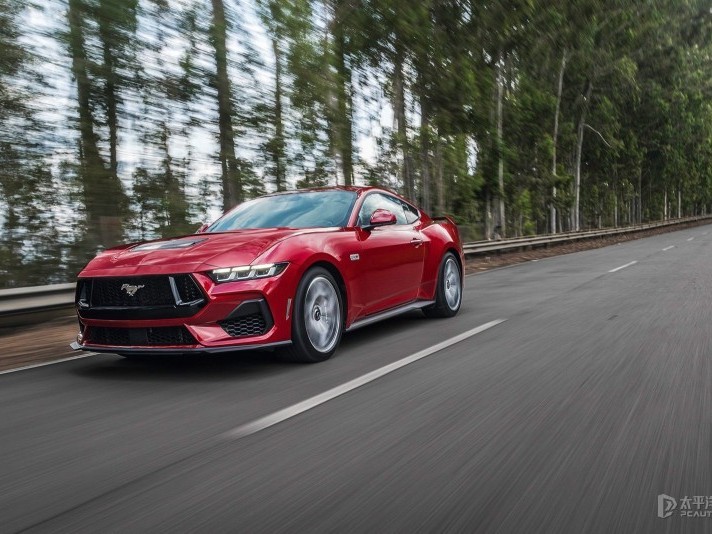
Priced from RM 461,271, the Ford Mustang brings a sporty driving feel! Wanna give it a try?
AshleyJul 17, 2024
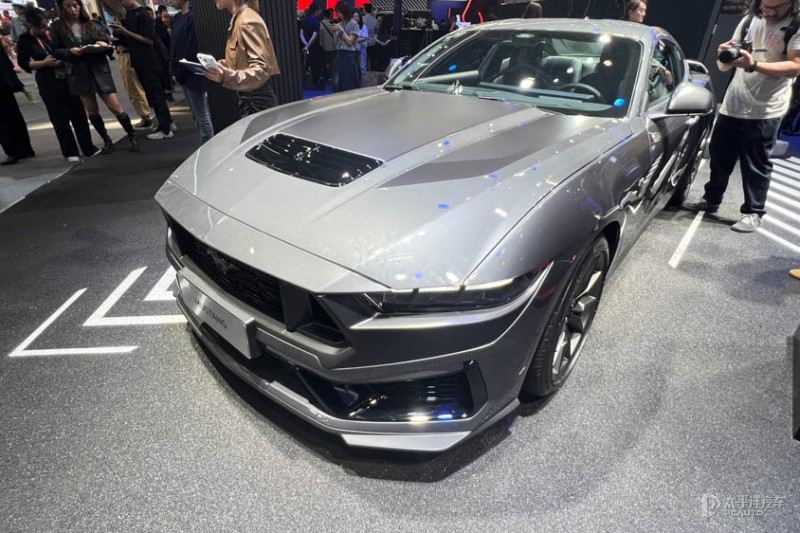
2024 Beijing Auto Show: The All-New Ford Mustang Hardtop Performance Edition Makes Its Debut
LienApr 26, 2024
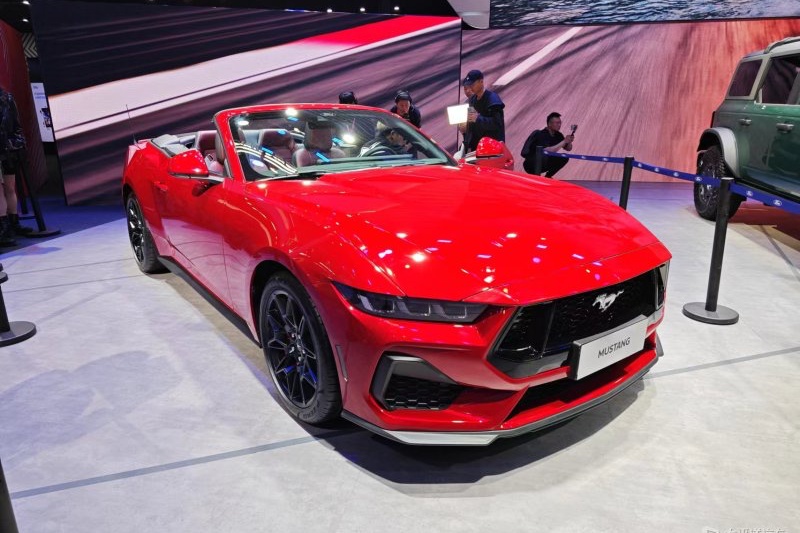
2024 Beijing Auto Show: The New Ford Mustang Convertible
LienApr 25, 2024

2027 Ford Super Duty comes with significant configuration upgrades, offering 35-inch large tires
LienMar 12, 2026

Ford introduces remote start inhibition technology, allowing owners to lock their cars remotely for theft prevention
MichaelDec 30, 2025
View More
Pros
Cons