
Q
Is 2019 a good year for a Subaru Forester?
 HealerHeartOct 28, 2025, 05:02 PM
The 2019 Subaru Forester is an SUV worth considering, especially in the Malaysian market. It’s drawn in plenty of buyers thanks to its excellent Symmetrical All-Wheel Drive system and upgraded safety features. This model comes standard with the EyeSight driver assistance suite, which includes adaptive cruise control, lane keep assist, and pre-collision braking—all of which seriously boost on-road safety.
Under the hood, the 2.0-liter naturally aspirated boxer engine delivers decent but not mind-blowing power. However, it shines when it comes to fuel efficiency and smoothness, making it a solid pick for family daily use. Inside, the 2019 Forester gets a roomier cabin design, with more rear legroom and increased trunk space—super practical for everyday needs.
That said, it’s worth noting that Subaru’s after-sales network in Malaysia is relatively limited, so maintenance and repairs might not be as convenient as with mainstream Japanese brands. But if safety and outdoor usability are high on your priority list, the 2019 Forester still makes a strong case. Plus, Subaru holds its value fairly well in the Malaysian market, so long-term ownership costs stay reasonable.
Special Disclaimer: This content is published by users and does not represent the views or position of PCauto.
Related Q&A
Q
What is the difference between 2018 and 2019 Forester?
The main difference between the 2018 and 2019 Subaru Foresters lies in the fact that the 2019 model received a full fifth-generation redesign. The exterior got a more modern look, with slightly increased overall dimensions and a 30mm longer wheelbase that improves rear passenger space. The 2019 Forester switched to the new Subaru Global Platform (SGP), which significantly boosted body rigidity and optimized the suspension system, leading to noticeable improvements in driving stability and cabin noise insulation.
Under the hood, the 2019 model in the Malaysian market primarily features a 2.0-liter direct-injection naturally aspirated engine paired with a Lineartronic CVT transmission. While horsepower remains similar to the 2018 version, fuel efficiency sees an uptick. Inside, the 2019 Forester gets an all-new interior design, with a larger standard infotainment screen and, for the first time, the inclusion of Subaru's EyeSight driver assistance system (on select trim levels), which bundles adaptive cruise control and pre-collision braking.
Notably, the 2019 model dropped the previous turbocharged variant but enhanced the functionality of the X-Mode off-road system. For Malaysian consumers, the 2019 Forester better meets the latest ASEAN NCAP safety standards. It also retains a 220mm ground clearance, making it well-suited to local road conditions. If considering a used car purchase, the 2019 model's updated platform offers potential long-term durability benefits. Meanwhile, some 2018 models might present more attractive pricing due to the lack of the EyeSight system.
 SilentReflectOct 28, 2025
Q
How big is the gas tank on a 2019 Forester?
The 2019 Subaru Forester has a fuel tank capacity of 16.6 gallons (approximately 63 liters), a design that delivers an extended driving range, perfect for both long highway trips and daily city commutes in Malaysia. As a compact SUV, the Forester's tank size strikes a nice balance between fuel efficiency and practicality. Paired with its 2.5-liter boxer engine and Symmetrical AWD system, it handles a variety of road conditions – from Malaysia's frequent rainy season wet roads to rough suburban terrains. For owners who love road trips or often drive between states, that larger tank means fewer stops at the pump and more convenience. Keep in mind, though, actual range can vary based on driving habits, road conditions, and vehicle load. Regular maintenance is a good idea to keep fuel efficiency in check. Also, the Forester's fuel tank is made of resin, which is lightweight and corrosion-resistant – a common feature in Subaru models.
 TwilightMysteryOct 28, 2025
Q
What kind of engine is in the 2019 Subaru Forester?
The 2019 Subaru Forester in the Malaysian market comes with a 2.0-liter horizontally opposed four-cylinder naturally aspirated engine (FB20 type), delivering 156 horsepower and 196 Nm of peak torque. It's paired with a Lineartronic continuously variable transmission (CVT) and the Symmetrical All-Wheel Drive system. This engine features direct injection technology, optimizing fuel efficiency and low-end torque performance—perfect for Malaysia's mix of urban and suburban roads. The boxer engine's low center of gravity enhances cornering stability, while the full-time AWD system handles slippery wet roads during the monsoon season. Notably, Subaru's engine layout stands out from most brands; its horizontally opposed configuration effectively reduces vibration, though owners should keep up with regular maintenance to ensure long-term reliability. If you're craving more power, check out the brand's turbocharged models, but the naturally aspirated version is easier on maintenance costs and fuel compatibility—better suited for Malaysia's daily driving conditions.
 DazzlingSparkleOct 28, 2025
Q
What is the oil temperature in Forester 2019?
The oil temperature of the 2019 Subaru Forester typically stays between 90°C and 110°C under normal driving conditions. It might briefly rise to around 120°C during spirited driving or in high-temperature environments, but the boxer engine and efficient cooling system do a solid job of keeping it in check. For Malaysian owners, the tropical climate could push the oil temperature a bit higher. I'd recommend regularly checking the oil condition and using fully synthetic oil that meets the factory specs to ensure optimal lubrication and heat dissipation. Oil temperature is a key indicator of engine health—too high can cause lubrication failure, while too low hurts fuel economy. The Forester's oil temperature gauge or warning light helps keep an eye on any issues. During routine maintenance, besides oil temperature, keep an eye on coolant levels and radiator cleanliness since these also affect oil temperature indirectly. If you notice the oil temperature spiking abnormally often, head to an authorized service center for a professional check to avoid potential long-term engine damage from prolonged high temperatures.
 CreatorIdeaOct 28, 2025
Q
How many litres are in a 2019 Subaru Forester?
The 2019 Subaru Forester has a 55-liter fuel tank, which is above average for its SUV class. That's a solid size for both long highway drives and city commutes here in Malaysia. True to Subaru's focus on practicality and safety, the tank design also ties into the Forester's fuel efficiency. Pairing the 2.0-liter boxer engine with the Lineartronic CVT delivers a smooth ride and pretty decent gas mileage. For Malaysian drivers, 55 liters means fewer stops at the pump since you can cover more ground on a full tank. Plus, Subaru's Symmetrical All-Wheel Drive system is a real plus during Malaysia's rainy seasons, giving better grip and stability on wet roads. And hey, keeping up with regular maintenance and driving smart can definitely help stretch that fuel even further. It's always a good idea to stick to the official service schedule to keep your Forester running at its best.
 InventorMindOct 28, 2025
Q
How to check oil level 2019 Subaru Forester?
To check the oil level in a 2019 Subaru Forester, first make sure the vehicle is parked on level ground and the engine is turned off. Wait 5-10 minutes to let the oil drain back into the oil pan, then pop the hood and locate the dipstick—it’s usually got a yellow or orange pull tab. Pull it out, wipe it clean with a rag, stick it back in all the way, then pull it out again. Check where the oil mark lands—it should be between the "MIN" and "MAX" lines. If it’s below "MIN", top it off with the oil specified in the owner’s manual. If it’s at or above "MAX", you’ll need to drain some out to prevent engine damage. With Malaysia’s hot climate, it’s a good idea to check the oil condition regularly too. If it looks black or has metal particles, you might need an early oil change. Also, the Forester’s boxer engine tends to burn a bit more oil than inline engines, so owners should get in the habit of checking it monthly to keep the engine well-lubricated and extend its life.
 ClimberPeakOct 28, 2025
Q
How much oil does a 2019 Subaru Forester take?
The 2019 Subaru Forester has an oil capacity of approximately 5.4 liters, including the oil filter. If you're just changing the oil without replacing the filter, you'll need around 5.0 liters. The exact amount might vary slightly depending on the engine model or region, so it's best to check your vehicle's owner's manual or consult an authorized Subaru Malaysia dealer for precise info. In Malaysia's hot and humid climate, picking the right oil viscosity is super important. The Forester typically recommends 0W-20 or 5W-30 full synthetic oil – these types hold up well under high temperatures, maintaining good lubrication while also helping boost fuel efficiency. Regular oil and filter changes are key to keeping your engine healthy; it's generally advised to do this every 10,000 kilometers or 6 months, whichever comes first. Plus, Subaru's Boxer engine has that unique horizontally opposed design, which means it's a bit pickier about oil. So make sure you use oil that meets Subaru's certification standards to keep the engine running smoothly for the long haul. If you're not sure how to choose the right oil or handle the maintenance, head over to Subaru Malaysia's official service centers. Their professional technicians will hook you up with solid advice and service.
 MusicianNoteOct 28, 2025
Q
How big is the fuel tank on a 2019 Subaru Forester?
The 2019 Subaru Forester has a 55-liter fuel tank capacity. This design balances daily commuting and long-distance travel needs while delivering solid range performance. For Malaysian users, a 55-liter tank is above average for the SUV class, handling most driving scenarios—like the KL to Penang highway run without constant refueling stops. As a practical, safety-focused SUV, the Forester's tank design also factors in fuel economy. Paired with its 2.0-liter boxer engine and CVT transmission, it delivers well-rounded fuel efficiency. Malaysia's varied road conditions, from city traffic jams to rural mountain roads, are no match for the Forester's tank size and fuel efficiency, ensuring consistent driving experiences. If you frequently take long trips, make sure to regularly check the fuel tank and system for optimal performance and safety. Also, keep an eye on Subaru's recommended fuel additives to keep the engine clean and running efficiently.
 SwimmerStrokeOct 28, 2025
Q
Is 2019 Forester direct injection?
The 2019 Subaru Forester does come with Direct Injection technology. It's powered by Subaru's FB20 2.0-liter horizontally opposed four-cylinder engine, which combines direct fuel injection with Subaru's unique DOHC (Double Overhead Camshaft) design. This setup boosts fuel efficiency and power output while cutting emissions, making it perfect for both city driving and long trips around Malaysia. The perks of direct injection lie in finer fuel atomization and more precise control over fuel delivery, which ramps up combustion efficiency. But here's the thing—over time, carbon buildup might form on the intake valves, so regular engine maintenance is a good idea to keep it running at its best. Subaru's Symmetrical All-Wheel Drive system is another big win for the Forester. Paired with X-Mode off-road mode, it handles Malaysia's diverse road conditions with ease, whether it's slippery wet roads during the monsoon or rough terrain in the countryside. On top of that, the Forester is equipped with the EyeSight driver assist system, offering features like pre-collision braking and adaptive cruise control to up the safety ante even more. For Malaysian buyers, the 2019 Forester strikes a solid balance between technology, performance, and practicality, making it a SUV well worth considering.
 GamerZoneOct 28, 2025
Q
What is the maintenance schedule for a 2019 Forester?
The 2019 Subaru Forester's maintenance schedule recommends regular servicing every 6 months or 10,000 kilometers, whichever comes first. This primarily involves an oil and oil filter change, along with inspections of the brake system, tires, suspension, and undercarriage. You'll also need to replace the air filter every 30,000 kilometers and the spark plugs every 60,000 kilometers. For the transmission fluid and differential oil, it's advisable to check or replace them every 40,000 kilometers to maintain optimal four-wheel-drive performance.
Given Malaysia's climate, pay extra attention to cleaning the cabin air filter – replace it every 15,000 kilometers. The hot and humid conditions can easily lead to mold growth, which affects in-car air quality. Additionally, if you mostly do short city drives, consider shortening the oil change interval to 5,000 kilometers since frequent stop-starts accelerate oil degradation.
The Forester's EyeSight driver assistance system also requires regular calibration, especially after replacing the windshield or being involved in a collision. It's best to have this done at an authorized service center. Note that maintenance intervals may need adjustment based on actual driving conditions. For example, if you frequently drive on gravel roads or coastal areas, you should inspect the brakes and check for undercarriage rust earlier than scheduled.
 PiaOct 28, 2025
Popular Cars
Model Year
Car Compare
Car Photo
Related Models

 Cars
CarsLatest Q&A
Q
Do I need an alignment after rotation?
Whether a four-wheel alignment is needed after tire replacement depends on the actual condition of the vehicle. If only the tires are replaced and the vehicle has been driving normally without deviation, steering wheel vibration, or uneven tire wear, a four-wheel alignment is usually not required immediately, but wheel balancing must be performed to ensure stability when the wheels rotate at high speeds. However, if problems such as directional deviation, reduced steering precision, misaligned steering wheel, or abnormal tire wear (e.g., one-sided wear) occur after tire replacement, four-wheel alignment is necessary to adjust the geometric parameters of the suspension system (including caster angle, front wheel camber, etc.), thereby restoring the vehicle's straight-line driving stability and uniform tire contact with the road. Moreover, if chassis component repairs (such as suspension or steering system) are involved during tire replacement or the vehicle has been in a collision, four-wheel alignment becomes an essential step, as it can effectively reduce abnormal tire wear, improve handling safety, and lower fuel consumption. It is recommended to check the alignment parameters regularly every 20,000 kilometers or once a year. If you frequently encounter rough road conditions (such as curbs or speed bumps) during daily driving, the inspection interval should be shortened accordingly. Professional technicians can measure the data using specialized equipment and compare it with the manufacturer's specifications to determine whether adjustments are needed.
 QuirkyStyleFeb 21, 2026
Q
Is it okay to rotate tires every 10,000 km?
Rotating tires every 10,000 kilometers is a reasonable and necessary maintenance measure, especially for fuel vehicles, as this frequency can effectively balance the wear difference between front and rear tires. Tire rotation involves regularly adjusting the installation positions of tires (e.g., moving front tires to the rear), which ensures more uniform wear across all tires, thereby extending the overall service life by approximately 20%-30%. For fuel vehicles, it is recommended to rotate tires every 10,000 kilometers, while for new energy vehicles, due to their greater weight and stronger torque output, the interval should be reduced to 8,000 kilometers. During rotation, the cross-rotation method should be employed (i.e., moving front tires to the opposite rear positions), and tire pressure should be checked simultaneously to ensure it meets the specified standards (2.3-2.5 bar for fuel vehicles, with an additional 0.2 bar for new energy vehicles). It is important to note that if a tire exhibits abnormal unilateral wear, bulges, or tread depth below 1.6 millimeters, simple rotation is not recommended and the tire should be replaced immediately. Regular monthly tire pressure checks and removal of debris from treads can further enhance tire performance and safety.
 JoyfulHeartFeb 21, 2026
Q
What happens if you don't rotate tires?
If tire rotation is not performed regularly, it will lead to uneven tire wear, which in turn causes multiple problems. For front-wheel-drive vehicles, the front tires bear both driving and steering functions, so their wear rate is significantly faster than that of the rear tires; for rear-wheel-drive vehicles, since power is concentrated on the rear tires, the rear tires wear more noticeably. Long-term failure to rotate tires will shorten the overall tire life by 20%-40%—the front tires may be scrapped prematurely while the rear tires remain relatively new, resulting in resource waste. In addition, uneven wear reduces traction, particularly on wet surfaces, which can easily lead to skidding or a 10%-15% increase in braking distance, thereby elevating driving risks. Irregular wear also exacerbates tire noise and increases fuel consumption by 0.3-0.8 liters per 100 kilometers due to uneven rolling resistance. It is recommended to rotate tires every 10,000 to 15,000 kilometers. For front-wheel-drive vehicles, the cross-rotation method should be employed (left front to right rear, right front to left rear), while for rear-wheel-drive vehicles, the rear tires need to be crossed to the front. After rotation, tire pressure (the standard value typically ranges from 2.3 to 2.6 bar) should be verified and wheel balancing performed to prevent high-speed vibrations. If the tires exhibit irregular wear patterns or the tread depth falls below 1.6 mm, they should be replaced immediately. Regular tire rotation not only prolongs tire lifespan but also enhances fuel efficiency and driving safety. The cost of a single rotation is approximately 50 to 100 ringgit, substantially lower than the expense of premature tire replacement.
 NatureBeautyFeb 21, 2026
Q
Is it good to rotate car tires?
Tire rotation is an important maintenance measure to ensure even tire wear and extend service life. It is recommended to perform it every 5,000 to 10,000 kilometers or when uneven wear is detected. For front-wheel drive vehicles, the front tires wear faster as they handle steering and braking tasks, so they need to be cross-rotated with the rear tires (left front to right rear, right front to left rear). For rear-wheel drive vehicles, the rear tires should be diagonally swapped with the front tires to balance the wear of the drive wheels. If the tires have a directional tread pattern or asymmetric design, the rotation direction must be maintained, and only front-to-rear swaps on the same side are allowed to avoid affecting handling on wet and slippery roads. After rotation, the tire pressure should be adjusted to the standard for the corresponding wheel position, and it is recommended to perform dynamic balancing and four-wheel alignment simultaneously to optimize driving stability. Note that snow tires or studded tires cannot be rotated, and tires with different front and rear sizes can only be swapped left and right. Regular rotation can reduce abnormal wear (such as uneven wear or wavy patterns), improve grip and driving quietness, reduce safety hazards caused by tire problems, and save replacement costs in the long run. The specific operation should be based on the vehicle manual. If there is a lack of guidance, the cross-rotation method for bias-ply tires or the same-side rotation method for radial tires can be prioritized.
 AmberGlowFeb 21, 2026
Q
How often should car tyres be rotated?
The replacement cycle of car tires should be determined by comprehensively considering factors such as service life, mileage, driving habits, and environmental conditions. Generally, it is recommended to replace them every 3 to 5 years or after 60,000 to 80,000 kilometers of driving, whichever comes first. As rubber products, tires deteriorate over time. Even if the mileage threshold hasn't been reached, immediate replacement is necessary when sidewall cracks, bulges appear, or tread depth falls below 1.6 mm (verifiable with a coin test) to ensure safety. Due to their heavier weight and stronger torque output, new energy vehicles experience accelerated tire wear. It is advisable to shorten the inspection interval to every six months, with urban commuting replacement mileage typically ranging from 42,000 to 56,000 kilometers. Regular tire rotation helps distribute wear evenly. For front-wheel-drive vehicles, front-to-rear rotation every 8,000 to 10,000 kilometers is recommended, while for new energy vehicles with higher front axle loads, this interval can be reduced to 6,000 to 8,000 kilometers. Additionally, maintaining cold tire pressure at 2.3 to 2.5 bar (add 0.2 bar for new energy vehicles) and avoiding aggressive maneuvers like rapid acceleration and hard braking can extend tire lifespan by 15% to 20%. Tires exceeding 6 years from their production date (identifiable via the DOT code on the sidewall) should be replaced regardless of apparent condition.
 SipFeb 21, 2026
Related News

Subaru plans to launch a new Forester in 2026, adding a 1.8L Turbo power version
Kevin WongFeb 11, 2026

Subaru switched to a CBU strategy, CX-5 prices dropped significantly, who is the ultimate choice for handling performance?
RobertDec 30, 2025

Does STI still have a future? Subaru gives the most ambiguous answer with two concept cars
Kevin WongDec 15, 2025

Subaru Registers New EV Trademark, Signaling Strategic Shift
Kevin WongAug 8, 2025
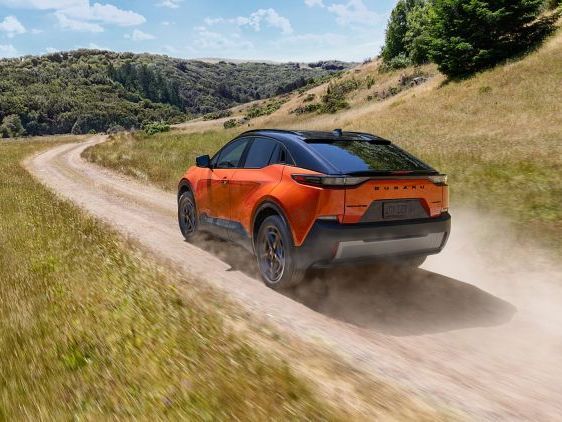
Uncharted is Subaru's first front-wheel-drive car, with a range of up to 482 kilometers.
MichaelJul 18, 2025
View More
Pros
Cons