
Q
Is Jimny good for city driving?
 SweetRemembranceMemoryOct 22, 2025, 05:00 PM
As a compact SUV, the Suzuki Jimny holds its own pretty well for city driving in Malaysia. That 3.7-meter short body is a total lifesaver for squeezing through tight lanes and nailing those tricky parking spots in congested cities like KL. The 1.5L naturally aspirated engine paired with the 4AT gearbox isn't going to win any drag races, but it's got enough low-end torque to handle stop-and-go city traffic without breaking a sweat – though you will notice it drinks a tiny bit more fuel than your average urban SUV.
Let's talk ride quality: the Jimny's body-on-frame construction and solid axle suspension can feel a bit jiggly on smooth tarmac, but that generous ground clearance? It laughs at Malaysia's potholed roads and those annoying temporary roadblocks you find everywhere. A heads-up though – the back seat is pretty snug. It's perfect for 1-2 people commuting daily, but if you're regularly ferrying around a full crew, comfort might take a hit.
Here's where the Jimny really shines, though – off-road capability, which is a huge plus for adventure-loving owners. Weekends up to places like Cameron Highlands or Fraser's Hill? This little rig handles those mountain roads like a champ. Over in the Malaysian market, Jimnys hold their value surprisingly well, and servicing is generally straightforward – just be prepared that original parts can be a touch pricier than your run-of-the-mill city cars.
Special Disclaimer: This content is published by users and does not represent the views or position of PCauto.
Related Q&A
Q
What engine is in the 2024 Suzuki Jimny?
The 2024 Suzuki Jimny continues to be powered by the well-regarded 1.5-liter K15B naturally aspirated four-cylinder gasoline engine. This powerplant features a lightweight aluminum block, delivering 102 horsepower and 130 Nm of peak torque. It's mated to either a 5-speed manual or 4-speed automatic transmission, and comes standard with a part-time 4WD system with low-range gearing, making it suitable for both city commuting and light off-roading. Known for its durability and low maintenance costs, the engine pairs with the Jimny's classic ladder frame and body-on-frame construction, balancing handling stability and terrain capability. What's notable is that despite its small displacement, the short wheelbase and generous ground clearance make it nimble in tight city streets or rough terrain, while the addition of an electronic limited-slip differential further enhances its ability to get out of tricky spots. For those prioritizing fuel efficiency, keeping an eye on the official maintenance recommendations—like using low-viscosity engine oil or maintaining proper tire pressure—can help optimize real-world fuel economy. While there's no hybrid option yet, this powertrain has been market-tested for years and is particularly well-suited to our region's varied driving conditions.
 MindMapperPlannerNov 20, 2025
Q
Is the 2024 Suzuki Jimny a good off-road vehicle?
The 2024 Suzuki Jimny is really a great fit for off-roading. It carries on the Jimny lineup's classic rugged design, with a tough body-on-frame construction, paired with a part-time 4WD system and electronic limited-slip differential, making it a breeze to tackle tricky terrains like mud and sand. Its short wheelbase and good ground clearance also boost its off-road capability. The 1.5-liter naturally aspirated engine might not be the most powerful, but it delivers steady low-end torque, perfect for slow off-road crawling, and it's pretty fuel-efficient too. The interior is simple and functional – the manual handbrake and physical buttons are more direct and reliable when you're out on the trails. To expand a bit, if you're into light to moderate off-roading often, the Jimny's size and agility make it shine on narrow mountain roads or jungle tracks. But if you need to do a lot of highway driving or haul cargo, the space and comfort can feel a bit lacking. Maintenance costs are relatively affordable too, with plenty of parts available, which is good for folks who love outdoor adventures but don't want to spend a fortune. All in all, the 2024 Jimny keeps its traditional strengths in off-road performance and stands as a solid value in entry-level off-roaders.
 SoulSearcherSeekerNov 20, 2025
Q
What engine is in the Jimny 2024?
The 2024 Jimny still packs a 1.5-liter K15B naturally aspirated four-cylinder gasoline engine, cranking out 102 horsepower and 130 Nm of peak torque. It's mated to either a 5-speed manual or 4-speed automatic gearbox. This powertrain is known for its durability and low maintenance costs, making it a solid fit for city commutes and light off-roading. While the power figures aren't exactly head-turning, the Jimny shines off-road thanks to its lightweight body and ladder frame construction. The part-time 4WD system with low-range gearing to multiply torque handles mud, gravel, and other tricky terrains with ease. One thing to note: this engine uses multi-point fuel injection instead of direct injection. Yeah, it's a bit behind the curve on fuel efficiency compared to the latest tech, but it's way more forgiving with lower-quality fuel, which is a big plus in areas where gas station infrastructure is hit-or-miss. If you're craving more power, the turbocharged versions available in some overseas markets might pique your interest, but don't hold your breath for them here anytime soon—emission regulations are probably going to keep them out. For daily use, I'd recommend keeping an eye on your spark plugs and throttle body. With these small-displacement naturally aspirated engines, keeping the intake system clean is key for maintenance.
 HeartHealerComforterNov 20, 2025
Q
How much is the Jimny 2024?
The latest prices for the 2024 Jimny range from approximately 150,000 to 180,000 Ringgit, depending on the trim level and configuration. Exact pricing may vary due to dealer promotions or optional accessories. This model retains the iconic boxy design and robust off-road capabilities, powered by a 1.5L naturally aspirated engine paired with a 4AT transmission, and features the ALLGRIP PRO part-time 4WD system—perfect for outdoor adventure enthusiasts. Notably, the 2024 version has been refined for better sound insulation and suspension comfort while keeping hardcore elements like the ladder frame chassis and three-link rigid axle suspension. As a compact off-roader, it offers great modification potential; local owners often add off-road tires or roof racks. Before purchasing, it’s advisable to test drive at an authorized showroom to experience its unique driving feel and inquire about after-sales warranty policies, which typically cover 5 years or 100,000 kilometers. Fuel economy is moderate, averaging around 12-14L/100km in urban driving, but increases significantly in off-road conditions.
 JonNov 20, 2025
Q
Does Jimny have resale value?
In the Malaysian market, the Suzuki Jimny actually maintains a relatively high resale value as a used car, which is primarily attributed to its unique design, solid off - road capabilities, and relatively limited supply. As a compact, hardcore off - roader, it has no direct local competitors. Plus, with that classic boxy shape and impressive go - anywhere ability, it has a large fan base among off - road enthusiasts and buyers looking for something with personality—so demand for used ones stays steady. The high prices of new cars and long waiting periods also indirectly support the resale values of second - hand vehicles.
Based on actual market data, a 3 - year - old Jimny typically retains about 65% to 75% of its original price, which outperforms city SUVs in the same price bracket. It's worth noting, however, that the actual resale value is influenced by the vehicle's condition, mileage, and any modifications made. Unmodified models with complete factory service records are undoubtedly more in demand in the used car market.
When Malaysian consumers purchase a niche vehicle like this, in addition to considering the resale value, they should also take into account their actual usage scenarios. The on - road comfort and interior space of the Jimny cannot compare with those of mainstream SUVs, however, its off - road capability is second to none among niche vehicles. This unique positioning is precisely what enables it to maintain its value so effectively.
 CheeryLaughterBrightenOct 22, 2025
Q
Where is Jimny built?
The Suzuki Jimny is currently rolling off the production lines at Suzuki's Hamamatsu plant in Japan, and this classic compact off-roader has built a global fanbase – Malaysia included – thanks to its tough-as-nails body-on-frame construction and impressive go-anywhere capabilities. Underpinning that rugged character is a ladder frame chassis paired with a part-time 4WD system, making it a solid fit for Malaysia's diverse landscapes. Whether you're navigating city streets or tackling weekend adventures, the Jimny handles it all with ease.
What really stands out, though, is how this little SUV punches above its weight when the going gets rough. Its generous ground clearance and short wheelbase translate to exceptional off-road articulation, which is a big reason it's a hit for tackling Malaysia's rainforests and rural tracks. For Malaysian buyers, the Jimny's appeal goes beyond just off-road prowess. Its relatively affordable price tag and low running costs are major draws, and when you factor in Suzuki's well-established after-sales network locally, it becomes the perfect pick for folks who want genuine off-road fun without breaking the bank. And in recent years, as Malaysian buyers have shown a growing appetite for more individualistic rides, the Jimny's retro-cool looks and massive potential for customization have only added to its popularity, especially among younger drivers.
 CharmingPersonalityGraceOct 22, 2025
Q
Are Jimny Motors reliable?
The Suzuki Jimny has built a solid fan base among Malaysian drivers, thanks to its tough, no-nonsense design and impressive off-road capabilities – it’s especially well-suited for the country’s varied terrain. This little SUV packs a 1.5L naturally aspirated engine that delivers smooth power while keeping fuel costs in check, and with relatively low maintenance expenses, it’s a smart pick for budget-conscious buyers. When it comes to reliability, the Jimny has a proven track record; its chassis and mechanicals have stood the test of time with minimal issues. That said, its lightweight body does mean some wind noise at highway speeds, and the interior leans more toward practicality than luxury – though for folks who prioritize function over frills, that’s hardly a dealbreaker. The Jimny also holds its value well in Malaysia’s used car market, which speaks volumes about its dependability. If you’re frequently tackling rural roads or light off-roading, the Jimny is definitely worth a look – just remember to keep up with regular servicing to keep it running strong for years to come.
 ButterflyWingGracefulOct 22, 2025
Q
Why is Jimny famous?
The Jimny is renowned for its unique rugged off - road design, reliable performance, and compact, nimble body – traits that make it stand out in Malaysia's varied terrain. As a Suzuki classic, it features a body - on - frame construction, a part - time four - wheel - drive system, and ample ground clearance, enabling it to handle mud, gravel, and even light climbing trails with ease. No wonder it's a hit among off - road enthusiasts and outdoor adventurers.
Then there's its compact size, which is perfect for Malaysia's tight city streets and rural backroads. Coupled with decent fuel efficiency, it achieves a good balance between daily commuting and weekend adventures. In recent years, the Jimny's retro boxy looks have also attracted the attention of fashion - conscious individuals, making it a popular choice for customization and modifications.
Furthermore, its strong resale value in the used car market – a testament to its solid reputation and durability. For Malaysian buyers, the Jimny isn't just a practical off - roader; it's a lifestyle symbol, ideal for drivers who crave freedom and adventure.
 PetalSoftnessBlossomOct 22, 2025
Q
Why was Jimny discontinued?
So, why did the Jimny get the axe in Malaysia? Let's break it down. The main culprit is the ever-tightening global emissions regulations, especially the Euro 6 standards. The third-gen Jimny (JB74) with its 1.5L engine just couldn't keep up with the latest green demands, and Suzuki hasn't rolled out a compliant upgrade specifically for Southeast Asia yet.
On top of that, the Malaysian government's recent tweaks to import duties and certification processes have jacked up the cost of bringing in small off-roaders, chipping away at the Jimny's competitiveness. Don't get me wrong, the Jimny's a total legend among off-road enthusiasts – that short wheelbase and body-on-frame setup are pure off-road DNA. But let's be real, those same traits make it a bit of a handful for daily city driving and not the most fuel-sipper out there.
Now, the fourth-gen Jimny is out in some markets with the necessary updates to meet new rules. But here's the thing: Malaysians are pretty price-sensitive, and the SUV segment is fiercely competitive. So Suzuki's probably hitting pause on bringing it in for now.
If you're a Malaysian off-road fan craving something small but capable, don't despair. Keep an eye on alternatives like the new Toyota Land Cruiser or Mitsubishi Pajero Sport. They've both got the off-road chops and are fully compliant with local regulations.
 SparklingDewdropDreamsOct 22, 2025
Q
Can you daily drive a Jimny?
The Suzuki Jimny is a super popular compact SUV, especially here in Malaysia, where its toughness and off-road chops are widely praised. But whether it’s a good fit as a daily driver really comes down to your personal needs.
On the plus side, the Jimny’s tiny footprint makes it a breeze to zip through tight city streets and squeeze into those impossible parking spots. And let’s not forget that rugged chassis and generous ground clearance—perfect for tackling some of Malaysia’s less-than-perfect road conditions when you venture out of town.
That said, there are trade-offs. The interior space is definitely on the snug side, especially in the back seat and boot. If you’re a family driver or someone who regularly hauls stuff, you might find it a bit limiting. Also, the suspension is on the firm side, and wind noise can get noticeable on longer highway stretches, which might take a toll on comfort.
So, if your daily grind is mostly city commuting with the occasional weekend escape, the Jimny could be a solid pick. But if you’re often ferrying passengers or lugging bulky items, you might want to check out something with more cargo room.
Malaysia’s weather can be pretty unpredictable too, and the Jimny’s 4WD system is a big plus when the rains hit or roads get muddy, giving you that extra stability.
All in all, the Jimny shines for folks who love its unique, boxy style and appreciate its off-road potential. But if comfort and practicality are your top priorities? Definitely take it for a test drive before making up your mind.
 RainbowSpectrumColorsOct 22, 2025
Popular Cars
Model Year
Car Compare
Car Photo
Related Models
 Cars
CarsLatest Q&A
Q
Is AMT similar to automatic?
There are significant differences between AMT transmissions and automatic transmissions (AT) in terms of core structure and driving experience. AMT is essentially an electronically automated version of a manual transmission, simulating manual clutch operation and gear shifting through a computerized control system while retaining the gear set structure of manual transmissions. As a result, it offers higher transmission efficiency, with fuel consumption approximately 8%-12% lower than AT, making it particularly suitable for highway or long-distance driving. However, it may exhibit jerking similar to manual transmissions during low-speed gear shifts, especially noticeable in congested traffic conditions.
AT transmissions rely on torque converters for power transfer, delivering smooth and seamless gear shifts that appeal to comfort-oriented users. However, their complex structure (incorporating planetary gear sets, hydraulic systems, etc.) results in higher maintenance costs. A single service may cost between 800 to 1,500 ringgit, whereas AMT only requires gear oil replacement at approximately 400 ringgit.
From a market perspective, AMT is predominantly used in budget vehicles or commercial models priced below 80,000 ringgit, while AT is typically featured in mid-to-high-end vehicles. Consumers should select based on actual needs: AMT suits those prioritizing fuel efficiency and low maintenance costs, while AT better serves those valuing comfort. Notably, recent advancements in AMT electronic control technology have significantly mitigated jerking issues, though test drives should still emphasize low-speed performance evaluation.
 AriaMar 26, 2026
Q
Which is better, DCT or AT?
DCT (Dual-Clutch Transmission) and AT (Automatic Transmission) each have their own advantages and disadvantages, and the choice should be based on personal driving needs. AT transmissions transfer power through a torque converter, offering excellent shift smoothness, making them suitable for urban commuting or novice drivers. However, they tend to have higher fuel consumption, and vehicles equipped with them are usually more expensive. DCT transmissions utilize a dual-clutch structure, featuring fast shift speeds and high power transmission efficiency, which provides a more direct driving experience—particularly suitable for users seeking a sporty feel. However, they may exhibit jerking at low speeds and have relatively high maintenance costs. If durability and comfort are priorities, AT is the more reliable choice; if power responsiveness and driving pleasure are preferred, wet DCT (such as Volkswagen DSG) performs better, though dry DCT models should be avoided in prolonged stop-and-go traffic conditions. Additionally, CVT transmissions excel in smoothness and fuel efficiency, making them ideal for daily commuting, but they lack driving excitement. It is recommended to test-drive before purchasing, as tuning varies significantly across brands, and real-world experience is more important than theoretical specifications.
 FlutteringMar 26, 2026
Q
Is Amt good or bad?
AMT gearboxes have a significant cost advantage in the local market, typically being around 5,000 Ringgit cheaper than models equipped with conventional automatic transmissions. Their fuel efficiency is comparable to manual transmissions, resulting in long-term fuel savings. Featuring a straightforward design, they achieve transmission efficiency exceeding 90% with relatively low maintenance costs, making them ideal for practicality-oriented consumers. However, their shifting logic contains inherent limitations: gear changes between 1st and 2nd cause 0.3-0.5 second power interruptions, while unintended upshifts on inclines may reduce engine speed by 15%-20%, compromising driving smoothness. For urban commuters or budget-conscious buyers, AMT offers excellent value, though those prioritizing premium driving dynamics should consider alternative transmission types. Some domestic models like the Perodua Axia employ enhanced AMT systems, where optimized shift programming has reduced gearshift shock by approximately 30%.
 RainbowsMar 26, 2026
Q
Which gives better mileage, CVT or AMT?
From the perspective of fuel economy, CVT transmissions generally perform better under urban driving conditions. Their continuously variable design allows the engine to consistently operate within the optimal speed range, significantly reducing fuel consumption during frequent starts and stops. Test data shows that their fuel consumption in urban driving conditions is 10% to 15% lower than that of comparable models. AMT transmissions, on the other hand, inherit the high transmission efficiency of manual transmissions, delivering fuel efficiency close to manual transmissions during high-speed cruising. This makes them particularly suitable for long-distance driving in large-displacement vehicles. However, due to power interruption during gear shifts, their overall fuel consumption may be 5% to 8% higher than CVTs.
The difference in fuel-saving characteristics between the two transmissions stems from their technical principles: CVTs achieve continuous variability through steel belts and pulleys, eliminating the fixed gear ratio limitations of traditional transmissions; AMTs simulate manual gear changes via electronic control systems while maintaining the mechanical efficiency of gear transmission. Notably, actual fuel consumption is also influenced by driving habits. Smooth acceleration and anticipatory deceleration can maximize the transmissions' fuel-saving potential. If the vehicle budget permits and urban commuting is the primary use, CVTs offer a more economical choice. For frequent highway driving with an emphasis on cost-effectiveness, AMTs are equally worth considering.
 RubyBlazeMar 26, 2026
Q
Which is cheaper, AMT or CVT?
In terms of gearbox cost, AMT is usually more economical than CVT. Essentially, AMT is a manual transmission equipped with an electronic control unit, featuring a simple structure and low maintenance costs. The unit price ranges from approximately 5,000 to 8,000 ringgit, making it suitable for budget-conscious consumers or those who prioritize long-term operating costs. CVT incurs higher manufacturing costs due to its precision steel belt transmission system and continuous variable transmission technology, with a unit price of about 7,000 to 10,000 ringgit. However, it delivers a smoother driving experience and superior fuel efficiency. The primary differences between the two lie in technical complexity: AMT retains the gear-shifting mechanism, resulting in noticeable shift shock; CVT achieves linear power output through stepless speed variation but requires periodic belt inspection and incurs higher maintenance expenses. For those prioritizing initial cost and basic transportation needs, AMT offers better value; if comfort and long-term fuel economy are priorities, CVT represents a more worthwhile investment. Note that actual prices may vary based on vehicle model, brand, and local supply chain factors.
 ShadowProwlMar 26, 2026
Related News

The 5 questions you must know before buying a Suzuki Jimny
JamesMar 17, 2026

How to improve the power of Suzuki Jimny?
AshleyNov 27, 2025
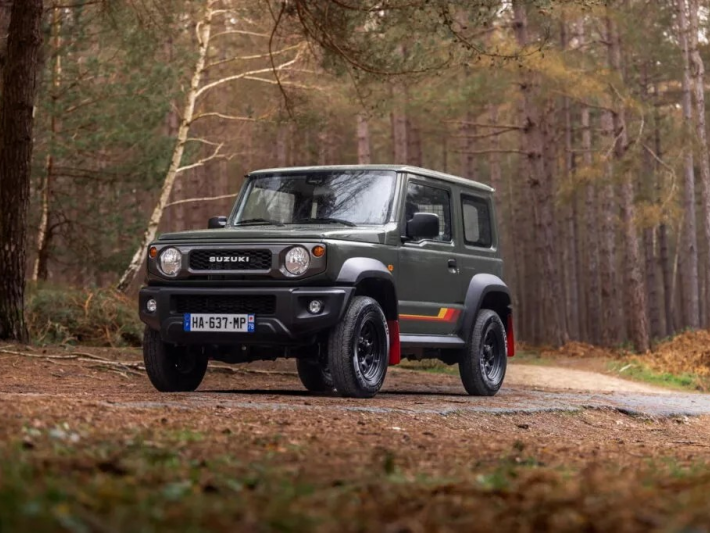
Only 55! Limited-Edition Jimny Coming to France
MichaelJun 20, 2025
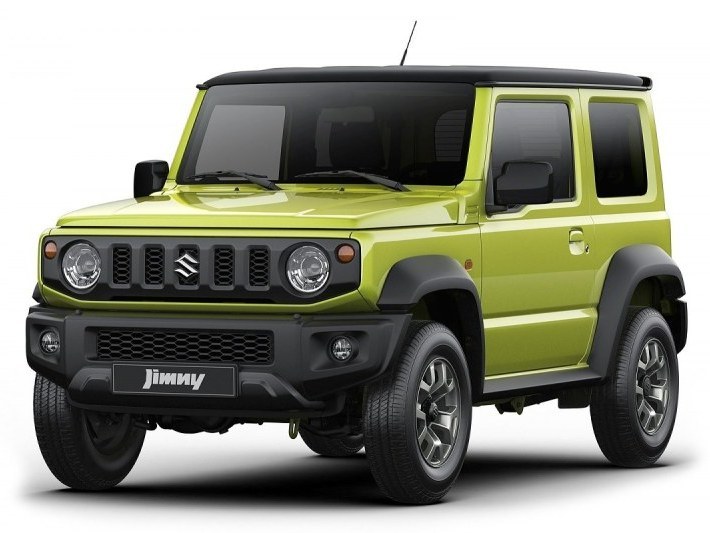
Suzuki Jimny's Trusted 4WD System: Unleash Off-Road Thrills
Kevin WongMay 13, 2025
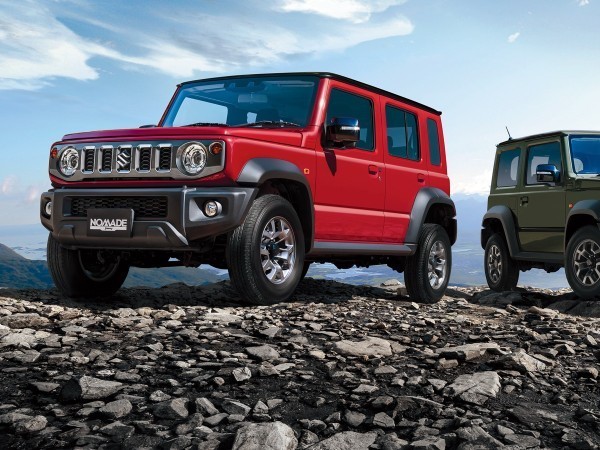
Jimny Nomade Japan released, over 50,000 orders in 4 days, consumers need to wait for 3.5 years
MichaelFeb 5, 2025
View More
Pros
Cons