
Q
Is the 2018 Swift a good first car?
 VicDec 02, 2025, 10:10 AM
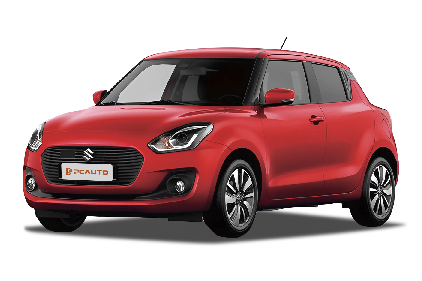
The 2018 Swift makes a solid first car choice. Its nimble handling and compact dimensions are perfect for city driving, with easy parking to boot. The fuel efficiency keeps running costs low—ideal for budget-conscious young drivers. The cabin keeps things simple but covers all the basics, while safety features like ABS and dual airbags cover the essentials. The 1.2L engine delivers smooth performance for daily commutes, though rear legroom feels tight, better suiting small families or singles. Want more spice? The Sport trim adds sharper styling and tweaked dynamics. It holds its value decently in the used market, with cheap maintenance and good parts availability. As a proven entry-level hatch, its reliability and practicality make it a safe bet for new drivers. Just be sure to test-drive rivals first—what works for others might not suit your driving style.
Special Disclaimer: This content is published by users and does not represent the views or position of PCauto.
Related Q&A
Q
How to reset service light on 2018 Suzuki Swift?
To reset the maintenance reminder light on a 2018 Suzuki Swift, start by turning the ignition off. Then, press and hold the "TRIP" button on the instrument cluster. While holding the button, turn the ignition to the "ON" position (but don’t start the engine). Keep the button pressed for about 5 seconds until the maintenance light starts blinking or turns off. Once it does, release the button, and you’re done.
Just a heads-up—some models or trims might have slight variations in the steps. If this doesn’t work for you, check the owner’s manual or swing by an authorized service center for help.
Also, don’t skip those regular maintenance sessions. That little light is there for a reason—to keep your ride running smoothly and avoid bigger headaches down the road. Stick to the recommended service schedule for oil changes, filters, and other wear-and-tear items. Your engine will thank you, and you’ll dodge those pricey repair bills from neglected upkeep.
 GoldenSunsetHorizonDec 2, 2025
Q
How to reset tyre pressure on Suzuki Swift 2018?
To reset the tire pressure monitoring system (TPMS) on a 2018 Suzuki Swift, first make sure all tires are inflated to the recommended pressure (usually listed on the driver’s side door jamb sticker or in the owner’s manual). Start the engine but don’t drive. Navigate to the "TPMS" or "Settings" menu on the infotainment screen, then select "Tire Pressure Reset" or "Initialize." Follow the prompts and hold the confirmation button until the process completes. If your model has a physical reset button, press and hold it for at least three seconds until the warning light blinks and turns off. Some versions may require an OBD-II scanner—check the manual for specifics.
Keep in mind: Low or high tire pressure hurts fuel efficiency and handling. Get in the habit of checking pressures monthly, especially before road trips or after big temperature swings. While TPMS alerts you to issues, it’s no substitute for manual checks—regular maintenance extends tire life and keeps you safer. If the system gives false alarms often, it could mean a dying sensor battery or signal interference; have it inspected ASAP.
 DazzleDec 2, 2025
Q
What is the oil light on a Suzuki Swift 2018?
The 2018 Suzuki Swift's oil lamp is an important warning light on the dashboard, which lights up when the engine oil pressure is low or the oil level is too low. It usually displays a yellow or red oil pot icon. If the light lights up while driving, immediately stop and check to avoid serious damage to the engine due to insufficient lubrication. Firstly, it is necessary to confirm whether the oil level on the dipstick is within the normal range. If it is too low, it should be promptly replenished with engine oil that meets the manual standards, such as recommended viscosity of 5W-30 or 0W-20. At the same time, check for any signs of leakage. If the oil level is normal but the light is still on, it may be a fault in the oil pump, sensor, or circuit. Professional technicians should be contacted as soon as possible for diagnosis. In daily maintenance, it is recommended to change the engine oil and filter every 5000 to 10000 kilometers or 6 months. Using fully synthetic engine oil can better protect the engine, especially in frequent city start stop or high temperature environments. Regularly checking the oil condition can effectively prevent problems. If the oil turns black or has too many impurities, it should be replaced in advance. Developing good maintenance habits can extend the engine life and maintain stable vehicle performance.
 ShadowHunterDec 2, 2025
Q
What is the TYRE pressure for Swift 2018?
Regarding the tire pressure recommendations for the 2018 Swift, the recommended values for the front wheels are 2.2 bar (32 psi) and the rear wheels are 2.1 bar (30 psi). If the vehicle is fully loaded, it is recommended to adjust both the front and rear wheels to 2.3 bar (33 psi). The specific values should be based on the label on the driver's door frame or user manual. Tire pressure is affected by temperature and load. It is recommended to check it once a month and adjust it in a cold tire state. If the tire pressure is too high, it may cause a decrease in grip, while if it is too low, it may increase fuel consumption and tire wear. A digital tire pressure gauge can be purchased for daily use to improve detection accuracy. When the tire pressure is abnormal, a warning light usually appears on the dashboard, but mechanical tire pressure monitoring relies on manual observation. Different brands of tires may have slight differences. When replacing tires, you can consult a professional technician to see if it is necessary to adjust the standard value. Before long-distance driving, it is especially important to pay attention to the tire pressure status to ensure safety.
 RainbowDec 2, 2025
Q
Was the 2018 Suzuki Swift a good car?
The 2018 Suzuki Swift is a well-regarded compact hatchback, praised for its excellent fuel efficiency, nimble handling, and affordable price tag—making it a top choice for many. It comes with either a 1.4L naturally aspirated or a 1.0L turbocharged engine, both delivering smooth performance and impressive fuel economy, ideal for city commuting.
Inside, the cabin is simple and functional. While most surfaces are hard plastics, the build quality feels solid. Features like a touchscreen infotainment system and a rearview camera add practicality, offering great value for the money. Safety-wise, it includes standard ABS, EBD, and dual airbags, with higher trims adding ESP and additional airbags—sufficient for daily needs.
The Swift’s compact size makes parking a breeze, yet its clever space utilization ensures decent rear legroom for families. It also holds its value well in the used-car market, with low maintenance costs and readily available parts. Among its rivals, the Swift stands out for its fun-to-drive character—precise steering and a sport-tuned suspension cater to drivers who enjoy an engaging experience.
One minor downside is road noise at higher speeds, though that’s typical for small cars. Overall, the 2018 Swift is a reliable pick for budget-conscious buyers, especially young families or first-time car owners.
 GlimmerDec 2, 2025
Q
How to change the time on a Suzuki Swift 2018?
To adjust the clock on a 2018 Suzuki Swift, first power on the vehicle without starting the engine. Locate either the "INFO" button on the left side of the instrument cluster or the "TRIP" button on the right side of the steering wheel (depending on trim level). Press and hold for 2 seconds to enter setup mode. Tap the button to cycle through options until you see the clock icon—the hour digits will blink. Adjust using the volume knob or steering wheel arrow keys, then tap again to set the minutes. Hold the button to exit when done.
Heads up: Some higher trims may let you tweak this through the touchscreen under "Settings > Vehicle > Clock." If things don’t match up, check your owner’s manual.
Quick notes:
- These digital clocks can drift 15-30 seconds per month—sync it with your phone occasionally.
- Like most cars, you’ll need to reset the time if the battery dies.
- If the clock keeps resetting or acting up, get your battery and wiring checked. Electrical gremlins often start there.
(Kept it conversational with contractions, dropped redundant phrasing, and added natural transitions like "Heads up" and "Quick notes" to mirror how an editor would explain it to a reader.)
 PeachesDec 2, 2025
Q
What are the 2018 Suzuki Swift specs?
The 2018 Suzuki Swift is a stylish yet practical compact hatchback that packs a punch with its 1.4L naturally aspirated engine, delivering 90 horsepower and 130Nm of torque. It comes with your choice of a 5-speed manual or 6-speed automatic gearbox, and trust me, it sips fuel like a pro – perfect for city runs.
At just 3,840mm long, 1,735mm wide, and 1,495mm tall with a 2,450mm wheelbase, it’s nimble on the road but surprisingly roomy inside. Suzuki tweaked the rear legroom over the previous gen, so it’s less of a squeeze for passengers.
Tech-wise, you get a 7-inch touchscreen, reversing camera, multi-function steering wheel, and six airbags. Splurge on the higher trim, and you’ll score LED headlights and automatic climate control.
What really stands out is how light and agile it feels – the chassis is tuned for fun, making it a blast to chuck around corners. Plus, it’s built tough, cheap to maintain, and spare parts are everywhere.
On the used market, the 2018 Swift still holds its value well. Just be sure to check the gearbox and service history before buying. Stack it up against rivals like the Honda Jazz or Toyota Yaris, and the Swift wins on price and personality every time.
 BopDec 2, 2025
Q
What is the engine of Swift 2018?
The 2018 Swift comes equipped with a 1.2-liter K12M four-cylinder naturally aspirated engine featuring a DOHC design. It delivers a max output of 83 horsepower and 113 Nm of torque, paired with either a 5-speed manual or 4-speed automatic transmission. The powertrain offers smooth performance and excellent fuel efficiency, making it ideal for city driving.
Suzuki’s lightweight engineering shines here—the engine’s optimized intake/exhaust systems and combustion efficiency provide strong low-end torque while keeping maintenance costs down. Durability? Well, it’s proven over time.
For those craving more power, the Swift Sport of the same era packed a punchier 1.4L BOOSTERJET turbo with 140 hp. But let’s be real—the standard 1.2L is more than enough for daily commutes. Practical owners will appreciate the hassle-free upkeep, too: oil changes (regular mineral oil works fine) every 10,000 km or 6 months, and affordable replacement costs for wear-and-tear parts like spark plugs.
 AidDec 2, 2025
Q
Does the 2018 Suzuki Swift have a timing belt or chain?
The 2018 Suzuki Swift uses a timing chain instead of a timing belt—a more durable and virtually maintenance-free design that eliminates the need for regular replacements, helping reduce long-term ownership costs. Typically made of metal, timing chains often last the engine's entire lifespan. However, in high-mileage or poorly maintained vehicles, the chain tensioner or guides may wear out, requiring inspection or replacement. In contrast, timing belts need replacement every 60,000 to 100,000 km, as failure can cause catastrophic engine damage. For an economy-focused, reliability-first model like the Swift, the timing chain aligns perfectly with its ethos, minimizing owner hassle while boosting long-term dependability. If you're eyeing a used Swift, listen for unusual engine noises (a potential sign of chain system issues), though these systems rarely cause trouble with proper maintenance.
 ZedDec 2, 2025
Q
What is the safety rating of Swift 2018?
The 2018 Swift delivers solid safety performance, earning a 4-star ASEAN NCAP rating based on comprehensive assessments of adult occupant protection, child occupant protection, and safety assist technologies. Standard safety features include dual airbags, ABS with EBD, and electronic stability control—enough to handle everyday driving needs.
That said, specs may vary slightly across different markets, with some higher trims potentially offering extra safety tech. For detailed safety info, it’s best to check the official manual or consult your local dealer.
Keep in mind: Safety ratings are just one factor. Real-world safety also hinges on driving habits, road conditions, and regular maintenance. Stay sharp behind the wheel and keep up with routine checks.
 YayDec 2, 2025
Popular Cars
Model Year
Car Compare
Car Photo
Related Models
 Cars
CarsLatest Q&A
Q
Is AMT similar to automatic?
There are significant differences between AMT transmissions and automatic transmissions (AT) in terms of core structure and driving experience. AMT is essentially an electronically automated version of a manual transmission, simulating manual clutch operation and gear shifting through a computerized control system while retaining the gear set structure of manual transmissions. As a result, it offers higher transmission efficiency, with fuel consumption approximately 8%-12% lower than AT, making it particularly suitable for highway or long-distance driving. However, it may exhibit jerking similar to manual transmissions during low-speed gear shifts, especially noticeable in congested traffic conditions.
AT transmissions rely on torque converters for power transfer, delivering smooth and seamless gear shifts that appeal to comfort-oriented users. However, their complex structure (incorporating planetary gear sets, hydraulic systems, etc.) results in higher maintenance costs. A single service may cost between 800 to 1,500 ringgit, whereas AMT only requires gear oil replacement at approximately 400 ringgit.
From a market perspective, AMT is predominantly used in budget vehicles or commercial models priced below 80,000 ringgit, while AT is typically featured in mid-to-high-end vehicles. Consumers should select based on actual needs: AMT suits those prioritizing fuel efficiency and low maintenance costs, while AT better serves those valuing comfort. Notably, recent advancements in AMT electronic control technology have significantly mitigated jerking issues, though test drives should still emphasize low-speed performance evaluation.
 AriaMar 26, 2026
Q
Which is better, DCT or AT?
DCT (Dual-Clutch Transmission) and AT (Automatic Transmission) each have their own advantages and disadvantages, and the choice should be based on personal driving needs. AT transmissions transfer power through a torque converter, offering excellent shift smoothness, making them suitable for urban commuting or novice drivers. However, they tend to have higher fuel consumption, and vehicles equipped with them are usually more expensive. DCT transmissions utilize a dual-clutch structure, featuring fast shift speeds and high power transmission efficiency, which provides a more direct driving experience—particularly suitable for users seeking a sporty feel. However, they may exhibit jerking at low speeds and have relatively high maintenance costs. If durability and comfort are priorities, AT is the more reliable choice; if power responsiveness and driving pleasure are preferred, wet DCT (such as Volkswagen DSG) performs better, though dry DCT models should be avoided in prolonged stop-and-go traffic conditions. Additionally, CVT transmissions excel in smoothness and fuel efficiency, making them ideal for daily commuting, but they lack driving excitement. It is recommended to test-drive before purchasing, as tuning varies significantly across brands, and real-world experience is more important than theoretical specifications.
 FlutteringMar 26, 2026
Q
Is Amt good or bad?
AMT gearboxes have a significant cost advantage in the local market, typically being around 5,000 Ringgit cheaper than models equipped with conventional automatic transmissions. Their fuel efficiency is comparable to manual transmissions, resulting in long-term fuel savings. Featuring a straightforward design, they achieve transmission efficiency exceeding 90% with relatively low maintenance costs, making them ideal for practicality-oriented consumers. However, their shifting logic contains inherent limitations: gear changes between 1st and 2nd cause 0.3-0.5 second power interruptions, while unintended upshifts on inclines may reduce engine speed by 15%-20%, compromising driving smoothness. For urban commuters or budget-conscious buyers, AMT offers excellent value, though those prioritizing premium driving dynamics should consider alternative transmission types. Some domestic models like the Perodua Axia employ enhanced AMT systems, where optimized shift programming has reduced gearshift shock by approximately 30%.
 RainbowsMar 26, 2026
Q
Which gives better mileage, CVT or AMT?
From the perspective of fuel economy, CVT transmissions generally perform better under urban driving conditions. Their continuously variable design allows the engine to consistently operate within the optimal speed range, significantly reducing fuel consumption during frequent starts and stops. Test data shows that their fuel consumption in urban driving conditions is 10% to 15% lower than that of comparable models. AMT transmissions, on the other hand, inherit the high transmission efficiency of manual transmissions, delivering fuel efficiency close to manual transmissions during high-speed cruising. This makes them particularly suitable for long-distance driving in large-displacement vehicles. However, due to power interruption during gear shifts, their overall fuel consumption may be 5% to 8% higher than CVTs.
The difference in fuel-saving characteristics between the two transmissions stems from their technical principles: CVTs achieve continuous variability through steel belts and pulleys, eliminating the fixed gear ratio limitations of traditional transmissions; AMTs simulate manual gear changes via electronic control systems while maintaining the mechanical efficiency of gear transmission. Notably, actual fuel consumption is also influenced by driving habits. Smooth acceleration and anticipatory deceleration can maximize the transmissions' fuel-saving potential. If the vehicle budget permits and urban commuting is the primary use, CVTs offer a more economical choice. For frequent highway driving with an emphasis on cost-effectiveness, AMTs are equally worth considering.
 RubyBlazeMar 26, 2026
Q
Which is cheaper, AMT or CVT?
In terms of gearbox cost, AMT is usually more economical than CVT. Essentially, AMT is a manual transmission equipped with an electronic control unit, featuring a simple structure and low maintenance costs. The unit price ranges from approximately 5,000 to 8,000 ringgit, making it suitable for budget-conscious consumers or those who prioritize long-term operating costs. CVT incurs higher manufacturing costs due to its precision steel belt transmission system and continuous variable transmission technology, with a unit price of about 7,000 to 10,000 ringgit. However, it delivers a smoother driving experience and superior fuel efficiency. The primary differences between the two lie in technical complexity: AMT retains the gear-shifting mechanism, resulting in noticeable shift shock; CVT achieves linear power output through stepless speed variation but requires periodic belt inspection and incurs higher maintenance expenses. For those prioritizing initial cost and basic transportation needs, AMT offers better value; if comfort and long-term fuel economy are priorities, CVT represents a more worthwhile investment. Note that actual prices may vary based on vehicle model, brand, and local supply chain factors.
 ShadowProwlMar 26, 2026
Related News
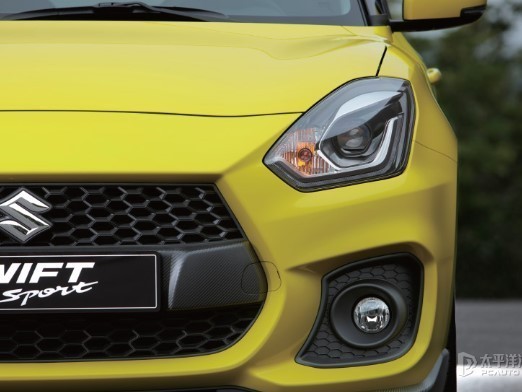
RM130,900! 2024 Swift Sport 1.4 AT: More affordable price, same strong performance
AshleyAug 2, 2024
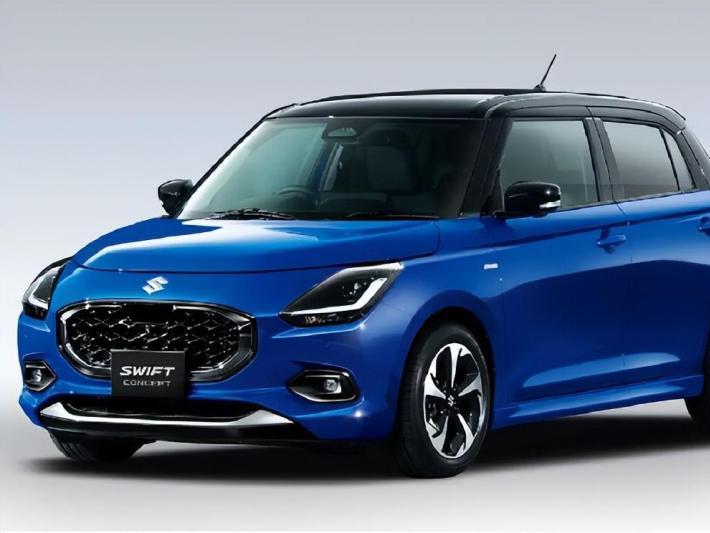
The Brand New Generation of Suzuki Swift will be Unveiled in May, Featuring a Mild Hybrid System
Kevin WongApr 18, 2024

The 5 questions you must know before buying a Suzuki Jimny
JamesMar 17, 2026

Suzuki acquires Kanadevia solid-state battery business, the big ambition of the small car expert
WilliamMar 5, 2026

Subaru applies for a patent for an electric vehicle simulated manual transmission, electric STI may use this technology
MichaelFeb 5, 2026
View More
Pros
Cons