
Q
Is the 2018 VW Golf reliable?
 WildernessDec 04, 2025, 02:31 PM
The 2018 Volkswagen Golf offers above-average reliability, featuring a proven 1.4TSI turbocharged engine paired with a 7-speed DSG dual-clutch transmission. The powertrain delivers smooth performance and decent fuel efficiency, though some owners have reported occasional mechatronic unit issues or low-speed gearbox jerkiness—regular maintenance helps minimize these risks.
The Golf’s well-tuned chassis handles local roads confidently, and its interior upholds Volkswagen’s solid German build quality. That said, the infotainment system can be glitchy at times. While rivals like the Toyota Corolla may have fewer minor quirks, the Golf outshines them in driving dynamics.
If you’re considering one, check the service history and prioritize models with dealership maintenance records. Also, note VW’s warranty coverage—the powertrain typically comes with 5-year protection, which helps offset long-term costs. Bottom line? With proper care and attention to known weak spots, this car remains a compelling choice, especially for drivers who appreciate European road manners.
Special Disclaimer: This content is published by users and does not represent the views or position of PCauto.
Related Q&A
Q
Does the 2018 Golf have a timing belt or chain?
The 2018 Volkswagen Golf uses a timing chain instead of a timing belt. This design offers better durability and typically doesn't require regular replacements like a belt—theoretically, it can last the engine's entire lifespan. That said, it's wise to periodically check the chain tensioner and guides for wear to ensure proper operation.
Compared to belts, timing chains handle high-temperature, high-pressure engine conditions better. They might be slightly noisier, but they’re more reliable, which is why many manufacturers now favor them.
Maintenance-wise, while the chain itself is long-lasting, always follow the factory-recommended service intervals. Using the right oil is crucial—cheap or low-quality oil can cause premature chain wear. If you're looking at a used Golf, listen for unusual engine noises, as that could signal the chain system needs attention. Overall, with proper care, this setup delivers solid, trouble-free performance.
 SunshineDayHappyDec 5, 2025
Q
What kind of engine does the 2018 Golf have?
The 2018 Golf offered a range of engine options depending on trim levels. Buyers could choose from the peppy 1.0L TSI turbocharged three-cylinder (115 hp), the well-balanced 1.5L TSI turbo-four (150 hp), or the more performance-oriented 2.0L TSI (220 hp in the GTI). Diesel fans got the 2.0L TDI (150 hp), paired with either a 6-speed manual or VW's slick 7-speed DSG dual-clutch transmission.
All engines featured direct injection and turbocharging for a great mix of power and efficiency. The 1.5L TSI even came with cylinder deactivation, shutting down two cylinders under light loads to save fuel. For those who wanted more excitement, the GTI's high-output 2.0T paired with a sport-tuned chassis delivered a properly engaging drive.
The Golf's engine lineup showcased Volkswagen's expertise in small-displacement efficiency without sacrificing performance—whether for city commutes or highway cruising. Plus, maintenance costs remained reasonable, and parts were easy to come by.
 MusicianNoteDec 5, 2025
Q
What is the resale value of a 2018 Golf?
The used value of a 2018 Volkswagen Golf depends on factors like condition, mileage, trim level, and service history, typically ranging between RM70k to RM100k. Prices vary across models—whether it's a 1.4 TSI or a GTI—with well-maintained, low-mileage examples holding their value best.
As a classic hatchback with German engineering and sharp handling, the Golf enjoys steady demand in the used market, especially when backed by full service records. However, watch out for maintenance costs—its turbocharged engine and advanced tech mean pre-purchase checks on the transmission and electronics are a must. Also, look for aftermarket mods, which can hurt resale and void warranties.
Sticking to factory-recommended servicing and genuine parts helps preserve value. For peace of mind, consider certified pre-owned (CPO) programs—they often include extended warranties and rigorous inspections.
 JourneyDec 5, 2025
Q
Is the 2018 Golf fun to drive?
The 2018 Golf is genuinely a fun-to-drive hatchback. Its 1.4L TSI turbocharged engine delivers smooth and responsive power, paired perfectly with the lightning-fast 7-speed DSG dual-clutch transmission. Whether you're commuting in the city or carving through mountain roads, this combo never fails to put a smile on your face.
The sport-tuned chassis shines with precise steering and excellent stability, giving you real confidence when tackling corners. Inside, you'll find a no-nonsense cabin built with quality materials. The standard infotainment system is snappy and comes with Apple CarPlay and Android Auto – dead useful for daily driving. Plus, the Golf stays surprisingly quiet even at highway speeds.
If you're into compact hot hatches, the Golf's driving dynamics are hard to beat in its class. While the GTI version takes things to another level of sportiness, the standard model already delivers more than enough thrills for most drivers. It's also a smart used buy – these things hold their value well, and maintenance won't break the bank. Solid choice all around.
 OceanicDec 5, 2025
Q
What generation is a 2018 Golf?
The 2018 Volkswagen Golf represents the seventh-generation model (Mk7), built on Volkswagen's MQB platform (internal codename). This generation debuted in 2012 and received a mid-cycle refresh in 2016 (often called the Mk7.5 facelift), with the 2018 model year reflecting these updates.
The Mk7 Golf features sharper exterior styling and a more tech-focused interior, including standard digital instrument clusters. Powertrain options varied by market, with choices like the 1.4TSI and 2.0TSI gasoline engines, 1.6TDI and 2.0TDI diesel units, plus the e-Golf electric version in select regions.
As a benchmark for the brand, the seventh-gen Golf maintained a balanced mix of driving dynamics and practicality. The facelift brought revised suspension tuning, improved noise insulation, and added advanced safety tech like adaptive cruise and automatic emergency braking.
Worth noting: While the eighth-generation Golf launched in 2019, some markets continued selling remaining Mk7 inventory—making the 2018 model a late-production example with proven reliability. For exact specs, always check the local market’s original documentation, as equipment varied by region.
 SapphireDec 5, 2025
Q
Are 2018 golfs reliable?
The 2018 Volkswagen Golf delivers solid overall reliability, with its proven 1.4TSI and 2.0TDI powertrains showing low failure rates. The 7-speed DSG transmission, after years of refinement, has notably improved in durability. Most reported issues involve occasional infotainment system glitches and some owner complaints about sunroof drain tube clogging leading to minor leaks—both preventable with regular maintenance.
The Golf stands out in its class with well-tuned suspension and above-average interior finish, plus it holds its value decently on the used market. For budget-conscious buyers, we’d recommend prioritizing pre-owned units with full service records and paying extra attention to the turbocharged system and mechatronic unit. If you prioritize bulletproof reliability over performance, the naturally aspirated Golf Variant (though less peppy) offers lower maintenance costs.
Stick to factory service intervals and use approved engine oil to maximize longevity—this hatchback handles city commutes and highway trips with equal ease. All things considered, it’s a smart pick in the compact segment.
 NatureDec 5, 2025
Q
What is the fuel consumption of the 2018 Golf?
The 2018 Volkswagen Golf delivers varying fuel efficiency across different powertrain options. The 1.4L TSI turbocharged gasoline model achieves a combined cycle of around 5.4L/100km, while the 1.8L TSI version is slightly thirstier at 6.7L/100km. Diesel fans will appreciate the 2.0L TDI's impressive 4.5L/100km rating – though your real-world numbers may vary depending on driving style and road conditions.
Built on VW's MQB modular platform, the Golf combines lightweight engineering with efficient drivetrains to maximize mileage. Its selectable drive modes further optimize fuel economy by tweaking throttle response and shift patterns.
Pro tip for efficiency-minded owners: Stick to the maintenance schedule – timely air filter and spark plug replacements keep the engine running sweet. Proper tire pressure matters too, as underinflated rubber increases rolling resistance. If you're constantly battling stop-and-go traffic, opt for the automatic start-stop equipped variant; it kills the engine at standstill to curb unnecessary fuel burn.
 HappyDec 5, 2025
Q
What is the range of the Golf 2018?
The 2018 Golf offers varying range performance depending on its powertrain. The gasoline-powered 1.4 TSI, for instance, delivers around 700-800 km on a full tank under mixed driving conditions—actual figures depend on driving style and road conditions. Meanwhile, the diesel 1.6 TDI, with its efficient combustion tech, can stretch up to roughly 1,000 km, making it ideal for long hauls.
As for the all-electric e-Golf, its NEDC-rated range sits between 190-230 km, better suited for urban commuting. To maximize efficiency, stick to routine maintenance like timely air filter changes and proper tire pressure. Smooth acceleration and avoiding sustained high speeds also help squeeze out extra mileage.
Known for its balanced performance, the 2018 Golf keeps Volkswagen’s signature chassis tuning and practicality intact. It’s a solid pick for drivers who value both driving dynamics and day-to-day economy—just weigh your commute needs against fuel efficiency and power preferences when choosing.
 LivelyDec 5, 2025
Q
Is 2018 golf reliable?
The 2018 Volkswagen Golf delivers solid overall reliability. Its 1.4TSI and 2.0TSI engines are proven units with stable power delivery, while the 7-speed DSG dual-clutch transmission has seen noticeable improvements in smoothness and durability over the years—perfect for daily commuting. The interior feels well-built and comes generously equipped with practical features like automatic climate control, the infotainment touchscreen, and Apple CarPlay.
That said, maintenance history is crucial for used examples. The DSG gearbox and turbocharged engines require regular attention, but with proper care, this hatchback proves surprisingly hassle-free. The Golf also impresses with its rigid body structure and nimble handling, making it ideal for city driving. While rear seat space isn't class-leading, it's adequate for small families. Resale values remain strong in its segment too.
Bottom line? The 2018 Golf strikes a great balance between practicality and driving enjoyment. Stay on top of servicing, and it'll deliver dependable performance mile after mile.
 CharmDec 5, 2025
Q
What is the fuel economy of a 2018 Golf?
The 2018 Golf's fuel efficiency varies by model and powertrain. The 1.4L TSI turbocharged petrol version delivers around 7.8L/100km in city driving, dropping to 5.5L/100km on highways, with a combined cycle of roughly 6.2L/100km. The diesel 1.6L TDI is even more economical, achieving as low as 4.5L/100km combined.
Real-world figures depend on driving style, road conditions, and maintenance—so keep up with servicing for optimal performance. As a classic hatchback, the Golf's efficient engines and compact design strike a great balance between fuel economy and driving dynamics, making it equally suited for urban commutes and longer journeys.
For those wanting to cut fuel bills further, hybrid or electric models (increasingly popular these days) could be worth considering.
 GraceDec 5, 2025
Popular Cars
Model Year
Car Compare
Car Photo
Related Models
 Cars
CarsLatest Q&A
Q
Is AMT similar to automatic?
There are significant differences between AMT transmissions and automatic transmissions (AT) in terms of core structure and driving experience. AMT is essentially an electronically automated version of a manual transmission, simulating manual clutch operation and gear shifting through a computerized control system while retaining the gear set structure of manual transmissions. As a result, it offers higher transmission efficiency, with fuel consumption approximately 8%-12% lower than AT, making it particularly suitable for highway or long-distance driving. However, it may exhibit jerking similar to manual transmissions during low-speed gear shifts, especially noticeable in congested traffic conditions.
AT transmissions rely on torque converters for power transfer, delivering smooth and seamless gear shifts that appeal to comfort-oriented users. However, their complex structure (incorporating planetary gear sets, hydraulic systems, etc.) results in higher maintenance costs. A single service may cost between 800 to 1,500 ringgit, whereas AMT only requires gear oil replacement at approximately 400 ringgit.
From a market perspective, AMT is predominantly used in budget vehicles or commercial models priced below 80,000 ringgit, while AT is typically featured in mid-to-high-end vehicles. Consumers should select based on actual needs: AMT suits those prioritizing fuel efficiency and low maintenance costs, while AT better serves those valuing comfort. Notably, recent advancements in AMT electronic control technology have significantly mitigated jerking issues, though test drives should still emphasize low-speed performance evaluation.
 AriaMar 26, 2026
Q
Which is better, DCT or AT?
DCT (Dual-Clutch Transmission) and AT (Automatic Transmission) each have their own advantages and disadvantages, and the choice should be based on personal driving needs. AT transmissions transfer power through a torque converter, offering excellent shift smoothness, making them suitable for urban commuting or novice drivers. However, they tend to have higher fuel consumption, and vehicles equipped with them are usually more expensive. DCT transmissions utilize a dual-clutch structure, featuring fast shift speeds and high power transmission efficiency, which provides a more direct driving experience—particularly suitable for users seeking a sporty feel. However, they may exhibit jerking at low speeds and have relatively high maintenance costs. If durability and comfort are priorities, AT is the more reliable choice; if power responsiveness and driving pleasure are preferred, wet DCT (such as Volkswagen DSG) performs better, though dry DCT models should be avoided in prolonged stop-and-go traffic conditions. Additionally, CVT transmissions excel in smoothness and fuel efficiency, making them ideal for daily commuting, but they lack driving excitement. It is recommended to test-drive before purchasing, as tuning varies significantly across brands, and real-world experience is more important than theoretical specifications.
FlutteringMar 26, 2026Q
Is Amt good or bad?
AMT gearboxes have a significant cost advantage in the local market, typically being around 5,000 Ringgit cheaper than models equipped with conventional automatic transmissions. Their fuel efficiency is comparable to manual transmissions, resulting in long-term fuel savings. Featuring a straightforward design, they achieve transmission efficiency exceeding 90% with relatively low maintenance costs, making them ideal for practicality-oriented consumers. However, their shifting logic contains inherent limitations: gear changes between 1st and 2nd cause 0.3-0.5 second power interruptions, while unintended upshifts on inclines may reduce engine speed by 15%-20%, compromising driving smoothness. For urban commuters or budget-conscious buyers, AMT offers excellent value, though those prioritizing premium driving dynamics should consider alternative transmission types. Some domestic models like the Perodua Axia employ enhanced AMT systems, where optimized shift programming has reduced gearshift shock by approximately 30%.
 RainbowsMar 26, 2026
Q
Which gives better mileage, CVT or AMT?
From the perspective of fuel economy, CVT transmissions generally perform better under urban driving conditions. Their continuously variable design allows the engine to consistently operate within the optimal speed range, significantly reducing fuel consumption during frequent starts and stops. Test data shows that their fuel consumption in urban driving conditions is 10% to 15% lower than that of comparable models. AMT transmissions, on the other hand, inherit the high transmission efficiency of manual transmissions, delivering fuel efficiency close to manual transmissions during high-speed cruising. This makes them particularly suitable for long-distance driving in large-displacement vehicles. However, due to power interruption during gear shifts, their overall fuel consumption may be 5% to 8% higher than CVTs.
The difference in fuel-saving characteristics between the two transmissions stems from their technical principles: CVTs achieve continuous variability through steel belts and pulleys, eliminating the fixed gear ratio limitations of traditional transmissions; AMTs simulate manual gear changes via electronic control systems while maintaining the mechanical efficiency of gear transmission. Notably, actual fuel consumption is also influenced by driving habits. Smooth acceleration and anticipatory deceleration can maximize the transmissions' fuel-saving potential. If the vehicle budget permits and urban commuting is the primary use, CVTs offer a more economical choice. For frequent highway driving with an emphasis on cost-effectiveness, AMTs are equally worth considering.
 RubyBlazeMar 26, 2026
Q
Which is cheaper, AMT or CVT?
In terms of gearbox cost, AMT is usually more economical than CVT. Essentially, AMT is a manual transmission equipped with an electronic control unit, featuring a simple structure and low maintenance costs. The unit price ranges from approximately 5,000 to 8,000 ringgit, making it suitable for budget-conscious consumers or those who prioritize long-term operating costs. CVT incurs higher manufacturing costs due to its precision steel belt transmission system and continuous variable transmission technology, with a unit price of about 7,000 to 10,000 ringgit. However, it delivers a smoother driving experience and superior fuel efficiency. The primary differences between the two lie in technical complexity: AMT retains the gear-shifting mechanism, resulting in noticeable shift shock; CVT achieves linear power output through stepless speed variation but requires periodic belt inspection and incurs higher maintenance expenses. For those prioritizing initial cost and basic transportation needs, AMT offers better value; if comfort and long-term fuel economy are priorities, CVT represents a more worthwhile investment. Note that actual prices may vary based on vehicle model, brand, and local supply chain factors.
 ShadowProwlMar 26, 2026
Related News
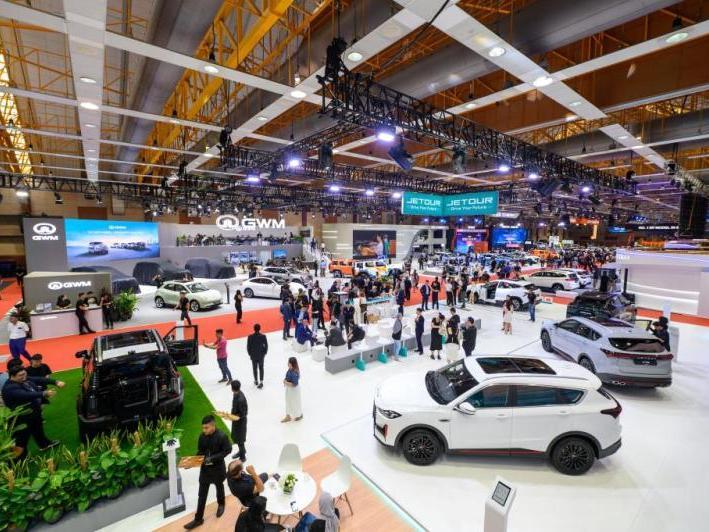
Summarizing the 2025 Malaysia Auto Show, a large number of new cars were launched in Malaysia this year.
MichaelMay 12, 2025
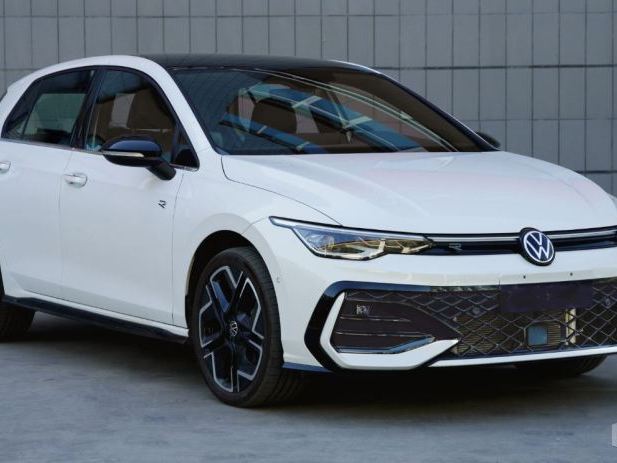
New Volkswagen Golf Series Declaration Picture Exposed!
AshleyJun 14, 2024

Volkswagen Tayron may enter Malaysia in the future to replace Tiguan Allspace
WilliamJan 27, 2026

Volkswagen ID. UNYX 08 debuted, featuring Xpeng intelligent technology for the first time
JohnDec 24, 2025

Because of lack of funds to upgrade the factory, Volkswagen postponed the release of ID.Golf and ID.Roc
JamesSep 17, 2025
View More
Pros
Cons