
Q
Is the 2024 Golf GTI fast?
 LilySep 12, 2025, 05:53 PM
The 2024 Golf GTI is indeed a high - performing vehicle. It's equipped with a 2.0 - liter turbocharged engine that can deliver a maximum power of around 245 horsepower and a peak torque of around 370 Nm. It comes with either a 7 - speed dual - clutch transmission or a 6 - speed manual transmission. The 0 - 100 km/h acceleration takes only about 6.3 seconds. For drivers in Malaysia, this kind of power performance can provide plenty of driving pleasure, whether on city roads or highways.
In addition, the 2024 Golf GTI is also fitted with a sport - tuned chassis and an electronic differential lock, which further enhance the handling stability. It's very suitable for the winding mountain roads and wet road conditions in Malaysia.
It's worth mentioning that the GTI series has always been known for its balanced performance and practicality. The 2024 model has also been upgraded in terms of interior and technology features, such as a digital cockpit and more advanced safety assistance systems, making it not only fast but also smarter and safer.
If you're looking for a popular hatchback that combines daily practicality and sporty performance in Malaysia, the 2024 Golf GTI is undoubtedly a choice worthy of consideration.
Special Disclaimer: This content is published by users and does not represent the views or position of PCauto.
Related Q&A
Q
What turbo does a 2019 GTI have?
The 2019 GTI is powered by Volkswagen Group's third-generation EA888 2.0T turbocharged engine, paired with an IS20 turbocharger. This single-scroll turbo delivers a max boost pressure of around 1.2 bar, pushing out 228 horsepower and 350 Nm of torque with sharp throttle response.
What sets this turbo apart is its electronically controlled wastegate—more precise than traditional mechanical ones at managing boost levels. The optimized turbine blades also help reduce lag, delivering smoother power at low RPMs. Another smart touch: the turbo sits close to the exhaust manifold, using exhaust heat to spool up faster. Combined with direct injection, this setup boosts fuel efficiency.
For modders, the IS20 has solid potential. A simple ECU tune can unlock extra power, but be careful—cranking up the boost too high might shorten its lifespan. Always consult a pro before tweaking. And for daily drivers? Stick to quality synthetic oil and regular turbo maintenance to keep it running strong for years.
 CascadingWaterDec 8, 2025
Q
What is the top speed of the 2019 Golf GTI?
The 2019 Golf GTI tops out at 250 km/h due to its electronic speed limiter, though its actual performance potential is higher. Powered by a 2.0-liter turbocharged four-cylinder pumping out 228 hp and 350 Nm of torque, it hits 0-100 km/h in 6.3 seconds whether equipped with the 7-speed DSG or 6-speed manual.
Staying true to the GTI’s sporty DNA, it features front-wheel drive with a VAQ limited-slip differential to curb torque steer, while the sport-tuned suspension and progressive steering sharpen cornering. Remove the limiter, and you might see around 265 km/h flat-out—though what really matters daily is its punchy mid-range acceleration, especially when overtaking between 80-120 km/h.
Tuners often push these hot hatches beyond 300 hp with just an ECU flash, but keep the stock cooling system for reliability. In hot climates, pay extra attention to cooling efficiency, and regular checks on transmission fluid and brakes help maintain peak performance.
 DriverRouteDec 8, 2025
Q
What engine does a 2019 Golf GTI have?
The 2019 Golf GTI is powered by Volkswagen Group's third-generation EA888 2.0-liter turbocharged inline-four gasoline engine, featuring direct fuel injection. It delivers a solid 228 horsepower and 350 Nm of torque, paired with either a 6-speed manual or a 7-speed DSG dual-clutch transmission. The sprint from 0-100 km/h takes just around 6.3 seconds.
Known for its sharp throttle response and decent fuel efficiency, the EA888 engine packs advanced tech like an integrated exhaust manifold and dual variable valve timing, which help optimize thermal management and smooth out power delivery. Fun fact: This engine also underpins several other performance models in VW's lineup, with higher output available in different tunes. Owners can legally squeeze out more performance via ECU remaps—just keep an eye on the factory warranty terms.
On the road, this engine, combined with the GTI's classic front-wheel-drive setup and sport-tuned suspension, makes for an engaging drive. The sensible displacement keeps running costs reasonable, and since it shares most service parts with regular Golf models, long-term ownership won’t break the bank.
 SailorAdventureOceanDec 8, 2025
Q
Does the 2019 Golf GTI have a timing belt or chain?
The 2019 Golf GTI uses a timing chain instead of a timing belt—a design that offers better durability and lower maintenance costs. Typically, a chain lasts as long as the engine itself and rarely needs replacement, whereas a belt requires inspection or replacement every 60,000 to 100,000 km. If neglected, a worn belt can snap and cause severe engine damage.
VW’s EA888 engine family has long relied on chain-driven systems, which are relatively quiet and highly reliable. That said, it’s crucial to periodically check the tensioner’s condition. Some earlier models experienced timing issues due to tensioner design flaws, but this was addressed in the 2019 version.
For performance enthusiasts, a chain system handles high-revving stress better, making it a common choice for hot hatches like the GTI. For daily driving, just stick to VW 50400/50700-spec oil as recommended in the manual—proper lubrication keeps the chain system healthy long-term.
One heads-up: If you hear noticeable metallic rattling near the front of the engine, have the guides or tensioner inspected ASAP. Unlike the telltale belt squeal before failure, this noise is a classic sign of chain-related wear.
 MoonlitSerenadeDec 5, 2025
Q
What is the recall on the 2019 GTI?
The 2019 Volkswagen Golf GTI was subject to a safety recall addressing two potential issues. First, the fuel pump control unit software could malfunction, potentially causing engine stalling in rare cases. Second, some vehicles might have rear suspension stabilizer link bolts that weren't tightened to specification, posing a loosening risk. Owners can visit authorized dealers for free software updates or bolt retightening.
These proactive recalls demonstrate Volkswagen's commitment to safety. Dealers often handle outstanding recall items during routine maintenance.
For performance-oriented models like the GTI, it's wise to go beyond recall checks. Pay close attention to the turbo system, DSG transmission fluid, and brake wear—these components endure more stress during spirited driving. If warning lights appear or you notice unusual noises, get a professional inspection promptly. Keeping the car in top shape ensures you can fully enjoy its dynamic capabilities.
 MusicianNoteMelodyDec 5, 2025
Q
Does the 2019 GTI require premium gas?
The 2019 GTI does recommend using high-octane fuel (typically RON 95 or above). Its 2.0L turbocharged engine has a relatively high compression ratio, and premium gas ensures optimal performance while reducing knock risk. It also helps maintain engine cleanliness and long-term reliability.
While the car may tolerate lower-octane fuel (like RON 92), you’d see slightly reduced power output and fuel efficiency. Over time, it could also affect engine longevity. Turbocharged engines are particularly sensitive to octane ratings since turbos generate higher heat and pressure—high-octane fuel handles these conditions better.
Mixing different fuel grades occasionally won’t hurt, but sticking to the manufacturer’s recommendation is ideal. Also, periodic fuel additive treatments can help clean carbon buildup, especially for direct-injection engines.
One more thing: even with the same octane rating, fuel additive packages vary by brand. So, picking a reputable gas station matters too.
 FlutteringButterflyDec 5, 2025
Q
How long will a 2019 GTI last?
The lifespan of a 2019 GTI largely depends on maintenance and driving habits. With regular oil changes, transmission fluid replacements, and avoiding aggressive driving, it can easily clock over 200,000 kilometers—or even more. Its 2.0T engine and DSG gearbox are proven combos, and as long as you stick to the factory service schedule, mechanical reliability won’t be an issue.
Just keep in mind: turbocharged engines demand extra care. Always use the right spec full-synthetic oil and monitor the cooling system. Climate plays a role too—hot, humid conditions mean paying extra attention to rubber seals and electronics. Every 50,000 km, have the timing chain and high-pressure fuel pump inspected (key items for turbos).
Driving style matters. Don’t redline it constantly, and let the engine warm up properly after cold starts. Rustproofing helps long-term durability, so regular underbody washes are smart. Nail these details, and this car’s built to last.
 DriverRouteTravelDec 5, 2025
Q
How fast is the 2019 GTI?
The 2019 GTI truly delivers when it comes to performance. Under the hood lies a punchy 2.0-liter turbocharged four-cylinder, churning out 228 horsepower and 350 Nm of torque. Whether you opt for the engaging 6-speed manual or the lightning-fast 7-speed DSG, this hot hatch rockets from 0-100 km/h in just 6.3 seconds, with an electronically limited top speed of 250 km/h.
What really sets the GTI apart is its razor-sharp handling. The sport-tuned suspension and electronic differential lock work together to deliver precise steering and rock-solid cornering stability. It’s the perfect blend of everyday practicality and proper driver’s car thrills—a well-rounded hot hatch in every sense.
For enthusiasts, the GTI’s tuning potential is massive. Many owners go for ECU remaps or intake/exhaust upgrades to squeeze out even more power. Just remember to keep things street-legal—safety and compliance should always come first. Around here, these pocket rockets have a solid following, and it’s easy to see why.
 HikerTrailNatureDec 5, 2025
Q
Is the 2019 Golf GTI expensive to maintain?
The 2019 Golf GTI's maintenance costs sit on the higher end of the spectrum for hot hatches in its class. While its 1.4T or 2.0T turbocharged engines are proven, being a German car, OEM parts and labor will run slightly higher than Japanese equivalents. A basic oil and filter change costs around RM500-700, while major services can exceed RM1,500. The DSG dual-clutch transmission requires fluid changes every 60,000 km - another added expense.
That said, its maintenance intervals are more forgiving at every 15,000 km or annually, working out cheaper than some Japanese rivals with 10,000 km schedules. Opting for third-party certified workshops can slash costs by about 30%, but keep full service records to protect resale value.
One thing to note: those 225/40 R18 performance tires (RM800-1,200 per piece) wear quicker than regular rubber. Pro tip - join local GTI owner groups; members often share discounted maintenance channels and group buys for mods. At the end of the day, you can't just measure running costs in ringgit - the driving thrill and community culture are part of the ownership experience too.
 BuddyTimeDec 5, 2025
Q
Is the 2019 Golf GTI reliable?
The 2019 Golf GTI has proven to be pretty reliable overall. Its 2.0T EA888 engine is a well-proven unit with stable power delivery, and the DSG dual-clutch transmission has seen noticeable improvements in smoothness and durability after years of refinement. With proper maintenance and normal driving, you're unlikely to run into major issues.
That said, since it's a performance-oriented hot hatch, frequent aggressive driving could speed up wear on certain components—like the braking system and suspension parts—so regular check-ups are recommended.
For those interested, the GTI is a classic hot hatch with sharp handling and great tuning potential. There are plenty of local shops offering solid upgrade options, from simple intake/exhaust mods to ECU tuning. Plus, its interior quality and tech features stand out in its class, especially the digital cockpit and infotainment system.
If you plan to keep it long-term, look for examples with full service history and stick to scheduled oil and transmission fluid changes—it’ll go a long way in keeping things trouble-free.
 MoonlightNightDec 5, 2025
Popular Cars
Model Year
Car Compare
Car Photo
Related Models

 Cars
CarsLatest Q&A
Q
How much does it cost to buy a 2024 Tesla Model 3?
The 2024 Tesla Model 3 starts at around RM 175,000, but the final price depends on your chosen configuration and add-ons. Opt for the Long Range or Performance version, and you’re looking at a higher tag.
As Tesla’s entry-level model, it packs cutting-edge EV tech, including 500+ km of range on a single charge and standard Autopilot for both daily commutes and road trips. Just keep in mind extra costs like insurance, registration, and potential home charger installation.
Tesla’s Supercharger network is expanding locally, with solid coverage in major cities, making charging hassle-free. Maintenance costs? Typically lower than gas cars—no oil changes, fewer moving parts—so long-term savings add up.
If you’re after more thrills, the Performance variant hits 0-100 km/h in roughly 3 seconds. Plus, government EV tax perks help soften the upfront cost.
 DesignerArtCreationDec 11, 2025
Q
How reliable is the 2024 Model 3?
The 2024 Model 3 delivers solid reliability, thanks to Tesla’s continuous software updates and hardware refinements. Key areas like the battery management system and Autopilot have seen multiple optimizations, leading to a noticeable drop in failure rates.
This model features a stiffer body structure and an improved suspension setup, offering a smoother ride. Upgraded interior materials also help reduce cabin rattles—a common gripe with earlier builds.
EV maintenance costs remain low (no oil changes, etc.), though it’s wise to periodically check battery health and charging components for long-term performance. For shoppers eyeing EVs, charging infrastructure and home charging options matter—thankfully, public chargers are expanding fast, making daily use more convenient.
If you frequently road-trip, planning charging stops ahead helps. While the range easily handles daily drives, a little route prep goes a long way in maximizing the experience.
 PilotDec 11, 2025
Q
What is the battery range of the Tesla Model 3 2025?
The battery range of Tesla Model 3 2025 is expected to be optimized based on existing models, and specific data needs to be released officially. However, referring to the EPA range of the 2024 rear wheel drive version, which is about 438 kilometers, and the high-performance version, which is about 513 kilometers, the 2025 model may further improve, especially in terms of battery technology or energy efficiency management. For electric vehicles, the range is greatly affected by driving habits, road conditions, and climate. Air conditioning may slightly reduce the range in hot weather, but the battery thermal management system can usually maintain stable performance. In terms of charging, Model 3 supports super fast charging, which can replenish about 250 kilometers of range in about 15 minutes, while home charging stations require 6-8 hours to fully charge. Daily commuting or long-distance travel are practical enough, it is recommended to follow Tesla's official website or local showroom for the latest information.
 QuirkyDec 11, 2025
Q
Is the 2024 Model 3 worth the price?
The 2024 Model 3 strikes an impressive balance between price and performance. Its upgraded range, more refined interior, and enhanced autonomous driving features genuinely boost its competitiveness—especially for tech-savvy, eco-conscious buyers.
Tesla optimized the battery efficiency this time around, making it suitable for both daily commutes and longer trips, while the handling stays true to the brand’s signature responsiveness. If your budget allows and you’re open to EVs, this one’s worth considering—though a test drive is wise to see if it matches your driving style.
That said, local charging access matters. While public chargers are becoming more common, home installation costs should factor into your budget. Alternatives in this price range exist, so cross-shop specs and service policies (like warranty coverage or charging network support) to make a well-rounded decision.
 SweetDec 11, 2025
Q
How many miles does a 2024 Tesla Model 3 get?
The 2024 Tesla Model 3 offers varying range figures depending on configuration. The rear-wheel-drive (RWD) version delivers an EPA-estimated 272 miles (approx. 438 km), while the all-wheel-drive Long Range model pushes that to around 341 miles (roughly 549 km). Real-world range may vary slightly based on driving style, road conditions, and climate.
As a pure EV, the Model 3 achieves this efficiency thanks to its advanced battery management system and lightweight design. It also supports fast charging—at a Tesla Supercharger, you can add up to 200 km of range in about 15 minutes. Whether for daily commutes or longer trips, that’s more than enough for most drivers, especially with charging infrastructure becoming more widespread.
If you need to maximize range, tweaking your driving mode or using the car’s built-in energy optimization features can help squeeze out even more miles.
 LovelyDec 11, 2025
Related News

Because of lack of funds to upgrade the factory, Volkswagen postponed the release of ID.Golf and ID.Roc
JamesSep 17, 2025

Volkswagen Locks Vehicle Horsepower, Unlocks Full Power via Subscription
JohnAug 19, 2025

Summarizing the 2025 Malaysia Auto Show, a large number of new cars were launched in Malaysia this year.
MichaelMay 12, 2025

Volkswagen ID.Buzz's Bizarre Recall: Third-Row Seats Too Wide, Need to Be Modified
Kevin WongMay 8, 2025
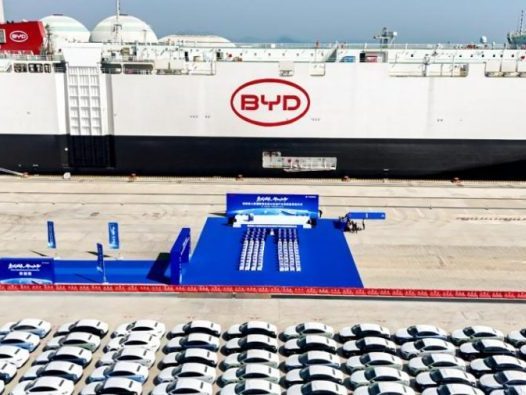
BYD Sets Global Sales Target of 5.5 Million Units for 2025
RobertMar 26, 2025
View More
Pros
Cons