
Q
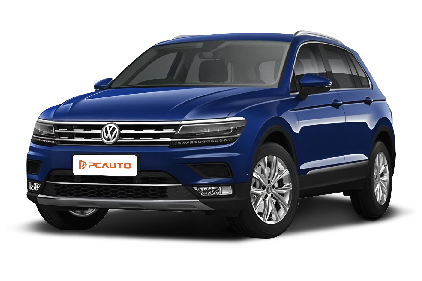
Is Tiguan 2020 a V4 or V6?
 ExplorerSep 11, 2025, 01:53 PM
The 2020 Volkswagen Tiguan mainly offers four-cylinder engine options in the Malaysian market instead of V6 configurations. Specifically, it is equipped with the widely-used 2.0-liter turbocharged inline-four (L4) engine by the Volkswagen Group. This engine is well-known for its efficient power output and fuel economy, which is suitable for Malaysia's urban driving environment and long-distance travel needs. Although V6 engines usually provide stronger power, in a compact SUV like the Tiguan, the four-cylinder engine can already strike a good balance between performance and fuel consumption.
In addition, Volkswagen has also equipped the Tiguan with an advanced DSG dual-clutch transmission and a 4MOTION all-wheel-drive system, further enhancing the driving experience and vehicle stability. For Malaysian consumers, choosing the Tiguan with a four-cylinder engine can not only meet daily usage requirements but also gain more advantages in terms of maintenance costs and fuel efficiency. Meanwhile, Volkswagen's reliability and after-sales service network are also relatively well-established in Malaysia, providing additional convenience for car owners.
Special Disclaimer: This content is published by users and does not represent the views or position of PCauto.
Related Q&A
Q
What are the different versions of the 2020 VW Tiguan?
The 2020 Volkswagen Tiguan comes in multiple versions, including the 1.4TSI Highline, 1.4TSI UNITED, and 1.4TSI JOIN. These versions perform similarly in many aspects. They are all equipped with a 1.4T turbocharged engine, with a maximum horsepower of 150PS. The official 0-100km/h acceleration time is 9.7 seconds, and the official combined fuel consumption is 6.7L/100km. All of them use front-wheel drive and a DCT gearbox.
In terms of safety features, ABS anti - lock braking, vehicle stability control, lane departure warning, and active braking are all standard. There are also six airbags. For in-car comfort features, a multifunctional steering wheel, steering wheel paddles, a 220V/230V power supply, and keyless entry are all included.
However, there are differences in price. The 1.4TSI Highline is priced at RM 162,678, the 1.4TSI UNITED at RM 166,678, and the 1.4TSI JOIN at RM 172,678. Consumers can make a choice based on their budget and needs.
 GentleRainSep 11, 2025
Q
Why is the check engine light on in my 2020 VW Tiguan?
The engine warning light on your 2020 Volkswagen Tiguan may come on due to various reasons. The most common ones are issues related to the emission system, such as a faulty oxygen sensor, reduced efficiency of the catalytic converter, or an untightened fuel cap. It could also be caused by decreased combustion efficiency due to aged spark plugs, a faulty ignition coil, or an abnormal air flow meter. In the hot and humid climate of Malaysia, moisture in electronic components or carbon buildup may also trigger the warning light.
It is recommended to use an OBD-II diagnostic scanner as soon as possible to read the fault codes and accurately locate the problem. If you can't perform the detection for the moment, you can first check if the fuel cap is properly sealed and observe if there are accompanying symptoms such as vehicle shaking or power loss.
It's worth noting that the engine management system of modern vehicles is very sensitive, and even minor faults will trigger the warning light. Regular maintenance (such as replacing spark plugs every 10,000 kilometers and cleaning the throttle body) can effectively prevent such problems. If the warning light is flashing, you must stop the vehicle immediately for repairs to avoid damaging the catalytic converter. For turbo-charged models like the Tiguan, more attention should be paid to fuel quality and timely oil changes.
 CleverOwlSep 11, 2025
Q
How to check mileage on a 2020 Tiguan?
To check the mileage of a 2020 Tiguan, the simplest way is to start the vehicle and look at the digital display on the dashboard. The mileage usually appears near the tachometer or speedometer. For some models, you may need to switch the display information through the multi-function buttons on the steering wheel. If you can't find it, you can refer to the owner's manual to confirm the specific operation steps.
For Malaysian owners, they can also use professional diagnostic equipment at the official authorized service centers of Volkswagen Malaysia to read the vehicle's complete mileage records. This is especially useful when buying a second-hand Tiguan to verify the authenticity of the mileage.
It's worth mentioning that modern vehicles usually store mileage data in the ECU (Engine Control Unit). Even if the dashboard is replaced, the real mileage can still be detected by professional equipment. Therefore, it is recommended to conduct a comprehensive inspection before buying a car.
In addition, regular maintenance records are also an important basis for verifying the mileage. Volkswagen owners in Malaysia can query the maintenance history through the MyVW mobile app or by contacting the original manufacturer to ensure that the vehicle's mileage matches the maintenance records. This is very helpful for maintaining the vehicle's residual value.
 ShinyPearlSep 11, 2025
Q
How many miles can a 2020 Tiguan last?
Under normal maintenance and usage conditions, the 2020 Volkswagen Tiguan can usually travel 200,000 to 300,000 kilometers or even more. The specific lifespan depends on driving habits, maintenance frequency, as well as the road conditions and climate environment in Malaysia. Regularly changing the engine oil, filters, inspecting the braking system, and maintaining the transmission fluid are crucial. Especially in Malaysia's hot and humid climate, rubber parts and electronic components tend to age faster, so it is recommended to shorten the maintenance cycle to extend the vehicle's lifespan. For turbo-charged engine models, avoiding aggressive driving right after a cold start and regularly cleaning carbon deposits can effectively protect the engine. It's worth noting that German cars have relatively complex electronic systems. If a malfunction indicator light comes on, it should be repaired as soon as possible. Japanese SUVs in the same class may have simpler mechanical structures, but the Tiguan's chassis feel and high-speed stability are its advantages. Malaysian users should also check for rust on chassis components after driving through water during the rainy season and keep the battery charged when the vehicle is parked for a long time. These details can significantly affect the vehicle's service life.
 LovelyLilySep 11, 2025
Q
Is the 2020 Tiguan being recalled?
Regarding the issue of whether the 2020 Volkswagen Tiguan has been recalled, there is currently no officially announced voluntary recall notice for this model year in the Malaysian market. However, it is recommended that owners regularly check the vehicle status through the recall inquiry page on the official website of Volkswagen Malaysia or at authorized service centers, as some global recalls may involve vehicles from specific production batches. As a preventive measure, owners can keep an eye on common recall items such as the fuel pump control module or airbags, which have been recalled in some international markets due to potential risks. Malaysian owners also need to pay attention to the impact of the local climate on the vehicle, such as maintaining the electrical system in rainy conditions and regularly changing the brake fluid. If a recall notice is received, owners should contact an authorized repair shop as soon as possible for free inspections and repairs. This not only shows the brand's emphasis on safety but also reflects the protection of the rights and interests of consumers in Malaysia. During routine maintenance, owners can ask the technicians to check for any outstanding recall items to ensure that their vehicles are always in optimal condition.
 BraveBearSep 11, 2025
Q
What is the value of a 2020 VW Tiguan?
In 2020, the value of the Volkswagen Tiguan in the Malaysian used-car market ranged approximately between RM80,000 and RM120,000. The specific price depends on factors such as the vehicle's condition, mileage, configuration version, and maintenance records. Higher-end R-Line models or those with more optional features will be priced higher.
As a popular SUV under the Volkswagen brand, the Tiguan enjoys good liquidity in the local used-car market. It owes this to its solid German-style chassis tuning, the fuel efficiency of its 1.4-liter TSI turbocharged engine, and its practical interior space. It's especially suitable for family users or those who pursue a high-quality driving experience.
It's worth noting that when buying a used Tiguan, it's advisable to first check the smoothness of the DSG dual-clutch transmission's gear shifting and the condition of its mechatronic unit. Also, make sure the original factory maintenance records are complete, as these details can significantly affect the subsequent usage costs.
If the budget is similar, consumers can also compare it with Japanese models in the same class, such as the Honda CR-V or the Mazda CX-5. Different brands have their own advantages in terms of maintenance convenience and parts prices. It's recommended to take test drives based on your own vehicle usage needs before making a decision.
 PlayfulKittenSep 11, 2025
Q
How safe is the 2020 Volkswagen Tiguan?
The 2020 Volkswagen Tiguan performs well in terms of safety. It is equipped with a number of active and passive safety technologies, including adaptive cruise control, lane-keeping assist, automatic emergency braking, and blind-spot monitoring. These features can effectively enhance driving safety in daily driving, especially in Malaysia's complex traffic environment. The vehicle received a five-star rating in the European NCAP crash test, indicating excellent performance in occupant protection. The body structure is made of high-strength steel, which can effectively absorb and disperse collision energy. At the same time, multiple airbags are standard, providing all-round protection for passengers. For Malaysian consumers, the safety configuration of the Tiguan is above average among vehicles in the same class. In particular, its driver assistance systems can help reduce the risks of fatigue driving and unexpected situations. It's worth noting that the safety performance of any vehicle also depends on the driver's habits and regular maintenance. It is recommended that car owners conduct regular vehicle inspections and familiarize themselves with the usage of various safety features to maximize their protective effects.
 QuietDoveSep 11, 2025
Q
Is a Tiguan 2020 good for long drive?
The 2020 Volkswagen Tiguan is an SUV that's perfect for long-distance driving, especially performing excellently on Malaysian roads. It's equipped with either a 1.4-liter TSI or a 2.0-liter TSI turbocharged engine, which provides ample power and good fuel economy. This makes it suitable for long-term driving on the North-South Expressway or rural roads.
The chassis is tuned for comfort, effectively filtering out road bumps. Coupled with spacious seats and plenty of legroom, it significantly reduces fatigue during long drives. Moreover, the Tiguan has excellent sound insulation. When driving at high speeds, the noise inside the car is well-controlled. Paired with advanced driver-assistance systems such as adaptive cruise control and lane-keeping function, it further enhances driving safety and convenience.
The trunk has enough space to hold luggage for a family trip. If you often need to travel across states, the 2020 Tiguan will be a reliable choice. It's worth mentioning that the hot and rainy climate in Malaysia places high demands on a vehicle's heat dissipation and air-conditioning systems. The Tiguan's automatic climate control and efficient cooling system can fully handle these challenges. Among vehicles in the same class, its overall performance is quite well-balanced.
 WarmHugSep 11, 2025
Q
Are there any recalls on a 2020 Volkswagen Tiguan?
According to records, the 2020 Volkswagen Tiguan was recalled in the Malaysian market due to potential safety hazards. The recall mainly involved software issues with the fuel pump control unit that might cause the vehicle to stall while driving, as well as possible manufacturing defects in the seat belt pre-tensioners of some vehicles. Car owners can check the specific recall status by entering the Vehicle Identification Number (VIN) on the official website of Volkswagen Malaysia. It is recommended that car owners regularly pay attention to notifications from the Malaysian Road Transport Department (JPJ) or authorized dealers. This kind of recall usually offers free maintenance services.
For Tiguan owners, besides paying attention to recall information, they should also develop the habit of regularly checking the vehicle's maintenance records. In particular, they need to check the oil condition of the turbocharged engine and the software updates of the DSG gearbox. These details can effectively extend the vehicle's lifespan. If you need further confirmation, you can directly contact the nearest authorized Volkswagen service center in Malaysia. They can provide professional vehicle health inspection services to ensure that your car meets the latest safety standards.
 LivelyzSep 11, 2025
Q
What kind of oil does a 2020 Tiguan take?
For the 2020 Volkswagen Tiguan in Malaysia, it is recommended to use fully synthetic engine oil that meets the VW 502 00 or VW 504 00 standards. The viscosity is usually 5W-30 or 5W-40. The specific choice depends on the local climate and driving conditions. In hot and rainy Malaysia, 5W-40 is recommended to ensure high-temperature protection. If the vehicle is equipped with a diesel engine (such as the TDI version), the oil should meet the VW 507 00 standard.
Changing the engine oil regularly every 15,000 kilometers or 12 months is crucial to maintaining the engine's performance. However, if you often drive short distances or use the vehicle under high-intensity conditions, you can reduce the interval to 10,000 kilometers. It's worth noting that the quality of the original-factory oil filter directly affects the lubrication effect. It is recommended to replace the original-factory filter when changing the engine oil.
Although fully synthetic engine oil is more expensive, its excellent oxidation resistance and cleaning ability can effectively extend the engine's lifespan, which is especially suitable for turbo-charged models like the Tiguan. Car owners can refer to the "Engine Oil" section in the vehicle manual or check the markings on the oil filler cap to confirm the specific specifications. If you're not sure, you can also consult the authorized Volkswagen service centers. There are professional after-sales outlets in major Malaysian cities such as Kuala Lumpur and Penang to provide inspection services.
 FearlessSep 11, 2025
Popular Cars
Model Year
Car Compare
Car Photo
Related Models
 Cars
CarsLatest Q&A
Q
Is AMT similar to automatic?
There are significant differences between AMT transmissions and automatic transmissions (AT) in terms of core structure and driving experience. AMT is essentially an electronically automated version of a manual transmission, simulating manual clutch operation and gear shifting through a computerized control system while retaining the gear set structure of manual transmissions. As a result, it offers higher transmission efficiency, with fuel consumption approximately 8%-12% lower than AT, making it particularly suitable for highway or long-distance driving. However, it may exhibit jerking similar to manual transmissions during low-speed gear shifts, especially noticeable in congested traffic conditions.
AT transmissions rely on torque converters for power transfer, delivering smooth and seamless gear shifts that appeal to comfort-oriented users. However, their complex structure (incorporating planetary gear sets, hydraulic systems, etc.) results in higher maintenance costs. A single service may cost between 800 to 1,500 ringgit, whereas AMT only requires gear oil replacement at approximately 400 ringgit.
From a market perspective, AMT is predominantly used in budget vehicles or commercial models priced below 80,000 ringgit, while AT is typically featured in mid-to-high-end vehicles. Consumers should select based on actual needs: AMT suits those prioritizing fuel efficiency and low maintenance costs, while AT better serves those valuing comfort. Notably, recent advancements in AMT electronic control technology have significantly mitigated jerking issues, though test drives should still emphasize low-speed performance evaluation.
 AriaMar 26, 2026
Q
Which is better, DCT or AT?
DCT (Dual-Clutch Transmission) and AT (Automatic Transmission) each have their own advantages and disadvantages, and the choice should be based on personal driving needs. AT transmissions transfer power through a torque converter, offering excellent shift smoothness, making them suitable for urban commuting or novice drivers. However, they tend to have higher fuel consumption, and vehicles equipped with them are usually more expensive. DCT transmissions utilize a dual-clutch structure, featuring fast shift speeds and high power transmission efficiency, which provides a more direct driving experience—particularly suitable for users seeking a sporty feel. However, they may exhibit jerking at low speeds and have relatively high maintenance costs. If durability and comfort are priorities, AT is the more reliable choice; if power responsiveness and driving pleasure are preferred, wet DCT (such as Volkswagen DSG) performs better, though dry DCT models should be avoided in prolonged stop-and-go traffic conditions. Additionally, CVT transmissions excel in smoothness and fuel efficiency, making them ideal for daily commuting, but they lack driving excitement. It is recommended to test-drive before purchasing, as tuning varies significantly across brands, and real-world experience is more important than theoretical specifications.
 FlutteringMar 26, 2026
Q
Is Amt good or bad?
AMT gearboxes have a significant cost advantage in the local market, typically being around 5,000 Ringgit cheaper than models equipped with conventional automatic transmissions. Their fuel efficiency is comparable to manual transmissions, resulting in long-term fuel savings. Featuring a straightforward design, they achieve transmission efficiency exceeding 90% with relatively low maintenance costs, making them ideal for practicality-oriented consumers. However, their shifting logic contains inherent limitations: gear changes between 1st and 2nd cause 0.3-0.5 second power interruptions, while unintended upshifts on inclines may reduce engine speed by 15%-20%, compromising driving smoothness. For urban commuters or budget-conscious buyers, AMT offers excellent value, though those prioritizing premium driving dynamics should consider alternative transmission types. Some domestic models like the Perodua Axia employ enhanced AMT systems, where optimized shift programming has reduced gearshift shock by approximately 30%.
 RainbowsMar 26, 2026
Q
Which gives better mileage, CVT or AMT?
From the perspective of fuel economy, CVT transmissions generally perform better under urban driving conditions. Their continuously variable design allows the engine to consistently operate within the optimal speed range, significantly reducing fuel consumption during frequent starts and stops. Test data shows that their fuel consumption in urban driving conditions is 10% to 15% lower than that of comparable models. AMT transmissions, on the other hand, inherit the high transmission efficiency of manual transmissions, delivering fuel efficiency close to manual transmissions during high-speed cruising. This makes them particularly suitable for long-distance driving in large-displacement vehicles. However, due to power interruption during gear shifts, their overall fuel consumption may be 5% to 8% higher than CVTs.
The difference in fuel-saving characteristics between the two transmissions stems from their technical principles: CVTs achieve continuous variability through steel belts and pulleys, eliminating the fixed gear ratio limitations of traditional transmissions; AMTs simulate manual gear changes via electronic control systems while maintaining the mechanical efficiency of gear transmission. Notably, actual fuel consumption is also influenced by driving habits. Smooth acceleration and anticipatory deceleration can maximize the transmissions' fuel-saving potential. If the vehicle budget permits and urban commuting is the primary use, CVTs offer a more economical choice. For frequent highway driving with an emphasis on cost-effectiveness, AMTs are equally worth considering.
 RubyBlazeMar 26, 2026
Q
Which is cheaper, AMT or CVT?
In terms of gearbox cost, AMT is usually more economical than CVT. Essentially, AMT is a manual transmission equipped with an electronic control unit, featuring a simple structure and low maintenance costs. The unit price ranges from approximately 5,000 to 8,000 ringgit, making it suitable for budget-conscious consumers or those who prioritize long-term operating costs. CVT incurs higher manufacturing costs due to its precision steel belt transmission system and continuous variable transmission technology, with a unit price of about 7,000 to 10,000 ringgit. However, it delivers a smoother driving experience and superior fuel efficiency. The primary differences between the two lie in technical complexity: AMT retains the gear-shifting mechanism, resulting in noticeable shift shock; CVT achieves linear power output through stepless speed variation but requires periodic belt inspection and incurs higher maintenance expenses. For those prioritizing initial cost and basic transportation needs, AMT offers better value; if comfort and long-term fuel economy are priorities, CVT represents a more worthwhile investment. Note that actual prices may vary based on vehicle model, brand, and local supply chain factors.
 ShadowProwlMar 26, 2026
Related News

Volkswagen Tayron may enter Malaysia in the future to replace Tiguan Allspace
WilliamJan 27, 2026

Volkswagen ID. UNYX 08 debuted, featuring Xpeng intelligent technology for the first time
JohnDec 24, 2025

Because of lack of funds to upgrade the factory, Volkswagen postponed the release of ID.Golf and ID.Roc
JamesSep 17, 2025

Volkswagen Locks Vehicle Horsepower, Unlocks Full Power via Subscription
JohnAug 19, 2025
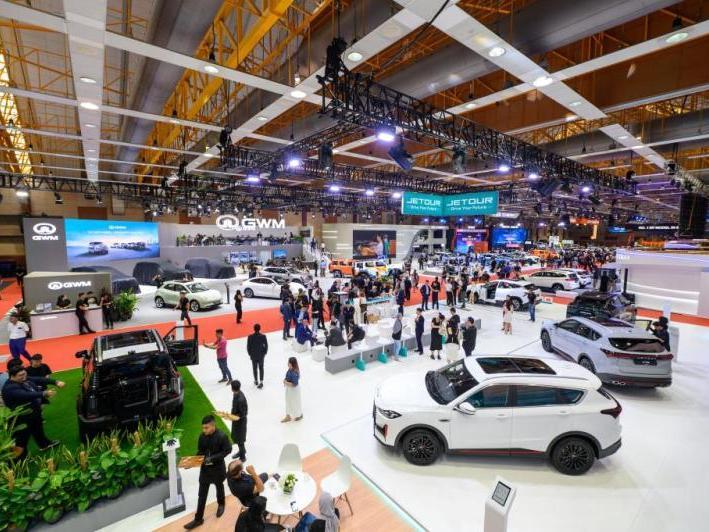
Summarizing the 2025 Malaysia Auto Show, a large number of new cars were launched in Malaysia this year.
MichaelMay 12, 2025
View More
Pros
Cons