
Q
ora good cat which country
 SilverlinSep 23, 2025, 05:31 PM
The Mitsubishi Xpander has carved out a solid reputation as a popular 7-seater MPV in Malaysia. Its flexible 2+3+2 seating configuration is a big plus – the second row slides fore and aft, while the third row splits 50:50, offering plenty of legroom for passengers and all sorts of cargo-carrying combinations when you need it. It's a great fit for families, especially those who regularly haul multiple people or a load of gear. The tall roofline also ensures decent headroom, so even taller folks won't feel cramped.
Under the hood, you'll find a 1.5-liter MIVEC naturally aspirated engine paired with a 4-speed auto. Power-wise, it's nothing to write home about, but it shines when it comes to fuel efficiency – perfect for daily commutes or longer road trips.
Mitsubishi has also packed in some handy features: a touchscreen infotainment system, reverse camera, and multiple USB ports, all of which add to the overall convenience for both driver and passengers.
For Malaysian buyers, the Xpander's main drawcards are its value for money and sheer practicality. Among its peers, its interior space and reputation for reliability stand out. If you're in the market for a family-friendly MPV, the Xpander is definitely worth a look. Head down to your nearest dealer for a test drive – feel the drive and experience the space for yourself.
Special Disclaimer: This content is published by users and does not represent the views or position of PCauto.
Related Q&A
Q
What Segment is Ora Good Cat?
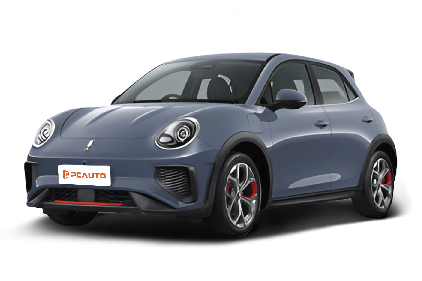
The Ora Good Cat is a B-Segment all-electric urban car, primarily targeting the needs of urban commuting and daily transportation. Its compact body (around 4.2 meters) and a range of 250-400 kilometers (NEDC standard) are highly suitable for the urban road conditions in Malaysia. As an electric sub-brand under Great Wall Motors, this car features a retro-futuristic design language and rich technological configurations. For example, it comes with a full - liquid crystal instrument panel, a smart key, and an L2 - level driving assistance system, which can offer a flexible driving experience on congested roads in cities like Kuala Lumpur. Its competitors in the same segment include the BYD Dolphin and the Honda e:NS1. However, the Good Cat has a differentiated advantage in the Malaysian market with its personalized styling and affordable price (starting from around RM140k). It's worth noting that the Malaysian government offers policies such as import tax exemption and road tax reduction for electric vehicles, making B-Segment electric cars a popular choice for urban families as their second vehicle. Their smaller bodies also make it easier to fit into the relatively narrow parking spaces in the local area
 ModelzzJul 15, 2025
Q
What is the Reslae Value of Ora Good Cat?
As an electric vehicle that focuses on style and technology, the second-hand resale value of the Ora Good Cat in the Malaysian market is influenced by various factors, including battery health, mileage, vehicle configuration, and market demand. Generally speaking, the resale value of electric vehicles in Malaysia is slightly lower than that of fuel-powered vehicles. However, with the increasing popularity of electric vehicles, there is a gradual improvement in their resale value.
The key factors affecting the second-hand price of the Ora Good Cat include battery degradation. Usually, the lifespan of an electric vehicle battery is around 8 to 10 years. Well-maintained vehicles will have a higher second-hand price. Additionally, high-end versions such as the model with a 500-km range are more likely to retain their value than the standard version.
The Malaysian government currently offers exemptions on import and sales taxes for electric vehicles, which to some extent supports the second-hand prices of electric vehicles. For consumers considering purchasing an Ora Good Cat, it is recommended to choose mainstream colors such as white or silver, as these colors are more popular in the second-hand market. Keeping a complete maintenance record and original parts can also help maintain the vehicle's value.
The charging infrastructure for electric vehicles in Malaysia is being rapidly improved, which is good news for the long-term resale value of electric vehicles. However, consumers should also note that with the progress of battery technology, older electric vehicles may depreciate faster than fuel-powered vehicles.
 HealerzzJul 15, 2025
Q
What is the PCD Size of Ora Good Cat?
The PCD (Pitch Circle Diameter) of the Ora Good Cat is 5x114.3 mm, which is one of the common wheel hub specifications in the Malaysian market and suitable for most aftermarket wheel upgrades. The PCD size is an important parameter for wheel hub installation, indicating the diameter of the circle formed by the distribution of the wheel hub bolt holes and the number of holes, ensuring the matching of the wheel hub with the vehicle's axle head.
Apart from the PCD, when upgrading the wheels, you also need to pay attention to the center bore diameter (CB) and the offset (ET value). These parameters jointly affect the wheel compatibility and driving safety. Malaysian car owners are advised to consult professional technicians or refer to the vehicle manual before upgrading the wheels to ensure that the new wheels meet the original factory standards and avoid affecting the suspension system and braking performance.
If non-factory standard wheels are chosen, it may be necessary to install hub centric rings or adjust the bolt length. It is recommended to purchase certified products through formal channels to ensure driving safety and warranty rights.
 BoarderzJul 15, 2025
Q
Does Ora Good Cat Support Apple Carplay?
Currently, in some market versions, the Ora Good Cat supports Apple CarPlay. However, whether it is equipped with this feature in the Malaysian market depends on the specific configuration. It is recommended to confirm the latest information with local dealers or official channels. Apple CarPlay is a very practical in-vehicle connectivity technology that allows iPhone users to directly use common functions such as navigation, music, and calls through the car's infotainment screen, enhancing driving convenience and safety. In addition to Apple CarPlay, many modern vehicles also support Android Auto, providing a similar experience for Android phone users. With the development of automobile intelligence, in-vehicle connectivity systems have become one of the important factors for consumers when choosing a vehicle. Malaysian consumers can also pay more attention to such configurations when purchasing electric vehicles. If the Ora Good Cat offers Apple CarPlay in the Malaysian market, it will bring a more convenient intelligent driving experience for iPhone users. However, even without this feature, the vehicle's other intelligent configurations and electrification performance are still worthy of attention.
 HappyThoughtsSunshineJul 15, 2025
Q
Which Tyres Come with the Ora Good Cat?
As an electric vehicle model under Great Wall Motors, the original-equipped tire brands of the Ora Good Cat in the Malaysian market may vary depending on the specific model or configuration version. However, common pairings include well-known international brands such as GTRadial or Chaoyang, which are cost-effective tire models. These tires perform well on wet roads and have good wear resistance, making them suitable for the local climate and road conditions.
Malaysian car owners should note that when choosing tires, they need to take into account the characteristics of electric vehicles (such as high instantaneous torque and relatively high vehicle weight). It is recommended to give priority to tires with low rolling resistance and quiet design to optimize range and comfort. If you need to replace the tires, you can refer to the original factory specifications (such as 195/55 R16 or 215/50 R18, etc.) and consider products optimized for electric vehicles, like Michelin Energy Saver or Continental ContiPremiumContact.
Meanwhile, regularly check the tire pressure and tread depth to ensure safety. Local authorized dealers can also provide original-factory alternative options that meet the specifications.
 SpiritualGrowthJourneyJul 15, 2025
Q
Is Ora Good Cat a Good Car? Learn the Pros and Cons Here
As an electric vehicle mainly designed for urban commuting, the Ora Good Cat has attracted a lot of attention in the Malaysian market. Its advantages lie in its fashionable and retro exterior design, a wide range of color options, and a suitable range for short-distance trips (about 400 kilometers). Coupled with a relatively affordable price, it has a certain appeal to young families or buyers looking for a second car. In-car configurations such as the panoramic sunroof, smart key, and ADAS driving assistance system enhance the sense of technology, and its compact body is also suitable for the narrow streets in Malaysia.
However, it should be noted that its fast-charging power (about 60kW) is slightly weaker than that of competitors in the same class. For long-distance trips, charging needs to be planned in advance. Also, the small trunk space may affect its practicality. In the hot climate of Malaysia, the battery range may decline slightly, so it is recommended to test-drive the car to experience the air-conditioning efficiency before purchasing.
If you have a limited budget and mainly use the car for urban commuting, the Good Cat is a good choice. But if you often drive on highways or pursue stronger power, you can compare it with models in the same class, such as the BYD Dolphin or the Neta V. Electric vehicles are still in the development stage in Malaysia. It is recommended to give priority to brands with a complete after-sales network and to understand the distribution of charging piles and warranty policies.
 SwimmerzJul 15, 2025
Q
What is the Width of Ora Good Cat?
The Ora Good Cat has a width of 1,825 millimeters. This dimension represents a relatively wide design among compact electric vehicles, offering passengers more comfortable lateral space. It is particularly suitable for the needs of Malaysian family users. The width of the vehicle body not only affects the riding experience but also relates to driving stability. A wider wheelbase can enhance traction during high-speed driving, which is especially important on Malaysia's often rain-soaked roads.
As an electric vehicle mainly designed for urban commuting, the size design of the Good Cat also fully takes into account the passability on local narrow streets. Its width of 1,825 millimeters combined with a vehicle length of about 4.2 meters ensures both internal space and flexibility. For comparison, electric vehicles in the same category, such as the BYD Dolphin, have a width of 1,770 millimeters. The additional 55-millimeter width of the Good Cat can significantly improve the comfort of three passengers sitting in the back row.
It's worth noting that the body width data usually includes the state when the rear-view mirrors are unfolded. It is recommended to switch to the mirror-folding function when actually passing through narrow sections. These compact electric vehicles are becoming increasingly popular in Malaysia. Their moderate size can meet the daily commuting needs and is also convenient for parking in urban parking lots. They are a choice that combines practicality with environmental-friendliness.
 WhisperingJul 15, 2025
Q
What is the Road Tax Price of Ora Good Cat? How to Calculate It?
In Malaysia, as a pure electric vehicle, the Ora Good Cat enjoys a full exemption from road tax provided by the government. Therefore, currently, car owners don't need to pay any road tax. This policy aims to encourage more people to use environmentally-friendly vehicles. When calculating road tax, traditional fuel-powered vehicles usually have their fees determined based on engine capacity (cc), while electric vehicles are exempted due to their zero-emission nature.
Apart from the road-tax exemption, Ora Good Cat owners can also enjoy other benefits, such as import tax and sales tax deductions, as well as free parking or charging subsidies offered by some states. The Malaysian government promotes the popularization of electric vehicles through such measures while reducing the vehicle-owning costs for users.
If there are policy adjustments in the future, the road-tax exemption for electric vehicles may change. It is recommended that car owners regularly check the latest announcements from JPJ (Land Public Transport Agency) or the Energy Commission.
In addition, the maintenance cost of electric vehicles is generally lower than that of fuel-powered vehicles because their structure is simpler and there is no need to replace consumables like engine oil. Thus, they are significantly more economical in the long - term use.
 WalkerPathJul 15, 2025
Q
Ora Good Cat Engine Oil Capacity: Does It Even Have One?
The Ora Good Cat is a fully electric vehicle and does not require traditional engine oil like a fuel-powered car. As a result, there is no engine oil capacity to refer to. Instead, the vehicle uses an electric motor and only needs periodic replacement of the reducer oil.
For Malaysian drivers, it's more important to focus on battery maintenance and high-voltage system care. It is generally recommended to check and replace the reducer oil every two years or every 40,000 kilometers. The specific oil capacity can be found in the owner’s manual and typically ranges from 1 to 1.5 liters.
Given Malaysia’s hot and humid climate, EV maintenance comes with some special considerations. It’s important to regularly inspect the battery cooling system, keep the charging port clean and dry, and avoid fast-charging right after the car has been exposed to intense heat. These practices are far more crucial for EV health than changing traditional engine oil.
If you’re unsure about the service schedule, it’s best to consult your nearest authorized Ora service center in Malaysia. They can provide expert guidance tailored to local conditions and help ensure your vehicle stays in top shape.
 JoyfulMelodyHeartbeatJul 15, 2025
Q
What is the Second Hand Price of Ora Good Cat? Check Here!
In Malaysia, the prices of used Ora Good Cats vary depending on factors such as the vehicle's age, mileage, condition, and configuration. Currently, in the market, the prices of used 2021-2022 models range from approximately 70,000 to 100,000 ringgit. The exact price needs to be evaluated based on the actual vehicle condition.
As a pure-electric vehicle, the Ora Good Cat has caught attention for its unique design and decent range performance. Its performance in the used-car market is relatively stable. However, the health of the electric vehicle's battery is a key factor affecting the price. It is recommended to have the battery status checked by the official or a professional institution before making a purchase.
Moreover, the Malaysian government offers tax incentives for electric vehicles. Used electric vehicles also enjoy some policy benefits, such as road tax exemptions. These factors will indirectly affect the resale value of used cars.
If you're considering buying a used Ora Good Cat, it's advisable to compare quotes from different sellers and give priority to vehicles with the original warranty to reduce the risk of subsequent use.
 VivJul 15, 2025
Popular Cars
Model Year
Car Compare
Car Photo
Related Models
 Cars
CarsLatest Q&A
Q
Is AMT similar to automatic?
There are significant differences between AMT transmissions and automatic transmissions (AT) in terms of core structure and driving experience. AMT is essentially an electronically automated version of a manual transmission, simulating manual clutch operation and gear shifting through a computerized control system while retaining the gear set structure of manual transmissions. As a result, it offers higher transmission efficiency, with fuel consumption approximately 8%-12% lower than AT, making it particularly suitable for highway or long-distance driving. However, it may exhibit jerking similar to manual transmissions during low-speed gear shifts, especially noticeable in congested traffic conditions.
AT transmissions rely on torque converters for power transfer, delivering smooth and seamless gear shifts that appeal to comfort-oriented users. However, their complex structure (incorporating planetary gear sets, hydraulic systems, etc.) results in higher maintenance costs. A single service may cost between 800 to 1,500 ringgit, whereas AMT only requires gear oil replacement at approximately 400 ringgit.
From a market perspective, AMT is predominantly used in budget vehicles or commercial models priced below 80,000 ringgit, while AT is typically featured in mid-to-high-end vehicles. Consumers should select based on actual needs: AMT suits those prioritizing fuel efficiency and low maintenance costs, while AT better serves those valuing comfort. Notably, recent advancements in AMT electronic control technology have significantly mitigated jerking issues, though test drives should still emphasize low-speed performance evaluation.
 AriaMar 26, 2026
Q
Which is better, DCT or AT?
DCT (Dual-Clutch Transmission) and AT (Automatic Transmission) each have their own advantages and disadvantages, and the choice should be based on personal driving needs. AT transmissions transfer power through a torque converter, offering excellent shift smoothness, making them suitable for urban commuting or novice drivers. However, they tend to have higher fuel consumption, and vehicles equipped with them are usually more expensive. DCT transmissions utilize a dual-clutch structure, featuring fast shift speeds and high power transmission efficiency, which provides a more direct driving experience—particularly suitable for users seeking a sporty feel. However, they may exhibit jerking at low speeds and have relatively high maintenance costs. If durability and comfort are priorities, AT is the more reliable choice; if power responsiveness and driving pleasure are preferred, wet DCT (such as Volkswagen DSG) performs better, though dry DCT models should be avoided in prolonged stop-and-go traffic conditions. Additionally, CVT transmissions excel in smoothness and fuel efficiency, making them ideal for daily commuting, but they lack driving excitement. It is recommended to test-drive before purchasing, as tuning varies significantly across brands, and real-world experience is more important than theoretical specifications.
FlutteringMar 26, 2026Q
Is Amt good or bad?
AMT gearboxes have a significant cost advantage in the local market, typically being around 5,000 Ringgit cheaper than models equipped with conventional automatic transmissions. Their fuel efficiency is comparable to manual transmissions, resulting in long-term fuel savings. Featuring a straightforward design, they achieve transmission efficiency exceeding 90% with relatively low maintenance costs, making them ideal for practicality-oriented consumers. However, their shifting logic contains inherent limitations: gear changes between 1st and 2nd cause 0.3-0.5 second power interruptions, while unintended upshifts on inclines may reduce engine speed by 15%-20%, compromising driving smoothness. For urban commuters or budget-conscious buyers, AMT offers excellent value, though those prioritizing premium driving dynamics should consider alternative transmission types. Some domestic models like the Perodua Axia employ enhanced AMT systems, where optimized shift programming has reduced gearshift shock by approximately 30%.
 RainbowsMar 26, 2026
Q
Which gives better mileage, CVT or AMT?
From the perspective of fuel economy, CVT transmissions generally perform better under urban driving conditions. Their continuously variable design allows the engine to consistently operate within the optimal speed range, significantly reducing fuel consumption during frequent starts and stops. Test data shows that their fuel consumption in urban driving conditions is 10% to 15% lower than that of comparable models. AMT transmissions, on the other hand, inherit the high transmission efficiency of manual transmissions, delivering fuel efficiency close to manual transmissions during high-speed cruising. This makes them particularly suitable for long-distance driving in large-displacement vehicles. However, due to power interruption during gear shifts, their overall fuel consumption may be 5% to 8% higher than CVTs.
The difference in fuel-saving characteristics between the two transmissions stems from their technical principles: CVTs achieve continuous variability through steel belts and pulleys, eliminating the fixed gear ratio limitations of traditional transmissions; AMTs simulate manual gear changes via electronic control systems while maintaining the mechanical efficiency of gear transmission. Notably, actual fuel consumption is also influenced by driving habits. Smooth acceleration and anticipatory deceleration can maximize the transmissions' fuel-saving potential. If the vehicle budget permits and urban commuting is the primary use, CVTs offer a more economical choice. For frequent highway driving with an emphasis on cost-effectiveness, AMTs are equally worth considering.
 RubyBlazeMar 26, 2026
Q
Which is cheaper, AMT or CVT?
In terms of gearbox cost, AMT is usually more economical than CVT. Essentially, AMT is a manual transmission equipped with an electronic control unit, featuring a simple structure and low maintenance costs. The unit price ranges from approximately 5,000 to 8,000 ringgit, making it suitable for budget-conscious consumers or those who prioritize long-term operating costs. CVT incurs higher manufacturing costs due to its precision steel belt transmission system and continuous variable transmission technology, with a unit price of about 7,000 to 10,000 ringgit. However, it delivers a smoother driving experience and superior fuel efficiency. The primary differences between the two lie in technical complexity: AMT retains the gear-shifting mechanism, resulting in noticeable shift shock; CVT achieves linear power output through stepless speed variation but requires periodic belt inspection and incurs higher maintenance expenses. For those prioritizing initial cost and basic transportation needs, AMT offers better value; if comfort and long-term fuel economy are priorities, CVT represents a more worthwhile investment. Note that actual prices may vary based on vehicle model, brand, and local supply chain factors.
 ShadowProwlMar 26, 2026
Related News

ORA Good Cat Interior Design Unveiled: An Unforgettable Elegant Design Style
MichaelJul 22, 2025
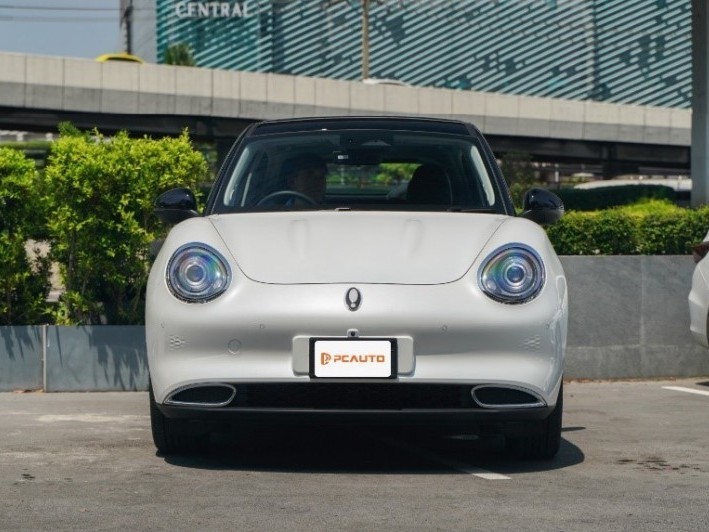
Reliable with a range of 500km, excellent serene experience, ORA GOOD CAT test drive experience!
LienSep 23, 2024
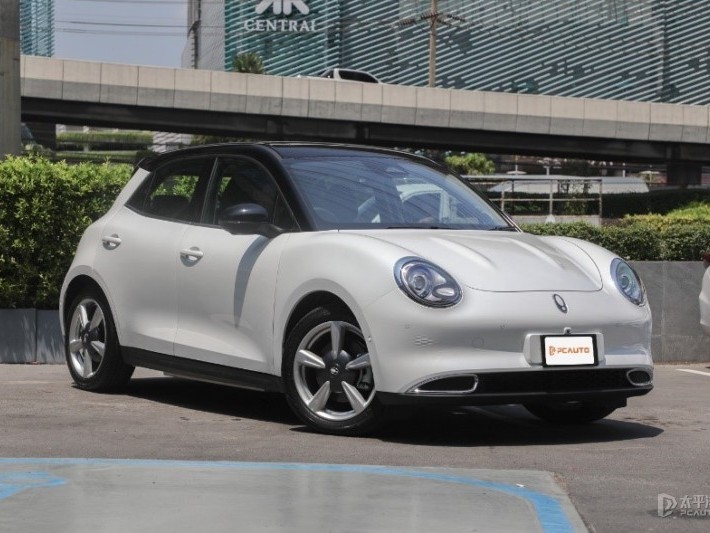
ORA sold 34,477 units overseas in May, up 37.19% year-on-year
AshleyJun 12, 2024
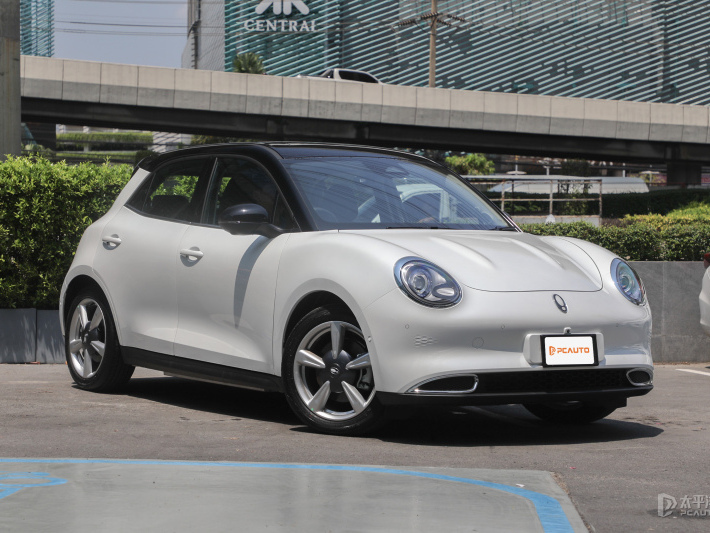
ORA GOOD CAT, an all-electric vehicle as endearing as a pet cat, what are the key highlights to look at?
Kevin WongMay 9, 2024
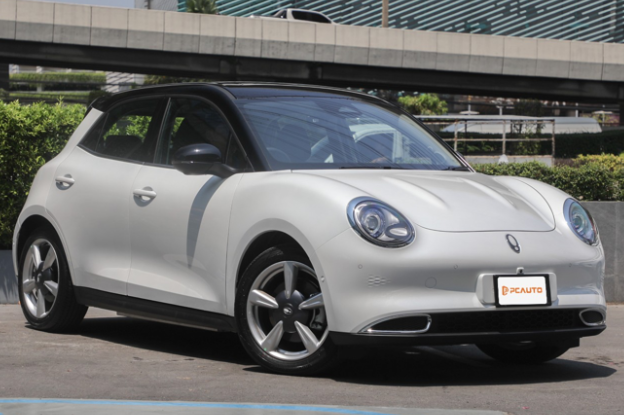
Imported from China, The Starting Price for Ora Good Cat in Malaysia is RM 113,800
LienMay 5, 2024
View More
Pros
Cons