
Q
What are the different variants available for the 2018 Vento?
 BlazingTrailFeb 18, 2026, 11:22 AM
The 2018 Volkswagen Vento hit the Malaysian market with two main powertrain options: a 1.6-liter MPI naturally aspirated engine and a 1.2-liter TSI turbocharged unit. The 1.6L variant, paired with a 6-speed automatic gearbox, cranks out 110 horsepower and 153 Nm of torque, positioning itself as the practical, fuel-sipping choice. On the flip side, the 1.2TSI gets a 7-speed DSG dual-clutch transmission, serving up a more punchy 110 horsepower along with a beefier 175 Nm of torque – that one’s for the drivers who like a bit more zip in their daily drive.
In terms of kit, both trims come standard with ABS, dual airbags, air conditioning, and an audio system. But if you step up to the 1.2TSI, you might find some extra goodies like a sport-tuned suspension and additional tech features to sweeten the deal.
It’s worth pointing out that as VW’s entry-level sedan, the Vento strikes a nice balance between that solid, German-engineered handling and local adaptations. For instance, the cooling system is optimized to handle Malaysia’s tropical heat – a thoughtful touch. Plus, maintenance costs are relatively reasonable, and parts availability is pretty good too, which should appeal to buyers keeping a close eye on long-term ownership expenses.
If you’re scouring the used car market, the 2018 Vento holds its value pretty well – above average for its class, thanks to its reliable mechanicals and strong brand reputation.
Special Disclaimer: This content is published by users and does not represent the views or position of PCauto.
Related Q&A
Q
Is the Volkswagen Vento 2018 expensive to maintain?
The 2018 Volkswagen Vento falls into the upper-middle range when it comes to maintenance costs in Malaysia. The actual figures depend on how you drive and what services you need, but you're looking at roughly RM400 to RM600 for standard stuff like an oil change and filter replacements. For more major services – think transmission fluid swaps or brake system overhauls – you could be shelling out anywhere from RM800 to RM1200.
Compared to Japanese models like the Toyota Vios or Honda City, the Vento does cost a bit more in parts and labor. That's mainly down to Volkswagen being a German brand; some components have to be imported, which bumps up the price tag. But hey, you do get that solid German driving feel and some pretty decent safety kit for the class, which counts for something.
If you keep up with regular servicing at authorized VW centers and stick to the manufacturer's recommended maintenance schedule, you can definitely keep those long-term repair gremlins at bay. And let's not forget Malaysia's hot and humid climate – make sure you're checking the cooling system and AC filter regularly. It'll help keep the car running smoother for longer.
So yeah, the Vento isn't the cheapest to maintain, but with a bit of budget planning and choosing a reliable workshop, you can keep those costs manageable.
 TwilightShadeSep 22, 2025
Q
What is the service cost of a Volkswagen Vento 2018?
For the 2018 Volkswagen Vento in Malaysia, routine maintenance costs typically range from RM300 to RM600. The exact figure depends on the specific services needed—think oil changes, filter replacements, that sort of thing—and how each authorized service center prices their work. Your best bet is to check Volkswagen Malaysia’s official website or swing by your local dealer to get the latest quotes.
It’s no secret that German cars usually cost a bit more to maintain than their Japanese counterparts, but that’s often down to the precision engineering and high-quality components they use.
Sticking to regular maintenance isn’t just about keeping your car running longer; it also helps preserve its resale value, especially for a model like the Vento that’s all about driving feel. If you’re looking to cut costs, Malaysian owners can opt for third-party certified workshops, but make sure they’re using original or equivalent-quality parts to avoid voiding any warranty coverage. And if you’re on a tight budget, focus on the essential basics first—but don’t skimp on replacing critical fluids like transmission oil or brake fluid when they’re due.
 MoonlitPathSep 22, 2025
Q
How reliable is the Volkswagen Vento 2018?
The 2018 Volkswagen Vento has proven to be a generally reliable workhorse in the Malaysian market. Under the hood, you'll find a 1.6-liter naturally aspirated engine paired with a 6-speed automatic gearbox – a powertrain combo that's been market-tested over the years. Maintenance costs are pretty reasonable, and parts availability isn't an issue, making it a solid pick for daily commuting duties.
Owner feedback highlights its frugal fuel economy, typically returning around 12-14km/L in the city, and a relatively trouble-free electronics package. However, it's wise to keep an eye on chassis components like suspension bushings; the tropical climate here can speed up rubber part degradation, so regular checks are a good idea.
A quick note for fellow German car owners in Malaysia: stick to the maintenance schedule religiously. VW recommends servicing every 10,000km or 6 months, whichever comes first, and using oil that meets the VW 50200 specification – this will help keep that engine running strong for the long haul.
If you're scouting the used market, pay extra attention to the air conditioning system's cooling performance (a must in our heat!) and, if it's a TSI variant with DSG, test the gearbox for smooth shifts. These are biggies for tropical driving.
All in all, with proper and timely maintenance, the 2018 Vento handles family runabouts capably. Resale value sits somewhere in the middle of the pack for its class – not a standout, but not a disappointment either.
 SunnyGlimmerSep 22, 2025
Q
Does the 2018 Vento have LED tail lights?
So, the 2018 Volkswagen Vento in Malaysia did come with LED taillights on some of the higher-spec trims. Those LEDs definitely step up the game when it comes to visibility and safety after dark. But hey, don't expect them on the base models – those probably still stick with good old halogen bulbs. So, if you're checking one out, you'll want to confirm the exact specs based on the specific variant.
LEDs are pretty much the standard these days for a reason, right? They last longer, sip less juice, and light up quicker than halogens. For Malaysian buyers, whether you're hunting for a used Vento or a brand-new one, I'd strongly suggest either checking the car in person or having a chat with the dealer to nail down the lighting setup. While you're at it, might as well ask about other handy features like auto headlights or dynamic turn signals – they could be available too.
And let's not forget, the rise of LED tech has given car lighting systems a general upgrade across the board. Think daytime running lights, fog lights – all those little details that not only add a bit more techy flair to the car but also make driving safer.
 SunshinySep 22, 2025
Q
What colors was the Volkswagen Vento available in for 2018?
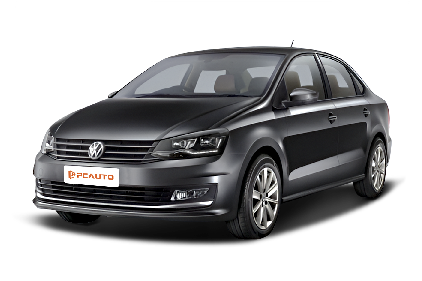
The 2018 Volkswagen Vento hit the Malaysian market with a solid lineup of classic, practical color options. Think Pure White, Deep Black, Reflex Silver, and Tornado Red – shades that not only align with local tastes but also hold up well to daily use, hiding dirt and weathering like pros. As a compact sedan focused on value, the Vento’s color palette strikes a nice balance between steady and modern, making it a solid pick for families and younger drivers alike.
When picking a color here, Malaysia’s climate plays a big role. Lighter hues like white and silver are smart choices – they reflect sunlight better, keeping that cabin from turning into an oven. Darker colors, though? They bring a sleek, premium vibe and are super easy to pair with aftermarket mods if that’s your thing.
Volkswagen didn’t skimp on paint quality either. They used high-grade coating tech, so the colors stay vibrant longer and stand up to whatever the tropical climate throws at them – corrosion included. Knowing your options and what each brings to the table can help you make a smarter call, whether you’re going with personal preference or practical needs. Plus, it’ll help you keep your Vento looking sharp for years to come.
 DuskRiderSep 22, 2025
Q
What is the boot space capacity of the Volkswagen Vento?
The Volkswagen Vento provides a trunk capacity of 494 liters, which is generally sufficient for the daily needs of most families, including grocery shopping, travel, and carrying larger items. This places its cargo volume in the mid-to-upper range for its vehicle class, aligning well with Malaysian consumers' emphasis on practicality.
A notable feature is the trunk's wide opening, which facilitates easy loading and unloading of bulky objects. Although the rear seats do not fold down, limiting flexibility for transporting very long items, the 494-liter capacity itself is adequate for a variety of everyday needs, such as supermarket shopping or luggage for a family trip.
For Malaysian buyers considering a compact sedan, trunk space is an important consideration, and the Vento's 494-liter capacity is a significant attribute in this regard. Combined with its fuel efficiency and reliability—characteristics well-suited to local road conditions and usage habits—it is recommended to visit a dealership to personally evaluate the space and determine how well it meets your specific requirements.
 ShadowShiftOct 20, 2025
Q
What is the fuel economy of the Volkswagen Vento 2018?
The 2018 Volkswagen Vento delivers solid fuel efficiency in the Malaysian market. Its 1.6-liter MPI naturally aspirated engine paired with a 6-speed automatic transmission returns an official combined fuel consumption figure of around 6.2 liters per 100 kilometers – that's roughly 16 kilometers per liter. This holds up pretty well for real-world use, blending city commutes with highway stretches.
Volkswagen's refined engine tuning, including multi-point fuel injection, plus the car's lightweight construction, are key to its efficient performance. It aligns nicely with Malaysian drivers' focus on everyday running costs. Now, it's worth keeping in mind that actual fuel economy can vary based on driving style, road conditions, and how well the car's maintained. Sticking to regular servicing and adopting a smooth driving approach will help you get the most out of every drop.
In its class, the Vento's fuel efficiency sits right in the mix with its Japanese rivals, showcasing German engineering's ability to balance power and frugality. For Malaysian buyers watching their budget and keeping an eye on ownership costs, this makes the Vento a compelling option to consider.
 IronBeastSep 22, 2025
Q
What are the engine specifications of the Volkswagen Vento 2018?
The 2018 Volkswagen Vento in Malaysia comes packing a 1.6-liter MPI naturally aspirated four-cylinder petrol engine. It cranks out approximately 110 horsepower (82 kW) at 5,800 rpm and hits peak torque of 153 Nm at 3,800 rpm, all mated to a 6-speed automatic gearbox. This powertrain is all about smoothness and fuel efficiency, making it a solid fit for city driving.
Under the hood, the Vento uses multi-point injection rather than the more advanced direct injection setup. But here's the upside: it's cheaper to maintain and plays nicer with whatever fuel quality you throw at it – perfect for Malaysia's roads and fuel conditions, let's be real.
Now, naturally aspirated engines like this one deliver power in a nice, linear way, which is smooth. But yeah, compared to a turbo, you do feel a bit less punch down low in the revs. The trade-off? Simpler, more reliable mechanicals that should stand the test of time better over the long haul.
Volkswagen did a solid job tuning this engine too. It handles Malaysia's hot and sticky tropical weather without breaking a sweat in the cooling department, and back then, it met Euro 4 emissions standards – showing VW knows its way around engine calibration.
For shoppers on a budget who still want that German driving feel, the Vento strikes a good balance. It's got you covered for daily commuting, and you still get that reassuringly planted German chassis that makes the drive feel more refined than your average runabout.
 VenomFangSep 22, 2025
Q
What is the resale value of a Volkswagen Vento?
In Malaysia, the used car residual value of the Volkswagen Vento is significantly influenced by factors such as age, mileage, condition, and market demand. Typically, a 3-year-old Vento retains around 50%-60% of its original value, while a 5-year-old model might drop to approximately 40%. The specific figure really hinges on factors like regular service records and whether it's still within the original factory warranty period. As an entry-level German sedan, the Vento's 1.6L MPI engine paired with a 6-speed automatic gearbox has built up a decent reputation for durability in the local market. Coupled with Volkswagen's brand recognition, its residual value tends to outperform some competitors in the same segment. It's worth noting that the Malaysian used car market is quite sensitive to the maintenance costs of German cars' electronic systems, so sellers are advised to provide complete service records to potentially boost the selling price. If you're considering holding onto it for the long term, opting for a VW Approved Used Car (Volkswagen's certified pre-owned program) can get you additional warranty coverage, which positively impacts the resale value down the line. Other factors affecting residual value include body color – silver or white are more preferred locally – trim level (the Highline trim generally holds value better), and accident history. Before selling, it's a good idea to check instant valuation references on Malaysian used car platforms like Carsome or MyTukar.
 MoonlightSlashSep 22, 2025
Q
Is 2018 Vento 3 cylinder or 4 cylinder?
The 2018 Vento comes with a 1.6-liter MPI four-cylinder naturally aspirated engine – a familiar workhorse in the Malaysian market, loved by many owners for its rock-solid reliability and fuel-sipping nature. Four-cylinder engines typically run smoother and vibrate less than their three-cylinder counterparts, especially shining during highway cruises, which makes them a great fit for Malaysia's long-distance driving needs. As an affordable family sedan, the Vento's powertrain strikes a nice balance between daily commuting practicality and family use, with the 1.6-liter displacement packing enough punch to handle the country's hilly terrain. It's worth remembering, though, that cylinder count is just one piece of the puzzle – buyers should also weigh factors like transmission pairing, chassis tuning, and after-sales service for the full picture. Malaysia's hot and rainy climate does put some demands on engine cooling systems and durability, so regular maintenance is key to keeping that four-cylinder engine performing at its best.
 SolarEclipseSep 22, 2025
Popular Cars
Model Year
Car Compare
Car Photo
Related Models
 Cars
CarsLatest Q&A
Q
Is AMT similar to automatic?
There are significant differences between AMT transmissions and automatic transmissions (AT) in terms of core structure and driving experience. AMT is essentially an electronically automated version of a manual transmission, simulating manual clutch operation and gear shifting through a computerized control system while retaining the gear set structure of manual transmissions. As a result, it offers higher transmission efficiency, with fuel consumption approximately 8%-12% lower than AT, making it particularly suitable for highway or long-distance driving. However, it may exhibit jerking similar to manual transmissions during low-speed gear shifts, especially noticeable in congested traffic conditions.
AT transmissions rely on torque converters for power transfer, delivering smooth and seamless gear shifts that appeal to comfort-oriented users. However, their complex structure (incorporating planetary gear sets, hydraulic systems, etc.) results in higher maintenance costs. A single service may cost between 800 to 1,500 ringgit, whereas AMT only requires gear oil replacement at approximately 400 ringgit.
From a market perspective, AMT is predominantly used in budget vehicles or commercial models priced below 80,000 ringgit, while AT is typically featured in mid-to-high-end vehicles. Consumers should select based on actual needs: AMT suits those prioritizing fuel efficiency and low maintenance costs, while AT better serves those valuing comfort. Notably, recent advancements in AMT electronic control technology have significantly mitigated jerking issues, though test drives should still emphasize low-speed performance evaluation.
 AriaMar 26, 2026
Q
Which is better, DCT or AT?
DCT (Dual-Clutch Transmission) and AT (Automatic Transmission) each have their own advantages and disadvantages, and the choice should be based on personal driving needs. AT transmissions transfer power through a torque converter, offering excellent shift smoothness, making them suitable for urban commuting or novice drivers. However, they tend to have higher fuel consumption, and vehicles equipped with them are usually more expensive. DCT transmissions utilize a dual-clutch structure, featuring fast shift speeds and high power transmission efficiency, which provides a more direct driving experience—particularly suitable for users seeking a sporty feel. However, they may exhibit jerking at low speeds and have relatively high maintenance costs. If durability and comfort are priorities, AT is the more reliable choice; if power responsiveness and driving pleasure are preferred, wet DCT (such as Volkswagen DSG) performs better, though dry DCT models should be avoided in prolonged stop-and-go traffic conditions. Additionally, CVT transmissions excel in smoothness and fuel efficiency, making them ideal for daily commuting, but they lack driving excitement. It is recommended to test-drive before purchasing, as tuning varies significantly across brands, and real-world experience is more important than theoretical specifications.
 FlutteringMar 26, 2026
Q
Is Amt good or bad?
AMT gearboxes have a significant cost advantage in the local market, typically being around 5,000 Ringgit cheaper than models equipped with conventional automatic transmissions. Their fuel efficiency is comparable to manual transmissions, resulting in long-term fuel savings. Featuring a straightforward design, they achieve transmission efficiency exceeding 90% with relatively low maintenance costs, making them ideal for practicality-oriented consumers. However, their shifting logic contains inherent limitations: gear changes between 1st and 2nd cause 0.3-0.5 second power interruptions, while unintended upshifts on inclines may reduce engine speed by 15%-20%, compromising driving smoothness. For urban commuters or budget-conscious buyers, AMT offers excellent value, though those prioritizing premium driving dynamics should consider alternative transmission types. Some domestic models like the Perodua Axia employ enhanced AMT systems, where optimized shift programming has reduced gearshift shock by approximately 30%.
 RainbowsMar 26, 2026
Q
Which gives better mileage, CVT or AMT?
From the perspective of fuel economy, CVT transmissions generally perform better under urban driving conditions. Their continuously variable design allows the engine to consistently operate within the optimal speed range, significantly reducing fuel consumption during frequent starts and stops. Test data shows that their fuel consumption in urban driving conditions is 10% to 15% lower than that of comparable models. AMT transmissions, on the other hand, inherit the high transmission efficiency of manual transmissions, delivering fuel efficiency close to manual transmissions during high-speed cruising. This makes them particularly suitable for long-distance driving in large-displacement vehicles. However, due to power interruption during gear shifts, their overall fuel consumption may be 5% to 8% higher than CVTs.
The difference in fuel-saving characteristics between the two transmissions stems from their technical principles: CVTs achieve continuous variability through steel belts and pulleys, eliminating the fixed gear ratio limitations of traditional transmissions; AMTs simulate manual gear changes via electronic control systems while maintaining the mechanical efficiency of gear transmission. Notably, actual fuel consumption is also influenced by driving habits. Smooth acceleration and anticipatory deceleration can maximize the transmissions' fuel-saving potential. If the vehicle budget permits and urban commuting is the primary use, CVTs offer a more economical choice. For frequent highway driving with an emphasis on cost-effectiveness, AMTs are equally worth considering.
 RubyBlazeMar 26, 2026
Q
Which is cheaper, AMT or CVT?
In terms of gearbox cost, AMT is usually more economical than CVT. Essentially, AMT is a manual transmission equipped with an electronic control unit, featuring a simple structure and low maintenance costs. The unit price ranges from approximately 5,000 to 8,000 ringgit, making it suitable for budget-conscious consumers or those who prioritize long-term operating costs. CVT incurs higher manufacturing costs due to its precision steel belt transmission system and continuous variable transmission technology, with a unit price of about 7,000 to 10,000 ringgit. However, it delivers a smoother driving experience and superior fuel efficiency. The primary differences between the two lie in technical complexity: AMT retains the gear-shifting mechanism, resulting in noticeable shift shock; CVT achieves linear power output through stepless speed variation but requires periodic belt inspection and incurs higher maintenance expenses. For those prioritizing initial cost and basic transportation needs, AMT offers better value; if comfort and long-term fuel economy are priorities, CVT represents a more worthwhile investment. Note that actual prices may vary based on vehicle model, brand, and local supply chain factors.
 ShadowProwlMar 26, 2026
Related News

Volkswagen Tayron may enter Malaysia in the future to replace Tiguan Allspace
WilliamJan 27, 2026

Volkswagen ID. UNYX 08 debuted, featuring Xpeng intelligent technology for the first time
JohnDec 24, 2025

Because of lack of funds to upgrade the factory, Volkswagen postponed the release of ID.Golf and ID.Roc
JamesSep 17, 2025

Volkswagen Locks Vehicle Horsepower, Unlocks Full Power via Subscription
JohnAug 19, 2025
Summarizing the 2025 Malaysia Auto Show, a large number of new cars were launched in Malaysia this year.
MichaelMay 12, 2025
View More
Pros
Cons