
Q
What is the difference between BMW X6 2023 and 2024?
 DriverNov 18, 2025, 02:10 PM
The key differences between the 2023 and 2024 BMW X6 lie in tech upgrades and powertrain refinements. The 2024 model gets the latest iDrive 8.5 infotainment system, featuring a curved dual-screen setup and a smarter voice assistant, while the 2023 still runs iDrive 7. Externally, the 2024 X6 adds two new metallic paint options and tweaks the front bumper intakes for better cooling efficiency. Under the hood, the 2024 xDrive40i's 3.0L inline-six gains a 48V mild-hybrid system, boosting fuel economy by around 5%. The high-performance X6 M60i, meanwhile, gets an ECU tune that ups torque output by 50 Nm. Notably, BMW has been focusing heavily on tropical climate adaptability lately – both models come standard with upgraded cooling systems and UV-resistant glass, but the 2024 version further improves the A/C compressor logic for better cooling performance in extreme heat. For used car value retention, the pre-facelift 2023 model typically offers better bang for the buck right now, but tech-focused buyers will likely prefer the 2024's more digital cockpit experience.
Special Disclaimer: This content is published by users and does not represent the views or position of PCauto.
Related Q&A
Q
How to remote start BMW X6 2023?
To remote start the 2023 BMW X6, first make sure the vehicle is equipped with ConnectedDrive services and activated, and install the My BMW app on your phone. Open the app, log into your account, select the vehicle, go to the "Climate Control" option, and tap "Remote Start" to fire up the engine—this only works if the car is locked and the transmission is in Park. Alternatively, you can use the key fob: quickly press the lock button three times, but keep in mind the key needs to be within range. Remote start is super handy in hot or cold weather, letting you pre-warm or cool the cabin to boost driving comfort. Just remember not to run the engine for too long in an enclosed space—safety first. BMW's remote start tech relies on a stable network connection, so if it fails, check your phone signal or the vehicle's antenna, and hit up customer support if needed.
 ThinkerThoughtNov 18, 2025
Q
What engine does a 2023 BMW X6 have?
The 2023 BMW X6 offers a range of powertrain options depending on the trim level. The xDrive40i comes with a 3.0-liter inline-six turbocharged engine, churning out 335 horsepower and 450 Nm of peak torque. For more performance, the M60i xDrive steps up with a 4.4-liter V8 twin-turbo engine, boosting output to 523 horsepower and 750 Nm of torque. Both pair with an 8-speed Steptronic automatic transmission and xDrive all-wheel drive system. Also worth checking out is the plug-in hybrid X6 xDrive50e, which combines a 3.0T six-cylinder engine with an electric motor for a combined 483 horsepower and 700 Nm, along with around 80 km of all-electric range—perfect for buyers looking to balance efficiency and performance. All these engines feature BMW's TwinPower Turbo technology, optimizing fuel efficiency and power response while meeting strict emissions standards. In local markets, the X6's engine configurations align with global specs, though there might be slight tuning adjustments for climate and fuel quality. It's best to hit up official channels for detailed specs and stick to regular maintenance to keep things running at their best—turbo models especially demand good care with oil and cooling systems, and factory parts are the way to go for long-term durability.
 DesignerArtNov 18, 2025
Q
What is the 2023 BMW X6 maintenance schedule?
For the 2023 BMW X6, it's recommended to get basic maintenance every 12 months or 10,000 kilometers, whichever comes first. Basic maintenance includes an oil and filter change plus a general vehicle inspection. The air filter should be replaced every 20,000 kilometers, fuel filter and brake fluid every 30,000 kilometers, and spark plugs at 60,000 kilometers. Specific maintenance items might vary slightly based on actual driving conditions or vehicle configuration. For models with the M Performance package, some maintenance intervals may need to be shortened due to the higher engine load. In daily use, regularly check tire wear and pressure, and pay attention to the on-board computer's maintenance reminder system, which adjusts alerts dynamically based on actual vehicle condition. If you frequently drive in congested urban areas or high-temperature environments, consider changing the oil 20% earlier than the recommended mileage. Turbocharged engines have higher requirements for oil cleanliness, so using the factory-recommended LL-04 certified fully synthetic oil will better protect the engine. Additionally, BMW's Condition Based Service system monitors key component status in real-time, so it's advisable not to rely solely on mileage; keep an eye on the service indicator lights on the dashboard too.
 ModelPoseNov 18, 2025
Q
How does the 2023 X6 compare to older models?
The 2023 X6 gets significant upgrades over the outgoing model in terms of exterior, technology, and powertrain. The front fascia features a larger kidney grille paired with sharper LED headlights, while the body lines are more sporty and the taillights have been updated to a three-dimensional design, making the overall look more distinctive. Inside, the new X6 comes with the latest iDrive 8 system, a curved dual-screen setup, and more premium materials that enhance the luxury feel, along with added autonomous driving assistance features. Under the hood, the 2023 X6 offers multiple engine options, including upgraded 3.0T and 4.4T engines mated to an 8-speed automatic transmission. Some models also get a 48V mild-hybrid system for better fuel efficiency and smoother performance. Compared to the old model, the new X6 has also improved in space optimization, with a more practical trunk capacity. If you're considering a luxury SUV, besides the X6, competitors in the same class include the GLE Coupe and Q8, each with their own strengths. It's recommended to test drive them based on personal preference before deciding, as driving feel and tech features can vary significantly in this segment, and choosing the one that suits you best is most important.
 StrongNov 18, 2025
Q
What are the different 2023 X6 models?
The 2023 BMW X6 comes in a range of models to suit different needs, including the xDrive40i, M60i xDrive, and X6 M Competition. The xDrive40i is powered by a 3.0-liter inline-six turbo engine with 335 horsepower, making it a solid pick for drivers who want a balance of performance and fuel efficiency. For those craving more power, the M60i xDrive steps up with a 4.4-liter V8 twin-turbo that cranks out 523 horsepower. At the top of the heap, the X6 M Competition also uses the 4.4-liter V8 but dials it up to 617 horsepower with extra tuning, plus exclusive sport packages and chassis upgrades—total catnip for performance junkies. Every model comes standard with xDrive all-wheel drive and an 8-speed automatic transmission, and you can option in adaptive suspension, an M sport differential, and more. What’s cool is the X6 also offers plenty of personalization packs, like carbon fiber exterior bits, advanced driver assists, and premium interior materials, so you can spec it just how you like. This coupe-SUV blends sportiness with practicality, too—its sloping roofline and roomy trunk make it work for daily use, no problem.
 ToughNov 18, 2025
Q
How tall is the BMW X6 2023?
The 2023 BMW X6 stands at 1696 millimeters tall (about 1.7 meters), a design that strikes a balance between the Sport Activity Coupe's sleek, coupe-like styling and practicality. The lower roofline boosts aerodynamics while still leaving enough headroom. As a luxury model that emphasizes sporty performance, the X6 offers 212 millimeters of ground clearance, paired with the xDrive intelligent all-wheel-drive system, making it easy to handle both city roads and light off-road situations. It's worth noting that it sits slightly lower than its platform-mate, the X5, which strengthens the visual impact of the sloping roofline. Even so, the cargo area still holds 580 liters (expanding to 1530 liters with the seats folded down). If you're thinking about adding a roof rack, you'll need to factor in an extra 5-8 centimeters of height. For our local hot climate, these coupe-style SUVs come standard with a panoramic sunroof using heat-insulating glass that does a solid job blocking UV rays. When buying, it's a good idea to take it for a test drive to make sure the sloped roof doesn't cramp your space needs, and keep in mind that some multi-story parking garages have height restrictions for vehicles over 1.8 meters.
 FearlessNov 18, 2025
Q
Where is the 2023 BMW X6 manufactured?
The 2023 BMW X6 is primarily built at the Spartanburg plant in Germany, which is located in South Carolina, USA. It's one of BMW Group's largest global production facilities, specializing in manufacturing X Series models like the X4, X5, X6, and X7. The Spartanburg plant is known for its highly automated production processes and strict quality control, ensuring every X6 that rolls off the line meets the brand's high standards. It's worth noting that the X6, BMW's first Sports Activity Coupe (SAC), has been turning heads since 2008 with its unique sloping roofline and sporty performance. The third-generation model (G06) continues to up the ante in 2023 with enhanced powertrains and smart tech features—think inline-six and V8 engine options, plus the latest iDrive 8 infotainment system. For those eyeing this ride, beyond checking where it's made, keep an eye on the configuration options and after-sales service policies offered by local dealers to make sure you get the best ownership experience.
 NipNov 18, 2025
Q
How much is the X6 40i 2023?
The official price of the 2023 BMW X6 xDrive40i is approximately between RM600,000 and RM700,000, and the specific price may vary depending on optional configurations, dealer discounts, or promotional activities. This car is equipped with a 3.0-liter inline-six turbocharged engine, delivering a maximum output of 335 horsepower, paired with an 8-speed automatic transmission, providing excellent power performance and driving experience. In terms of configuration, the X6 40i usually comes standard with the M Sport package, panoramic sunroof, 12.3-inch digital instrument cluster and central control screen, as well as advanced driving assistance systems. If you have higher performance requirements, you can also consider the X6 M50i version, which is equipped with a V8 engine, offering stronger power but at a correspondingly higher price. When considering a purchase, it is recommended to contact local dealers directly for the latest quotes and test drive arrangements. At the same time, you can also compare used car options from different years, which may offer better value for money. As a luxury sporty SUV, the BMW X6 has won the favor of many consumers with its unique exterior design and excellent driving feel. However, its rear seat space may be slightly cramped compared to models of the same class, which is something potential buyers need to note.
 SueNov 18, 2025
Q
What engine is in the BMW X6 M 2023?
The 2023 BMW X6 M is powered by the S63 4.4-liter V8 twin-turbo engine. This high-performance powerplant features M TwinPower Turbo technology, churning out 617 horsepower and 750 Nm of peak torque. Paired with an 8-speed M Steptronic automatic transmission and M xDrive all-wheel-drive system, it sprints from 0-100km/h in just 3.9 seconds. The engine employs a cross-exhaust manifold design, Valvetronic variable valve lift, and Double-VANOS dual variable valve timing, balancing high-rev punch with low-end responsiveness. It's worth noting that the platform-mate X5 M shares this same powertrain, while the standard X6 M50i gets the slightly detuned N63 4.4T V8. These high-performance SUVs typically require beefed-up cooling systems, with radiator setups including the main water tank, intercooler, and transmission oil cooler. It's advisable to let the engine idle briefly after spirited driving to cool down properly. These large-displacement turbo engines are sensitive to fuel quality—using 98-octane gasoline helps maximize performance, and regular replacement with high-performance engine oil is crucial for maintaining engine longevity.
 PrettyNov 18, 2025
Q
How much is a used BMW X6 2023?
The price of a used 2023 BMW X6 varies significantly depending on factors like condition, mileage, specifications, and warranty status. Currently, market prices range approximately between 350,000 and 550,000 Ringgit, with the exact figure requiring an on-site vehicle inspection for assessment. As a luxury SUV, it comes equipped with either a 3.0T or 4.4T turbocharged engine paired with an 8-speed automatic transmission, delivering exceptional performance. It also features the latest iDrive system, a panoramic sunroof, adaptive suspension, and other technological amenities, balancing performance and comfort. When purchasing, it's advisable to prioritize officially certified pre-owned vehicles or reputable dealers, as these channels typically offer extended warranties and comprehensive maintenance records, effectively reducing subsequent usage risks. Additionally, BMW's maintenance costs are mid-to-high among luxury brands, so regular servicing is crucial for preserving vehicle value. It's recommended to inquire about the fee structure at local authorized service centers in advance. If on a limited budget, considering slightly older models with complete maintenance records can offer better value for money.
 QuiNov 18, 2025
Popular Cars
Model Year
Car Compare
Car Photo
Related Models
 Cars
CarsLatest Q&A
Q
Is AMT similar to automatic?
There are significant differences between AMT transmissions and automatic transmissions (AT) in terms of core structure and driving experience. AMT is essentially an electronically automated version of a manual transmission, simulating manual clutch operation and gear shifting through a computerized control system while retaining the gear set structure of manual transmissions. As a result, it offers higher transmission efficiency, with fuel consumption approximately 8%-12% lower than AT, making it particularly suitable for highway or long-distance driving. However, it may exhibit jerking similar to manual transmissions during low-speed gear shifts, especially noticeable in congested traffic conditions.
AT transmissions rely on torque converters for power transfer, delivering smooth and seamless gear shifts that appeal to comfort-oriented users. However, their complex structure (incorporating planetary gear sets, hydraulic systems, etc.) results in higher maintenance costs. A single service may cost between 800 to 1,500 ringgit, whereas AMT only requires gear oil replacement at approximately 400 ringgit.
From a market perspective, AMT is predominantly used in budget vehicles or commercial models priced below 80,000 ringgit, while AT is typically featured in mid-to-high-end vehicles. Consumers should select based on actual needs: AMT suits those prioritizing fuel efficiency and low maintenance costs, while AT better serves those valuing comfort. Notably, recent advancements in AMT electronic control technology have significantly mitigated jerking issues, though test drives should still emphasize low-speed performance evaluation.
 AriaMar 26, 2026
Q
Which is better, DCT or AT?
DCT (Dual-Clutch Transmission) and AT (Automatic Transmission) each have their own advantages and disadvantages, and the choice should be based on personal driving needs. AT transmissions transfer power through a torque converter, offering excellent shift smoothness, making them suitable for urban commuting or novice drivers. However, they tend to have higher fuel consumption, and vehicles equipped with them are usually more expensive. DCT transmissions utilize a dual-clutch structure, featuring fast shift speeds and high power transmission efficiency, which provides a more direct driving experience—particularly suitable for users seeking a sporty feel. However, they may exhibit jerking at low speeds and have relatively high maintenance costs. If durability and comfort are priorities, AT is the more reliable choice; if power responsiveness and driving pleasure are preferred, wet DCT (such as Volkswagen DSG) performs better, though dry DCT models should be avoided in prolonged stop-and-go traffic conditions. Additionally, CVT transmissions excel in smoothness and fuel efficiency, making them ideal for daily commuting, but they lack driving excitement. It is recommended to test-drive before purchasing, as tuning varies significantly across brands, and real-world experience is more important than theoretical specifications.
 FlutteringMar 26, 2026
Q
Is Amt good or bad?
AMT gearboxes have a significant cost advantage in the local market, typically being around 5,000 Ringgit cheaper than models equipped with conventional automatic transmissions. Their fuel efficiency is comparable to manual transmissions, resulting in long-term fuel savings. Featuring a straightforward design, they achieve transmission efficiency exceeding 90% with relatively low maintenance costs, making them ideal for practicality-oriented consumers. However, their shifting logic contains inherent limitations: gear changes between 1st and 2nd cause 0.3-0.5 second power interruptions, while unintended upshifts on inclines may reduce engine speed by 15%-20%, compromising driving smoothness. For urban commuters or budget-conscious buyers, AMT offers excellent value, though those prioritizing premium driving dynamics should consider alternative transmission types. Some domestic models like the Perodua Axia employ enhanced AMT systems, where optimized shift programming has reduced gearshift shock by approximately 30%.
 RainbowsMar 26, 2026
Q
Which gives better mileage, CVT or AMT?
From the perspective of fuel economy, CVT transmissions generally perform better under urban driving conditions. Their continuously variable design allows the engine to consistently operate within the optimal speed range, significantly reducing fuel consumption during frequent starts and stops. Test data shows that their fuel consumption in urban driving conditions is 10% to 15% lower than that of comparable models. AMT transmissions, on the other hand, inherit the high transmission efficiency of manual transmissions, delivering fuel efficiency close to manual transmissions during high-speed cruising. This makes them particularly suitable for long-distance driving in large-displacement vehicles. However, due to power interruption during gear shifts, their overall fuel consumption may be 5% to 8% higher than CVTs.
The difference in fuel-saving characteristics between the two transmissions stems from their technical principles: CVTs achieve continuous variability through steel belts and pulleys, eliminating the fixed gear ratio limitations of traditional transmissions; AMTs simulate manual gear changes via electronic control systems while maintaining the mechanical efficiency of gear transmission. Notably, actual fuel consumption is also influenced by driving habits. Smooth acceleration and anticipatory deceleration can maximize the transmissions' fuel-saving potential. If the vehicle budget permits and urban commuting is the primary use, CVTs offer a more economical choice. For frequent highway driving with an emphasis on cost-effectiveness, AMTs are equally worth considering.
 RubyBlazeMar 26, 2026
Q
Which is cheaper, AMT or CVT?
In terms of gearbox cost, AMT is usually more economical than CVT. Essentially, AMT is a manual transmission equipped with an electronic control unit, featuring a simple structure and low maintenance costs. The unit price ranges from approximately 5,000 to 8,000 ringgit, making it suitable for budget-conscious consumers or those who prioritize long-term operating costs. CVT incurs higher manufacturing costs due to its precision steel belt transmission system and continuous variable transmission technology, with a unit price of about 7,000 to 10,000 ringgit. However, it delivers a smoother driving experience and superior fuel efficiency. The primary differences between the two lie in technical complexity: AMT retains the gear-shifting mechanism, resulting in noticeable shift shock; CVT achieves linear power output through stepless speed variation but requires periodic belt inspection and incurs higher maintenance expenses. For those prioritizing initial cost and basic transportation needs, AMT offers better value; if comfort and long-term fuel economy are priorities, CVT represents a more worthwhile investment. Note that actual prices may vary based on vehicle model, brand, and local supply chain factors.
 ShadowProwlMar 26, 2026
Related News
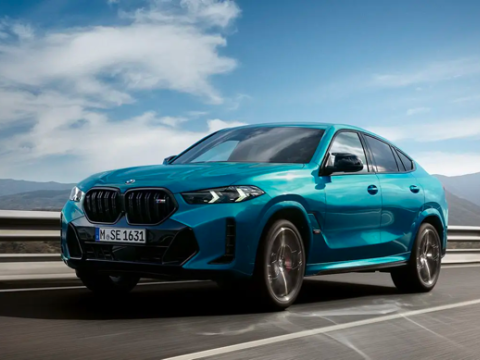
The 2023 BMW X6 xDrive40i M Sport is priced at RM 726,800 and it takes only 5.4 seconds to go from 0-100km/h
LienJun 27, 2024

The all-new BMW i5 eDrive40 M Sport Pro lands in Malaysia
LienJan 16, 2026

Audi RS6 sedan version may return to compete fully with the BMW M5
WilliamNov 21, 2025

Neue Klasse platform's first mass-produced vehicle, the all-new BMW iX3 makes its debut, looks just like a concept car
LienSep 8, 2025

BMW X5 will become BMW's first model equipped with a hydrogen fuel cell, with a range of 504 kilometers
JamesSep 8, 2025
View More
Pros
Cons