
Q
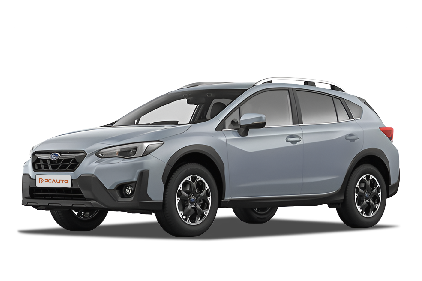
What is the range of the 2021 Subaru Crosstrek?
 LovelyLilyOct 23, 2025, 05:54 PM
The 2021 Subaru Crosstrek stands out as a compact SUV that really delivers when it comes to fuel efficiency and range. Under the hood, you've got that 2.0-liter flat-four engine paired with a CVT, which nets you around 7.4 liters per 100 kilometers in mixed driving. Do the math with a typical 50-liter tank here in Malaysia, and you're looking at a solid 675 kilometers or so on a full fill—perfect whether you're tackling a long road trip or just your daily commute.
What really sells this thing for a lot of Malaysians, though, is Subaru's Symmetrical AWD system. With our frequent rain and those slippery, damp roads, the extra grip and stability it offers are total game-changers. That's a big reason it's a popular pick.
If going greener is your thing, there's also a hybrid version of the 2021 Crosstrek with even better fuel economy. Just keep in mind, you might not see as many of those rolling around Malaysian streets—they're a bit less common here.
All told, if you're on a budget but don't want to compromise on a reliable all-wheel-drive setup, the Crosstrek is a strong contender. And hey, make sure you keep up with regular maintenance—keeping that engine and transmission in top shape is the best way to keep that fuel efficiency where it should be.
Special Disclaimer: This content is published by users and does not represent the views or position of PCauto.
Related Q&A
Q
How much is a 2021 Subaru XV?
The 2021 Subaru XV's price in Malaysia varies depending on the trim level and specs, generally ranging from around RM130,000 to RM150,000. Keep in mind, though, that actual prices might shift a bit with dealer promotions or special offers. What really makes the XV stand out is Subaru's legendary Symmetrical All-Wheel Drive and that Boxer engine. Together, they deliver that solid, planted handling feel and decent fuel efficiency—perfect for Malaysia's rainy roads, let me tell you. Then there's the EyeSight driver assist suite, which throws in adaptive cruise control and pre-collision braking, just to name a couple, adding an extra layer of safety when you're out and about.
In the Malaysian market, the XV goes head-to-head with the likes of the Honda HR-V and Mazda CX-30. But where it really carves its own niche is with that full-time AWD and better ground clearance. If you're someone who loves weekend getaways or hitting the occasional unpaved trail, the XV's your guy. Now, if you're eyeing a used 2021 XV, you can expect to save roughly 20-30% compared to a new one. But here's a tip: stick with the official certified pre-owned channels if you can. That way, you get better peace of mind with the warranty coverage.
 ShinyPearlOct 23, 2025
Q
How does the Subaru XV compare to competitors?
In Malaysia, the Subaru XV goes head-to-head with heavy hitters like the Honda HR-V, Toyota Corolla Cross, and Mazda CX-30. What really makes the XV stand out from this crowd is its ace in the hole: every trim comes standard with Subaru's Symmetrical AWD system and that signature boxer engine – pretty rare finds in this segment. This combo translates to better handling stability and off-road capability, which is a big plus given Malaysia's frequent downpours and tricky road conditions.
Step inside, and the XV leans into functionality. The standard EyeSight driver assistance suite is a big win for safety, no doubt about it. That said, if you're after cavernous rear legroom or class-leading fuel efficiency, the XV might take a backseat to its front-wheel-drive rivals, which generally excel in those areas.
Price-wise, the XV positions itself in the upper-mid tier. It's a smidge pricier than the HR-V but undercuts the CX-30. So, who is this Subaru for? If you clock a lot of highway miles or safety is your top priority, the XV should be on your shortlist. But if zipping around the city with maximum fuel economy and a roomier backseat is more your vibe, the HR-V or Corolla Cross might be better fits.
One thing to keep in mind: while that boxer engine lowers the center of gravity for better cornering, it can mean slightly higher maintenance costs compared to a run-of-the-mill inline engine. Definitely something potential buyers should factor into their decision.
 BraveBearOct 23, 2025
Q
Is 2021 a good year for a Subaru Crosstrek?
The 2021 Subaru Crosstrek is a compact SUV that feels right at home in the Malaysian market. It carries forward Subaru's reputation for reliability and comes standard with that legendary all-wheel drive system – a real asset for Malaysia's unpredictable road conditions, especially those slippery stretches during the monsoon season. Under the hood, you've got a 2.0-liter boxer engine that delivers smooth power and decent fuel economy. What really stands out, though, is the standard EyeSight driver assistance suite. Features like pre-collision braking and adaptive cruise control add a whole extra layer of safety to your daily drives.
Step inside, and you'll notice Subaru has stepped up the interior game with better materials. The center console gets an 8-inch touchscreen that supports Apple CarPlay and Android Auto, so staying connected on the go is a breeze – exactly what modern drivers expect these days. Another big plus is its generous ground clearance, which makes tackling those bumpy, less-than-perfect roads around Malaysia a total non-issue.
If you're in the market for an SUV that blends practicality, safety, and a bit of off-road capability, the 2021 Crosstrek should definitely be on your shortlist. It's especially ideal for families who love outdoor adventures or frequently hit the highway – there's plenty of space and comfort to keep everyone happy during those daily commutes or weekend getaways.
 PlayfulKittenOct 23, 2025
Q
What is the resale value of a 2021 Crosstrek?
The resale value of a 2021 Subaru Crosstrek in Malaysia hinges on several factors: overall condition, mileage, service history, and market demand. Generally speaking, a well-maintained 2021 Crosstrek tends to fetch around 70-80% of its original sticker price on the used market. Exact prices can vary depending on trim level—higher-spec models or those with genuine Subaru accessories usually hold their value better.
Subaru has built a solid reputation in Malaysia for its symmetrical all-wheel drive tech and long-term durability, which definitely helps the Crosstrek retain value. It’s especially popular among outdoor enthusiasts and safety-conscious buyers. On top of that, Japanese models generally enjoy strong acceptance in Malaysia’s used car scene, and their relatively low maintenance costs are another big reason they hold value well.
If you’re looking to sell or buy a used Crosstrek, I’d recommend checking listings on local used car platforms for a sense of current pricing. Having a complete service record is key to maximizing its value, and regular maintenance plus avoiding major accidents will go a long way in keeping that resale price healthy.
 QuietDoveOct 23, 2025
Q
What is the fuel consumption of the Subaru XV 2021?
The 2021 Subaru XV's fuel economy in the Malaysian market varies depending on driving conditions and its powertrain setup. Under the hood, you'll find a 2.0-liter horizontally opposed four-cylinder naturally aspirated engine, paired with the Lineartronic continuously variable transmission (CVT) and Subaru's Symmetrical AWD system. Official figures peg the combined fuel consumption at around 6.8 to 7.2 liters per 100 kilometers. In the real world, if your drives are mainly city-bound, you might see that creep up a bit to 8-9 liters per 100km. Hit the highway, though, and you could optimize that down to roughly 6 liters per 100km.
It's worth noting that while the boxer engine's low center of gravity and the AWD system do add a tiny bit to the fuel bill, they pay off big time in cornering stability and grip on slippery surfaces – a definite plus given Malaysia's rainy climate. If you're looking to eke out better mileage, keeping up with regular maintenance helps a lot – think fresh air filters and using lower viscosity engine oil. Also, make good use of the SI-DRIVE system by switching to Intelligent Mode (I Mode) to fine-tune the power delivery for efficiency.
Now, compared to some Japanese rivals in the same class, like the hybrid versions of the Toyota C-HR or Honda HR-V, the XV might not be the absolute fuel sipper. But where it really shines is in off-road capability and safety kit – the EyeSight driver assistance system comes standard, after all. So, it really boils down to what matters more to you as a buyer; you've gotta weigh up your priorities.
 WarmHugOct 23, 2025
Q
How much is the Subaru XV 2021?
Pricing for the 2021 Subaru XV in Malaysia varies by trim. The base 2.0i model starts around RM 118,000 up to RM 125,000, while the fully-loaded 2.0i-P trim sits in the RM 135,000 to RM 140,000 range. Keep in mind these numbers can shift a bit depending on dealer promotions or any optional extras you might add.
Under the hood, you've got Subaru's familiar 2.0-liter flat-four engine, paired with their Lineartronic CVT and that legendary Symmetrical AWD system. This crossover SUV really leans into handling and safety—EyeSight driver assist comes standard, packing features like adaptive cruise control and pre-collision braking.
For Malaysian drivers, the XV's 220mm ground clearance is a big plus, tackling our diverse road conditions with ease. It's also pretty efficient on fuel, making it a solid pick if you want something fun to drive but still practical.
Subaru sells through authorized dealers here, so I'd recommend checking their official site for the latest deals or booking a test drive before committing. It's worth cross-shopping against other Japanese crossovers like the Mazda CX-30 or Honda HR-V, but each has its own focus. The XV stands out with all-wheel drive standard across the range and that low-slung boxer engine that helps with stability.
 FreeBirdOct 23, 2025
Q
Is XV a good car?
The Subaru XV has carved out a solid niche for itself in Malaysia's compact SUV scene, and it's easy to see why. What really sets it apart is that iconic boxer engine and Subaru's Symmetrical All-Wheel Drive system—tech that translates to impressive handling and surefooted stability, which comes in mighty handy on Malaysia's rain-soaked roads. Step inside, and the XV leans into functionality. The materials and build quality are a cut above average for the class, and it's packed with the safety and tech goodies you'd expect, including the EyeSight driver assistance suite, which is a big plus for peace of mind behind the wheel.
Under the hood, the 2.0-liter naturally aspirated engine isn't going to blow your socks off with raw power, but it's smooth and returns decent fuel economy—perfectly suited for daily commutes and family duties. Add to that Subaru's strong brand reputation in Malaysia and a well-established after-sales network, and you've got a package that feels reliable and reassuring.
If you're in the market for a compact SUV that blends practicality with a bit of driving fun, the XV should definitely be on your shortlist. Of course, I'd always recommend a test drive to make sure it gels with your personal driving style, and it wouldn't hurt to cross-shop it with segment mainstays like the Honda HR-V or Mazda CX-30 to ensure you're making the most well-rounded choice.
 SoftCloudOct 22, 2025
Q
What is the fuel efficiency of the 2018 Subaru XV?
The 2018 Subaru XV holds its own when it comes to fuel efficiency. From the factory specs, the 2.0-liter naturally aspirated boxer engine paired with the CVT transmission returns a combined fuel consumption figure of around 6.8 to 7.2 liters per 100 kilometers. Of course, your actual mileage will vary a bit depending on how you drive, the roads you tackle, and the specific kit your XV's packing.
Now, this Subie comes standard with their legendary Symmetrical AWD system – and let's be real, AWD usually adds a slight fuel penalty compared to front-wheel drive. But Subaru's done a solid job tuning the engine and CVT to work together efficiently, so it doesn't drink too much extra. For Malaysian buyers, the XV's fuel economy sits comfortably in the upper-mid range for its SUV class, especially when you factor in the added stability and go-anywhere ability that full-time AWD brings to the table.
Another plus is Subaru's focus on low-end torque with their engines, which is actually pretty spot-on for Malaysia's mix of hilly terrain and stop-start city traffic. If you want to keep those fuel bills in check, make sure you stick to regular maintenance – use the right oil and keep your tires properly inflated. And maybe ease up on the lead foot every now and then; smooth driving always helps stretch a liter further.
 DancerMoveOct 22, 2025
Q
What is the recall on the 2018 Subaru XV?
Back in 2018, the Subaru XV had a recall in Malaysia over potential safety concerns, centering on two main issues. First off, some models might need an update to their Engine Control Unit (ECU) software. In really rare, extreme cases, this could cause the engine to cut out while driving – definitely not something you want for safety. Second, a batch of cars had brake light switches that might develop loose connections due to a manufacturing variance, which obviously ups the risk of getting rear-ended.
Subaru Malaysia dealers sorted affected vehicles with a free ECU software update or replaced the brake light switch, taking roughly 1-2 hours per car. Malaysian owners could check if their ride was included by popping their VIN into Subaru's website or just giving their authorized service center a call.
Let’s be real, recalls like this show a carmaker taking responsibility. They’re all about keeping drivers safe through regular tech tweaks, and honestly, this kind of thing happens across other brands too – it’s part of the industry.
If you’re a Subaru owner there, keep an eye on your email and texts. Malaysia’s transport ministry requires dealers to proactively notify owners about recalls. Also, make it a habit to check platforms like MyCarInfo for any recall history on your vehicle. Trust me, that’s a solid safety tip for owners of any brand.
 JoggerPaceOct 22, 2025
Q
Does the Subaru XV have CVT?
Yep, the Subaru XV does come with a CVT (Continuously Variable Transmission) – it's one of Subaru's go-to gearbox techs in the Malaysian market, designed to deliver a smooth drive and better fuel efficiency. The XV's CVT pairs up with Subaru's legendary Symmetrical AWD system, which isn't just about handling Malaysia's diverse road conditions – think rainy season slippery roads or stop-and-go city traffic – but also keeps power delivery nice and efficient. What's more, Subaru's tweaked this CVT to mimic the shift feel of a traditional automatic, cutting down on that classic CVT "rubber band effect" and making the driving experience feel more natural. For Malaysian buyers, the CVT's low-maintenance needs and reliability are solid practical perks. And let's not forget, the Subaru XV's EyeSight driver assist system (on some trims) working alongside the CVT steps up the safety game even more. If you're checking out other Japanese SUVs in the same class, each brand tends to tune their CVTs a bit differently – so it's definitely worth taking a few for a test drive to see which one fits your driving style best.
 WriterPageOct 22, 2025
Popular Cars
Model Year
Car Compare
Car Photo
Related Models
 Cars
CarsLatest Q&A
Q
Is AMT similar to automatic?
There are significant differences between AMT transmissions and automatic transmissions (AT) in terms of core structure and driving experience. AMT is essentially an electronically automated version of a manual transmission, simulating manual clutch operation and gear shifting through a computerized control system while retaining the gear set structure of manual transmissions. As a result, it offers higher transmission efficiency, with fuel consumption approximately 8%-12% lower than AT, making it particularly suitable for highway or long-distance driving. However, it may exhibit jerking similar to manual transmissions during low-speed gear shifts, especially noticeable in congested traffic conditions.
AT transmissions rely on torque converters for power transfer, delivering smooth and seamless gear shifts that appeal to comfort-oriented users. However, their complex structure (incorporating planetary gear sets, hydraulic systems, etc.) results in higher maintenance costs. A single service may cost between 800 to 1,500 ringgit, whereas AMT only requires gear oil replacement at approximately 400 ringgit.
From a market perspective, AMT is predominantly used in budget vehicles or commercial models priced below 80,000 ringgit, while AT is typically featured in mid-to-high-end vehicles. Consumers should select based on actual needs: AMT suits those prioritizing fuel efficiency and low maintenance costs, while AT better serves those valuing comfort. Notably, recent advancements in AMT electronic control technology have significantly mitigated jerking issues, though test drives should still emphasize low-speed performance evaluation.
 AriaMar 26, 2026
Q
Which is better, DCT or AT?
DCT (Dual-Clutch Transmission) and AT (Automatic Transmission) each have their own advantages and disadvantages, and the choice should be based on personal driving needs. AT transmissions transfer power through a torque converter, offering excellent shift smoothness, making them suitable for urban commuting or novice drivers. However, they tend to have higher fuel consumption, and vehicles equipped with them are usually more expensive. DCT transmissions utilize a dual-clutch structure, featuring fast shift speeds and high power transmission efficiency, which provides a more direct driving experience—particularly suitable for users seeking a sporty feel. However, they may exhibit jerking at low speeds and have relatively high maintenance costs. If durability and comfort are priorities, AT is the more reliable choice; if power responsiveness and driving pleasure are preferred, wet DCT (such as Volkswagen DSG) performs better, though dry DCT models should be avoided in prolonged stop-and-go traffic conditions. Additionally, CVT transmissions excel in smoothness and fuel efficiency, making them ideal for daily commuting, but they lack driving excitement. It is recommended to test-drive before purchasing, as tuning varies significantly across brands, and real-world experience is more important than theoretical specifications.
 FlutteringMar 26, 2026
Q
Is Amt good or bad?
AMT gearboxes have a significant cost advantage in the local market, typically being around 5,000 Ringgit cheaper than models equipped with conventional automatic transmissions. Their fuel efficiency is comparable to manual transmissions, resulting in long-term fuel savings. Featuring a straightforward design, they achieve transmission efficiency exceeding 90% with relatively low maintenance costs, making them ideal for practicality-oriented consumers. However, their shifting logic contains inherent limitations: gear changes between 1st and 2nd cause 0.3-0.5 second power interruptions, while unintended upshifts on inclines may reduce engine speed by 15%-20%, compromising driving smoothness. For urban commuters or budget-conscious buyers, AMT offers excellent value, though those prioritizing premium driving dynamics should consider alternative transmission types. Some domestic models like the Perodua Axia employ enhanced AMT systems, where optimized shift programming has reduced gearshift shock by approximately 30%.
 RainbowsMar 26, 2026
Q
Which gives better mileage, CVT or AMT?
From the perspective of fuel economy, CVT transmissions generally perform better under urban driving conditions. Their continuously variable design allows the engine to consistently operate within the optimal speed range, significantly reducing fuel consumption during frequent starts and stops. Test data shows that their fuel consumption in urban driving conditions is 10% to 15% lower than that of comparable models. AMT transmissions, on the other hand, inherit the high transmission efficiency of manual transmissions, delivering fuel efficiency close to manual transmissions during high-speed cruising. This makes them particularly suitable for long-distance driving in large-displacement vehicles. However, due to power interruption during gear shifts, their overall fuel consumption may be 5% to 8% higher than CVTs.
The difference in fuel-saving characteristics between the two transmissions stems from their technical principles: CVTs achieve continuous variability through steel belts and pulleys, eliminating the fixed gear ratio limitations of traditional transmissions; AMTs simulate manual gear changes via electronic control systems while maintaining the mechanical efficiency of gear transmission. Notably, actual fuel consumption is also influenced by driving habits. Smooth acceleration and anticipatory deceleration can maximize the transmissions' fuel-saving potential. If the vehicle budget permits and urban commuting is the primary use, CVTs offer a more economical choice. For frequent highway driving with an emphasis on cost-effectiveness, AMTs are equally worth considering.
 RubyBlazeMar 26, 2026
Q
Which is cheaper, AMT or CVT?
In terms of gearbox cost, AMT is usually more economical than CVT. Essentially, AMT is a manual transmission equipped with an electronic control unit, featuring a simple structure and low maintenance costs. The unit price ranges from approximately 5,000 to 8,000 ringgit, making it suitable for budget-conscious consumers or those who prioritize long-term operating costs. CVT incurs higher manufacturing costs due to its precision steel belt transmission system and continuous variable transmission technology, with a unit price of about 7,000 to 10,000 ringgit. However, it delivers a smoother driving experience and superior fuel efficiency. The primary differences between the two lie in technical complexity: AMT retains the gear-shifting mechanism, resulting in noticeable shift shock; CVT achieves linear power output through stepless speed variation but requires periodic belt inspection and incurs higher maintenance expenses. For those prioritizing initial cost and basic transportation needs, AMT offers better value; if comfort and long-term fuel economy are priorities, CVT represents a more worthwhile investment. Note that actual prices may vary based on vehicle model, brand, and local supply chain factors.
 ShadowProwlMar 26, 2026
Related News

Subaru XV Common Problems: These 5 Major Issues You Should Know About
RobertMar 23, 2026
Priced from RM 117,788! Subaru XV: An SUV that combines stylish sports and practicality
AshleyJul 22, 2024

Subaru plans to launch a new Forester in 2026, adding a 1.8L Turbo power version
Kevin WongFeb 11, 2026

Subaru switched to a CBU strategy, CX-5 prices dropped significantly, who is the ultimate choice for handling performance?
RobertDec 30, 2025

Does STI still have a future? Subaru gives the most ambiguous answer with two concept cars
Kevin WongDec 15, 2025
View More
Pros
Cons